7 Vegetables That Bolt Fast In Florida And What To Plant Instead This February
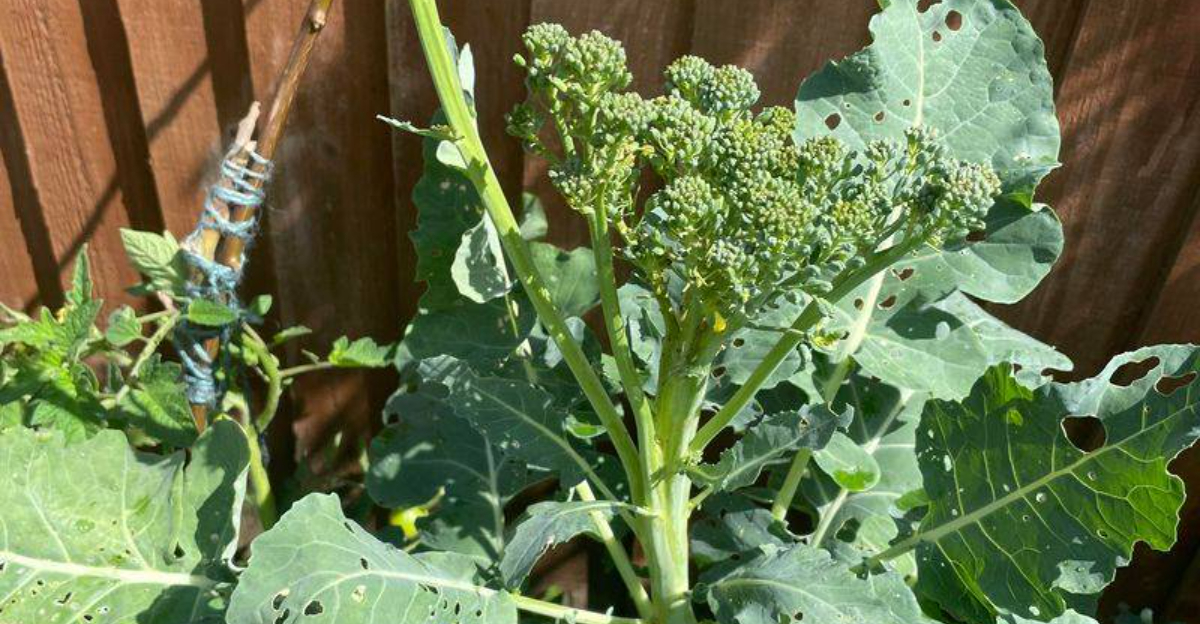
February in Florida feels like the moment your garden should finally take off.
The beds are planted, the sun is warmer, and everything looks poised for a big, beautiful season.
Then almost overnight, something strange happens.
Lush green plants shoot skyward, leaves turn bitter, and crops that promised weeks of harvest suddenly become useless.
It feels like failure, but it is really biology at work.
Florida’s rising temperatures and lengthening days trigger a survival response in many vegetables, forcing them to abandon leaf production and rush toward flowering.
Once that switch flips, there is no going back.
A planting that would thrive for months in cooler climates can collapse in days here.
The good news is that this chaos is predictable, and with the right choices, it can even work in your favor.
Knowing which vegetables will bolt fast and which ones will keep producing is the difference between empty beds and a February garden that keeps feeding you.
1. Lettuce (Loose-Leaf Varieties)
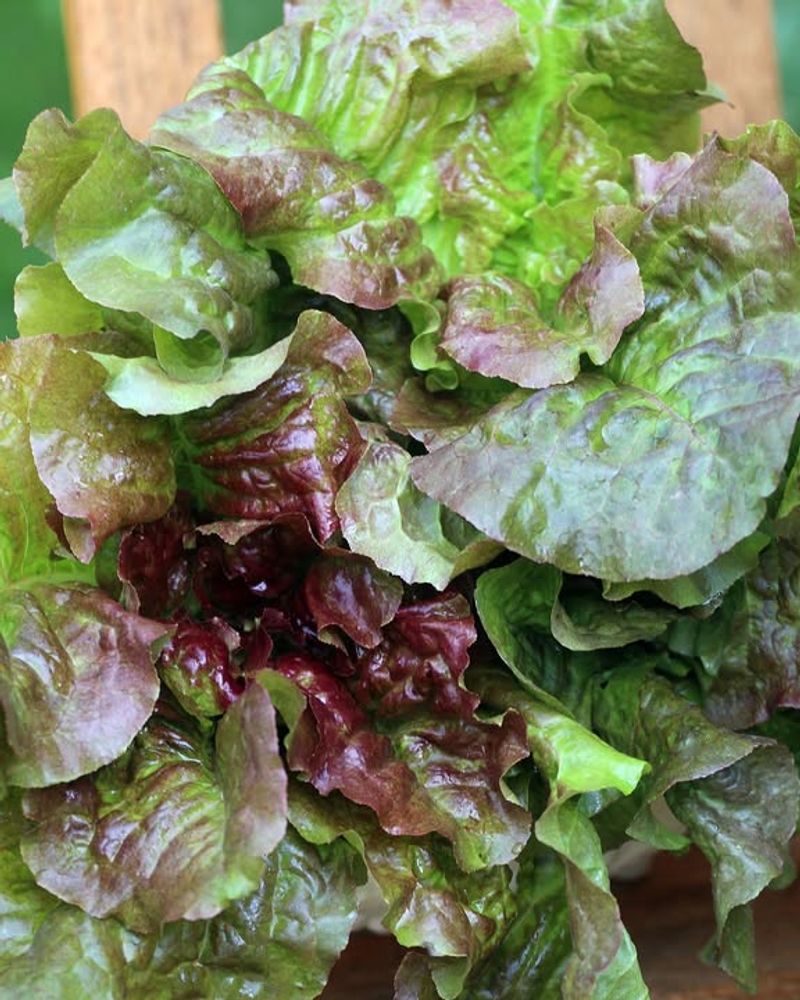
Loose-leaf lettuce loves cool weather, but February in Florida can swing from pleasant mornings to surprisingly warm afternoons within hours.
When temperatures climb above seventy-five degrees for several days in a row, your lettuce plants sense the shift and decide it’s time to reproduce.
That means they send up a tall flower stalk in a process called bolting, and once that happens, the leaves turn bitter and lose their tender texture.
You might get a week or two of decent harvests if you planted early in the month, but by mid-February, most loose-leaf varieties start showing signs of stress.
The leaves become tough and unpleasant to eat, and no amount of watering or shade cloth will reverse the process once it begins.
Heat-tolerant lettuce varieties such as Jericho, Black Seeded Simpson, and Nevada, along with mizuna and tatsoi, perform far better in Florida’s February warmth.
Baby kale handles warm weather much better than lettuce and keeps producing tender leaves even as temperatures rise into the eighties.
It does best with morning sun and afternoon shade, so position it on the east side of taller plants for protection during the hottest part of the day.
2. Spinach (Traditional Spinach)
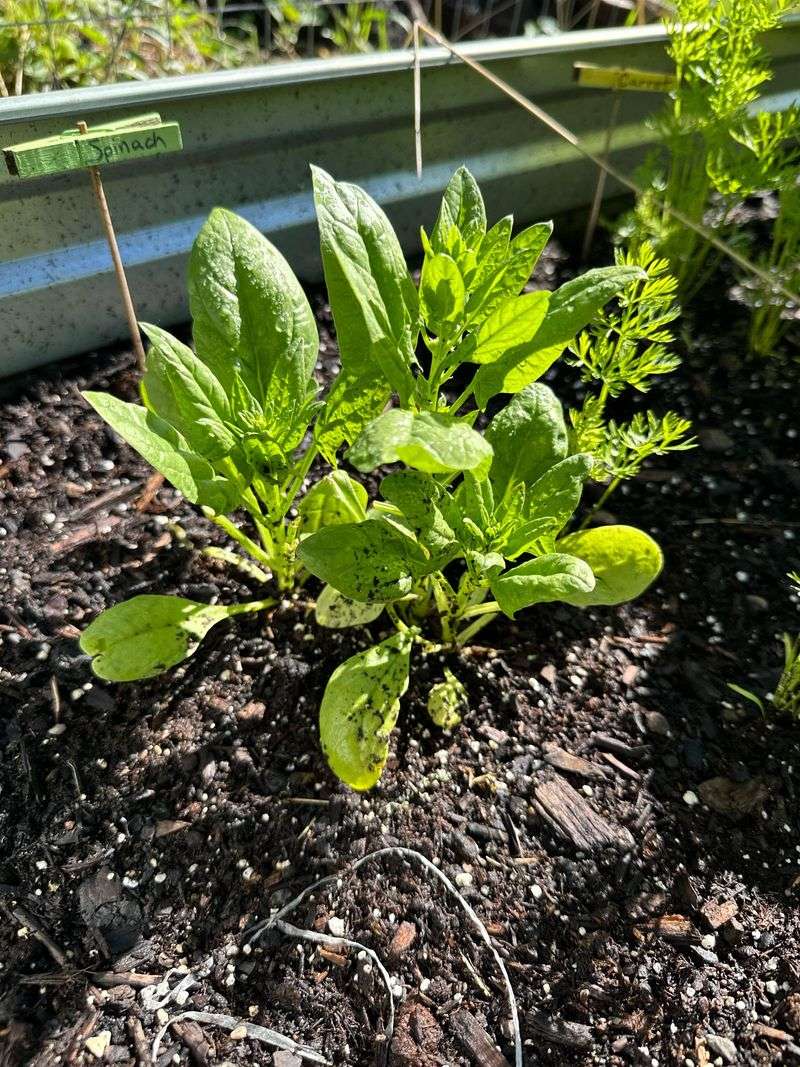
Traditional spinach has a reputation for being finicky in warm climates, and Florida gardeners know this struggle all too well.
When daytime temperatures consistently reach the mid-seventies, spinach plants shift their energy from producing those dark green leaves you want to creating seeds for the next generation.
The result is a bitter, tough plant that bolts so fast you barely get a handful of harvests before it becomes inedible.
February might start cool enough to give you hope, but by the third week, most spinach varieties are already showing signs of stress.
The leaves shrink, the stems elongate, and before you know it, you’re staring at a flower stalk instead of a salad.
New Zealand spinach offers a fantastic alternative because it actually thrives in heat and humidity.
Despite its name, it’s not a true spinach, but the flavor is similar enough that most people can’t tell the difference in cooked dishes.
Your Florida Garden Changes Every Week. Your Plan Should Too.
Gardening in Florida changes quickly throughout the season. Every Friday you’ll receive a simple weekly plan showing exactly what to plant, prune, fertilize, harvest, and protect so you never miss the right timing.
Mizuna is another excellent choice, with feathery leaves that add a mild mustard flavor to salads and stir-fries while tolerating warmer temperatures far better than traditional spinach.
Plant New Zealand spinach in full sun and give it plenty of space to spread, as it grows low and wide rather than tall.
Mizuna prefers partial shade in Florida and benefits from regular harvesting, which encourages new growth and prevents it from bolting as quickly as spinach would in the same conditions.
3. Arugula
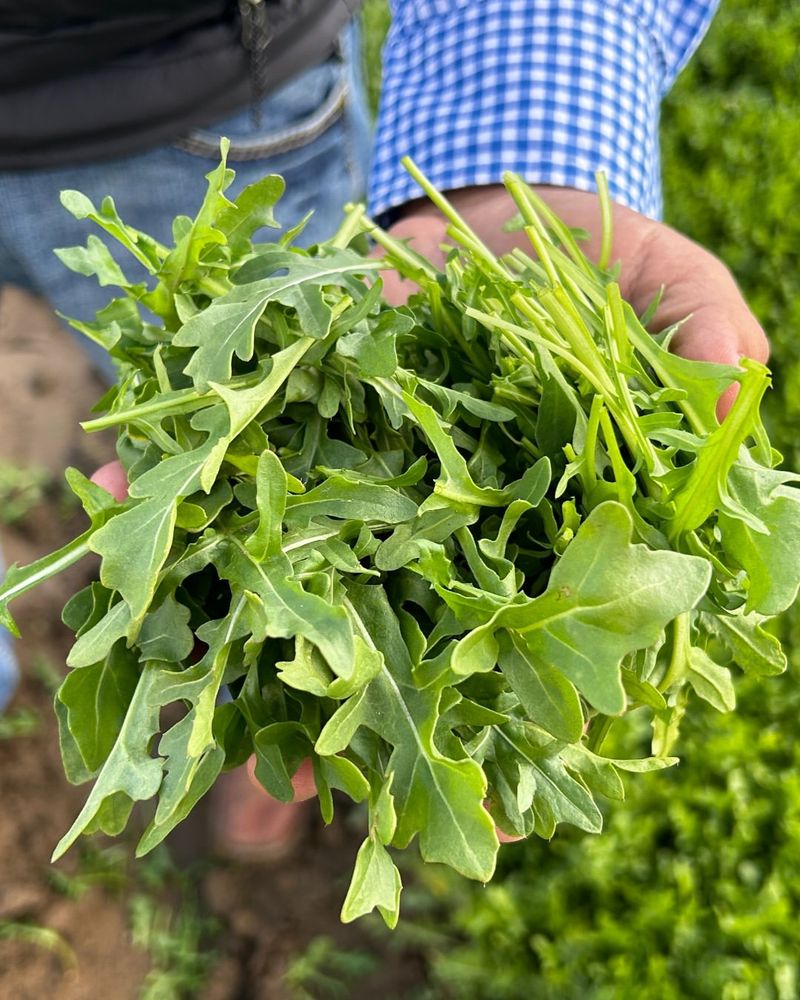
Arugula is one of the better greens for early February in Florida, but it still bolts much faster here than most gardeners expect.
As soon as warm spells push temperatures into the upper 70s and 80s, arugula switches from leaf production to flowering, causing the leaves to become sharply bitter and tough.
In Central and South Florida, this often means arugula only produces well for a few weeks before bolting, making it unreliable as a long-term February crop.
Mustard greens make a much better choice for Florida gardeners who want that spicy kick without the rapid bolting.
They handle heat remarkably well and keep producing tender leaves even as the weather warms up.
Tatsoi is another fantastic option, with spoon-shaped leaves that form beautiful rosettes and offer a mild mustard flavor that’s less aggressive than arugula but still interesting enough to keep salads exciting.
Plant mustard greens in full sun or partial shade and harvest the outer leaves regularly to encourage continued growth throughout the season.
Tatsoi prefers slightly cooler spots in your garden, so try planting it where taller vegetables can provide some afternoon shade, and keep the soil consistently moist to prevent stress that might trigger early bolting.
4. Radish
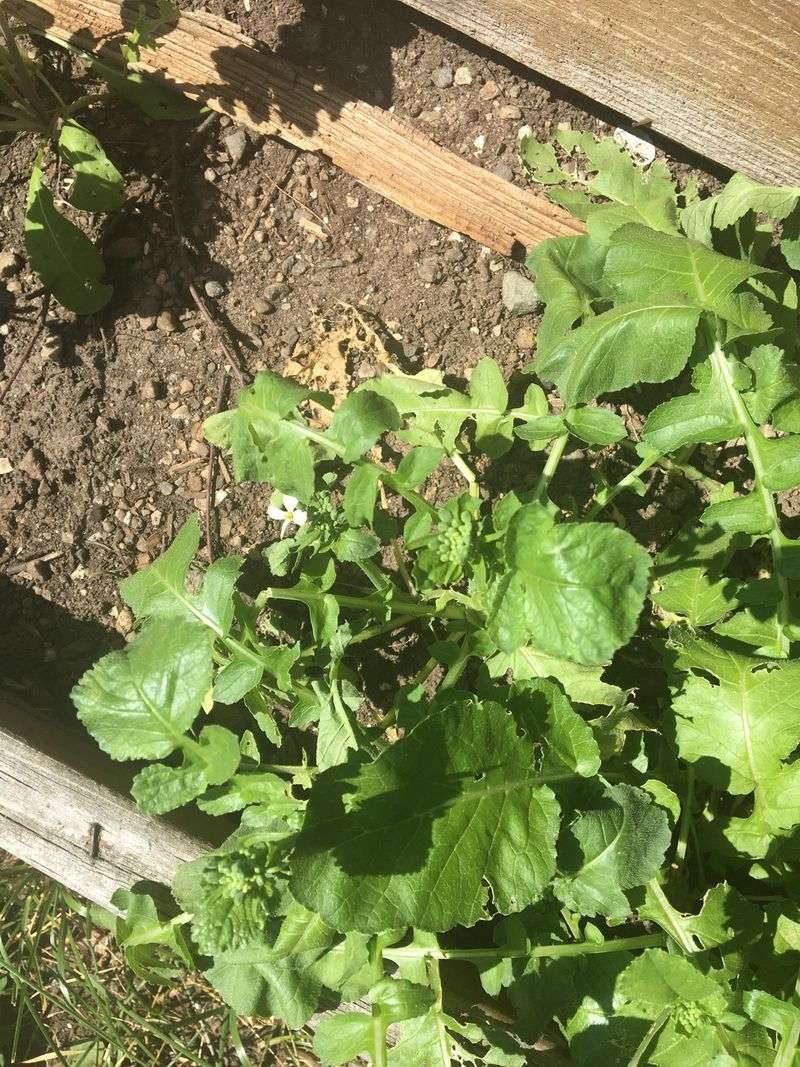
Radishes promise a quick harvest, and in cooler climates, they deliver crisp roots in just three to four weeks.
February is actually prime radish season in Florida, and radishes usually form crisp roots before heat becomes a problem.
If planting is delayed or a sudden heat spike hits late in the month, roots can become woody and pithy instead of crisp and peppery.
Beets and turnips offer much better results in Florida’s February gardens because they tolerate temperature swings far better than radishes.
Beets develop sweet, earthy roots even when the weather warms up, and the greens are delicious and nutritious too.
Turnips grow quickly like radishes but handle heat stress without bolting, giving you both tasty roots and tender greens you can harvest throughout the season.
Plant beet seeds about half an inch deep and thin the seedlings to three inches apart once they emerge, giving each plant enough room to develop a good-sized root.
Turnips grow best in loose, well-drained soil with plenty of organic matter mixed in, and you can start harvesting the greens within a few weeks while letting the roots continue growing for another month or two.
5. Cilantro
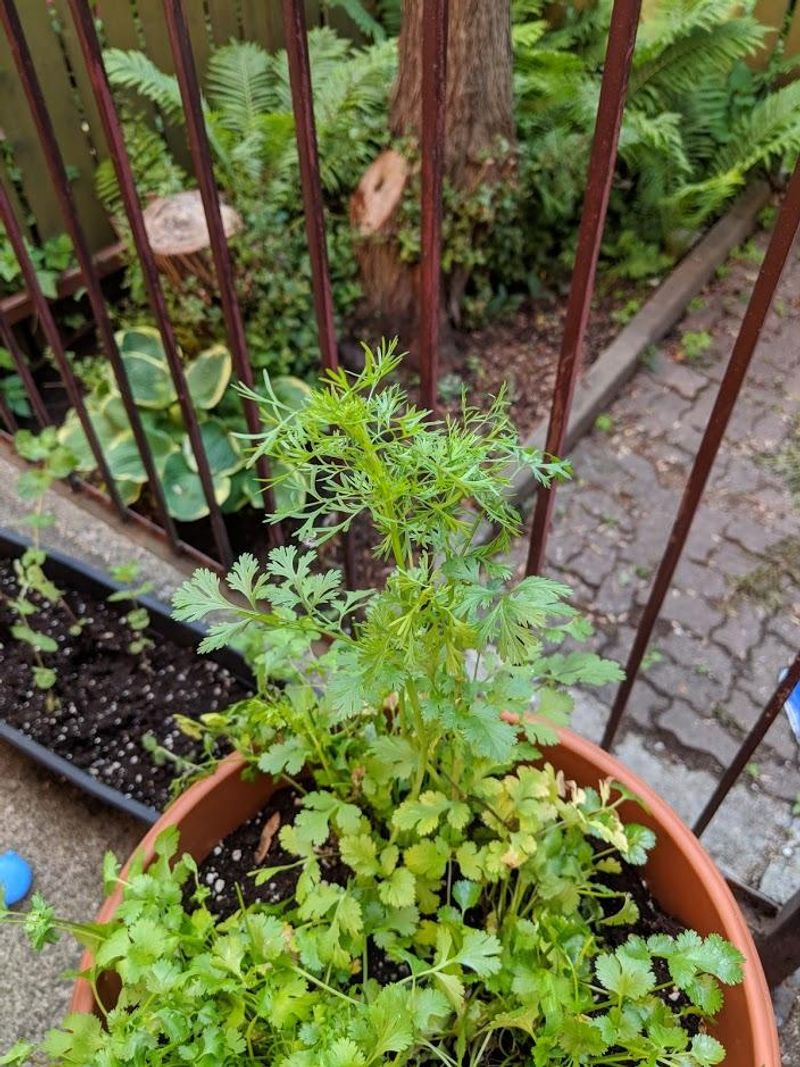
Cilantro is one of the most frustrating herbs to grow in warm Florida regions because it is extremely sensitive to heat and increasing day length.
While it may start out strong in early February, just a few days of temperatures in the upper 70s and 80s can trigger rapid bolting.
Once cilantro bolts, the plant shifts from producing leafy growth to forming flowers and seeds, causing the leaves to become sparse and unpleasantly strong-tasting.
In Central and South Florida, this often means cilantro only produces usable leaves for a short window before it bolts.
For true cilantro flavor in warm weather, try culantro (recao) or slow-bolt cilantro varieties such as Santo or Calypso, which hold longer in Florida’s February warmth.
Thai basil loves full sun and warmth, so give it a prominent spot in your garden where it can bask in Florida’s generous sunshine, and pinch off the flower buds regularly to encourage bushier growth and more leaf production.
6. Broccoli (Overhead-Planted in Warm Spots)
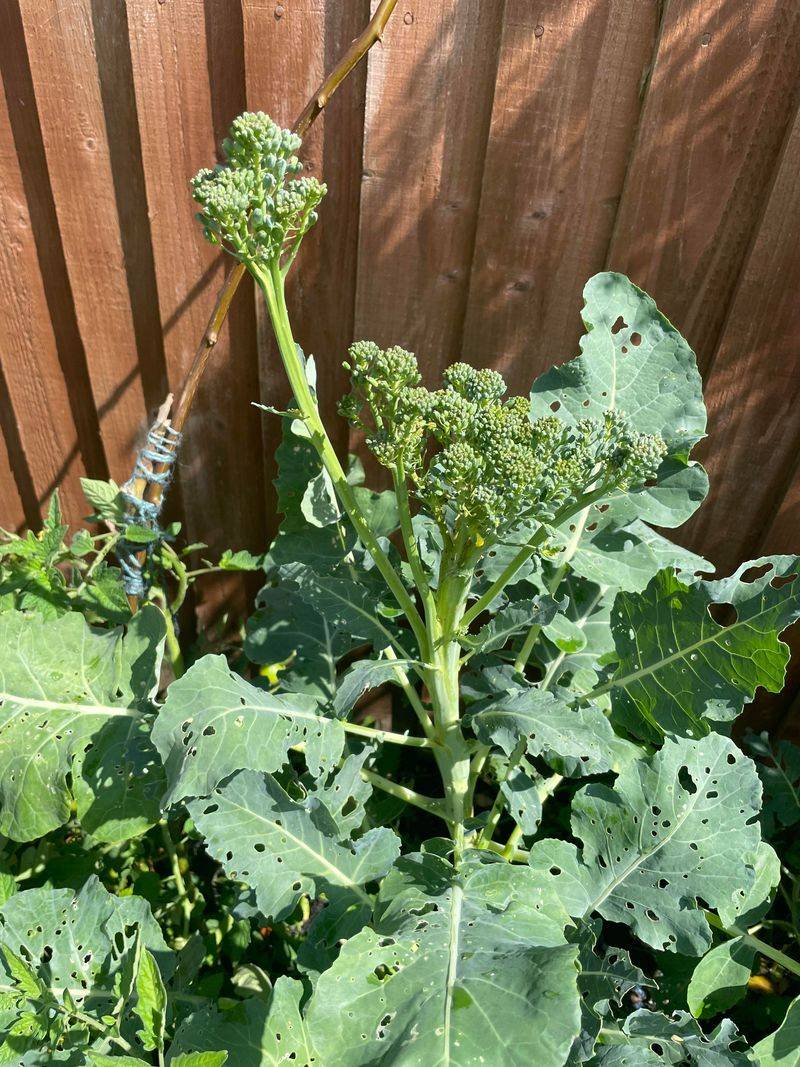
Broccoli needs consistent cool temperatures to form those tight, delicious heads you’re hoping for, but Florida’s February weather rarely cooperates.
When you plant broccoli in a warm, sunny spot without protection, the plants often bolt before producing a decent-sized head.
The florets start to separate and turn yellow as the plant rushes to flower, leaving you with a stringy, bitter vegetable that’s nothing like the broccoli you buy at the store.
Even if you planted your broccoli back in fall and it’s been growing steadily, a sudden warm spell in February can trigger bolting almost overnight.
The plants are extremely sensitive to temperature changes, and once they decide to bolt, there’s no stopping them.
Kale and collard greens are much better choices for Florida gardens because they actually improve in flavor as they mature and handle warm weather without bolting.
Kale comes in several varieties, from curly to lacinato, and all of them produce tender, nutritious leaves throughout the spring and even into early summer.
Collard greens are a Southern staple for good reason—they thrive in Florida’s climate and keep producing large, flavorful leaves even when temperatures climb into the nineties.
Plant kale in partial shade to protect it from the most intense afternoon sun, and harvest the lower leaves regularly to encourage new growth at the top.
Collard greens prefer full sun and rich, well-amended soil, and they benefit from a thick layer of mulch around the base to keep the roots cool and moist during warm spells.
7. Chard
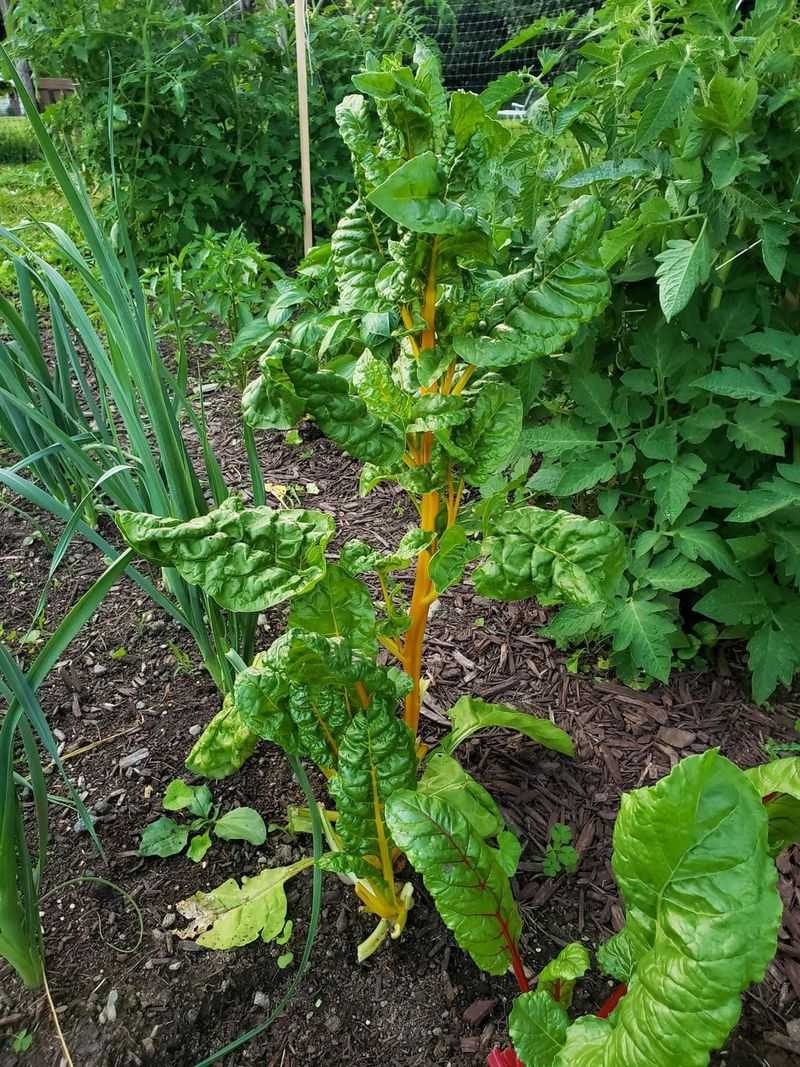
Swiss chard is one of Florida’s most heat-tolerant leafy greens and grows well through February and spring.
While Swiss chard is far more heat-tolerant than lettuce or spinach, extreme warmth and dry soil can still slow leaf quality.
In late February and early spring, plants may temporarily produce smaller or tougher leaves during hot spells, even though they may still continue growing before eventually sending up seed stalks as heat increases.
Heat-tolerant Swiss chard varieties have been bred specifically to handle warmer conditions, and they perform beautifully in Florida gardens throughout the spring.
Look for varieties like Fordhook Giant or Bright Lights, which maintain their quality even when temperatures rise.
Malabar spinach is another excellent alternative, with thick, succulent leaves that climb and spread, providing abundant harvests throughout the warm season without any signs of bolting.
Plant heat-tolerant chard in a spot that gets morning sun and some afternoon shade, and keep the soil consistently moist to prevent stress.