Winter Tool And Shed Checklist Every Texas Garden Owner Needs In 2026
When winter arrives in Texas, many garden owners breathe a sigh of relief. The heat fades, growth slows down, and it feels like the perfect time to take a break.
But winter is not the season to ignore your garden tools and shed. In fact, this is one of the most important times of year to give them some attention.
Mild winters, sudden cold snaps, and unpredictable weather can take a serious toll on tools, equipment, and storage spaces if they are left unprepared.
Texas gardens may not face deep snow for long periods, but moisture, rust, pests, and temperature swings can still cause damage.
Pruners can dull, hoses can crack, and small problems inside the shed can grow into expensive repairs by spring.
A simple winter checklist can save you time, money, and frustration when the growing season returns. It also helps extend the life of your tools and keeps your shed safe, clean, and organized.
Taking care of your tools and shed during winter doesn’t require special skills or a lot of time. It simply requires knowing what to check, clean, repair, and store properly.
1. Quality Garden Tool Organizer
Keeping your tools organized during the winter months prevents damage and makes spring prep so much easier.
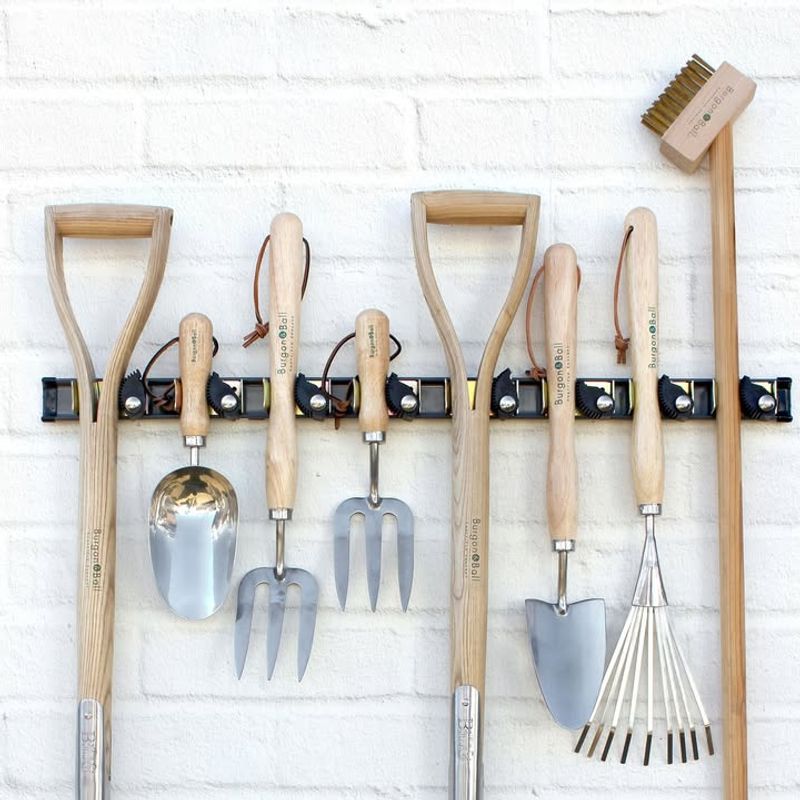
A sturdy garden tool organizer mounted on your shed wall keeps rakes, shovels, hoes, and other long-handled tools off the floor and neatly arranged.
This prevents tripping hazards and protects tool handles from moisture damage that can occur when they sit on damp concrete or dirt floors.
Texas winters can be unpredictable, with sudden cold snaps followed by warm, humid days. This fluctuation in temperature and moisture levels can warp wooden handles and cause metal parts to rust if tools are not stored properly.
An organizer with individual slots or hooks ensures each tool has its own space, reducing wear and tear from tools leaning against each other.
Look for organizers made from weather-resistant materials like galvanized steel or heavy-duty plastic that can withstand the Texas climate.
Some models come with adjustable hooks that can accommodate different tool sizes, making them versatile for your growing collection.
Installing one in your shed creates a professional, efficient workspace that saves you time searching for the right tool.
Proper organization also helps you quickly identify which tools need maintenance or replacement before the busy spring season arrives.
Spending a little time this winter setting up a quality organizer will pay off throughout the year with easier access and longer-lasting equipment.
2. Rust Prevention Spray And Oil
Metal garden tools face a constant battle against rust, especially during Texas winter when moisture levels can fluctuate wildly.
A good rust prevention spray or oil creates a protective barrier on your metal tools, keeping them in prime condition for years to come.
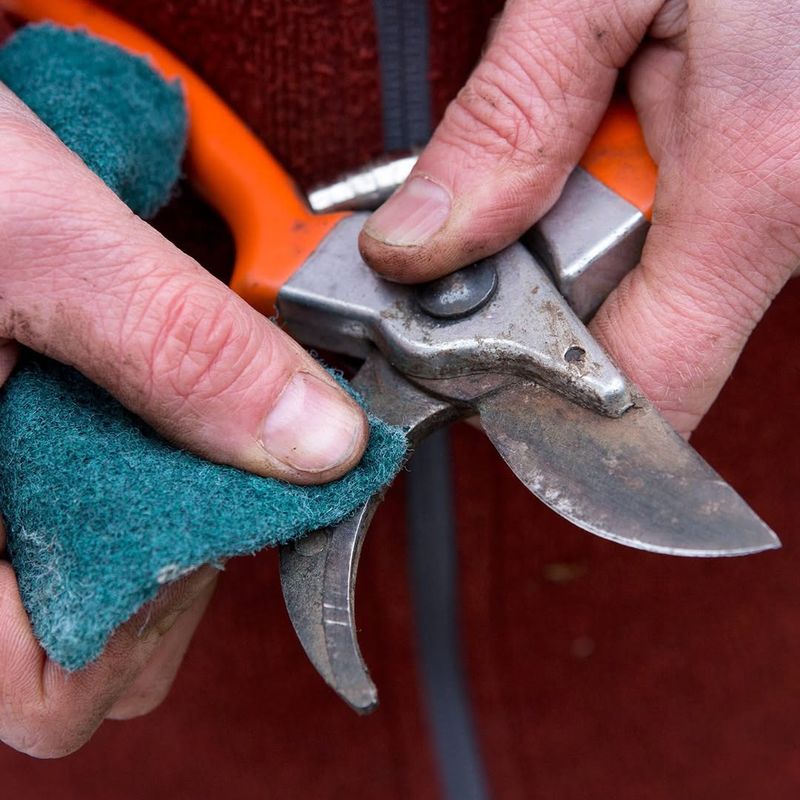
Before storing your tools for winter, clean them thoroughly to remove dirt and debris, then apply a thin coat of protective oil to all metal surfaces. Products like WD-40, 3-in-One oil, or specialized tool protectants work wonders at preventing oxidation.
Your Texas Garden Changes Every Week. Your Plan Should Too.
Gardening in Texas changes quickly throughout the season. Every Friday you’ll receive a simple weekly plan showing exactly what to plant, prune, fertilize, harvest, and protect so you never miss the right timing.
The key is applying the product after each use during winter, or at minimum, giving all your tools a thorough coating before putting them away for extended periods.
This simple step can extend the life of your expensive pruners, shears, spades, and other metal implements by several years.
Texas gardeners know that even mild winters bring morning dew and occasional rain that can settle in sheds and create humid conditions. These conditions are perfect for rust formation, which weakens tools and makes them less effective.
Sharp edges become dull and pitted, handles loosen from corroded connections, and overall tool performance declines rapidly without proper protection.
Keep a can of rust prevention spray easily accessible in your shed so you can quickly treat tools after cleaning them.
Make it part of your routine to wipe down and oil your tools before storing them, and you will notice a significant difference in their condition come spring planting time.
3. Heavy-Duty Work Gloves
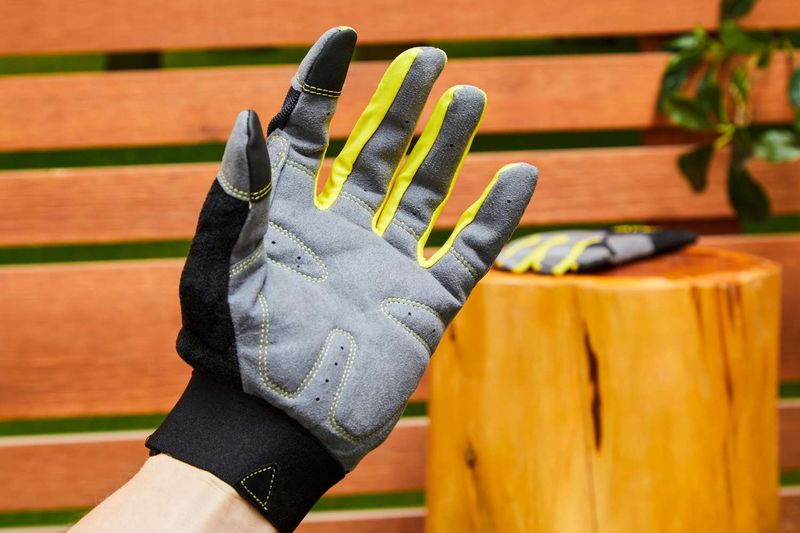
Winter maintenance work in your Texas garden shed requires good hand protection, and quality work gloves are absolutely essential.
Heavy-duty gloves protect your hands from splinters, sharp edges, thorns, and cold metal surfaces while you clean, organize, and repair your equipment. Look for gloves with reinforced palms and fingers that offer both dexterity and durability.
Many gardeners make the mistake of using lightweight gloves that wear out quickly or do not provide adequate protection for heavier winter tasks.
When you are moving heavy pots, scrubbing tools, or handling rough materials like burlap and wire, thin gloves just will not cut it.
Leather gloves or synthetic materials with padded protection give you the grip and safety you need for serious shed work.
Texas weather means you might be working in your shed on a chilly morning one day and a warm afternoon the next. Having gloves that breathe while still protecting your hands keeps you comfortable during extended work sessions.
Some modern work gloves feature moisture-wicking liners that prevent sweaty hands while maintaining protection. Keep multiple pairs of gloves in different styles for various tasks.
Heavier leather gloves work great for moving equipment and handling rough materials, while flexible synthetic gloves with rubber grips are perfect for detailed work like sharpening tools or making repairs.
Having the right gloves readily available in your shed encourages you to actually wear them, protecting your hands from injuries that could sideline your gardening activities.
4. Weatherproof Storage Bins
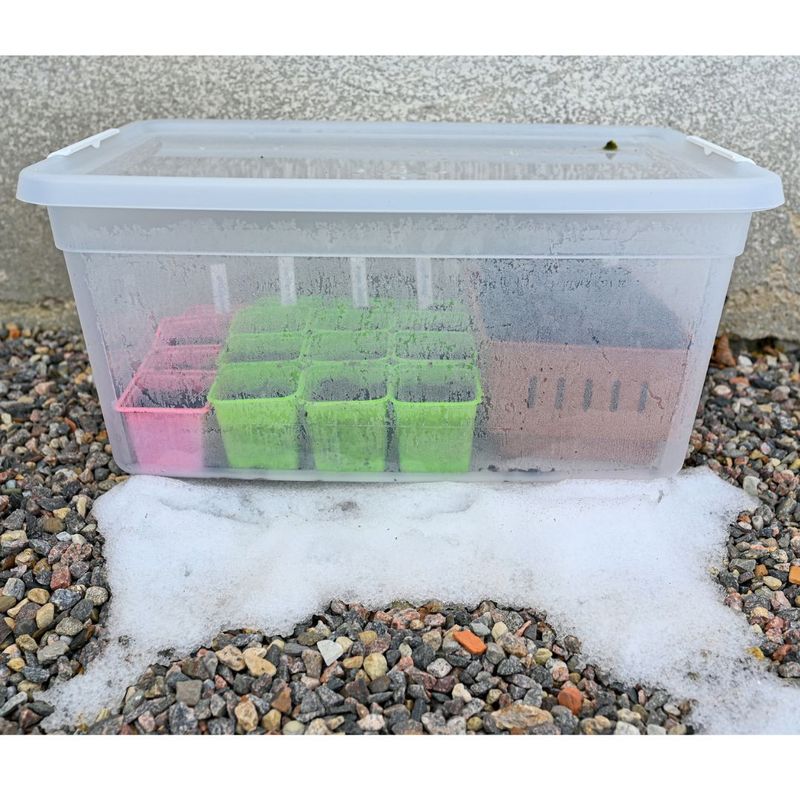
Protecting your seeds, fertilizers, and smaller gardening supplies from moisture and pests requires weatherproof storage bins.
Texas sheds can experience temperature swings and humidity that damage delicate materials, making sealed containers a must-have for winter organization.
Clear plastic bins with tight-fitting lids let you see what is inside while keeping contents dry and safe from curious critters.
Seeds are particularly vulnerable to moisture and temperature fluctuations that can reduce their germination rates.
Storing them in weatherproof bins with silica gel packets maintains the right environment to keep them viable until planting time.
The same goes for organic fertilizers, potting soil amendments, and other materials that can clump, mold, or degrade when exposed to humidity.
Stackable bins maximize your shed space, allowing you to organize supplies by season or type. Label each bin clearly so you can quickly find what you need without digging through everything.
This organization system saves time and prevents the frustration of discovering ruined supplies when you need them most.
Choose bins made from UV-resistant plastic that will not crack or become brittle in the Texas sun if your shed gets warm during sunny winter days.
Sizes ranging from small containers for seed packets to larger bins for bulk supplies give you flexibility in your storage system.
Investing in quality weatherproof bins protects your gardening investments and keeps your shed looking neat and professional year-round.
5. Sharpening Stone Or File
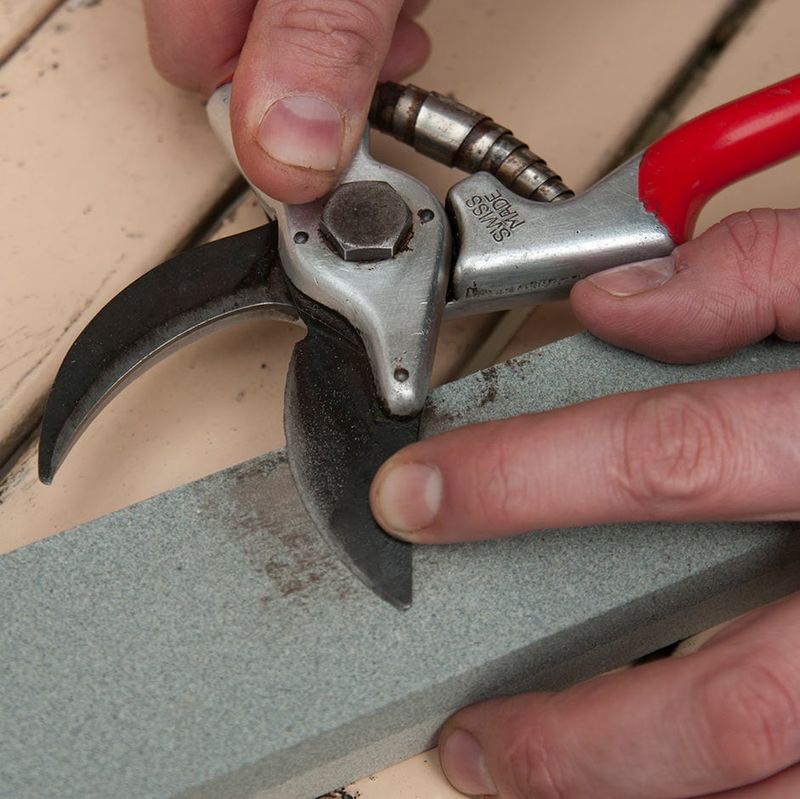
Winter provides the perfect opportunity to sharpen all your cutting tools, and having a quality sharpening stone or file in your shed makes this essential maintenance task easy.
Dull blades make gardening harder, damage plants, and increase the risk of accidents because you have to apply more force to make cuts.
Sharp tools, on the other hand, make clean cuts that promote plant health and make your work more efficient.
A combination sharpening stone with both coarse and fine grit sides handles most garden tool sharpening needs. Use the coarse side to reshape damaged edges and remove nicks, then finish with the fine side to create a razor-sharp edge.
For tools like pruners and shears, a small diamond file works perfectly to maintain the precise angles needed for clean cuts.
Texas gardeners who keep their tools sharp notice the difference immediately when spring pruning season arrives.
Sharp pruners glide through branches instead of crushing them, sharp hoes slice through weeds effortlessly, and sharp spades cut into soil with minimal effort. This not only makes your work easier but also reduces strain on your hands, wrists, and shoulders.
Make tool sharpening part of your winter shed routine. Set aside an afternoon to go through all your cutting implements, cleaning and sharpening each one.
This meditative task prepares your tools and your mindset for the upcoming growing season, ensuring you are ready when warm weather returns to Texas.
6. Moisture-Absorbing Products

Humidity control in your Texas garden shed protects tools, seeds, and supplies from moisture damage during winter.
Moisture-absorbing products like silica gel packets, calcium chloride containers, or rechargeable dehumidifiers maintain a dry environment that prevents rust, mold, and deterioration.
Even though Texas winters are milder than northern states, morning dew and occasional rain create humid conditions inside sheds.
Place moisture absorbers strategically throughout your shed, especially in corners and enclosed spaces where air circulation is poor.
Hanging moisture absorber bags work well near tool storage areas, while container-style absorbers fit nicely on shelves among your supplies. Check and replace or recharge these products regularly throughout winter to maintain their effectiveness.
For larger sheds or those in particularly humid areas of Texas, consider a small electric dehumidifier that automatically removes excess moisture from the air.
Some models have built-in humidistats that turn on only when humidity levels rise, making them energy-efficient. This investment pays for itself by protecting expensive tools and supplies from moisture-related damage.
Seeds stored in your shed benefit tremendously from moisture control, maintaining higher germination rates for spring planting. Wooden tool handles stay strong and do not warp or crack when kept in a dry environment.
Metal parts resist rust formation, and paper seed packets remain legible and intact. Creating a dry storage environment in your shed is one of the smartest maintenance steps Texas gardeners can take during winter months.
7. Cleaning Supplies And Brushes
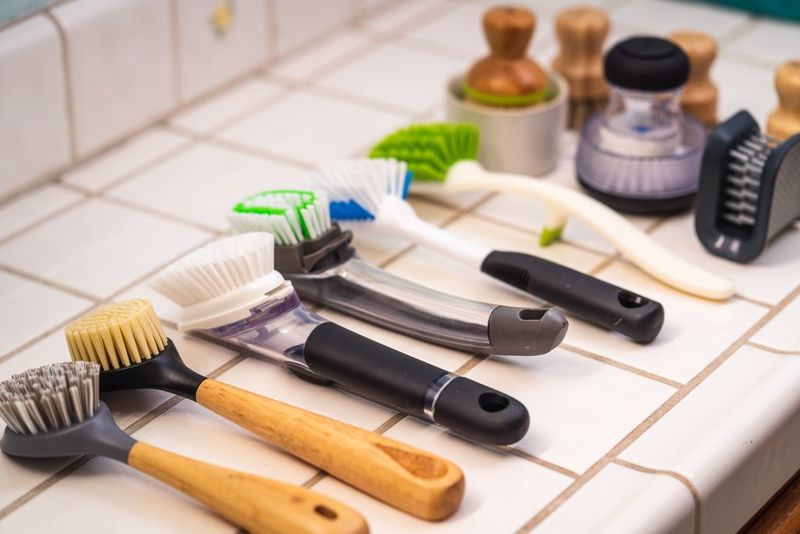
Proper cleaning supplies make winter tool maintenance much easier and more effective. A bucket, scrub brushes of various sizes, old rags, and a hose attachment for your shed area help you thoroughly clean tools before storage.
Dirt, sap, and plant residue left on tools over winter can harden, attract pests, and accelerate corrosion, making spring cleanup much more difficult.
Wire brushes work excellently for removing caked-on dirt and rust from metal surfaces, while softer bristle brushes protect painted or coated tool surfaces. A putty knife or old screwdriver helps scrape off stubborn debris from shovel blades and hoe edges.
Keep a spray bottle filled with a mixture of water and dish soap for quick cleaning jobs, and have plenty of absorbent rags on hand for drying tools after washing.
Winter in Texas is the ideal time to deep clean your entire shed and all your equipment. Remove everything from shelves, sweep out corners, and wipe down surfaces to eliminate dirt, spider webs, and debris that accumulated during the busy growing season.
This fresh start makes organizing easier and helps you spot any maintenance issues that need attention. Clean tools work better and last longer than neglected ones.
Taking time during slower winter months to establish a cleaning routine sets you up for success throughout the year.
Store your cleaning supplies in an easily accessible spot in your shed so you can quickly clean tools after each use, maintaining them in top condition year-round.
8. Repair Kit With Basic Hardware
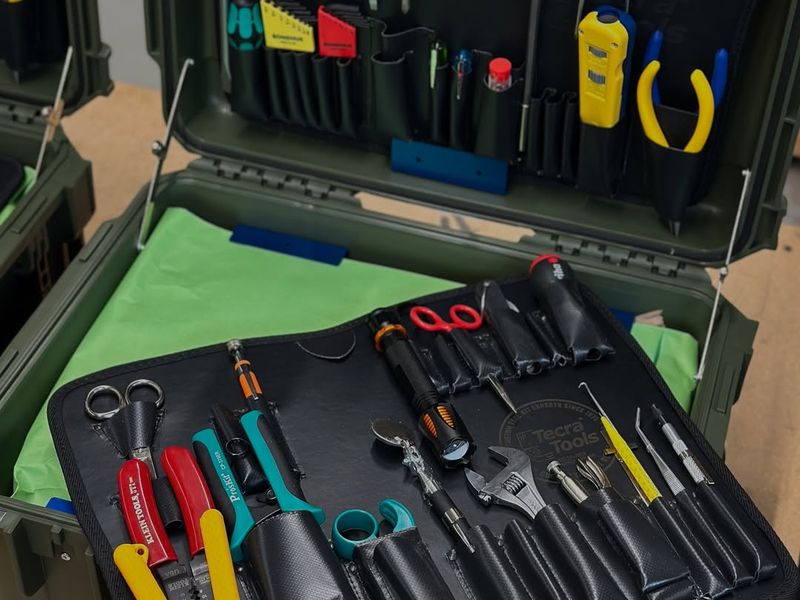
A well-stocked repair kit saves trips to the hardware store and keeps your tools functioning properly throughout winter. Basic items like screws, bolts, nuts, washers, wire, duct tape, and wood glue handle most common tool repairs.
Wooden handles come loose, metal parts work free from vibration, and connections weaken over time, but having repair supplies on hand means you can fix problems immediately rather than letting them worsen.
Include replacement handles for common tools in your repair kit, along with wedges for securing axe and hammer heads. A small container of wood screws in various sizes, along with machine bolts and nuts, covers most fastening needs.
Hose repair kits, including clamps and connectors, prevent water waste and keep your irrigation system functioning properly through unpredictable Texas winter weather.
Winter provides the perfect opportunity to tackle those small repairs you have been putting off during busy growing seasons. Tighten loose handles, replace worn grips, fix wobbly wheelbarrow wheels, and patch small holes in hoses or watering cans.
These small maintenance tasks prevent bigger problems and equipment failures when you need your tools most.
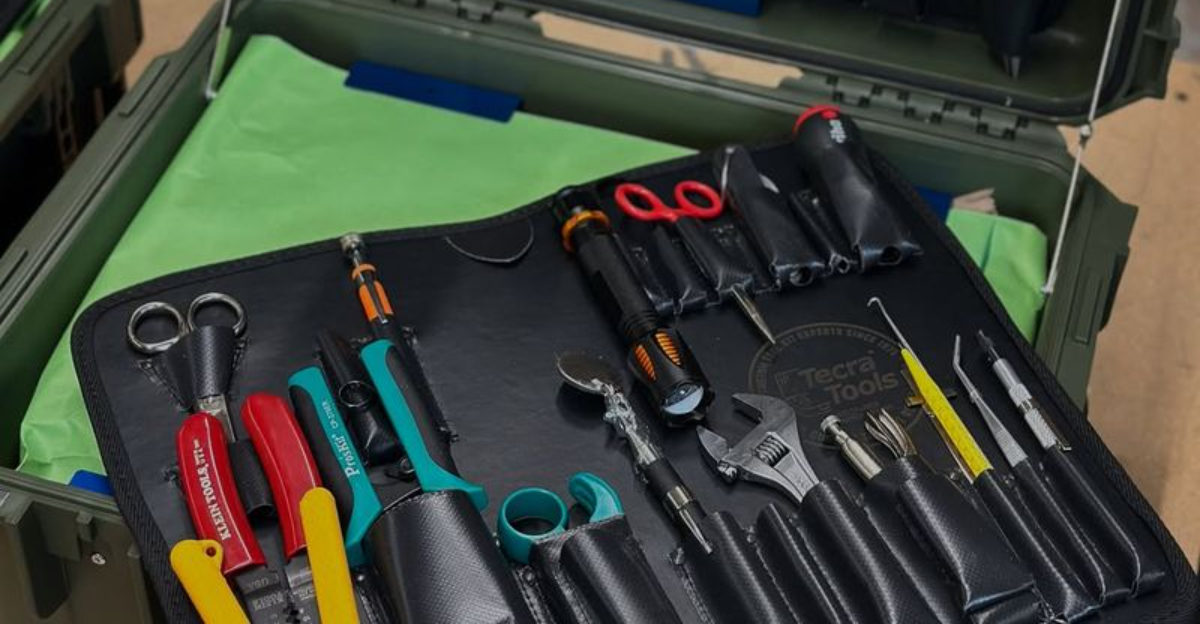
Keep your repair kit organized in a toolbox or dedicated container so everything is easy to find when you need it. Include basic hand tools like screwdrivers, pliers, an adjustable wrench, and a hammer for making repairs.
Texas gardeners who maintain their equipment properly spend less money replacing tools and more time enjoying productive, successful gardens throughout the year.