9 Plants That Hate Florida’s Spring Humidity And What To Grow Instead
Florida spring has a way of fooling gardeners. The sunshine looks perfect, the temperatures feel just right, and everything seems ready to grow.
Then the humidity rolls in and suddenly plants that looked healthy at the garden center start going downhill fast. Leaves spot, buds rot, and flowers fade before they ever get a chance to shine.
If you have ever wondered why certain favorites never seem to make it past April, you are not alone. Florida’s thick, sticky air creates problems that many popular plants simply cannot handle, no matter how much care you give them.
It can feel like beating your head against a wall trying to keep the wrong plants happy. Knowing which plants are going to struggle saves you time, money, and a whole lot of frustration.
Picking plants that can handle Florida’s spring weather makes gardening feel less like work and more like fun.
1. Roses
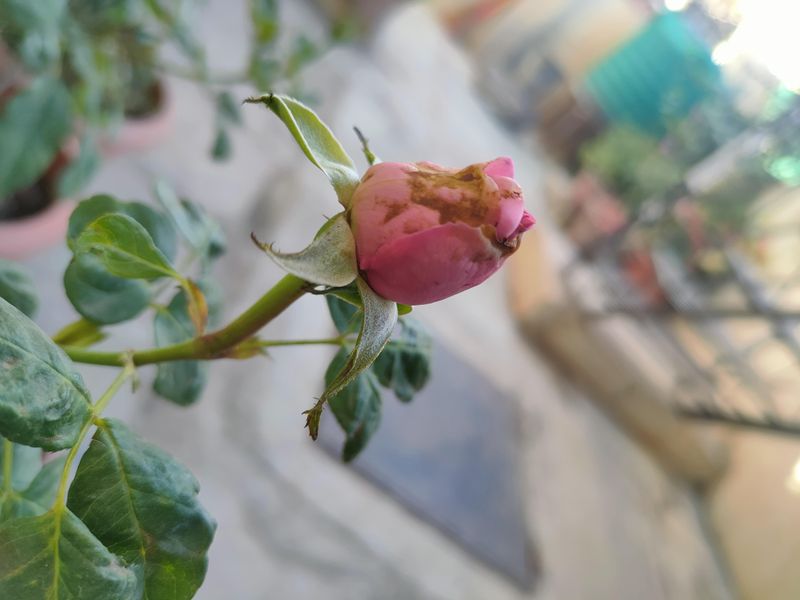
These classic garden beauties face serious challenges when Florida’s spring humidity arrives because their delicate petals and dense foliage create perfect conditions for fungal diseases. Black spot and powdery mildew spread rapidly across leaves when moisture hangs in the air for extended periods.
Gardeners often notice yellowing leaves with dark circular spots appearing first, followed by premature leaf drop that weakens the entire plant.
The constant dampness prevents proper air circulation around blooms, causing buds to rot before they even open fully. Traditional varieties require intensive fungicide treatments and constant monitoring to survive Florida’s humid springs.
Even with careful attention, most struggle to produce the abundant, healthy blooms that make them so desirable elsewhere.
Consider planting Knock Out roses or other disease-resistant cultivars specifically bred for humid climates, as these varieties outperform traditional hybrid teas and require far fewer chemical treatments in Florida gardens.
These modern varieties possess natural resistance to common fungal problems and require far less maintenance while still delivering beautiful color.
Their tougher constitution and improved genetics allow them to handle moisture without developing the issues that plague their more delicate relatives in Florida gardens.
2. Tulips
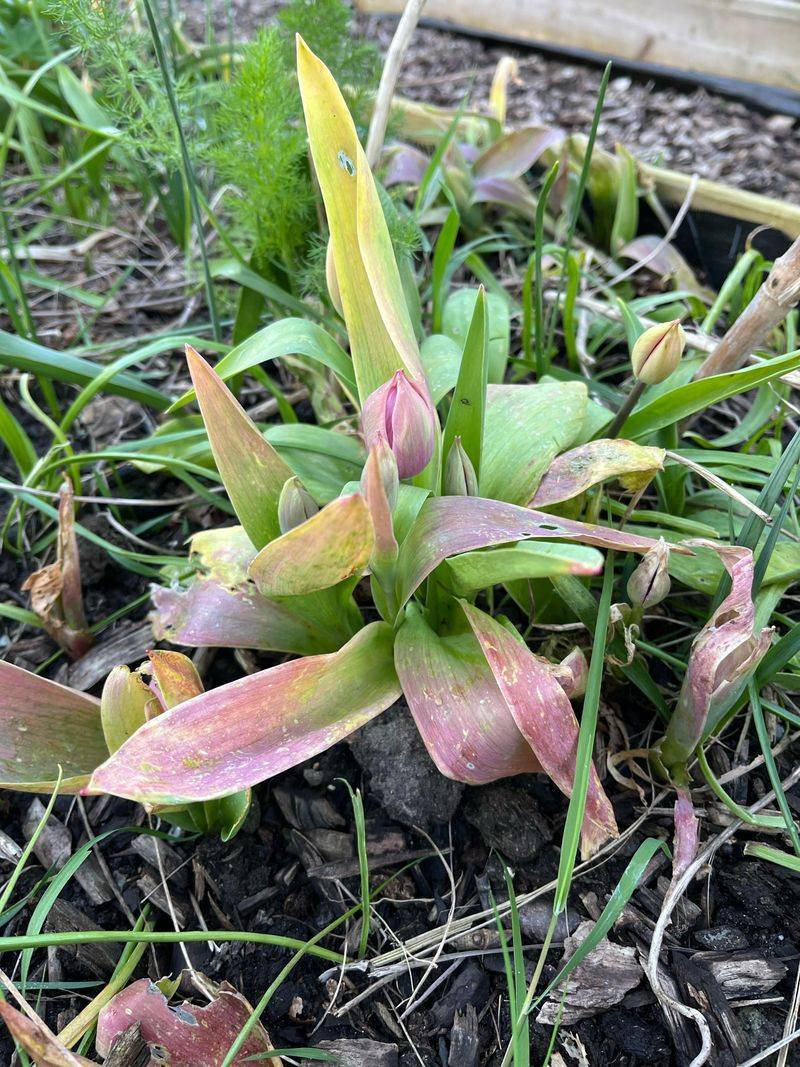
Originating from mountainous regions with cold winters and dry springs, these spring bulbs cannot adapt to Florida’s warm, humid conditions during their critical growing season. Their biological clock expects a prolonged cold period followed by cool, dry weather for proper bloom development.
Without sufficient chilling hours and appropriate moisture levels, the bulbs fail to produce strong stems and vibrant flowers.
Gardeners who attempt growing them often see weak, floppy stems that cannot support the weight of blooms properly. The flowers that do appear typically look smaller and paler than expected, lacking the robust color seen in northern gardens.
Bulbs frequently rot in the ground due to excessive soil moisture combined with warm temperatures that encourage bacterial and fungal growth.
Plant Amaryllis bulbs for spectacular spring color that actually thrives in Florida’s climate instead of fighting against it.
These tropical beauties produce massive, showy blooms on sturdy stems without requiring any special cold treatment or climate manipulation.
Your Florida Garden Changes Every Week. Your Plan Should Too.
Gardening in Florida changes quickly throughout the season. Every Friday you’ll receive a simple weekly plan showing exactly what to plant, prune, fertilize, harvest, and protect so you never miss the right timing.
They naturally flourish in warm, humid conditions and return reliably year after year with minimal care, making them perfect replacements for tulips in Florida landscapes.
3. Lilacs
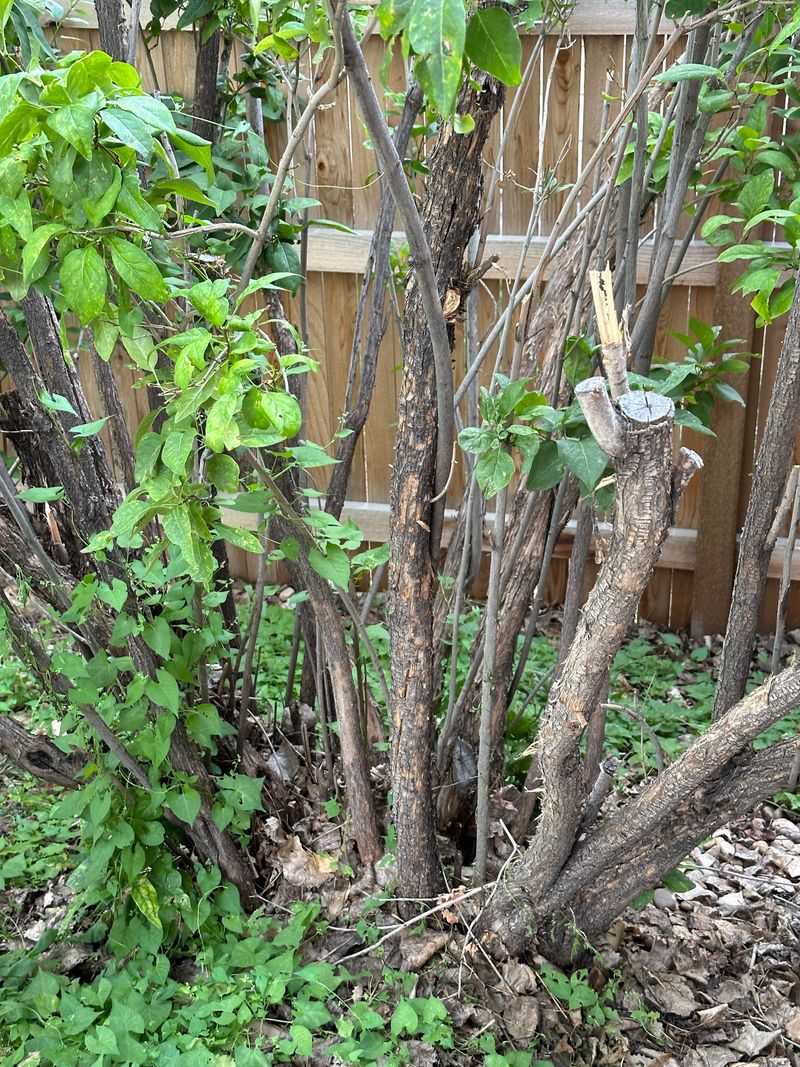
Famous for their intoxicating fragrance and beautiful purple blooms in northern states, these shrubs require extended cold winters and low humidity springs to develop properly. Their flower buds form only after experiencing hundreds of hours below forty-five degrees, something Florida’s mild winters simply cannot provide.
Even if you manage to find a location with adequate chilling, the humid spring air creates problems with bud development and bloom quality.
The shrubs typically grow poorly with sparse, yellowing foliage that looks stressed throughout the growing season.
Flower production remains minimal or completely absent, leaving gardeners disappointed after investing time and money into these unsuitable plants.
Fungal diseases attack the leaves rapidly when humidity levels rise, causing unsightly brown spots and premature leaf drop that further weakens already struggling specimens.
Choose Crape Myrtle for fragrant, colorful blooms on a beautiful flowering shrub perfectly adapted to Florida’s climate conditions. These versatile plants produce abundant flower clusters in various colors throughout summer and fall without requiring cold winters.
They handle humidity exceptionally well and resist most diseases naturally, providing strong visual impact and seasonal fragrance without the constant care lilacs would demand.
4. Peonies
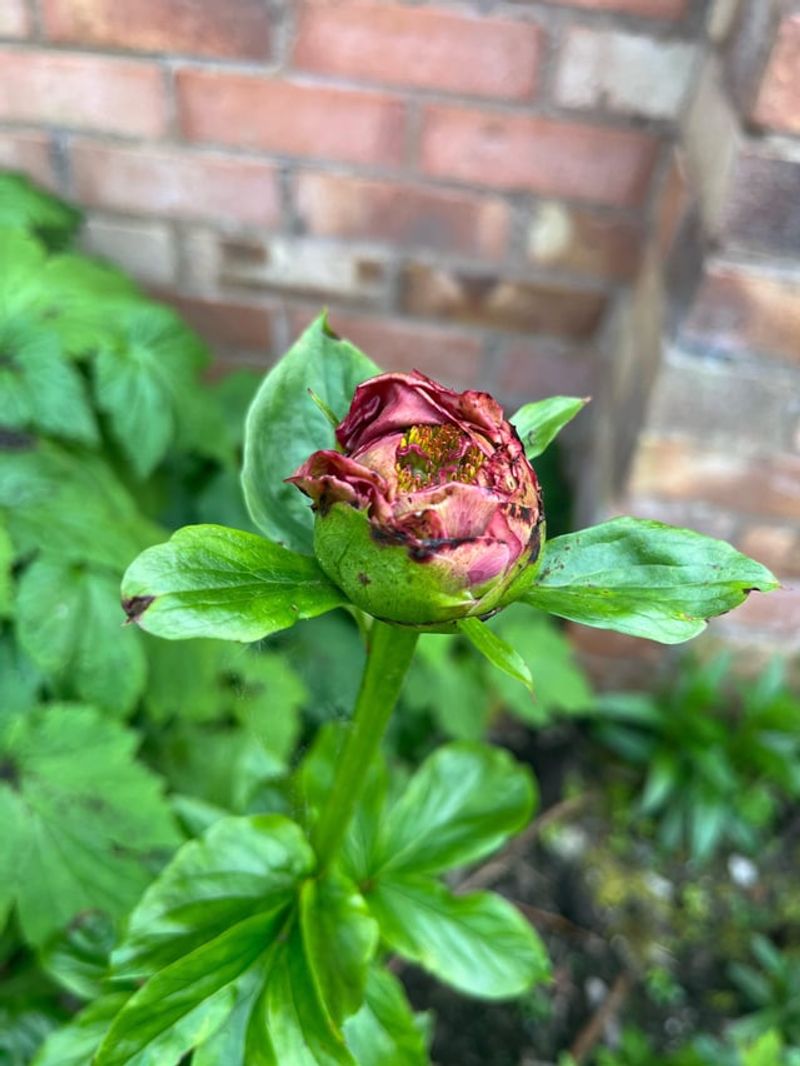
With their spectacular, dinner-plate-sized blooms and lush foliage, these perennials rank among the most beloved flowers in cooler climates but cannot survive Florida’s spring conditions.
Their roots need extended freezing temperatures during winter dormancy to trigger proper growth hormones for the following season.
Spring humidity causes the developing flower buds to rot before opening, a condition called botrytis blight that spreads rapidly in moist air.
Gardeners notice brown, mushy spots appearing on buds and stems as the fungal disease takes hold quickly. The few blooms that manage to open often look distorted and discolored, nothing like the perfect specimens seen in gardening magazines.
Foliage develops powdery white coating or dark spots as secondary infections attack plants already weakened by unsuitable growing conditions.
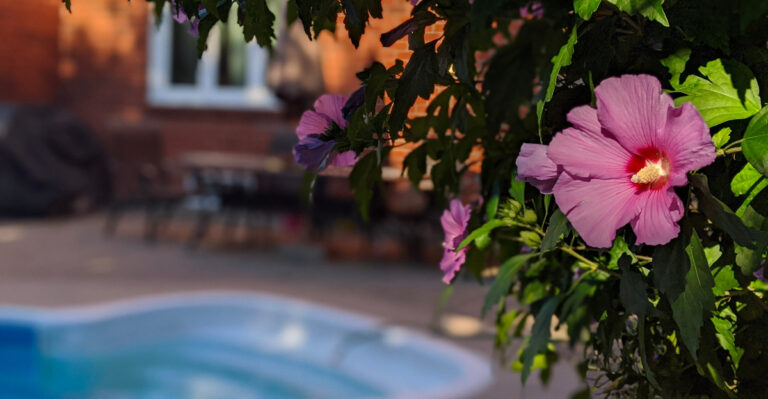
Plant Hibiscus for large, showy blooms that absolutely love Florida’s warm, humid spring weather instead of struggling against it. These tropical showstoppers produce massive flowers in brilliant colors daily throughout the growing season without any special requirements.
They thrive in conditions that would destroy peonies, handling humidity and heat with ease while providing even more dramatic visual interest for your garden beds and landscape borders.
5. Lavender
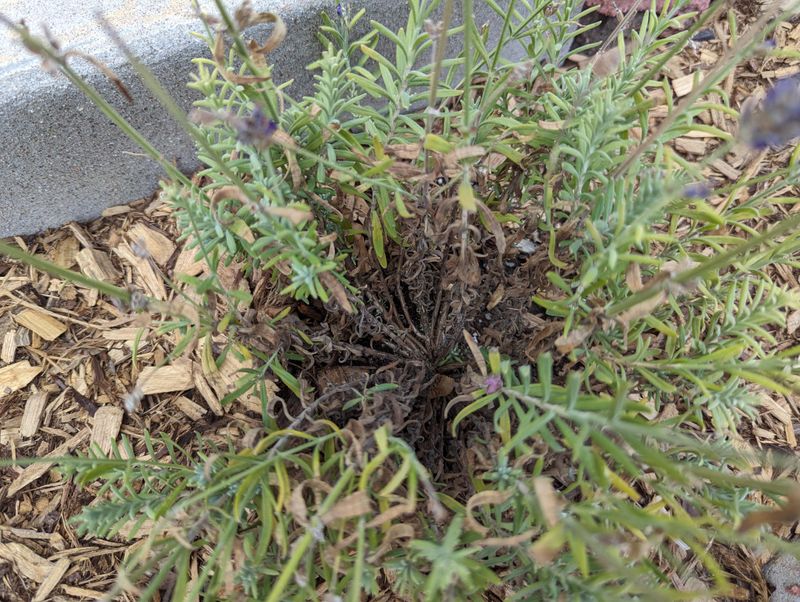
Hailing from the dry, sunny hillsides of Mediterranean regions, this aromatic herb absolutely requires low humidity and excellent drainage to survive and produce its famous fragrant blooms.
Florida’s spring humidity creates constantly damp conditions around the plant’s base, exactly what lavender cannot tolerate for extended periods.
The combination of warm temperatures and high moisture levels encourages root rot that progresses rapidly through the entire plant.
Gardeners first notice the normally gray-green foliage turning yellow or brown at the tips, followed by wilting despite adequate watering. The distinctive fragrance diminishes as the plant struggles, and flowering becomes sparse or stops completely.
Lower branches often turn black and mushy as fungal pathogens attack the crown and roots, spreading upward through the stems until the entire plant collapses.
It is important to note that while English lavender struggles statewide, some heat-tolerant varieties such as Spanish or French lavender may survive in parts of North Florida when grown in raised beds with exceptional drainage and airflow.
Even these varieties tend to perform inconsistently and rarely match the longevity or bloom quality seen in drier climates.
Try planting Rosemary for a fragrant, drought-tolerant herb that handles Florida’s humidity far better while still providing culinary and ornamental value. This Mediterranean relative shares lavender’s aromatic qualities and similar appearance but possesses much greater tolerance for occasional humidity and moisture.
It produces lovely blue flowers in spring, resists most diseases naturally, and thrives in Florida gardens where lavender would quickly fail despite your best efforts.
6. Foxglove
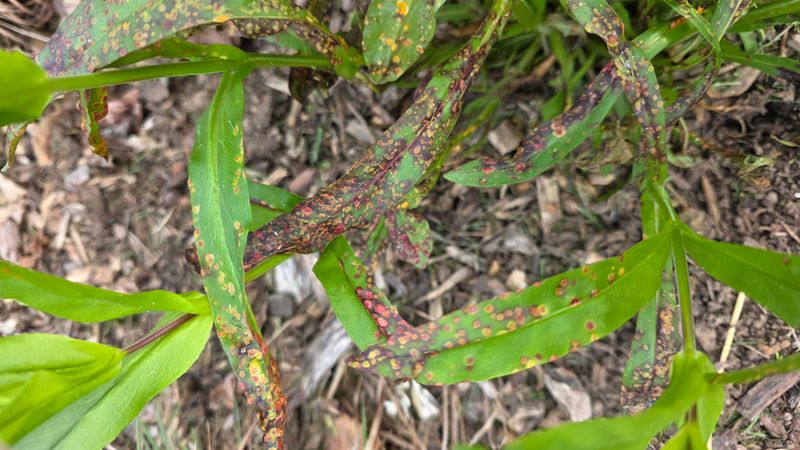
These tall, stately biennials produce magnificent spikes of tubular flowers in cottage gardens across cooler regions but struggle terribly in Florida’s humid spring environment.
Their large, fuzzy leaves trap moisture against the surface, creating ideal conditions for fungal and bacterial diseases to establish and spread rapidly.
The plants expect cool, moist soil with dry air circulation, exactly opposite of what Florida spring delivers to garden beds.
Gardeners observe leaves developing brown, soggy patches that expand quickly across the foliage as infections progress unchecked. The characteristic flower spikes fail to develop properly or produce weak, sparse blooms that lack the impressive height and fullness seen in suitable climates.
Plants often collapse completely before reaching their full size, with stems turning mushy and black from crown rot that destroys the root system.
Select Pentas for tall, colorful flower clusters that actually thrive in Florida’s warm, humid conditions throughout spring and beyond.
These reliable performers produce abundant star-shaped blooms continuously without the disease problems that plague foxglove in humid climates.
They attract butterflies and hummingbirds beautifully while handling heat and moisture with complete ease, providing vertical interest and vibrant color that foxglove simply cannot deliver successfully in Florida landscapes.
7. Delphinium
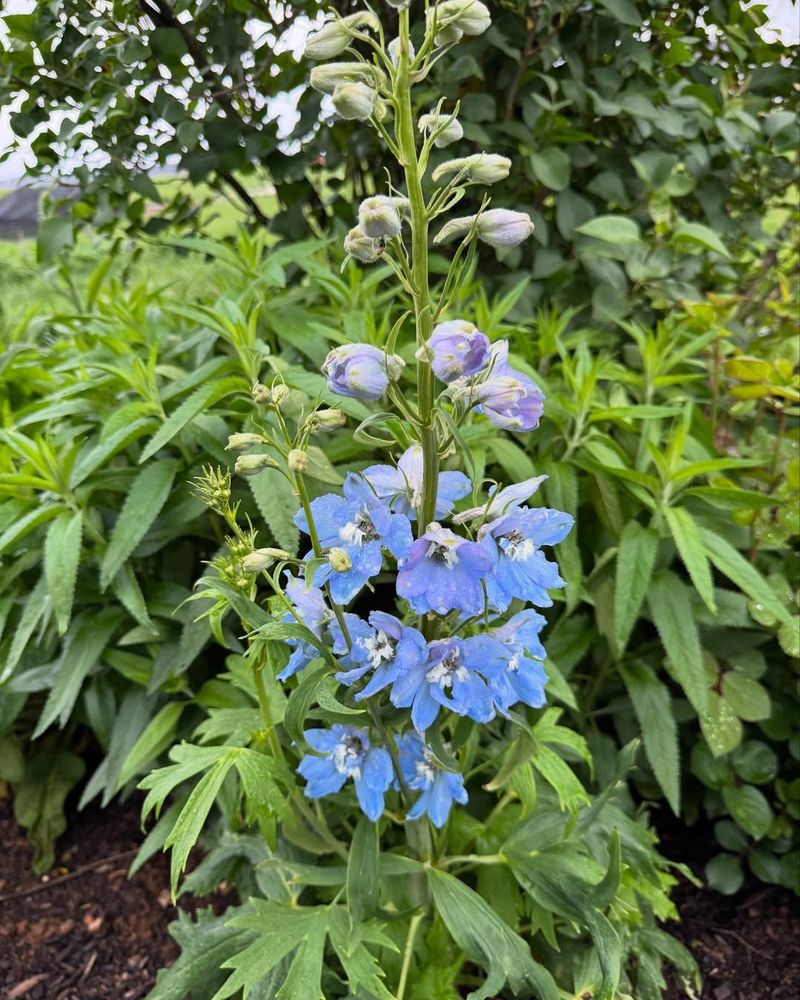
Known for their spectacular spires of blue, purple, and white flowers that tower above perennial borders, these dramatic plants require cool temperatures and low humidity throughout their growing season.
Their hollow stems and dense flower clusters trap moisture when humidity rises, leading to rapid fungal infections that destroy blooms and foliage alike.
Florida’s warm spring temperatures combined with high humidity create perfect conditions for powdery mildew and other diseases that spread faster than any treatment can control.
Gardeners notice white powdery coating appearing on leaves and stems first, followed by distorted growth and stunted flower development. The impressive flower spikes that make delphiniums so desirable either fail to form or collapse before reaching full height.
Lower leaves often turn yellow and drop prematurely as the stressed plants cannot maintain healthy foliage in unsuitable conditions.
Plant Salvia for tall, colorful flower spikes that flourish in Florida’s climate without any of the challenges delphiniums present. These versatile perennials produce abundant blooms in various colors on strong stems that handle humidity and heat exceptionally well.
They resist diseases naturally, attract beneficial pollinators constantly, and provide the vertical drama and color impact that gardeners seek without requiring the intensive care that delphiniums demand in humid environments.
8. Lupine
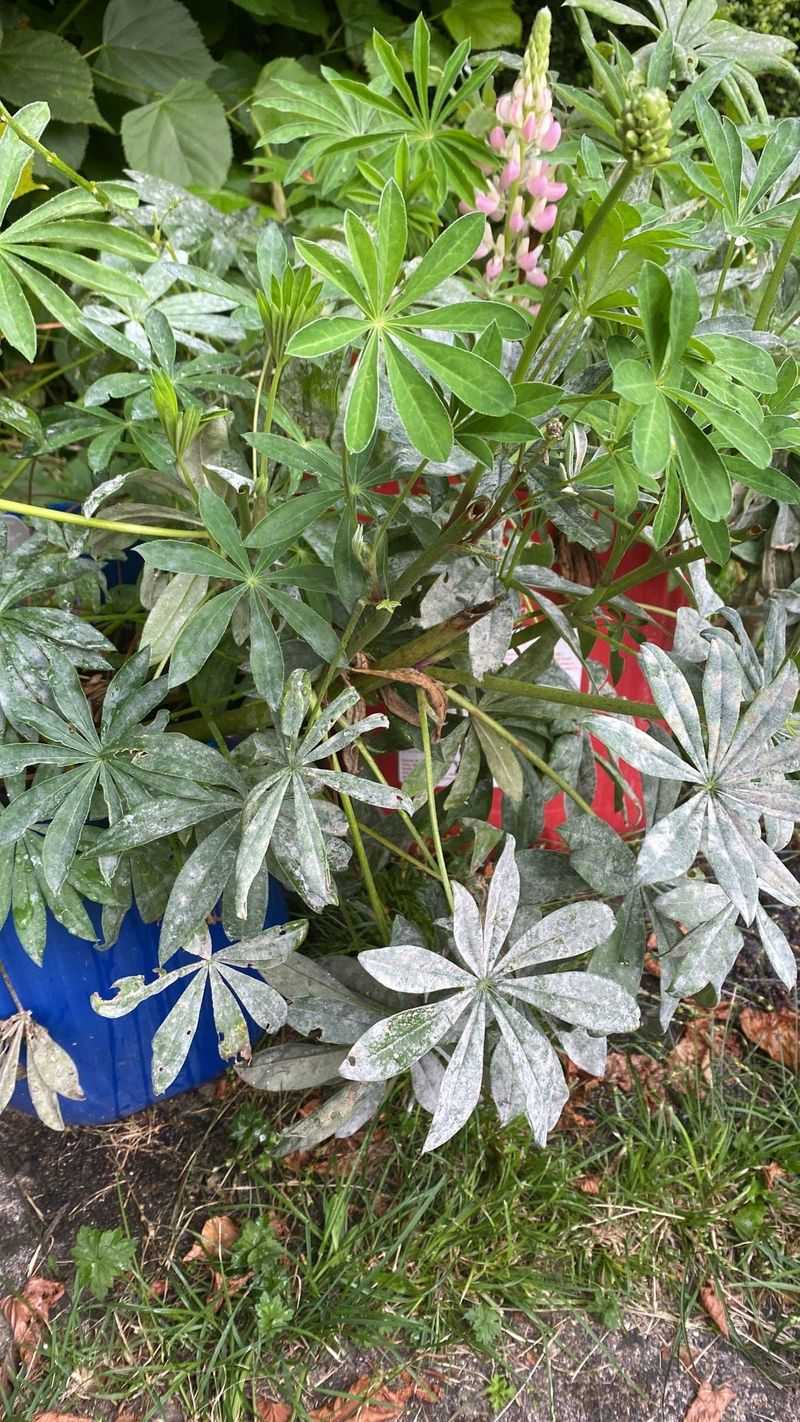
These stunning perennials produce dense spikes of pea-like flowers in rainbow colors across northern gardens but cannot adapt to Florida’s warm, humid spring weather patterns.
Their thick, palmate leaves collect moisture and prevent adequate air circulation, creating conditions where fungal diseases establish rapidly and spread throughout the plant.
They require cool nights and relatively dry days during their blooming period, conditions that Florida springs rarely provide consistently.
Gardeners see leaves developing rust-colored spots and yellowing between the veins as fungal infections take hold quickly. The characteristic flower spikes either fail to develop properly or produce weak, sparse blooms that pale in comparison to specimens grown in suitable climates.
Root systems rot in warm, moist soil conditions, causing entire plants to wilt suddenly despite seemingly adequate water and care. This issue primarily affects non-native garden lupines commonly sold in nurseries.
Florida does have native lupine species adapted to local conditions, but they differ significantly in appearance and growth habit from the large, colorful lupines typically associated with northern gardens.
Choose Firebush for colorful, tubular flowers on a tough, adaptable shrub that absolutely loves Florida’s humid spring conditions.
This native beauty produces brilliant orange-red blooms continuously throughout warm months, attracting hummingbirds and butterflies without any disease problems.
It handles humidity, heat, and occasional drought with equal ease, providing reliable color and interest where lupines would struggle and ultimately fail despite your gardening efforts and patience.
9. Sweet Peas
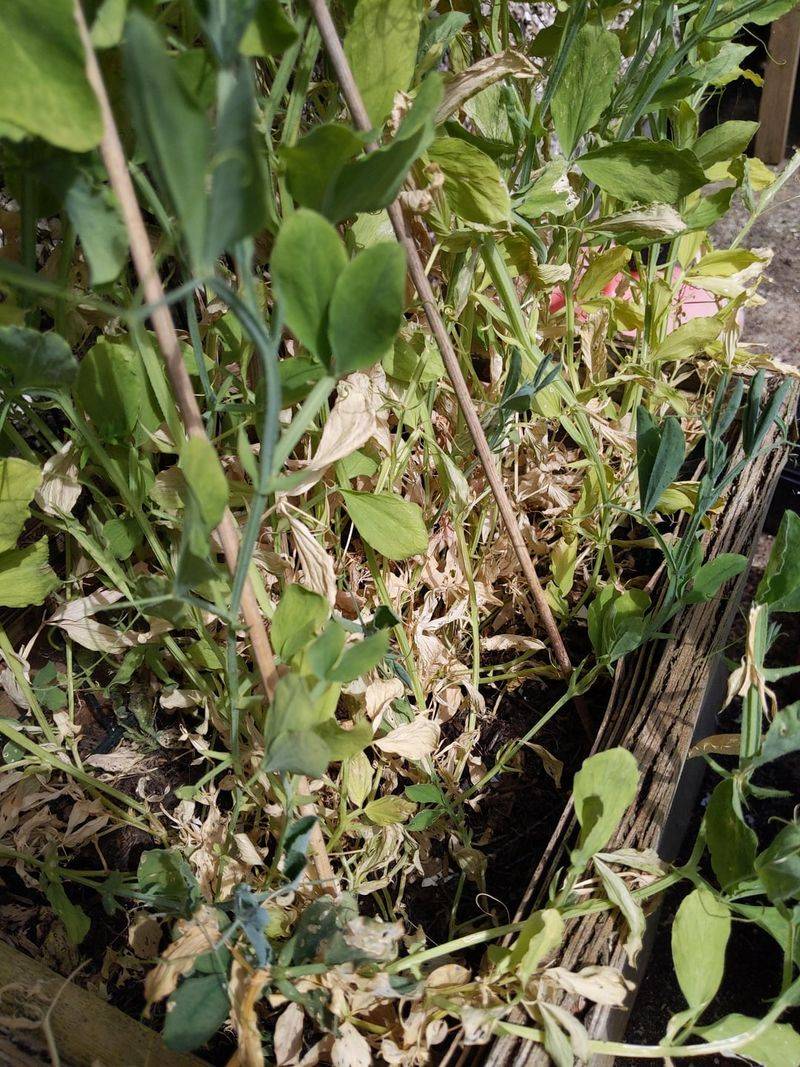
Beloved for their delicate, fragrant blooms and charming old-fashioned appeal, these cool-season annuals cannot tolerate the combination of warmth and humidity that defines Florida springs.
Their tender vines and delicate flowers literally melt when temperatures rise above seventy-five degrees with high humidity levels present.
The plants expect cool, dry conditions during their blooming period, shutting down completely when exposed to Florida’s typical spring weather patterns.
Gardeners notice buds dropping before opening and flowers wilting within hours of appearing on the vines. Powdery mildew coats the leaves and stems rapidly, turning them gray-white and causing premature decline of the entire plant.
The vines stop producing new growth and flowers as temperatures warm, often collapsing completely by late April when other gardens are just reaching peak bloom season.
Plant Mandevilla for gorgeous, trumpet-shaped flowers on vigorous vines that thrive in Florida’s warm, humid conditions throughout the growing season. These tropical climbers produce abundant blooms in pink, red, or white without any of the temperature sensitivity that plagues sweet peas.
They handle humidity perfectly, resist common diseases naturally, and provide months of continuous color on fences, trellises, or arbors where sweet peas would struggle briefly before failing completely.