The Real Reason Florida Citrus Trees Struggle In Late Winter
If you grow citrus in Florida, late winter can feel confusing and frustrating. One week your trees look healthy and full of promise, and the next they seem tired, pale, or stalled even though spring is close.
Many gardeners blame leftover cold damage, poor watering, or missing nutrients, but those explanations rarely tell the full story. The real challenge shows up during February and March, when warm afternoons and sudden cold nights collide with the tree’s internal timing.
Citrus does not wait for a calendar to change seasons. It responds to daylight, soil temperature, and subtle environmental cues that often shift weeks before the weather truly settles.
That early awakening uses energy fast and leaves trees vulnerable to stress long before obvious growth appears. When you understand what is really going on inside your citrus tree during late winter, a lot of frustration disappears.
You stop overcorrecting and start letting the tree do what it is built to do. That small change in approach often makes the difference between a sluggish spring and a strong one.
1. Late Winter Is Trickier Than It Looks In Florida
February and March bring some of the most unpredictable weather patterns across the state. One afternoon might feel like summer with temperatures climbing into the mid eighties, and then a cold front swoops in overnight dropping temps into the low forties.
This roller coaster creates a challenging environment for any plant trying to figure out what season it actually is.
Citrus trees are particularly sensitive to these swings because they rely on temperature cues and day length together to regulate growth cycles.
When conditions keep changing, the tree gets mixed signals about whether it should stay dormant or start pushing out new leaves and blossoms.
This confusion uses up stored energy without producing the results the tree expects.
Homeowners often think their trees are tough enough to handle typical Florida weather, and they usually are during stable seasons. But late winter sits right in that tricky zone where nothing feels stable for long.
Understanding this helps you see why your tree might look a little off even when you have done everything right with watering and feeding.
2. Citrus Trees Wake Up Before The Weather Settles
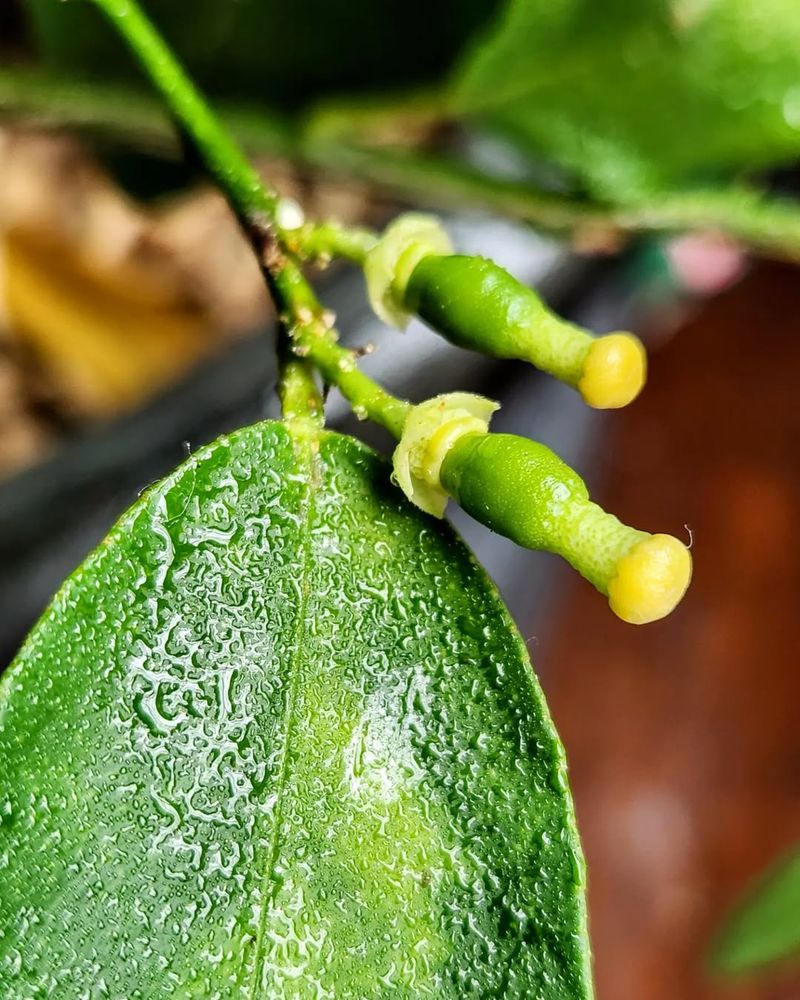
Most Florida citrus varieties start their growth cycle based on day length and subtle temperature increases rather than waiting for a specific calendar date. As soon as daylight hours begin stretching and soil temps creep into the mid-to-upper 50s, the tree interprets these signals as permission to wake up.
This usually happens well before the last cold snap has passed through your area.
Once awakened, the tree begins moving nutrients from roots up into branches to fuel new leaf growth and flower buds. This process requires a lot of internal energy and makes the tree more vulnerable to sudden temperature drops.
A tree in full dormancy can handle a cold night much better than one already pushing out tender new growth.
Many backyard growers do not realize their trees have started this process because the visible changes happen slowly at first.
Your Florida Garden Changes Every Week. Your Plan Should Too.
Gardening in Florida changes quickly throughout the season. Every Friday you’ll receive a simple weekly plan showing exactly what to plant, prune, fertilize, harvest, and protect so you never miss the right timing.
By the time you notice swelling buds or tiny leaves, the tree has already been working hard for weeks.
That early activation is why late winter feels so risky even though spring seems close.
3. Why Warm Days And Cold Nights Cause Confusion
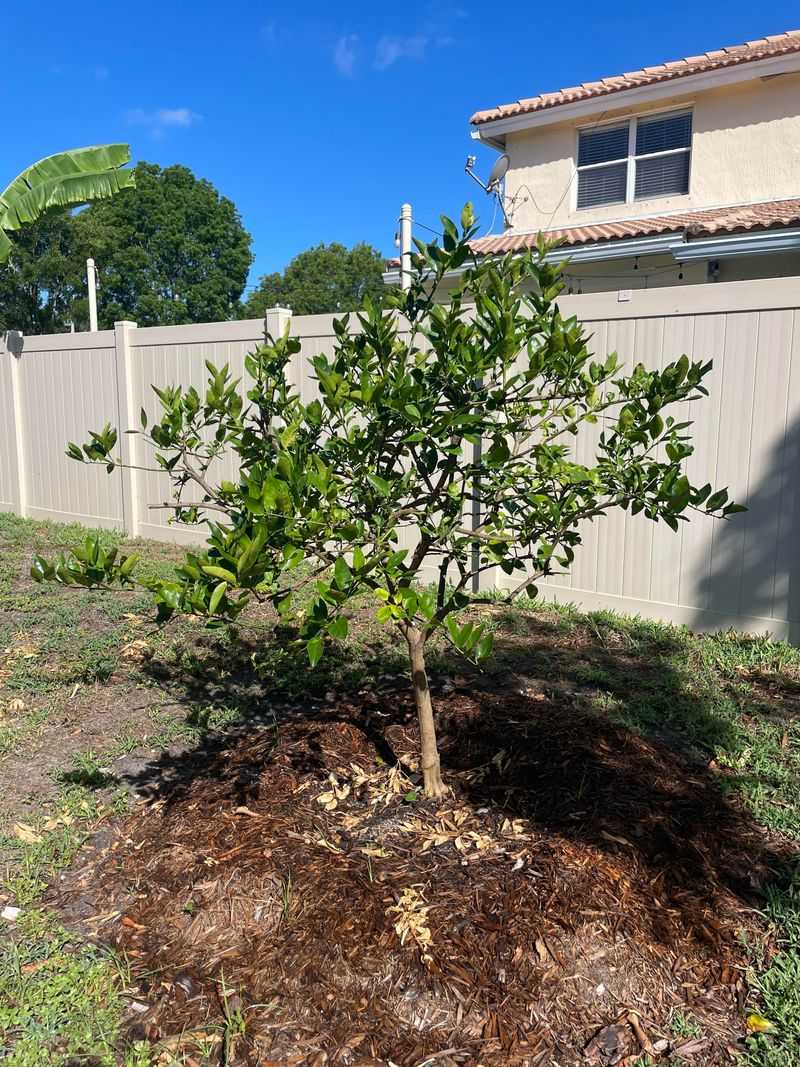
Temperature swings between day and night create a biological tug of war inside your Florida citrus tree. Warm sunshine during the day encourages the tree to open its stomata and increase photosynthesis, reinforcing growth signals already triggered by day length.
Then when night temperatures plunge, the tree has to shift gears quickly and protect itself from potential frost or chill damage.
This constant back and forth exhausts the tree because it cannot settle into one mode or the other. Instead of efficiently using stored carbohydrates for either growth or protection, it ends up spending energy on both without making much progress in either direction.
Over several weeks, this inefficiency shows up as slow growth or lackluster foliage.
Gardeners sometimes try to compensate by adding fertilizer or extra water, thinking the tree needs a boost. In reality, the tree is not lacking resources but rather struggling to manage the ones it already has.
Recognizing this helps you avoid overdoing care routines that might actually add more stress during an already confusing time.
4. What Is Happening Below The Soil Line
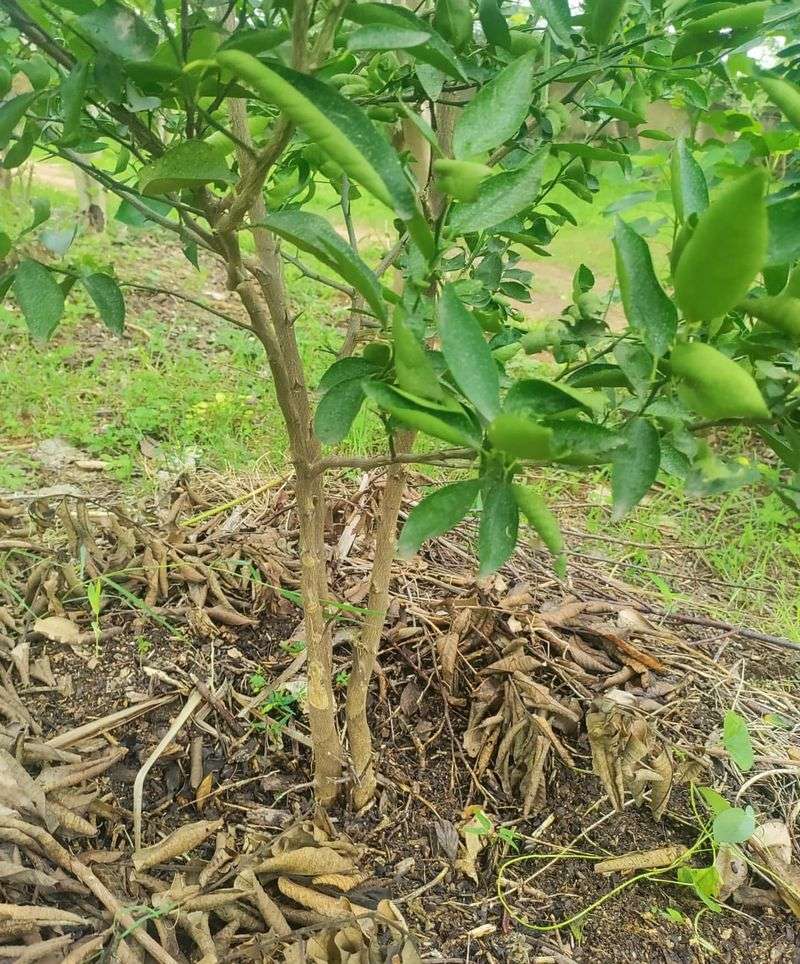
Root activity plays a huge role in how well your citrus tree handles late winter stress, but it is easy to forget about roots since they stay hidden underground.
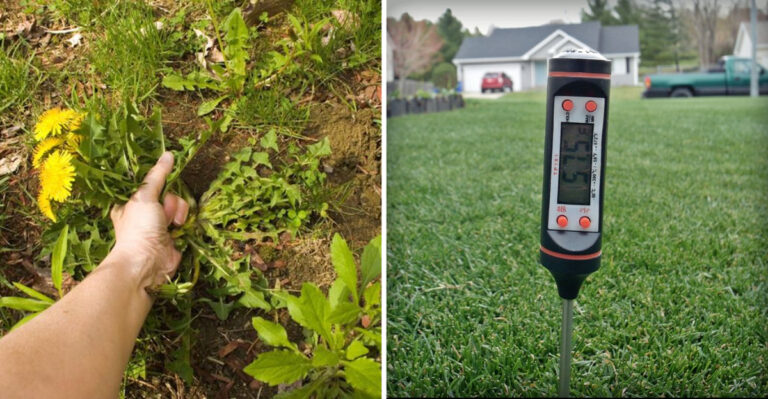
Citrus roots function most efficiently above roughly 55°F, with activity increasing steadily as soils warm, and late winter soil temps in Florida often hover right at the lower edge of that range.
When soil stays cool, roots slow down their ability to absorb water and nutrients even if plenty are available.
At the same time, the above ground portions of the tree are trying to grow because air temperatures feel warmer and daylight is increasing. This creates a mismatch where the canopy demands resources that the roots cannot deliver quickly enough.
The tree ends up rationing what little it can pull from the soil, which shows up as slow or uneven growth.
Mulching around the base of your tree helps insulate the soil and keep temperatures more stable, which gives roots a better chance to keep pace with canopy demands. Just a few inches of organic mulch can make a noticeable difference without requiring any fancy equipment or expensive products.
5. How Trees Use Energy During Late Winter
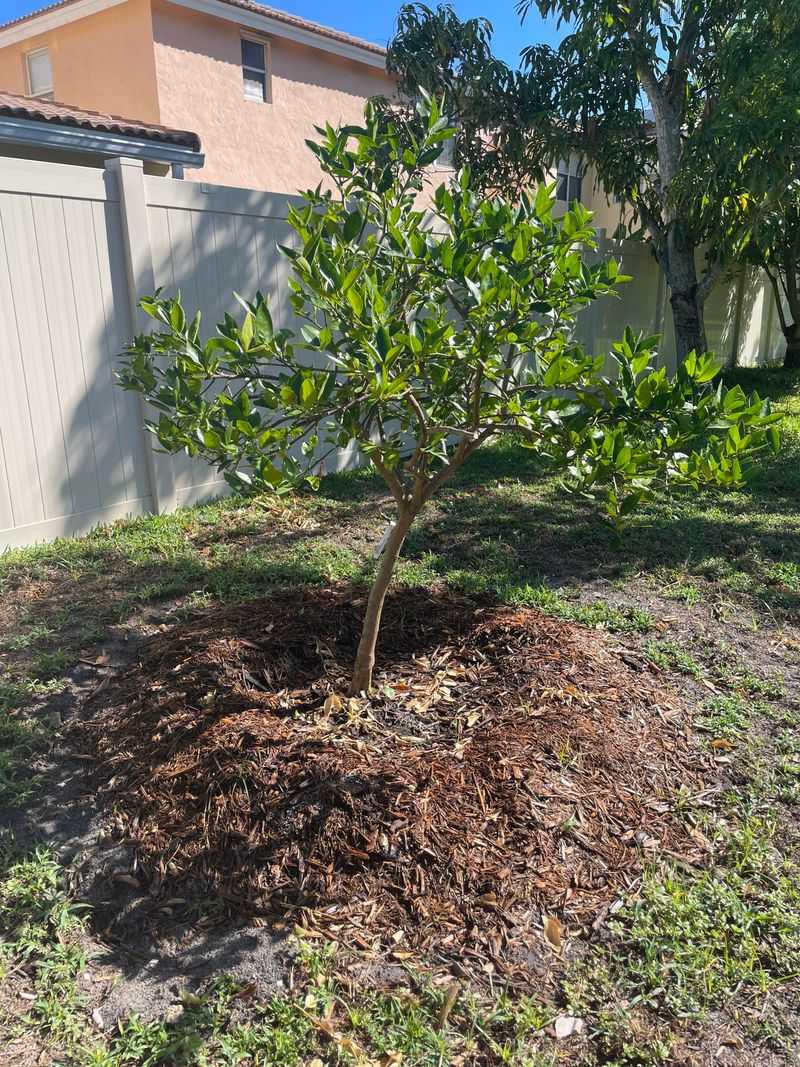
Every citrus tree stores carbohydrates in its roots and woody tissue during the cooler months, and this stored energy is what fuels the first flush of spring growth. Late winter is when the tree starts drawing down those reserves to build new leaves, flowers, and young fruit.
If weather conditions keep interrupting the process, the tree burns through energy without getting much return on its investment.
Think of it like starting a car engine over and over without ever letting it warm up and run smoothly. Each false start uses fuel without producing sustained growth.
Your citrus tree experiences something similar when warm spells trick it into growth mode and then cold snaps force it to halt and protect itself instead.
By the time stable spring weather arrives, some trees have already depleted a significant portion of their stored energy. This is why you might notice slower growth or smaller fruit later in the season even though conditions seem perfect by April in Florida.
Protecting your tree during late winter helps preserve those precious energy reserves for when they can be used most effectively.
6. The Mistakes Well-Meaning Gardeners Often Make
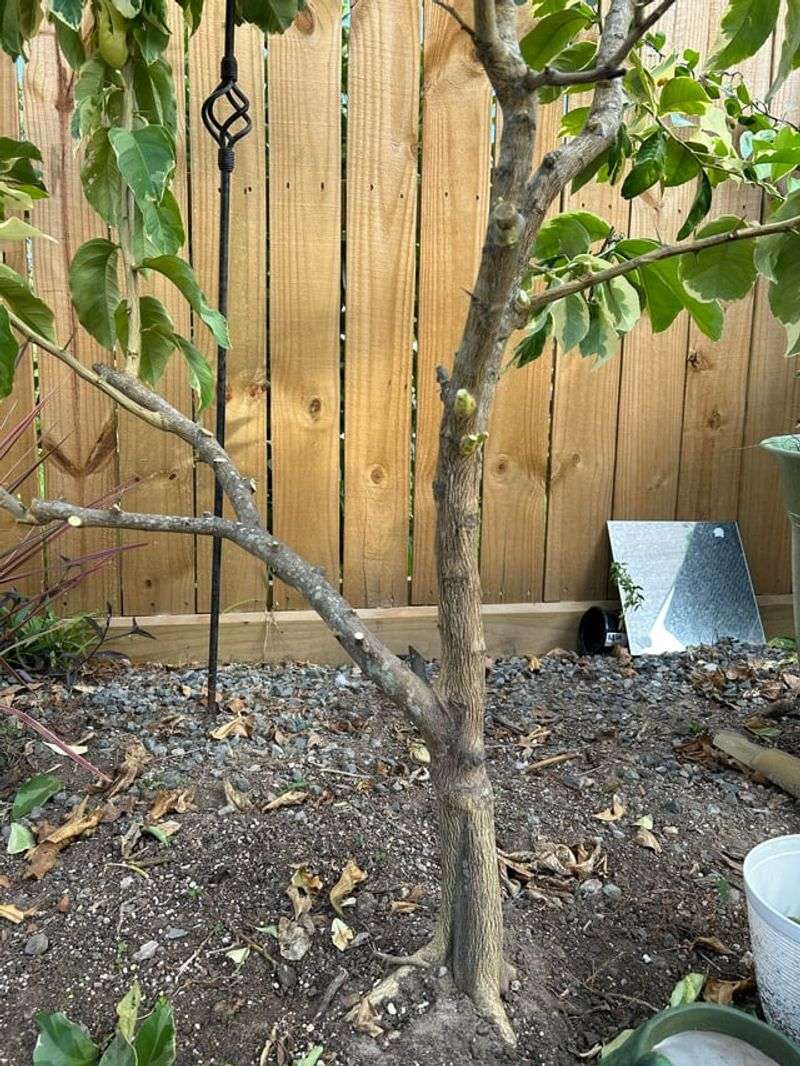
When citrus trees look stressed, the natural instinct is to do something to help them recover quickly.
Many homeowners reach for fertilizer assuming the tree needs a nutrient boost, but adding fertilizer during late winter can actually push the tree to grow even faster when conditions are not stable enough to support that growth.
This creates more stress rather than relieving it.
Another common mistake is overwatering because the soil surface looks dry or because the tree appears wilted. In reality, cool soil temperatures slow root function, so the tree cannot absorb water as quickly as it would during summer.
Extra water just sits in the root zone and can lead to root rot or fungal issues that compound the seasonal stress.
Pruning is also tempting when you see branches that look weak or unproductive, but late winter before the main spring flush is not the right time for heavy pruning in Florida. Cutting back branches removes stored energy and opens fresh wounds just when the tree is most vulnerable.
Waiting until after the spring growth flush gives your tree a much better chance to heal and respond positively.
7. Signs Citrus Trees Are Under Seasonal Stress
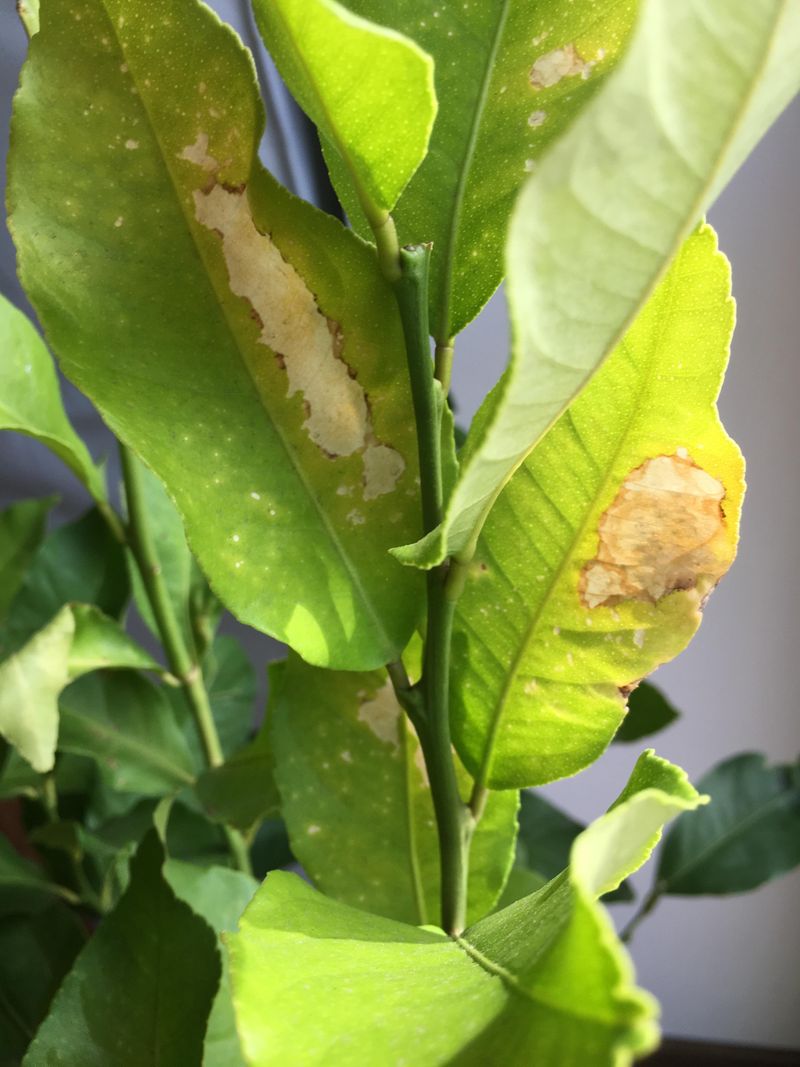
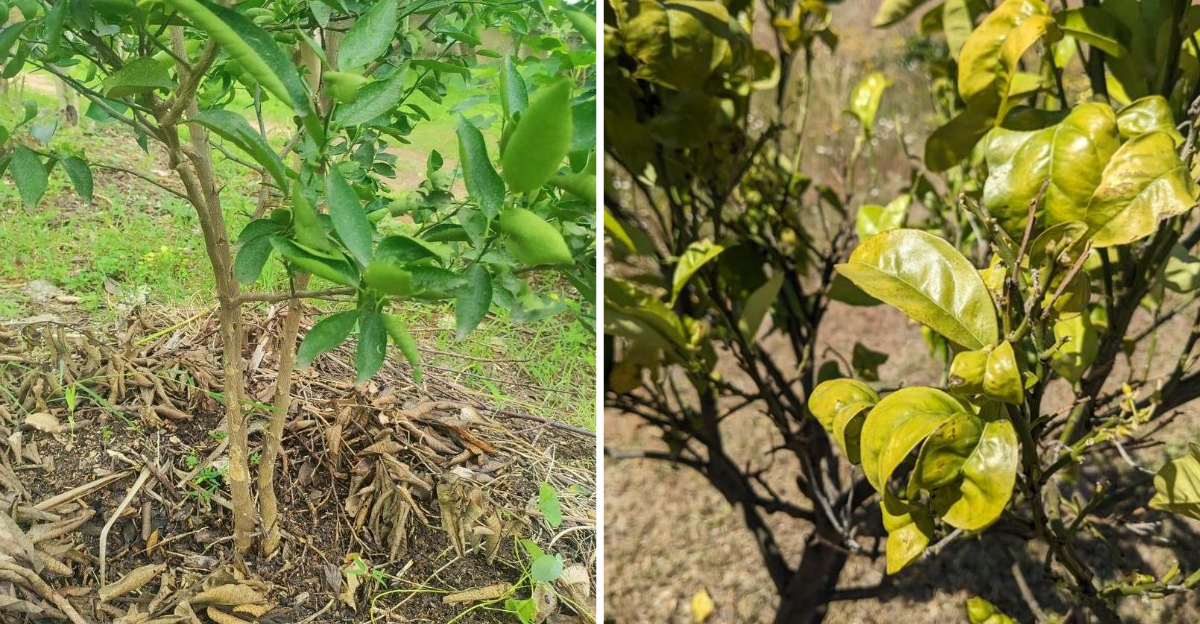
Recognizing stress early helps you adjust care routines before small problems turn into bigger ones. One of the first signs is leaf color that looks slightly off, maybe a bit pale or yellowish, even though you have been watering regularly.
This often indicates that roots are struggling to pull nutrients from cool soil even when nutrients are present, rather than a true deficiency.
Another clue is uneven growth where some branches push out new leaves enthusiastically while others seem stuck in dormancy. This patchiness suggests the tree is having trouble coordinating its internal signals and is responding inconsistently to environmental cues.
You might also notice flower buds that form but then drop off before opening, which happens when the tree realizes it does not have enough resources to support fruiting.
Wilting during the warmest part of the day, even with moist soil, is another red flag. This indicates the roots cannot keep up with the water demands of the canopy, usually because soil temperatures are limiting root activity.
Observing these subtle signs allows you to respond with appropriate support rather than guessing what your tree needs.
8. Why Spring Problems Often Start Months Earlier
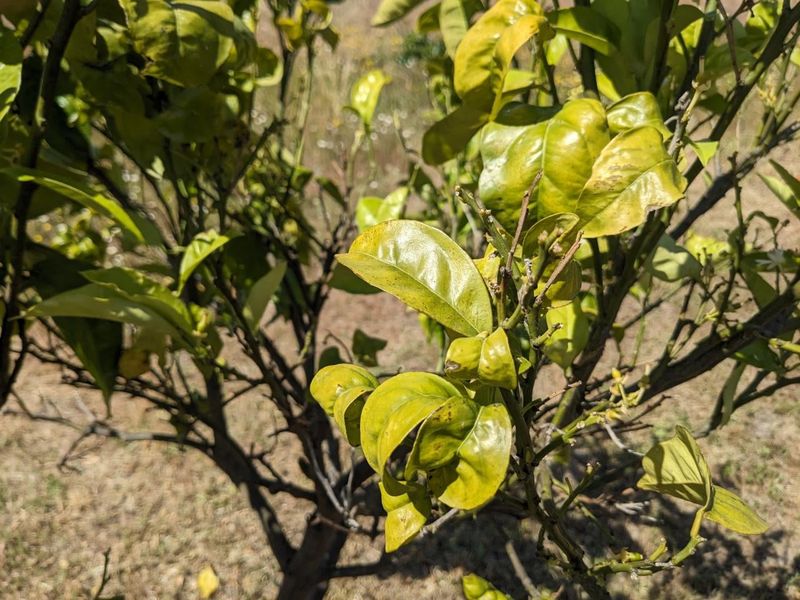
Many issues that show up in April or May actually have their roots in what happened during February and March. When a citrus tree exhausts its energy reserves trying to navigate unpredictable late winter weather, it enters spring already depleted.
This means slower growth, fewer flowers, and smaller fruit even though spring conditions seem ideal for citrus.
Pest and disease problems also tend to hit harder when trees are already stressed from seasonal challenges. A well rested tree with full energy reserves can fend off minor pest pressure or shrug off a fungal spore, but a depleted tree becomes an easy target.
By the time you notice aphids or sooty mold in late spring, the underlying weakness often traces back to late winter stress.
Understanding this timeline helps you see the value of protective care during those tricky weeks in February and March. Small efforts to stabilize soil temperature, avoid unnecessary pruning, and hold off on fertilizer can pay off with healthier trees and better fruit production months later.
Prevention during late winter is much easier than trying to rescue a struggling tree in the middle of spring.
9. What Florida Citrus Trees Actually Need Right Now
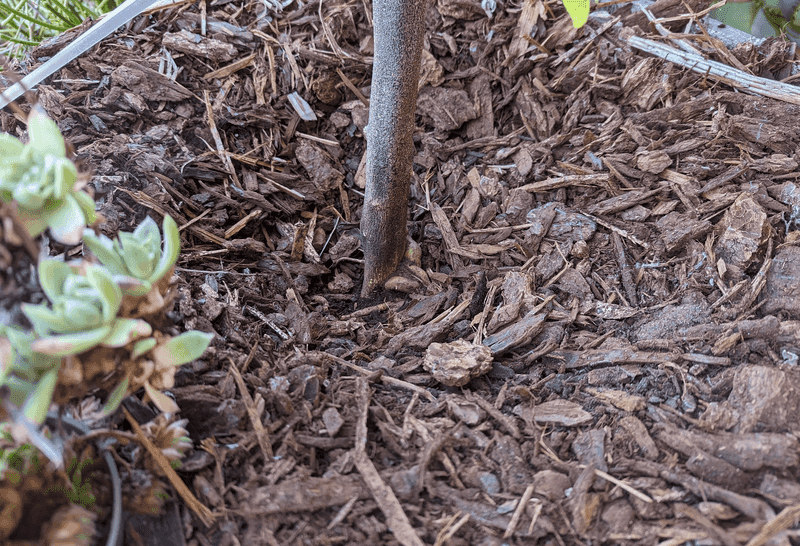
The best thing you can do for your citrus trees during late winter is help them maintain stability while they navigate unpredictable conditions. Start by checking your mulch layer and refreshing it if needed to keep soil temperatures more consistent.
A three to four inch layer of wood chips or shredded bark works well and also helps retain moisture without waterlogging the root zone.
Hold off on fertilizing until you see strong signs of active growth, usually once nighttime temperatures stay consistently above 55–60°F for several weeks. At that point, a balanced slow release fertilizer gives your tree the nutrients it needs without forcing premature growth.
Until then, your tree is better off using stored reserves at its own pace.
Water only when the top few inches of soil feel dry, and water deeply to encourage roots to stay active even in cooler soil. Shallow frequent watering encourages shallow roots that are even more vulnerable to temperature swings.
If a late cold snap is forecasted, consider covering young or vulnerable trees with frost cloth overnight, then removing it during the day so the tree can take advantage of warmth and sunlight when available.