9 Versatile Plants You Can Train As Vines, Shrubs, Or Trees In Texas
Texas gardens are all about adaptability—and these nine versatile plants prove it. With the right care, they can be trained as climbing vines, full shrubs, or even small trees, giving gardeners flexibility to fit plants perfectly into their landscapes.
Whether you’re working with a tight yard or a sprawling property, these adaptable species offer beauty, shade, and structure in a variety of forms. One plant, multiple possibilities—your garden just got a whole lot more flexible!
These plants thrive in Texas heat, sun, and soil conditions while offering options for vertical growth or compact forms.
By pruning strategically, providing supports, and choosing the right planting spot, you can transform the same species to suit trellises, hedges, or focal trees, making your garden look intentional and dynamic.
From climbing wonders to flowering shrubs, these plants do it all.
For Texas gardeners, selecting versatile plants means fewer species, more impact, and a landscape that adapts as your garden evolves. With careful training, your outdoor space becomes both beautiful and functional, no matter the size or layout.
Grow it how you want it—and let your garden evolve with you!
1. Bougainvillea
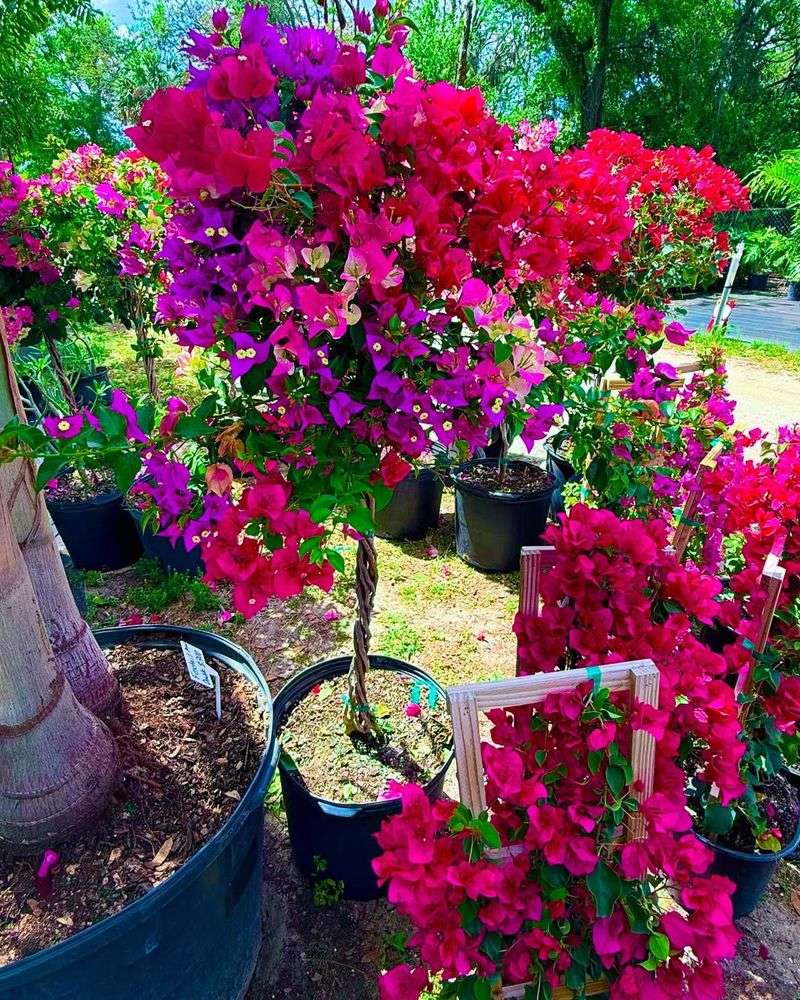
Bougainvillea brings explosive color to Texas gardens with its papery bracts in shades of magenta, orange, red, and white that seem to glow in the sunlight. This sun-loving tropical thrives in the warmest parts of the state, particularly in zones 9 and 10, where it rewards gardeners with months of brilliant blooms.
The secret to its versatility lies in understanding how it grows and responding with the right pruning techniques.
As a climbing vine, bougainvillea naturally scrambles over arbors, pergolas, and fences, creating stunning vertical displays that can reach fifteen to twenty feet.
Its thorny stems need support structures to cling to, and regular tying helps guide growth in the direction you want.
When you trim it frequently into a compact form, it becomes a dense, flowering shrub that works beautifully as a foundation plant or colorful hedge.
Perhaps most impressive is training bougainvillea as a small tree, which requires patience and consistent pruning to develop a single trunk. Select one strong central stem and remove all competing shoots, gradually building a canopy at the desired height.
This tree form creates a focal point that looks especially striking in courtyards and entryways, bringing Mediterranean charm to Texas landscapes while tolerating heat and drought with remarkable resilience once established.
2. Carolina Jessamine
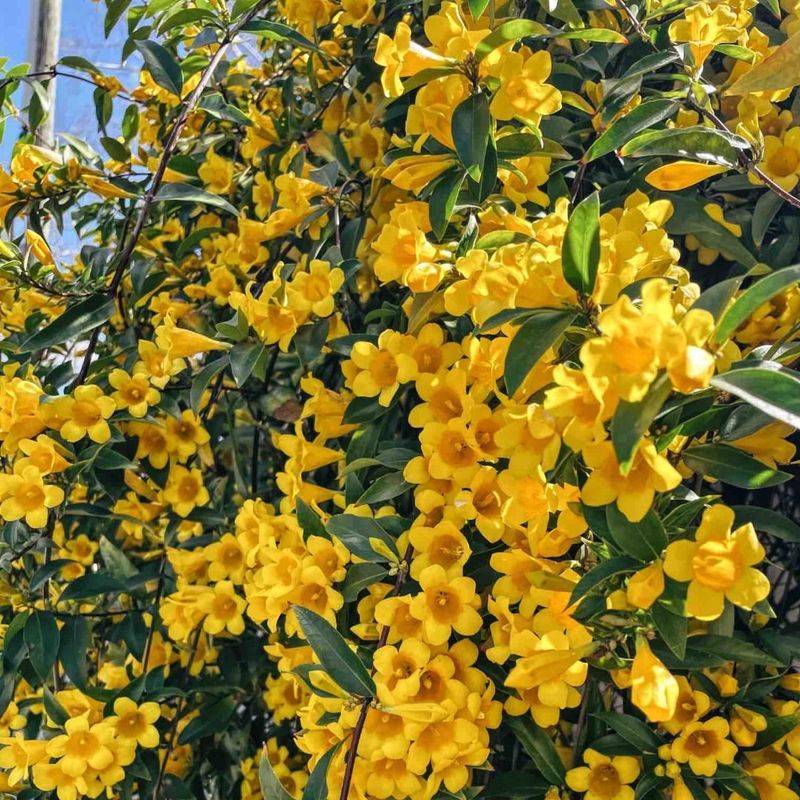
With its cheerful yellow trumpet flowers appearing in late winter and early spring, Carolina jessamine signals the end of cold weather and brings hope to Texas gardens.
This native evergreen vine grows enthusiastically throughout the state, tolerating various soil types and thriving in both sun and partial shade.
Its twining stems naturally seek vertical support, making it perfect for covering unsightly structures or creating living privacy screens.
Training Carolina jessamine on trellises, mailboxes, or lamp posts showcases its classic vine form, where it can climb eight to twenty feet depending on available support.
The fragrant blooms attract early pollinators when few other flowers are available, making it ecologically valuable beyond its beauty.
Your Texas Garden Changes Every Week. Your Plan Should Too.
Gardening in Texas changes quickly throughout the season. Every Friday you’ll receive a simple weekly plan showing exactly what to plant, prune, fertilize, harvest, and protect so you never miss the right timing.
Regular pruning after flowering keeps growth manageable and encourages bushier development for the following season.
As a hedged shrub, this versatile plant responds well to shearing, creating a dense, formal appearance that maintains its evergreen foliage year-round.
Some creative gardeners even train it into a small tree form by selecting a single leader and removing lower branches, though this requires consistent attention during the establishment phase.
Whether cascading over a fence or standing as a shaped specimen, Carolina jessamine adapts gracefully to your vision while remaining low-maintenance once settled into its role.
3. Wisteria (American Varieties)
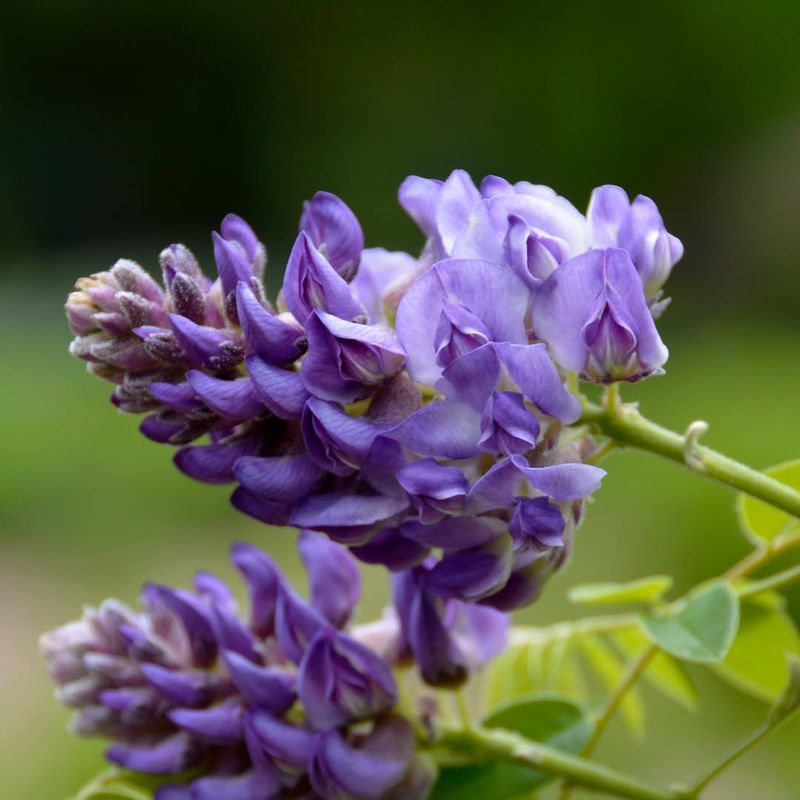
American wisteria offers all the romantic beauty of its aggressive Asian cousins without the invasive tendencies that can overwhelm Texas landscapes. Its cascading clusters of fragrant purple or white flowers create breathtaking displays in spring, draping from arbors like floral curtains.
Unlike Japanese or Chinese wisteria, American varieties grow more controllably, making them friendlier choices for residential gardens where you want beauty without constant battle.
Growing American wisteria as a traditional vine allows it to climb structures up to thirty feet, wrapping its stems clockwise around supports. The key to encouraging abundant flowering involves pruning side shoots back to just a few buds after the initial spring bloom and again in late summer.
This discipline channels the plant’s energy into flower production rather than excessive vegetative growth. Training wisteria as a freestanding shrub creates an unusual but stunning specimen that works well in mixed borders, achieved by cutting back all stems to maintain a rounded, bushy form.
The most dramatic presentation is the tree-form specimen, where you develop a single sturdy trunk and create a weeping canopy above.
This standard form requires staking and consistent removal of suckers and side growth during the first few years, but the resulting effect resembles a small flowering tree that becomes a garden centerpiece worth every bit of effort invested.
4. Crape Myrtle
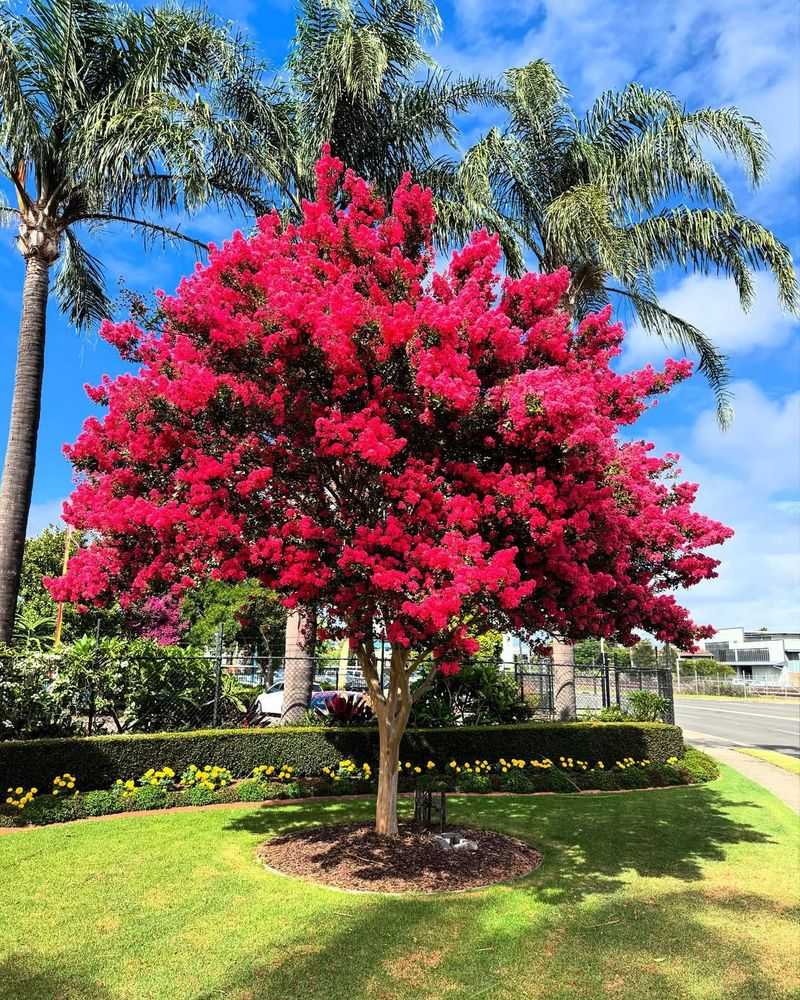
Few plants embody Texas summers quite like crape myrtle, with its explosion of crepe-paper flowers in shades ranging from pure white through pink and lavender to deep red.
This beloved landscape staple thrives in the state’s heat and humidity, offering not just summer blooms but also attractive peeling bark and brilliant fall foliage.
The remarkable adaptability of crape myrtle to different training methods makes it invaluable for designers working with varied spaces and aesthetic goals.
Multi-trunk shrub forms create natural, flowing shapes that work beautifully in informal settings and mixed borders, achieved by allowing several main stems to develop from the base.
These bushier specimens typically reach eight to fifteen feet depending on the variety, providing substantial presence without overwhelming smaller yards.
Pruning focuses on removing crossing branches and thinning the interior to improve air circulation and showcase the attractive bark.
Single-trunk tree forms transform crape myrtle into elegant specimens that can reach twenty-five feet or more, with canopies that provide dappled shade perfect for understory plantings.
Perhaps most interesting is the espaliered form, where branches are trained flat against walls or fences in formal patterns, maximizing bloom display in narrow spaces while creating living architectural features that change with the seasons and demonstrate the gardener’s skill and patience.
5. Confederate Jasmine
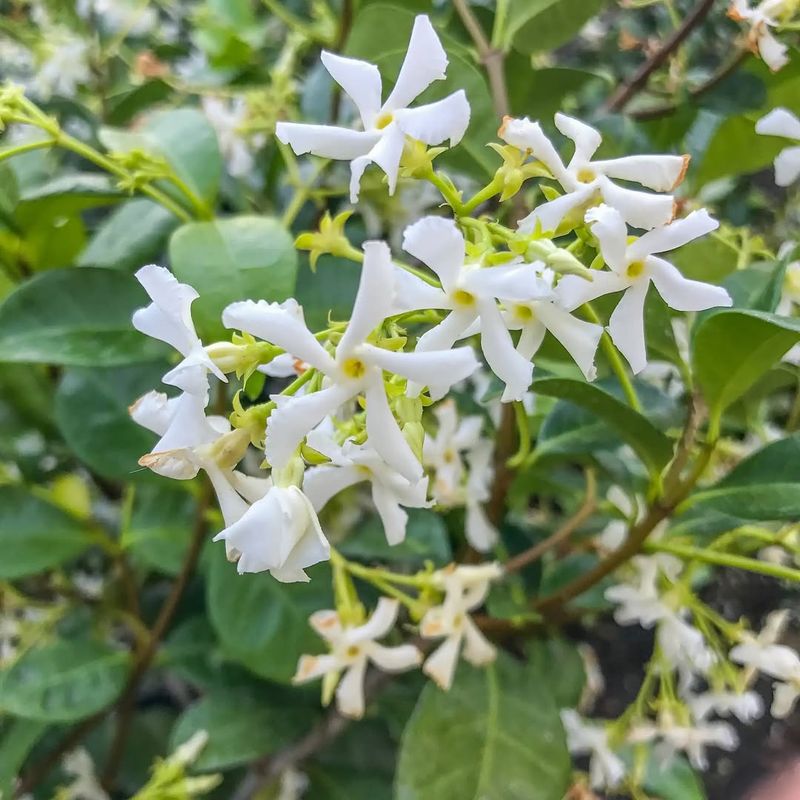
The intoxicating fragrance of Confederate jasmine in spring can stop visitors in their tracks as they search for the source of the sweet, vanilla-like scent wafting through the garden.
This evergreen climber, despite its common name, is actually a member of the dogbane family rather than a true jasmine, but its pinwheel-shaped white flowers deliver all the perfume you could wish for.
Texas gardeners appreciate its ability to thrive in various light conditions, from full sun to considerable shade, making it adaptable to challenging spots.
As a climbing vine, Confederate jasmine twines enthusiastically up posts, trellises, and trees, potentially reaching twenty feet or more with its glossy dark green foliage creating year-round interest. The stems need initial guidance and tying to establish the desired growth pattern, but once established, the plant fills in densely.
Regular trimming after the spring bloom keeps growth within bounds and maintains a tidy appearance.
Hedging Confederate jasmine creates a fragrant, formal screen that responds well to shaping, though it requires consistent maintenance to prevent the natural climbing tendency from creating an unruly appearance.
Training it into a tree form represents a more unusual approach that involves developing a single woody trunk and removing lower growth, creating a small standard with a rounded, flowering canopy that brings height and fragrance to container gardens or formal landscapes.
6. Vitex (Chaste Tree)
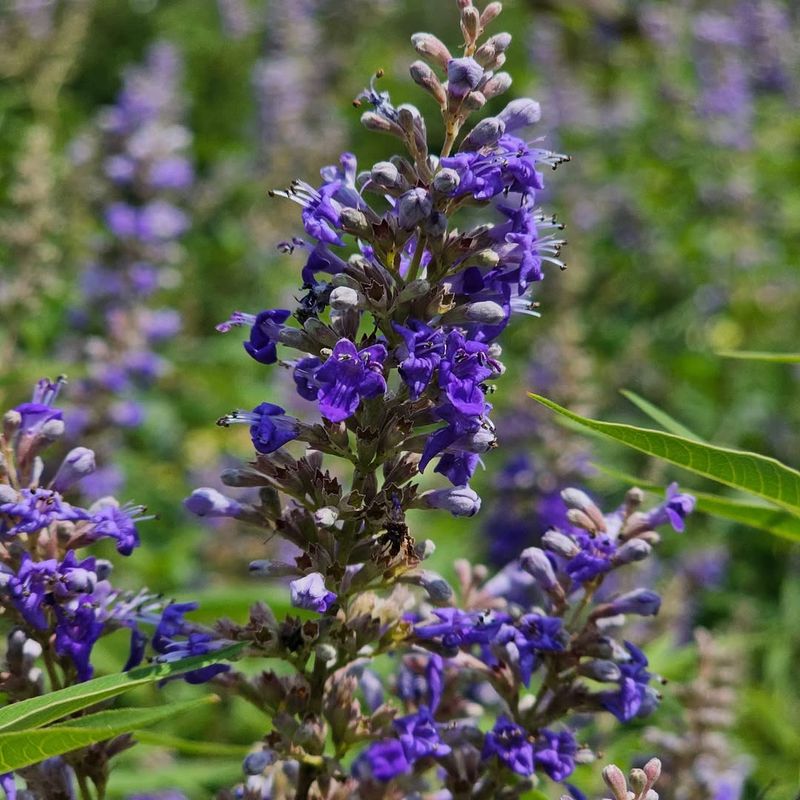
Vitex earns its place in Texas gardens through remarkable heat and drought tolerance combined with spikes of lavender-blue flowers that butterflies and bees find irresistible throughout summer.
The aromatic foliage releases a pleasant scent when brushed against, and the overall texture of the plant adds airiness to landscapes that might otherwise feel heavy.
Native to Mediterranean regions, vitex adapted beautifully to similar conditions found across much of Texas, thriving in alkaline soils that challenge many other flowering plants.
Growing vitex as a multi-stemmed shrub creates a natural, cottage-garden appearance that fits well in informal settings, with the plant typically reaching ten to fifteen feet in height and spread.
This form requires minimal pruning beyond removing spent flower spikes and shaping for balance, allowing the plant’s natural grace to shine through.
The silvery-green foliage provides excellent contrast to darker-leaved neighbors in mixed plantings.
Training vitex as a single-trunk small tree produces a more formal specimen that works beautifully as a patio tree or focal point, with the canopy reaching fifteen to twenty feet. Late winter pruning controls size and encourages vigorous new growth that produces the most abundant flowers.
Some gardeners maintain vitex as a pruned multi-stem hedge, though this requires more frequent attention and sacrifices some flowering since blooms appear on new growth that gets regularly removed during shaping.
7. Trumpet Vine (Campsis Radicans)
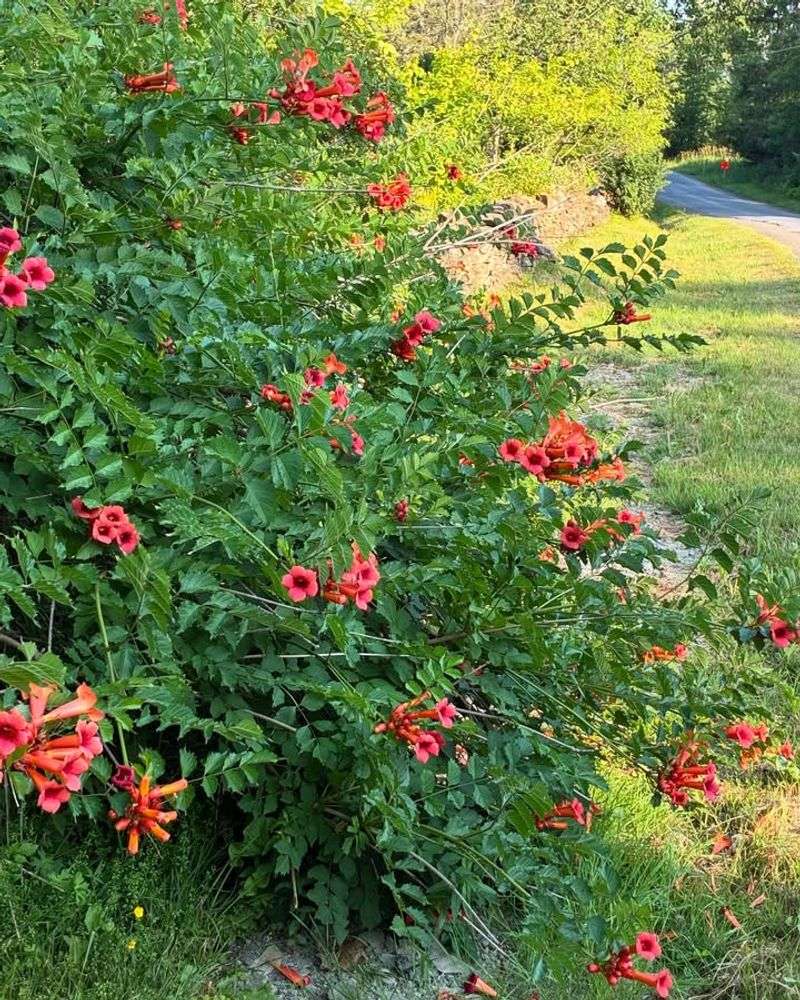
Trumpet vine announces summer with its bold orange-red tubular flowers that hummingbirds absolutely cannot resist, creating a wildlife spectacle that brings gardens to life.
This vigorous North American native grows with enthusiasm that borders on aggressive, sending out runners and aerial rootlets that cling to virtually any surface.
Texas gardeners either love its exuberant nature or find it overwhelming, but understanding how to channel its energy through training makes all the difference in creating a manageable, beautiful specimen.
Trained vertically on sturdy structures, trumpet vine creates spectacular flowering walls that can reach thirty feet or more, with the blooms appearing in clusters at branch tips from June through September.
The key to success involves providing extremely strong support, as mature vines become quite heavy, and directing growth away from house siding or wood structures that the aerial roots might damage. Regular removal of suckers prevents unwanted spread into areas where you prefer other plants.
Shaping trumpet vine into a shrub form requires persistent pruning to remove climbing stems and maintain a bushy, contained shape, resulting in a dense flowering mound that works in larger borders.
The most dramatic presentation involves training it as a small tree by developing a single trunk and creating a canopy above, though this demands vigilance in removing suckers and maintaining the desired form throughout the growing season.
8. Yaupon Holly
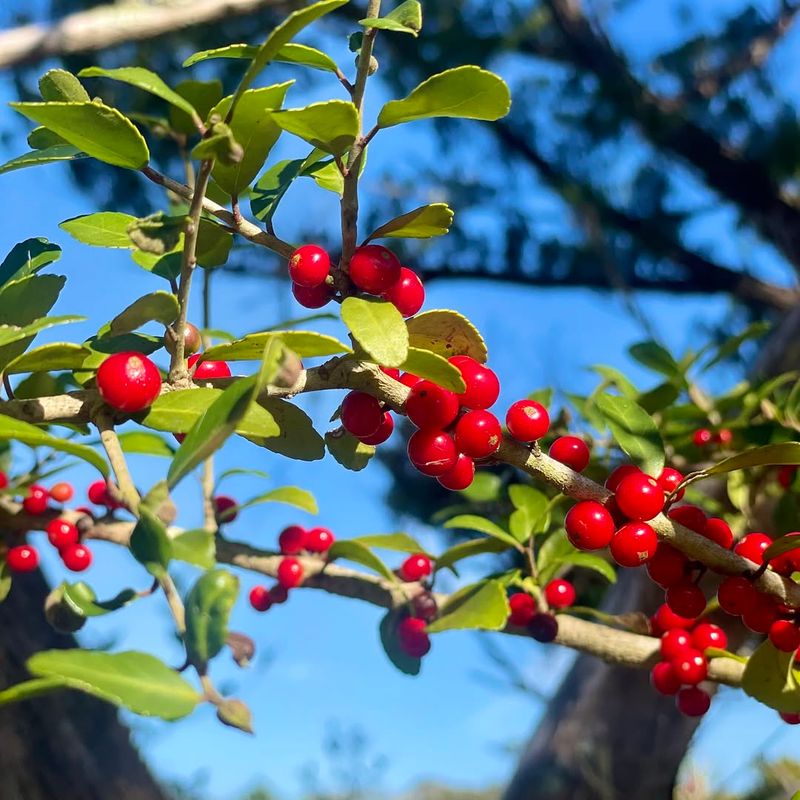
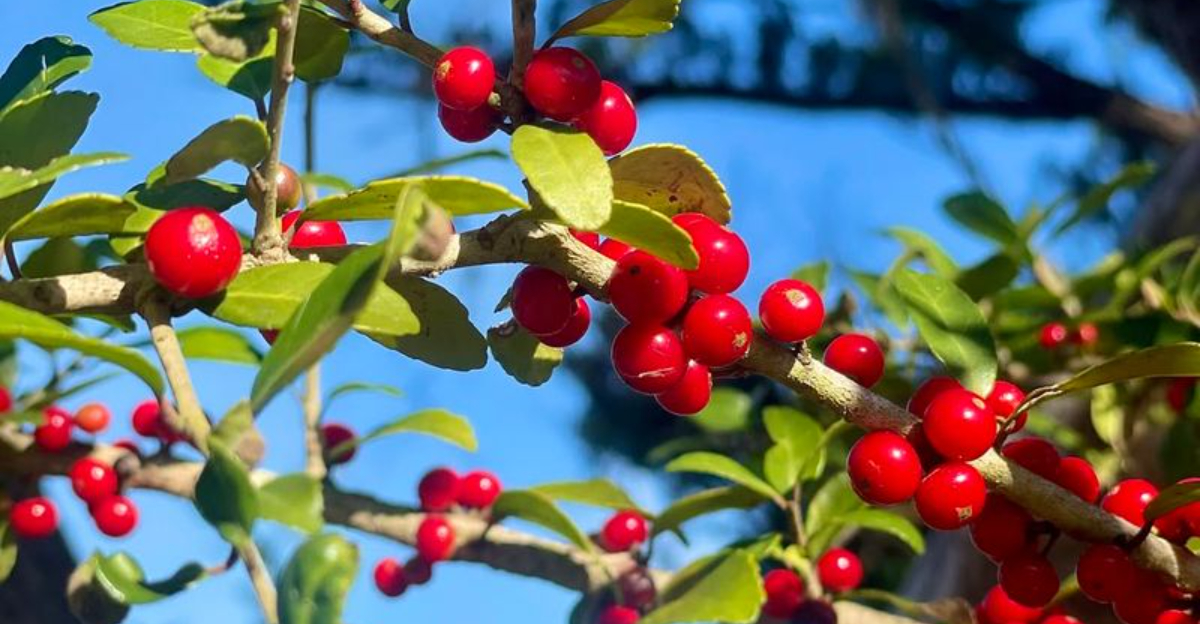
Yaupon holly stands as one of Texas’s most versatile native plants, offering year-round evergreen foliage, tiny white spring flowers, and brilliant red or yellow berries that persist through winter on female plants.
This tough species tolerates heat, drought, salt, and various soil types, making it practically foolproof for gardeners across the state.
The small leaves create fine texture that contrasts beautifully with bolder foliage, and the naturally dense growth habit responds exceptionally well to pruning and shaping.
As a hedge, yaupon holly creates formal or informal screens depending on pruning style, with plants set three to four feet apart quickly filling in to form solid barriers. The dense branching provides excellent cover for nesting birds, and the winter berries feed wildlife when other food sources become scarce.
Regular shearing maintains crisp lines for formal landscapes, while occasional thinning cuts create a more naturalistic appearance.
Growing yaupon as a freestanding shrub showcases its naturally attractive form, which can range from upright and columnar to weeping depending on the variety selected.
Training it as a small ornamental tree involves selecting a single leader or leaving several main trunks, then removing lower branches to expose the attractive gray bark and create a canopy above.
This tree form works beautifully as a patio specimen or accent plant, typically reaching fifteen to twenty-five feet with minimal care required once established.
9. Tea Olive (Osmanthus Fragrans)
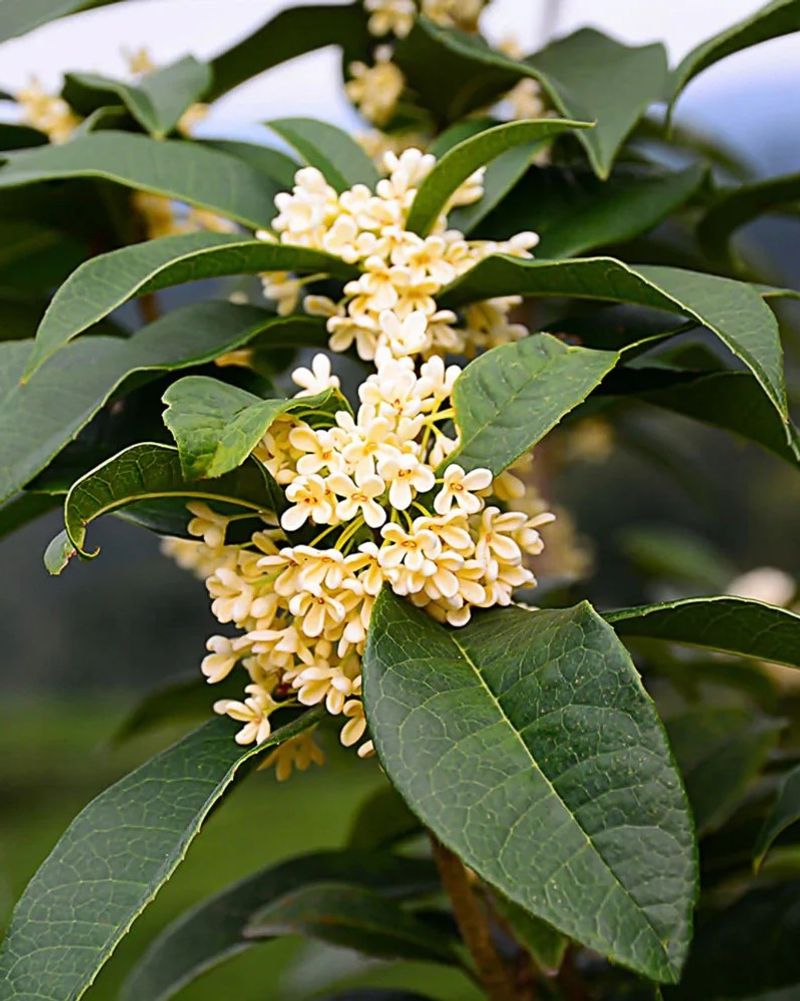
Tea olive earns devoted fans through its incredibly sweet fragrance that perfumes entire gardens when the tiny white or orange flowers bloom in fall and intermittently through winter.
The scent carries remarkable distances, often surprising visitors who cannot locate the source of the apricot-like perfume drifting through the air.
This evergreen shrub from Asia adapts well to Texas conditions, particularly in eastern and central regions where it appreciates afternoon shade and consistent moisture, though established plants tolerate considerable drought once their roots are settled.
In its natural dense shrub form, tea olive creates an excellent foundation plant or informal hedge that typically reaches eight to twelve feet, with glossy dark green foliage providing year-round structure and beauty.
The plant responds well to pruning, allowing you to maintain smaller sizes for containers or tight spaces without sacrificing flowering. Light trimming after bloom periods encourages bushier growth and more flowering stems for the next cycle.
Training tea olive as a vine-like espalier against walls or fences creates formal patterns while maximizing the fragrance near seating areas and entryways where it can be most appreciated.
Developing it into a small tree form involves selecting a single trunk and gradually removing lower branches, creating a canopy that can reach fifteen feet.
This tree form works beautifully in courtyards and patios, bringing vertical interest and seasonal fragrance to outdoor living spaces.