7 Tropical Fruits North Florida Gardeners Can Start Indoors In February
February mornings in North Florida often feel like a waiting game. The air is still cool, frost may linger, and spring can seem just out of reach.
But indoors, a different growing season can already begin. A bright windowsill, sunroom, or spare corner of the house can become the starting point for tropical fruit plants that love warmth and long days.
Starting fruit plants indoors in February gives them a valuable head start while outdoor conditions are still unpredictable. Seeds sprout faster, roots develop stronger, and young plants avoid the stress of cold nights and sudden temperature swings.
By the time late spring arrives, these early starters are already well on their way to thriving outdoors or in containers. For North Florida gardeners, indoor starting opens the door to fruits that might otherwise struggle in the ground.
With a little patience and the right care, it becomes possible to grow plants that bring bold flavor, lush foliage, and a touch of the tropics to backyards, patios, and porches long before summer officially arrives.
1. Bananas

Growing this iconic fruit from a pup or corm indoors gives it a strong head start before the outdoor growing season begins in earnest. North Florida winters are too cool for tender shoots, but a warm indoor spot with bright light allows the plant to establish roots and push out its first leaves without stress.
You can find dwarf varieties like Dwarf Cavendish or Ice Cream banana that work well in containers and eventually transition outdoors.
Place your starter in a large pot with rich, well draining soil and keep it near a south facing window or under grow lights. Water consistently to keep the soil moist but not waterlogged, and mist the leaves occasionally to mimic tropical humidity.
Temperatures between 70 and 80 degrees work best, so a heated room or sunroom is ideal during chilly February nights.
Expect rapid growth once the plant settles in, with new leaves unfurling every week or two under good conditions. By late April or early May, when nighttime temperatures stay above 60 degrees, you can move the container outside to a sheltered spot.
Gradually increase sun exposure over a week to prevent leaf burn.
Keep in mind that fruit production takes time, often a full year or more depending on the variety and care. Cold snaps in fall and winter may damage foliage, but the underground corm usually survives and sends up new growth.
Indoor starting simply gives your plant more growing time and a better chance at producing fruit before cooler weather returns.
For best results in North Florida, choose varieties known for faster maturity and plan for winter protection to preserve fruiting stalks.
2. Papaya

Few plants grow as quickly from seed as this fast growing tropical, making it a favorite for impatient gardeners who want to see results. Seeds germinate in as little as two weeks when kept warm and moist, and seedlings can reach several inches tall within a month.
Starting them indoors in February means they will be sturdy transplants by the time outdoor conditions become favorable in late spring.
Your Florida Garden Changes Every Week. Your Plan Should Too.
Gardening in Florida changes quickly throughout the season. Every Friday you’ll receive a simple weekly plan showing exactly what to plant, prune, fertilize, harvest, and protect so you never miss the right timing.
Use small pots filled with seed starting mix and plant two or three seeds per pot about a quarter inch deep. Keep the soil consistently moist and place the pots in a warm location, ideally between 75 and 85 degrees.
A heat mat can help maintain consistent warmth if your home runs cool.
Once seedlings emerge, provide bright light from a south facing window or fluorescent grow lights placed a few inches above the plants. Thin to the strongest seedling per pot after the first true leaves appear.
Growth will be steady as long as warmth and light remain adequate.
Plan to transplant outdoors once nighttime temperatures stay reliably above 60 degrees and all risk of frost has passed, usually in mid to late April. Choose a sunny, well drained spot in your yard and space plants at least six feet apart.
Fruit can appear within six to nine months under ideal conditions, though North Florida’s shorter warm season may delay production slightly. Protect plants from unexpected cold snaps in fall by covering them or moving potted specimens indoors temporarily.
In North Florida, papayas are best grown as short lived or container plants, as even brief frost can destroy them before fruit fully matures.
3. Pineapple
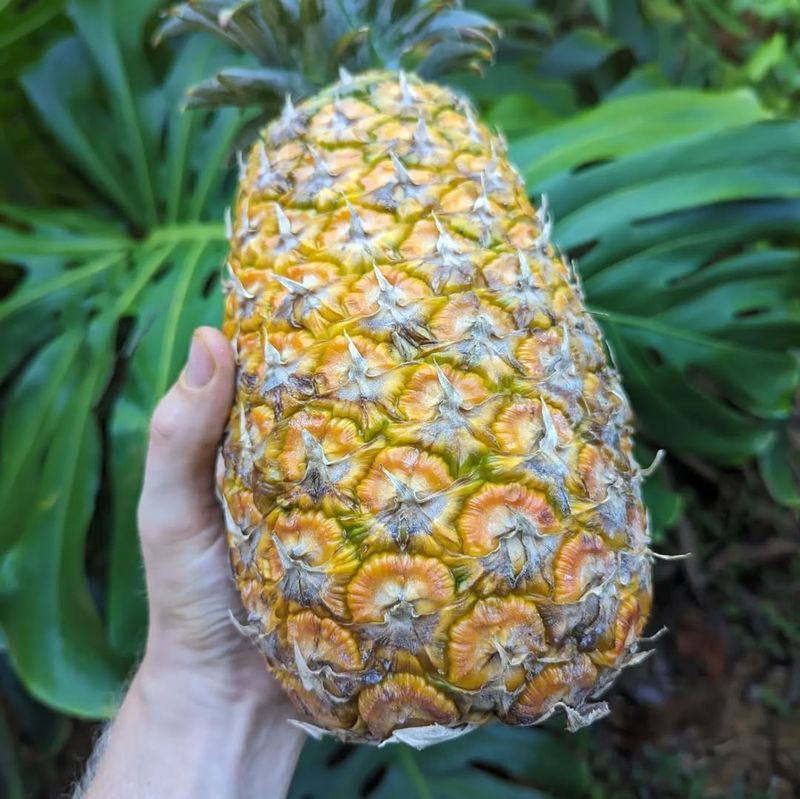
Starting this spiky beauty indoors is as simple as twisting the crown off a store bought fruit and letting it root in water or soil. February is an excellent time to begin because the plant will have several months to establish before outdoor temperatures become consistently warm.
Unlike many tropicals, this one tolerates cooler indoor conditions reasonably well, though it still prefers warmth and bright light.
Remove the crown by grasping it firmly and twisting until it separates cleanly from the fruit. Peel away the lower leaves to expose about an inch of the stem, then let it dry for a day or two to prevent rot.
Place the crown in a jar of water with the stem submerged or plant it directly in a pot filled with cactus mix or sandy soil.
Keep the plant in a bright, warm spot and water sparingly, allowing the soil to dry out between waterings. Growth will be slow at first, with new leaves emerging from the center over several weeks.
By late spring, the plant should have a healthy root system and be ready for outdoor placement in full sun.
Fruit production takes patience, often 18 to 24 months from planting, and requires consistent warmth and care. North Florida gardeners should plan to bring potted plants indoors during winter to protect them from cold damage.
Indoor starting simply gives the plant a longer growing window and better odds of reaching maturity before cooler weather arrives again.
4. Passion Fruit
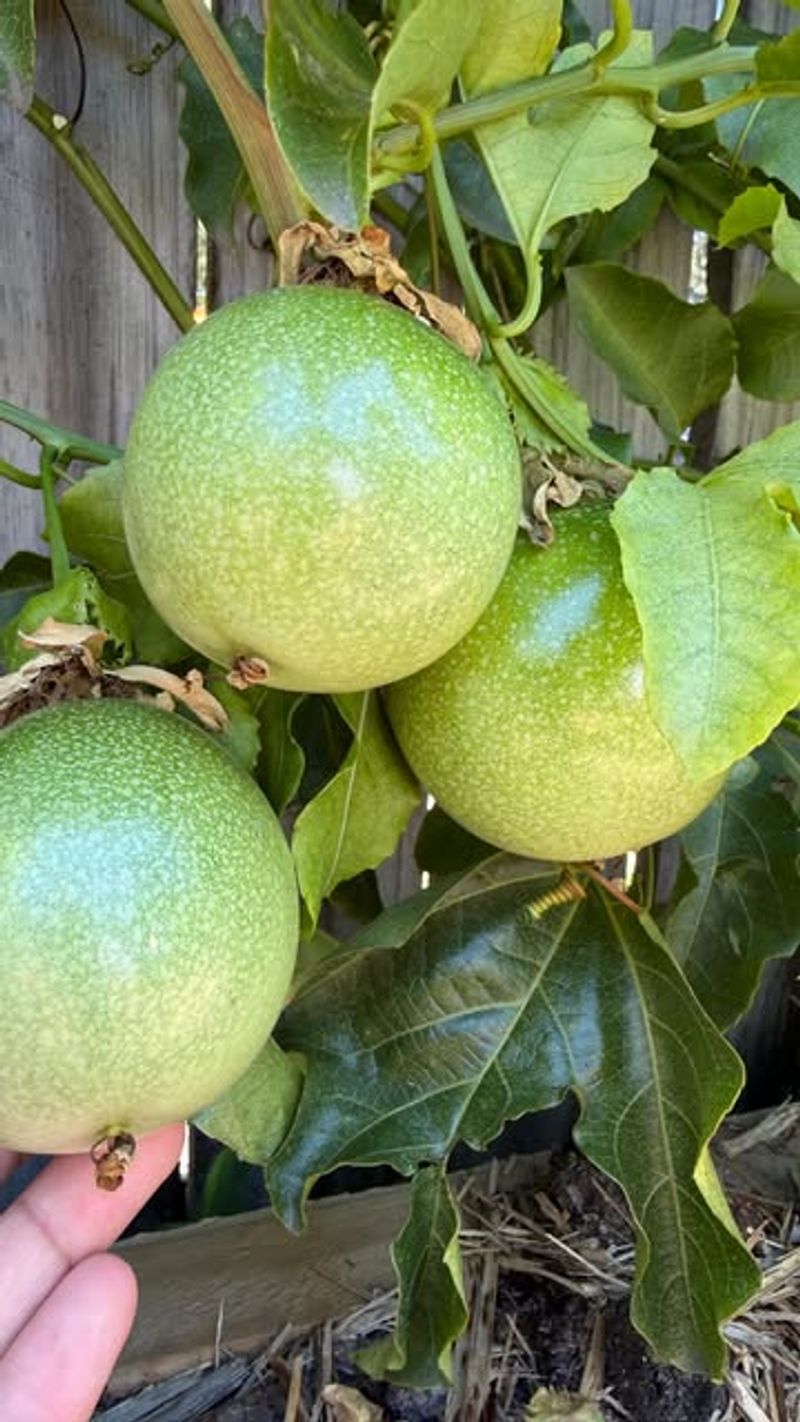
This vigorous vine produces stunning flowers and tangy fruit that North Florida gardeners can enjoy with the right start and care. Cold hardy varieties such as maypop passion fruit perform best in North Florida conditions.
Seeds germinate readily indoors when given warmth and moisture, and young vines grow quickly once established. Starting them in February allows the plants to develop strong roots and foliage before being transplanted outside to climb a trellis or fence.
Soak seeds overnight in warm water to soften the hard outer coating, then plant them about a quarter inch deep in small pots filled with moist seed starting mix. Cover the pots with plastic wrap or a humidity dome to retain moisture and place them in a warm spot, ideally between 70 and 80 degrees.
Germination can take two to four weeks, so patience is key.
Once seedlings appear, remove the cover and move them to a bright location with plenty of light. Water regularly to keep the soil evenly moist but not soggy.
Young vines will begin to send out tendrils within a few weeks, signaling healthy growth.
Transplant outdoors in late April or May when temperatures are consistently warm and frost is no longer a concern. Provide a sturdy support structure for the vine to climb and ensure the planting site receives full sun.
Fruit production typically begins within a year, though vines may take longer in cooler climates. Protect plants from winter cold by mulching heavily around the base or growing them in containers that can be moved indoors during freezing weather.
5. Guava
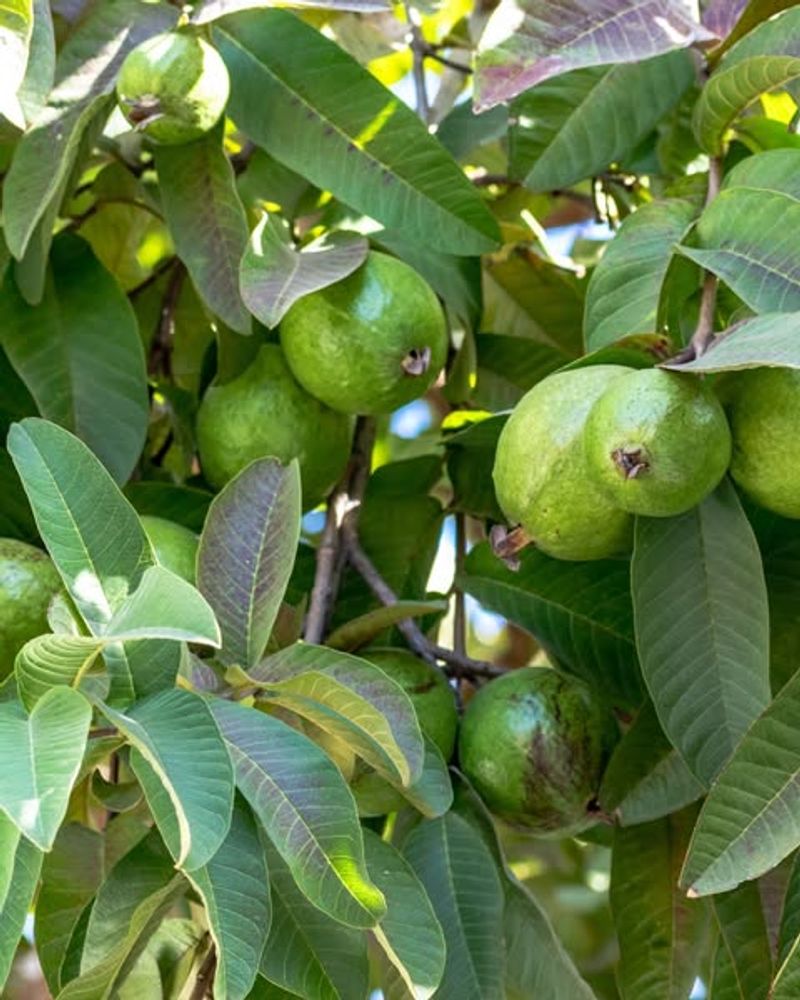
This fragrant fruit grows well from seed and adapts surprisingly well to North Florida conditions once established. Seeds sprout reliably indoors when kept warm and moist, and young plants develop quickly with proper care.
Starting them in February gives seedlings several months to grow strong before transitioning to outdoor life in late spring.
Collect seeds from fresh fruit, rinse them clean, and plant them about an eighth of an inch deep in small pots filled with seed starting mix. Keep the soil moist and place the pots in a warm location with temperatures between 70 and 85 degrees.
Germination usually occurs within two to four weeks, though some seeds may take longer.
Once seedlings emerge, provide bright light from a sunny window or grow lights to encourage sturdy growth. Water regularly but avoid overwatering, as soggy soil can cause root issues.
Young plants will grow steadily, producing pairs of oval leaves along slender stems.
Plan to move plants outdoors in late April or early May when temperatures are reliably warm. Choose a sunny location with well drained soil and space plants several feet apart to allow for mature growth.
Some varieties tolerate light frost once mature, but young plants need protection from cold.
Fruit production typically begins within two to four years, depending on the variety and growing conditions. North Florida gardeners will have the best success with cold hardy types such as pineapple guava, while true tropical guavas should be grown in containers and protected from frost.
Indoor starting simply extends the growing season and gives plants a better foundation for long term success.
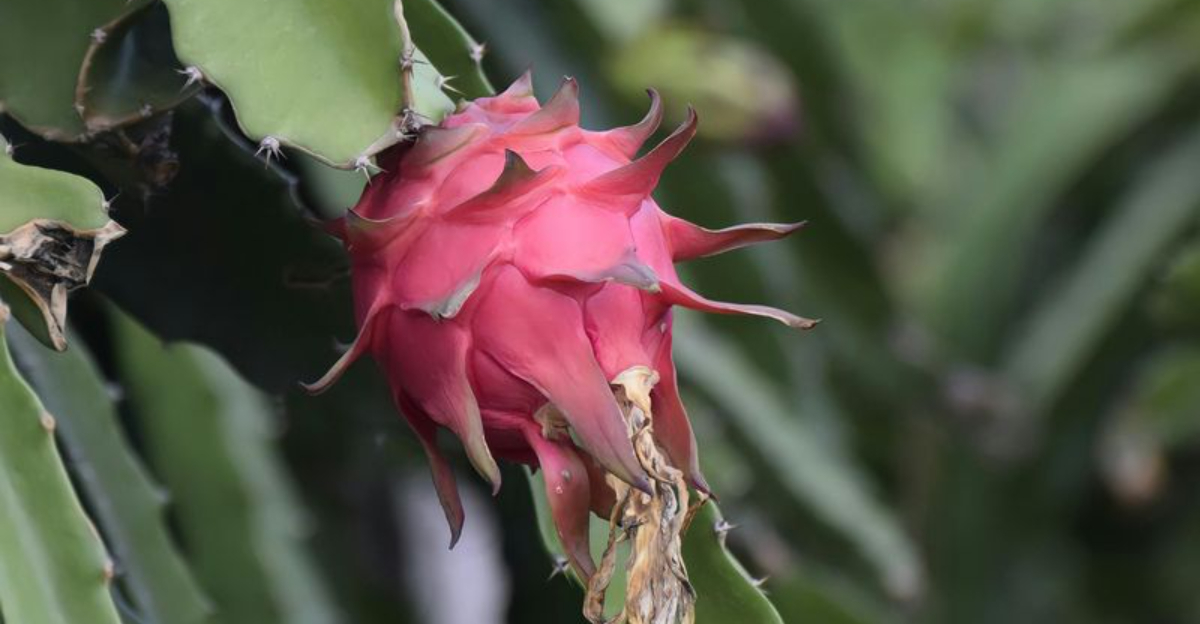
6. Dragon Fruit

This striking cactus produces dramatic flowers and colorful fruit that make it a conversation starter in any garden. Cuttings root easily indoors and grow steadily when given warmth and bright light, making February an ideal time to start them.
Unlike seed grown plants, cuttings can produce fruit within a year or two, offering faster results for eager gardeners.
Obtain a cutting from a mature plant or purchase one from a nursery, then let the cut end dry for several days to form a callus. Plant the cutting about two inches deep in a pot filled with cactus mix or sandy soil, and place it in a warm, bright location.
Water sparingly, allowing the soil to dry out completely between waterings to prevent rot.
Roots will develop over several weeks, and new growth will emerge from the top of the cutting once the plant is established. Keep the pot in a sunny window or under grow lights, and maintain indoor temperatures above 65 degrees for best results.
Growth will be slow during the cooler months but will pick up as temperatures rise.
Transplant outdoors in late spring once nighttime temperatures stay consistently above 60 degrees. Provide a sturdy support structure, as the cactus can grow quite large and heavy.
Full sun and well drained soil are essential for healthy growth and fruit production.
North Florida gardeners should plan to protect plants from winter cold by moving containers indoors or covering outdoor plants during freezes. Indoor starting gives the cactus a head start and better odds of flowering and fruiting during the warm season.
Flowering and fruit production are most reliable during especially warm summers, so patience and consistent heat are key.
7. Loquat
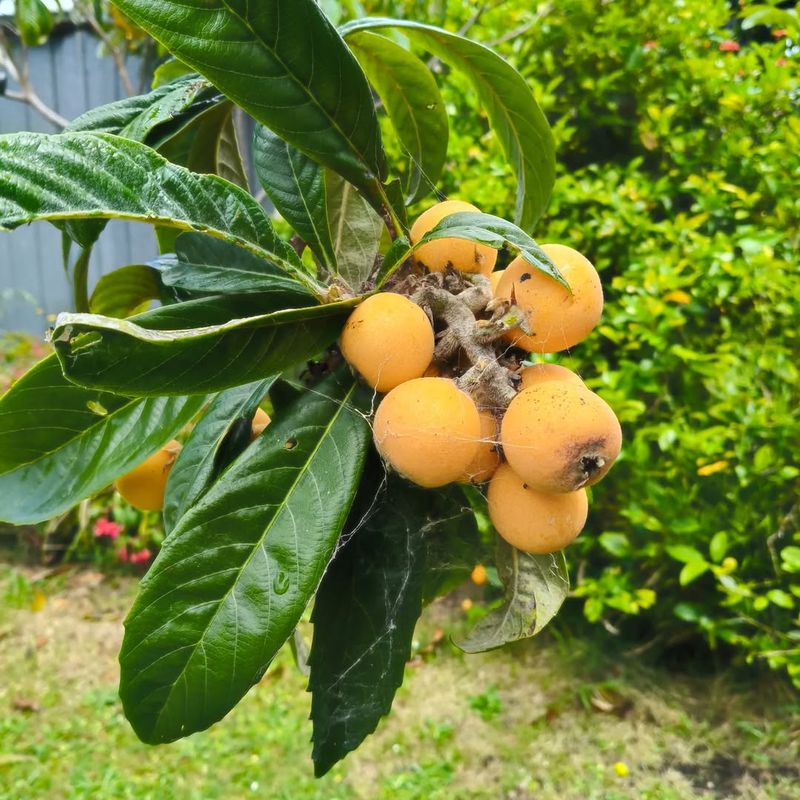
This subtropical fruit tree is one of the most reliable choices for North Florida gardeners who want something a little exotic without fighting the climate. Loquats tolerate cool winters far better than true tropical trees, making them an excellent candidate for early indoor starting and eventual outdoor planting.
Seeds germinate readily indoors and benefit from the warmth and protection of an indoor environment during late winter. Starting them in February gives seedlings a strong root system and steady growth before they face outdoor conditions in spring.
Remove seeds from ripe fruit, rinse them clean, and plant them about one inch deep in small pots filled with well draining potting soil. Keep the soil consistently moist and place the pots in a warm, bright location with temperatures between 65 and 75 degrees.
Germination typically occurs within two to four weeks, and seedlings grow steadily once established.
Provide bright light from a sunny window or grow lights to prevent legginess. Water regularly but allow the top inch of soil to dry slightly between waterings to avoid root problems.
Young plants develop glossy green leaves and an upright growth habit that transitions well to outdoor life.
Transplant loquat seedlings outdoors in late April or early May once the risk of hard frost has passed. Choose a sunny location with well drained soil and allow plenty of space for mature growth, as trees can reach 15 to 25 feet tall if left unpruned.
Loquats are especially well suited to North Florida because they flower in fall and winter and set fruit that ripens in spring. Mature trees tolerate brief freezes, though young plants benefit from protection during their first few winters.
Fruit production typically begins within three to five years from seed. Indoor starting simply gives loquats a longer establishment period and a better chance of becoming a productive, long lived fruit tree in North Florida landscapes.
With thoughtful variety selection and early indoor starting, North Florida gardeners can enjoy a surprising range of tropical and subtropical fruits, even at the edge of their comfort zones.