This One Mulching Mistake Is Causing Root Rot In Florida Gardens
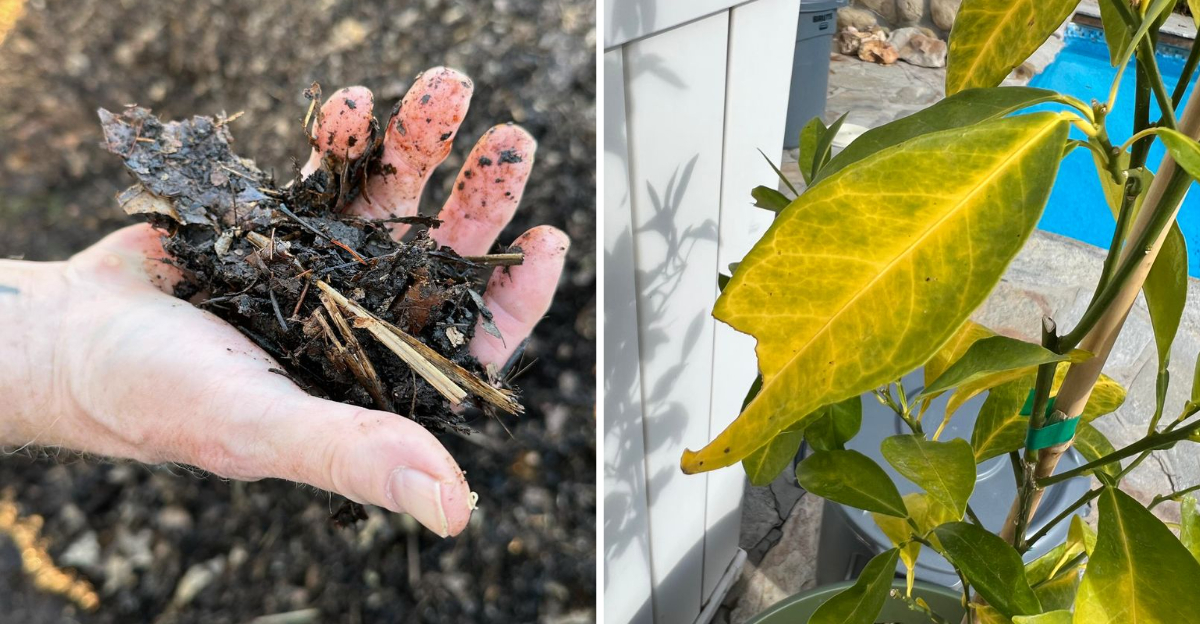
If you garden in Florida, you already know how fast the heat can bake the ground and how quickly afternoon storms can soak it again. Mulch feels like a lifesaver, helping soil stay cooler and hold on to moisture when the sun is relentless.
Most of the time, it does exactly that. The problem starts when a well-meaning habit goes a little too far.
In a climate where rain falls often and humidity hangs in the air, the wrong mulching approach can keep soil wet for too long and quietly create conditions where harmful fungi thrive around plant roots.
Root rot itself is caused by organisms that live in the soil, but improper mulching can make an already wet situation worse by limiting airflow and slowing drainage.
What looks like extra protection on the surface can turn into trouble below ground, especially after weeks of summer downpours.
Understanding how this mistake happens and how to correct it can mean the difference between plants that struggle and ones that bounce back strong, keeping your Florida garden healthier through every season.
1. Why Root Rot Is So Common In Florida Gardens
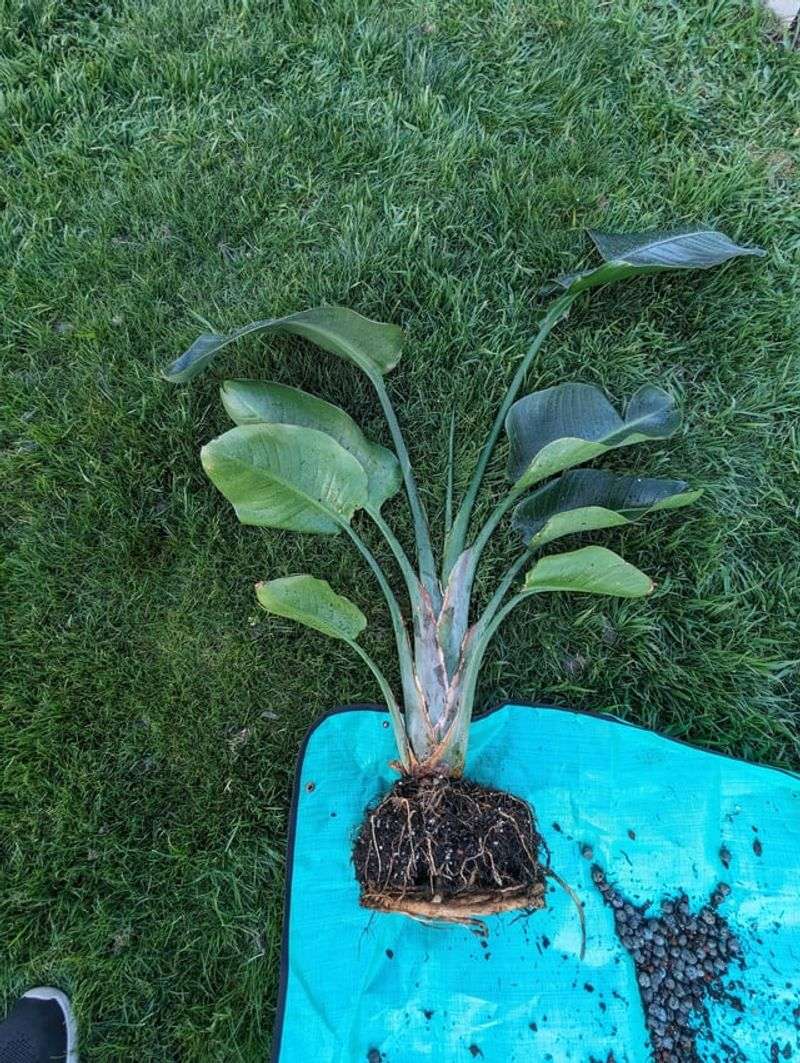
Florida’s combination of heat, humidity, and heavy rainfall creates a perfect environment for fungal organisms that cause root problems. While Florida’s sandy soils normally drain quickly, compaction, underlying clay layers, fill soil, or excessive organic mulch can cause water to linger around roots for days after heavy rain.
When roots sit in waterlogged conditions without enough oxygen, they become vulnerable to infection by pathogens that naturally live in the soil.
Many popular landscape plants, from gardenias to citrus trees, prefer well-drained conditions and struggle when their root zones stay too wet.
While many native Florida plants tolerate moisture better than non-natives, even they can decline if mulch buries the root flare or soil remains saturated for long periods.
Gardeners often assume that more moisture is always better in our hot climate, but roots need a balance of water and air to stay healthy.
Understanding this balance is especially important when you add mulch to your beds. Mulch is meant to conserve moisture and regulate temperature, but when applied incorrectly, it can hold water against stems and roots for too long.
Recognizing how Florida conditions amplify this problem is the first step toward healthier plants.
2. The One Mulching Mistake Florida Gardeners Make
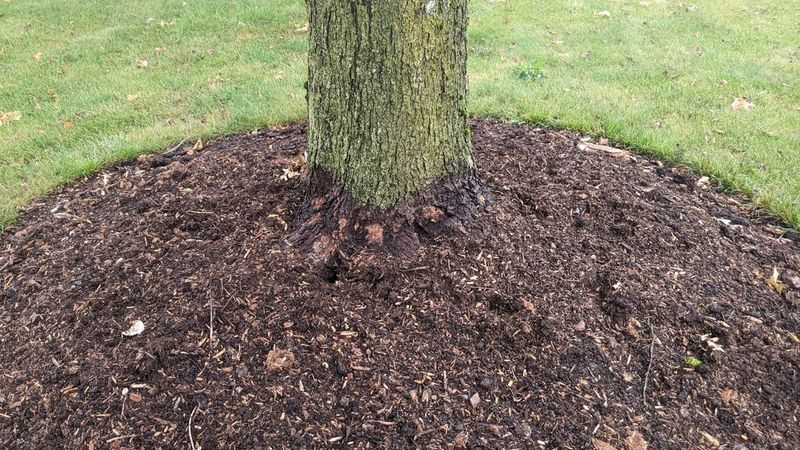
Applying mulch too thickly or piling it directly against plant stems and tree trunks is one of the most common practices that increases root problems in Florida landscapes, especially in poorly drained sites.
Many gardeners believe that a deep layer of mulch will provide extra protection from heat and weeds, so they spread it four, five, or even six inches deep.
Others create volcano-shaped mounds around the base of trees, thinking this looks neat and helps water soak in.
Both practices trap moisture right where it can cause the most harm. When mulch sits against bark or stems, it keeps that area constantly damp and prevents air circulation.
Your Florida Garden Changes Every Week. Your Plan Should Too.
Gardening in Florida changes quickly throughout the season. Every Friday you’ll receive a simple weekly plan showing exactly what to plant, prune, fertilize, harvest, and protect so you never miss the right timing.
Over time, this creates an ideal breeding ground for fungi and bacteria that attack weakened tissue. Roots near the surface also struggle to get oxygen when buried under excessive mulch.
This mistake is so widespread because it seems helpful at first. Plants may look fine for weeks or even months before symptoms appear.
By the time gardeners notice yellowing leaves or stunted growth, the root system has already been compromised. Correcting this habit requires understanding how much mulch is truly beneficial and where it should be placed.
3. How This Mulching Mistake Suffocates Roots
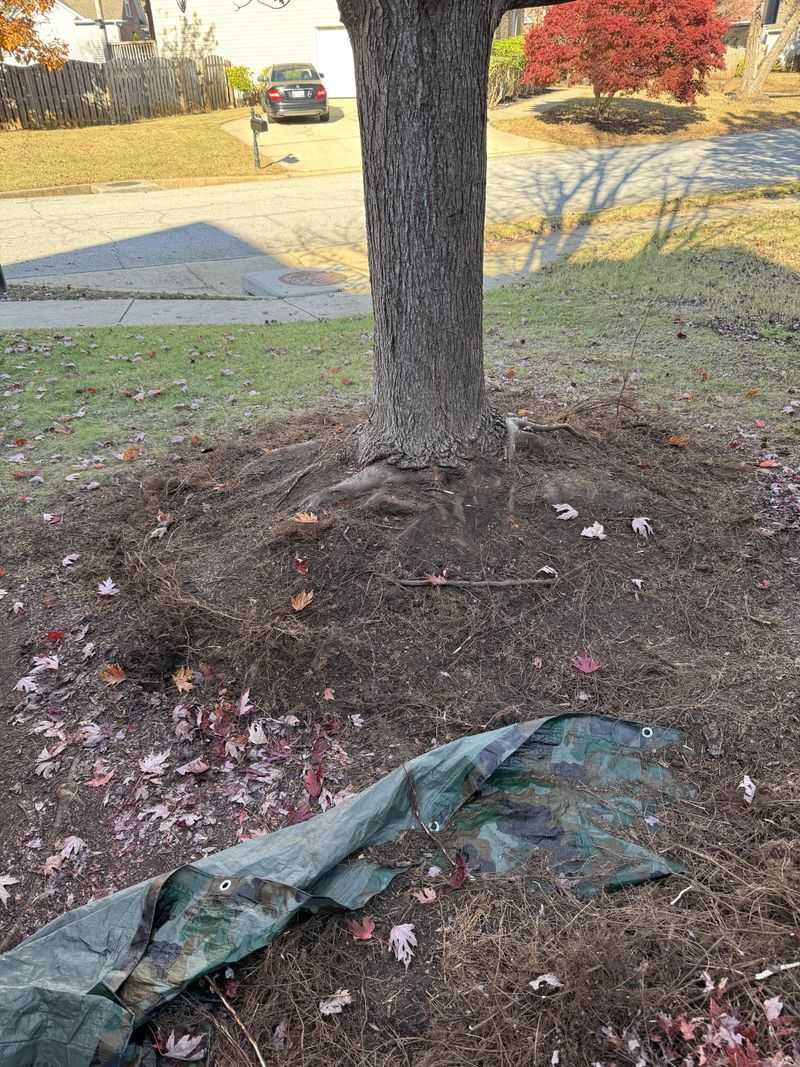
Roots need oxygen just as much as they need water, and they absorb it from tiny air pockets in the soil. When mulch is piled too deep, it compresses the soil beneath it and fills those air spaces with organic material that stays wet.
As thick layers of organic mulch decompose in already wet soil, microbial activity can further reduce oxygen availability in the root zone. Without enough oxygen, root cells cannot carry out basic functions like nutrient uptake and growth.
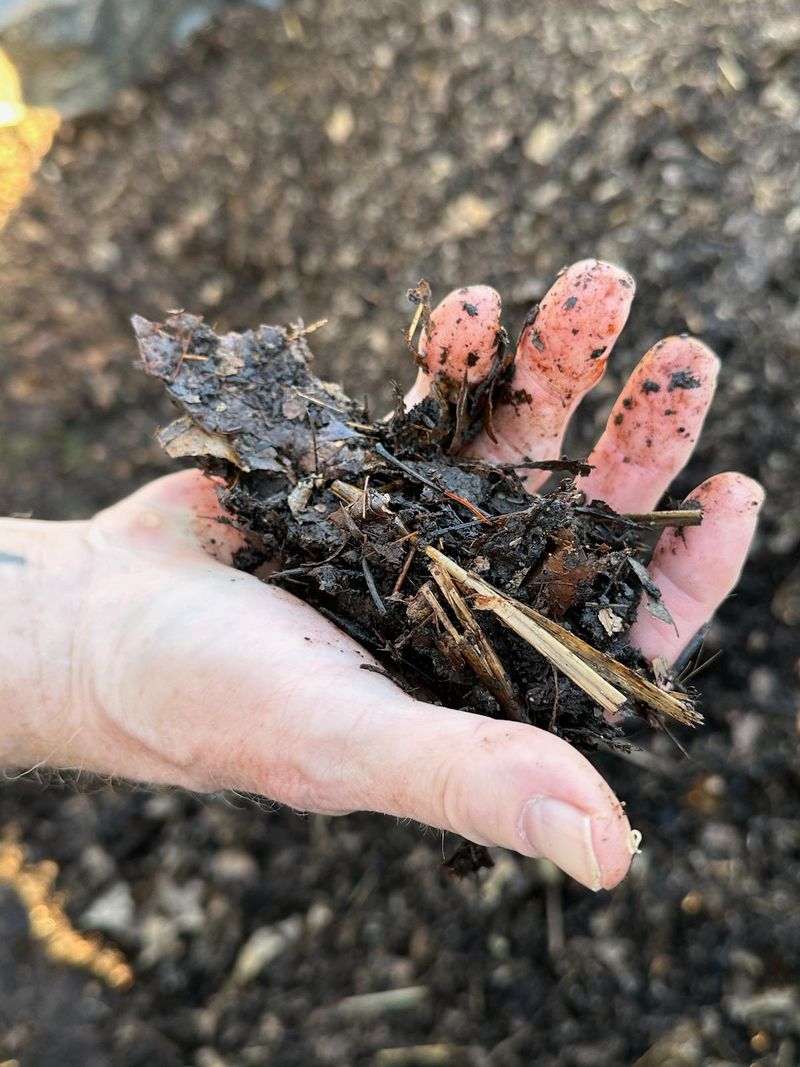
At the same time, excess mulch holds moisture like a sponge, keeping the top layer of soil saturated long after rain or irrigation stops. Roots trapped in this soggy environment begin to weaken and become susceptible to fungal infections.
Fungi such as Phytophthora and Pythium thrive in low-oxygen, high-moisture conditions and quickly colonize stressed roots.
Once infection sets in, roots lose their ability to transport water and nutrients to the rest of the plant. Aboveground symptoms like wilting, yellowing leaves, and slow growth appear, but the real damage is happening underground.
Breaking this cycle requires restoring proper air and water balance around the root zone, which starts with adjusting how mulch is applied.
4. Why Florida’s Climate Makes This Mistake Worse
Our state’s weather patterns make overmulching far more damaging than it would be in cooler or drier regions. Much of Florida receives an average of 50 to 65 inches of rain per year, with most of it falling during the summer months in intense afternoon downpours.
When mulch is already too thick, these heavy rains add even more water to an already saturated root zone.
High humidity levels mean that moisture evaporates slowly from mulch and soil surfaces. Even on sunny days, the air stays damp enough that mulch does not dry out quickly.
This creates a continuously wet environment that favors fungal growth and limits oxygen availability. In North Florida, cooler winter temperatures can slow evaporation even further, while South Florida’s year-round warmth keeps fungi active in every season.
Sandy soils, common throughout the state, drain quickly under normal conditions but can become waterlogged when drainage is restricted by compaction, buried root flares, underlying clay layers, or excessive organic mulch.
The combination of frequent rain, slow evaporation, and moisture-retaining mulch creates a perfect storm for root problems.
Adjusting mulching practices to account for these regional conditions is essential for keeping plants healthy and resilient throughout the year.
5. Signs Your Plants Are Suffering From Mulch-Aggravated Root Rot
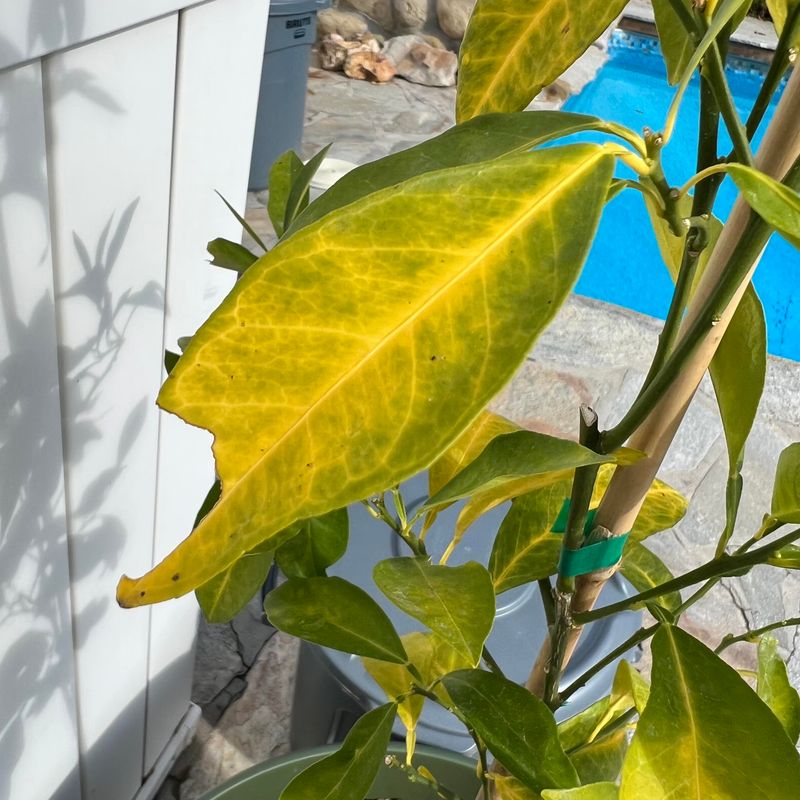
One of the first things you might notice is that leaves start turning yellow, especially on lower branches or older foliage. This happens because damaged roots cannot absorb enough nutrients, so the plant begins pulling resources from older leaves to support new growth.
Yellowing often progresses slowly, making it easy to mistake for a fertilizer issue or natural aging.
Another common sign is wilting or drooping leaves even when the soil feels moist. This seems confusing because you know the plant is not dry, but the truth is that damaged roots cannot move water up into the stems and leaves.
Plants may also show stunted growth, with new shoots staying small and weak compared to previous seasons. Before assuming a nutrient deficiency, gardeners should also check soil drainage, as waterlogged roots often mimic fertilizer problems.
If you gently pull back the mulch and examine the base of the plant, you might see dark, soft spots on stems or bark that feels mushy to the touch. Healthy bark should be firm and dry near the soil line.
You may also notice a sour or musty smell coming from the root zone, which indicates fungal activity and decomposition. Catching these signs early gives you the best chance to correct the problem before permanent damage occurs.
6. How North Florida Gardeners Should Adjust Mulching
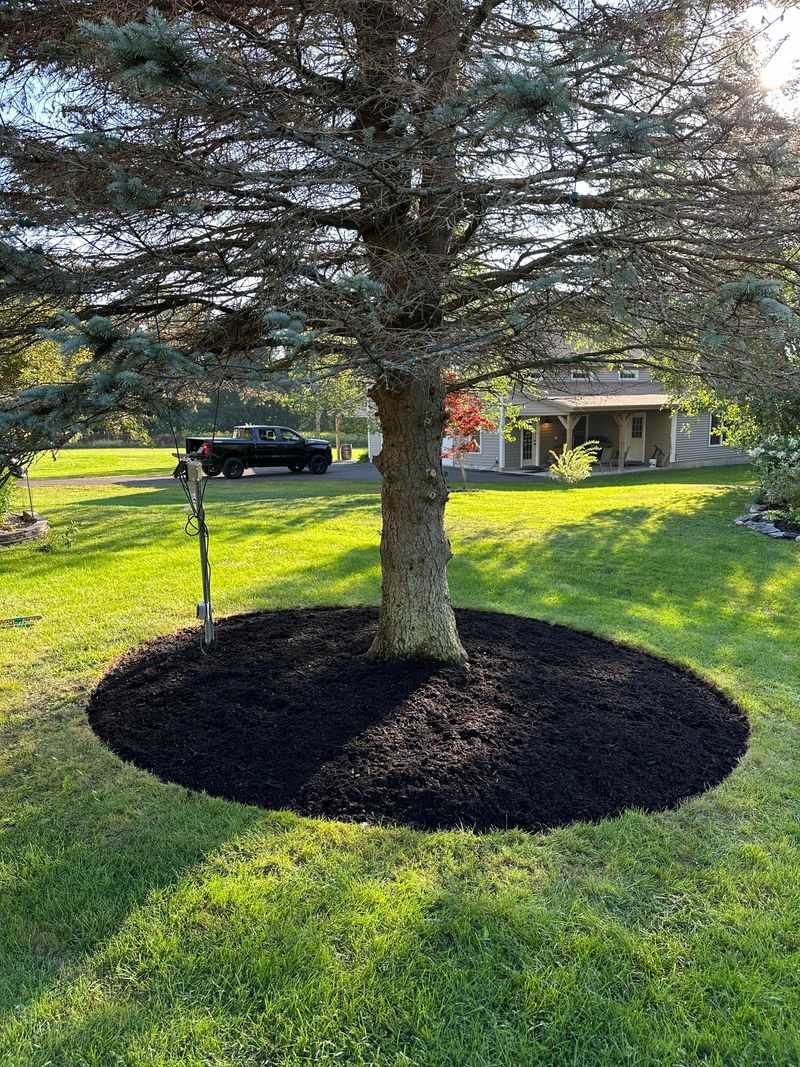
Gardeners in North Florida experience cooler winters and more seasonal rainfall patterns compared to the rest of the state. Because of this, mulch tends to stay wet longer during the winter months when temperatures drop and evaporation slows down.
Applying mulch too early in fall or too thickly before winter rains arrive can create soggy conditions that last for weeks.
A two to three inch layer of mulch is usually sufficient for North Florida gardens, and it should be pulled back at least three to four inches from the base of trees and shrubs. During the rainy season in summer, check your mulch regularly to make sure it is not staying constantly damp.
If it feels soggy to the touch several days after rain, consider raking it thinner or allowing more air circulation around plants.
In winter, avoid adding fresh mulch until after the coldest, wettest months have passed. If you mulch in late fall, use a lighter hand and choose coarser materials like pine bark nuggets that allow better airflow.
Monitoring moisture levels throughout the year and adjusting mulch depth as needed will help keep roots healthy in North Florida’s variable climate.
7. How Central And South Florida Gardeners Should Adjust Mulching
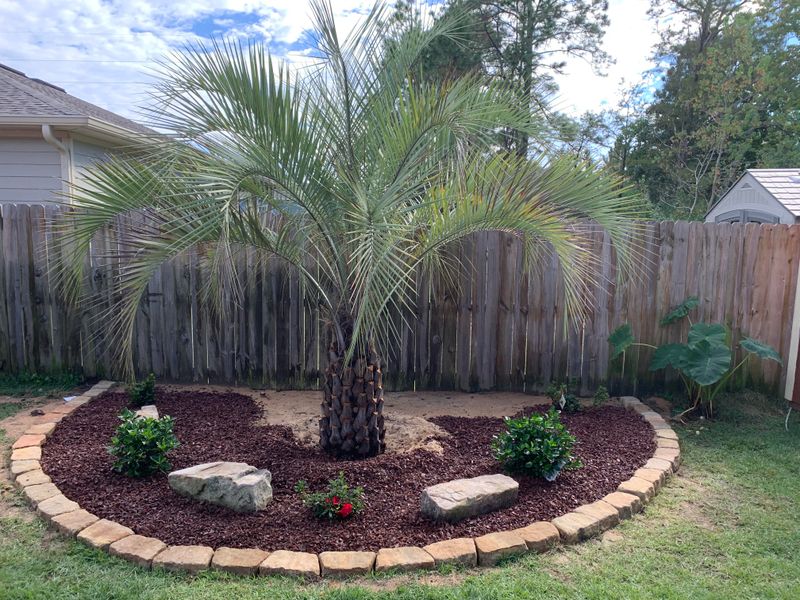
Central and South Florida gardeners face year-round heat and humidity, which means mulch never truly dries out the way it might in cooler climates. Summer rains are intense and frequent, often soaking garden beds daily during the wet season.
Because of this, even a moderate layer of mulch can hold more moisture than roots can handle if not applied carefully.
In these regions, a two inch layer of mulch is often enough to provide benefits without creating problems. Coarse materials like pine bark or eucalyptus mulch work well because they allow air to move through more easily than finely shredded products.
Always keep mulch at least four to six inches away from the trunks of trees and the stems of shrubs and perennials.
During the summer rainy season, check your beds weekly and rake mulch away from plant bases if it starts piling up or compacting. If you notice standing water or a strong earthy smell, reduce the mulch depth immediately.
In South Florida, where temperatures stay warm all year, fungi remain active even in winter, so vigilance is important in every season. Adjusting your approach to match the intense moisture and heat will protect your plants and keep your landscape thriving.
8. The Right Way To Mulch In Florida
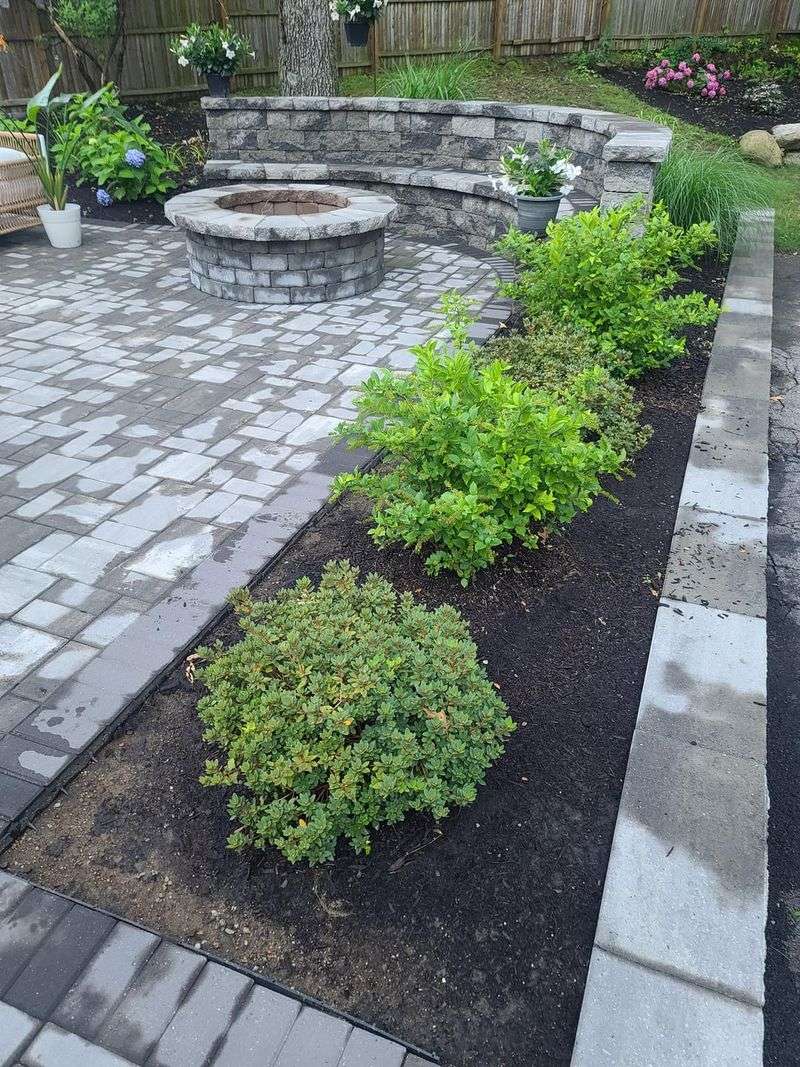
Start by spreading mulch in a thin, even layer no more than two to three inches deep across your garden beds. Measure the depth with your hand or a ruler to avoid guessing, because even an extra inch can make a difference in moisture retention.
Choose coarse, chunky mulch like pine bark nuggets or cypress mulch that allows air and water to move through easily.
Always pull mulch back from the base of plants, leaving a clear circle of bare soil around stems, trunks, and root flares. This space should be at least three to four inches wide for shrubs and six inches or more for trees.
The goal is to create a donut shape with the plant in the center, not a volcano mound.
Refresh your mulch once or twice a year as it breaks down, but avoid piling new layers on top of old ones. Rake the existing mulch to fluff it up and check the depth before adding more.
Water plants at the root zone rather than over the top of the mulch to reduce excess moisture. If standing water persists after rain, improving drainage or raising the planting area is more effective than adjusting mulch alone.
Following these simple steps will help you enjoy all the benefits of mulch without the risks, keeping your Florida garden healthy and beautiful in every season.