8 Reasons Florida Gardeners Keep Baking Soda Stocked And Ready
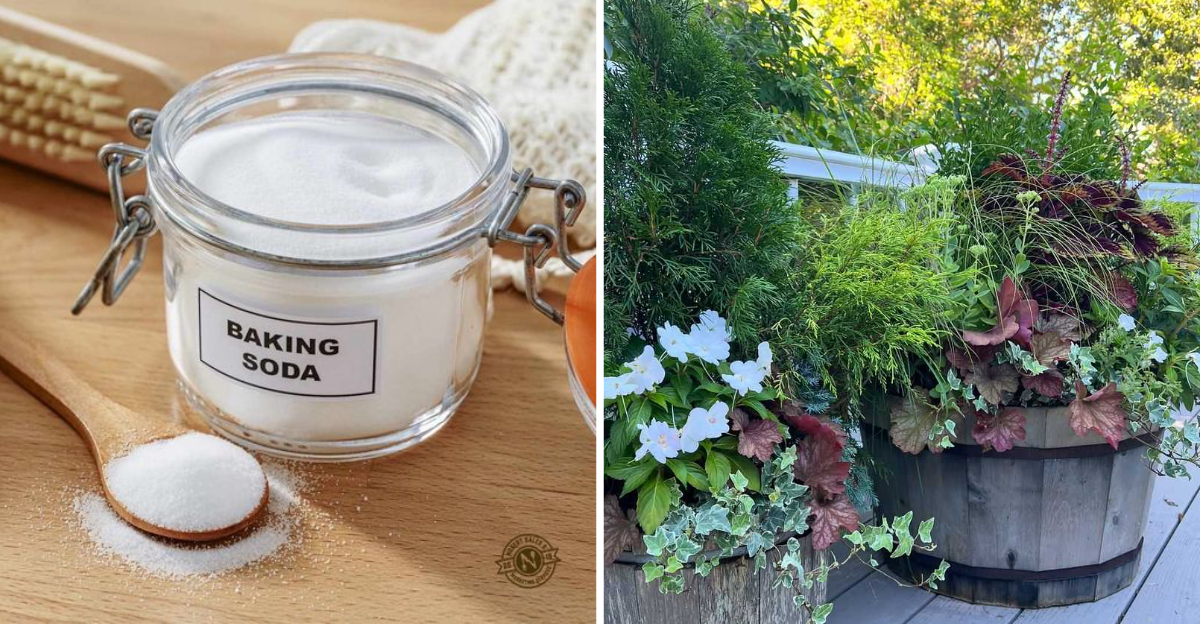
Florida gardening is not for the faint of heart. One week brings soaking rain and sticky air, the next delivers blazing sun that seems to cook everything in sight.
In a place where plants grow fast and problems show up just as quickly, seasoned gardeners learn to keep a few practical tricks up their sleeve.
That is why baking soda quietly earns a spot on so many Florida garden shelves. This everyday household staple has a way of pulling its weight when humidity lingers, tools get grimy, containers grow slippery, or small garden annoyances start to pile up.
It is not a magic fix and it will not replace good gardening habits, but in the right moments it can save time, money, and a trip to the store.
From freshening up garden spaces to handling minor maintenance tasks, baking soda proves that sometimes the simplest solutions are right under your nose. In Florida gardens, a little common sense often goes a long way.
1. Why Baking Soda Comes Out After A Few Humid Days
Moisture hangs in the air across much of Florida, especially during summer months when it feels like you could wring water from the atmosphere itself. Containers, patios, and garden surfaces can stay damp for days, creating conditions where mildew and surface mold appear seemingly overnight.
A light dusting of baking soda on these surfaces can help neutralize surface conditions that encourage mildew and make damp areas less inviting for growth, especially on non-porous materials.
It does not remove humidity or destroy mold and should only be used on hard, non-living surfaces.
Many gardeners find this approach helpful on pot saucers, wooden benches, or the rims of clay containers that never quite dry out. It works best as a preventive step rather than a fix for established problems.
Keep in mind that baking soda does not replace proper drainage or air circulation, which remain the most effective long term strategies.
Results vary depending on whether you are in North Florida with slightly drier conditions or South Florida where humidity stays high year round. Use it sparingly and observe how your specific setup responds.
Reapply after heavy rain or watering, and always prioritize improving airflow and reducing standing water for lasting results.
2. When Garden Smells Start Getting Out Of Hand
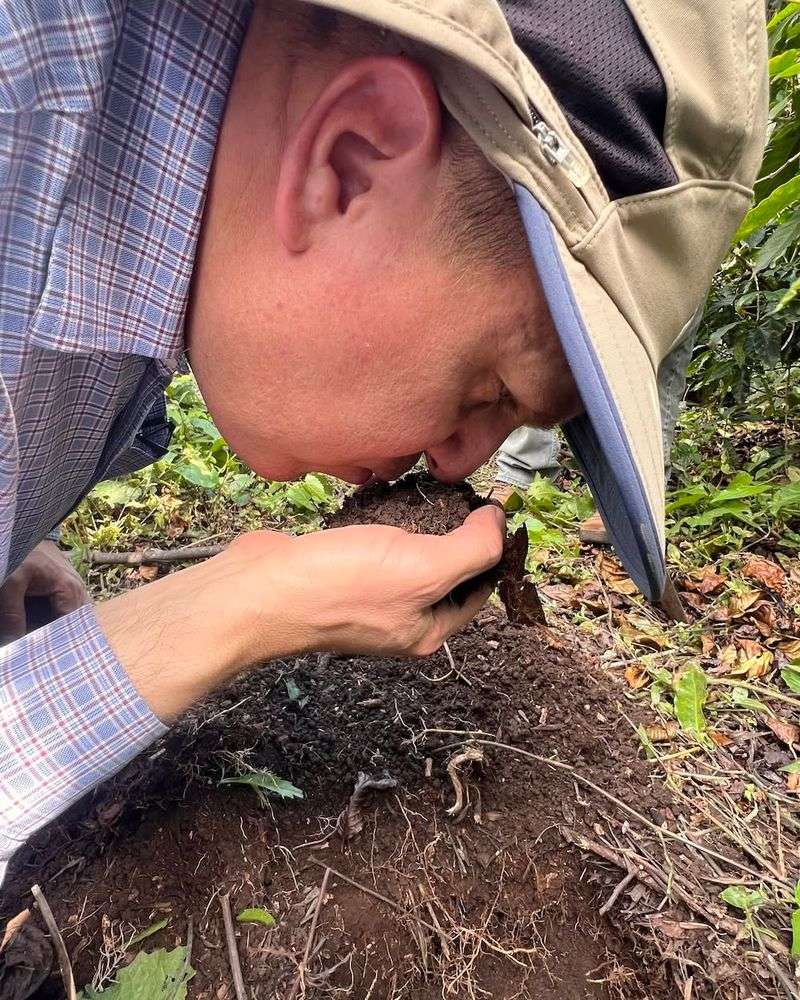
Compost bins, potting benches, and even certain mulched beds can develop strong odors during Florida’s warm months when decomposition speeds up and moisture lingers.
While some earthy smell is normal and even welcome, overpowering or sour odors usually signal that something is off balance.
Sprinkling a small amount of baking soda into compost bins or around problem areas can help neutralize acidic smells temporarily while you address the root cause. This should be done sparingly, as repeated use can interfere with beneficial microbes and increase sodium levels in compost.
This trick is especially handy for smaller compost setups on patios or balconies where space limits how much you can turn or aerate materials. It buys you time to add dry browns, adjust moisture levels, or improve ventilation.
Your Florida Garden Changes Every Week. Your Plan Should Too.
Gardening in Florida changes quickly throughout the season. Every Friday you’ll receive a simple weekly plan showing exactly what to plant, prune, fertilize, harvest, and protect so you never miss the right timing.
However, it should not become a substitute for proper composting practices like maintaining the right carbon to nitrogen ratio and turning your pile regularly.
In mulched beds, persistent odors often mean the mulch is too thick, too wet, or decomposing anaerobically. A sprinkle of baking soda might mask the smell briefly, but pulling back excess mulch and allowing the soil to breathe will solve the problem more effectively over time.
3. The Simple Way Garden Tools Get Cleaner Faster
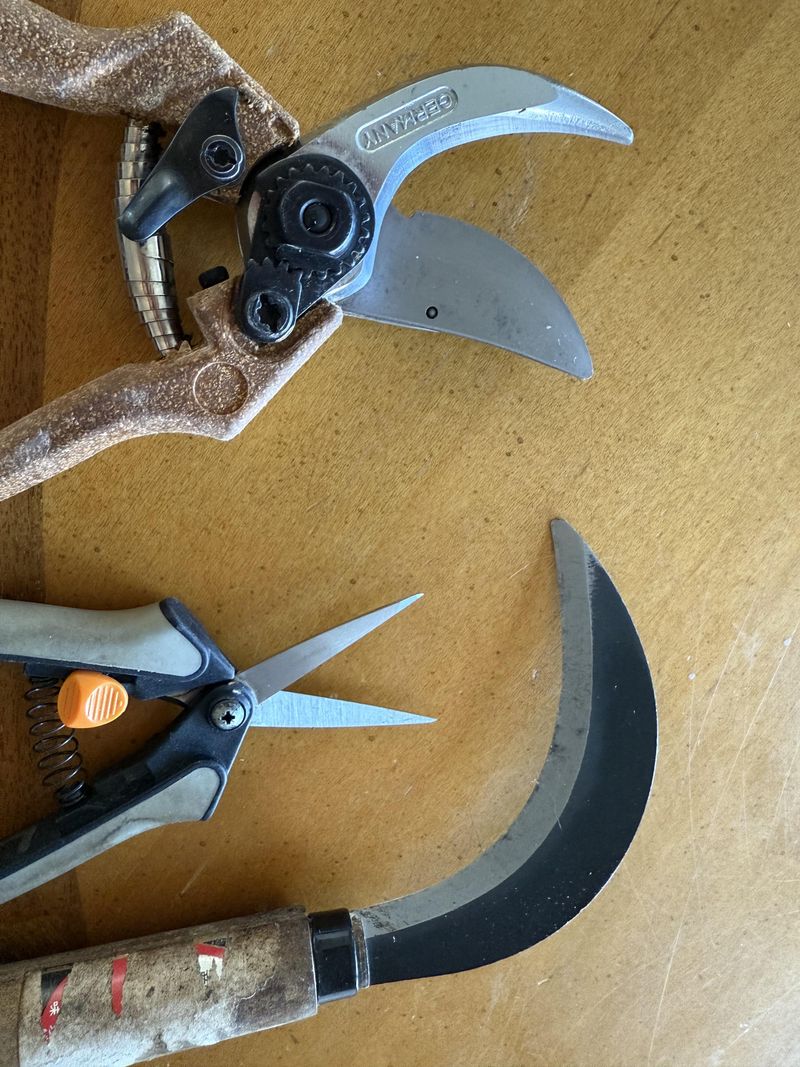
Shovels, pruners, and trowels accumulate sap, soil, and grime quickly in Florida gardens where growth happens fast and plants ooze sticky residue in the heat. Cleaning tools regularly helps them last longer and reduces the chance of spreading plant diseases from one area to another.
A paste made from baking soda and a little water works surprisingly well for scrubbing away stubborn buildup without harsh chemicals or expensive specialty cleaners.
Apply the paste with an old toothbrush or scrub pad, work it into the metal or plastic surfaces, and rinse thoroughly. This method is gentle enough not to damage tool finishes but effective enough to remove most everyday grime.
For tools with rust spots, baking soda can help scrub away surface rust, though it will not prevent future corrosion on its own.
After cleaning, dry your tools completely and consider applying a light coat of oil to metal parts to protect them from Florida’s relentless humidity.
This simple routine keeps your tools in good working order and ready for the next project without requiring a separate trip to the store for specialized products.
4. Why Some Gardeners Reach For It During Fungal Issues
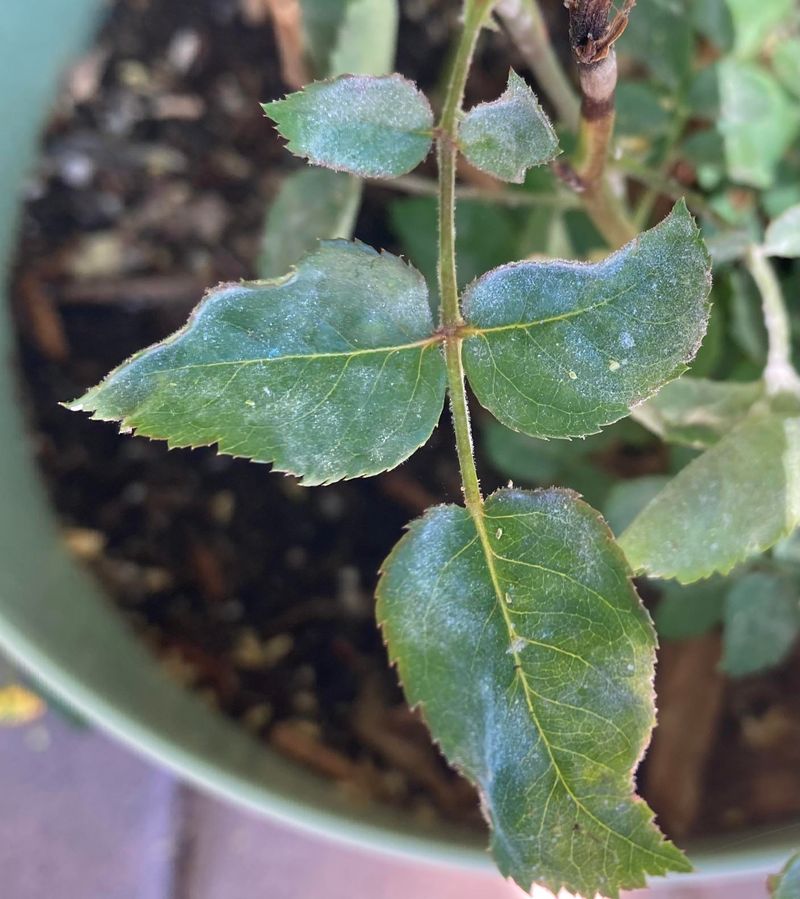
Fungal problems like powdery mildew and black spot thrive in Florida’s warm, humid environment and can show up on roses, squash leaves, and ornamental plants throughout the growing season.
Some gardeners experiment with a highly diluted baking soda spray as a short-term, cosmetic measure when they first notice minor fungal spotting.
This approach does not treat plant infections and should never be used as a primary control method. The slightly alkaline nature of baking soda can create conditions on leaf surfaces that are less favorable for certain fungi to spread rapidly.
A common homemade recipe involves mixing one tablespoon of baking soda with a gallon of water and a few drops of mild dish soap to help it stick. Spray it on affected foliage early in the morning so leaves can dry before evening.
This approach works best as a supplemental step alongside proper plant spacing, adequate airflow, and selecting resistant varieties. Baking soda sprays should not be applied repeatedly, during hot weather, or to drought-stressed plants.
Excessive use can damage leaf tissue and contribute to sodium buildup in soil, which may negatively affect plant roots over time.
It is important to understand that baking soda does not cure established infections or replace proven fungicides recommended by UF IFAS for serious outbreaks. Overuse can also affect leaf health or soil chemistry, so apply it sparingly and only when you see a genuine need.
Always monitor your plants closely and adjust your strategy based on what you observe.
5. Situations Where Pests Seem Less Comfortable

Certain soft bodied garden pests like aphids and some caterpillars may find surfaces dusted with baking soda less inviting, though research on this effect remains limited and results vary widely.
Some gardeners report that baking soda applied to non-plant surfaces near affected areas may temporarily discourage pest movement, though results are inconsistent and short-lived.
This is not a reliable pest control method on its own but may offer a small boost when combined with other strategies. It should not be dusted directly onto plant leaves or soil as a pest control method.
For ant trails leading to plants or garden beds, sprinkling baking soda along their path can sometimes interrupt their scent trails and discourage them from returning. However, this is a temporary measure and will not address the colony itself.
Rain or watering washes it away quickly, requiring frequent reapplication.
Always prioritize proven integrated pest management practices like encouraging beneficial insects, using physical barriers, and selecting pest resistant plants. Baking soda should be viewed as a minor supplement rather than a primary defense.
If pest problems persist or worsen, consult UF IFAS resources or a local extension office for guidance tailored to your specific situation and region.
6. What Baking Soda Can Reveal About Your Soil
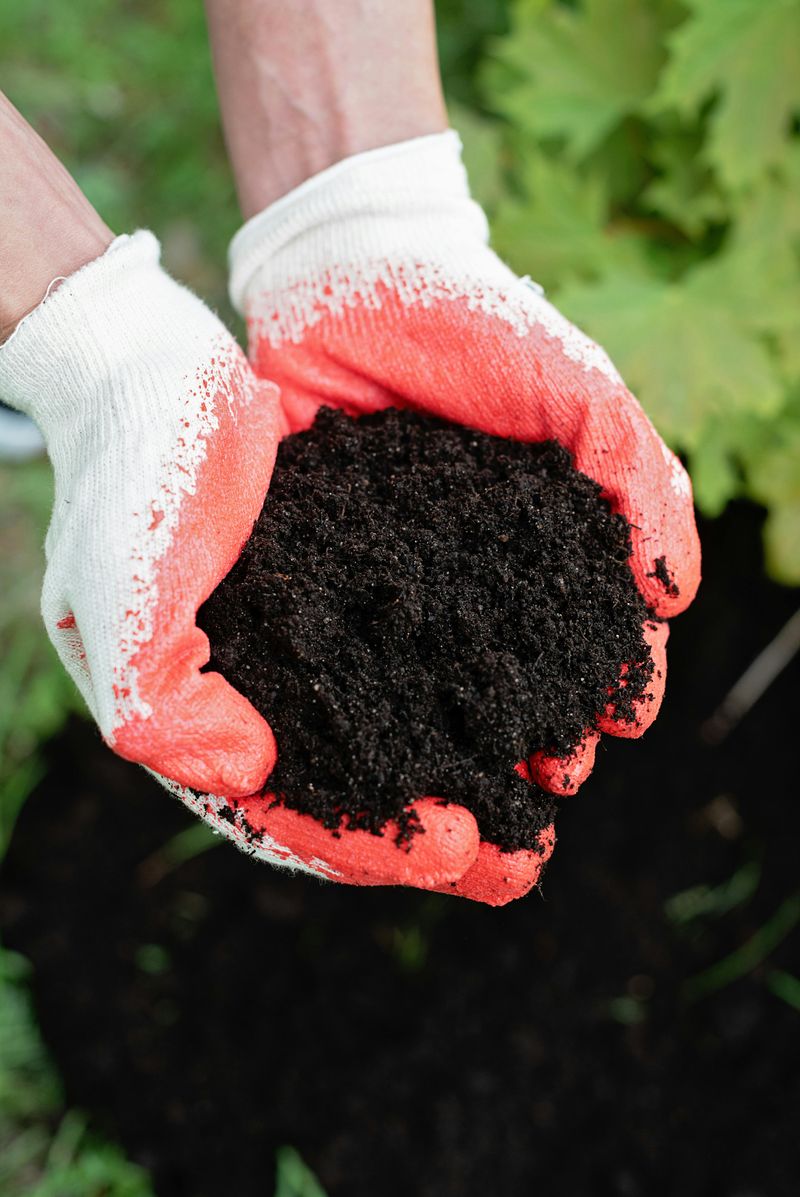
Understanding your soil pH is essential for growing healthy plants in Florida, where soils can range from acidic sandy types in some areas to alkaline limestone based soils in others. A simple at home test using baking soda can give you a rough indication of whether your soil leans acidic.
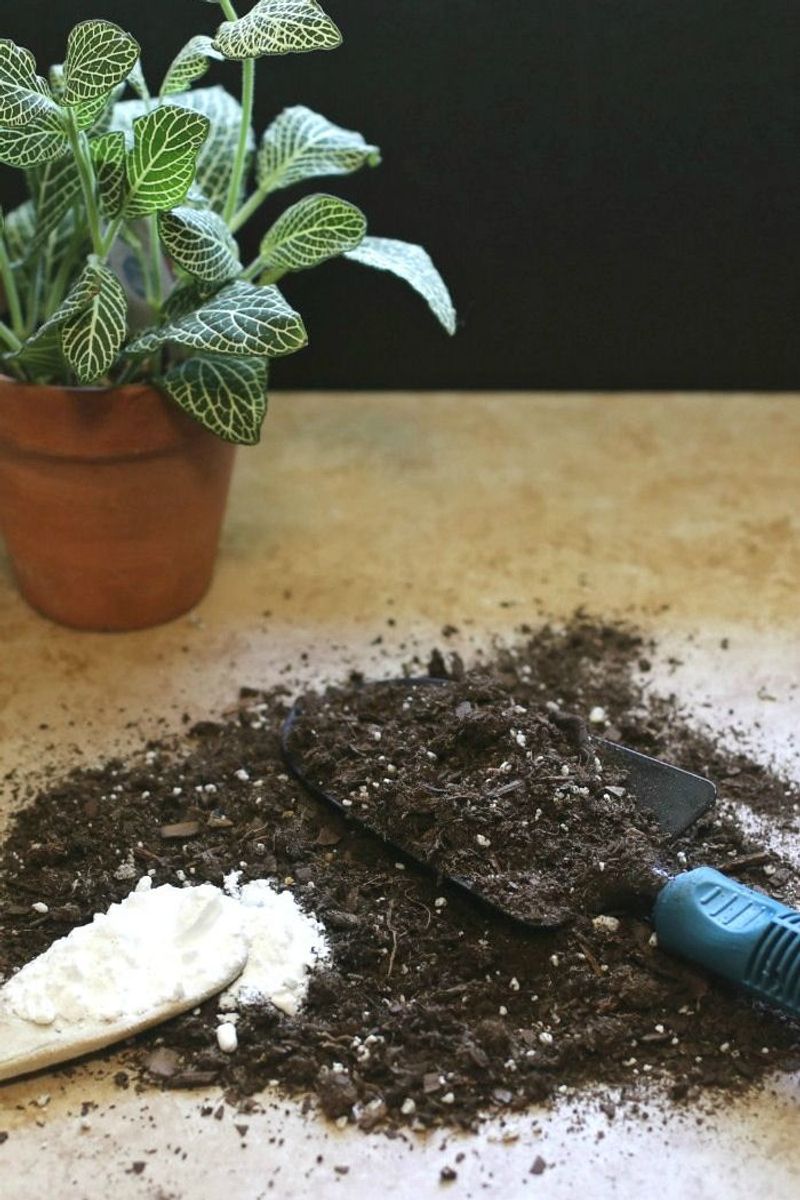
Collect a small soil sample, add a bit of water to make a slurry, then sprinkle baking soda on top. If it fizzes or bubbles, your soil may contain acidic components, but the reaction does not measure soil pH or indicate how acidic the soil actually is.
False positives are possible, especially in soils with organic matter or recent amendments.
This test is not precise and should not replace a proper soil test from your county extension office, which provides detailed information about pH, nutrient levels, and amendment recommendations.
However, it is a quick and free way to get a general sense of your soil chemistry before you invest in more formal testing.
Knowing your pH helps you choose the right plants and amendments for your specific garden conditions.
Florida soils vary greatly even within the same neighborhood, so results in one part of your yard may differ from another. Use this quick test as a starting point, then follow up with a full soil analysis to make informed decisions about lime, sulfur, or other amendments your garden may need.
7. Why Container Gardeners Use It More Than Others
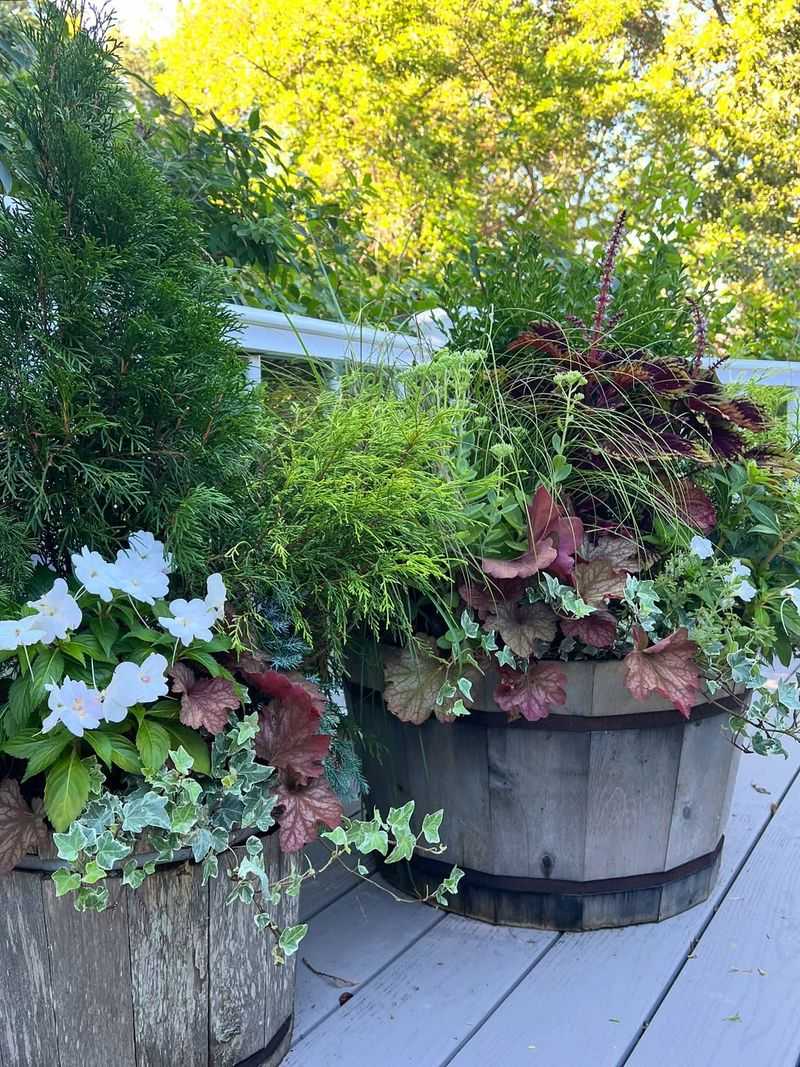
Container gardening is incredibly popular in Florida, especially among renters, condo dwellers, and those with limited yard space. Pots and planters can develop mineral deposits, algae growth, and persistent odors over time, particularly when water quality is hard or when containers sit in saucers that never fully dry out.
Baking soda offers a gentle, non toxic way to scrub away these deposits and freshen containers between plantings without leaving harsh chemical residues that might affect sensitive roots.
Mix baking soda with water to form a paste, scrub the inside and outside of empty pots, and rinse thoroughly before refilling with fresh potting mix. This simple routine helps containers last longer and look better season after season.
For algae on pot rims or saucers, a light sprinkle of dry baking soda can help reduce slippery buildup and make surfaces easier to clean during regular maintenance.
Container gardeners also appreciate that baking soda is safe to use around kids and pets, making it a practical choice for balconies and patios where families spend time. Just remember that it works best as part of a regular cleaning routine rather than a one time fix for neglected containers.
8. When A Cheap Household Staple Makes Sense
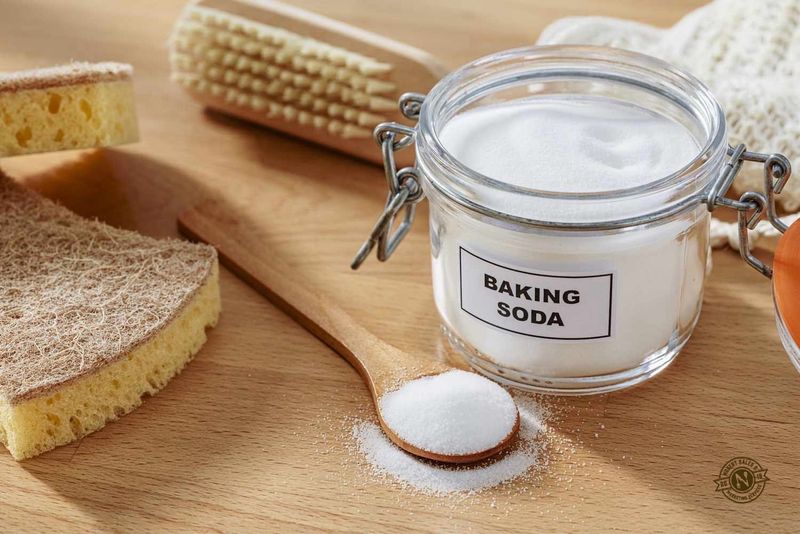
Gardening expenses add up quickly, especially when you are trying to maintain a healthy landscape in Florida’s demanding climate with its pests, diseases, and unpredictable weather. Baking soda costs just a few dollars per box and can tackle multiple small tasks around the garden, from cleaning tools to freshening compost bins to testing soil pH.
For budget conscious gardeners, having this versatile product on hand means fewer trips to the store and less money spent on single purpose products.
It is important to use baking soda thoughtfully and avoid treating it as a miracle cure for every garden challenge. It works best for minor issues, quick cleanups, and situations where a gentle, non toxic option is preferred.
For serious plant diseases, pest infestations, or soil problems, investing in proven products and practices recommended by UF IFAS will deliver better long term results.
Think of baking soda as a helpful assistant in your gardening toolkit rather than the main solution. Baking soda should never be applied regularly to garden soil or treated as a remedy for plant health problems.
Combine it with good cultural practices like proper watering, mulching, and plant selection, and you will find it serves you well in the moments when a simple, affordable fix is exactly what you need.