These Trees In Texas Could Get You Fined If You Don’t Remove Them
Texas landscapes are full of beautiful trees—but some aren’t just a matter of aesthetics. Certain species are considered hazardous, diseased, or invasive, and leaving them standing can lead to fines, legal issues, or even liability if they cause damage.
What seems like a harmless tree could quickly become a costly problem. In Texas, one tree can make a big impact—on your yard and your wallet!
From weak-branched trees prone to falling to fast-spreading invasives, these species pose real risks to property and neighbors. Municipalities enforce removal to protect safety, prevent damage, and maintain community standards.
Ignoring these regulations isn’t just risky—it can mean fines or mandatory removal at your expense. Beautiful doesn’t always mean legal—some trees have rules attached.
Texas homeowners who know which trees are regulated and act promptly can protect their property, avoid fines, and maintain a safe, thriving landscape. With the right information and timely action, you can enjoy a lush yard without unexpected legal or financial surprises.
Some trees belong in your yard—and some legally belong gone.
Trees Classified As A Safety Hazard Due To Decay Or Structural Weakness
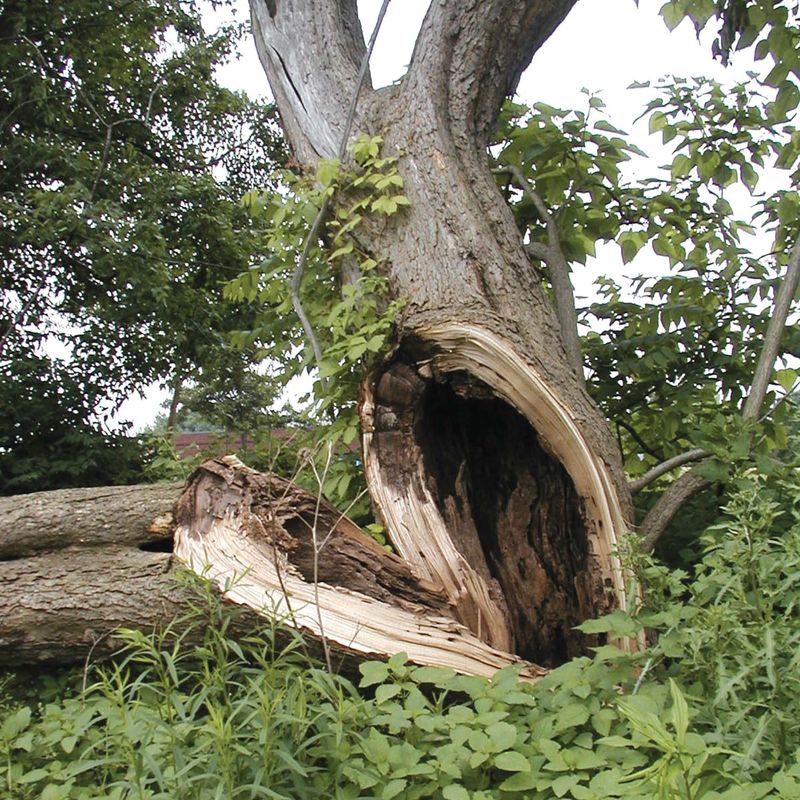
Municipal inspectors throughout Texas have broad authority to identify trees that present imminent danger to people and property. When a tree shows advanced decay, hollow trunks, or significant structural compromise, code enforcement officers can issue formal notices requiring removal within a specified timeframe.
Property owners who receive these notices must act quickly, as ignoring the order typically results in escalating fines that can reach hundreds of dollars per day.
The inspection process usually begins with a complaint from a neighbor or observation by city staff during routine patrols. Certified arborists often evaluate the tree to determine if it poses genuine risk to homes, vehicles, pedestrians, or adjacent properties.
Their assessment considers factors like trunk stability, root system integrity, canopy balance, and proximity to structures or high-traffic areas.
Once officials declare a tree hazardous, homeowners face a legal obligation to hire licensed tree removal services. Cities understand that removal can be expensive, but public safety concerns override individual financial considerations in these situations.
Some municipalities offer payment plans or connect residents with assistance programs, though availability varies widely across different Texas communities.
Failing to comply with removal orders can result in the city hiring contractors to remove the tree at the owner’s expense, plus administrative fees and penalties.
These combined costs often exceed what private removal would have cost initially, making prompt action the most financially sensible choice for property owners facing hazard declarations.
Ash Trees Compromised By Emerald Ash Borer Infestation
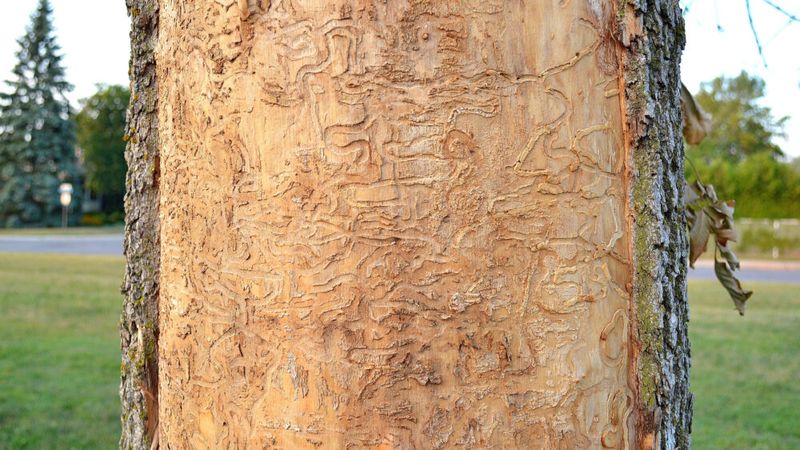
Emerald ash borers have devastated ash tree populations across multiple Texas regions, creating widespread hazards that municipalities take very seriously.
These invasive beetles burrow beneath bark and disrupt the tree’s ability to transport water and nutrients, causing rapid decline that compromises structural integrity.
Once infestation reaches advanced stages, affected ash trees become brittle and prone to sudden limb failure or complete collapse, especially during storms or high winds.
Your Texas Garden Changes Every Week. Your Plan Should Too.
Gardening in Texas changes quickly throughout the season. Every Friday you’ll receive a simple weekly plan showing exactly what to plant, prune, fertilize, harvest, and protect so you never miss the right timing.
Texas cities with established emerald ash borer populations often implement aggressive removal programs targeting infested trees. Code enforcement officers identify ash trees showing characteristic signs like D-shaped exit holes, bark splitting, excessive woodpecker activity, and crown thinning.
When these symptoms appear on private property, owners receive official notices mandating removal to prevent the insect from spreading to healthy trees nearby.
The urgency surrounding these removal orders stems from both immediate safety concerns and broader ecological protection efforts. A single infested ash can harbor thousands of beetles ready to attack neighboring trees, making swift action essential for community-wide tree health.
Property owners sometimes resist removal orders, hoping their ash might recover, but experts agree that severely infested specimens rarely survive and only become more dangerous over time.
Municipalities back up removal orders with substantial fines for non-compliance, recognizing that delaying action puts entire neighborhoods at risk. Some Texas cities offer cost-sharing programs or expedited permit processes to help residents manage the financial burden of emergency ash tree removal.
Trees Growing Into Power Lines Or Utility Easements
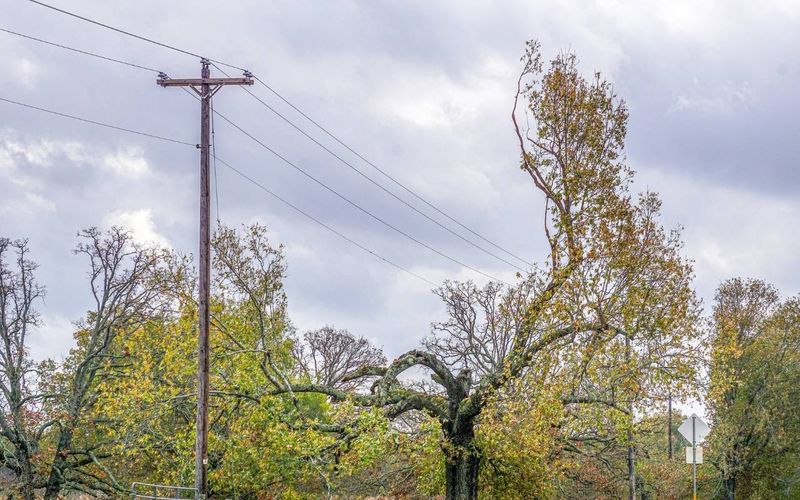
Utility easements grant power companies and municipalities legal rights to maintain clear zones around electrical infrastructure, and trees encroaching on these areas create serious violations.
When branches grow into power lines, they create fire hazards, increase outage risks during storms, and interfere with essential services that entire neighborhoods depend upon.
Texas law gives utility companies authority to trim or remove vegetation threatening their equipment, but property owners who allow trees to repeatedly invade these spaces can face significant fines.
Most easement agreements require property owners to maintain adequate clearance around utility corridors running through their land. Failure to keep trees properly trimmed results in formal notices from either the utility company or municipal code enforcement.
These notices specify deadlines for corrective action and outline penalties for continued non-compliance, which can include daily fines until the violation gets resolved.
Homeowners sometimes feel frustrated when asked to remove trees planted before utility lines were installed or when vegetation naturally grows into easement zones. However, courts consistently uphold utility companies’ rights to protect infrastructure, leaving property owners with little legal recourse.
Professional arborists can often identify alternative solutions like strategic pruning or crown reduction that satisfy easement requirements without complete tree removal.
Ignoring utility easement violations proves especially costly because both the utility company and the municipality can issue separate fines simultaneously.
Smart property owners schedule regular tree maintenance to prevent branches from ever reaching problem zones, avoiding enforcement actions altogether while keeping their landscapes attractive and compliant.
Storm-Damaged Trees Declared Structurally Unsafe By Inspectors
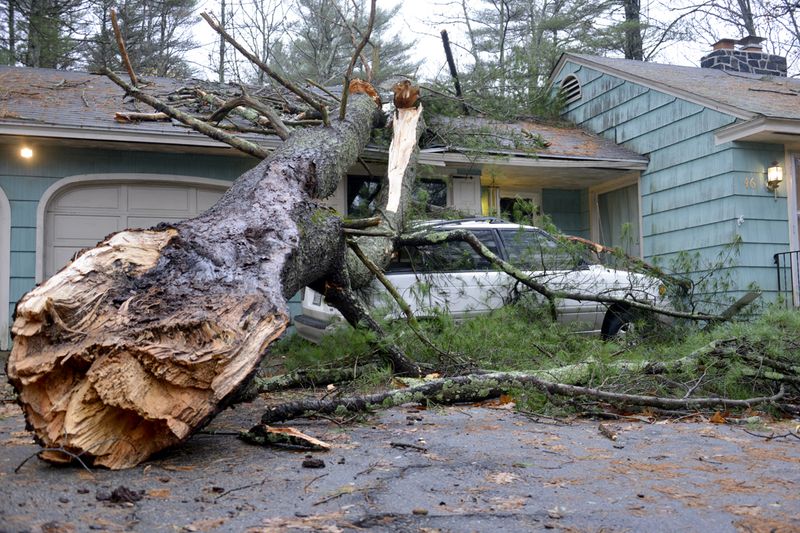
Texas weather delivers some of the nation’s most intense storms, from Gulf Coast hurricanes to Panhandle ice events, and these natural disasters leave countless trees severely compromised.
Hurricane-force winds can split trunks, tear away major limbs, and uproot entire root systems while leaving trees standing but fundamentally unstable.
After major weather events, municipal inspection teams fan out across affected areas identifying trees that survived the storm but now pose serious risks to public safety.
Code enforcement officers prioritize trees with visible splits in main trunks, partially uprooted root balls, or large hanging branches that could collapse without warning. Property owners receive expedited notices requiring removal of storm-damaged trees, often with shortened compliance timelines reflecting the immediate danger these specimens present.
The inspection process moves quickly because damaged trees can fail suddenly, especially if additional storms arrive before removal happens.
Many homeowners struggle with the emotional and financial burden of removing large trees that provided shade and beauty for decades. Insurance coverage sometimes helps offset removal costs, though policies vary significantly in what storm-related tree damage they cover.
Regardless of financial hardship, municipalities enforce removal orders strictly because storm-damaged trees threaten not just the property owner but also neighbors, pedestrians, and emergency responders.
Waiting too long to address storm damage compounds problems as decay sets into damaged wood and structural integrity continues deteriorating.
Cities impose escalating fines on property owners who delay compliance, recognizing that every day a damaged tree remains standing increases the likelihood of catastrophic failure that could injure someone or destroy property.
Trees Blocking Public Roads, Sidewalks, Or Traffic Sightlines
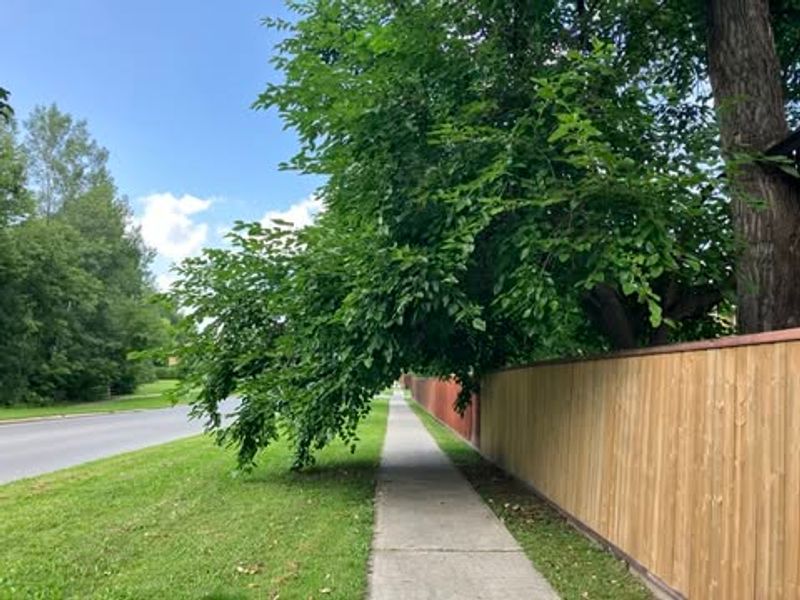
Right-of-way regulations throughout Texas require property owners to maintain clear zones along sidewalks, streets, and intersections to ensure pedestrian safety and driver visibility.
Overhanging branches that force pedestrians into streets, obscure traffic signals, or block sight lines at intersections violate municipal codes and create liability issues for property owners.
Cities enforce these clearance requirements aggressively because obstructed sightlines contribute directly to accidents, especially at busy intersections where drivers need unobstructed views of cross-traffic.
Standard clearance requirements typically mandate at least eight feet of vertical clearance over sidewalks and fourteen feet over roadways, though specific measurements vary between municipalities.
Trees with low-hanging branches or dense canopies extending into public rights-of-way generate complaints from pedestrians, cyclists, and drivers who encounter these obstacles daily.
Code enforcement responds by issuing notices requiring property owners to trim or remove offending vegetation within specific timeframes.
Corner lots face particularly strict scrutiny because trees near intersections can create dangerous blind spots that prevent drivers from seeing approaching vehicles, pedestrians, or cyclists. Traffic engineers identify specific sight triangles that must remain clear at intersections, and any vegetation encroaching into these zones triggers immediate enforcement action.
Property owners sometimes argue that their trees existed before current regulations, but cities maintain that public safety concerns override grandfather clauses in these situations.
Fines for right-of-way violations start modestly but increase rapidly with continued non-compliance, and cities can ultimately remove trees at owner expense if violations persist.
Maintaining proper clearances through regular pruning costs far less than facing enforcement actions, making preventive maintenance the smartest approach for properties adjacent to public thoroughfares.
Chinese Tallow Trees Spreading As Invasive Species
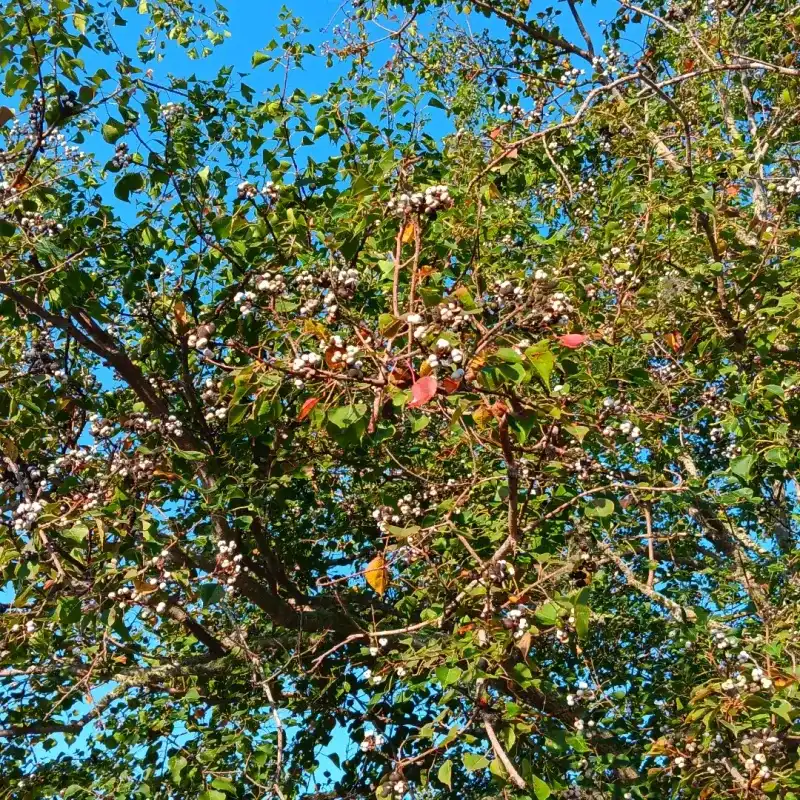
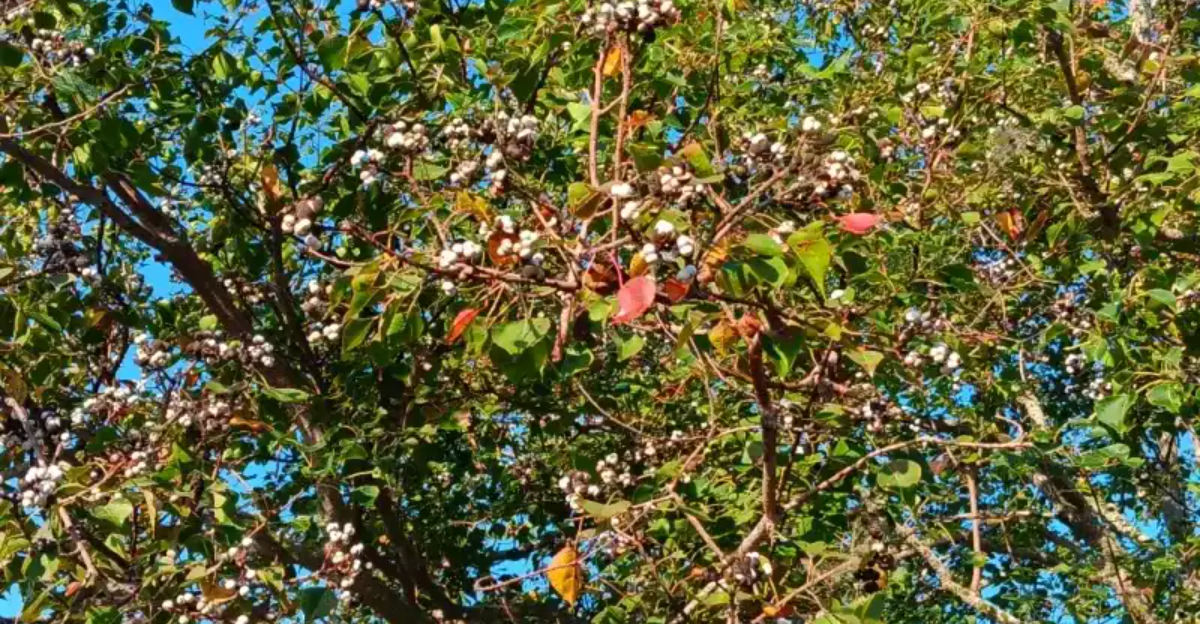
Chinese tallow trees rank among Texas’s most problematic invasive species, crowding out native vegetation and disrupting local ecosystems with remarkable efficiency.
Originally introduced as ornamental landscape trees, these fast-growing invaders produce thousands of seeds that birds spread widely, allowing them to colonize natural areas, wetlands, and undeveloped properties rapidly.
Their aggressive growth pattern and ability to thrive in various soil conditions make them particularly difficult to control once established in an area.
Several Texas municipalities have enacted ordinances specifically targeting Chinese tallow removal, especially in counties where native habitat preservation remains a priority.
When code enforcement officers identify these trees spreading on private property or threatening adjacent natural areas, they issue removal orders citing invasive species regulations.
Property owners must not only remove existing trees but also treat stumps to prevent resprouting, as Chinese tallow demonstrates remarkable regenerative abilities.
Environmental advocates support strict enforcement of Chinese tallow removal because these trees fundamentally alter native plant communities. Their dense shade and allelopathic properties suppress native understory plants, while their prolific seed production ensures continued spread without intervention.
Some property owners appreciate Chinese tallow’s vibrant fall colors and fast growth, but these aesthetic benefits pale compared to the ecological damage they cause.
Fines for failing to remove Chinese tallow vary depending on the number of trees and their proximity to protected natural areas. Municipalities sometimes offer workshops teaching property owners proper removal techniques and suggest native alternatives that provide similar landscape benefits without invasive tendencies.
Removing these trees promptly helps protect Texas’s unique ecosystems while avoiding escalating penalties from code enforcement.
Trees Declared A Public Nuisance After Official Inspection
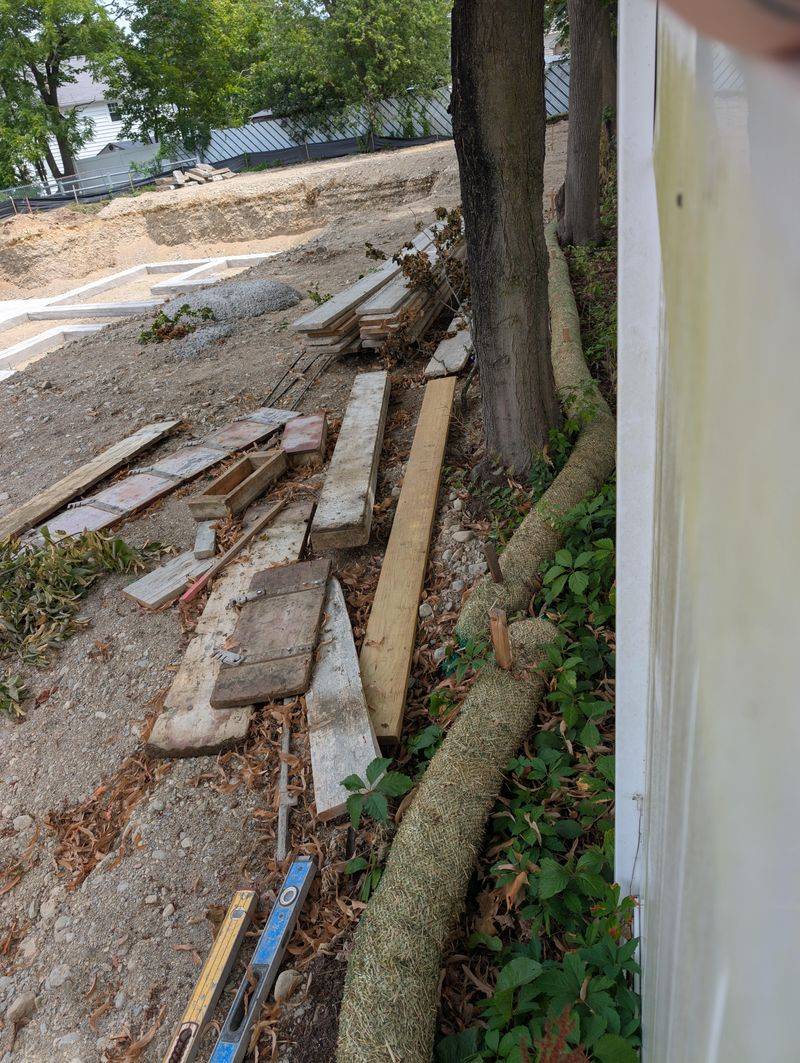
Texas municipalities maintain broad authority to classify trees as public nuisances when they present ongoing problems beyond simple hazards. Public nuisance designations apply to trees with extensive root damage undermining adjacent properties, severe leaning that threatens neighboring structures, or advanced decay that creates habitats for pests affecting the community.
Once inspectors formally declare a tree a public nuisance, property owners face mandatory removal requirements backed by substantial legal consequences for non-compliance.
The public nuisance classification process typically begins with complaints from neighbors or observations by code enforcement during routine inspections. Cities dispatch certified arborists or structural engineers to assess reported trees and document specific conditions justifying the nuisance designation.
Their reports detail how the tree’s condition negatively impacts public welfare, property values, or community safety, providing legal foundation for removal orders.
Property owners can sometimes appeal public nuisance determinations through administrative hearing processes, presenting contrary evidence or alternative remediation plans. However, appeals rarely succeed when professional assessments clearly document serious problems that pruning or other interventions cannot adequately address.
Courts generally defer to municipal expertise in these matters, recognizing that cities have legitimate interests in protecting community welfare and property values.
Fines for ignoring public nuisance removal orders escalate quickly, often reaching several hundred dollars per day of continued violation. Cities can also place liens on properties for unpaid fines and removal costs if they ultimately contract the work themselves.
Smart property owners address potential nuisance trees proactively through regular maintenance, preventing problems from reaching severity levels that trigger formal enforcement actions.
Trees Causing Verified Damage To Foundations Or Infrastructure
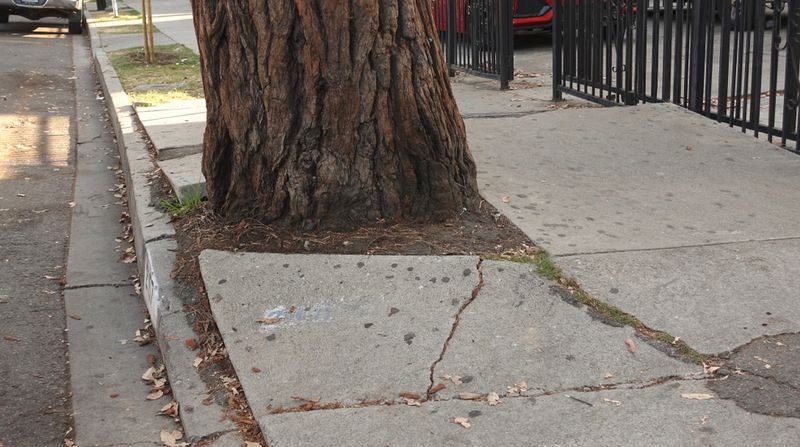
Aggressive tree roots can wreak havoc on urban infrastructure, cracking foundations, buckling sidewalks, and infiltrating sewer lines with devastating financial consequences. When engineering reports confirm that specific trees cause documented damage to structures or utilities, municipalities can mandate removal even if the trees themselves appear healthy and attractive.
These removal orders recognize that allowing destructive root systems to remain guarantees continued damage and escalating repair costs for affected property owners.
Foundation damage typically manifests as cracks in basement walls, uneven floors, or doors and windows that no longer close properly as root pressure shifts soil and structural supports. Sidewalk buckling creates tripping hazards and accessibility issues that expose municipalities to liability claims, prompting aggressive enforcement when tree roots cause these problems.
Sewer line infiltration proves especially costly, as roots seeking moisture can completely block pipes and require extensive excavation for repairs.
Property owners sometimes argue that removing trees seems extreme when trimming roots might solve the problem temporarily. However, structural engineers and arborists generally agree that aggressive root pruning often destabilizes trees and creates new hazards while failing to prevent future damage.
Once root systems establish patterns of destructive growth, complete tree removal typically represents the only permanent solution that protects infrastructure investments.
Cities document infrastructure damage thoroughly before issuing removal orders, understanding that property owners may challenge these expensive mandates. Photographic evidence, engineering reports, and contractor assessments create comprehensive records supporting enforcement actions.
Fines for non-compliance reflect the ongoing damage occurring while destructive trees remain in place, incentivizing prompt action that protects both private and public infrastructure from further deterioration.
Trees On Vacant Or Neglected Property Creating Safety Risks
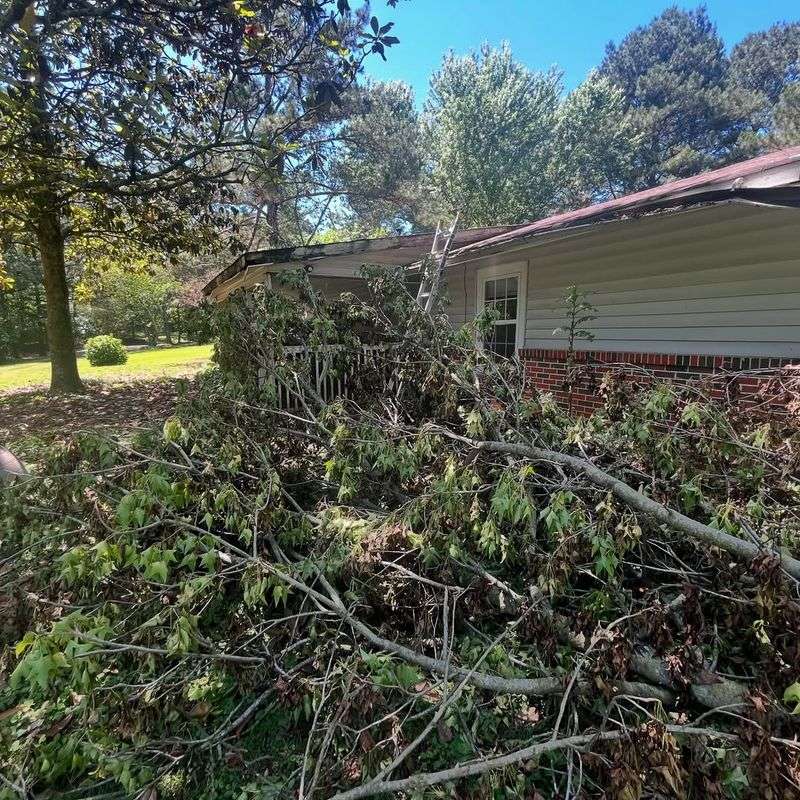
Vacant and poorly maintained properties receive heightened scrutiny from code enforcement teams across Texas, with particular attention paid to trees that deteriorate without regular care. Absentee owners often allow trees to become overgrown, diseased, or structurally compromised, creating hazards that threaten neighboring occupied properties and passing pedestrians.
Cities take aggressive enforcement stances toward vacant property violations because these situations demonstrate clear neglect and often require legal action to compel compliance.
Unmaintained trees on vacant lots present multiple problems beyond simple aesthetics. Without regular inspection and care, disease and pest infestations spread unchecked to healthy trees on adjacent properties.
Branches grow into utility lines without trimming, while storm damage goes unaddressed, leaving weakened trees vulnerable to catastrophic failure. Overgrown vegetation also attracts illegal dumping and provides cover for criminal activity, compounding the property’s negative impact on surrounding neighborhoods.
Code enforcement officers issue citations for hazardous trees on vacant properties more readily than for occupied homes because the lack of oversight demonstrates owner negligence. These citations often include compressed compliance timelines and higher initial fines reflecting the elevated risk levels associated with neglected properties.
Cities maintain databases tracking vacant property violations and can pursue legal remedies including property liens, forced sales, or receivership when owners consistently ignore enforcement orders.
Property owners managing vacant land from a distance should establish relationships with local tree service companies who can provide regular inspections and maintenance.
Proactive care costs substantially less than emergency removals ordered by code enforcement, while also protecting the property’s value and maintaining positive relationships with neighbors and municipal authorities who monitor these situations closely.