10 Slow-Growing Plants That Stay Neat And Easy In California Gardens
Keeping a garden neat in California can feel like a full-time job, especially when fast-growing plants seem to explode overnight. Many gardeners want beautiful landscapes without constant trimming, heavy watering, or endless cleanup.
That’s where slow-growing plants come in. These plants grow at a steady pace, hold their shape, and fit perfectly into California gardens where low maintenance and water awareness matter more than ever.
Slow-growing plants are a smart choice for busy homeowners who still want a polished, well-cared-for yard. A beautiful garden doesn’t have to mean nonstop work.
Plants that grow slowly help your garden look tidy longer with far less effort. Sometimes the best plants are the ones that don’t rush to grow.
California’s diverse climates, from coastal areas to inland heat, make it even more important to choose plants wisely. Slow growers often adapt better, use fewer resources, and stay attractive through changing seasons.
They provide structure, balance, and lasting beauty without demanding constant attention. Whether you’re starting fresh or simplifying an existing garden, these plants can make landscaping feel enjoyable instead of overwhelming.
Choosing slow-growing plants is one of the easiest ways to create a calm, clean, and manageable California garden that looks good year-round.
1. Dwarf Mugo Pine
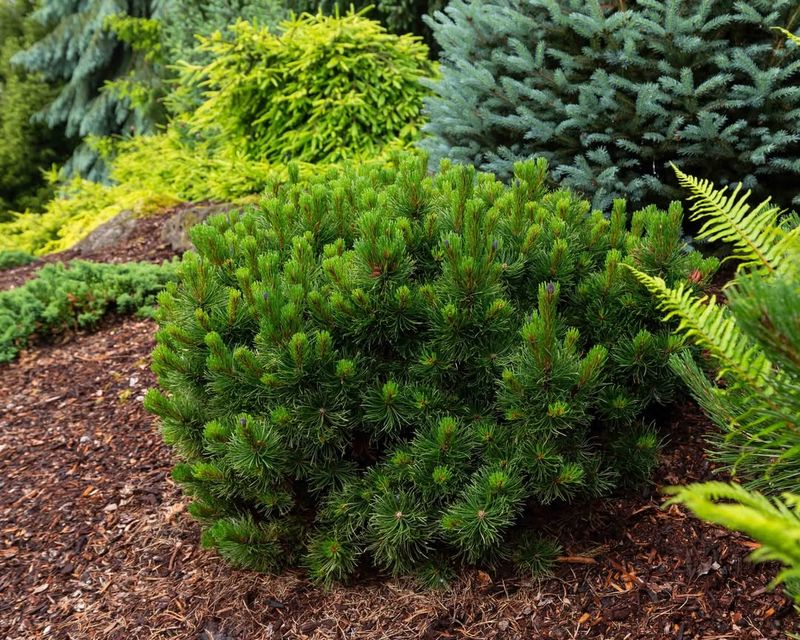
Compact evergreen conifers bring year-round structure to California landscapes without demanding constant attention.
Dwarf Mugo Pine grows incredibly slowly, adding only a few inches per year, which means you can plant it once and enjoy its tidy appearance for decades.
This hardy pine features dense, dark green needles that stay attractive through every season, making it a reliable choice for gardeners across the state.
California gardeners appreciate how this pine adapts to different conditions, from full sun to partial shade. It tolerates drought once established, which is perfect for water-conscious landscapes throughout the region.
The naturally rounded shape requires almost no pruning, saving you hours of maintenance work each year. Placing Dwarf Mugo Pine near entryways or along pathways creates a polished look that stays consistent.
The plant rarely exceeds four feet in height, making it ideal for smaller yards or as a foundation planting. Its evergreen foliage provides texture and color even during California’s dry summer months.
This pine works beautifully in rock gardens or mixed borders where you want something dependable. The slow growth rate means you will not find yourself constantly cutting back overgrown branches.
For California gardeners seeking a plant that delivers beauty without demanding weekend after weekend of care, Dwarf Mugo Pine offers the perfect combination of elegance and ease.
2. Japanese Boxwood
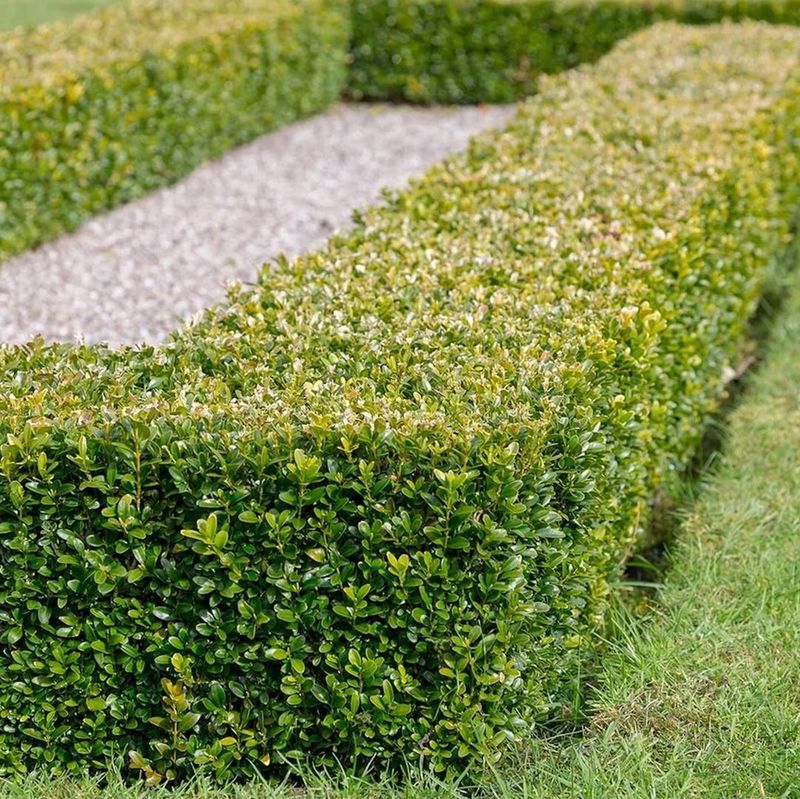
Small-leafed shrubs with naturally neat habits have earned their place as favorites among California gardeners who value simplicity.
Japanese Boxwood grows at a leisurely pace, developing a dense, compact form that looks professionally maintained even with minimal intervention.
The tiny, glossy leaves create a refined texture that complements both traditional and modern landscape designs throughout the state. This versatile shrub thrives in various California microclimates, from coastal gardens to inland areas.
It handles partial shade beautifully, making it useful for spots where other plants might struggle. The slow growth pattern means you can shape it once or twice a year and it will hold that form reliably.
Your California Garden Changes Every Week. Your Plan Should Too.
Gardening in California changes quickly throughout the season. Every Friday you’ll receive a simple weekly plan showing exactly what to plant, prune, fertilize, harvest, and protect so you never miss the right timing.
California homeowners often use Japanese Boxwood to create low hedges or border plantings that frame garden beds. The plant typically reaches two to three feet tall, maintaining a rounded shape without becoming unruly.
Its evergreen nature ensures your garden looks complete throughout the year, even when other plants go dormant.
Water requirements decrease significantly after the establishment period, which usually takes about a year. The shrub tolerates both sun and shade, giving you flexibility in placement.
For anyone wanting a classic look without constant trimming sessions, Japanese Boxwood delivers consistent results that make your California garden appear well-tended with remarkably little effort on your part.
3. Blue Fescue Grass
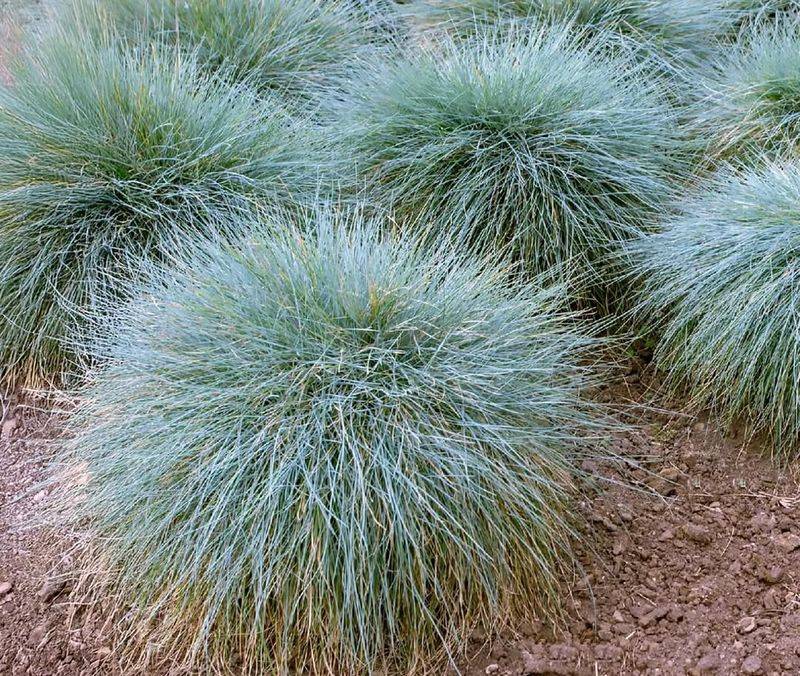
Ornamental grasses bring movement and color to gardens, and some varieties require surprisingly little maintenance.
Blue Fescue Grass forms neat, silvery-blue tufts that stay compact year after year, never spreading aggressively or requiring constant division.
Each clump grows slowly into a perfect mound about twelve inches tall, creating striking visual contrast against green foliage plants. California gardens benefit from Blue Fescue’s drought tolerance and adaptability to various soil types.
Once established, this grass needs minimal water, making it an excellent choice for sustainable landscapes across the state. The fine-textured blades catch sunlight beautifully, adding sparkle to borders and rock gardens.
Gardeners appreciate how Blue Fescue maintains its tidy appearance without flopping or spreading into unwanted areas.
A single trim in late winter removes old growth, and the plant quickly produces fresh blue foliage. This grass works wonderfully as an edging plant or massed in groups for greater impact.
The cool blue color provides year-round interest in California landscapes, complementing both warm and cool color schemes. Unlike fast-growing grasses that quickly outgrow their space, Blue Fescue stays right where you plant it.
For those seeking texture and color without the hassle of aggressive spreaders, this ornamental grass offers the perfect solution that keeps California gardens looking intentional and well-designed.
4. Lavender Cotton
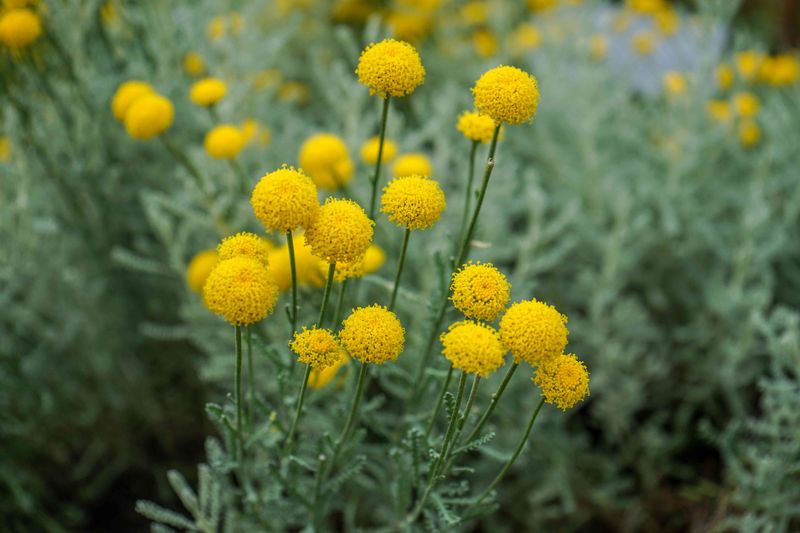
Silver-leafed plants add a Mediterranean feel to California gardens, and few do it better than Lavender Cotton.
Santolina chamaecyparissus grows slowly into dense, rounded mounds with aromatic, finely divided foliage that stays attractive all year. The silvery-gray color brightens shaded areas and provides stunning contrast against darker plants.
This tough little shrub thrives in California’s dry conditions, requiring very little water once established. It loves full sun and well-drained soil, conditions found throughout much of the state.
The naturally compact growth habit means you rarely need to prune, though light shaping after flowering keeps plants looking their best.
Lavender Cotton produces bright yellow button flowers in summer, adding a cheerful pop of color to the silver foliage.
California gardeners often plant it along pathways where brushing against the leaves releases a pleasant, herbal scent. The plant typically reaches about two feet in height and width, making it perfect for small spaces.
Deer tend to avoid this aromatic plant, which is a bonus for many California gardeners dealing with wildlife. The evergreen foliage provides year-round structure and color even during the hottest, driest months.
For those wanting a low-water, low-maintenance plant that looks sophisticated and stays manageable, Lavender Cotton delivers consistent beauty that fits perfectly into California’s water-wise gardening approach.
5. Dwarf Yaupon Holly
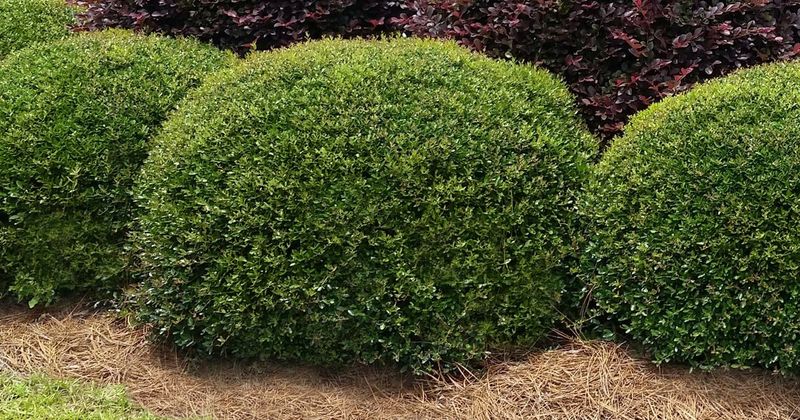
Evergreen shrubs with tiny leaves create refined, polished landscapes that look professionally designed. Dwarf Yaupon Holly grows at a slow, steady pace, developing a naturally dense form that rarely needs pruning.
The small, dark green leaves create a fine texture that works beautifully in California gardens where a formal appearance is desired without constant maintenance.
This adaptable holly tolerates a wide range of conditions found throughout California, from coastal areas to inland valleys. It handles both sun and partial shade, making it useful for various landscape situations.
The compact growth habit keeps plants under three feet tall, perfect for foundation plantings or low hedges. California gardeners value Dwarf Yaupon Holly for its drought tolerance and minimal care requirements.
Once established, it needs only occasional watering during extended dry periods. The evergreen foliage provides year-round interest, ensuring your garden never looks bare or incomplete.
Small red berries appear on female plants, adding seasonal interest and attracting birds to your California garden.
The dense branching creates excellent structure, giving your landscape a finished look throughout every season. Unlike faster-growing hollies that quickly become overgrown, this dwarf variety stays right-sized for years.
For gardeners seeking a classic, tidy plant that requires minimal effort while delivering maximum visual impact, Dwarf Yaupon Holly proves itself as a dependable choice for California landscapes.
6. Rosemary Prostrate
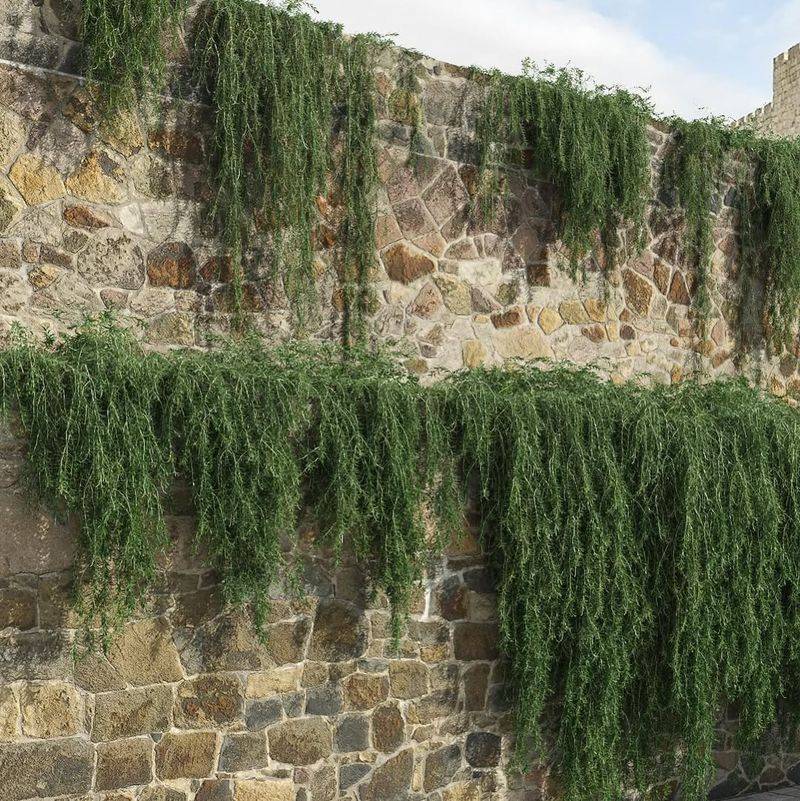
Aromatic herbs can serve double duty as both culinary plants and attractive groundcovers in California gardens. Prostrate Rosemary grows slowly along the ground, creating a fragrant carpet of needle-like leaves that stay green year-round.
This low-growing variety rarely exceeds twelve inches in height, making it perfect for cascading over walls or filling in slopes.
California’s Mediterranean climate suits Prostrate Rosemary perfectly, allowing it to thrive with minimal water once established. The plant loves full sun and well-drained soil, conditions easily found throughout the state.
Blue-purple flowers appear in winter and spring, providing nectar for bees when few other plants are blooming.
Gardeners appreciate how this rosemary naturally spreads slowly without becoming invasive or overwhelming nearby plants. You can harvest sprigs for cooking while enjoying the ornamental benefits in your landscape.
The aromatic foliage releases its pleasant scent when brushed, making it ideal for planting near pathways or seating areas.
Deer and rabbits typically avoid rosemary, which is helpful for many California gardens dealing with wildlife visitors. The evergreen nature ensures your landscape looks complete throughout the year, even during dormant seasons.
For those wanting a practical, beautiful plant that stays tidy while offering culinary value, Prostrate Rosemary provides the perfect solution that fits naturally into California’s water-wise gardening philosophy while requiring remarkably little maintenance.
7. Dwarf Heavenly Bamboo
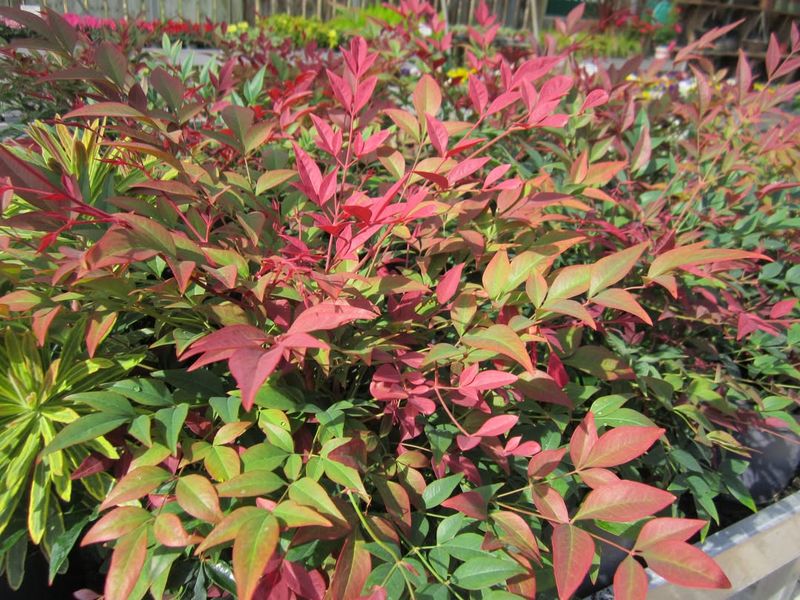
Colorful foliage plants bring seasonal interest to California landscapes, and some varieties stay remarkably compact. Dwarf Heavenly Bamboo, despite its name, is not actually a bamboo and does not spread aggressively.
This slow-growing shrub develops beautiful bronze-red new growth that matures to green, then shifts back to burgundy tones in cooler months.
California gardeners love how this plant provides changing colors throughout the year without requiring constant pruning.
The dwarf varieties typically reach only two feet tall, making them perfect for borders, containers, or small garden spaces. The lacy, compound leaves create fine texture that contrasts beautifully with bolder-leafed plants.
This adaptable shrub handles both sun and partial shade, thriving in various California microclimates from coastal regions to inland areas.
It tolerates drought once established but looks best with occasional deep watering during summer. The naturally mounded shape requires no trimming to maintain its attractive form.
White flower clusters appear in spring, followed by red berries that add winter interest to California gardens.
The evergreen foliage ensures your landscape looks intentional year-round. Unlike the larger, more aggressive varieties, dwarf types stay manageable without constant intervention.
For gardeners seeking colorful foliage and seasonal changes without the hassle of fast-growing plants, Dwarf Heavenly Bamboo offers the perfect combination of beauty and manageability for California landscapes.
8. Germander
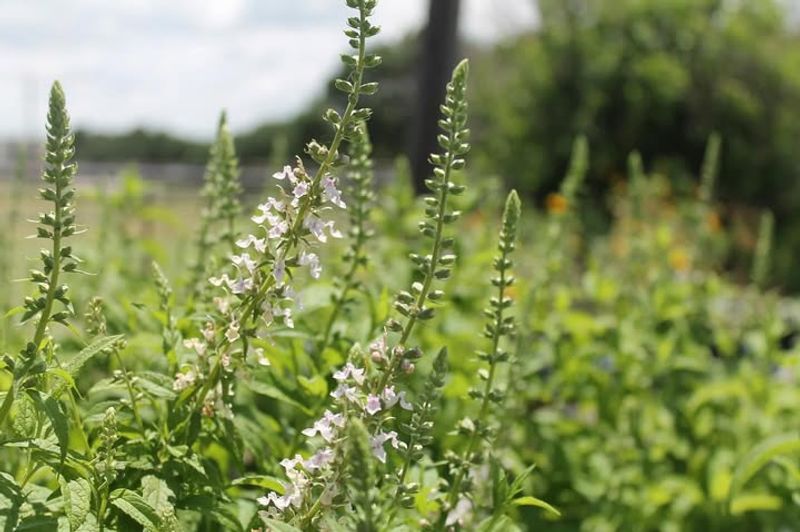
Mediterranean herbs bring both beauty and practicality to California gardens, especially when they stay naturally compact. Germander forms dense, low mounds of small, glossy green leaves that create a refined appearance in borders and edges.
This slow-growing perennial rarely exceeds fifteen inches in height, making it ideal for defining garden spaces without overwhelming them.
California’s climate mirrors Germander’s native Mediterranean habitat, allowing it to flourish with minimal care. The plant tolerates drought exceptionally well once established, fitting perfectly into water-conscious landscapes across the state.
Purple-pink flower spikes appear in summer, attracting beneficial pollinators to your garden. Gardeners appreciate how Germander maintains its neat, rounded shape without constant shearing.
A light trim after flowering keeps plants tidy, but even without pruning, they rarely look messy or overgrown.
The evergreen foliage provides year-round structure, ensuring your California garden looks complete during every season.
This versatile plant works beautifully as a low hedge, edging for pathways, or as a textural element in mixed borders. It handles full sun to partial shade, adapting to various locations throughout California gardens.
The aromatic foliage adds another sensory dimension when leaves are brushed or crushed. For those seeking a classic, European-style plant that stays manageable while thriving in California’s conditions, Germander offers timeless elegance with remarkably little maintenance required.
9. Dwarf Jade Plant
Succulent plants have become increasingly popular in California gardens, and some varieties stay remarkably compact.
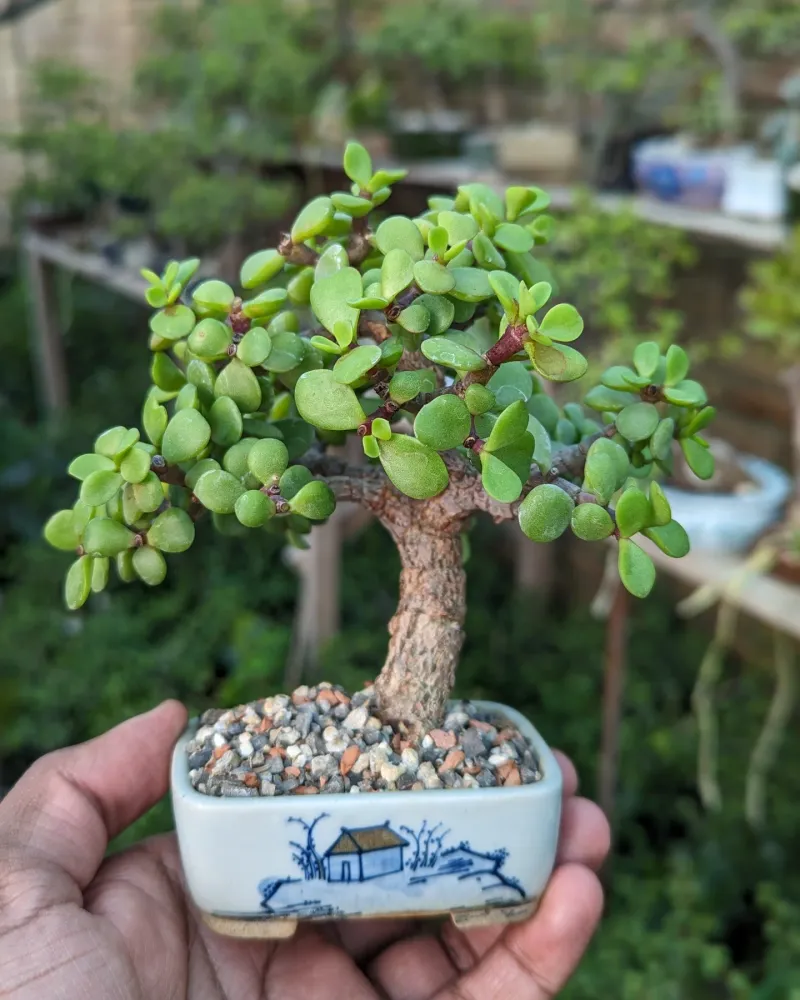
Dwarf Jade Plant grows very slowly, developing thick, fleshy leaves on sturdy branches that create a miniature tree-like appearance. This succulent rarely needs pruning and can live for decades while staying under two feet tall.
California’s dry climate suits Dwarf Jade perfectly, making it an ideal choice for water-wise landscapes throughout the state.
The plant thrives in full sun to partial shade, adapting easily to various garden locations. The thick leaves store water, allowing the plant to survive extended periods without irrigation.
Gardeners love how Dwarf Jade maintains its sculptural form year after year without becoming unruly. The glossy green leaves often develop red edges when grown in bright sunlight, adding visual interest.
Small white or pink flowers may appear in winter, though the plant is primarily grown for its attractive foliage and form.
This succulent works beautifully in containers, rock gardens, or as a textural accent in California landscapes. It handles coastal conditions well, tolerating salt spray that damages many other plants.
The naturally slow growth means you can plant it in a prominent location knowing it will not outgrow its space. For those wanting a sculptural, easy-care plant that stays tidy while thriving in California’s conditions, Dwarf Jade offers lasting beauty with minimal effort.
10. Dwarf Myrtle
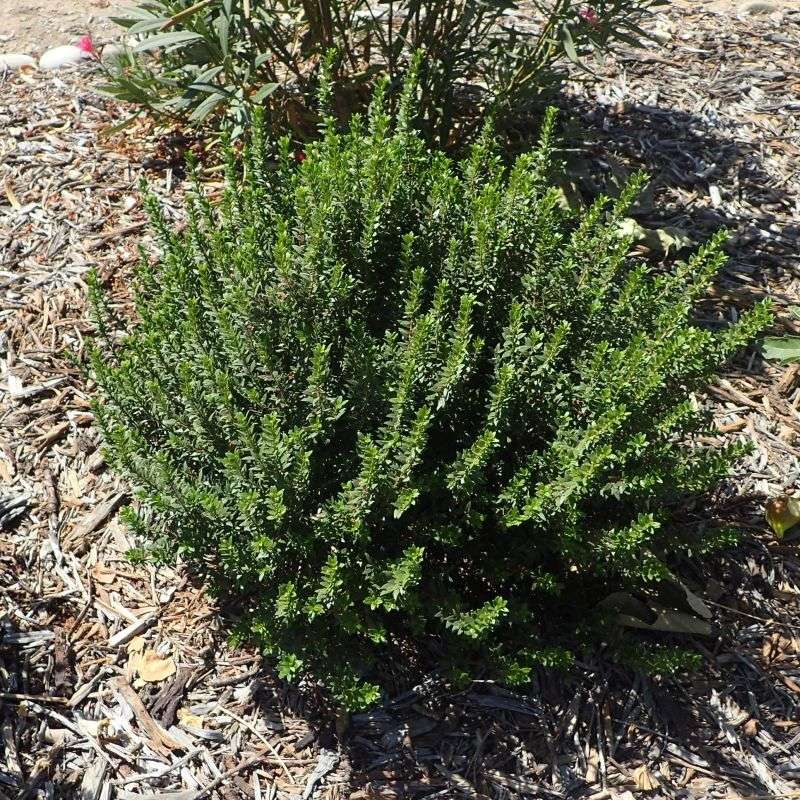
Fragrant evergreen shrubs add sensory appeal to California gardens, especially when they stay naturally compact. Dwarf Myrtle grows slowly into a dense, rounded form covered with small, aromatic leaves that release a pleasant scent when touched.
This Mediterranean native thrives in California’s climate, requiring minimal water once established and very little pruning to maintain its tidy appearance.
California gardeners appreciate how Dwarf Myrtle adapts to various conditions, from coastal areas to inland valleys.
The plant loves full sun and well-drained soil, conditions found throughout much of the state. White, fluffy flowers appear in summer, followed by blue-black berries that attract birds to your garden.
This versatile shrub typically reaches three to four feet in height, making it perfect for foundation plantings, low hedges, or container growing. The fine-textured foliage creates a refined appearance that complements both formal and casual landscape styles.
Unlike larger myrtle varieties that quickly outgrow their space, the dwarf form stays manageable year after year.
The aromatic leaves have been used for centuries in cooking and crafts, adding practical value to this ornamental plant. Deer tend to avoid myrtle, which is beneficial for many California gardens.
For those seeking a classic Mediterranean plant that stays neat while offering fragrance, flowers, and year-round greenery, Dwarf Myrtle provides the perfect combination of beauty and ease for California landscapes.