These Popular Florida Flowers Don’t Support Bees As Much As You Think

You stroll through a Florida garden center and everything looks perfect. Bright flowers line the aisles, tags promise nonstop blooms, and the labels hint at being great for bees and butterflies.
It feels like choosing any colorful plant is a small win for nature. But Florida gardens do not always work that way.
Many of the most common flowers sold across the state were bred for looks, long bloom time, or low maintenance, not for feeding pollinators. Some have extra petals that replace pollen.
Others produce flowers that offer nectar with little protein. A few simply evolved to work with pollinators found on the other side of the world.
That does not mean these plants are harmful. It means they often do far less than gardeners expect.
In a state where bees, butterflies, and hummingbirds are active most of the year, plant choices matter more than people realize. Some popular favorites turn out to be beautiful, reliable, and surprisingly unhelpful to the pollinators passing through our yards every day.
1. Double Knock Out Roses
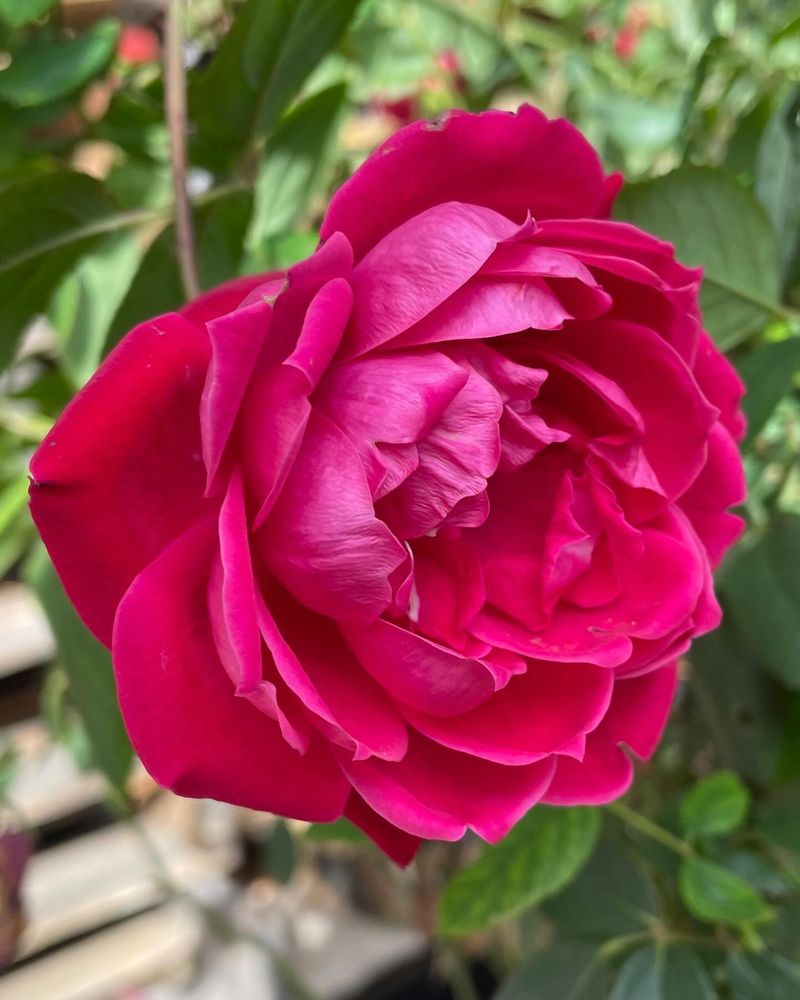
Garden centers across Florida stock these roses because they bloom constantly and resist disease better than older varieties. Homeowners see the vibrant pink and red flowers covering bushes month after month and assume bees must love them.
The problem lies in what plant breeders did to create those showy double blooms.
Traditional roses produce single-layer flowers with visible stamens full of pollen and accessible nectar. Double Knock Out Roses have been bred to transform their reproductive parts into extra petals, creating that full, ruffled look.
This breeding removes nearly all pollen and nectar, leaving nothing for bees to collect.
Native bees and honeybees visiting your garden need both protein-rich pollen and energy-giving nectar. When they land on a Double Knock Out Rose, they find neither.
Florida’s warm climate means these roses bloom year-round, taking up valuable garden space that could support actual pollinator plants.
Many native bees gain little benefit from these roses compared to single-flowered varieties because they rely on diverse pollen sources throughout the season. Your roses might look stunning, but to a bee, they’re just colorful decorations.
Consider planting native coral honeysuckle or firebush nearby to give pollinators real nourishment while keeping some roses for visual appeal.
2. Hybrid Tea Roses
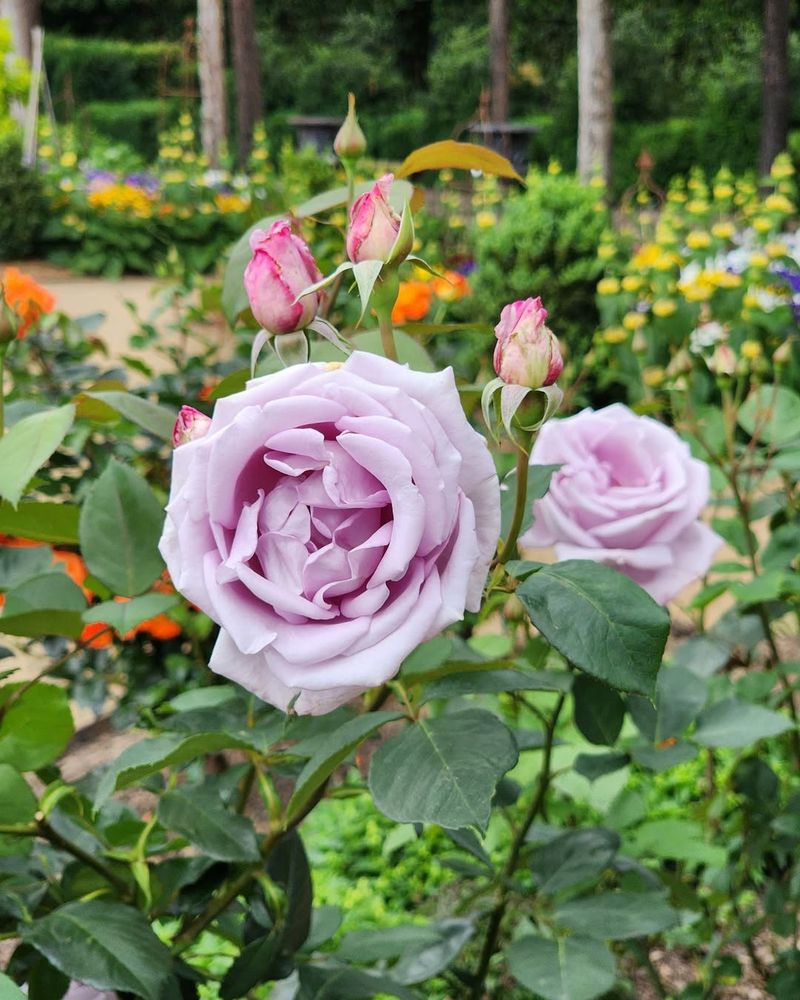
Walk into any Florida rose society meeting and you’ll see stunning Hybrid Tea Roses winning awards for their perfect form and elegant long stems. These are the roses people picture for romantic bouquets and formal gardens.
Breeders have spent over a century perfecting their appearance, focusing entirely on human preferences rather than pollinator needs.
The breeding process that creates those sculptural blooms with dozens of layered petals eliminates most functional reproductive parts. Pollen production drops dramatically or disappears completely in many cultivars.
Even when some pollen remains, the tight petal arrangement blocks bee access to the flower’s center.
Florida’s nursery industry treats most Hybrid Tea Roses with systemic pesticides during production to maintain their pristine appearance. These chemicals can persist in plant tissues for months, potentially harming any bee that does attempt to visit.
Your Florida Garden Changes Every Week. Your Plan Should Too.
Gardening in Florida changes quickly throughout the season. Every Friday you’ll receive a simple weekly plan showing exactly what to plant, prune, fertilize, harvest, and protect so you never miss the right timing.
The roses also demand heavy fertilization and fungicide treatments in Florida’s humid climate, creating a chemically intensive landscape.
Many bees quickly learn that these roses provide little reward and focus their foraging on more productive plants. Your garden might showcase prize-worthy blooms, but it’s essentially a pollinator desert.
Swap out a few for native wild coffee or Simpson’s stopper, which bloom beautifully while feeding dozens of native bee species.
3. Geraniums (Pelargonium Types)
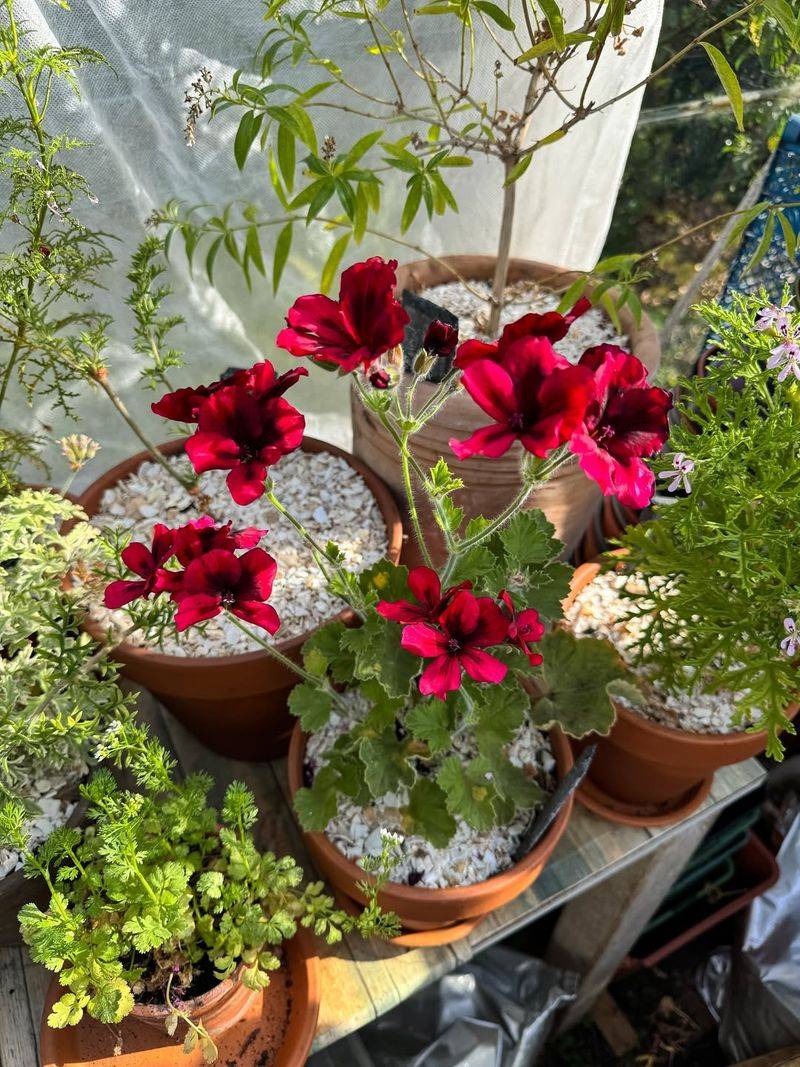
Bright red geraniums fill planters on porches across Florida, beloved for their reliable color and tolerance of container life. Most gardeners don’t realize these aren’t true geraniums at all, but Pelargonium species from South Africa.
That geographical origin matters more than you might think for Florida’s native pollinators.
Pelargonium flowers evolved alongside African insects with different tongue lengths and foraging behaviors than Florida’s native bees. The flower structure doesn’t match the needs of local bumblebees, carpenter bees, or the hundreds of smaller native bee species.
Even when geraniums produce nectar, it is often less accessible or less attractive to Florida’s native bees than native flowering plants.
Many commercial geranium cultivars have been bred for sterility to prevent seed production and extend blooming time. Sterile flowers produce little to no pollen, eliminating the protein source female bees need to feed their developing larvae.
Your hanging baskets might bloom continuously, but they’re nutritional deserts for pollinators.
Florida’s hot summers also stress these plants, causing them to shut down nectar production even when flowers remain open. Leafcutter bees and mason bees will investigate the blooms once, then focus their energy elsewhere.
Replace a few containers with native beach sunflower or blanket flower to provide real pollinator value while maintaining colorful displays throughout the year.
4. Pentas Cultivars Bred For Sterility
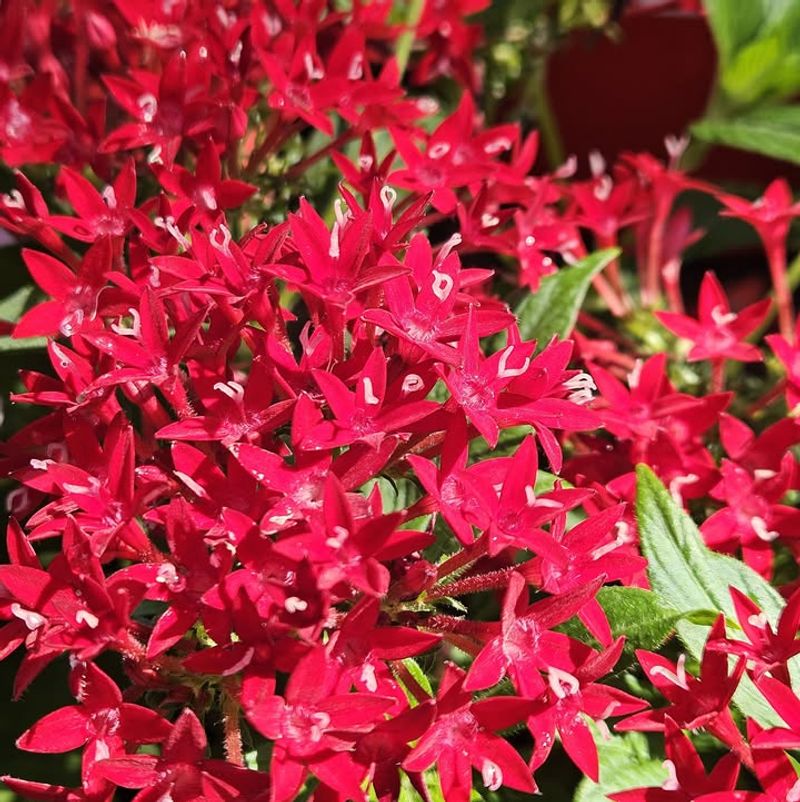
Here’s where things get tricky because regular pentas are actually excellent pollinator plants. The straight species Pentas lanceolata feeds butterflies, bees, and hummingbirds beautifully throughout Florida.
But newer cultivars bred for neater growth and longer shelf life in nurseries have been engineered for sterility, fundamentally changing their value.
Sterile pentas varieties produce flowers that look identical to fertile ones, making them nearly impossible to distinguish at the garden center. The breeding removes functional reproductive parts to prevent seed formation and keep plants blooming longer without deadheading.
This sounds convenient for gardeners but eliminates pollen entirely.
Butterflies visiting sterile pentas can still access some nectar, but native bees collecting pollen for their larvae find nothing. Long-horned bees and other specialist species that time their life cycles to pollen availability suffer when gardens fill with these impostor plants.
Florida’s spring and fall bee populations need consistent pollen sources.
The challenge is identifying which pentas varieties are fertile at purchase time. Many big-box garden centers stock primarily sterile cultivars without clear labeling.
If you can’t confirm fertility, you’re potentially filling your butterfly garden with plants that only do half the job they should. Seek out native wildflowers like coreopsis and black-eyed Susan that guarantee full pollinator support, or buy pentas only from native plant nurseries that stock fertile varieties.
5. Vinca (Madagascar Periwinkle)
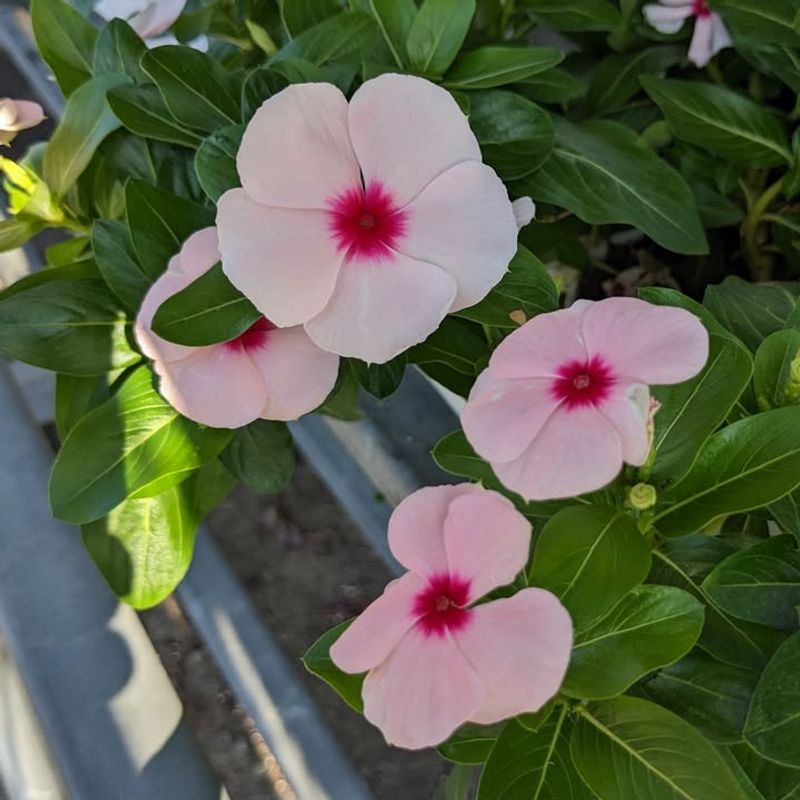
Drive through any Florida neighborhood in summer and you’ll see vinca blanketing beds with cheerful pink and white flowers. These plants tolerate brutal heat and keep blooming when everything else wilts, making them a default choice for low-maintenance landscapes.
That toughness comes with hidden costs for local ecosystems and pollinators.
Madagascar periwinkle produces flowers with nectar tubes designed for African pollinators, not Florida’s native bees. The flower structure makes nectar access difficult for most local species.
More importantly, vinca is a non-native plant that requires no specialized pollinators, meaning it reproduces aggressively and spreads into natural areas where it displaces native groundcovers that actually support local insects.
In some parts of Florida, vinca can escape cultivation and compete with native groundcovers in disturbed areas. Every square foot it occupies replaces potential habitat for native plants like sunshine mimosa or beach creeper that feed specialist bees.
Honeybees might occasionally visit vinca flowers during nectar shortages, but native bees largely ignore them. Your heat-tolerant groundcover creates a green desert for the pollinators trying to survive Florida’s challenging summers.
Consider native alternatives like dune sunflower or trailing lantana that handle heat equally well while supporting complete pollinator communities with accessible nectar, abundant pollen, and host plant value for butterflies.
6. Impatiens (Non-Native Types)
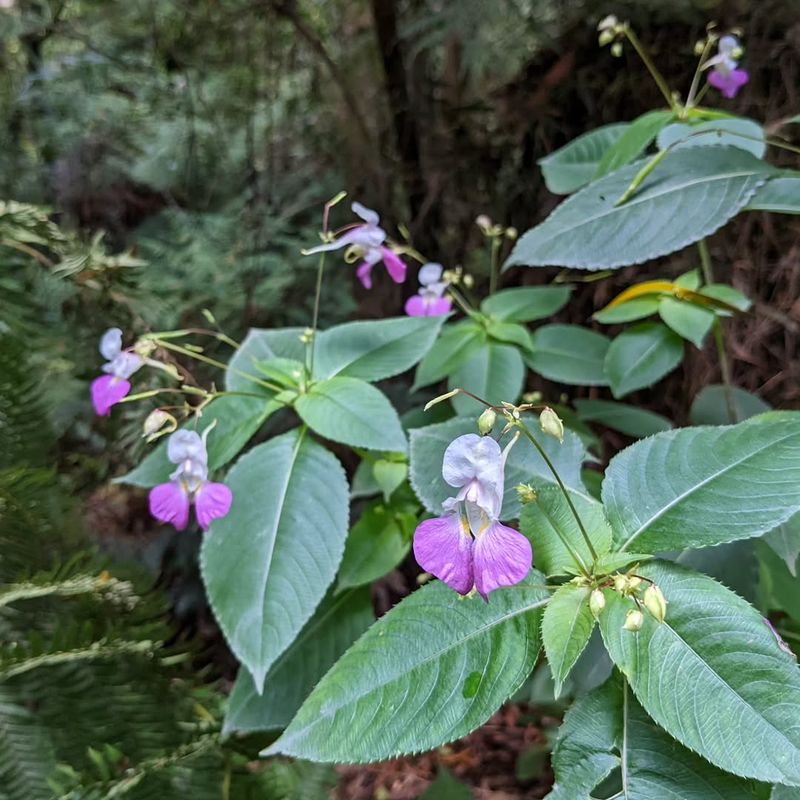
Shade gardening in Florida often means reaching for impatiens because they bloom reliably in low light where few other flowers will grow. Garden centers sell millions of these plants annually, and their continuous blooms seem like they should attract pollinators.
The reality is more complicated than the marketing suggests.
Common impatiens (Impatiens walleriana) and New Guinea impatiens are both non-native species bred primarily for ornamental value. Their flowers produce minimal nectar and very little pollen, offering almost no nutritional value to bees.
The flower structure also doesn’t match the foraging behaviors of Florida’s native bee species, which evolved alongside completely different plant families.
Florida’s native bees are most active during morning hours when they collect pollen for their nests. Impatiens flowers provide so little pollen that bees quickly learn to ignore them, focusing their limited foraging time on more rewarding plants.
The situation worsens in commercial production, where impatiens receive regular applications of systemic insecticides to prevent thrips and other pests.
Depending on production practices, some impatiens may be treated with systemic pesticides that can persist after purchase. Small native bees like sweat bees are particularly vulnerable to these chemical residues.
Your shady beds might stay colorful all season, but they’re not supporting the pollinator community. Try native alternatives like wild petunia or beautyberry that thrive in Florida shade while providing genuine value to local bees and butterflies.
7. Begonias (Wax And Tuberous Types)
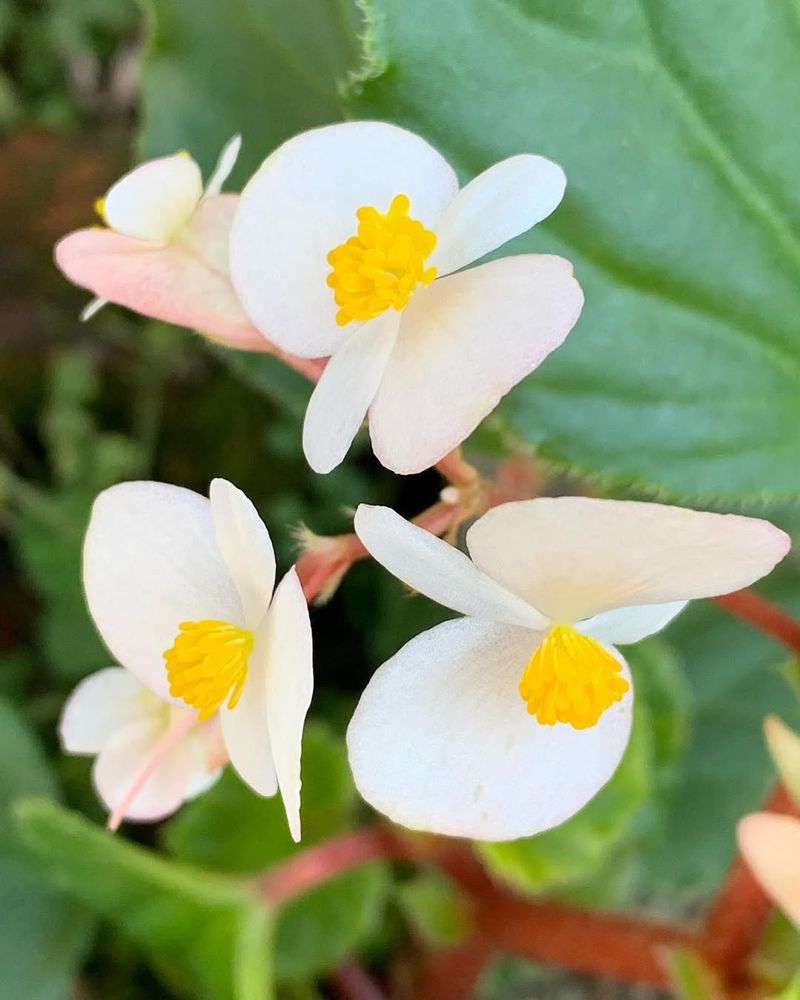
Begonias fill the shaded corners of Florida landscapes with glossy foliage and delicate flowers that seem perfect for attracting pollinators. Both wax begonias and tuberous begonias appear in countless garden designs, valued for their shade tolerance and tidy growth habit.
But these South American natives have been bred so extensively for ornamental traits that they’ve lost most pollinator value.
Modern begonia cultivars produce flowers with extremely low nectar content, and many varieties have been bred for reduced or absent pollen production. The breeding focuses on creating showy blooms and interesting foliage colors rather than maintaining functional reproductive structures.
Female bees searching for pollen to provision their nests find nothing worth collecting.
Tuberous begonias with their large, rose-like double flowers are particularly problematic because the extra petals completely block access to any remaining functional parts. Even single-flowered wax begonias offer so little reward that Florida’s native bees quickly learn to avoid them after unsuccessful foraging attempts.
The plants also require significant pesticide inputs during commercial production to manage fungal diseases in Florida’s humidity. These chemical treatments can persist in plant tissues and potentially harm small native bees with high metabolic rates.
Your begonia borders might provide reliable color in challenging shade conditions, but they attract little sustained interest from pollinators. Consider switching to native coral bean or wild coffee, which both handle shade beautifully while feeding dozens of native bee species and providing host plants for butterfly caterpillars.
8. Double Petunia Varieties
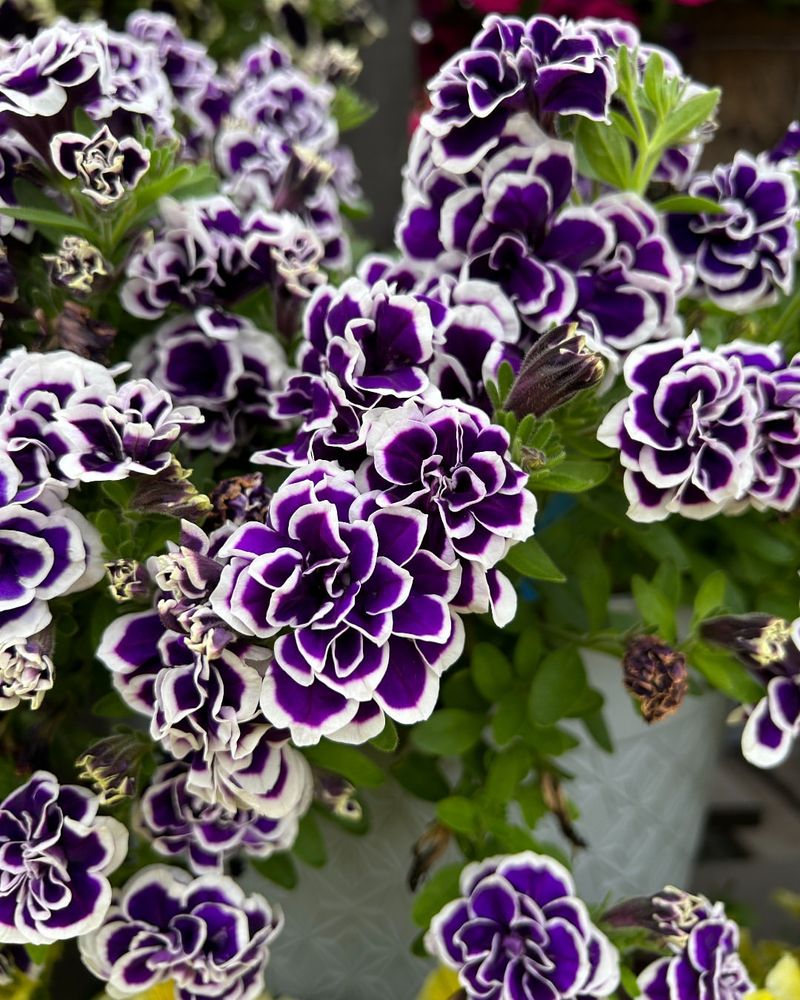
Petunias dominate spring and fall container displays across Florida, with double-flowered varieties commanding premium prices for their extra-full blooms. These ruffled flowers look like miniature roses and seem like they should be irresistible to bees and butterflies.
The elaborate breeding that creates those layers of petals comes at a steep cost to pollinators.
Double petunias have been selectively bred to convert their stamens and other reproductive parts into additional petals. This transformation creates the dramatic visual effect gardeners love but eliminates virtually all pollen and nectar production.
What looks like a generous flower to humans is completely useless to a foraging bee.
Even single-flowered petunias offer limited pollinator value compared to native alternatives, but double varieties take this problem to an extreme. Native bees and honeybees may land on the flowers briefly, but they quickly leave when they discover no food reward.
Florida’s warm climate allows petunias to bloom for extended periods, meaning these plants occupy prime garden real estate without supporting pollinators.
The flowers also become easily waterlogged during Florida’s summer rains, creating fungal issues that require fungicide treatments. Smaller native bees like cellophane bees and mining bees are particularly affected by the lack of pollen in double petunias because they’re specialist foragers that need diverse pollen sources.
Instead of filling containers with these ornamental plants, try native blanket flower or tickseed that provide brilliant color while actually feeding the pollinators your garden needs to thrive.
9. Non-Native Hibiscus Hybrids
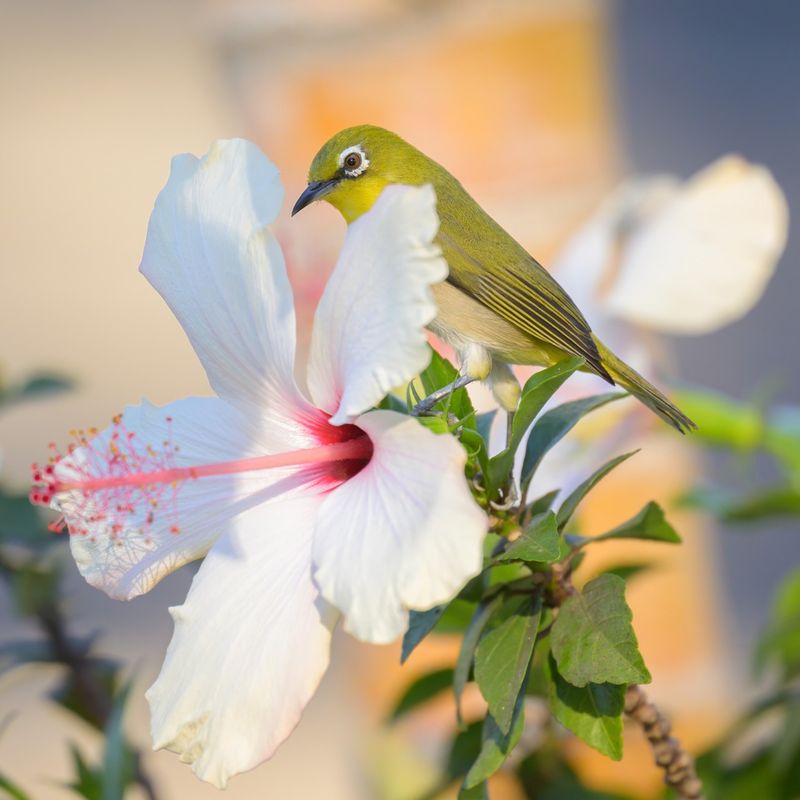
Tropical hibiscus hybrids are everywhere in Florida landscapes, producing enormous blooms in colors that native hibiscus never achieve naturally. These showy plants seem like they should be pollinator magnets, and many gardeners plant them specifically to attract hummingbirds and bees.
The complex breeding behind modern hybrids has created unexpected problems for local pollinators.
A garden dominated by low-fertility or nectar-only hibiscus varieties can provide only part of what pollinators require. Native bees need both nectar for energy and pollen for protein, especially female bees provisioning nests.
A garden full of sterile hibiscus provides only half of what pollinators require.
Even fertile hybrid varieties often have flower structures that don’t match the anatomy of Florida’s native bees. The breeding process selects for visual traits like color and size rather than pollinator accessibility.
Longer nectar tubes and modified stamen positions can make it difficult for smaller native bee species to access food rewards efficiently.
Commercial production of tropical hibiscus also relies heavily on systemic insecticides to manage pests like whiteflies and aphids. These chemicals can persist in plant tissues and potentially harm visiting pollinators.
Carpenter bees and bumblebees may still visit hybrid hibiscus occasionally, but they get far more benefit from native alternatives. Consider planting native scarlet hibiscus or turk’s cap instead, which evolved alongside Florida’s pollinators and provide optimal food resources without chemical concerns or breeding complications.
10. Bottlebrush (Callistemon Species)
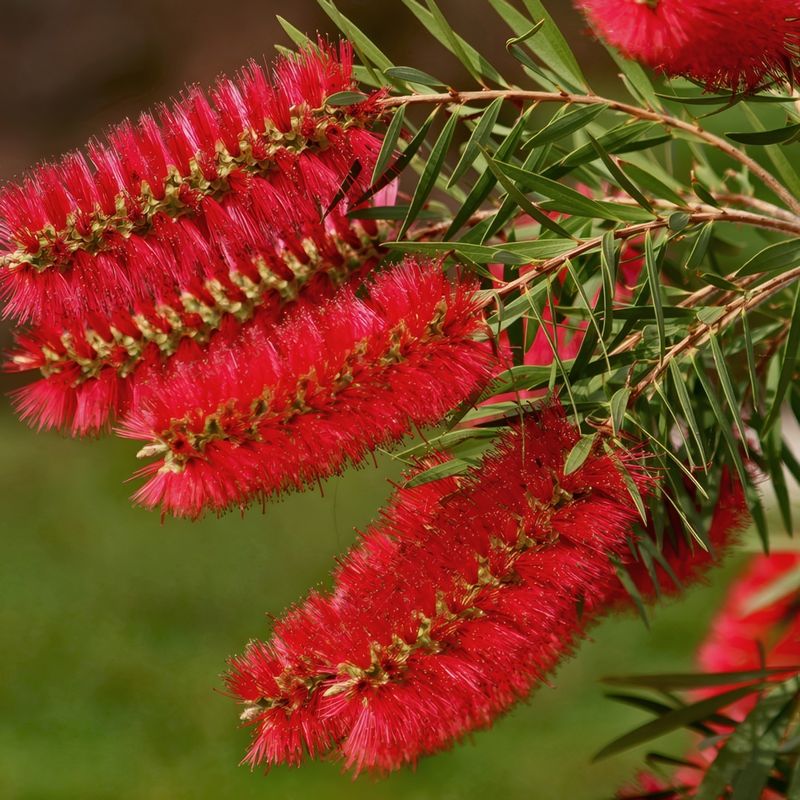
This entry might surprise you because bottlebrush seems like a pollinator powerhouse with its bright red flower spikes covered in prominent stamens. Australian bottlebrush species are planted extensively throughout Florida for their dramatic blooms and tolerance of poor soil.
The problem isn’t immediately obvious until you understand the relationship between plant origins and local pollinator communities.
Bottlebrush evolved in Australia to be pollinated primarily by honeyeater birds, not insects. The flower structure and nectar composition are optimized for avian pollinators with different feeding behaviors than Florida’s native bees.
Many native bees use bottlebrush opportunistically, but it does not support the same diversity of species as native flowering trees and shrubs.
Some bottlebrush species have escaped cultivation in parts of Central and South Florida and can compete with native vegetation in sensitive areas. Each bottlebrush tree taking up space in a natural area means less room for native wildflowers, shrubs, and trees that evolved alongside Florida’s insects.
The dense growth habit also creates monocultures that reduce plant diversity, which pollinators need for complete nutrition throughout the year. Specialist bees that rely on specific native plant families find no value in bottlebrush-dominated landscapes.
Their widespread use can reduce space available for native plants that support a broader range of pollinators.
Consider native alternatives like coral bean, firebush, or Walter’s viburnum that provide similar visual impact while supporting complete pollinator communities and maintaining Florida’s ecological balance.
Low pollinator value doesn’t mean these plants are harmful — but choosing more native and fertile alternatives can dramatically increase the ecological impact of Florida gardens.