11 Vegetables Florida Gardeners Love For Easy No-Till Gardens
Florida gardening is supposed to be fun, but digging in sandy soil under the hot sun can wear anyone out fast. Many gardeners start the season full of energy, only to lose momentum once the heat sets in and the shovel comes out again.
That is why more Florida gardeners are turning to no-till gardening, a simpler approach that works with the soil instead of fighting it.
No-till gardens are built by layering compost and mulch right on top of the ground. Over time, the soil becomes softer, holds moisture longer, and supports healthier plants with far less effort.
Fewer weeds pop up, watering becomes easier, and harvest days feel more rewarding without sore backs and tired arms.
Some vegetables respond especially well to this method in Florida’s warm climate and sandy soil. These plants thrive with minimal digging, handle heat and humidity with ease, and keep producing when other crops struggle.
They make gardening feel enjoyable again instead of exhausting.
1. Sweet Potatoes
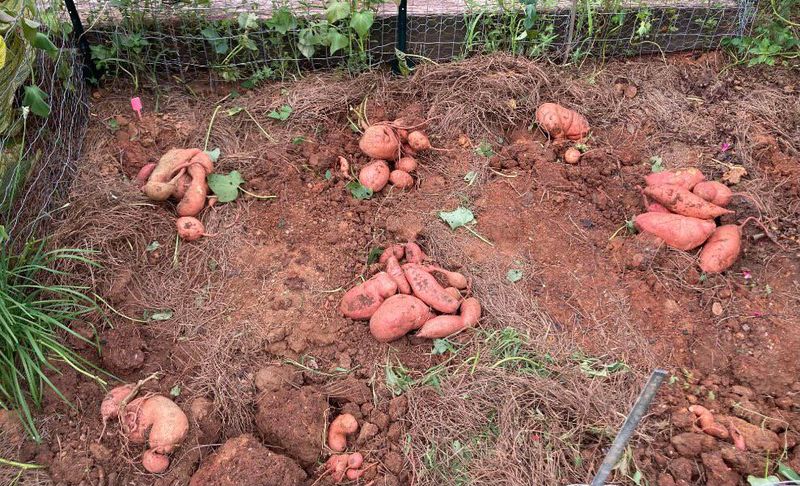
Few crops are as effortless in a Florida no-till garden as sweet potatoes, especially once slips are tucked into a thick layer of compost and mulch. Your no-till bed becomes a warm, fluffy nest that lets those roots spread without hitting hardpan or compacted soil.
Florida’s long hot summers give sweet potatoes exactly what they need, and the mulch you lay down keeps moisture steady even when rain skips a week or two.
From the Panhandle down to Miami-Dade, sweet potatoes thrive in sandy soil that drains fast and warms early. You plant slips in late spring after your last frost, and by fall you’re harvesting without ever turning a shovel.
The vines sprawl across your mulch like a living blanket, shading out weeds and protecting the soil underneath.
When harvest time comes, you gently pull back the mulch and lift tubers by hand, leaving the soil structure intact for your next crop. Sweet potatoes store for months in a cool spot, giving you homegrown food well into winter.
Florida gardeners love how forgiving they are and how little fuss they demand from planting to plate.
2. Okra
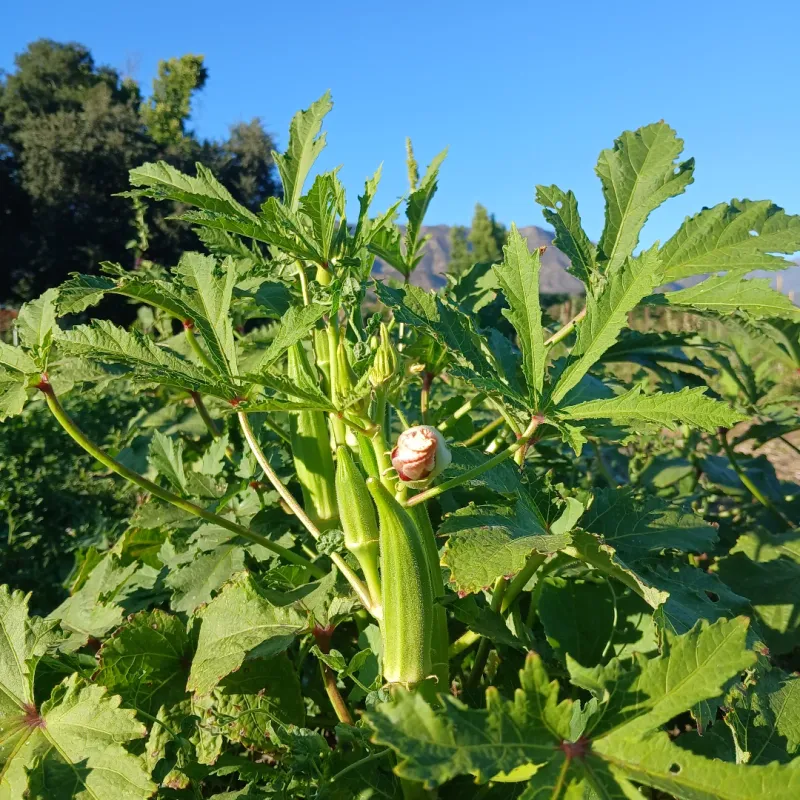
Built for Florida’s heat, okra sends down a deep taproot that thrives without disturbing the soil beneath it. Once you plant seeds or transplants into your no-till bed, that taproot digs through layers of compost and mulch, anchoring itself without any help from a tiller.
The plant grows fast, and within weeks you’re picking tender pods every other day.
North Florida gardeners plant okra after the last spring frost, while Central and South Florida growers can start earlier and often grow it nearly year-round. The thick mulch layer keeps roots cool during midday sun and holds moisture through afternoon thunderstorms.
Okra loves consistent warmth, and your no-till bed delivers exactly that.
You harvest by snipping pods when they’re three to four inches long, and the plant keeps producing until the first cold snap. Because you never dig around the roots, the plant stays strong and healthy all season.
Your Florida Garden Changes Every Week. Your Plan Should Too.
Gardening in Florida changes quickly throughout the season. Every Friday you’ll receive a simple weekly plan showing exactly what to plant, prune, fertilize, harvest, and protect so you never miss the right timing.
Florida gardeners appreciate how okra tolerates sandy soil and how little water it demands once established in a well-mulched bed.
3. Bush Beans

Fast germination and shallow roots make bush beans a natural fit for no-till beds layered with compost and mulch. You don’t need to dig trenches or break up clumps—just press seeds into the surface, cover lightly, and watch them sprout within a week.
Florida’s warm soil speeds up germination, and the mulch you’ve laid down keeps moisture right where those tender roots need it.
In North Florida, you can plant bush beans in spring and again in fall for two solid harvests. Central Florida gardeners often squeeze in three plantings, while South Florida growers enjoy beans through the cooler months when heat-loving crops slow down.
The plants stay compact, so you can tuck them into small spaces between taller vegetables.
You pick beans every few days once they start producing, and the harvest lasts about three weeks before the plants wind down. Because you never disturb the soil, you can pull spent plants and drop them right back onto the bed as mulch.
Bush beans fix nitrogen as they grow, feeding the soil for whatever you plant next without any extra fertilizer.
4. Southern Peas
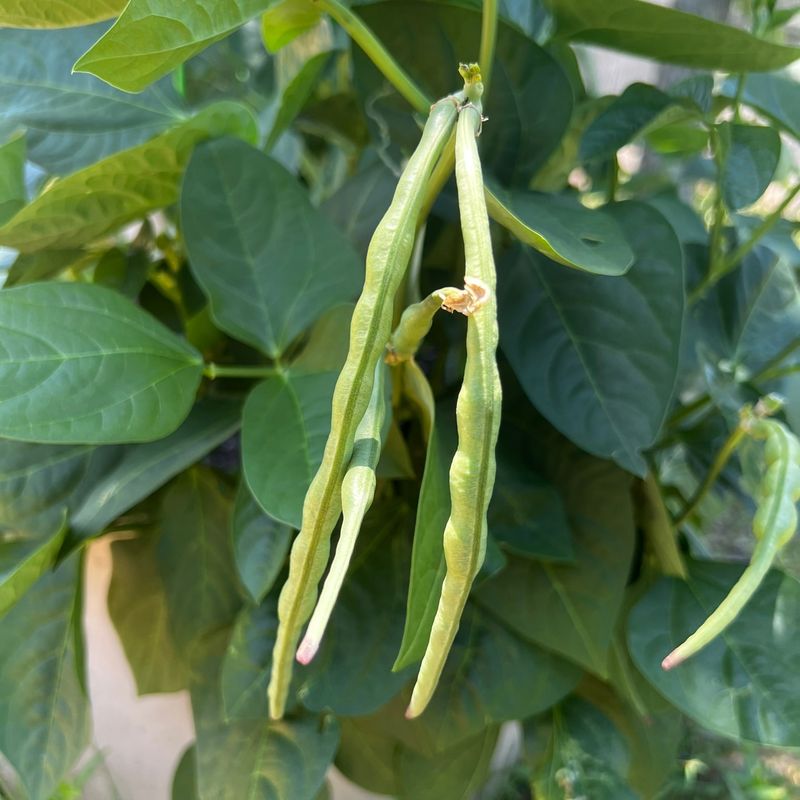
When summer heat shuts down most vegetables, southern peas keep right on growing in Florida’s no-till gardens. You plant seeds directly into compost-rich beds in late spring, and they germinate quickly in warm, moist conditions.
The plants grow bushy or vining depending on the variety, and either way they settle in without needing you to turn the soil.
From the Panhandle to the Keys, southern peas produce reliably through summer when other crops struggle. The thick mulch layer helps them survive afternoon downpours without washing away, and the steady decomposition underneath feeds the plants naturally.
You’ll see flowers within a few weeks, followed by pods that fill out fast in the heat.
Harvesting is simple—you pick pods when they’re plump and the peas inside feel firm. The plants keep producing as long as you keep picking, and you never have to dig or disturb the roots.
Southern peas also fix nitrogen, leaving your no-till bed richer and healthier for the next round of vegetables you plant.
5. Cherry Tomatoes
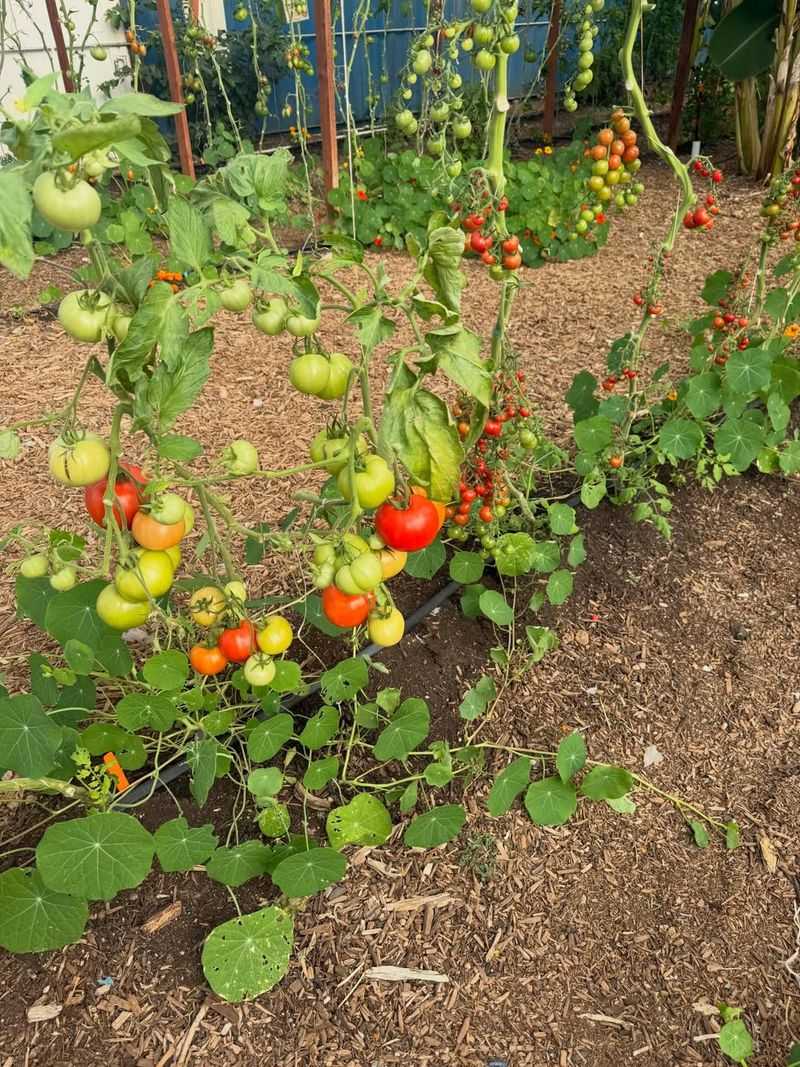
Cherry tomatoes love the warmth and loose soil structure that no-till beds provide, sending roots deep into layers of compost without hitting compacted ground.
You plant transplants in spring or fall, depending on where you live in Florida, and the mulch around them keeps soil temperatures steady and moisture levels consistent.
The plants grow fast, and before long you’re picking handfuls of sweet tomatoes every few days.
North Florida gardeners do best with spring and fall plantings to avoid the worst summer heat, while Central Florida growers can stretch the season a bit longer. In South Florida, fall through spring is prime cherry tomato time, when cooler weather keeps plants productive.
The no-till method means you never disturb the roots, so plants stay strong and disease pressure stays lower.
You harvest by gently twisting ripe tomatoes off the vine, and the plant keeps setting fruit as long as conditions stay favorable. The mulch layer helps prevent soil-borne diseases from splashing onto leaves during heavy rains.
Cherry tomatoes reward Florida gardeners with abundant harvests and very little fuss beyond regular watering and occasional pruning.
6. Peppers
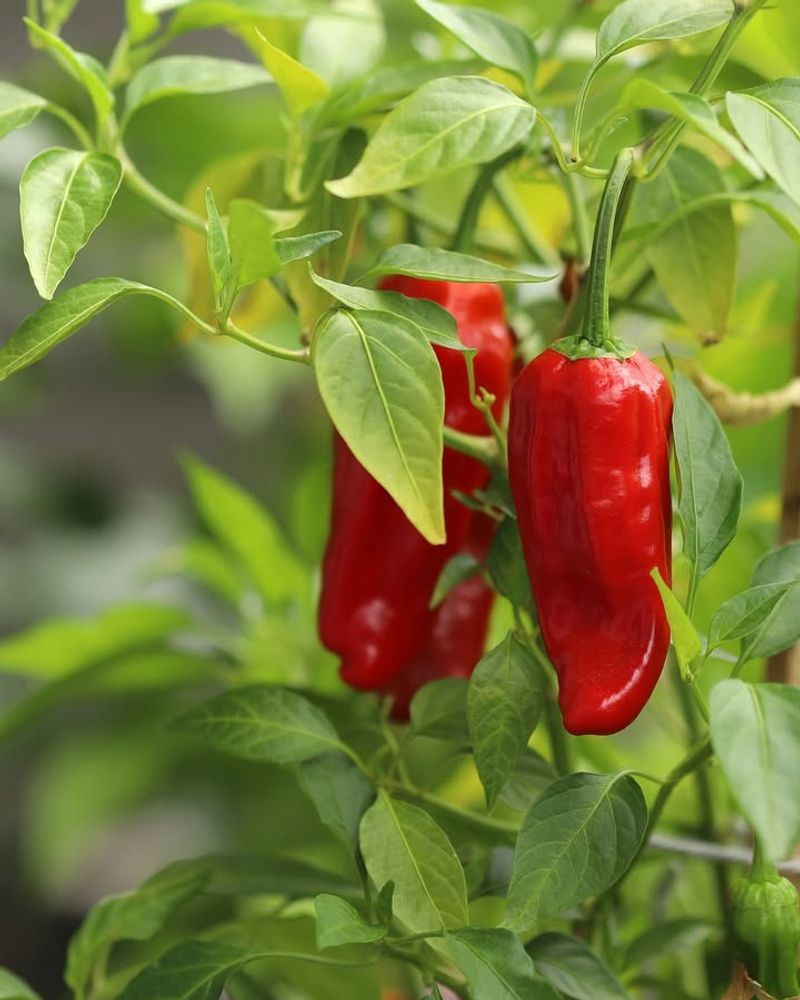
Peppers settle into no-till beds beautifully, their roots spreading through soft compost and mulch without ever needing you to break up the soil. You plant transplants once the weather warms reliably, and the thick mulch layer keeps roots cool during the hottest part of the day.
Florida’s long growing season means peppers can produce for months if you keep them watered and mulched.
In North Florida, you plant peppers in mid-spring and harvest through summer and into fall. Central Florida gardeners can start a bit earlier and often keep plants going longer, while South Florida growers enjoy peppers from fall through spring when summer heat backs off.
The no-till method reduces stress on plants, so they set fruit more consistently and stay healthier longer.
You pick peppers when they reach the size and color you want, and the plant keeps producing as long as conditions stay good. Because you never disturb the soil, the roots stay strong and the plant channels energy into fruit instead of recovery.
Peppers in a no-till bed need less water and fertilizer, making them one of the easiest vegetables Florida gardeners can grow.
7. Eggplant
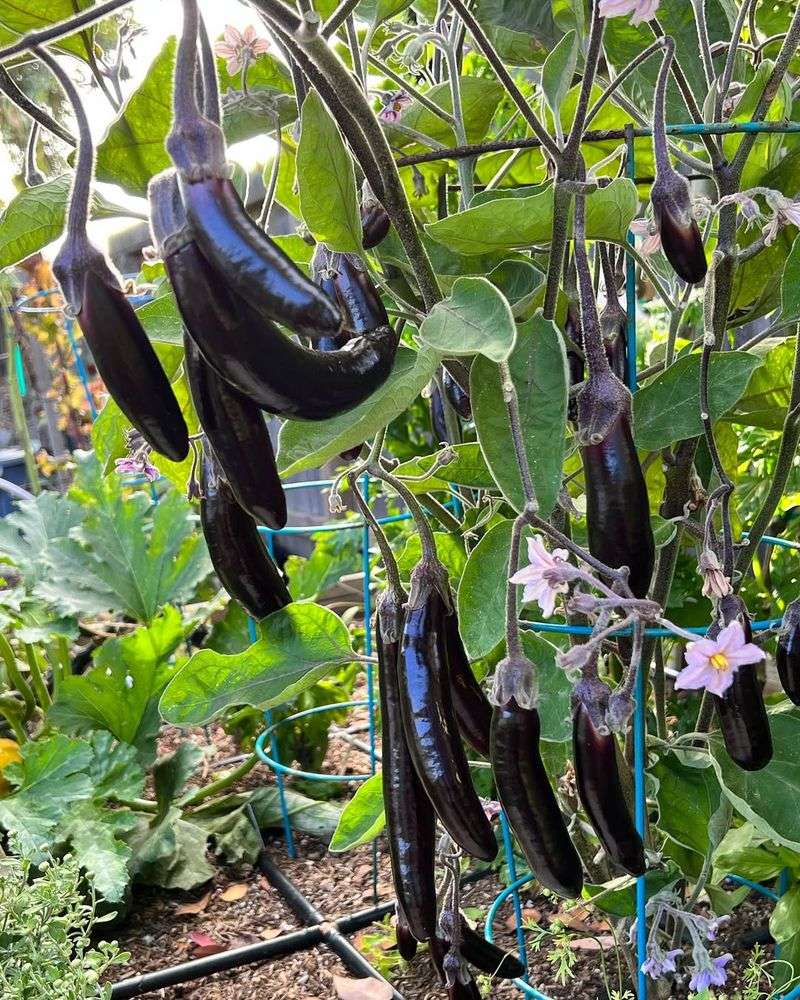
Heat-loving and productive, eggplant benefits from the loose, well-drained soil that no-till beds naturally create. You plant transplants in spring, and the mulch you’ve layered keeps moisture steady while letting excess water drain away during heavy rains.
The plants grow tall and bushy, producing glossy fruit that hangs heavy on strong stems.
North Florida gardeners plant eggplant after the last frost and harvest through summer, while Central Florida growers can start earlier and extend the season. In South Florida, eggplant does best from late summer through winter when extreme heat eases up.
The no-till method means roots never get disturbed, so plants stay vigorous and produce more fruit over a longer period.
You harvest eggplant when the skin is shiny and firm, cutting the fruit off with a knife or pruners. The plant keeps setting new flowers and fruit as long as you keep picking and the weather cooperates.
Eggplant in a no-till bed needs less fussing and fewer inputs, making it a favorite among Florida gardeners who want big harvests without constant work.
8. Malabar Spinach
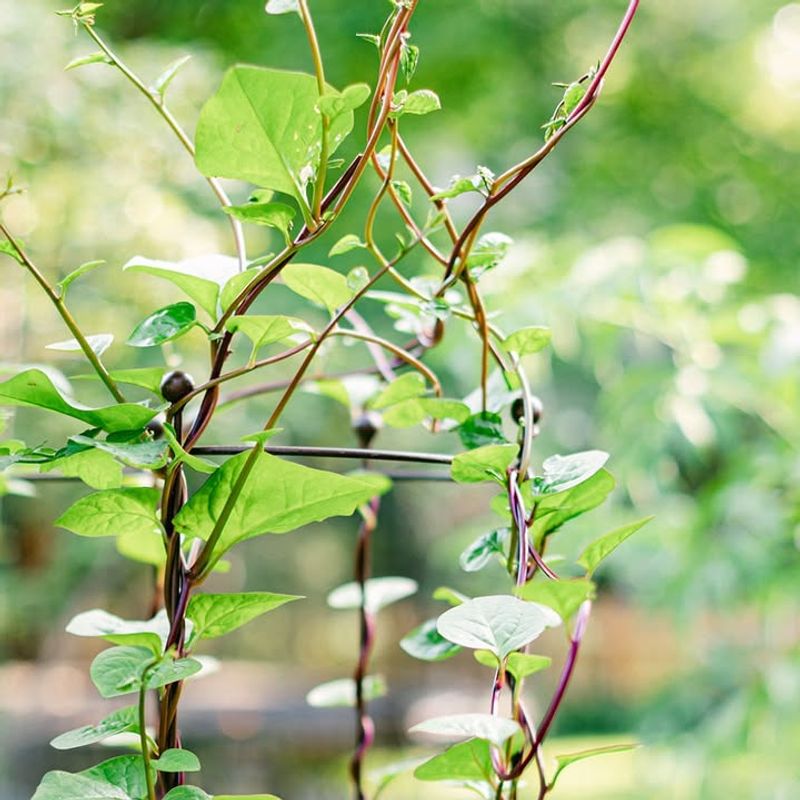
Few greens can handle Florida’s summer like Malabar spinach, which thrives in heat while spreading vigorously across trellises and beds. You plant seeds or cuttings in late spring, and the vines take off fast, covering trellises or fences in a matter of weeks.
Florida’s long hot summers give Malabar spinach exactly what it needs, and the thick mulch layer means you rarely have to water.
From North Florida to South Florida, Malabar spinach grows reliably through the hottest months when traditional spinach would wilt and bolt. The vines keep producing tender leaves all summer long, and you harvest by snipping off the tips and young leaves.
Because you never dig around the roots, the plant stays strong and keeps growing until the first cold snap.
You can harvest continuously for months, and the plant even produces pretty purple berries that reseed themselves in your mulch. Malabar spinach tolerates sandy soil and needs very little fertilizer once established in a healthy no-till bed.
Florida gardeners love how low-maintenance it is and how it fills the summer greens gap when nothing else will grow.
9. Seminole Pumpkin

Seminole pumpkin is a Florida native that spreads across your garden like it owns the place, thriving in no-till beds where the soil stays undisturbed. You plant seeds in late spring, and the vines take off fast, covering ground and climbing anything they can reach.
Florida’s heat and humidity don’t bother Seminole pumpkin at all—it’s been growing here for centuries, and it knows exactly how to handle our conditions.
From the Panhandle to the Everglades, Seminole pumpkin grows reliably without any fussing. The thick mulch layer keeps the sprawling vines happy, and the plant resists pests and diseases that would flatten other squash varieties.
You’ll see flowers in midsummer, followed by green-striped pumpkins that ripen to tan or orange by fall.
You harvest Seminole pumpkin when the stem dries and the skin hardens, and the fruit stores for months in a cool spot. Because the vines spread without needing you to disturb the soil, they integrate perfectly into a no-till system.
Florida gardeners love how tough and productive Seminole pumpkin is, and how it connects them to the state’s gardening history.
10. Swiss Chard
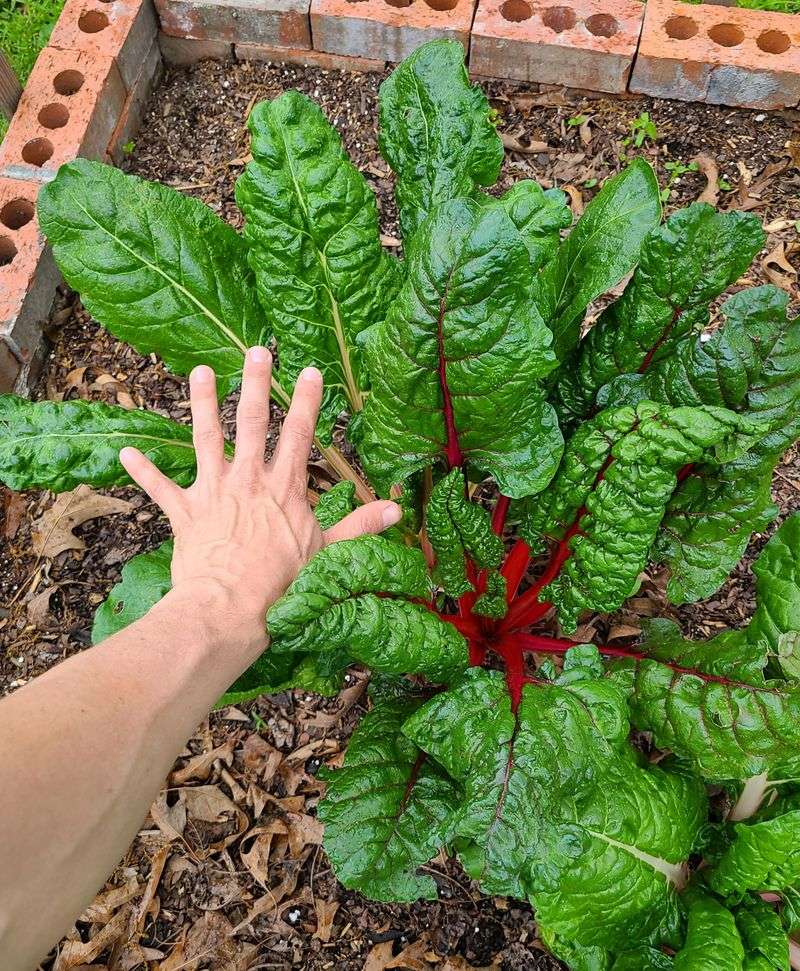
During Florida’s cooler seasons, Swiss chard produces steady harvests in no-till beds with minimal care. You plant seeds or transplants in fall, and the mulch you’ve layered keeps the soil moist and cool as the plants establish.
Florida’s mild winters give Swiss chard ideal growing conditions, and the plant keeps producing as long as you keep harvesting.
North Florida gardeners can grow Swiss chard from fall through spring, while Central and South Florida growers enjoy it through the winter months when summer heat finally backs off. The no-till method means roots never get disturbed, so plants stay healthy and productive longer.
You harvest by cutting outer leaves and letting the center keep growing, and the plant responds by sending up fresh new growth.
Swiss chard tolerates sandy soil and light frosts, making it one of the most reliable winter greens for Florida gardens. The thick mulch layer protects roots during cold snaps and keeps moisture steady during dry spells.
Florida gardeners appreciate how easy Swiss chard is to grow and how it keeps producing even when other vegetables slow down.
11. Green Onions
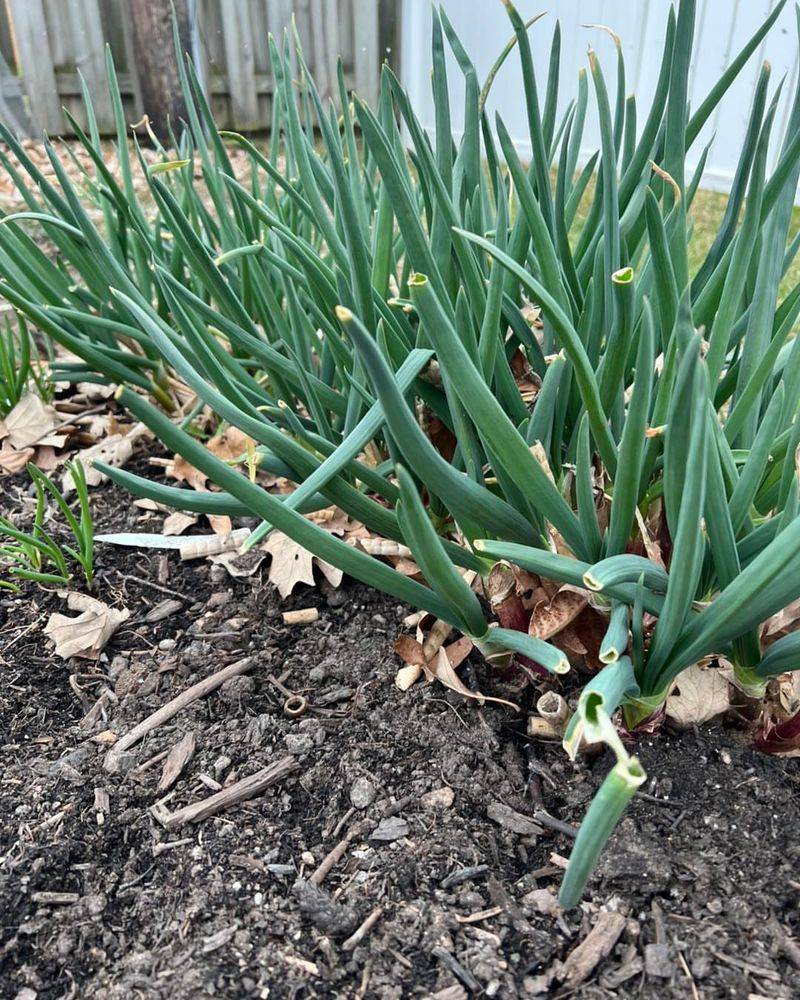
Green onions grow fast and easy in no-till beds, their shallow roots spreading through soft compost and mulch without any need for digging. You plant sets or seeds in fall or early spring, and within weeks you’re snipping fresh green tops for salads and cooking.
Florida’s mild winters and warm springs give green onions ideal conditions, and the mulch layer keeps the soil moist and loose around the growing bulbs.
From the Panhandle to the Keys, green onions grow reliably through the cooler months when other crops need more attention. You can plant them in small spaces between larger vegetables, and they fill in quickly without crowding anything else.
The no-till method means you can harvest by pulling individual onions without disturbing the rest of the bed.
You harvest green onions when they reach the size you want, pulling them gently from the mulch and leaving the soil structure intact. The plants grow quickly and can be replanted in succession for continuous harvests.
Florida gardeners love how little space and effort green onions require, and how they add fresh flavor to meals all season long without any fuss.