Stop Planting These Garden Center Flowers If You Want To Help Pollinators In Texas
Texas gardeners often fill their carts with the brightest flowers they see, hoping to help bees and butterflies. The truth is, many popular garden center flowers offer little food for pollinators, and what you plant truly matters more than color.
Some flowers are bred to be flashy, not useful. They may bloom beautifully yet provide almost no nectar or pollen.
Not all flowers help bees, even if they attract human attention. A pollinator friendly garden starts with smarter choices, not more plants.
Texas landscapes already face heat, drought, and shrinking natural habitats. Pollinators depend on home gardens more than ever to survive.
Small planting decisions can either help or harm local bees and butterflies. Once you know which flowers to avoid, you can make room for plants that truly support pollinators.
1. Double Knockout Roses
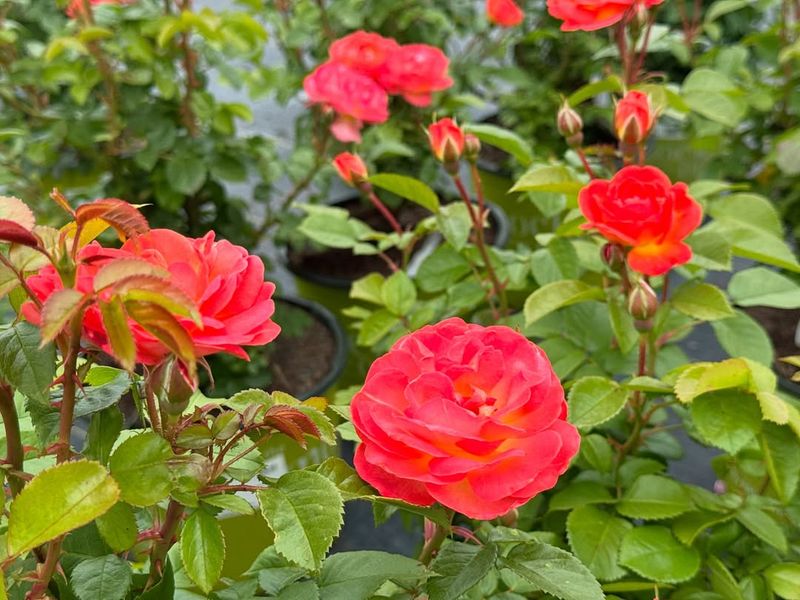
Garden centers everywhere stock these popular roses, and it’s easy to see why they fly off the shelves with their abundant blooms and low maintenance requirements.
Double Knockout roses produce layers upon layers of petals that create stunning visual displays in shades of red, pink, and coral. However, all those extra petals come at a serious cost to Texas pollinators.
The breeding process that created these multi-petaled beauties essentially traded away the flower’s reproductive parts for more showy petals.
Where a single wild rose would have exposed stamens loaded with pollen and easy access to nectar, Double Knockouts have their centers completely buried under decorative petals. Bees and other pollinators literally cannot reach whatever minimal nectar or pollen might exist inside.
Texas honeybees and native bumblebees will often land on Double Knockout roses, seemingly confused about why these bright flowers offer them nothing to eat. They waste precious energy investigating these blooms when they could be visiting truly helpful plants instead.
For pollinators already stressed by heat, habitat loss, and pesticides across Texas, this wasted effort matters. Consider planting native Texas roses like Rosa foliolosa or single-petal heirloom varieties instead.
These alternatives provide the pollen and nectar that Texas pollinators desperately need while still giving you beautiful roses to enjoy. Your garden will look just as lovely, and the bees will actually thank you.
2. Hybrid Tea Roses
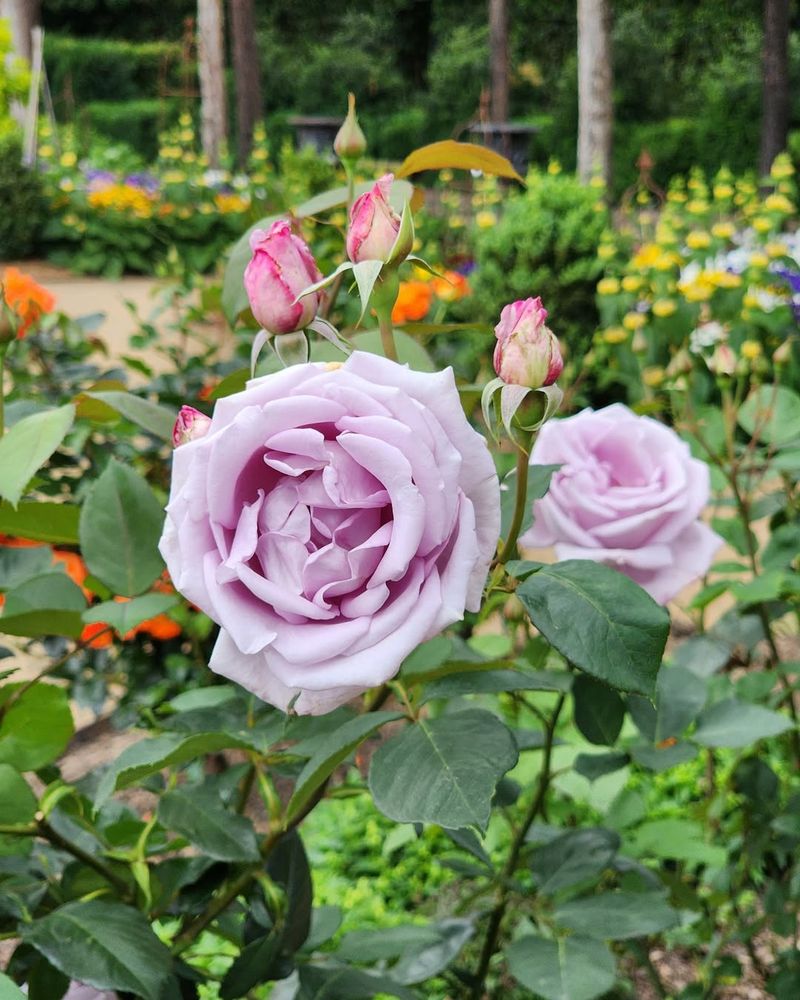
Walk into any Texas garden center and you’ll find hybrid tea roses prominently displayed with gorgeous photographs of their perfect, cone-shaped blooms. These roses have been bred for decades to create the classic florist rose shape with tight, spiraling petals.
Gardeners across Texas plant them hoping to recreate those picture-perfect flowers in their own yards.
Unfortunately, what makes hybrid tea roses so appealing to humans makes them utterly useless to pollinators. The tight petal arrangement and heavily modified flower structure mean these roses produce almost no accessible pollen.
Even if some pollen exists deep within the bloom, bees and butterflies cannot navigate through the maze of petals to reach it. Most hybrid teas also lack any significant fragrance, which is actually a clue that they’re not producing the compounds that attract pollinators.
Texas native bees have co-evolved with simple, open flowers that make nectar and pollen easy to access. When they encounter hybrid tea roses, they’re essentially looking at a food source they cannot use. It’s like setting out plastic fruit and expecting wildlife to be nourished by it.
Your Texas Garden Changes Every Week. Your Plan Should Too.
Gardening in Texas changes quickly throughout the season. Every Friday you’ll receive a simple weekly plan showing exactly what to plant, prune, fertilize, harvest, and protect so you never miss the right timing.
If you love roses in your Texas landscape, choose old garden roses, species roses, or modern varieties specifically bred to be pollinator-friendly. These options still deliver beauty without starving the beneficial insects your garden ecosystem needs to function properly.
3. Double Impatiens
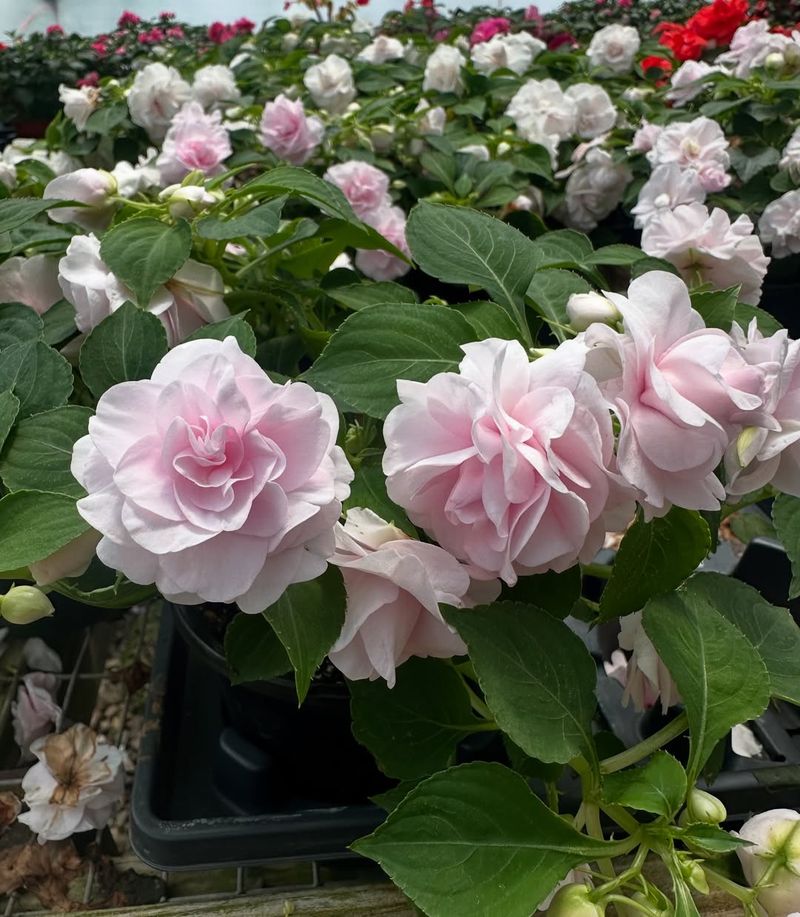
Shade gardening in Texas presents challenges, and garden centers know that double impatiens seem like the perfect solution for those dim areas under trees or along north-facing walls.
These plants produce pom-pom-like flowers in cheerful colors that brighten up even the darkest corners. Their full, ruffled blooms look almost like miniature roses or carnations.
But here’s what most Texas gardeners don’t realize: those extra petals on double impatiens are mutations that replace the flower’s pollen-producing parts. Single impatiens naturally have five petals with visible stamens that produce pollen for visiting insects.
Double varieties have been bred to produce extra petals instead of functional reproductive parts, making them essentially sterile from a pollinator’s perspective.
Texas gardens in shady areas still need to support pollinators, especially since many native bees and butterflies seek relief from intense summer heat in cooler, shadier spots.
When your shade garden is filled exclusively with double impatiens, you’re missing opportunities to feed these important insects. They might land on the flowers out of hope but will quickly move on after finding nothing useful.
Better choices for Texas shade gardens include native columbine, coral bells, or single-flowered impatiens varieties.
These plants thrive in similar conditions while actually providing the nectar and pollen that keep Texas pollinator populations healthy and strong throughout the growing season.
4. Begonias
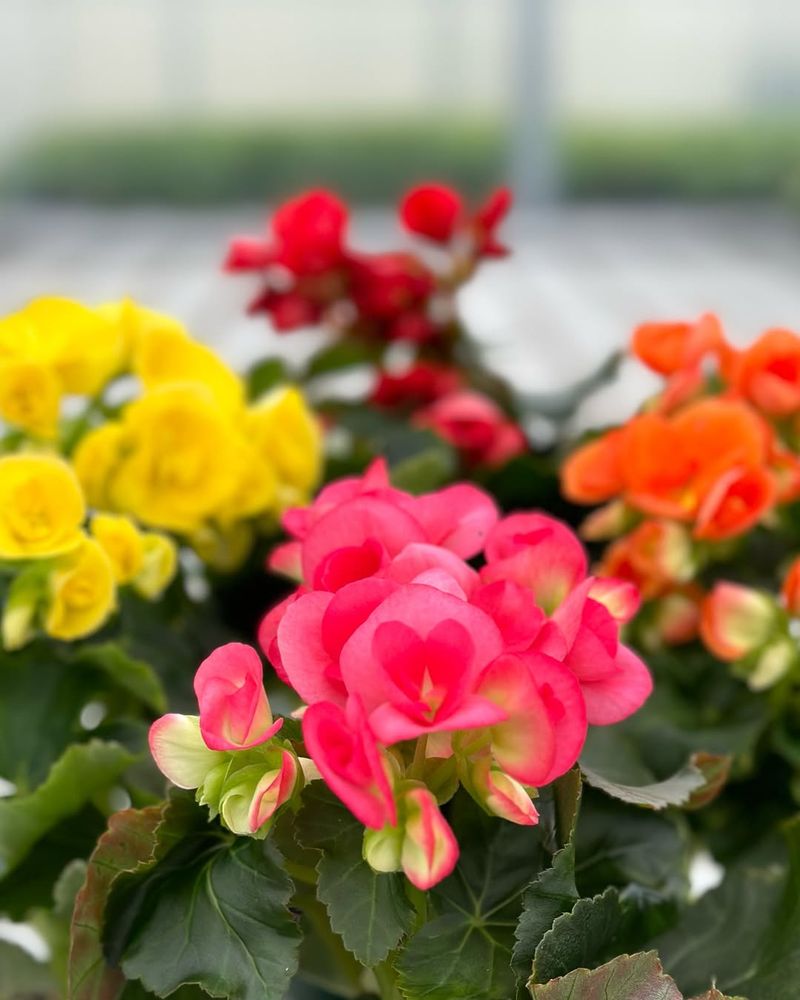
Few plants dominate Texas garden center displays quite like begonias, especially during spring and summer. Their waxy leaves and clusters of bright flowers come in practically every color imaginable, and they handle Texas heat reasonably well with adequate water.
Gardeners fill containers, hanging baskets, and flower beds with these reliable bloomers year after year.
What most people don’t know is that begonias produce flowers that are essentially invisible to most Texas pollinators. While begonias do produce pollen, it’s primarily designed for wind pollination rather than insect pollination.
The flowers lack the nectar that bees, butterflies, and other beneficial insects need for energy. Even more problematic, many begonia varieties have been bred to be completely sterile, meaning they produce no pollen at all.
Texas bumblebees and native solitary bees need both nectar for immediate energy and pollen to feed their developing young. When they visit begonias, they find neither resource in meaningful quantities.
For butterflies seeking nectar to fuel their flight, begonias are equally disappointing. You might occasionally see an insect land on a begonia, but it’s usually just a brief rest stop rather than an actual feeding visit.
Consider replacing begonias with pentas, zinnias, or lantana in your Texas garden. These alternatives handle heat just as well while providing abundant nectar and pollen that actually support your local pollinator populations throughout the long Texas growing season.
5. Double Petunias
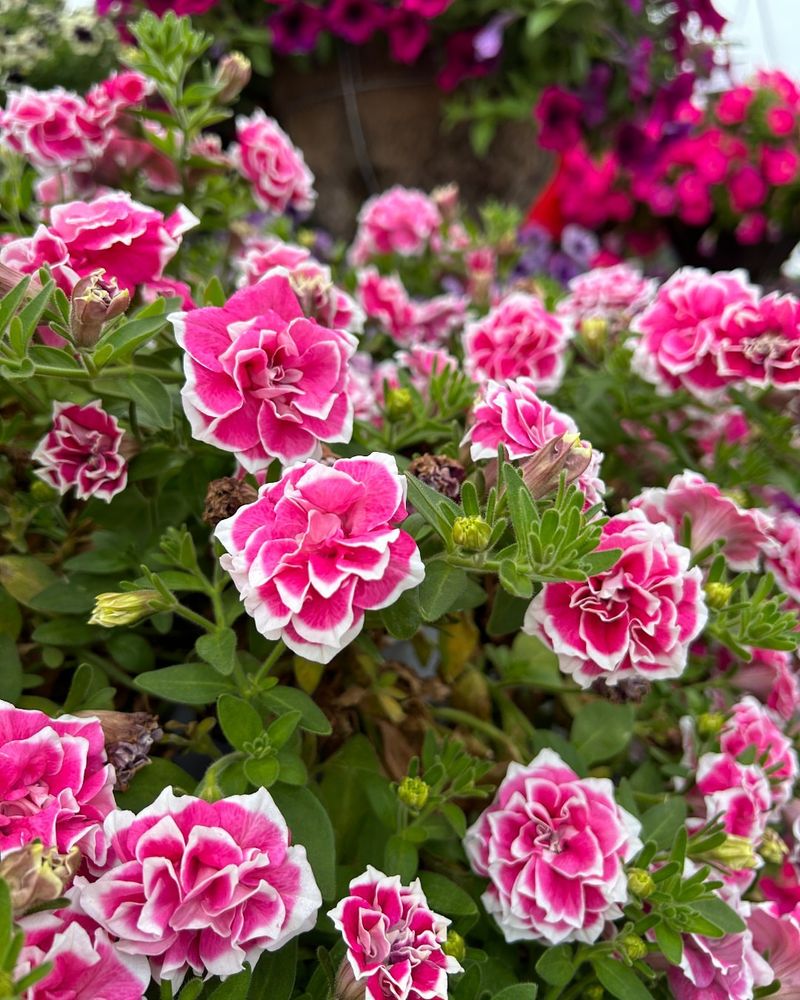
Every Texas gardener knows petunias as the go-to annual for containers, hanging baskets, and flower beds that need reliable color from spring through fall.
Garden centers dedicate entire sections to petunia varieties, and the double-flowered types with their extra-full blooms seem especially appealing. These ruffled beauties look incredibly lush and expensive compared to their single-flowered cousins.
The problem with double petunias is identical to other double-flowered varieties: breeders have manipulated the plant to produce showy petals instead of the stamens and pistils that would normally make pollen and nectar. What looks like abundance to human eyes represents scarcity to a hungry bee or butterfly.
Texas pollinators investigating these flowers find themselves blocked by layers of petals with no reward at the center.
Single-flowered petunias can actually be decent pollinator plants, especially varieties with open, trumpet-shaped blooms that allow easy access. But double petunias offer nothing except visual appeal for people.
During Texas summers when pollinators are working overtime in the heat, every flower should count as a potential food source rather than just decoration.
If you love the petunia look for your Texas landscape, stick with single-flowered varieties in colors that attract pollinators, particularly purple, blue, and white shades.
Better yet, mix in some native alternatives like Ruellia or wild petunias that are perfectly adapted to Texas conditions and beloved by local bees and butterflies.
6. Marigolds (African and French Hybrids)
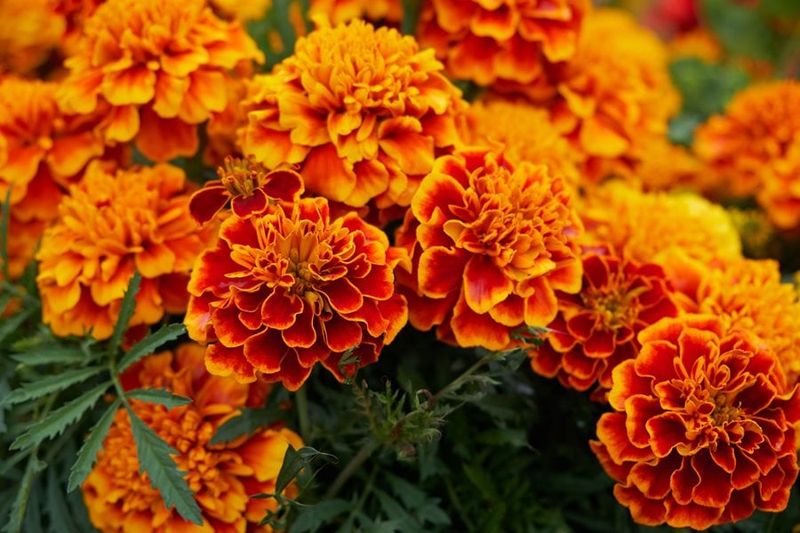
Marigolds rank among the most common flowers in Texas garden centers, praised for their ability to withstand brutal summer heat and their reputation for repelling certain garden pests.
African and French marigold hybrids produce those huge, dense pom-pom flowers in shades of orange, yellow, and red that many gardeners consider essential for summer color. They’re inexpensive, easy to grow, and seem to bloom endlessly.
However, modern hybrid marigolds have been bred primarily for flower size and longevity, not pollinator value. The breeding process has dramatically reduced their pollen production and essentially eliminated their nectar.
Wild marigold species native to Mexico and Central America do attract pollinators, but the heavily hybridized versions sold in Texas garden centers bear little resemblance to their ancestors. The tight, doubled flowers make any remaining pollen completely inaccessible.
Additionally, marigolds produce a strong scent that many people love but that actually repels some beneficial insects rather than attracting them.
While this might help with pest control, it doesn’t help Texas pollinators that need every available food source, especially during the scorching summer months when many other plants stop blooming.
For a better choice in your Texas garden, try planting native Mexican sunflower, cosmos, or single-flowered marigold varieties.
These alternatives provide similar heat tolerance and bright colors while actually feeding the bees, butterflies, and other pollinators that keep your garden healthy and productive.
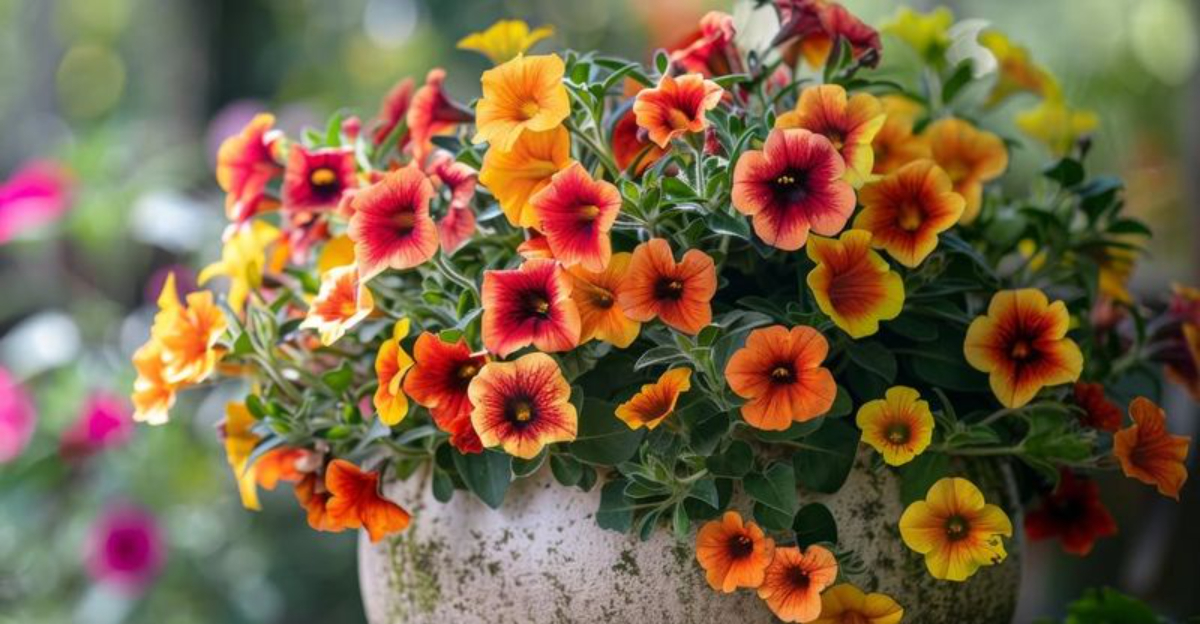
7. Calibrachoa (Million Bells)
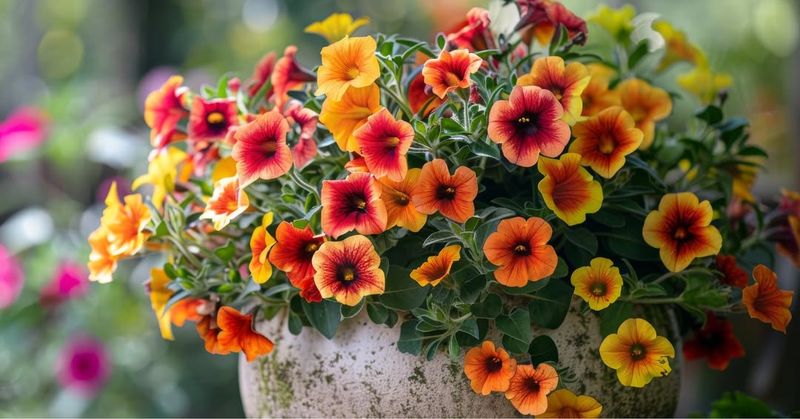
Calibrachoa, commonly sold as Million Bells, has become wildly popular in Texas garden centers over the past decade. These trailing plants produce hundreds of tiny petunia-like flowers that cascade beautifully from hanging baskets and container edges.
They bloom prolifically throughout the Texas growing season and come in practically every color combination imaginable, making them irresistible to gardeners seeking easy, colorful displays.
Despite their abundant blooms, calibrachoa offers virtually nothing to Texas pollinators. Most varieties sold commercially are complex hybrids bred exclusively for flower power and trailing habit.
The breeding process has resulted in flowers with minimal to no pollen production and essentially no nectar. The flowers are also quite small with narrow throats, making them difficult for many native bee species to access even if resources were present.
You might see the occasional butterfly or bee land on calibrachoa in your Texas garden, but watch closely and you’ll notice they don’t stay long. They’re checking for food and quickly realizing these flowers are empty promises.
For pollinators already struggling with habitat loss across Texas’s rapidly developing landscapes, wasting time and energy on unproductive flowers is a real problem.
Instead of calibrachoa, consider trailing varieties of verbena, bacopa, or portulaca for your Texas containers and hanging baskets.
These alternatives provide similar cascading beauty while actually supporting the butterflies, bees, and hummingbirds that your garden ecosystem depends on for pollination and pest control.
8. Ornamental Kale and Cabbage
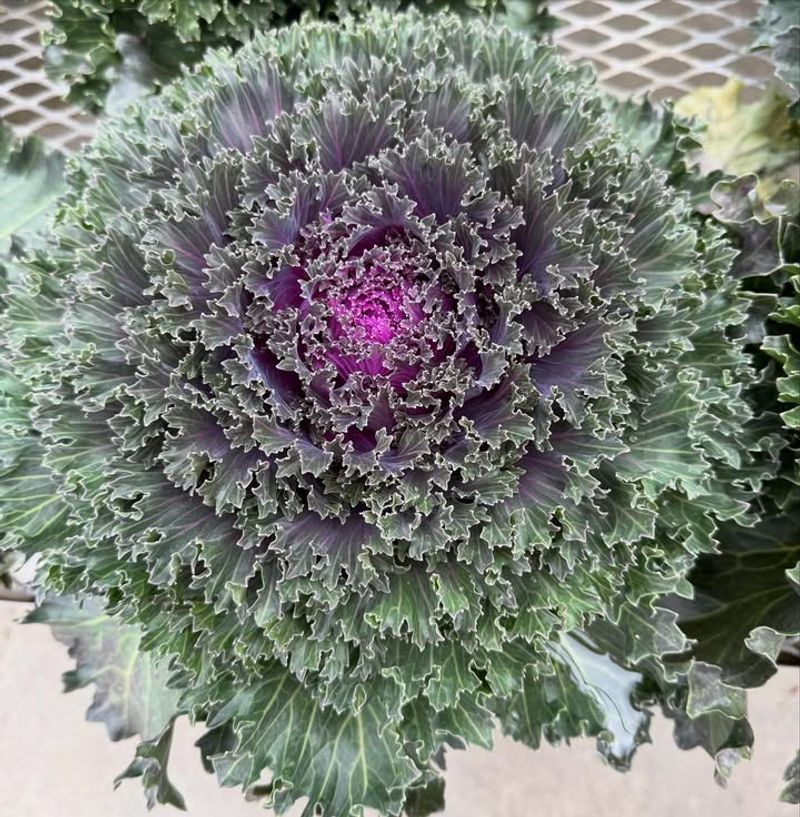
When fall arrives in Texas, garden centers fill their displays with ornamental kale and cabbage, promoting these plants as perfect cool-season color alternatives to summer annuals.
Their rosettes of ruffled leaves in shades of purple, pink, white, and green create stunning textural displays that intensify in color as temperatures drop.
Many Texas gardeners plant them in containers or as border edging for autumn and winter interest.
While ornamental kale and cabbage are technically related to plants that do flower and attract pollinators, the ornamental versions sold at garden centers are grown exclusively for their decorative foliage.
These plants are typically removed from gardens long before they would ever produce flowers, meaning they never reach the stage where they could provide pollen or nectar.
Even if allowed to bolt and flower, the process takes many months and results in flowers that are far less attractive to pollinators than native Texas options.
Texas pollinators remain active during mild fall and winter days, especially native bees and migrating butterflies that desperately need nectar sources during these transitional seasons.
Filling your garden with ornamental cabbage means missing opportunities to support these insects when food sources become scarce.
For better fall and winter pollinator support in Texas, plant asters, salvias, alyssum, or native wildflowers like Gregg’s mistflower. These plants provide actual flowers with nectar and pollen while still offering the cool-season color that makes Texas gardens beautiful year-round.