Why Florida Gardeners Should Propagate Roses Now For Spring Blooms
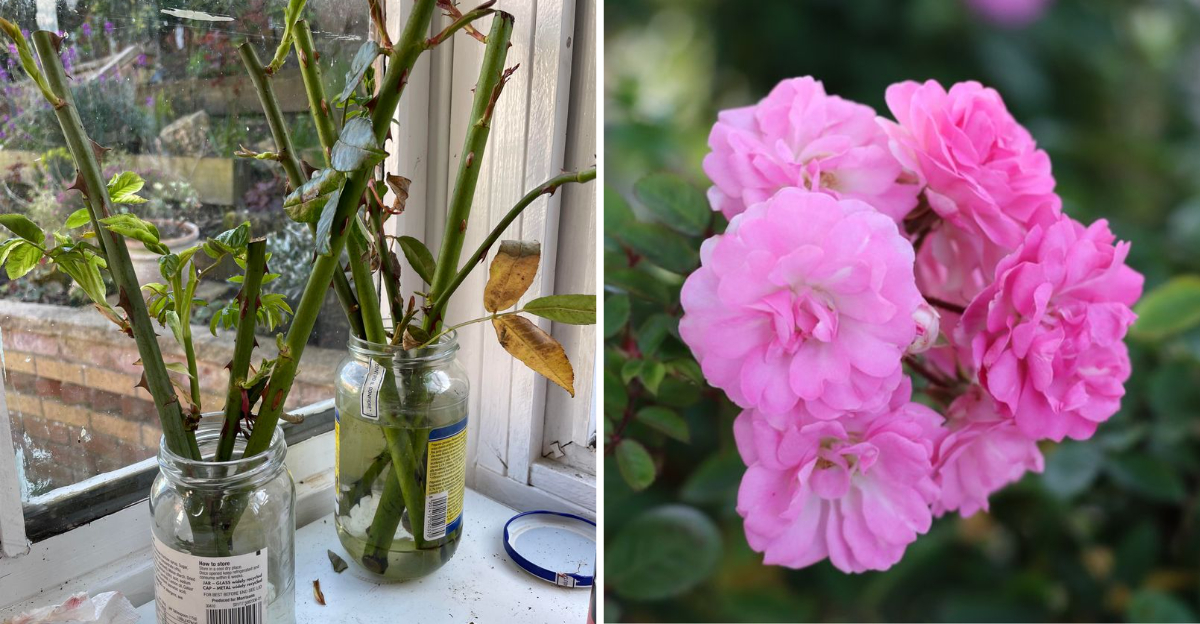
Florida roses don’t follow the same rules as roses up north, and that difference can work in your favor right now. While much of the country is still waiting on frozen ground to thaw, Florida gardens are quietly entering one of the most important moments of the rose-growing year.
Subtle changes in temperature, daylight, and growth patterns signal a short window when roses are perfectly prepared to be propagated. This cooler season gives new cuttings and layered canes the chance to focus on what matters most first, building strong roots without the stress of intense heat or relentless humidity.
Plants started during this time settle in faster, stay healthier, and are better equipped to support abundant spring flowers. Gardeners who act during this window often notice stronger growth, fewer failures, and earlier blooms compared to those who wait.
This moment does not last long in Florida. As temperatures rise, roses shift their energy into rapid top growth, making propagation more challenging.
Taking advantage of this seasonal pause can set the stage for a garden filled with vigorous plants and long-lasting spring color.
1. Why Timing Matters More In Florida
Most gardening advice comes from places with frozen ground and snow-covered branches. Florida operates on a completely different calendar.
Your roses never truly go dormant the way northern varieties do, which means you need to work with their natural rhythm instead of fighting it.
Late winter gives your cuttings the coolest soil temperatures they will experience all year. Root development happens faster when the air stays mild but not hot.
This sweet spot usually arrives between mid-January and early March, depending on where you live in the state.
When you propagate during this window, your new plants get several weeks of relatively gentle weather to establish themselves. Roots spread through the soil without stress.
By the time April warmth arrives, your young roses have already built the foundation they need to support flowers. Waiting until spring heat sets in means your cuttings struggle, losing moisture faster than they can replace it, which weakens their chance of success.
2. How Florida Winters Prepare Roses For Propagation
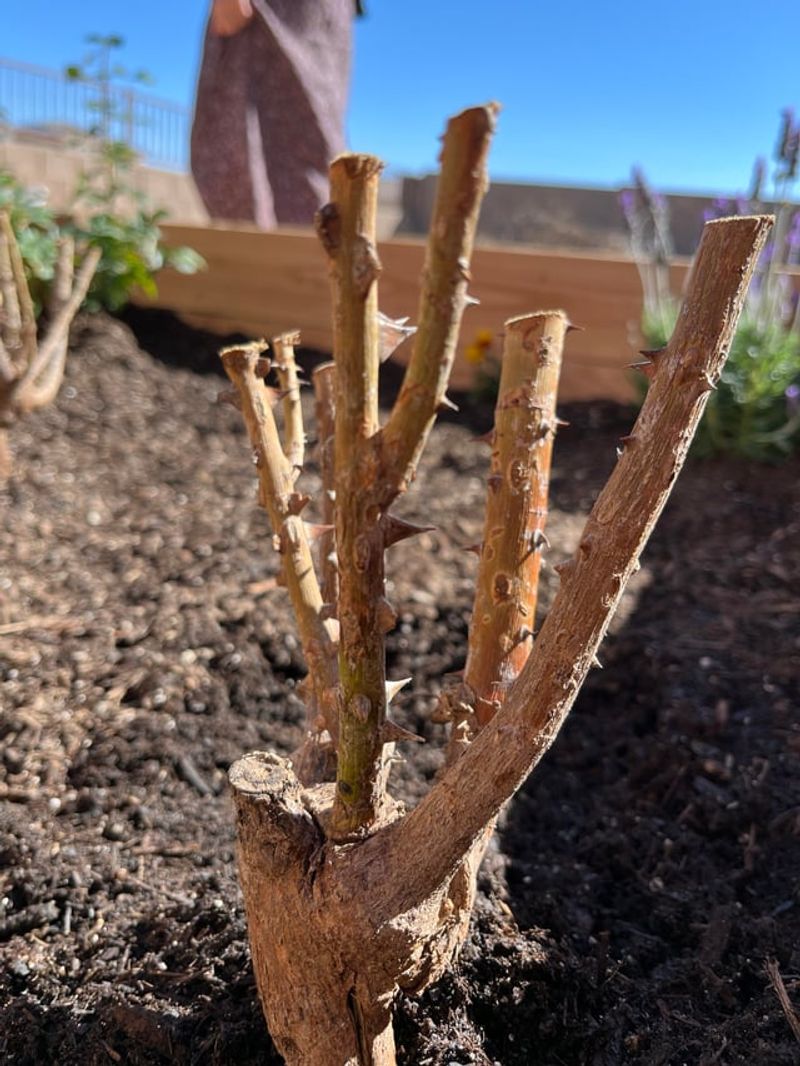
Your rose bushes spend December and January slowing down just enough to redirect their energy. They are not sleeping, but they are resting.
Sap flow decreases, and the plant focuses on root maintenance rather than pushing out new leaves and flowers.
This semi-dormant state makes your roses more willing to share their energy with cuttings. When you take a cutting from a branch that has paused its active growth, the cells inside are primed to respond to propagation.
The plant’s hormone levels during this resting phase are more favorable for root initiation.
Florida’s winter also brings lower humidity levels compared to summer, which reduces the risk of fungal problems on fresh cuts. Your cuttings can callus over and begin forming roots without battling constant moisture in the air.
Morning dew still provides enough humidity to keep leaves from drying out, but afternoon sun is gentler. This combination creates ideal conditions that you will not find during any other season in Florida.
Your Florida Garden Changes Every Week. Your Plan Should Too.
Gardening in Florida changes quickly throughout the season. Every Friday you’ll receive a simple weekly plan showing exactly what to plant, prune, fertilize, harvest, and protect so you never miss the right timing.
3. Why Roses Respond Best Before Spring Heat Arrives
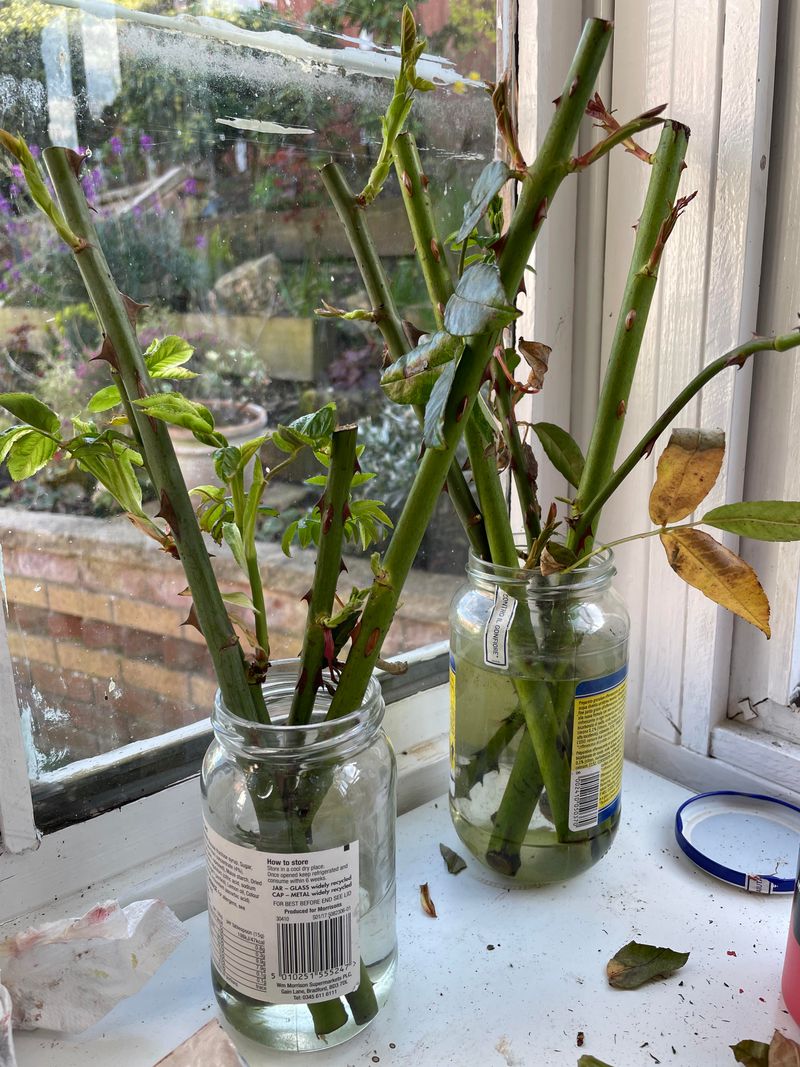
Temperature plays a bigger role in propagation success than most gardeners realize. Rose cuttings need warmth to grow roots, but too much heat causes them to focus on leaf production instead.
When air temperatures climb into the upper 80s and 90s, your cuttings push out foliage before their root systems can support it.
Starting now means your cuttings experience daytime highs in the 70s and nighttime lows in the 50s or 60s. These temperatures encourage root growth without triggering premature leaf expansion.
The cutting stays balanced, building a strong underground network before it worries about photosynthesis.
Once March and April arrive, Florida heat ramps up quickly. If you wait until then to start propagating, your cuttings face an uphill battle.
They lose water through their leaves faster than developing roots can absorb it. Even with careful misting and shade, late-season cuttings show higher failure rates.
Early propagation gives you a head start that makes all the difference when spring blooms begin opening across your garden.
4. Best Rose Types To Propagate In Florida

Not every rose variety handles Florida’s climate with the same grace. Old garden roses, including Chinas, Teas, and Noisettes, have been thriving in the South for generations.
These types root easily from cuttings and tolerate heat and humidity better than many modern hybrids.
Knockouts and other shrub roses also propagate reliably in Florida. Their vigorous growth habit means they bounce back quickly from the stress of cutting and rooting.
You will see new growth within weeks, and by spring, these plants are often ready to produce their first flush of flowers.
Climbing roses adapted to warm climates, such as Lady Banks and Zephirine Drouhin, respond beautifully to propagation during this season. Their flexible canes make excellent cutting material, and they establish fast enough to begin climbing by summer.
Avoid trying to propagate grafted hybrid teas unless you understand that your new plant will grow on its own roots, which may behave differently than the original grafted specimen.
5. Propagation Differences In North Florida
North Florida gardeners experience cooler winters than the rest of the state, with occasional frosts and freezes that push roses closer to true dormancy. Your propagation window opens a bit later, usually starting in mid-February once the risk of hard freezes passes.
Roses in Jacksonville, Tallahassee, and Pensacola slow down more dramatically during winter, which gives you a longer period when cuttings root successfully. You can often continue propagating into early April without the same heat stress that Central and South Florida gardeners face.
Your soil stays cooler longer, which helps cuttings establish roots at a steady pace.
Pay attention to your last frost date, which typically falls between late February and mid-March. Starting cuttings just after this date ensures they will not suffer cold damage while still giving them plenty of time to root before summer.
North Florida’s spring tends to build gradually, offering your new roses a gentle transition into warmer weather that supports strong early blooms.
6. What Central Florida Gardeners Should Watch For
Central Florida sits in the transition zone where winters are mild but not tropical. Orlando, Tampa, and surrounding areas rarely see frost, but nights can still dip into the 40s during January.
Your roses slow down just enough to make propagation effective without going fully dormant.
Watch your roses for signs that they are ready. When new growth pauses and some older leaves begin to yellow naturally due to seasonal change, the plant is entering its rest period.
This usually happens in late December or early January. By mid-January, your roses are primed for cutting, and you have a solid six-week window before spring heat accelerates.
Central Florida gardeners should aim to finish most propagation by early March. After that, temperatures climb quickly, and afternoon thunderstorms become more frequent.
While moisture helps established cuttings, the combination of heat and humidity can encourage fungal issues on fresh cuts. Starting early gives your cuttings time to callus and root before the weather turns unpredictable, setting them up for impressive spring blooms.
7. How South Florida Timing Shifts Earlier
South Florida operates on its own schedule. Miami, Fort Lauderdale, and the Keys experience such mild winters that roses barely pause their growth.
Your propagation window opens earlier and closes faster than anywhere else in the state, usually running from late December through mid-February.
Roses in South Florida never experience the cooling period that triggers semi-dormancy in other regions. Instead, they simply slow their growth rate slightly during the shortest days of the year.
This brief lull is your opportunity. Take cuttings in January when temperatures are at their coolest, giving roots time to form before February warmth encourages rapid top growth.
By March, South Florida temperatures often reach the low 80s regularly, and your roses shift into full spring mode. Cuttings started this late struggle to keep up with the heat.
Starting earlier means your new plants are already established when spring arrives, allowing them to channel energy into blooms rather than survival. South Florida gardeners who propagate in January often see flowers by April.
8. Simple Propagation Methods Florida Gardeners Trust
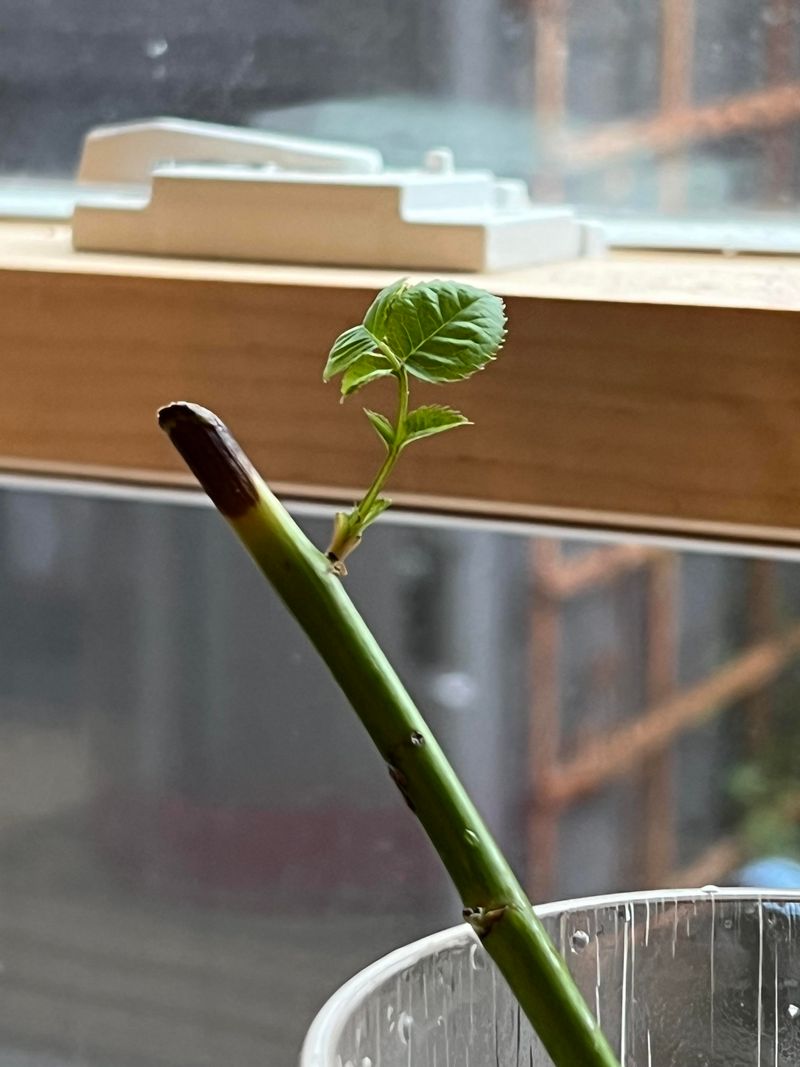
You do not need fancy equipment to propagate roses successfully. Stem cuttings remain the most reliable method for Florida gardeners.
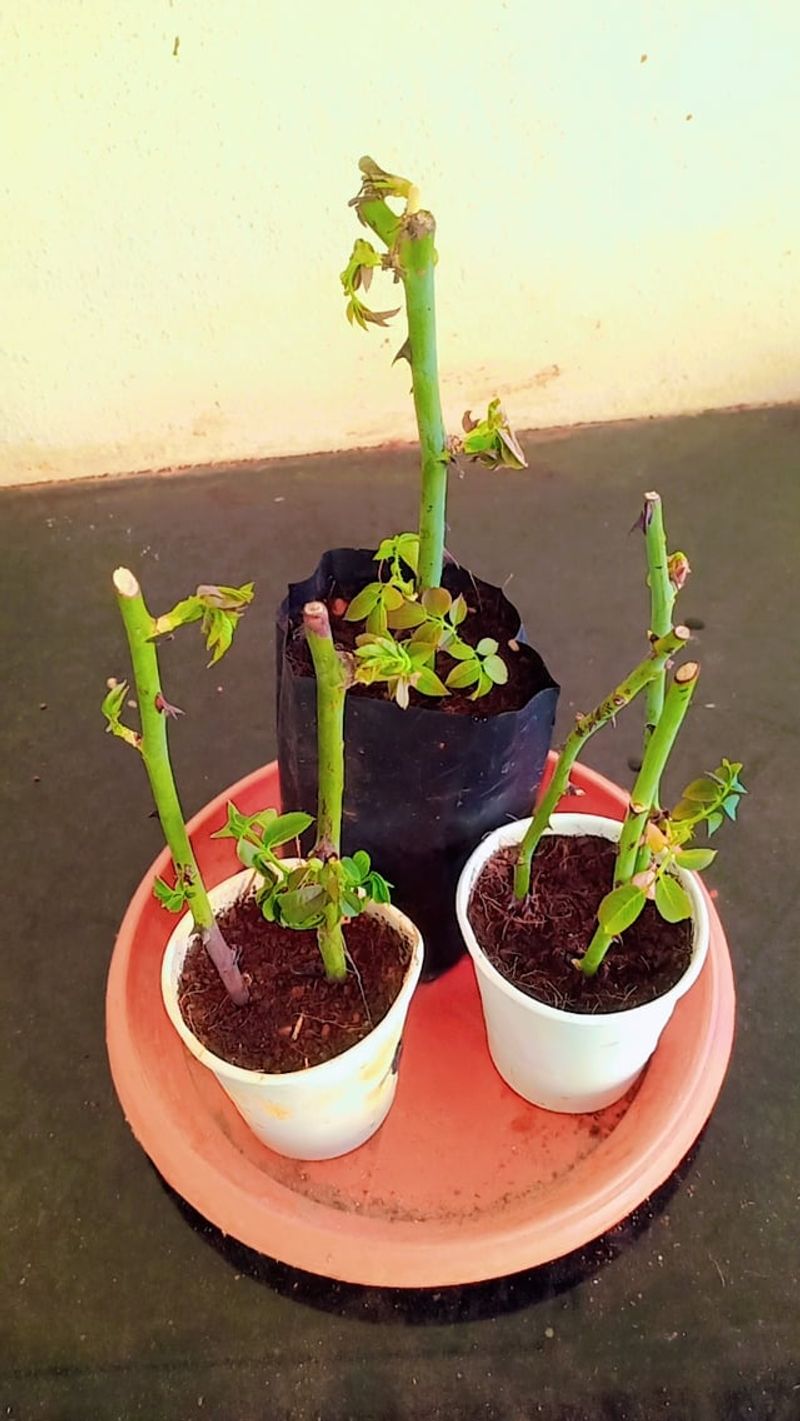
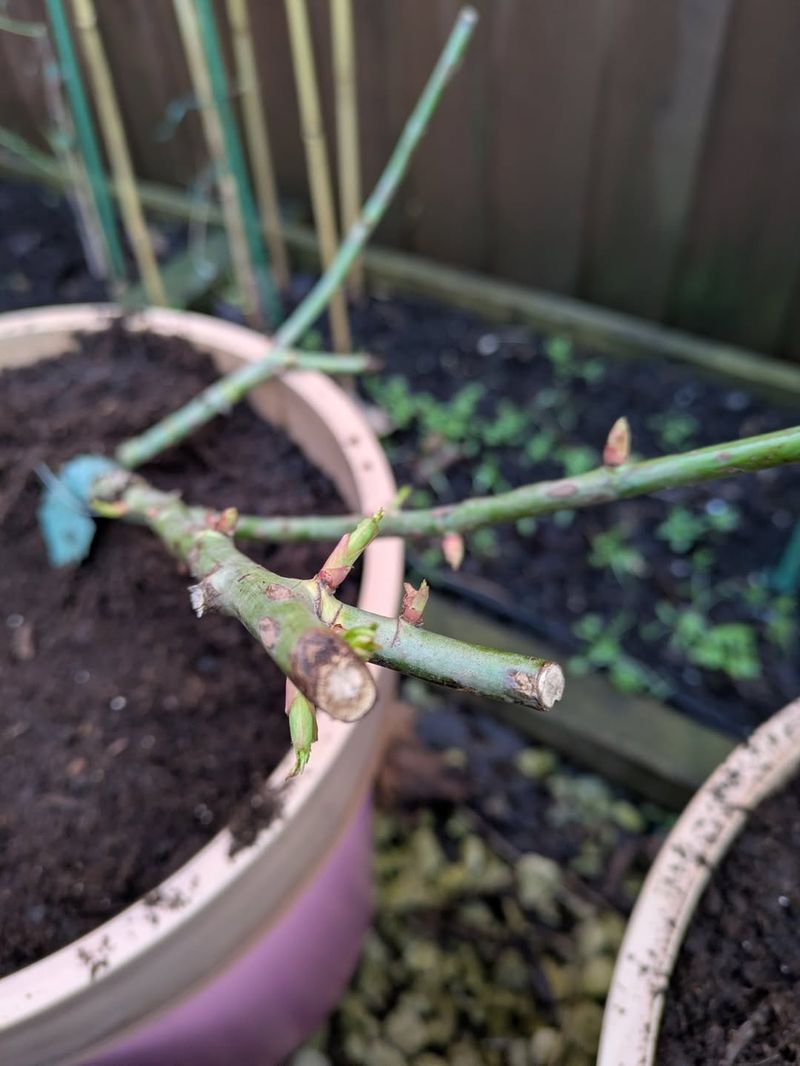
Choose healthy canes about as thick as a pencil, and cut six to eight-inch sections just below a leaf node. Remove lower leaves, dip the cut end in rooting hormone, and plant in a container filled with moistened perlite or a sand-peat mixture.
Layering works beautifully for climbing roses and flexible shrub varieties. Bend a low-growing cane to the ground, wound the underside lightly with a knife, and cover that section with soil while leaving the tip exposed.
Roots form at the wound site over several weeks, and you can separate the new plant once it establishes itself.
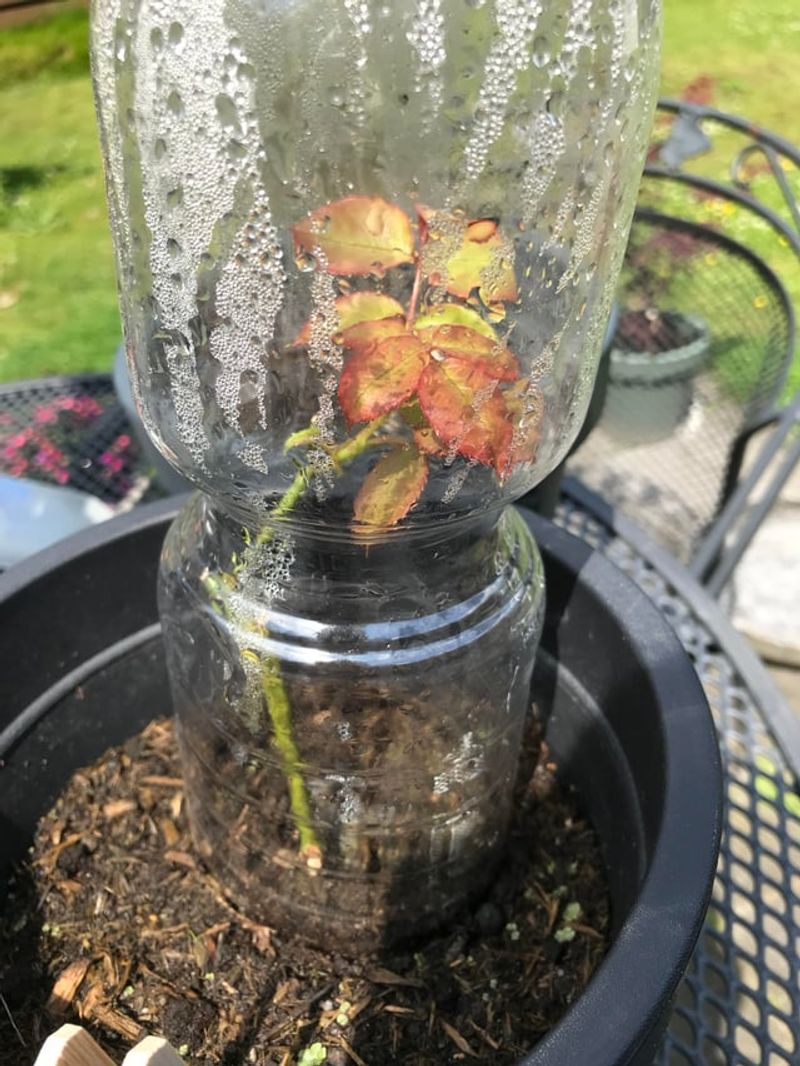
Both methods thrive in Florida’s late winter conditions. Keep your cuttings in bright shade, maintain humidity with light misting or a humidity cover, while ensuring good airflow, and protect them from direct afternoon sun.
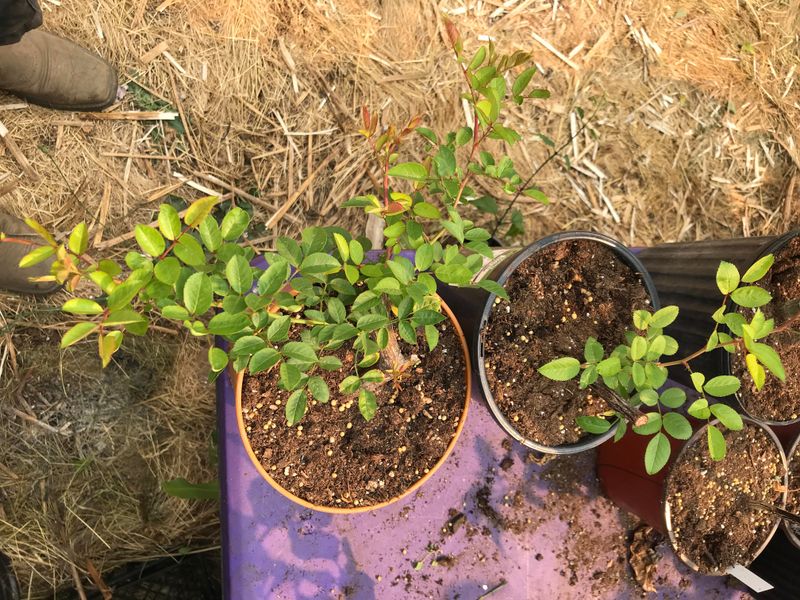
Within four to six weeks, you will see new growth signaling successful rooting. These simple techniques have worked for Florida gardeners for decades.
9. How Early Propagation Leads To Better Spring Blooms
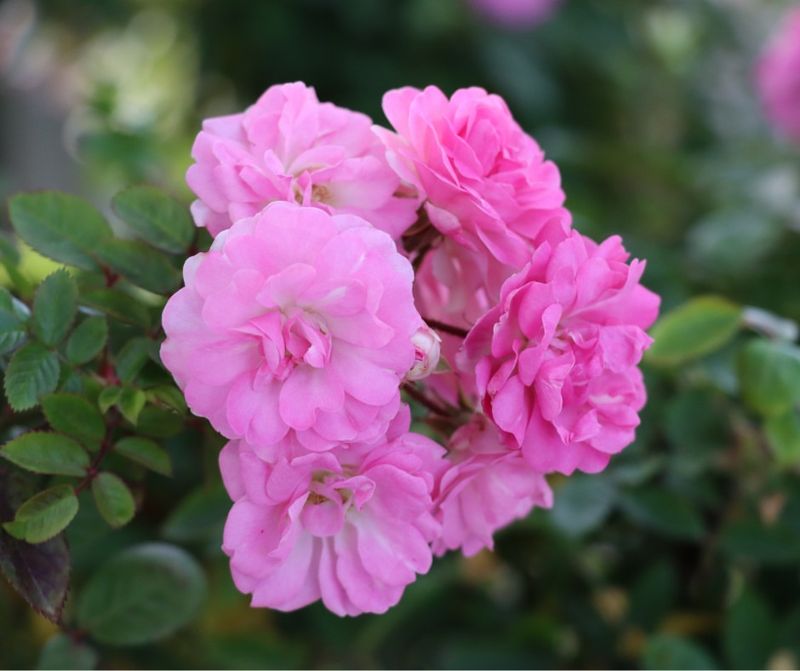
Roses propagated now have a secret advantage that later cuttings never gain. By the time spring warmth arrives in April, your early-started plants have already developed extensive root systems.
These roots reach deeper into the soil, accessing moisture and nutrients that support flower production.
Strong roots mean your new roses can support multiple bloom cycles during spring instead of struggling to produce even one flush of flowers. You will often notice healthier growth and more reliable spring flowering from plants that had time to establish themselves properly.
The difference between a February cutting and an April cutting is dramatic by the time May arrives.
Early propagation also gives your roses time to harden off gradually. They adapt to your garden’s specific conditions while temperatures are still mild, building resilience before summer stress tests them.
When your neighbors are nursing struggling late-season cuttings through the heat, your early-propagated roses will be blooming confidently, proving that timing truly makes all the difference in Florida rose gardening success.