13 Common Florida Trees You Should Never Plant Near Your House
Florida yards are built for shade. When the heat settles in and the sun feels relentless, a fast-growing tree can seem like the perfect solution.
Many homeowners plant what looks good today, never imagining that the real trouble starts years later, underground or high overhead. Some of Florida’s most popular trees come with hidden risks that don’t show up right away.
Roots slowly spread toward foundations and plumbing. Branches grow heavy and unstable as storms become stronger.
What once added beauty and value can eventually lead to cracked driveways, damaged roofs, costly repairs, and difficult insurance claims. These problems catch people off guard because the trees involved are familiar, widely sold, and often recommended by neighbors or older landscaping traditions.
The damage does not happen overnight, and by the time warning signs appear, removal is expensive and stressful.
Knowing which trees create the biggest risks near homes allows you to protect your property, plan smarter landscapes, and avoid preventable headaches down the road.
1. Ficus (Indian Laurel Fig)
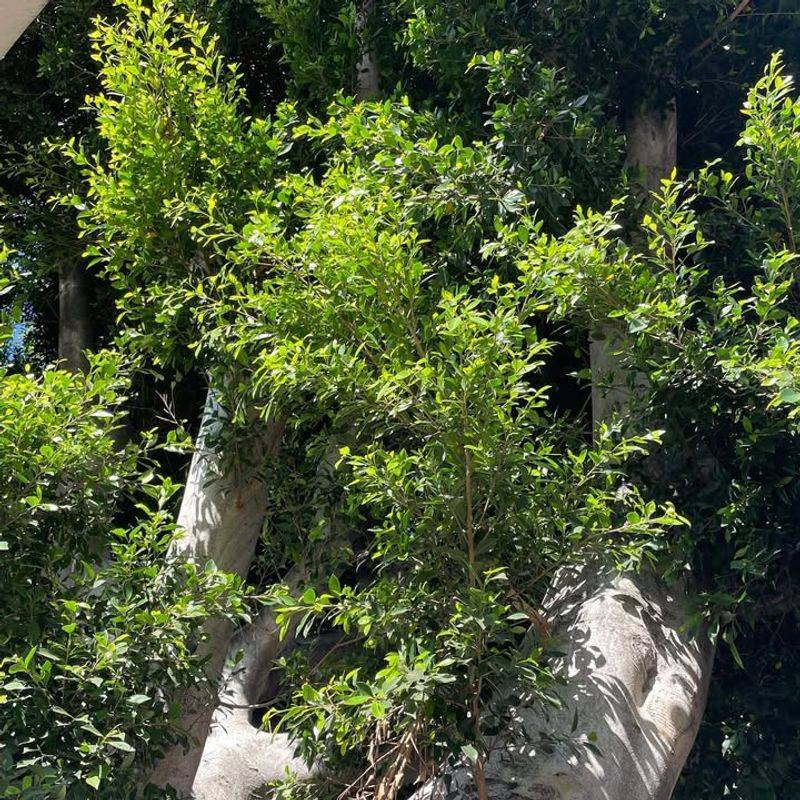
You’ll see these glossy-leaved beauties all over South Florida, often shaped into tidy hedges or privacy screens. Homeowners love how quickly they grow and fill in bare spots along property lines.
What looks perfect at first becomes a serious problem once those roots spread.
Ficus roots are legendary for their aggressive behavior underground. They don’t just grow outward—they actively seek moisture and will infiltrate your plumbing, foundation cracks, and even your septic system.
Once inside pipes, they create blockages that require expensive repairs and sometimes total pipe replacement.
Florida’s sandy soil and frequent irrigation make the problem worse because roots travel farther looking for water sources. Your sidewalks will buckle, driveways will crack, and foundation walls can shift as these powerful roots expand.
Even mature specimens several yards away can send roots under your house.
If you already have a ficus near your home, monitor your plumbing carefully and watch for pavement lifting. For new plantings, keep them at least thirty feet from any structure and away from underground utilities entirely.
2. Australian Pine
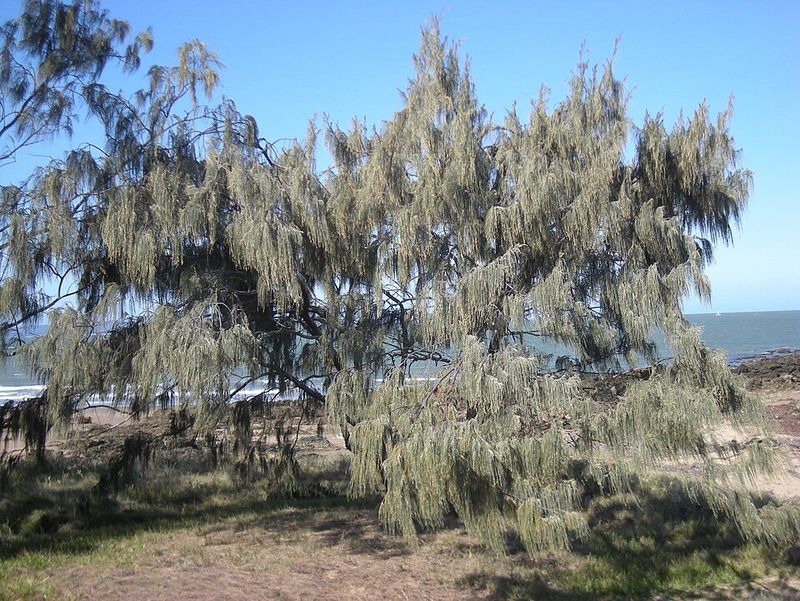
Despite the name, Australian pine isn’t actually a pine tree—it’s a fast-growing casuarina that arrived in Florida decades ago. Coastal homeowners planted them for windbreaks and quick shade, and they certainly deliver on speed.
But that rapid growth comes with serious structural weaknesses you can’t ignore.
Australian pines develop extremely shallow root systems that never anchor properly in Florida’s sandy soils. When hurricane-force winds arrive, these trees topple with alarming regularity, often falling directly onto homes, vehicles, and power lines.
Their wood is brittle and snaps easily even in moderate storms.
The state of Florida now classifies Australian pine as an invasive species because it outcompetes native vegetation and destabilizes coastal dunes. If you have one near your house, it represents a genuine hazard during every tropical weather event.
Insurance companies sometimes raise concerns about them during property inspections.
Your Florida Garden Changes Every Week. Your Plan Should Too.
Gardening in Florida changes quickly throughout the season. Every Friday you’ll receive a simple weekly plan showing exactly what to plant, prune, fertilize, harvest, and protect so you never miss the right timing.
Consider having a certified arborist evaluate any Australian pine within falling distance of your home. Many Florida communities restrict or prohibit planting Australian pine.
While removal is not always legally required for private property owners, arborists and coastal managers strongly recommend removal near homes due to storm failure risk.
3. Bradford Pear
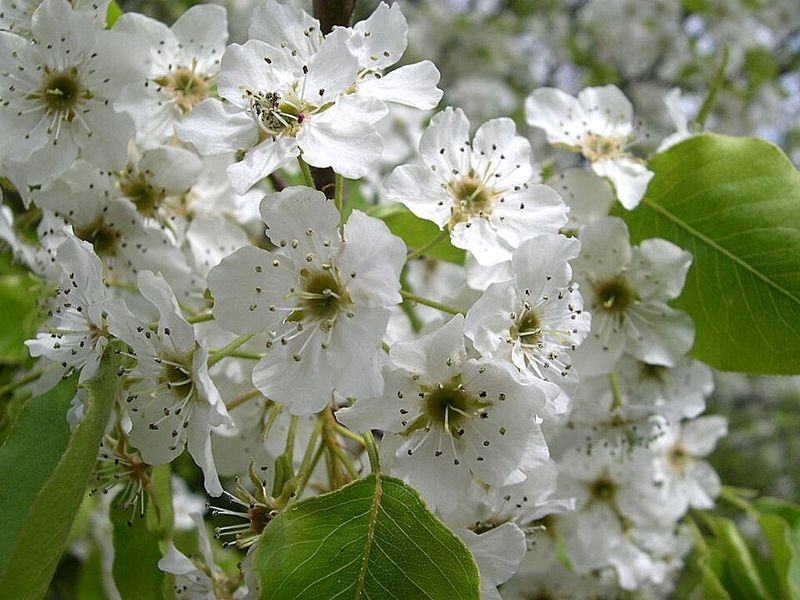
Once celebrated for dramatic spring blooms and a neatly symmetrical shape, this tree became a favorite in suburban neighborhoods across the country. Their explosion of white spring blooms and symmetrical shape made them popular choices for front yards and street plantings.
Unfortunately, beauty doesn’t equal structural integrity.
These trees have a fatal design flaw—their branches grow at narrow angles from the trunk, creating weak attachment points. As the tree matures, heavy limbs split away without warning, especially during Florida’s summer thunderstorms and tropical weather.
A large limb crashing through your roof causes thousands in damage.
Bradford pears also have a relatively short lifespan of about twenty years before they begin breaking apart. Florida’s combination of wet soil, strong winds, and rapid growth accelerates their decline.
You’ll often see mature specimens with major sections missing after storm seasons.
The University of Florida IFAS Extension specifically recommends against planting Bradford pears due to their structural problems. If you have one near your house, budget for eventual removal before it fails.
Choose native Florida trees with stronger branching habits for safer, longer-lasting shade.
4. Silver Maple
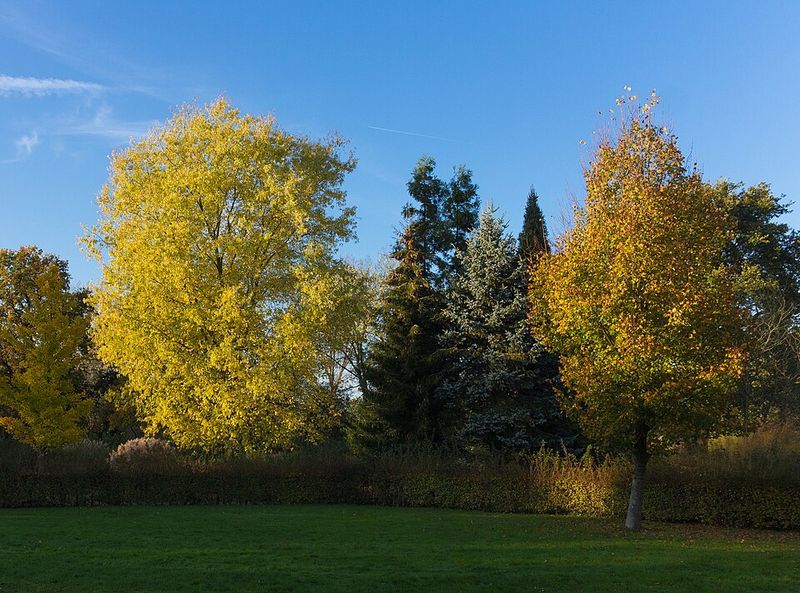
Silver maples bring a touch of northern charm to Florida landscapes with their deeply lobed leaves and fast growth. Transplants from cooler states often plant them hoping for autumn color and familiar shade.
However, these trees struggle in much of Central and South Florida and create multiple problems near homes.
The root system of silver maples is notoriously shallow and aggressive, constantly searching for moisture in our sandy soils. Your water lines, septic systems, and foundation become targets as roots spread outward.
They’ll lift sidewalks and crack driveways with surprising force as they expand.
Silver maples also have weak wood that breaks easily during Florida’s frequent thunderstorms and hurricane events. Large branches drop without warning, and the entire tree can split down the middle under stress.
Their rapid growth produces soft, brittle wood that simply can’t handle high winds.
Florida’s heat and humidity also make silver maples more susceptible to diseases and pest problems than they’d face up north. You’ll spend more time and money maintaining a tree that’s fundamentally unsuited to our climate while risking damage to your property.
5. Weeping Willow
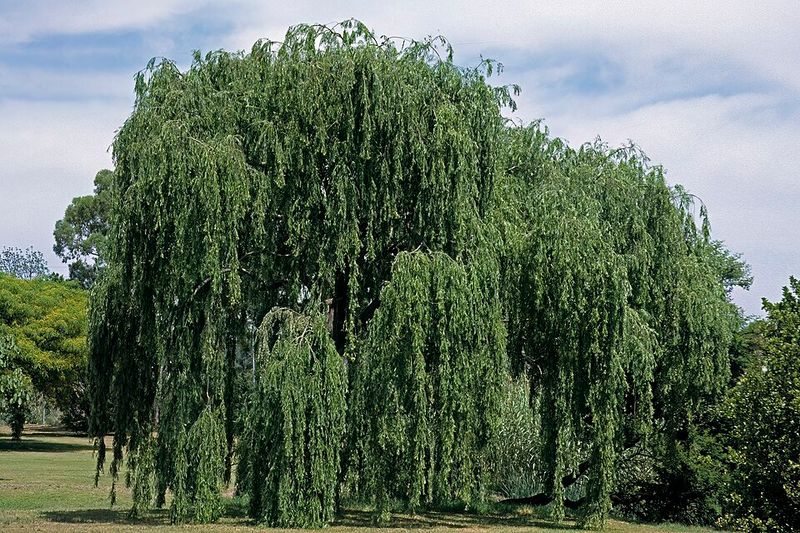
Flowing branches and a graceful silhouette give this tree a romantic appeal, especially when planted near water or low-lying areas. Many Florida homeowners plant them near ponds or low areas, drawn to their elegant appearance and rapid growth.
But that beauty masks some serious practical problems when they’re anywhere near your house.
Willow roots are among the most water-seeking of any tree species. They’ll travel enormous distances to find moisture, infiltrating septic drain fields, water lines, and sewer pipes with aggressive determination.
Once inside pipes, willow roots create dense mats that completely block flow and require professional removal.
These trees also have surprisingly weak wood that snaps and breaks during storms. Florida’s summer thunderstorms and tropical weather regularly tear large sections from weeping willows, sending heavy branches crashing down.
When planted close to homes, this becomes a genuine safety concern.
Weeping willows are also messy trees that constantly drop twigs, leaves, and small branches. Your gutters will clog repeatedly, and the debris piles up quickly.
They’re simply too high-maintenance and too risky for locations near homes, driveways, or underground utilities in Florida landscapes.
6. Banyan Tree
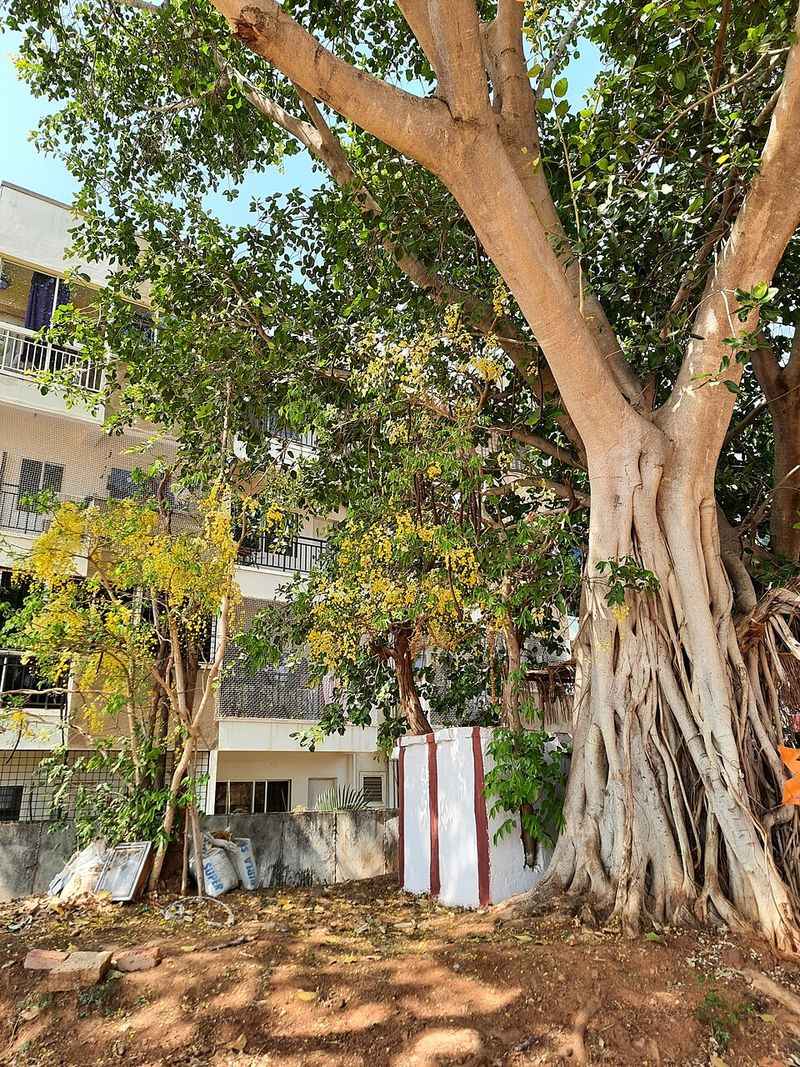
Banyan trees are absolutely magnificent specimens that define South Florida landscapes with their massive canopies and aerial roots. They create living architecture that’s genuinely breathtaking to see in parks and botanical gardens.
But these giants have no place anywhere near residential structures.
A single banyan can eventually cover several acres as it sends down aerial roots that become new trunks. Those roots will engulf fences, walls, and anything else in their path.
The main root system spreads even farther underground, infiltrating foundations, pools, and septic systems with unstoppable force.
Banyans also create enormous weight loads on the soil beneath them. As they expand, they can cause settling and shifting in nearby structures.
Their shade is so dense that nothing grows beneath them, and their constant leaf drop creates maintenance nightmares for homeowners.
These trees belong in large public spaces where they have room to reach their full potential without threatening infrastructure. If you’re tempted by a young banyan for your yard, remember it will eventually dwarf your entire property and create problems that cost far more than the tree’s initial appeal was worth.
7. Melaleuca (Paperbark Tree)
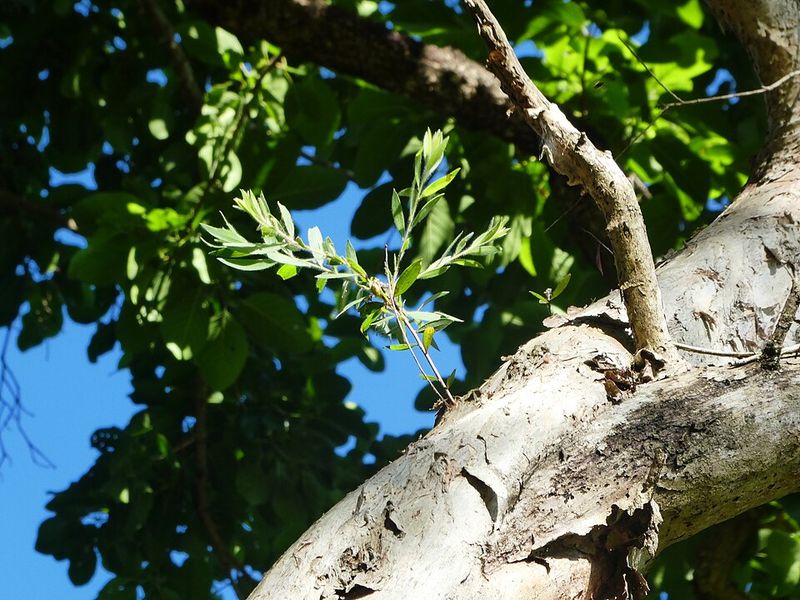
Melaleuca trees were actually introduced to Florida deliberately in misguided attempts to dry out the Everglades. Their ability to consume vast amounts of water seemed useful at the time.
Now we understand they’re one of the most problematic invasive species in the state.
These trees grow incredibly fast and produce millions of seeds that spread aggressively throughout Florida landscapes. Once established, they’re difficult to remove because they resprout from cut stumps and root fragments.
They’ll take over your yard and spread into natural areas, displacing native vegetation.
Melaleuca roots are highly invasive and will damage septic systems, water lines, and foundations as they spread. Their water consumption is so extreme that they can actually lower water tables in surrounding areas.
Florida law prohibits the planting and sale of melaleuca. While removal is not universally mandated on private property, it is strongly encouraged, and required in certain managed or restoration areas.
If you discover melaleuca on your property, contact your local county extension office for removal guidance. These trees represent both a legal liability and a genuine threat to Florida’s native ecosystems.
They have no place in responsible residential landscaping anywhere in the state.
8. Laurel Oak
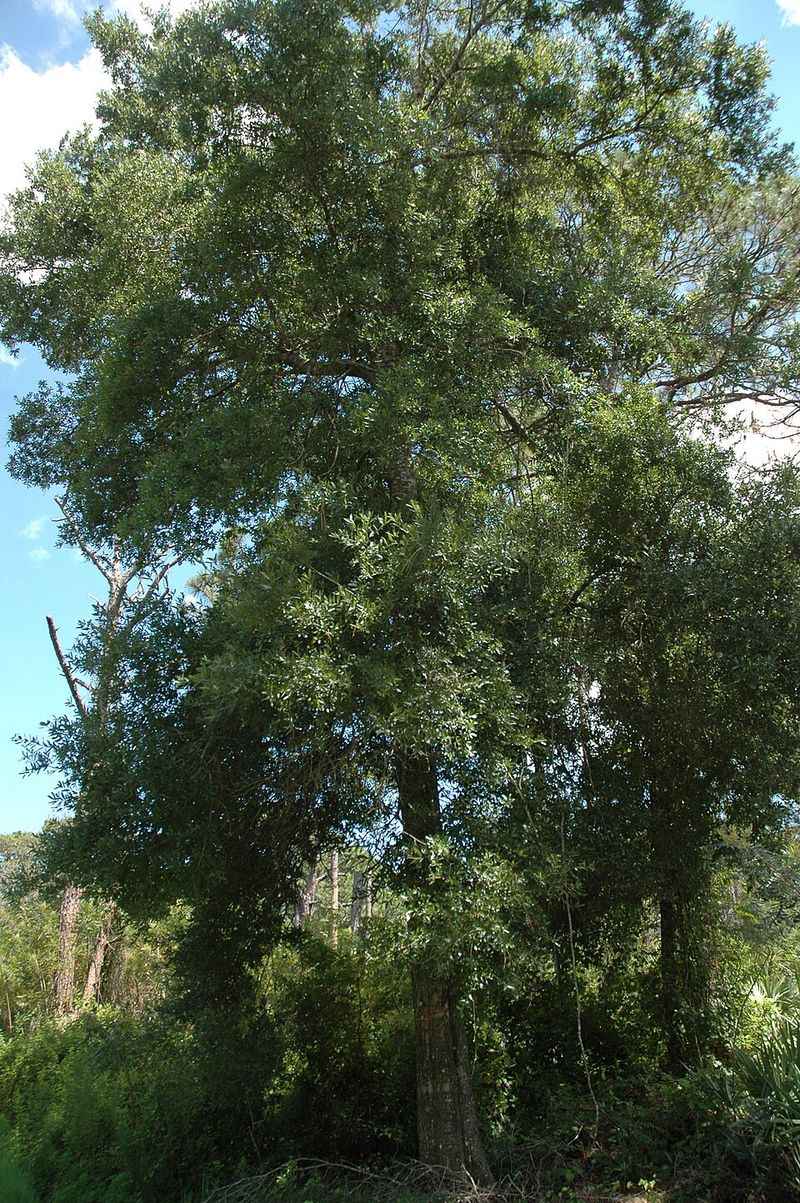
As a native species found throughout the state, this oak is often assumed to be a safe and reliable choice for residential yards. They provide lovely shade and grow relatively quickly compared to other native oaks.
However, their short lifespan and structural problems make them risky near homes.
Most laurel oaks only live about fifty to seventy years, which is quite short for an oak species. As they age, they become increasingly prone to heart rot and internal decay that isn’t visible from outside.
Large limbs or entire trunks can fail suddenly, especially during storms, dropping massive amounts of wood onto whatever sits below.
Florida’s hurricane season puts extra stress on mature laurel oaks. Their wood is softer than other oak species, and decay progresses faster in our humid climate.
Arborists frequently find extensive internal rot in laurel oaks that still look healthy from the outside.
If you have mature laurel oaks near your house, have them inspected regularly by a certified arborist. Watch for signs of decline like thinning canopies, fungal growth on the trunk, or large branches in the crown.
Consider gradually replacing them with longer-lived native species as they age.
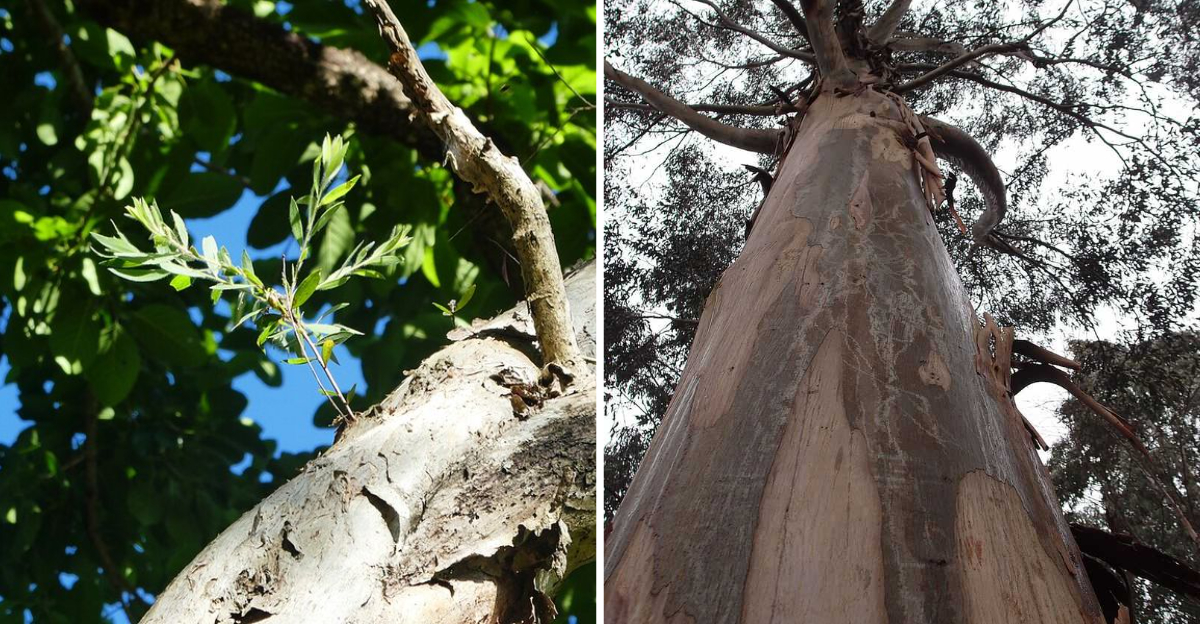
9. Eucalyptus
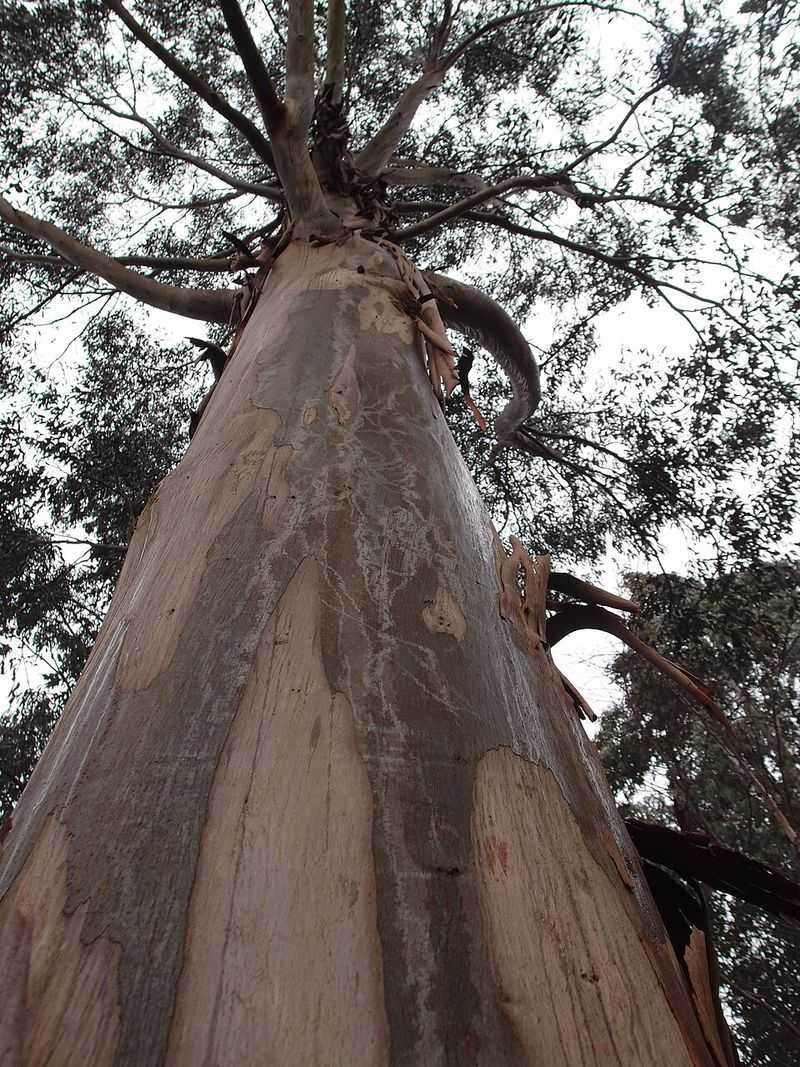
Peeling bark and a strong, distinctive scent give this imported tree an eye-catching presence in Florida landscapes. Their fast growth and unusual appearance make them tempting choices for homeowners wanting something different.
But these Australian imports come with serious problems in Florida’s climate.
Eucalyptus species are extremely flammable, containing volatile oils throughout their leaves and bark. In dry, rural, or wildfire-prone areas of Florida, they represent genuine fire hazards near homes.
Their bark sheds constantly, creating piles of highly combustible material around the base that can ignite from lightning strikes or other sources.
These trees also have aggressive root systems that seek water and nutrients over large areas. They’ll damage foundations, sidewalks, and underground utilities as they spread.
Eucalyptus wood is brittle and breaks easily during storms, sending large branches crashing down with little warning.
Many eucalyptus species struggle with Florida’s humidity and pest pressures. They’re susceptible to various diseases and insects that weaken them over time.
The combination of fire risk, structural problems, and aggressive root systems makes eucalyptus a poor choice for any location near your home or other structures.
10. Norfolk Island Pine
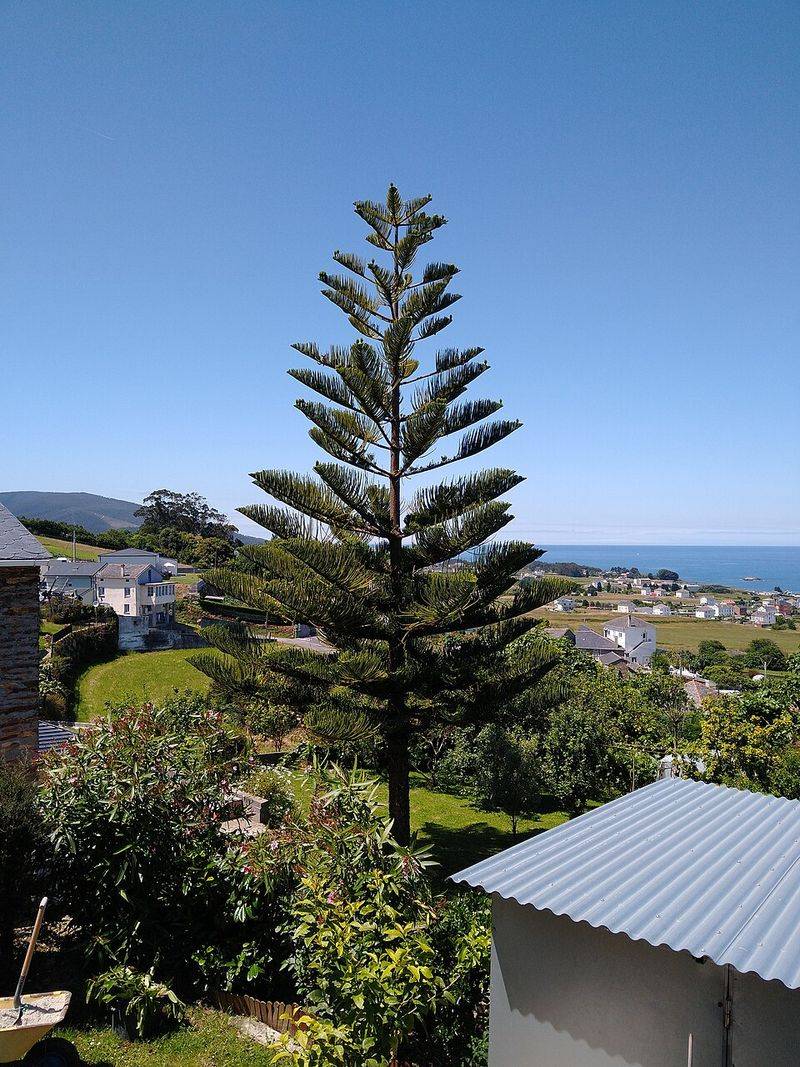
Symmetrical tiers of branches and a tropical appearance have made this tree especially popular in coastal communities. Many people plant them as living Christmas trees that can stay outdoors year-round.
They look charming when young but develop serious problems as they mature. Norfolk Island pines are not invasive, but their height and shallow roots make them risky when planted close to homes.
These trees can eventually reach heights of over one hundred feet in Florida’s climate. Their root systems remain relatively shallow for such tall trees, making them increasingly unstable as they grow.
Hurricane-force winds can topple mature Norfolk Island pines with surprising ease, and they often fall in one massive piece.
The wood is soft and branches break readily during storms even before the whole tree fails. Large sections can drop onto roofs, vehicles, and power lines during tropical weather events.
Their height also makes them lightning attractors, which poses additional risks to nearby structures.
Norfolk Island pines belong at the beach in open areas where they have room to grow and where falling branches won’t damage property. Keep them well away from your house, and remember that cute six-foot specimen will eventually become a towering giant that’s difficult and expensive to remove.
11. Chinaberry Tree
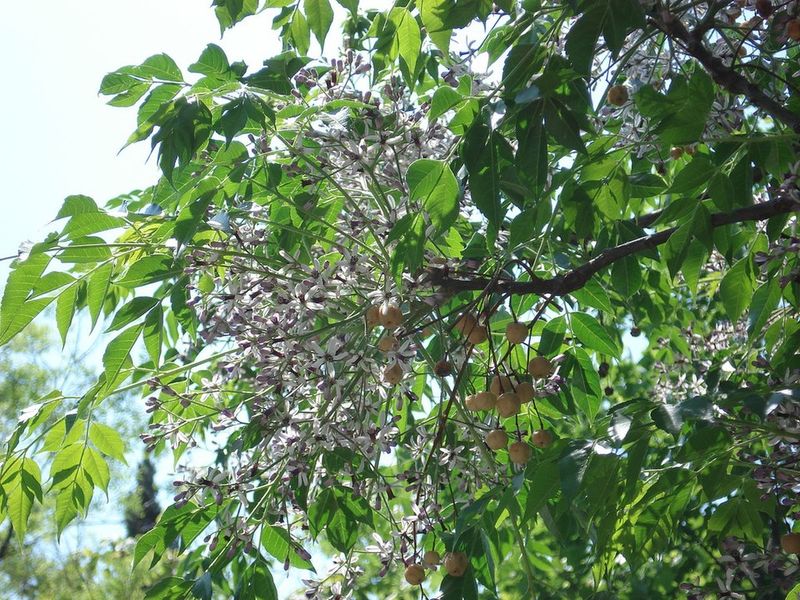
Clusters of pale purple flowers followed by bright yellow berries once made this fast-growing tree a common choice around older homes. They grow quickly and tolerate poor soil, which made them popular farmstead trees decades ago.
Many older Florida properties still have chinaberry trees planted near old home sites.
These trees are now recognized as invasive in Florida, spreading aggressively through bird-dispersed seeds. They’ll pop up throughout your yard and neighboring properties, creating maintenance headaches.
The berries are toxic to humans and some animals, which poses risks if you have children or pets.
Chinaberry wood is weak and brittle, breaking easily during storms and dropping branches without warning. The trees are also relatively short-lived and prone to disease as they age.
Their root systems can damage sidewalks and foundations as they spread.
Florida’s humidity encourages rapid decline in aging chinaberry trees. You’ll often see hollow trunks and extensive decay in mature specimens.
The combination of invasive behavior, weak structure, and toxicity makes them unsuitable for modern residential landscapes, especially near homes where falling branches pose safety concerns.
12. Camphor Tree
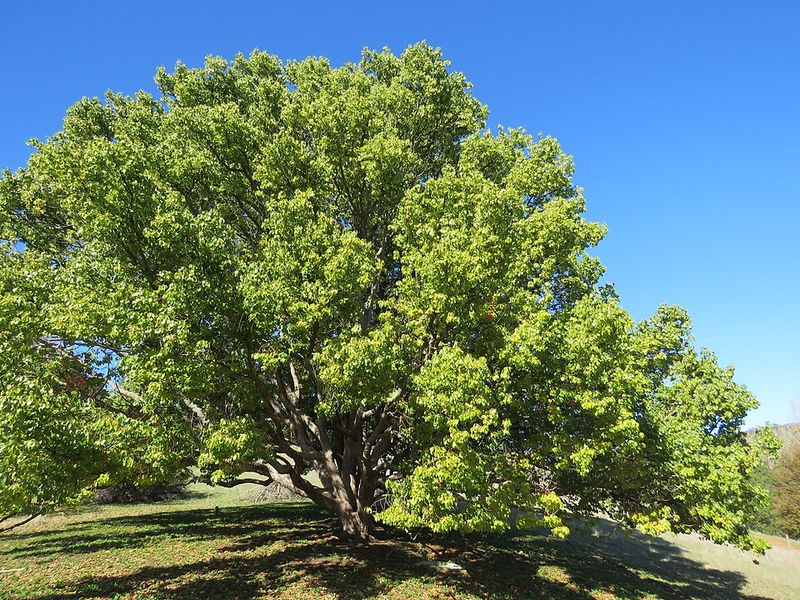
Camphor trees were once widely planted in Florida for their dense evergreen foliage and aromatic leaves. Older neighborhoods often have massive specimens that predate current understanding of their problems.
They provide wonderful shade and seem sturdy, but they’re actually quite problematic near homes.
These trees produce extremely aggressive root systems that lift sidewalks, driveways, and patios with remarkable force. The roots seek moisture and will infiltrate septic systems, water lines, and foundation cracks.
Camphor trees are also classified as invasive in Florida because they spread readily and displace native vegetation.
Their dense canopy and root competition make it nearly impossible to grow grass or other plants beneath them. The fallen leaves contain compounds that inhibit other plants’ growth, creating bare zones around the tree.
This allelopathic effect extends well beyond the drip line.
Camphor trees also produce thousands of berries that birds spread throughout your property and beyond. Seedlings pop up everywhere and require constant removal.
While mature specimens have some historical charm, they’re simply too aggressive and invasive for responsible planting near modern homes and infrastructure.
13. Royal Poinciana
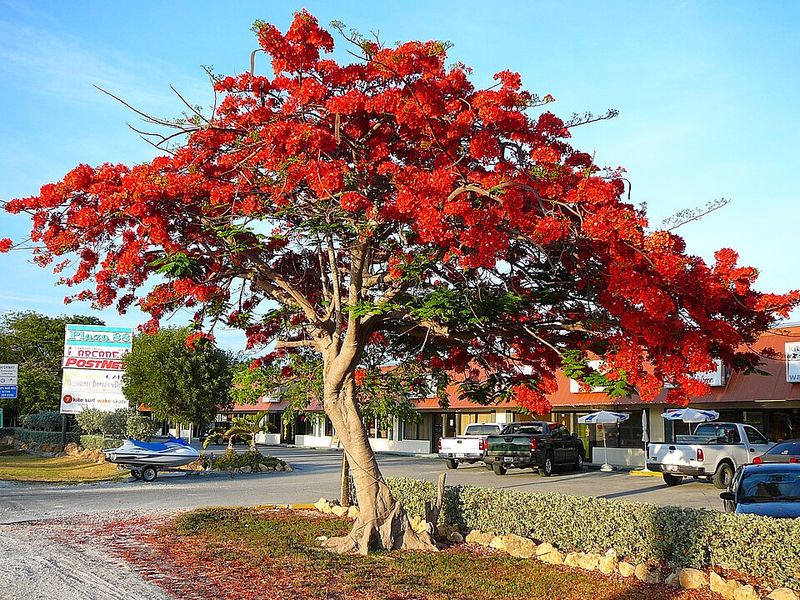
Few sights match the impact of fiery red-orange blooms covering a broad canopy in late spring and early summer. They’re iconic South Florida trees that define tropical landscapes with their spreading canopies and vibrant blooms.
But their beauty comes with significant structural limitations near homes.
These trees develop wide, spreading canopies that can extend forty to sixty feet across. Their root systems spread equally wide but remain relatively shallow, making large specimens unstable during high winds.
Hurricane season regularly brings down royal poincianas planted too close to structures.
The wood is somewhat brittle and branches break more easily than many other tropical trees. Even moderate storms can cause significant branch drop from mature specimens.
Their massive size also means any falling limb carries tremendous weight and destructive potential.
Royal poincianas also have surface roots that will crack driveways and sidewalks as the tree matures. They need enormous space to reach their full potential safely.
Plant them well away from your house—at least fifty feet—where you can enjoy their spectacular blooms without risking storm damage to your property.
These trees are not inherently bad. Problems arise primarily when they are planted too close to homes, pavement, or underground utilities.
Local soil conditions, maintenance, and planting distance all matter. Consult a certified arborist or your local UF/IFAS Extension office before planting large trees.