These 9 Night-Blooming Flowers Turn Florida Gardens Into Nighttime Showstoppers
Florida evenings hit different once the sun goes down. The heat eases, the air turns heavy and warm, and suddenly your yard smells amazing.
That’s when these flowers wake up. All day they sit there quietly, looking like nothing special.
Then dusk rolls in and buds start opening right in front of you. Big white blooms appear almost out of nowhere, glowing in porch lights and moonlight, filling the air with fragrance that carries across the yard.
Some only bloom for a single night, which makes catching them feel like a little victory. Others open every evening all summer long, turning patios, fences, and walkways into something you actually want to sit outside and enjoy.
If you think Florida gardens are only impressive during the day, these plants will change your mind fast. Once you grow even one of them, stepping outside after dark becomes the best part of the day.
1. Night-Blooming Cereus (Epiphyllum oxypetalum)
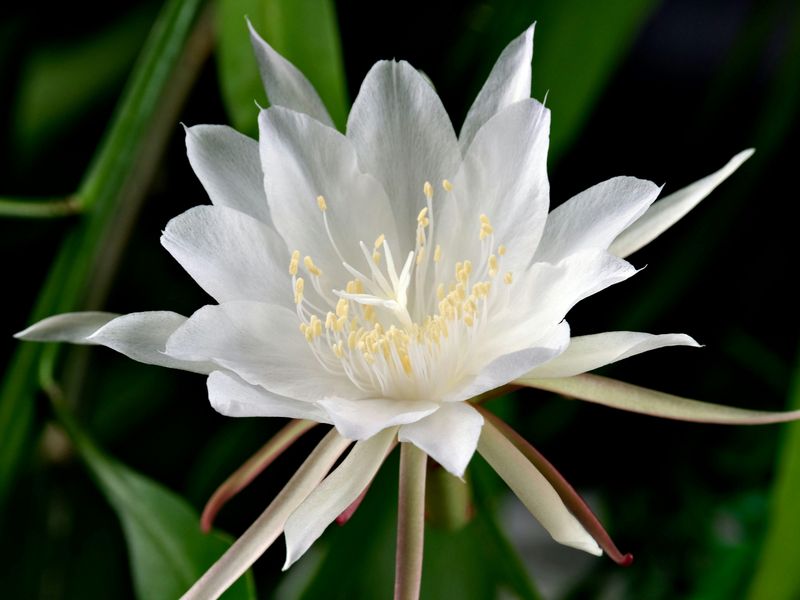
Around 9 or 10 PM on humid summer nights, this cactus puts on a performance you won’t forget. Buds that looked almost lifeless during the day suddenly unfurl into massive white flowers nearly a foot across, releasing a perfume so sweet and strong it fills your entire patio.
Each bloom lasts just one night, making every opening feel like a special event worth staying up for.
Central and South Florida gardeners have the easiest time with this epiphytic cactus since it needs warmth and can’t handle frost. North Florida folks should grow it in containers they can move indoors when cold snaps threaten.
The plant itself looks scraggly and flat-leaved, almost like it’s not even a cactus, but that homely appearance makes the blooms even more dramatic.
Hang it in a basket near your back door or porch where you’ll catch the fragrance drifting inside. It tolerates Florida’s humidity beautifully and actually prefers dappled shade over full sun.
Water it regularly during our rainy season, then back off in winter when growth slows and blooming pauses until the heat returns.
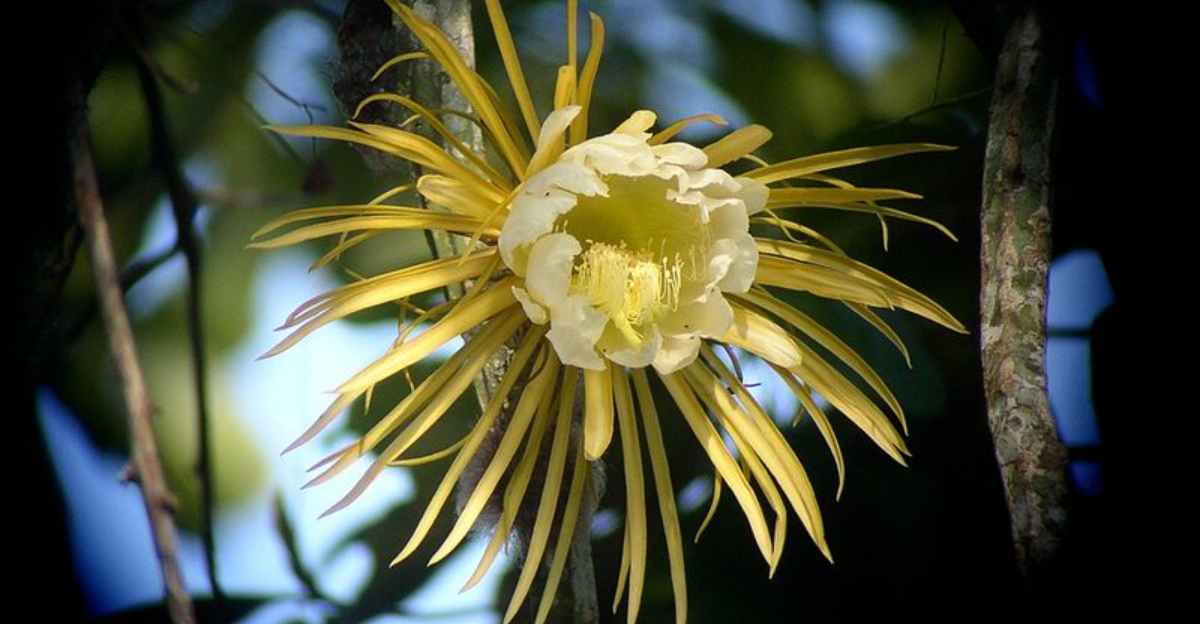
2. Queen of the Night (Selenicereus grandiflorus)
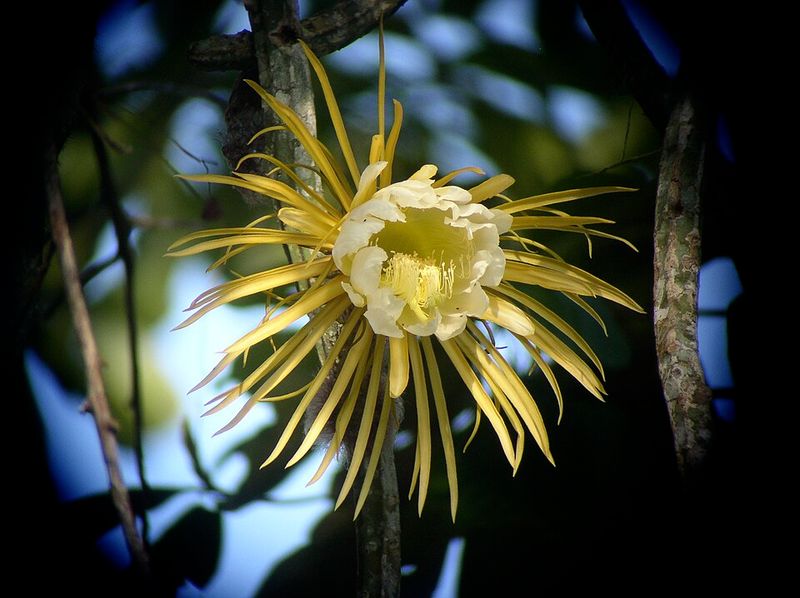
Often confused with its cousin the cereus, this climbing cactus produces even larger blooms that can reach up to 12 inches across when they open late at night, often after midnight. The flowers glow pure white in moonlight, with a golden center surrounded by layers of silky petals that look almost unreal.
Their vanilla-and-jasmine scent carries across your yard, announcing their arrival to anyone sitting outside in the cool night air.
South Florida provides ideal conditions since this species thrives in zones 10 and 11 where frost never threatens.
Central Florida gardeners can succeed with careful placement against a south-facing wall that holds daytime heat, while North Florida residents should treat it as a greenhouse or sunroom plant.
The vine itself scrambles and climbs, so give it a trellis or fence to grab onto.
Blooming happens most reliably from late spring through early fall when heat and humidity peak. Plant it where you can see it from a window or seating area since the flowers open so late you might miss them otherwise.
Your Florida Garden Changes Every Week. Your Plan Should Too.
Gardening in Florida changes quickly throughout the season. Every Friday you’ll receive a simple weekly plan showing exactly what to plant, prune, fertilize, harvest, and protect so you never miss the right timing.
Morning reveals wilted blooms that collapse into wrinkled shadows of their nighttime glory, so enjoy them while darkness lasts.
3. Moonflower (Ipomoea alba)
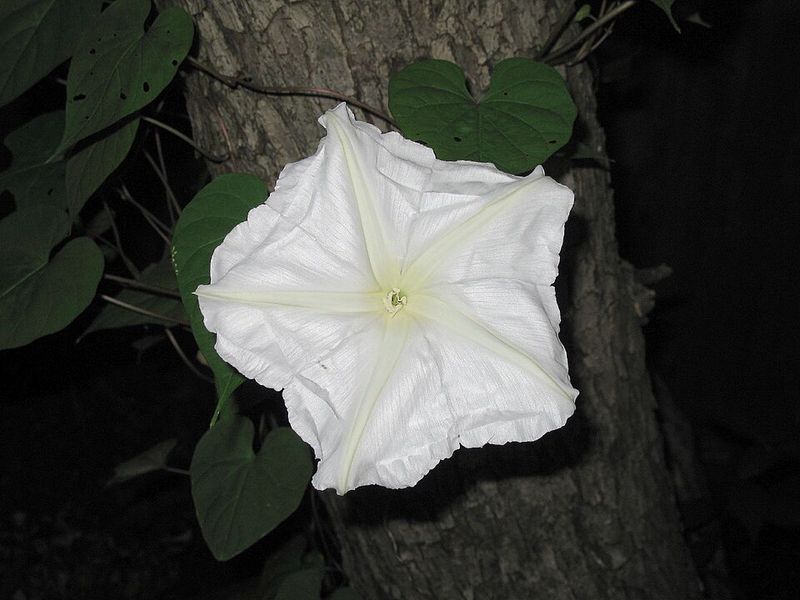
Watching moonflowers open feels like witnessing time-lapse photography in real life. Starting around sunset, the tightly spiraled buds begin to untwist, and within 15 minutes they’ve unfurled into pure white trumpets nearly six inches wide.
The vines bloom reliably every single evening throughout summer and fall, giving you a dependable nightly show that never gets old no matter how many times you watch it happen.
Every region of Florida can grow moonflowers with success since they handle both heat and occasional cool snaps without complaint. They’re true annuals that reseed themselves generously, so once you plant them you’ll likely have volunteers popping up year after year.
The vines grow fast and vigorous, easily covering a mailbox, arbor, or chain-link fence in just a few months of warm weather.
Plant seeds in spring after the last frost, soaking them overnight to speed germination. They prefer full sun during the day to fuel all that nighttime blooming, and they’ll drink up Florida’s summer rains eagerly.
Position them near your outdoor living spaces so you can enjoy both the opening ritual and the light lemon scent that intensifies as darkness deepens.
4. Night-Blooming Jasmine (Cestrum nocturnum)
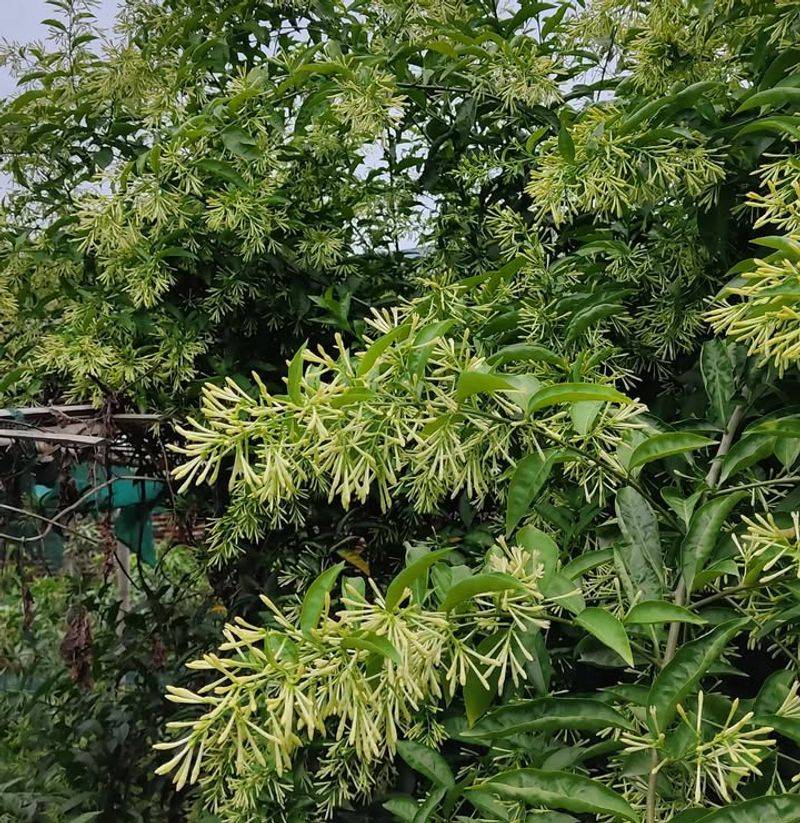
You’ll smell this shrub long before you see it. Night-blooming jasmine releases one of the most powerful fragrances in the plant world, a sweet perfume so intense it can overwhelm small spaces but transforms large yards into scented sanctuaries.
The tiny greenish-white tubular flowers look insignificant during daylight hours, but once darkness falls they pump out waves of fragrance that attract moths from remarkable distances.
South and Central Florida provide the best growing conditions since this tropical shrub suffers when temperatures drop below freezing. North Florida gardeners should plant it in protected courtyards or grow it in large containers they can shelter during winter cold snaps.
The shrub grows rapidly into a rangy, somewhat leggy form that benefits from regular pruning to keep it bushy and contained.
Blooming peaks during summer but continues sporadically year-round in frost-free areas whenever warm humid nights occur.
Plant it at least 10 to 15 feet from bedroom windows since the fragrance can be too strong for enclosed spaces, but perfect for patios and pool areas.
This plant is toxic if ingested and should be grown responsibly, as it can spread aggressively in warm climates. It tolerates both sun and partial shade, adapting well to Florida’s intense afternoon light and frequent summer thunderstorms that provide natural irrigation.
5. Four O’Clocks (Mirabilis jalapa)
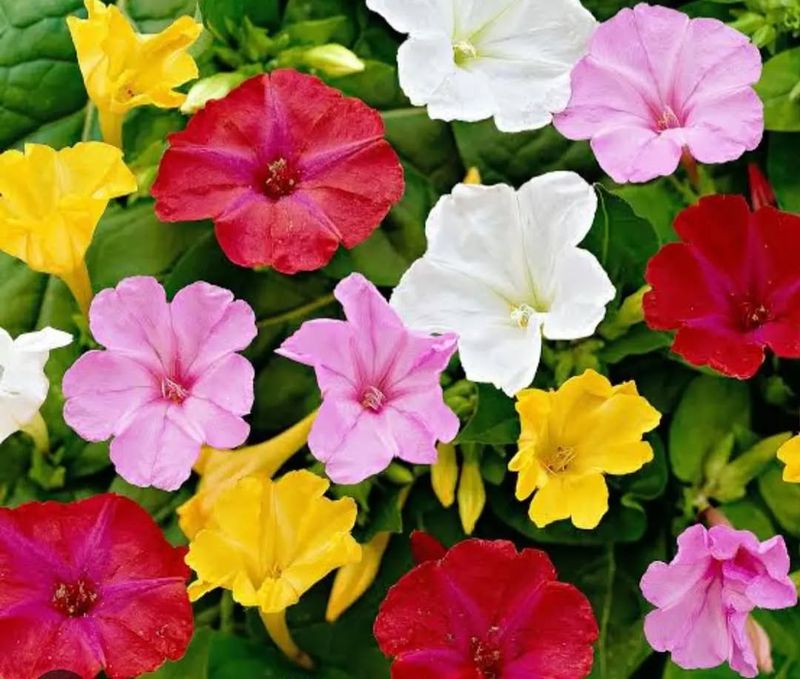
True to their name, these cheerful flowers pop open in late afternoon and stay fresh into the evening and early night, greeting you when you come home from work. Blooms appear in vibrant shades of pink, magenta, yellow, white, and even striped combinations, often with multiple colors on the same plant.
They carry a light sweet fragrance that intensifies as evening progresses, though it’s gentler than some of the more powerful night bloomers on this list.
Four o’clocks thrive throughout all Florida zones since they grow from tuberous roots that survive mild winters and resprout each spring.
In South Florida they often behave as perennials that never fully go dormant, while North Florida gardeners may see them retreat underground during cold months then return enthusiastically when warmth arrives.
They self-sow freely, naturalizing into colorful drifts that require almost no maintenance once established.
Plant them in full sun to partial shade where you’ll pass by in late afternoon and evening hours. They handle Florida’s heat, humidity, and sandy soils without complaint, and they’re remarkably drought-tolerant once their roots establish.
The bushy plants grow two to three feet tall, creating living bouquets that refresh themselves nightly all summer and fall long.
6. Evening Primrose (Oenothera species suitable for Florida)
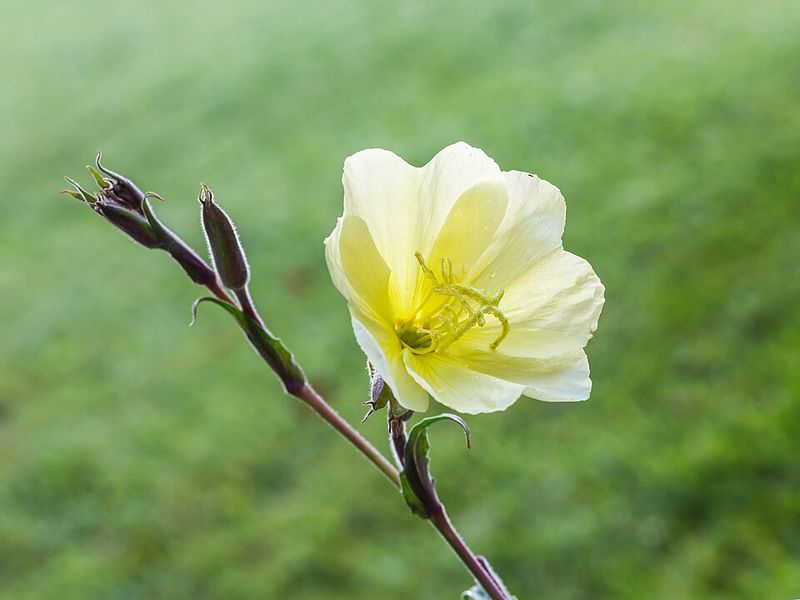
Evening primrose blooms unfold in the fading light of late afternoon, their soft yellow or pink flowers seeming to glow as dusk deepens into night. The petals have a delicate, papery texture that catches the last rays of sun and reflects moonlight beautifully.
A subtle sweet fragrance emerges after dark, attracting sphinx moths that hover like tiny hummingbirds while sipping nectar from the open blooms.
Several Oenothera species adapt well to Florida conditions, particularly in North and Central Florida where they appreciate slightly cooler nights. South Florida gardeners can grow them during the cooler months from fall through spring when temperatures moderate.
These plants prefer well-drained soil and full sun, making them excellent choices for sandy Florida landscapes that drain quickly after summer downpours.
Most evening primrose varieties grow as low-growing perennials or biennials that spread gradually into attractive groundcovers. They bloom prolifically from spring through fall in areas with moderate climates, with each flower lasting just one night before fading.
Plant them along pathways or near seating areas where you can appreciate their gentle evening presence and watch moths visit after sunset, creating a living nature show in your own backyard.
7. Brugmansia
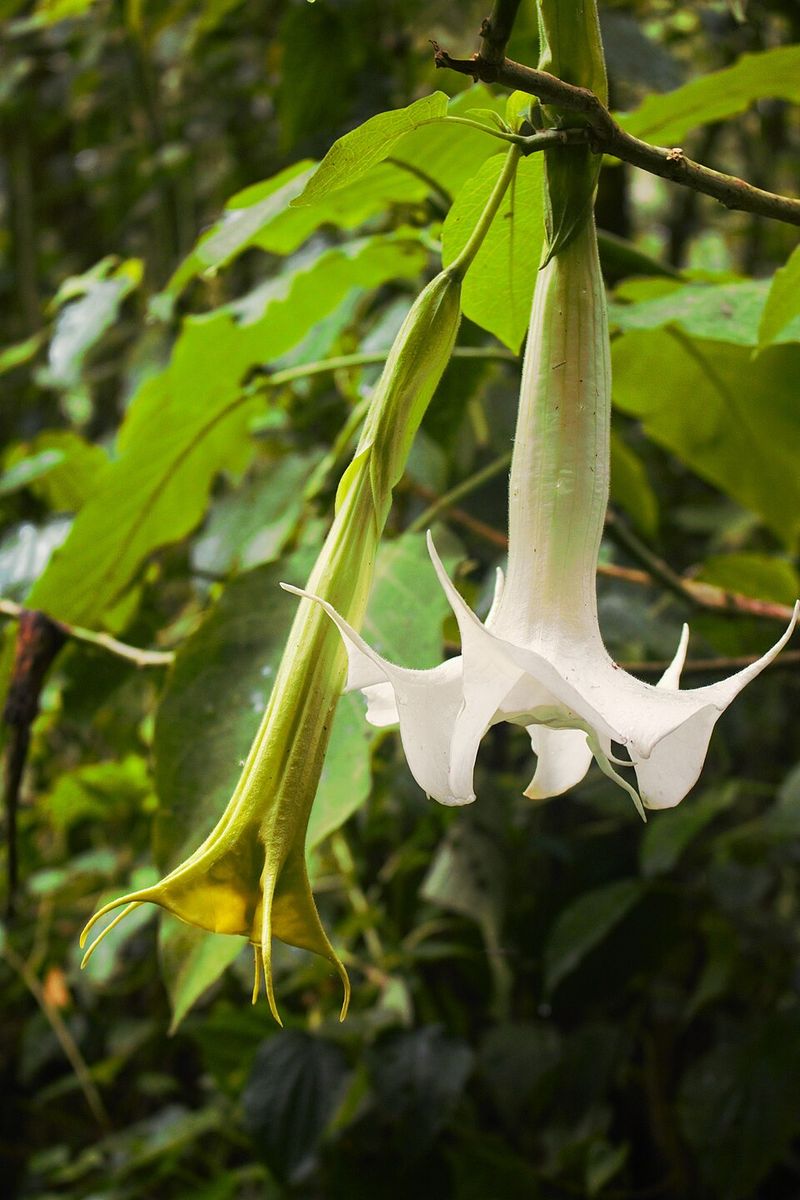
Angel’s trumpet flowers dangle downward like elegant bells, sometimes reaching ten inches long, releasing waves of intoxicating fragrance that peak after dark.
The blooms come in shades of white, yellow, peach, and pink, often with a sweet, almost narcotic perfume that carries across your entire yard.
Each trumpet opens gradually over several days, with the scent intensifying each evening as temperatures cool and humidity rises with the night air.
South and Central Florida offer ideal growing conditions for these tropical shrubs that can reach eight to ten feet tall in just a few seasons. North Florida gardeners should plant them in large containers they can move to protected areas during winter freezes.
Brugmansia needs rich soil, regular water, and heavy feeding to support the constant production of those enormous blooms throughout the warm months.
Plant it where you can admire the pendant flowers from below, perhaps near a patio or deck where you sit in the evening. The fragrance can be overwhelming in enclosed spaces, so give it room to breathe in open garden areas.
Blooming continues nearly year-round in frost-free regions, with the heaviest flower production during summer and fall when heat and humidity create perfect conditions for these dramatic nighttime performers.
Note: All parts of Brugmansia are highly toxic and should be planted with caution around children and pets.
8. Tuberose
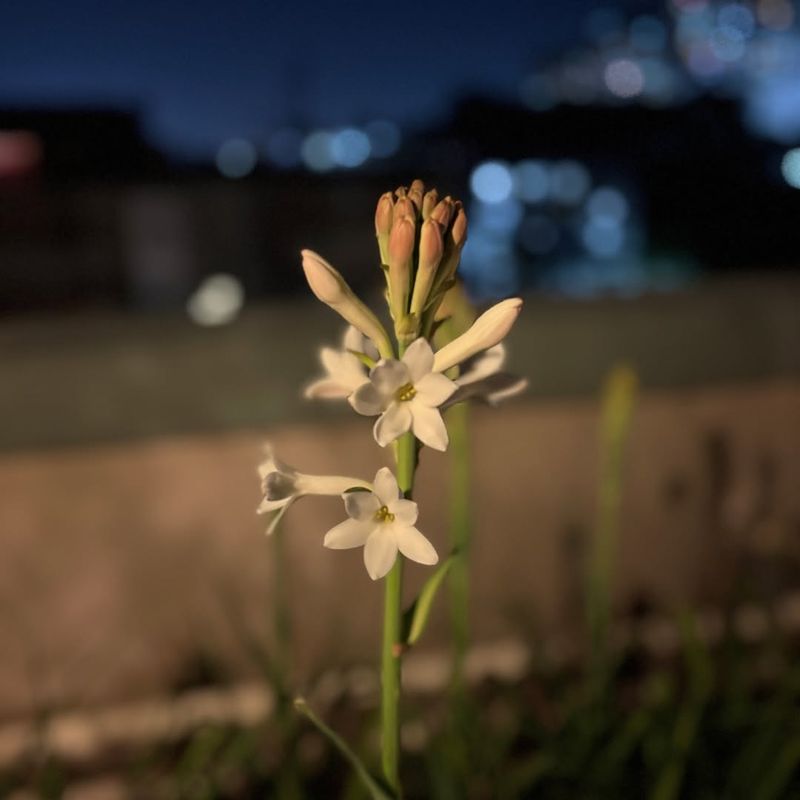
Few flowers match tuberose for pure evening fragrance power. The waxy white blooms arranged in tall spikes release an incredibly sweet, heady perfume that intensifies dramatically after sunset, often described as one of the most romantic scents in the plant world.
Just a few stems can perfume your entire garden, and the fragrance carries on night breezes, announcing itself long before you actually see the flowers glowing white in the darkness.
These bulbs thrive throughout Florida, performing beautifully in all regions since they love heat and humidity. Plant the bulbs in spring once soil warms up, setting them in full sun to partial shade in well-drained soil enriched with compost.
They’ll send up narrow leaves followed by those spectacular flower spikes in mid to late summer, with blooming continuing into fall if conditions remain warm and moist.
Position tuberose near entryways, patios, or bedroom windows where the evening fragrance can drift inside and transform your indoor spaces too.
The flowers make excellent cuts that last over a week in vases, bringing that nighttime perfume indoors even during the day.
In South Florida they may naturalize and return year after year, while North and Central Florida gardeners can dig and store the bulbs over winter or simply replant fresh ones each spring for reliable summer fragrance.
9. Night Phlox (Zaluzianskya capensis)
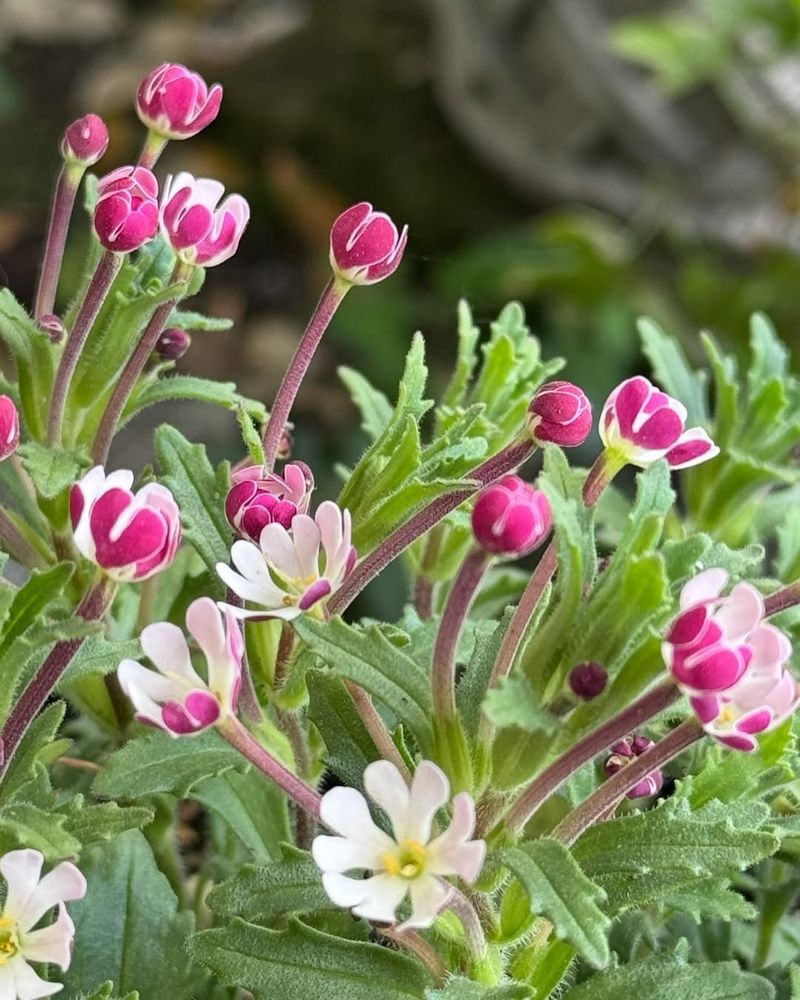
Night phlox surprises you twice. During the day, the small flowers show their maroon-backed petals in a closed position that looks almost dull.
Then as evening arrives, they flip open to reveal pure white interiors with a honey-almond fragrance that seems impossibly strong for such tiny blooms. The transformation happens reliably every evening, creating a living reminder of how much changes in your garden once the sun goes down.
This South African native adapts well to Florida’s climate, particularly as a cool-season annual in Central and South Florida where it blooms from fall through spring.
North Florida gardeners can grow it year-round in areas with mild winters, though summer heat may cause it to pause blooming until temperatures moderate.
It prefers well-drained soil and full sun to partial shade, making it perfect for containers or front-of-border plantings.
The plants stay compact at six to twelve inches tall, forming neat mounds covered in flowers throughout their blooming season.
Plant night phlox in groups near seating areas or along pathways you use in the evening so you can enjoy both the visual transformation and the sweet fragrance.
It combines beautifully with other cool-season bloomers but truly comes into its own after dark when those white flower faces open and begin perfuming the night air.