This Simple Method Helps Florida Gardeners Prune Clematis The Right Way
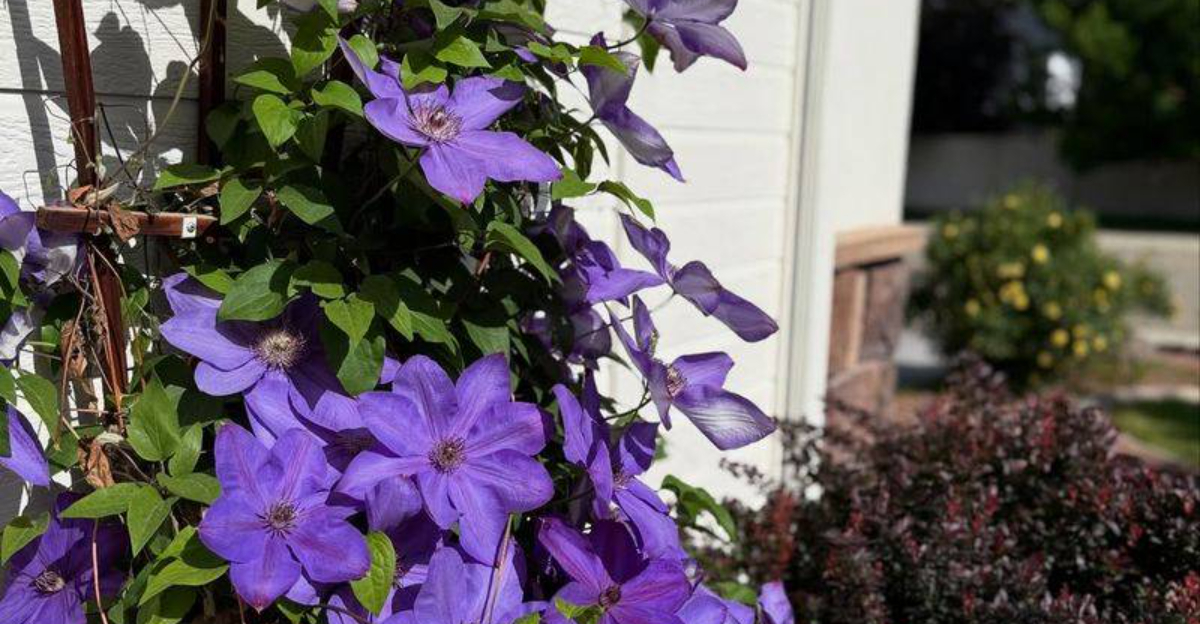
Growing clematis in Florida can feel like gardening in a different universe. Advice that works perfectly up north often falls apart once you try it here.
Our winters arrive late, leave early, or sometimes never show up at all, and that makes pruning one of the most confusing parts of growing this beautiful vine.
Many Florida gardeners have followed online charts, marked calendar dates, and still ended up with lush green growth and no flowers.
Others avoid pruning altogether because they are afraid of cutting at the wrong time. Both situations lead to frustration and disappointment.
The truth is, clematis in Florida do not care about dates on a calendar. They respond to heat, daylight, and their own growth rhythm.
When you understand that simple idea, pruning stops feeling risky and starts making sense. There is an easy, reliable way to prune clematis that works across Florida’s changing seasons.
It does not require memorizing groups, guessing dates, or knowing the plant’s name. It starts with paying attention to one thing your clematis always tells you.
Why Clematis Pruning Confuses Florida Gardeners
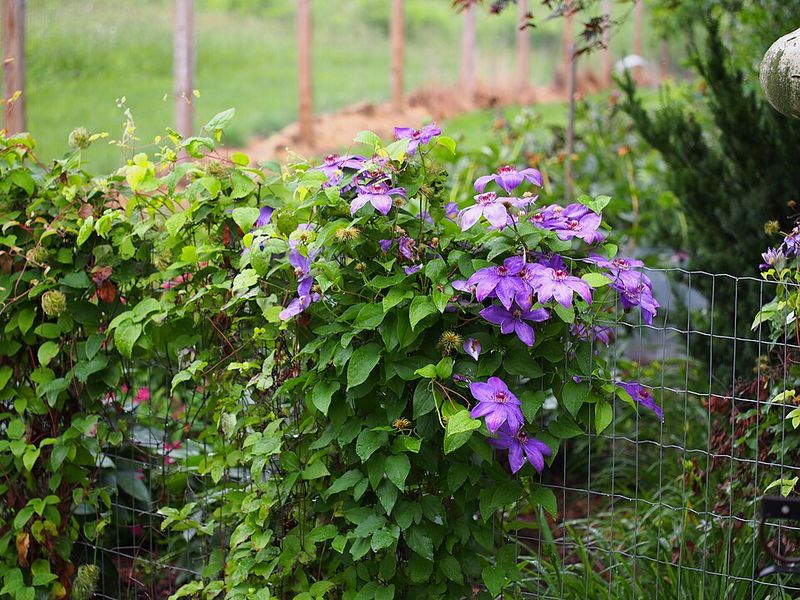
Most clematis advice comes from gardeners who experience real winter. Their plants go fully dormant for months, which makes timing cuts straightforward.
In Florida, your clematis might keep growing through December or start budding in January, depending on where you live.
Books and websites often recommend pruning in late winter or early spring based on northern calendars.
But when your North Florida garden still sees frost in March while your friend in Miami has been harvesting tomatoes since February, those dates become meaningless.
You need guidance that matches your actual growing conditions.
The confusion grows worse when you read about Group 1, Group 2, and Group 3 classifications. These categories assume you know exactly which cultivar you planted and when it blooms naturally.
Many Florida gardeners inherit clematis from previous owners or buy unlabeled plants at local sales, making those charts impossible to follow.
What works better here is observation. Your plant shows you what it needs through its bloom timing, and once you learn to read those signals, pruning becomes simple and stress-free every single season.
Why Florida Clematis Cannot Be Pruned By The Calendar
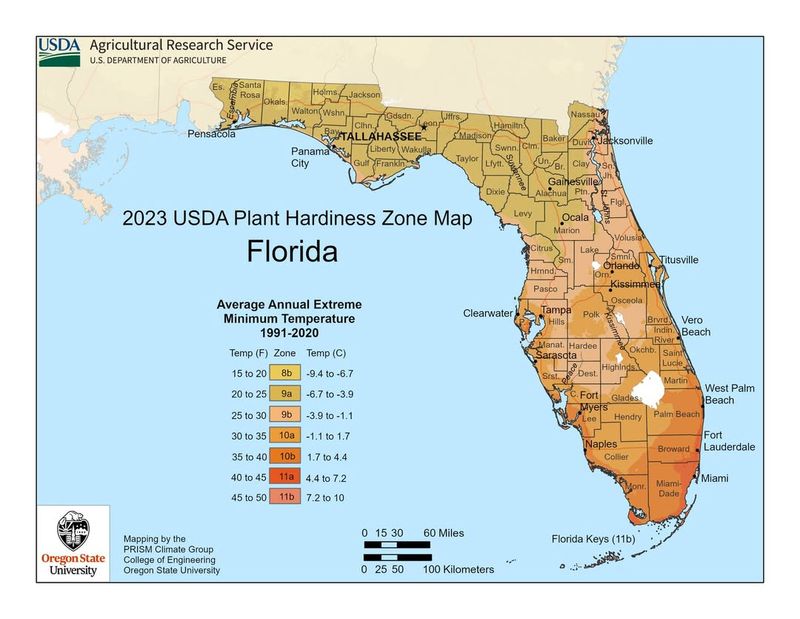
Florida stretches across multiple hardiness zones, from 8a in the Panhandle down to 11a in the Keys. A clematis in Jacksonville experiences completely different temperatures and day lengths than one growing in Fort Lauderdale.
This means bloom timing shifts dramatically depending on your location.
Your clematis responds to accumulated warmth and daylight patterns, not calendar dates. In South Florida, some varieties start blooming in late winter when North Florida gardeners are still watching for the last frost.
Central Florida falls somewhere between, with its own unique timeline that shifts slightly year to year.
Weather variability adds another layer of unpredictability. A warm January might trigger early growth, while a late cold snap can delay blooming by weeks.
Your Florida Garden Changes Every Week. Your Plan Should Too.
Gardening in Florida changes quickly throughout the season. Every Friday you’ll receive a simple weekly plan showing exactly what to plant, prune, fertilize, harvest, and protect so you never miss the right timing.
If you prune based on a fixed date, you risk cutting off flower buds or removing stems that should have been left alone.
The bloom-timing method can help you solve this problem. Instead of marking your calendar for March 15th, you simply watch your plant and respond to what it actually does in your specific garden during that particular year.
The Simple Bloom-Timing Method That Works Here
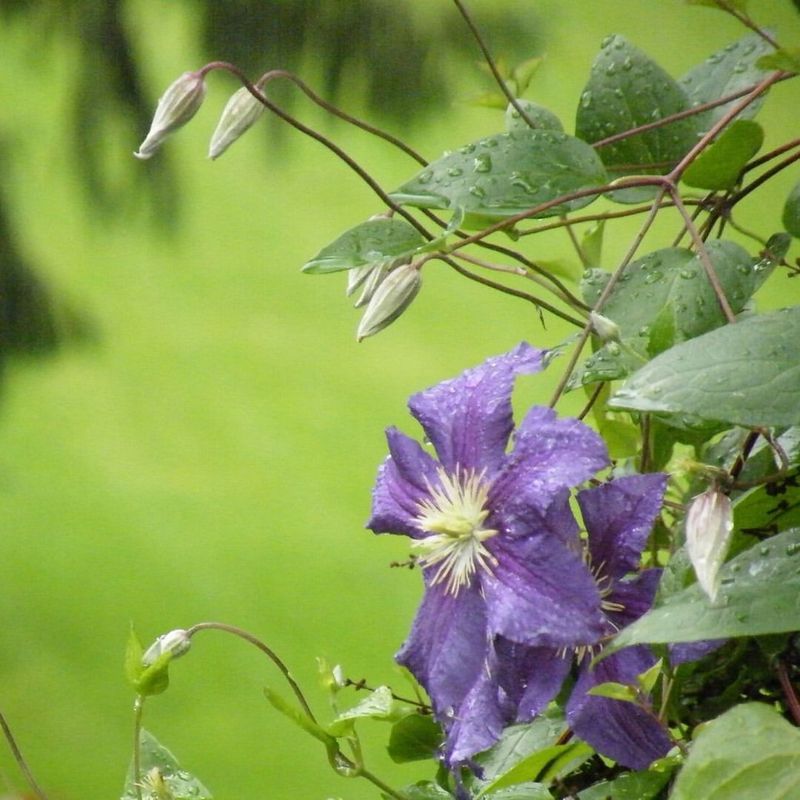
Here is the method that changes everything: observe when your clematis produces flowers, then prune accordingly. Early bloomers get pruned right after flowering finishes.
Late bloomers get shaped before new growth starts. Repeat bloomers need lighter trimming between flushes.
This approach works because it respects how your specific plant behaves in your actual garden. You are not forcing it into a category or following advice written for Massachusetts.
You are simply working with what the plant shows you through its natural rhythm.
Start by watching your clematis through one complete growing season without making any major cuts. Note when buds appear, when flowers open fully, and when blooming stops.
Take photos with dates if that helps you remember. This observation period teaches you exactly what your plant does and when.
Once you understand its bloom pattern, pruning becomes obvious. You will know whether to trim it lightly in summer or cut it back harder in late winter.
The plant itself becomes your teacher, and you gain confidence because you are responding to real evidence rather than guessing from generic instructions.
How To Recognize When Your Clematis Blooms
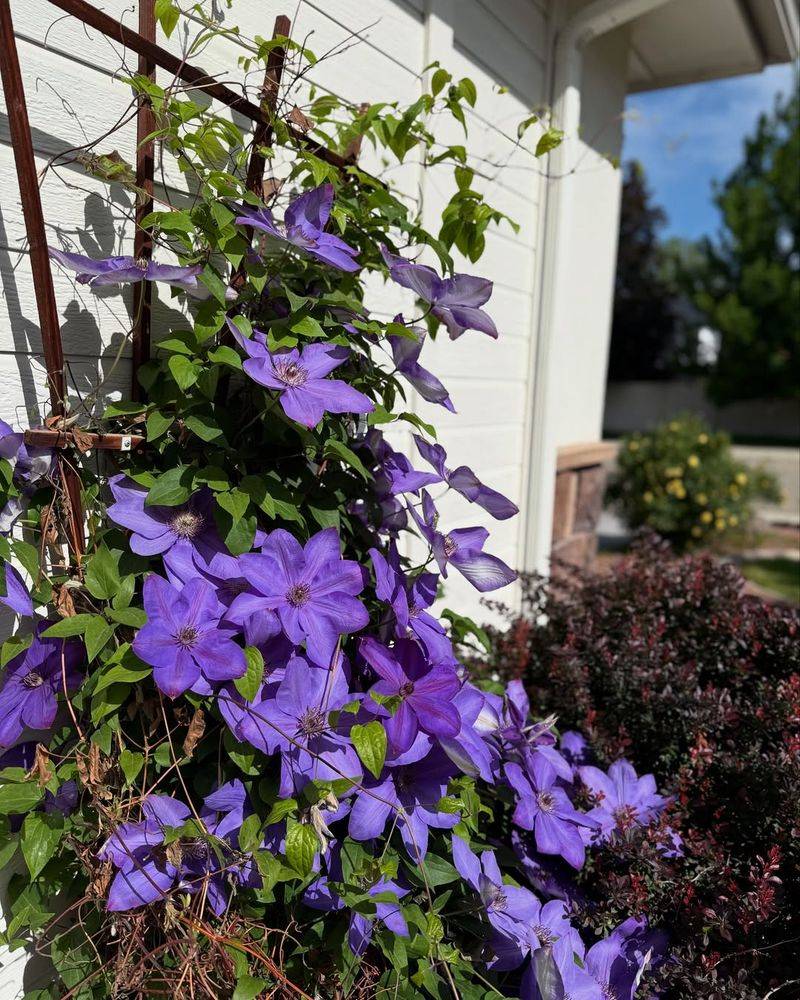
Bloom timing means noticing which part of the growing season produces the most flowers. Early bloomers flower in late winter through spring, usually on growth they made the previous year.
These varieties often finish blooming before summer heat arrives.
Late bloomers wait until summer or fall, producing flowers on fresh growth made during the current season. They tend to start slowly, building stems and leaves first, then covering themselves with blooms when other plants are slowing down.
These are often the easiest for Florida gardeners because they tolerate heat well.
Repeat bloomers give you two or even three flushes of flowers throughout the year. They might bloom heavily in spring, rest briefly during the hottest weeks, then bloom again in fall.
Some varieties keep producing scattered flowers almost continuously if conditions stay favorable.
To identify your clematis type, simply mark the dates when you see the first buds appear and when the last flowers fade. Do this for a full year, and the pattern becomes clear.
You are not memorizing Latin names or consulting complicated charts, just paying attention to what happens right in front of you.
Pruning Early Blooming Clematis In Florida
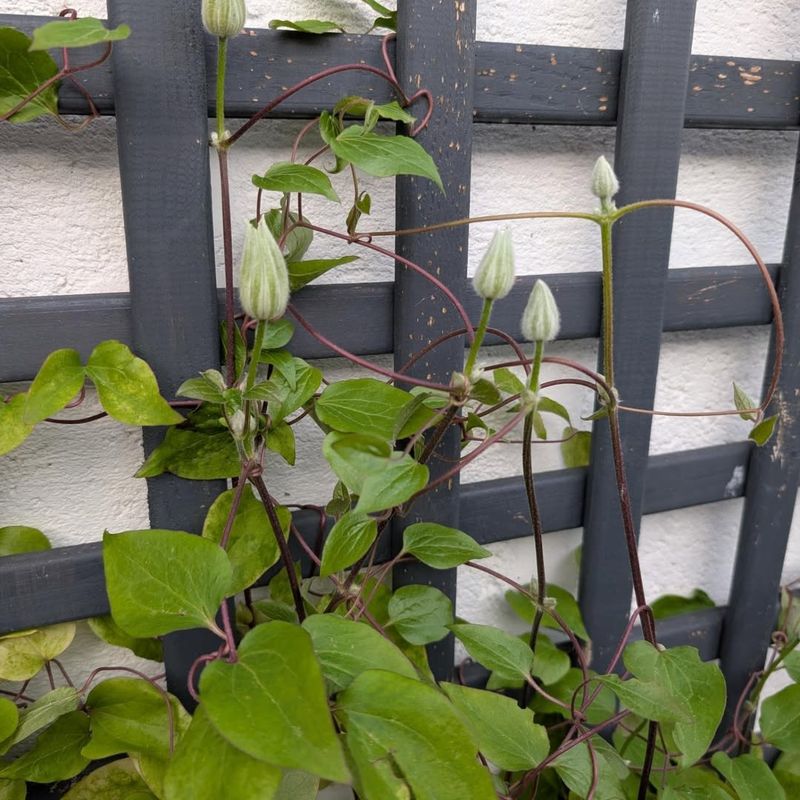
Early blooming clematis form their flower buds on stems that grew the previous season. If you cut those stems back hard in winter, you remove all the buds and get no spring flowers.
Instead, wait until right after blooming finishes, then shape the plant as needed.
In Florida, this usually means pruning sometime between April and June, depending on your location and the specific variety. North Florida gardeners might prune in May, while South Florida gardeners could be done by early April.
Let the end of flowering guide you, not the calendar.
When you prune, remove only what needs trimming. Cut out tangled or damaged stems, shape the plant to fit its support structure, and remove any weak growth.
Leave the healthy main stems intact because those will produce next year’s flower buds as they mature through summer and fall.
Many Florida gardeners worry about cutting too much, but early bloomers are generally forgiving. Even if you accidentally trim more than intended, the plant will grow new stems that can bloom the following year.
The key is timing your pruning for right after flowering, which protects the next season’s display.
How Florida Gardeners Handle Repeat Bloomers
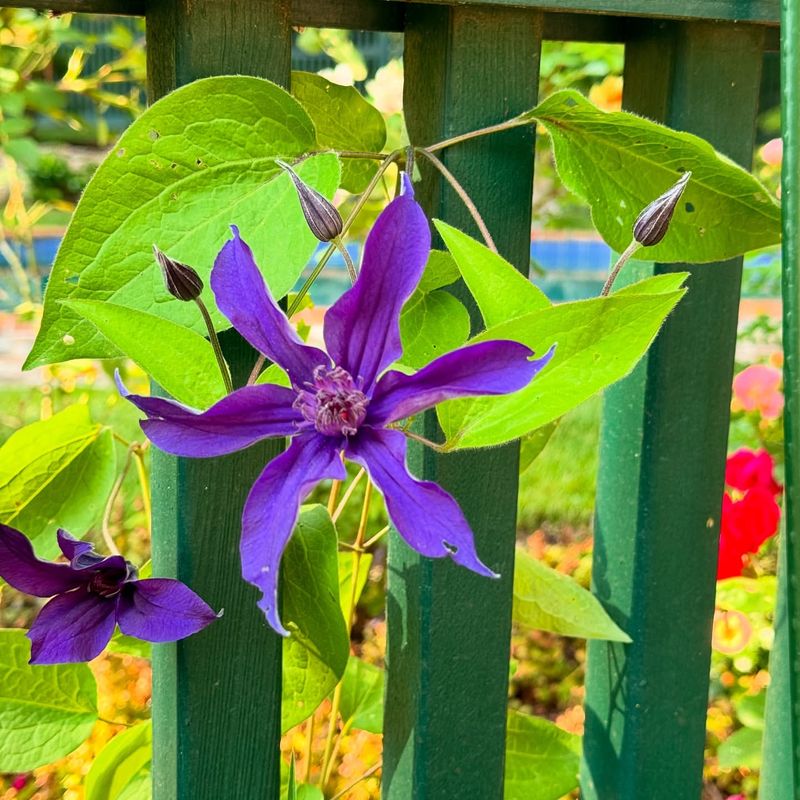
Repeat blooming clematis offer the best of both worlds but need a slightly different approach. These varieties flower on old wood early in the season, then produce a second flush on new growth later.
In Florida’s heat, some clematis marketed as repeat bloomers may produce a lighter second bloom or skip reblooming entirely, especially large-flowered hybrids. Your goal is to preserve both bloom cycles without creating a tangled mess.
After the first flush of flowers fades, trim lightly to remove spent blooms and shape the plant. This is not a hard pruning, just a cleanup that encourages fresh growth while leaving the main structure intact.
In Florida, this often happens in late spring or early summer.
As new stems grow, they will develop buds for the second bloom cycle. Let them grow freely without cutting, and you will see flowers appear again in late summer or fall.
If your plant gets too large or unruly between bloom periods, you can trim selectively without removing all the new growth.
In late winter, before the first flush of spring growth starts, you can do a more thorough shaping if needed. Remove weak or damaged stems and cut back overgrown sections.
This timing ensures you are not sacrificing either the early blooms on old wood or the later blooms on new stems.
Pruning Late Blooming Clematis Without Fear
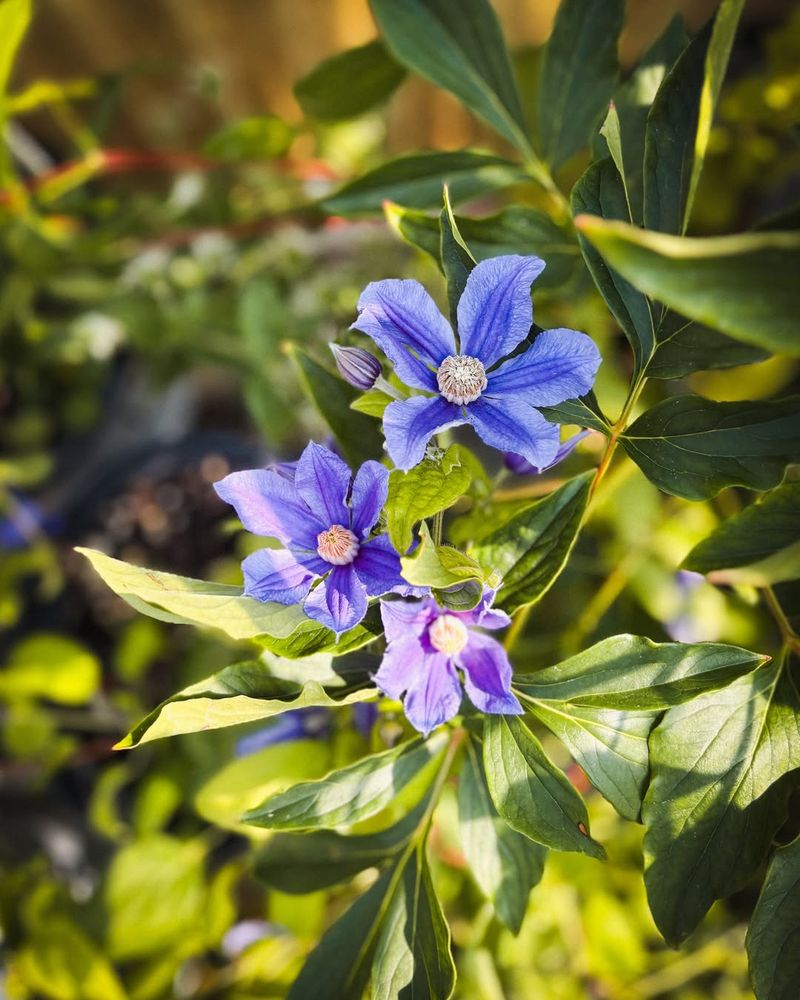
Late blooming clematis are the most forgiving and often the best choice for Florida gardens. They flower on new growth produced during the current season, which means you can prune them back hard in late winter without losing any blooms.
This makes them nearly foolproof.
When you see new growth just starting to emerge from the base in late winter or early spring, cut the entire plant back to about one or two feet above the ground. This sounds drastic, but the plant responds by sending up vigorous new stems that will bloom heavily once summer arrives.
In North Florida, this pruning might happen in February or March. Central Florida gardeners often prune in January or February.
South Florida gardeners may find their plants already growing by January, so they prune even earlier or skip hard pruning entirely if the plant looks healthy and manageable.
The beauty of late bloomers is that mistakes rarely matter. If you cut too early and a cold snap follows, the plant simply waits and grows again when warmth returns.
If you forget to prune, the plant still blooms, though it might get leggy. This flexibility makes them perfect for gardeners building confidence.
Regional Timing Differences Across Florida
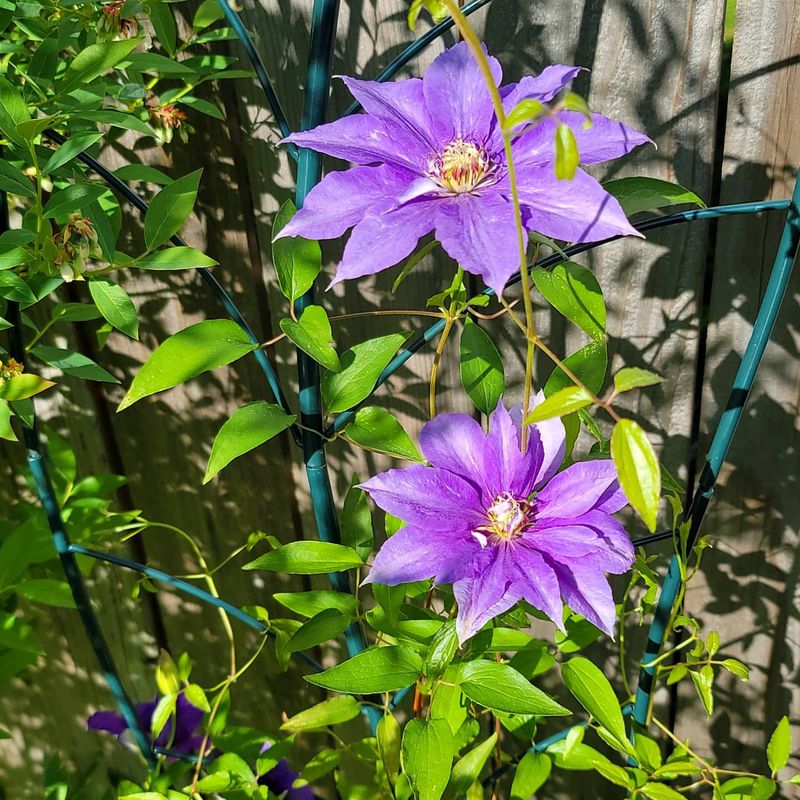
North Florida gardeners often deal with frost into March and sometimes even early April. Your clematis might not start active growth until late winter, and blooming could be delayed compared to the rest of the state.
This means your pruning window shifts later, and you need to watch for late cold snaps that could damage fresh cuts.
Central Florida experiences milder winters with occasional freezes but generally warmer conditions overall. Your clematis might start budding in January, and early bloomers could flower by late February or early March.
This middle zone requires flexibility, as weather can swing unpredictably from year to year.
South Florida gardeners rarely see frost and often experience continuous growth through winter. Your clematis may experience only partial or irregular dormancy, which changes pruning timing entirely.
You might prune late bloomers in December or January, and early bloomers might finish flowering by March, allowing you to shape them while the rest of the state is just starting.
Understanding your local climate helps you adapt the bloom-timing method to your specific conditions. Talk to nearby gardeners, visit local extension offices, and trust your own observations more than any generalized advice written for the entire state.
Common Florida Clematis Pruning Mistakes
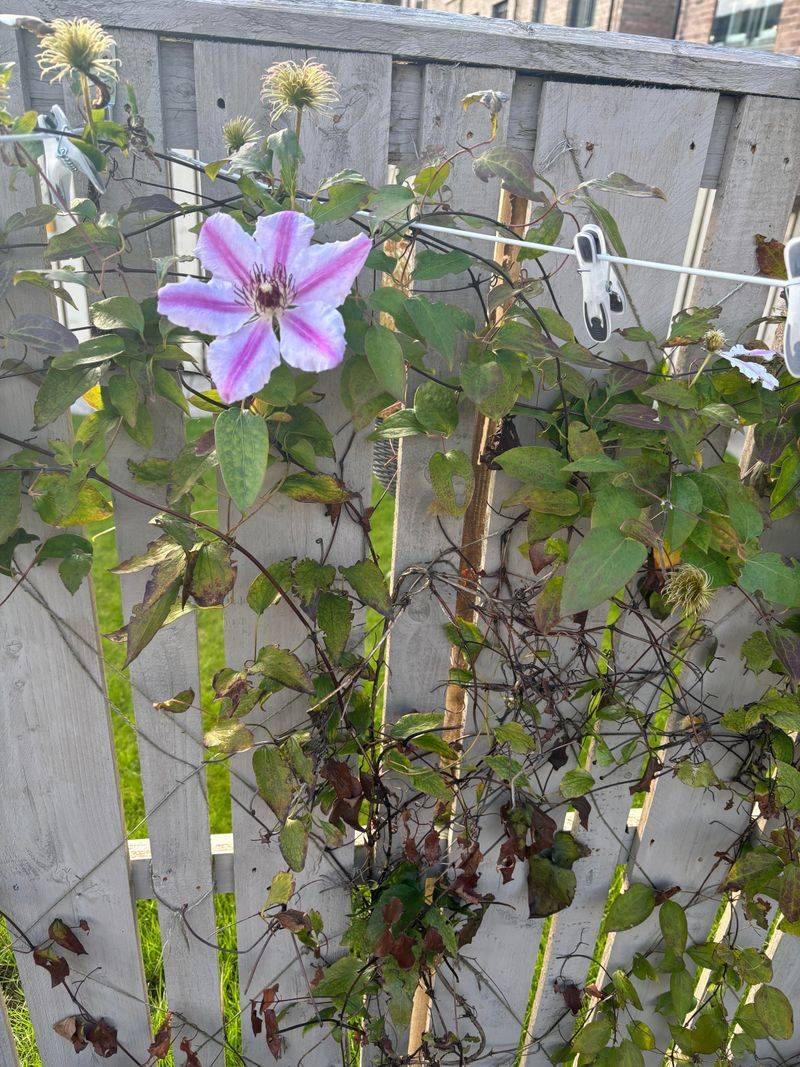
The biggest mistake Florida gardeners make is pruning at the wrong time for their specific plant. Cutting an early bloomer back hard in winter removes all the flower buds, leaving you with green growth but no blooms.
This happens when you follow advice meant for late bloomers without checking your own plant’s behavior first.
Another common error is being too timid. Many gardeners fear cutting anything, so their clematis becomes a tangled mass of old and new stems that flowers poorly and looks messy.
Clematis actually benefit from thoughtful pruning, and learning to trim confidently improves both appearance and bloom quality.
Pruning during extreme heat stresses the plant unnecessarily. While clematis are tough, making major cuts during July and August in Florida can slow recovery and reduce flowering.
If you must prune in summer, do it early in the morning and water well afterward.
Finally, some gardeners prune everything the same way, treating early and late bloomers identically. This leads to frustration when some plants bloom beautifully and others do not.
Once you understand bloom timing, you stop making this mistake and see consistent results across all your clematis.
What Gardeners Notice After Using This Method
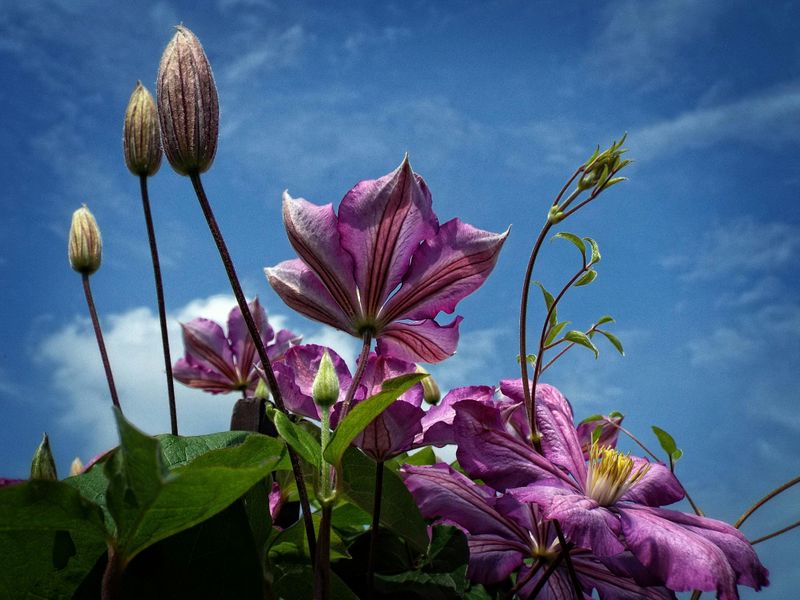
Once you start using the bloom-timing method, pruning stops feeling like a gamble and becomes a natural part of caring for your garden.
You gain confidence because you are making decisions based on what you actually see, not on instructions written for someone else’s climate.
This shift in mindset makes gardening more enjoyable and less stressful.
Your clematis respond with healthier growth and more reliable flowering. When you prune at the right time for each plant’s natural rhythm, you work with its biology instead of against it.
The result is stronger stems, more blooms, and plants that fit their space without constant battles.
You also start noticing patterns in your garden that you missed before. Maybe your early bloomer always flowers the week your gardenias open, or your late bloomer peaks right when the crape myrtles start.
These observations connect you more deeply to your landscape and help you plan future plantings.
Other gardeners will ask how you keep your clematis looking so good. You can share this simple method, knowing it works because it respects Florida’s unique growing conditions.
Watching your plants thrive becomes its own reward, and pruning transforms from a dreaded chore into a satisfying skill you have mastered.
Florida gardeners are encouraged to confirm local timing through their county extension office, as microclimates can vary even within the same city.