8 Gardening Habits In Texas That Are Doing More Harm Than Good
Texas gardens thrive in sun, heat, and occasional monsoon rains—but even seasoned gardeners can unknowingly sabotage their efforts.
Certain habits, though well-intentioned, can stress plants, deplete soil, or invite pests and disease. Recognizing and adjusting these common mistakes is key to a healthy, productive yard.
Some of the things you do every week might actually be hurting your garden! From overwatering drought-tolerant plants to improper pruning, crowded plantings, and excessive fertilizer use, these eight habits can reduce plant health and garden longevity.
Even simple actions—like watering at the wrong time of day or neglecting soil quality—can have surprising consequences.
Good intentions don’t always lead to great gardening results. For Texas gardeners, making small adjustments can yield bigger blooms, stronger roots, and less maintenance.
Awareness and mindful practices turn a struggling garden into a thriving landscape that handles heat, pests, and dry spells with resilience. Do it right, and your garden will flourish like never before!
1. Overwatering Plants During Extreme Heat
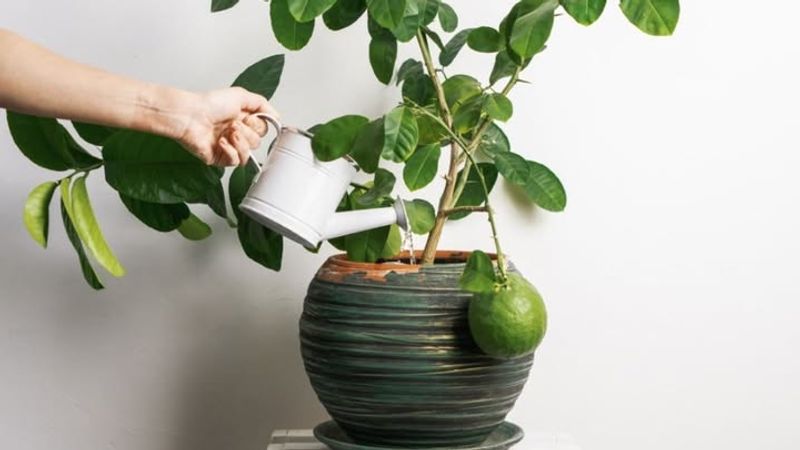
Many gardeners believe that when temperatures soar above 100 degrees, plants need water multiple times a day to survive the brutal Texas heat.
However, frequent shallow watering actually trains roots to stay near the surface, making plants even more vulnerable to drought and temperature stress.
Instead of helping your garden, this habit creates weak, dependent plants that can’t fend for themselves when you miss a watering session.
Deep watering encourages roots to grow downward where soil stays cooler and retains moisture longer, creating a stronger foundation for your plants.
When you water deeply but less frequently, roots stretch down into the earth searching for moisture, developing the resilience they need to handle Texas summers.
This approach also reduces the risk of fungal diseases that thrive in constantly moist surface soil. Aim to water early in the morning, allowing moisture to penetrate 6-8 inches deep into the soil rather than sprinkling the surface daily.
Most established plants in Texas only need watering once or twice a week during summer, even in extreme heat.
Check soil moisture with your finger before reaching for the hose, and you’ll discover your plants are tougher than you thought when given the chance to develop proper root systems.
2. Treating Texas Soil Like It’s The Same Everywhere
Assuming all Texas soil is created equal is one of the fastest ways to frustrate your gardening efforts across this massive state.
East Texas features acidic, sandy soils that drain quickly and require frequent amendments, while Central Texas struggles with alkaline clay that holds water like a sponge and becomes rock-hard when dry.
West Texas and parts of the Hill Country deal with caliche, a cement-like layer of calcium carbonate that prevents root penetration and drainage entirely.
Planting without understanding your specific soil type leads to nutrient deficiencies, drainage problems, and stunted growth no matter how much care you provide.
Clay soils need organic matter to improve drainage and prevent waterlogging, while sandy soils require compost and mulch to retain moisture and nutrients.
Your Texas Garden Changes Every Week. Your Plan Should Too.
Gardening in Texas changes quickly throughout the season. Every Friday you’ll receive a simple weekly plan showing exactly what to plant, prune, fertilize, harvest, and protect so you never miss the right timing.
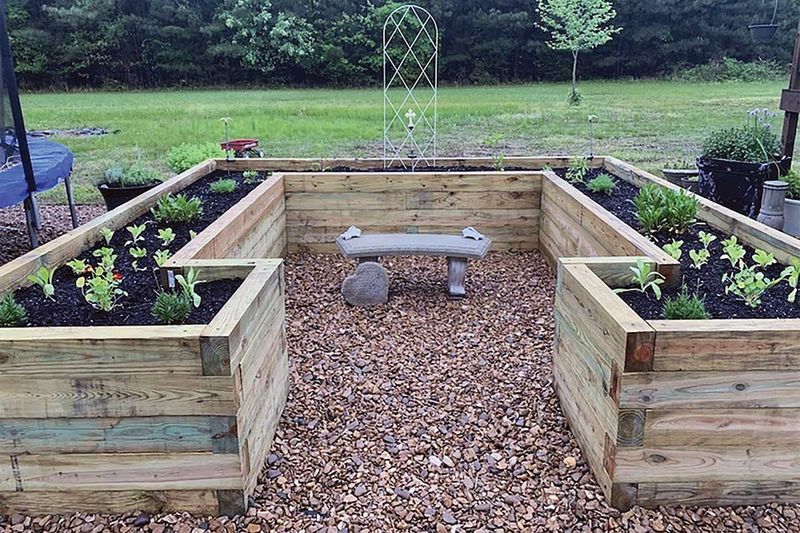
Caliche areas often demand raised beds or extensive soil replacement before plants can establish successfully.
Before you plant anything, get your soil tested through your local Texas A&M AgriLife Extension office to understand pH levels and nutrient content.
Amend your soil based on what you actually have rather than following generic advice meant for other regions or soil types.
When you work with your soil’s natural characteristics instead of against them, your plants will reward you with healthier growth, better blooms, and far less maintenance headaches throughout the growing season.
3. Planting Without Considering Sun Intensity
That cheerful plant tag saying “full sun” might work perfectly in Oregon or Massachusetts, but Texas sun operates on an entirely different intensity level that can scorch even sun-loving plants.
Six hours of morning sun in cooler climates doesn’t compare to six hours of relentless afternoon sun that regularly exceeds 100 degrees in Texas summers.
Plants that thrive in full sun elsewhere often struggle, bleach, or burn when exposed to all-day Texas sunshine without any relief.
Afternoon shade becomes absolutely crucial for most plants in Texas, even varieties marketed as sun-tolerant in other regions.
The western exposure in particular delivers the most punishing combination of heat and light, often proving too intense for plants already stressed by high temperatures and low humidity.
Even native Texas plants appreciate some afternoon protection during the hottest months of July and August.
When planning your garden layout, observe how sunlight moves across your yard throughout the day and reserve the most intense spots for truly heat-adapted species.
Consider planting on the east side of structures where plants receive gentler morning light but escape the brutal afternoon rays.
Providing dappled shade through taller plants or strategically placed shade cloth can make the difference between thriving specimens and struggling survivors, allowing you to grow a much wider variety of plants successfully in your Texas landscape.
4. Mulching Too Close To Tree Trunks And Stems

Walking through neighborhoods across Texas, you’ll frequently spot trees surrounded by towering mulch volcanoes that look tidy but create serious problems beneath the surface.
This popular landscaping practice, where mulch gets piled high against tree trunks and plant stems, traps moisture against bark that’s meant to stay relatively dry.
Constant moisture on bark creates the perfect environment for rot, fungal diseases, and pest infestations that slowly compromise plant health from the ground up.
Bark serves as protective armor for trees and shrubs, but when buried under damp mulch, it softens and becomes vulnerable to invasion.
Insects like borers and termites are attracted to the moist, dark environment created by volcano mulching, while fungal pathogens find easy entry through softened bark.
Root systems also respond poorly, sometimes sending roots upward into the mulch pile instead of down into the soil where they belong.
Proper mulching means pulling material back at least 3-6 inches from tree trunks and plant stems, creating a donut shape rather than a volcano.
Keep mulch depth to 2-4 inches maximum, allowing air circulation around the base while still providing the benefits of temperature regulation and moisture retention.
This simple adjustment protects your trees and shrubs from preventable damage while maintaining all the advantages that make mulch valuable in Texas landscapes, including weed suppression and soil improvement over time.
5. Fertilizing During Summer Stress

When plants look stressed during brutal Texas summers, the instinct to feed them with fertilizer seems logical, but this well-meaning gesture often backfires spectacularly.
Fertilizer pushes plants to produce new growth, which requires significant energy and water resources that stressed plants simply don’t have to spare during extreme heat.
This forced growth emerges weak, tender, and even more vulnerable to sun damage and heat stress than the existing foliage.
Plants naturally slow their growth during the hottest months as a survival strategy, conserving resources to maintain existing leaves and roots rather than expanding.
When you fertilize during this dormant period, you’re essentially forcing a marathon runner to sprint in the middle of their race.
The result is often yellowing leaves, burned foliage, and plants that become more susceptible to pests and diseases because they’re expending energy they don’t have.
Save your fertilizing efforts for spring and fall when temperatures moderate and plants naturally enter active growth phases.
Early spring feeding supports the burst of growth as plants emerge from winter, while fall fertilization helps plants recover from summer stress and prepare for the next season.
If your plants look struggling in July or August, focus on consistent deep watering and shade protection rather than reaching for fertilizer, allowing them to rest until conditions improve and they’re ready to grow again.
6. Using Non-Native Plants That Require Constant Care
Falling in love with gorgeous plants from catalogs featuring lush English gardens or tropical paradises sets up Texas gardeners for constant disappointment and skyrocketing water bills.
Plants that evolved in mild, humid climates with regular rainfall simply weren’t designed to handle Texas heat, drought, alkaline soil, and temperature swings.
Keeping them alive requires constant watering, fertilizing, pest control, and worry, turning gardening from a joy into an exhausting chore.
Water-hungry non-adapted species can consume three to four times more water than native or adapted alternatives, straining both your budget and local water resources.
These plants also tend to attract pests and diseases they’re not equipped to resist in Texas conditions, leading to increased pesticide use and ongoing plant replacement costs.
The time and money spent babying unsuitable plants could be invested in creating a beautiful, thriving landscape with species that actually want to grow here.
Texas offers an incredible palette of native and adapted plants that deliver beauty without the constant maintenance drama.
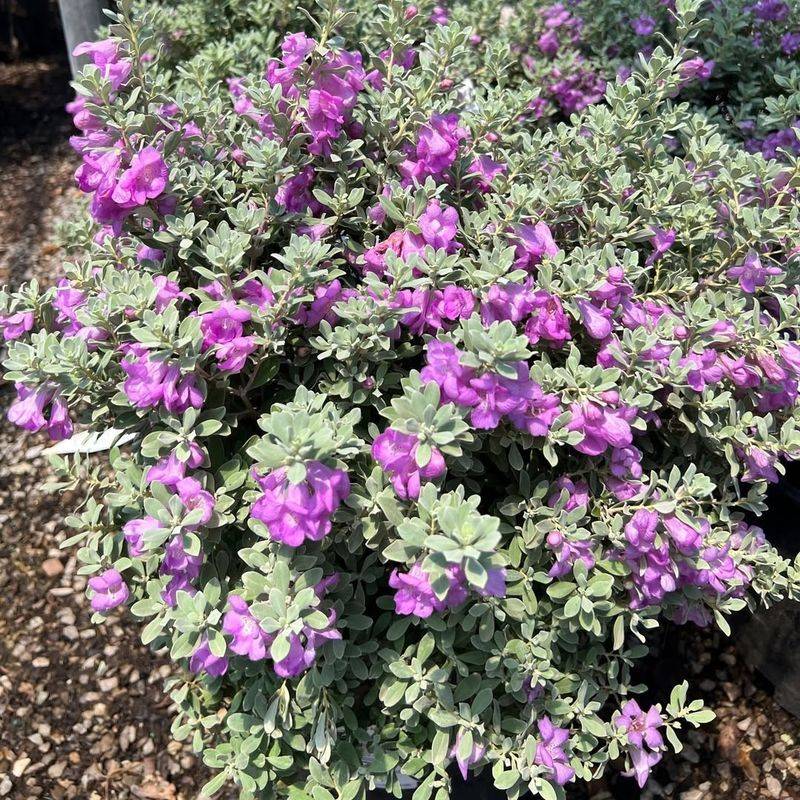
Plants like Texas sage, esperanza, pride of Barbados, and native salvias provide stunning color while thriving on minimal water once established.
Switching to regionally appropriate plants doesn’t mean sacrificing beauty—it means working smarter instead of harder, creating landscapes that look better, cost less, and support local ecosystems with pollinators and wildlife that have evolved alongside these tough, gorgeous Texas survivors.
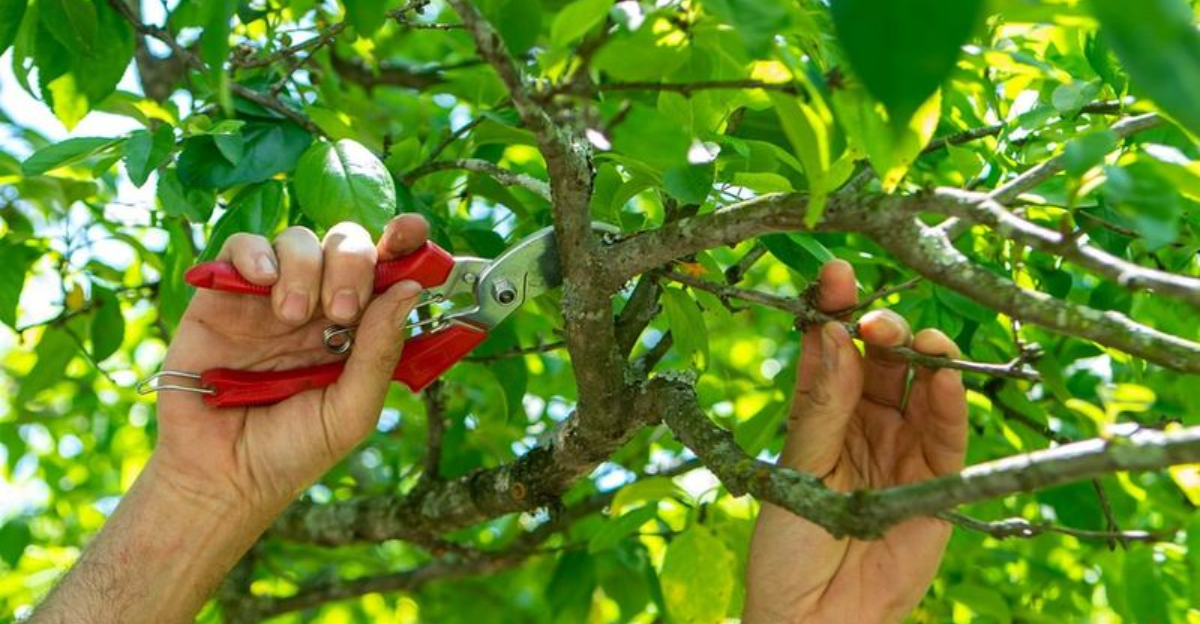
7. Pruning At The Wrong Time Of Year

Grabbing your pruning shears whenever the mood strikes or your plants look unruly might seem harmless, but timing makes all the difference between healthy plants and landscape disasters in Texas.
Spring-blooming plants like azaleas and lilacs set their flower buds in late summer and fall, so pruning in winter or early spring removes the very branches that would have provided your spring color show.
Meanwhile, pruning trees and shrubs during late spring or summer exposes tender interior branches to scorching Texas sun they’re not prepared to handle.
Summer pruning removes the protective canopy that shields bark and interior branches from intense UV radiation, leading to sunscald damage that looks like long vertical cracks in the bark.
These wounds invite disease and pest problems while weakening the overall structure of your plants.
Pruning also stimulates new growth, which emerges tender and vulnerable during the hottest months when plants should be conserving energy instead of producing delicate new shoots.
Learn the blooming schedule of your specific plants and prune accordingly—spring bloomers right after flowering ends, summer bloomers in late winter before growth begins.
For most trees and shrubs, late winter or early spring before bud break offers the ideal pruning window in Texas, allowing cuts to heal quickly as growth resumes.
Avoid heavy pruning from May through September unless you’re removing damaged or hazardous branches, giving your plants the best chance to maintain their health and put on spectacular flower displays year after year.
8. Relying Too Heavily On Chemical Pesticides
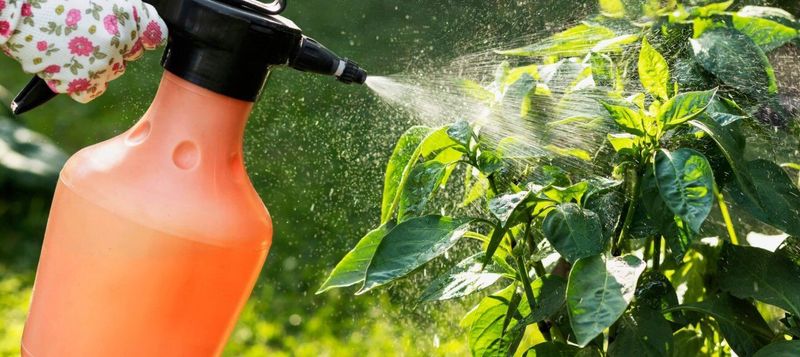
Reaching for chemical pesticides at the first sign of insects might seem like taking control of your garden, but this approach often creates more problems than it solves in Texas landscapes.
Most pesticides work indiscriminately, eliminating beneficial insects like ladybugs, lacewings, and parasitic wasps alongside the pests you’re targeting.
These helpful insects naturally control pest populations, and when you remove them, you’re essentially firing your free pest management team.
Without natural predators to keep them in check, pest populations often rebound stronger and faster than before, creating a frustrating cycle that requires increasingly frequent pesticide applications.
Beneficial insects typically reproduce more slowly than pests, so each spray sets back the good guys while the bad guys bounce back quickly.
You end up dependent on chemicals to manage problems that nature would handle more effectively if given the chance.
Building a healthy garden ecosystem means tolerating some pest damage while encouraging beneficial insects through diverse plantings and avoiding broad-spectrum pesticides.
Plant nectar-rich flowers like zinnias and cosmos to attract helpful insects, and accept that a few chewed leaves don’t threaten your garden’s overall health.
When pest problems truly require intervention, start with targeted organic options like insecticidal soap or neem oil that minimize impact on beneficial species, saving harsh chemicals as an absolute last resort for severe infestations that threaten plant survival.