Garden Edging Ideas That Elevate Virginia Gardens Without Overspending
Garden edging in Virginia often feels like a small detail, but it can completely change how a garden looks and functions.
Many homeowners want clean lines and definition without committing to expensive materials or major upgrades.
Virginia’s mix of seasons makes durability just as important as appearance when choosing edging ideas. The right edging keeps mulch in place, prevents grass creep, and gives garden beds a finished look.
Simple materials can create just as much visual impact as high-end options when they are used thoughtfully. Budget-friendly choices often blend better with Virginia landscapes than overly polished designs.
Edging ideas that work with existing paths, plants, and soil save both time and money. They also reduce future maintenance instead of adding new chores.
Overspending is easy when edging feels like an afterthought instead of a design choice.
Virginia gardens benefit most from edging that balances structure with flexibility.
With smart planning, edging becomes a subtle upgrade rather than a costly project.
That balance allows gardens to look intentional, well-kept, and refined without stretching the budget.
1. Classic Brick Borders
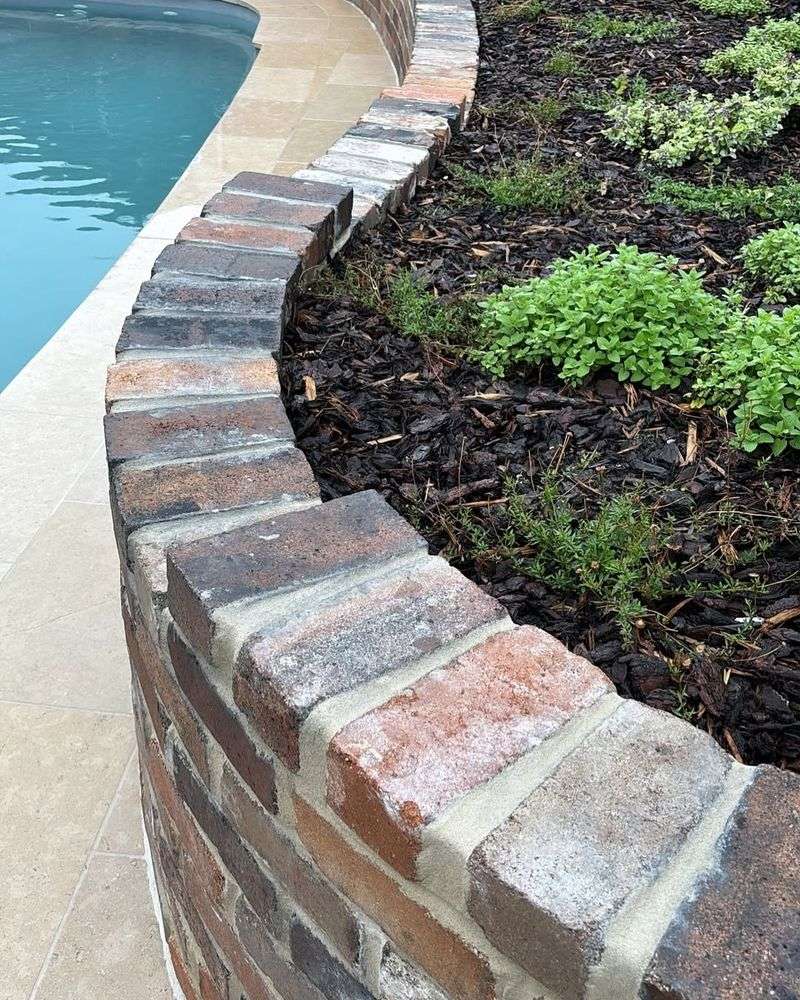
Old bricks from salvage yards or leftover construction projects make excellent garden edging without costing much money.
Many Virginia homeowners find these materials at estate sales or even free on neighborhood swap sites. The warm reddish tones complement both traditional colonial homes and modern landscapes beautifully.
Installation takes just a weekend afternoon with basic tools you probably already own. Dig a shallow trench along your garden bed and set bricks at an angle or lay them flat in a soldier course pattern.
The timeless look works well with roses, perennials, and vegetable gardens alike.
Bricks naturally resist weather changes common in Virginia’s humid summers and occasional freezing winters.
They won’t rot like wood or crack as easily as some concrete products. You can reposition them anytime your garden layout changes.
Mixing different brick colors creates interesting patterns that add character to planting areas. Stack them two high for extra definition around taller plants or shrubs.
The porous nature allows water to drain properly while keeping mulch contained.
Local architectural salvage stores throughout Virginia often sell reclaimed bricks by the pallet at reasonable prices. This eco-friendly choice reduces waste while giving your garden a vintage cottage feel.
Cleaning them with a wire brush before installation makes colors pop even more.
2. River Rock Edging
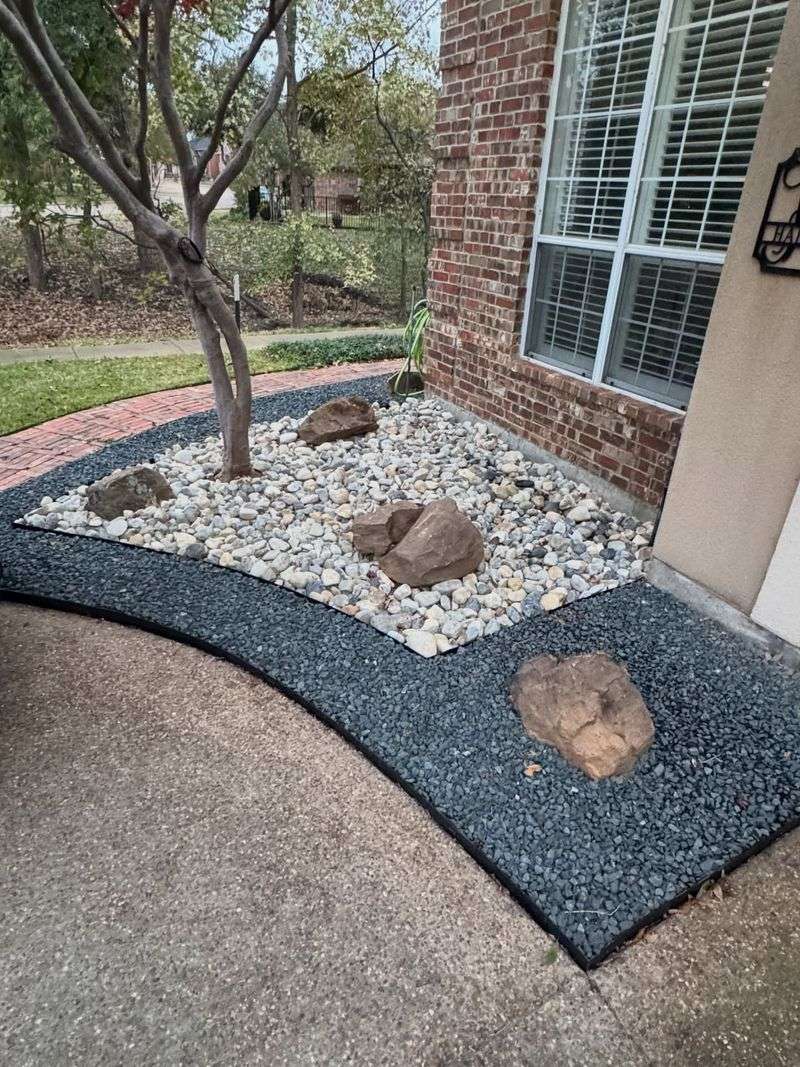
Smooth stones collected from creek beds or purchased in bulk create a natural-looking boundary that feels right at home in Virginia landscapes.
The rounded shapes and varied colors bring an organic element that softens hard lines between grass and garden beds. Most garden centers sell river rocks by weight, making it affordable to cover longer stretches.
Larger stones work best for defining edges because they stay in place better than tiny pebbles.
Arrange them in a single layer or pile them slightly for added height and visual interest. The neutral tones blend with any color scheme you plant.
This edging style requires minimal maintenance once installed and lasts for decades without replacement. Rain washes the stones clean naturally, and they never fade or deteriorate like manufactured materials.
Your Virginia Garden Changes Every Week. Your Plan Should Too.
Gardening in Virginia changes quickly throughout the season. Every Friday you’ll receive a simple weekly plan showing exactly what to plant, prune, fertilize, harvest, and protect so you never miss the right timing.
Virginia’s native plants look especially stunning against the earthy backdrop.
Creating a shallow trench helps keep rocks from rolling into lawn areas when you mow. You can also use landscape fabric underneath to prevent weeds from poking through gaps.
The permeable surface allows excellent drainage during heavy rainstorms.
Mixing different sizes adds texture and makes the border appear more natural and less manufactured. Smaller stones fill gaps between larger ones for a cohesive finished look.
This approach works beautifully around curved garden beds and informal cottage-style plantings.
3. Recycled Bottle Borders
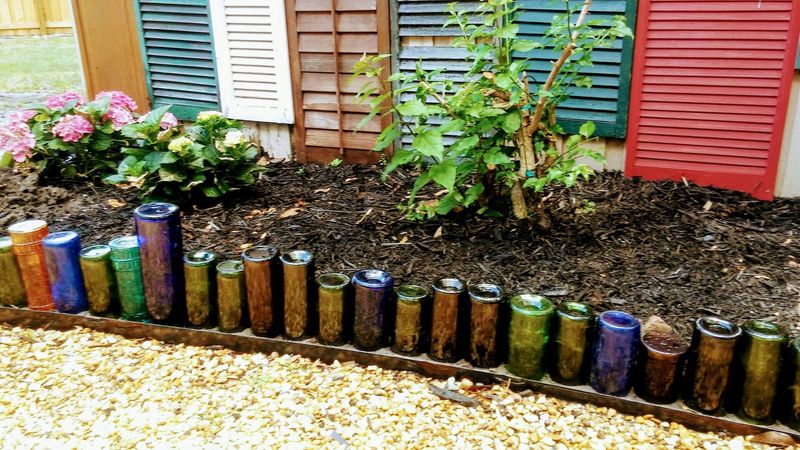
Glass bottles turned upside down make surprisingly attractive and colorful garden edging that costs practically nothing. Virginia gardeners who enjoy wine or craft beverages can save their empties throughout the year for this creative project.
The sunlight catches the glass and creates sparkles that add magic to outdoor spaces.
Remove labels by soaking bottles in warm soapy water, then dig a narrow trench deep enough to bury about two-thirds of each bottle.
Pack soil firmly around them so they stand upright and stable. Mixing different colored glass creates a stained-glass window effect along your beds.
This quirky approach adds personality and conversation-starting charm to gardens while keeping materials out of landfills.
Brown beer bottles, green wine bottles, and clear soda bottles all work equally well. The bottles create a physical barrier that helps contain mulch and soil.
Sunlight shining through the glass warms the soil slightly in early spring, which can benefit cool-season vegetables. The smooth surfaces clean easily with a quick rinse from the garden hose.
They won’t break down or need replacing like organic materials.
Kids especially love helping with this project, making it a fun family weekend activity. Some Virginia gardeners paint the inside of clear bottles with outdoor paint for even more color options.
4. Wooden Log Sections
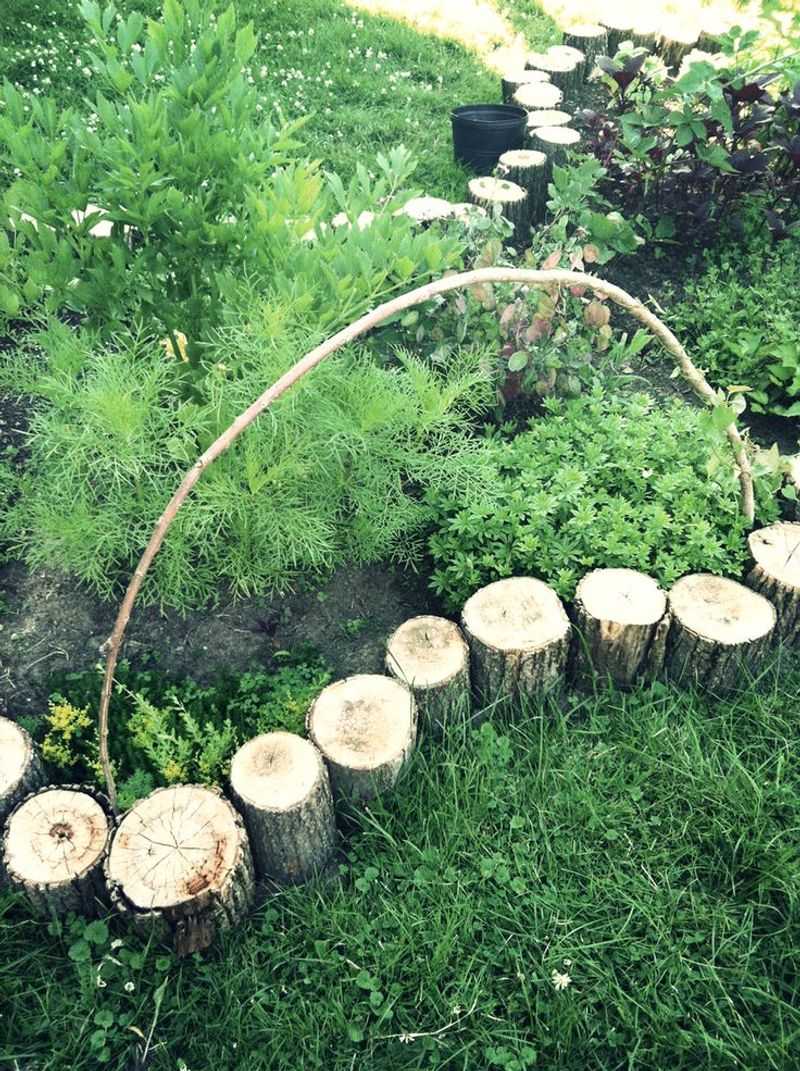
Tree trunk slices from fallen branches or firewood create rustic borders that blend perfectly with Virginia’s wooded landscapes. Many homeowners have access to free wood after storm damage or tree trimming services.
The natural material decomposes slowly while adding organic matter back into the soil.
Cut logs into sections about four to six inches tall using a chainsaw or handsaw for manageable pieces. Stand them upright in a shallow trench, packing soil around each piece to hold it steady.
The varied diameters and bark textures create an informal, woodland garden aesthetic.
This edging style works especially well around shade gardens with ferns, hostas, and native wildflowers. The wood attracts beneficial insects and provides habitat for garden helpers like ground beetles.
As pieces age, they develop character with moss and weathering.
Treating cut surfaces with a natural wood preservative extends their lifespan without harsh chemicals. You can also char the bottom portions slightly to increase rot resistance.
Replacing individual sections as needed over the years takes just minutes.
Mixing different wood types adds visual variety, from light pine to dark walnut tones.
Some Virginia gardeners paint the tops with outdoor stain in coordinating colors for a more polished look. The irregular heights and widths give gardens an enchanted forest feeling that children and adults both enjoy.
5. Steel Landscape Edging
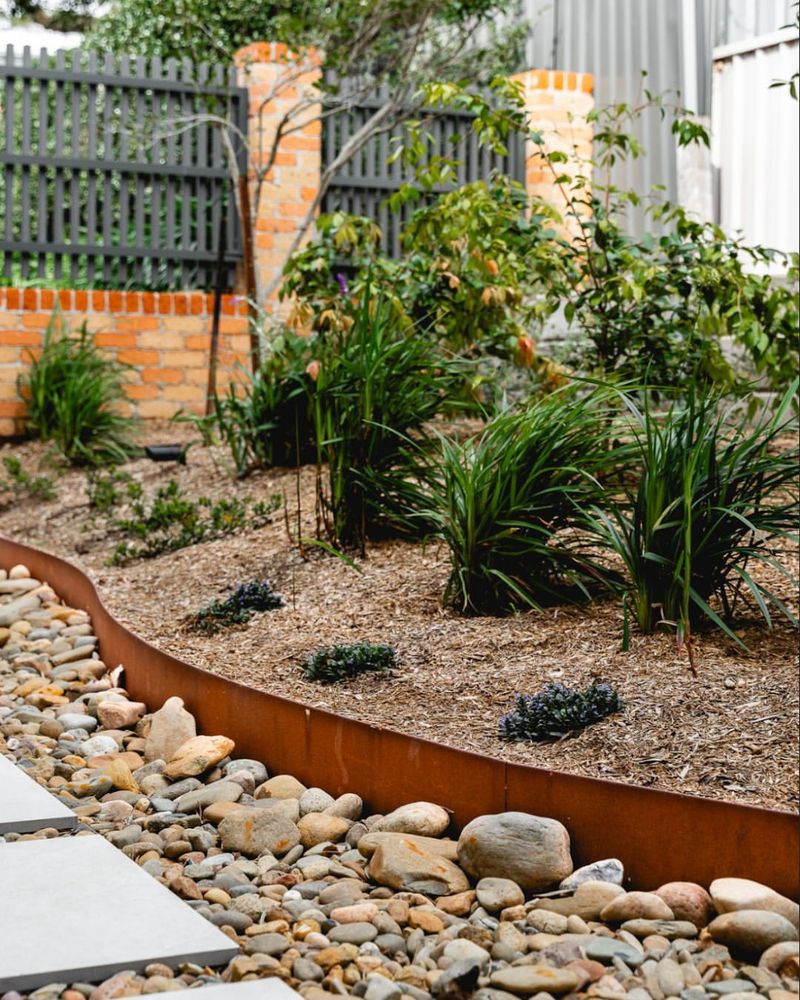
Thin metal strips provide clean, modern lines that make gardens look professionally designed without the professional price tag. Virginia homeowners appreciate how these flexible strips bend easily around curves and create smooth transitions between lawn and planting areas.
The slim profile nearly disappears once plants fill in.
Installation requires only a rubber mallet to tap the edging into the ground along a marked line. Most products come in rolls or sections that connect together for longer runs.
The top edge sits just slightly above soil level to contain mulch effectively.
Steel edging lasts for many years without warping, cracking, or breaking down like plastic alternatives. It stands up to Virginia’s temperature swings and doesn’t become brittle in cold weather.
The material won’t rust if you choose galvanized or powder-coated options.
This type works beautifully for geometric garden designs and contemporary landscapes with architectural plants. The narrow footprint takes up minimal space, leaving more room for actual plantings.
Grass trimmer lines slide right over the top without catching or damaging the edging.
You can find affordable steel edging at most home improvement stores, often on sale during spring gardening season. Some Virginia landscaping companies sell leftover materials from commercial projects at reduced prices.
The investment pays off with decades of maintenance-free performance and a consistently neat appearance that makes your entire yard look more polished and intentional.
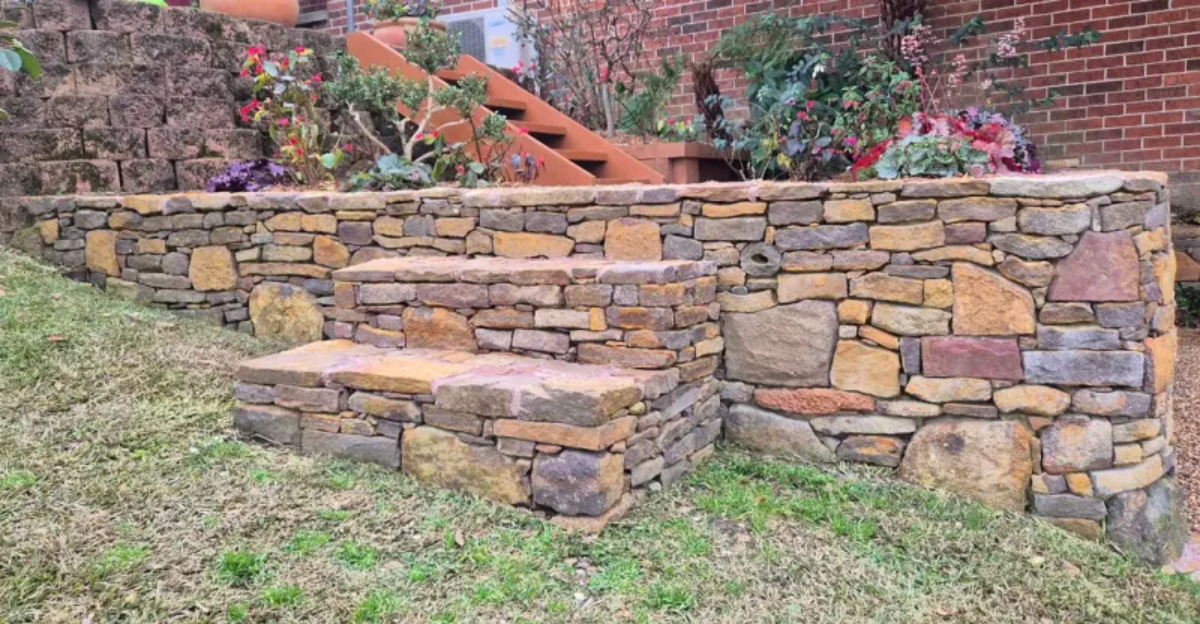
6. Stacked Stone Walls
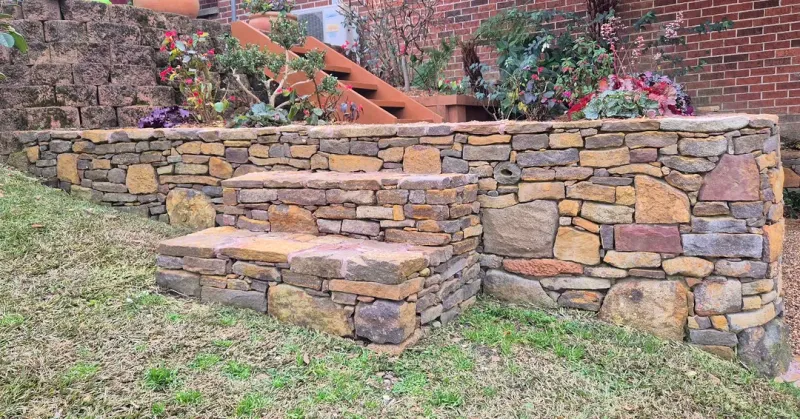
Flat stones stacked two or three layers high create elegant raised borders that add dimension to flat Virginia yards. Many rural areas have fieldstone available for the taking, or you can purchase flagstone pieces affordably from stone yards.
The irregular shapes fit together like puzzle pieces for a natural dry-stack look.
Start with the largest, flattest stones as your base layer, placing them directly on level ground. Add subsequent layers by overlapping joints like brickwork for stability.
No mortar or special skills are needed for low borders under one foot tall.
This technique works wonderfully for terracing sloped areas or creating raised beds that improve drainage in Virginia’s clay soils. The stone retains heat during the day and releases it slowly at night, benefiting heat-loving plants.
Gaps between rocks provide hiding spots for beneficial toads and lizards.
Choose stones with similar thickness within each layer for a more uniform appearance. Mixing colors from gray to tan to rust creates visual interest without looking too busy.
The weight of stacked stones keeps them in place without additional anchoring.
Planting low-growing herbs or succulents in crevices softens the hard edges and adds living color. This style complements both formal English gardens and casual cottage landscapes throughout Virginia.
The permanence of stone means you create this border once and enjoy it for a lifetime with virtually no upkeep required.
7. Bamboo Roll Borders
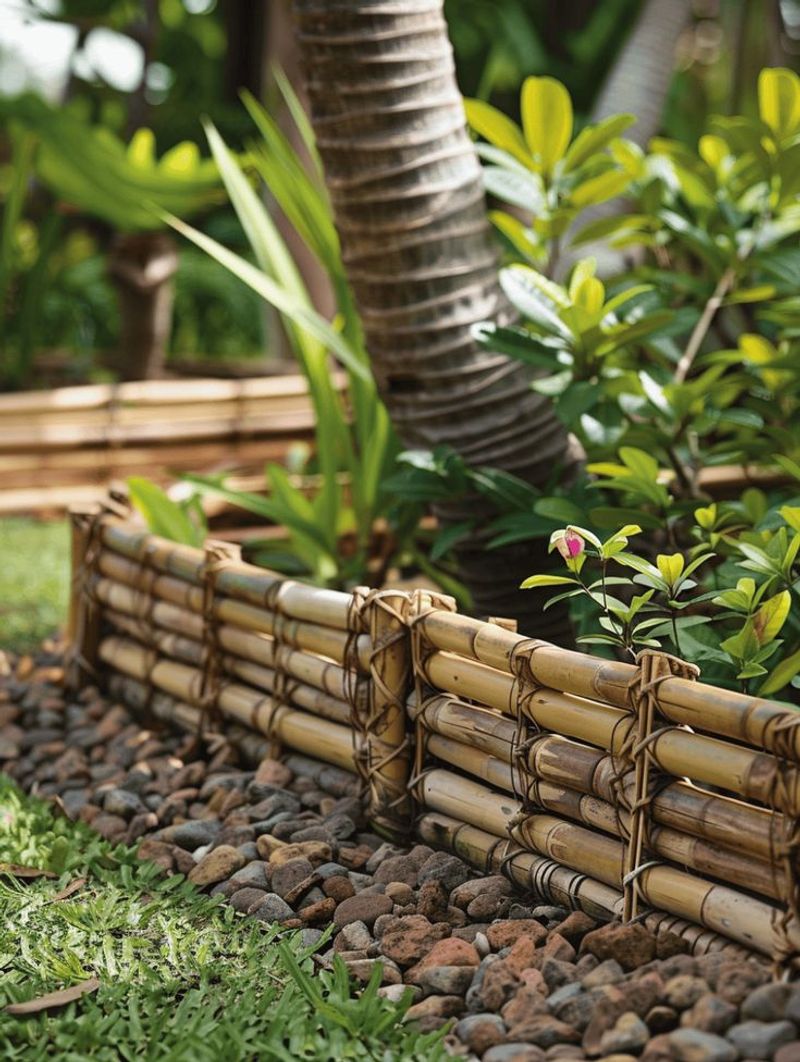
Rolled bamboo fencing cut into short sections provides tropical-inspired edging that brings an exotic touch to Virginia gardens.
These affordable rolls come in various heights and natural tones at garden centers and import stores. The vertical slats create texture and rhythm along planting beds.
Simply unroll the bamboo to your desired length and secure it with wooden or metal stakes every few feet. The flexible material bends gently around curves without kinking or breaking.
Natural twine or wire holds the rolls together and blends into the organic look.
This lightweight option works perfectly for annual flower beds that change location each season. You can easily move or adjust the borders as your garden evolves.
The golden-brown color warms up spaces and complements both bright blooms and green foliage.
Bamboo naturally resists insects and holds up well to Virginia’s humid summers when treated with a clear sealer. The hollow stems allow air circulation that prevents mold and mildew.
Rain and sprinkler water pass through easily without pooling.
Asian-inspired gardens with ornamental grasses, Japanese maples, and stone lanterns look especially cohesive with bamboo edging.
The material also suits tropical plantings like cannas, elephant ears, and hibiscus. Replacing sections every few years as they weather keeps the look fresh without major expense or effort.
8. Concrete Pavers
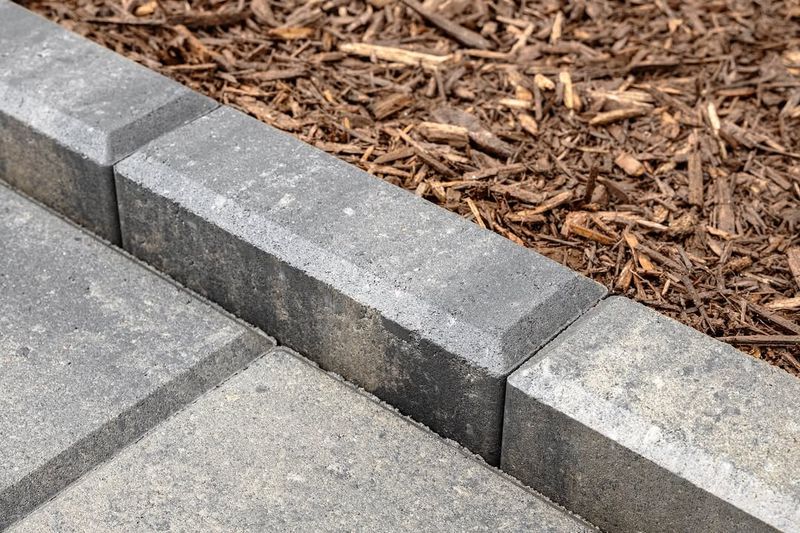
Affordable concrete pavers laid end-to-end form sturdy borders that handle foot traffic and lawn equipment without shifting. Virginia home improvement stores frequently offer sales on basic rectangular pavers in neutral colors.
The uniform size makes installation straightforward even for beginners.
Dig a shallow trench slightly wider than your pavers and add a layer of sand for leveling. Set each paver firmly and check that tops are even using a straight board.
The solid surface creates a mowing strip that lets wheels roll smoothly along the edge.
This practical choice works well for high-traffic areas near walkways or where kids and pets play frequently. The weight keeps pavers anchored during Virginia’s occasional strong storms.
They won’t tip or scatter like lighter materials.
You can find interesting shapes beyond basic rectangles, including hexagons and scalloped edges for more decorative appeal. Staining concrete pavers with outdoor colorant transforms plain gray into warm terracotta or cool slate tones.
The hard surface also provides a clean place to kneel while weeding or planting.
Spacing pavers slightly apart and filling gaps with ground covers like creeping thyme adds softness to the functional border.
This technique reduces material costs while creating a charming checkerboard effect. The combination of hard and soft elements gives Virginia gardens a balanced, lived-in character that feels welcoming rather than overly formal or stark.
9. Rubber Mulch Borders
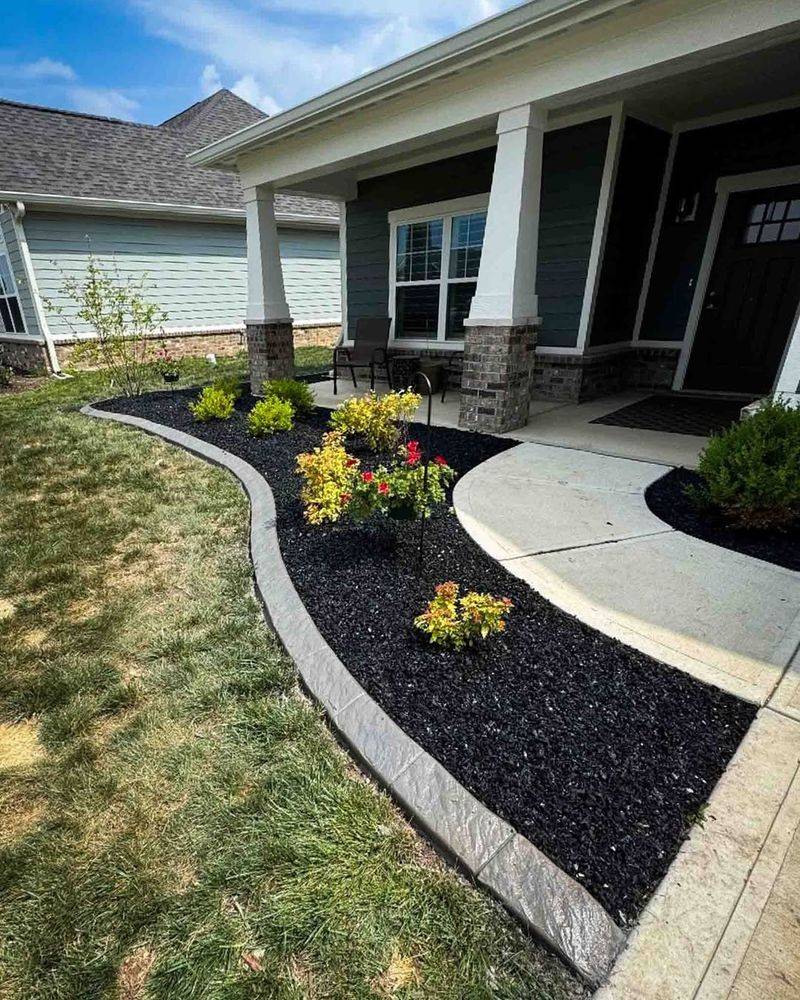
Recycled rubber mulch formed into edging pieces offers an eco-friendly alternative that never rots or needs replacement. Made from old tires, these products come in natural brown and black colors that blend with traditional Virginia landscapes.
The flexible material absorbs impact and won’t crack in freezing temperatures.
Interlocking rubber edging pieces snap together quickly without tools or hardware. The lightweight sections are easy to transport and handle during installation.
Simply press them into place along prepared trenches for instant definition.
This cushioned border provides safety around play areas where children might run or fall near garden beds. The rubber won’t splinter like wood or create sharp edges like metal.
Virginia parents appreciate this child-friendly option for family yards.
Rubber naturally resists fading from sun exposure and maintains its color for years without painting or staining. It doesn’t attract termites or harbor pests like organic materials sometimes do.
The non-porous surface cleans easily with a quick spray from the hose.
Some gardeners worry about rubber’s appearance looking too artificial, but newer products mimic wood grain textures convincingly.
Choosing dark colors helps the edging recede visually, letting plants take center stage.
The environmental benefit of recycling tires appeals to eco-conscious Virginia homeowners who want sustainable landscaping solutions that perform well without ongoing maintenance or periodic replacement costs that add up over time.
10. Living Plant Borders
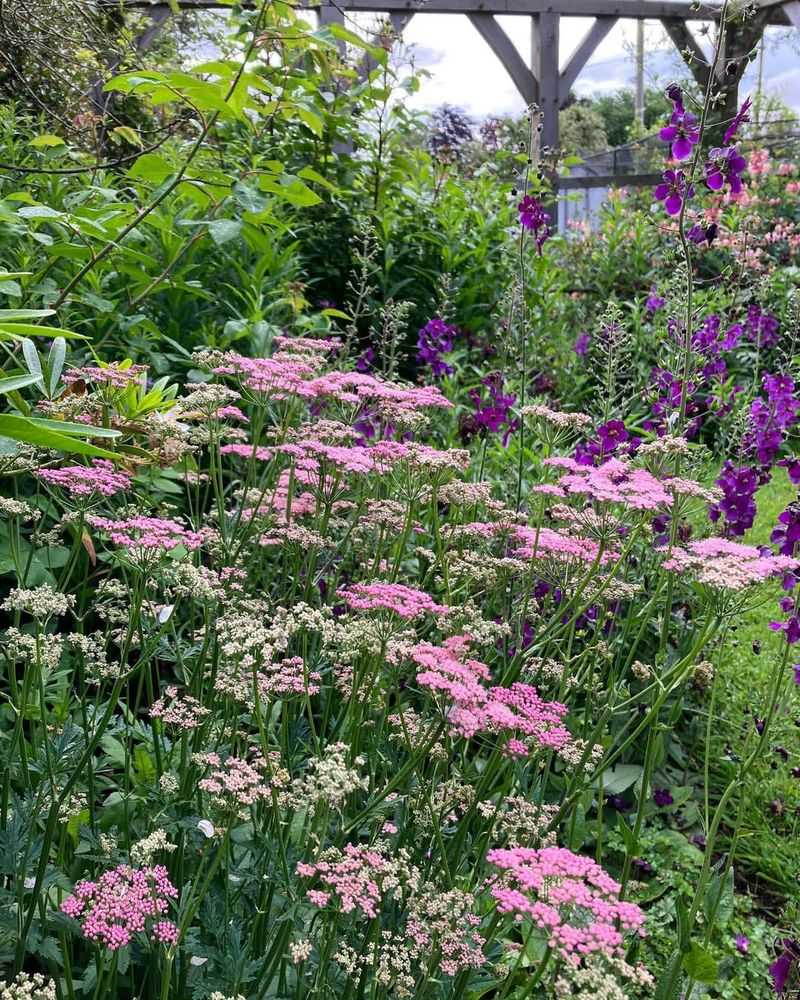
Low-growing perennials planted in dense rows create living edges that bloom with color while defining garden boundaries naturally. Virginia’s climate supports many excellent edging plants like catmint, dianthus, and sedum that thrive without fussing.
This approach costs less than hardscape materials when you propagate divisions from existing plants.
Space plants closely at the front of beds so they grow together into a continuous ribbon of foliage and flowers. Choose varieties that stay compact and don’t flop into lawn areas.
The soft texture contrasts beautifully with taller plants behind them.
Evergreen options like creeping phlox and ajuga provide year-round structure in Virginia gardens even during winter months. Flowering choices attract pollinators and beneficial insects that improve overall garden health.
The living border changes with seasons, offering new interest throughout the year.
This method requires more patience than instant hardscape edging but rewards you with increasing beauty as plants mature. Regular trimming after blooming keeps edges neat and encourages fuller growth.
Most edging perennials tolerate Virginia’s heat and humidity well once established.
Mixing different plants with complementary colors creates a tapestry effect along borders. Silver-leafed varieties like lamb’s ear glow in evening light and cool down hot color schemes.
The roots help stabilize soil and prevent erosion on slopes while the foliage suppresses weeds naturally without chemicals or constant weeding sessions.