Texas Gardeners Rely On These 11 Vegetables For No-Till Success
No-till gardening has been gaining real traction in Texas as gardeners look for ways to grow more while disturbing soil less.
Hot summers, compacted ground, and moisture loss push many people to rethink traditional digging and turning.
Certain vegetables respond especially well to no-till conditions, making success feel more achievable instead of experimental.
Texas gardeners often notice stronger soil structure once digging stops and organic layers are left intact.
The right vegetables take advantage of that layered soil, sending roots down without needing constant intervention.
No-till beds hold moisture better, which matters during long dry stretches and sudden heat spikes. Gardeners who stick with no-till often say planting becomes simpler rather than harder.
Over time, soil life improves, and crops begin to thrive with fewer inputs.
These vegetables earn their place because they adapt easily to Texas conditions.
For many gardeners, no-till stops feeling like a technique and starts feeling like the new normal.
1. Okra
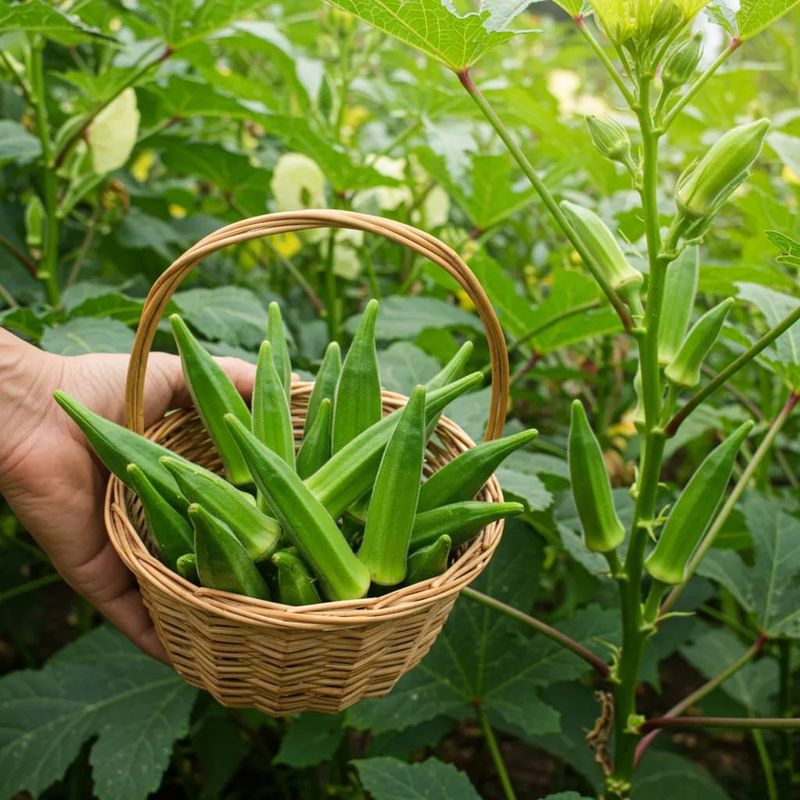
Hot weather doesn’t bother this vegetable one bit, making it a natural choice for Texas gardens where summer temperatures soar. Okra sends down a strong taproot that breaks through compacted soil layers without any need for tilling or digging.
Gardeners across the Lone Star State love how this plant thrives in undisturbed ground, producing pods for months on end.
Planting okra in no-till beds means less work and more harvest time for you. The thick mulch layer common in no-till gardens keeps moisture around the roots, which helps during dry spells.
Okra plants grow tall and sturdy, creating their own shade for the soil below.
Pods develop quickly once the plant starts flowering, and you’ll need to check your plants every other day during peak season. Smaller pods taste more tender than larger ones, so harvest them when they’re about three to four inches long.
Texas gardeners often start seeds directly in the ground after the last frost passes.
This crop handles heat stress better than most vegetables, rarely wilting even when temperatures climb above 95 degrees. The flowers attract pollinators to your garden, benefiting other plants nearby.
Okra’s deep roots also pull nutrients from lower soil layers, enriching the topsoil as plant material breaks down.
Varieties like Clemson Spineless and Burgundy perform exceptionally well in no-till systems throughout Texas. Both types resist common pests and diseases without much intervention.
Your harvest will continue until the first frost arrives in fall.
2. Southern Peas
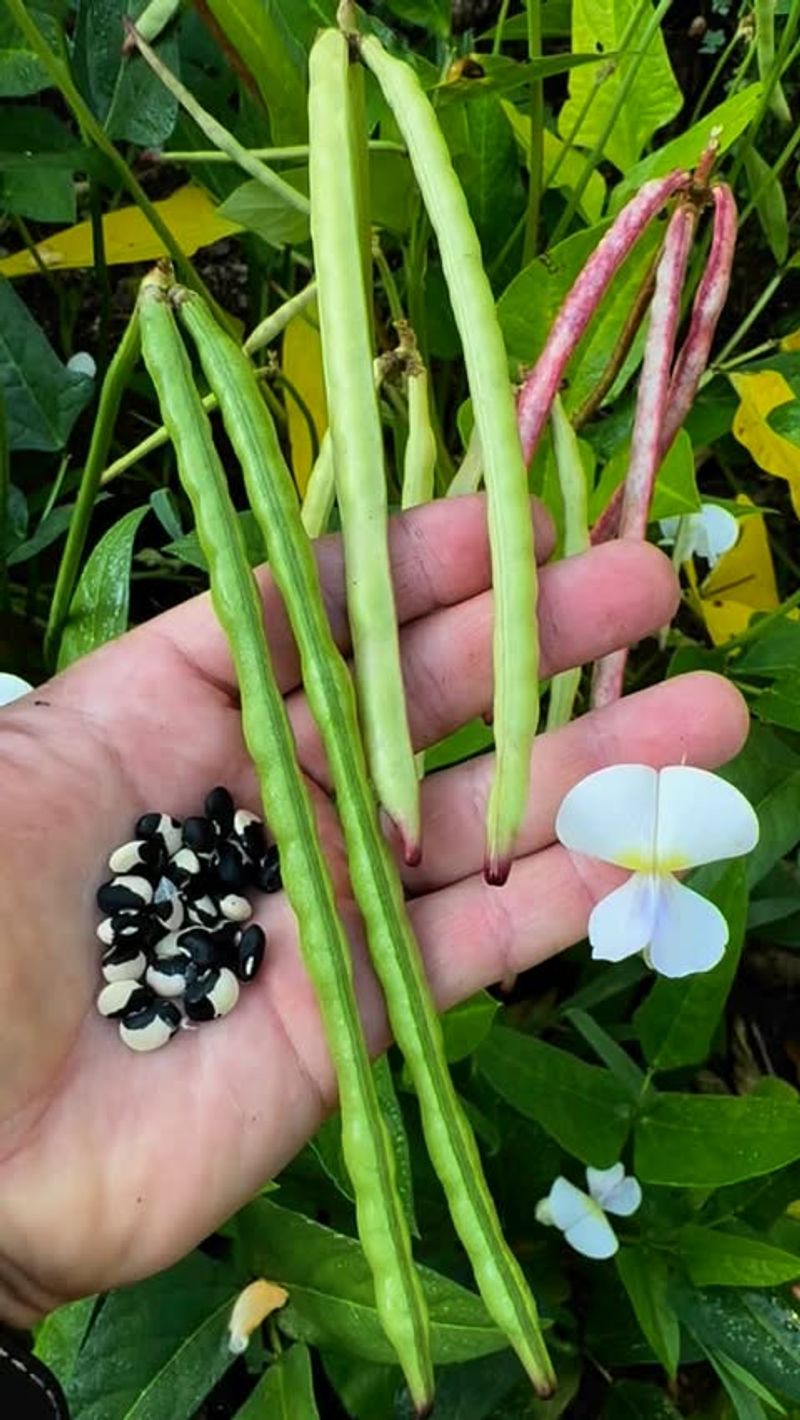
Nitrogen-fixing abilities make these legumes valuable additions to any no-till garden in Texas. Southern peas improve soil fertility naturally by working with beneficial bacteria in their root nodules.
You’ll notice healthier plants growing in the same spot the following season.
Black-eyed peas, crowders, and purple hulls all fall into this category, offering gardeners plenty of variety to choose from. Each type brings its own flavor profile and texture to summer meals.
Texas families have grown these peas for generations, relying on them as a staple crop.
Planting happens after the soil warms up in late spring, usually around the same time you put in okra. Seeds germinate quickly in warm ground, often sprouting within a week.
Your Texas Garden Changes Every Week. Your Plan Should Too.
Gardening in Texas changes quickly throughout the season. Every Friday you’ll receive a simple weekly plan showing exactly what to plant, prune, fertilize, harvest, and protect so you never miss the right timing.
No-till beds warm faster than traditionally worked soil, giving you an earlier start.
These plants handle drought conditions remarkably well once established, making them perfect for unpredictable Texas weather patterns. Their roots explore deep into the soil profile, finding moisture that shallow-rooted crops miss.
Mulch helps retain what little rain does fall during dry periods.
Harvesting fresh peas gives you tender, sweet pods perfect for summer cooking, while dried peas store for months. Many Texas gardeners do both, picking some fresh and leaving others to dry on the vine.
The choice depends on your family’s needs and preferences.
3. Sweet Potatoes
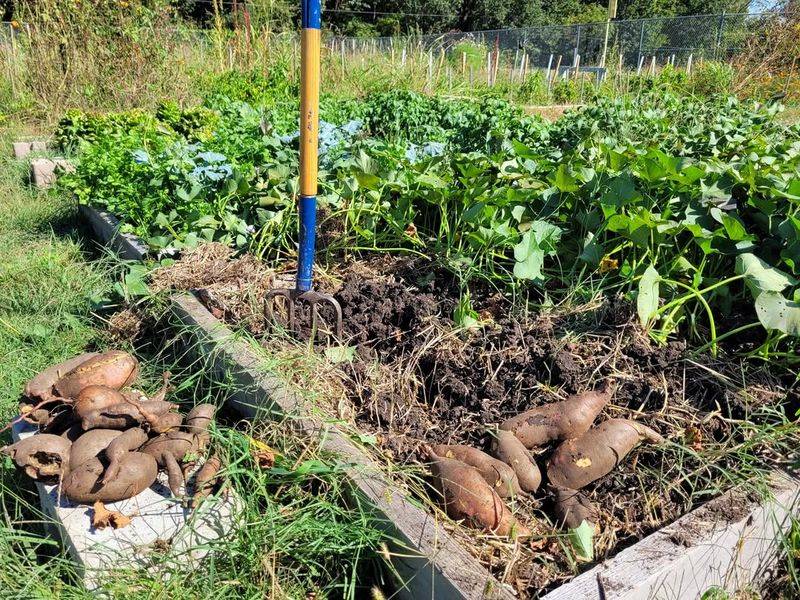
Underground tubers develop beautifully in undisturbed soil, making sweet potatoes ideal candidates for no-till gardening across Texas. The vining plants spread across the garden bed, creating a living mulch that shades out competing weeds.
Your soil stays cooler and moister under this dense canopy of heart-shaped leaves.
Slips, or rooted cuttings, go into the ground after all danger of frost passes in spring. Planting them in loose compost on top of your no-till bed gives roots an easy path downward.
Sweet potatoes don’t mind clay soil as long as the top layer offers good drainage.
Texas gardeners appreciate how little maintenance these plants require once established in the garden. Watering needs decrease as the vines mature and shade the ground completely.
The crop practically takes care of itself through the long, hot summer months.
Tuber formation happens underground where you can’t see it, but healthy top growth indicates good root development. Avoid disturbing the soil around plants since this can damage developing sweet potatoes.
No-till methods naturally prevent this problem by eliminating cultivation.
Harvest time arrives in fall, usually about 100 to 120 days after planting your slips. Waiting until after the first light frost sweetens the tubers but don’t let them freeze solid in the ground.
Texas weather sometimes allows for extended growing seasons in southern regions.
4. Cherry Tomatoes
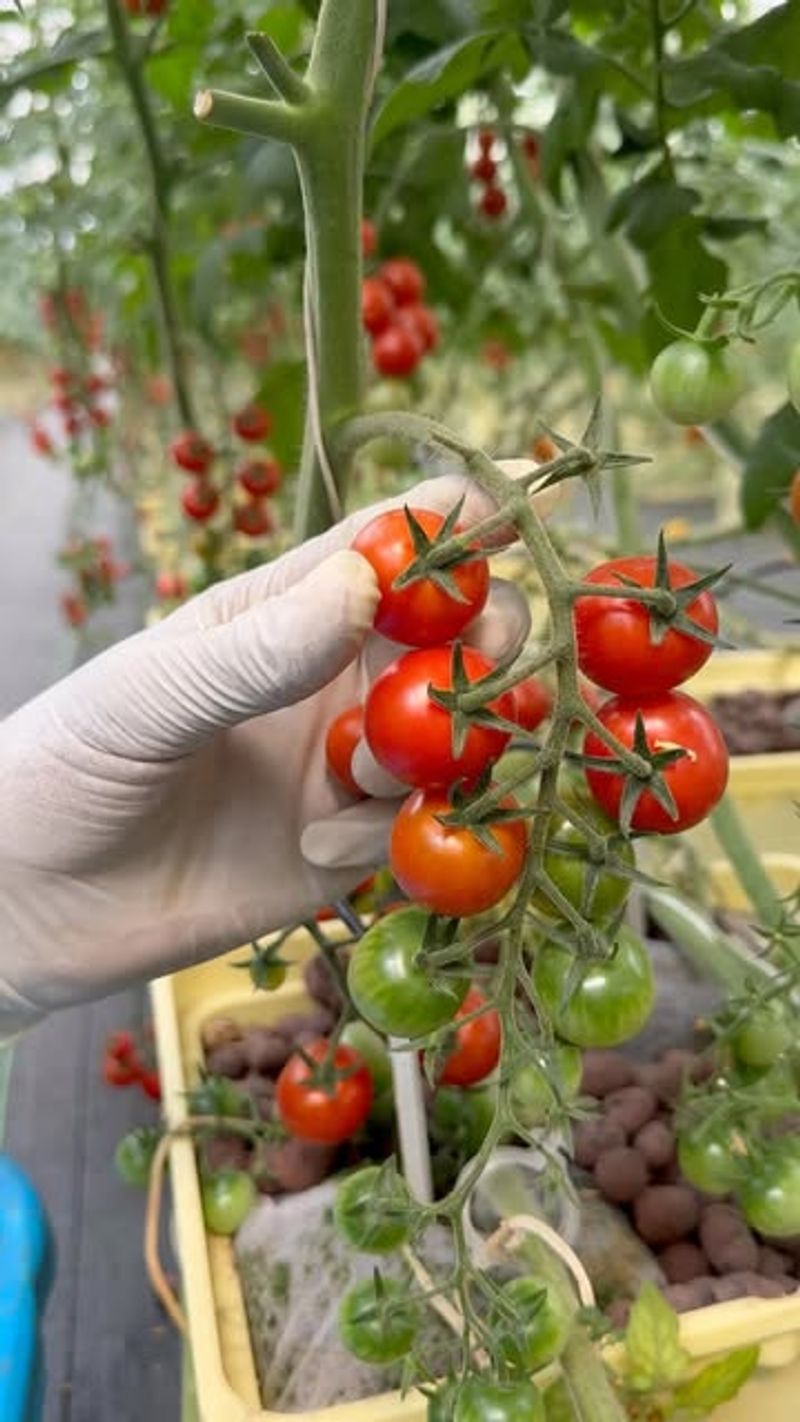
Prolific production makes cherry tomato plants favorites among Texas gardeners who practice no-till methods. Small fruits ripen faster than large slicing tomatoes, giving you an earlier harvest.
Kids love popping these sweet treats straight into their mouths while walking through the garden.
Transplanting seedlings into well-mulched no-till beds gives them a strong start in spring. Burying the stem deeply encourages extra root development along the buried portion.
Strong root systems help plants access water during inevitable Texas dry spells.
Determinate varieties stay more compact, while indeterminate types keep growing and producing until frost arrives. Most Texas gardeners prefer indeterminate cherry tomatoes for their extended harvest period.
Staking or caging becomes essential as these plants grow tall and heavy with fruit.
Mulch depth matters significantly for tomato success in no-till gardens across the state. A four to six-inch layer keeps soil temperatures moderate and prevents moisture loss.
Grass clippings, straw, or shredded leaves all work well for this purpose.
Blossom end rot sometimes affects tomatoes when calcium uptake gets disrupted by inconsistent watering. No-till gardens maintain more consistent soil moisture, reducing this common problem.
The stable environment benefits tomato plants throughout their growing season.
5. Peppers
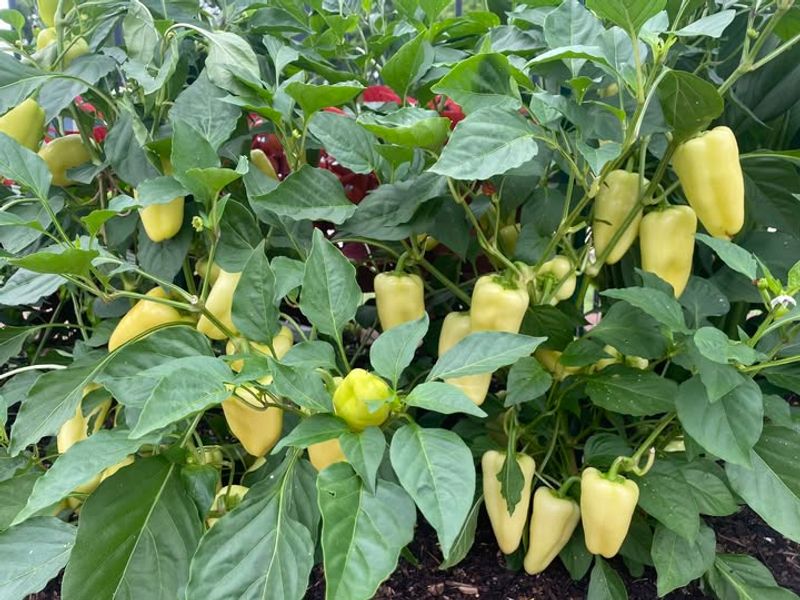
Warm soil and steady moisture create perfect growing conditions for peppers in Texas no-till gardens. Bell peppers, jalapeños, and sweet banana types all flourish when planted in undisturbed, well-mulched beds.
The stable soil environment encourages strong root systems that support heavy fruit loads.
Transplants go into the garden after nighttime temperatures stay consistently above 55 degrees. Cold soil slows pepper growth dramatically, so patience pays off in the long run.
Texas gardeners in southern regions can plant earlier than those in northern counties.
Mulching heavily around pepper plants prevents soil from splashing onto leaves during rainstorms. Clean foliage resists fungal diseases better than muddy leaves.
No-till beds naturally shed water rather than forming puddles that spread pathogens.
Peppers appreciate consistent moisture but hate waterlogged roots that lead to root rot. The improved drainage in established no-till beds solves this problem elegantly.
Organic matter in the soil acts like a sponge, holding moisture while allowing excess water to drain away.
Hot pepper varieties like habaneros and serranos produce more intense heat when grown under slightly stressful conditions. Reducing water as fruits mature concentrates the capsaicin compounds responsible for spiciness.
Texas heat naturally stresses plants just enough to boost pepper intensity.
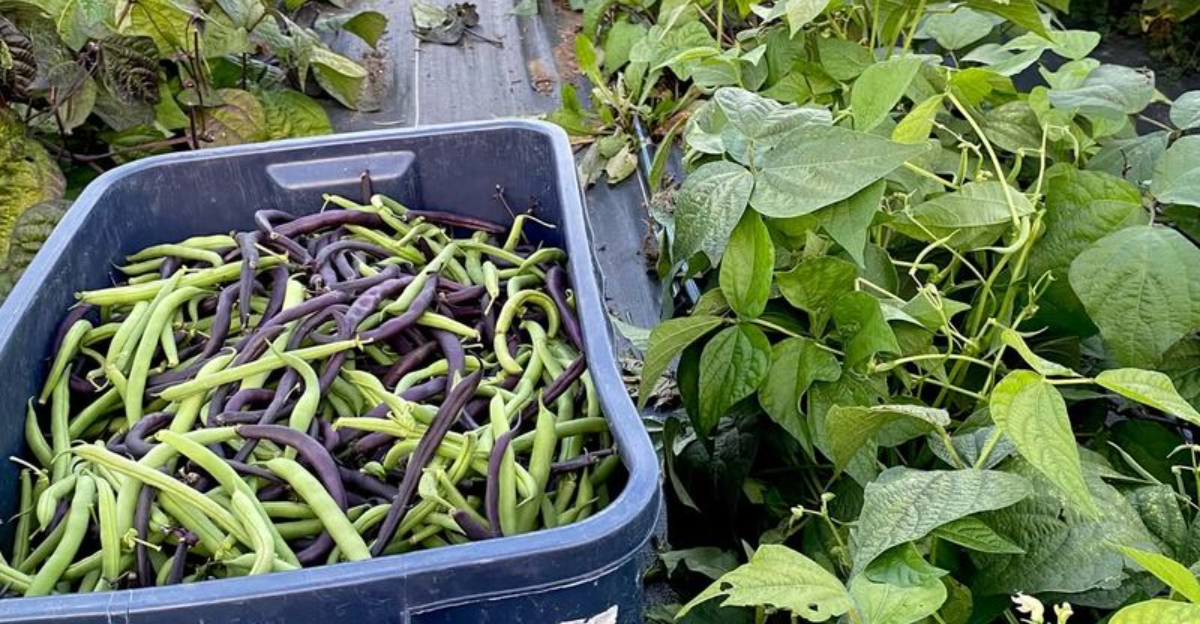
6. Bush Beans
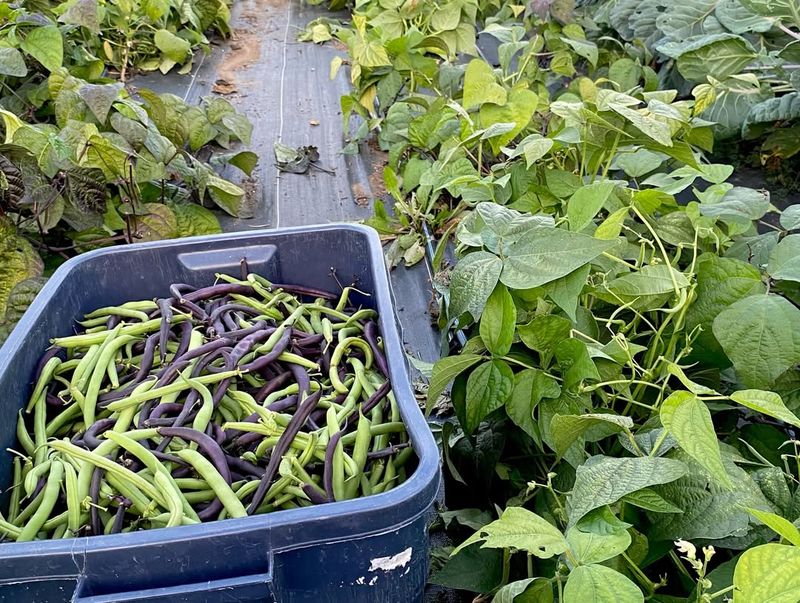
Quick maturity and compact growth make bush beans perfect for Texas no-till gardens with limited space. Seeds germinate readily in warm spring soil, producing harvestable pods in just 50 to 60 days.
You can fit multiple successions into a single growing season by replanting every few weeks.
Direct seeding works best with bush beans since they dislike root disturbance during transplanting. Poke seeds about an inch deep into your mulched no-till bed, spacing them a few inches apart.
Germination happens fast when soil temperatures reach 70 degrees or higher.
Nitrogen-fixing roots benefit the soil just like southern peas, leaving behind fertility for future crops. Bush beans require minimal fertilization, making them economical choices for budget-conscious gardeners.
The plants take care of their own nitrogen needs through bacterial partnerships.
Texas heat can reduce flowering and pod set during the hottest part of summer. Planting early spring and late summer crops avoids this problem while extending your harvest season.
Many gardeners skip the midsummer planting and focus on cooler periods.
Mulch keeps bean roots cool during temperature spikes, allowing plants to continue producing longer. The insulating layer protects soil organisms that support plant health.
Healthy soil biology translates directly into more productive bean plants.
7. Malabar Spinach
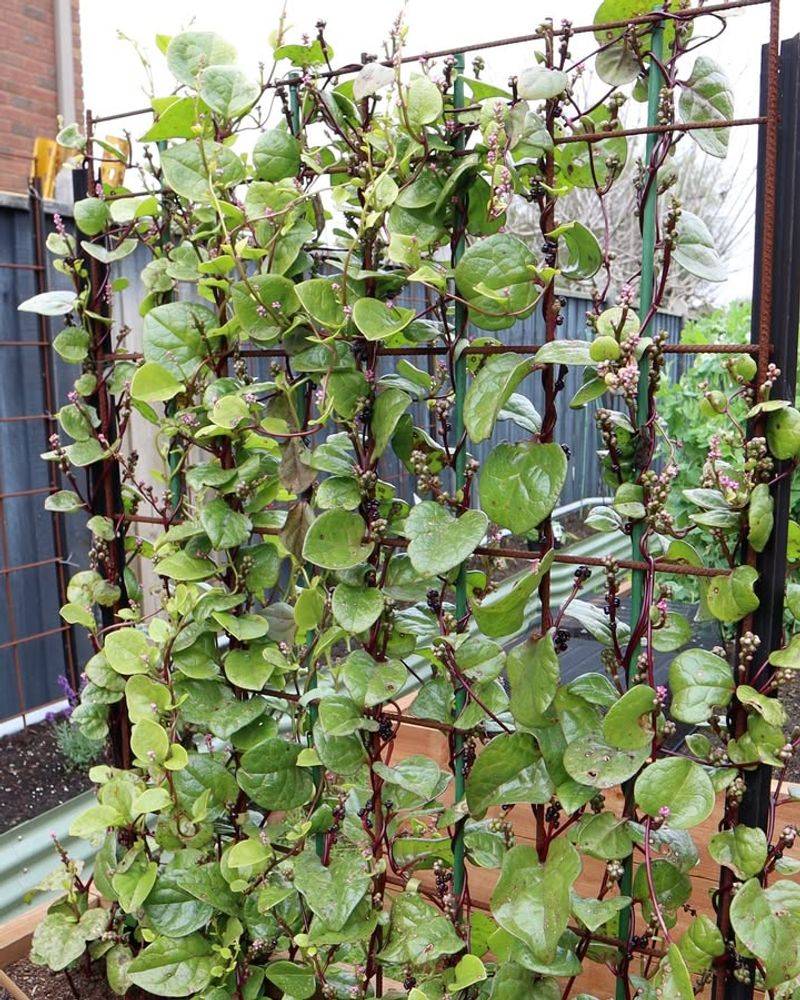
Vining greens that love hot weather give Texas gardeners fresh salad material all summer long. Malabar spinach thrives when other leafy vegetables bolt and turn bitter in the heat.
The thick, succulent leaves have a slightly different texture than regular spinach but work beautifully in cooking.
This perennial vine grows as an annual in most parts of Texas, though it might survive mild winters in southern counties. Seeds need warm soil to germinate, so wait until late spring before planting.
Transplants give you a head start if you can find them at local nurseries.
Trellising becomes necessary as vines reach impressive lengths of 10 feet or more by late summer. Sturdy support keeps the heavy vines off the ground and makes harvesting easier.
Cattle panels or chain-link fences work perfectly for supporting vigorous growth.
No-till gardens provide the consistent moisture that Malabar spinach needs for tender leaf production. Dry soil causes leaves to become tough and less palatable.
Thick mulch layers help maintain the even moisture that produces the best-tasting greens.
Two types exist, one with green stems and another with attractive red stems that add ornamental value. Both taste similar, though some gardeners detect slight flavor differences.
The red-stemmed variety makes an eye-catching addition to edible landscapes.
8. Cucumbers
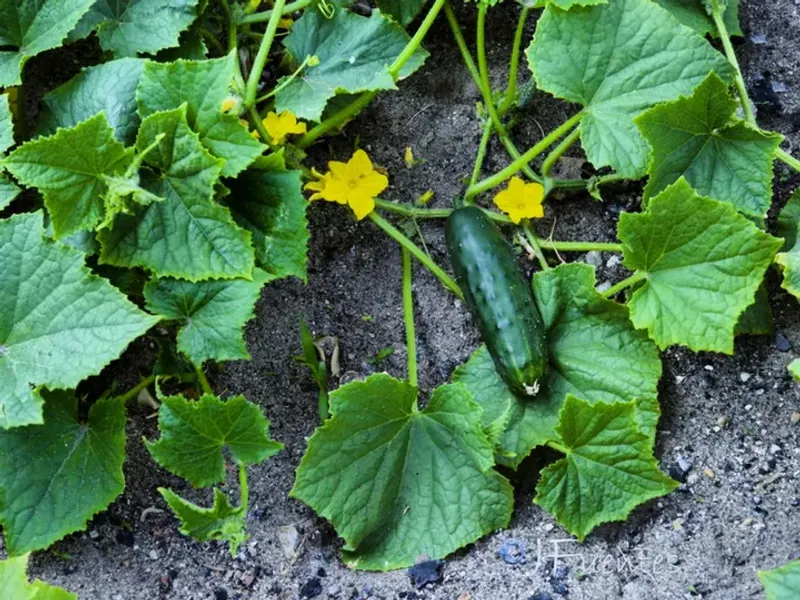
Crisp, refreshing cucumbers grow quickly in Texas no-till gardens when given proper support and consistent moisture. Vining types produce heavier yields than bush varieties, though both work well in undisturbed beds.
Trellising keeps fruits clean and straight while saving valuable garden space.
Planting seeds directly in warm soil gives better results than transplanting, since cucumbers dislike root disturbance. Space seeds about a foot apart along the base of your trellis or support structure.
Germination happens within a week when soil temperatures reach 70 degrees.
Mulch plays a critical role in cucumber success by maintaining the even moisture these plants crave. Fluctuating water availability causes bitter-tasting fruits and misshapen growth.
No-till beds naturally regulate moisture better than bare, tilled soil.
Texas gardeners often grow cucumbers in spring and again in fall to avoid the worst summer heat. Extreme temperatures above 95 degrees can reduce flowering and fruit set.
Timing plantings for milder weather produces better harvests with less effort.
Picking cucumbers when they’re young and tender encourages plants to produce more fruits. Oversized cucumbers signal the plant to stop producing and focus on seed development.
Daily harvests during peak season keep vines in production mode.
Powdery mildew sometimes affects cucumber leaves in humid conditions, but good air circulation helps prevent problems. Vertical growing on trellises improves airflow around foliage.
No-till gardens with healthy soil biology also show better disease resistance overall.
9. Squash
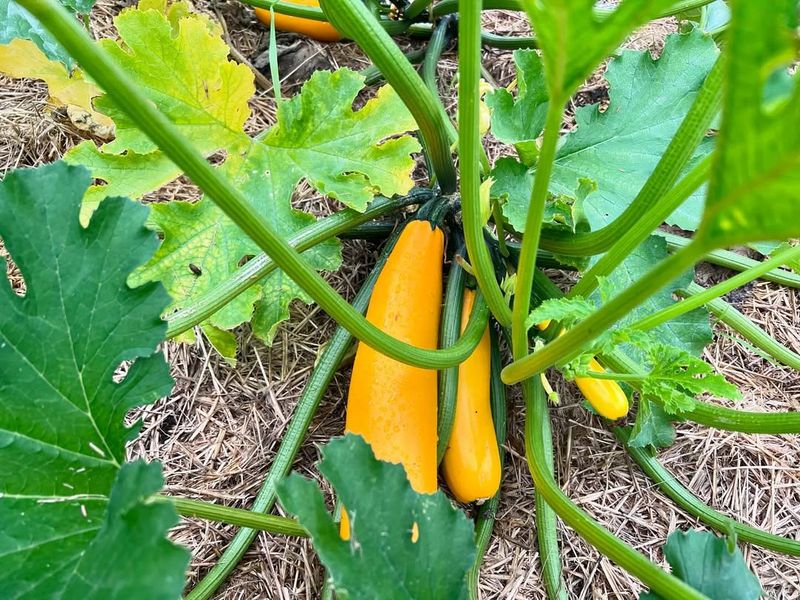
Summer squash varieties produce abundantly in Texas no-till gardens when planted at the right time. Zucchini, yellow crookneck, and pattypan types all thrive in undisturbed, well-mulched beds.
The large leaves create natural weed suppression while shading the soil surface.
Direct seeding works best since squash plants establish quickly from seed in warm soil. Plant seeds about an inch deep in small hills or mounds of compost on top of your no-till bed.
Spacing plants three feet apart gives them room to spread without crowding.
Texas gardeners typically plant squash in early spring and again in late summer for fall harvests. Midsummer heat and squash vine borers make summer production challenging in many areas.
Timing plantings to avoid peak pest pressure increases success rates significantly.
Mulching heavily around squash plants helps retain moisture and keeps fruits clean as they develop. Fruits resting on bare soil often develop soft spots or rot.
Straw or grass clipping mulch provides a clean surface for developing squash.
Harvesting young fruits when they’re six to eight inches long gives you the best flavor and texture. Giant zucchinis might look impressive but taste bland and watery.
Regular harvesting also keeps plants producing new fruits rather than maturing seeds.
10. Eggplant
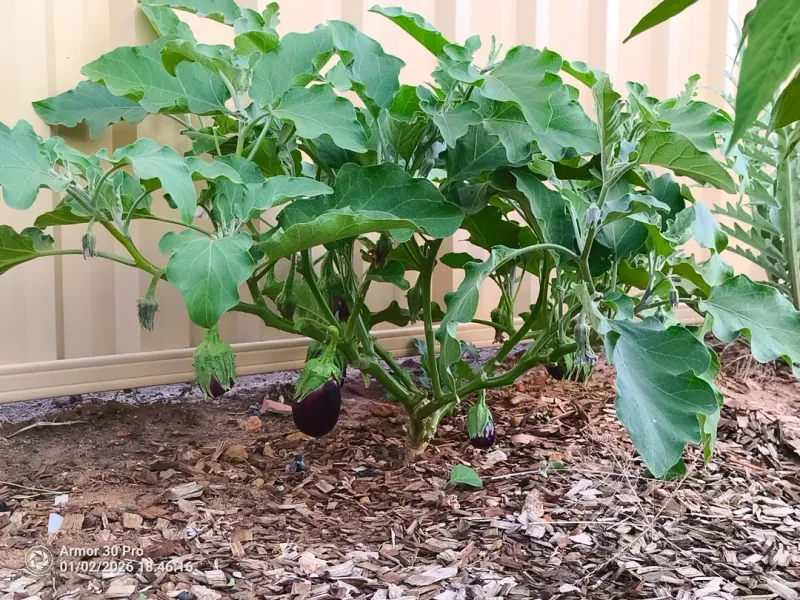
Heat-loving plants that produce beautiful purple fruits thrive in Texas no-till gardens throughout summer. Eggplant handles high temperatures better than many vegetables, continuing to flower and set fruit when others struggle.
The glossy fruits add visual interest to garden beds while providing delicious harvests.
Transplanting seedlings gives better results than direct seeding since eggplant needs a long growing season. Set plants in well-mulched no-till beds after all danger of frost passes in spring.
Burying stems slightly deeper than they grew in containers encourages stronger root development.
Consistent moisture proves essential for quality eggplant production in Texas heat. Stress from irregular watering causes bitter-tasting fruits and blossom drop.
No-till beds maintain more even moisture levels, supporting steady growth and fruit development.
Mulching around eggplant plants keeps soil cool and prevents moisture loss during hot weather. A four to six-inch layer of organic material makes a significant difference in plant performance.
Grass clippings, straw, or shredded leaves all work well for this purpose.
Flea beetles sometimes damage young eggplant leaves, creating small holes that can stress plants. Covering transplants with row cover fabric until they’re established helps prevent early damage.
Healthy plants in no-till systems usually outgrow minor pest problems.
11. Watermelon
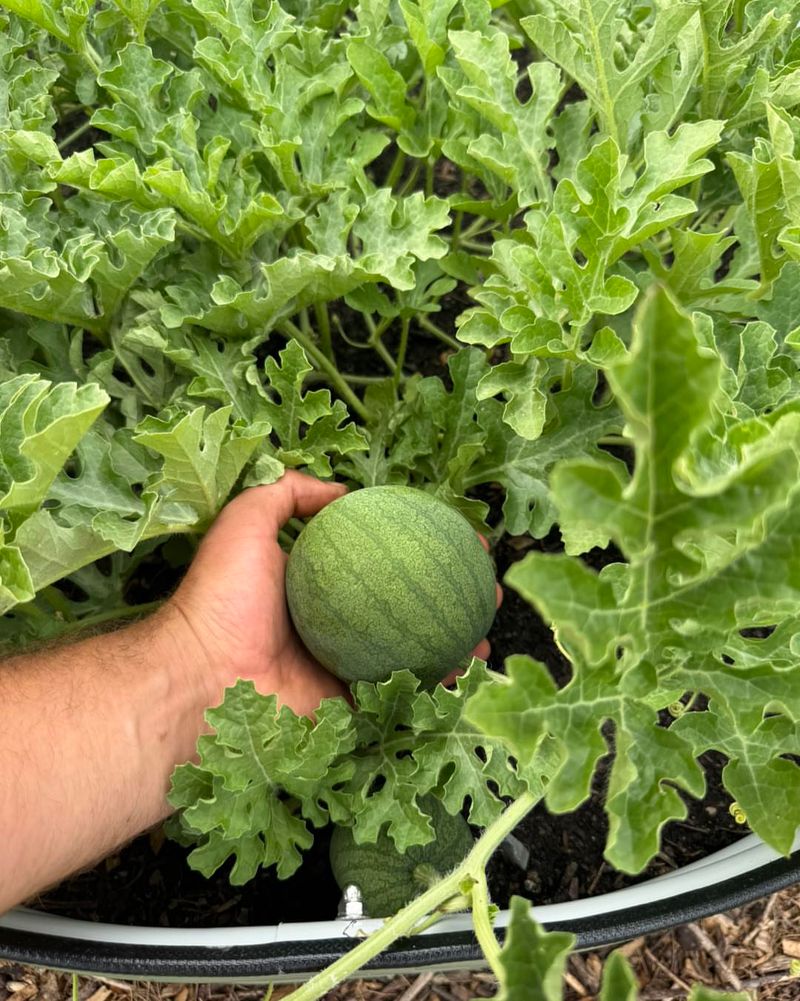
Sweet, juicy melons develop beautifully in Texas no-till gardens with proper spacing and care. Watermelons need room to spread their vines across the garden bed or beyond.
The sprawling growth habit creates living mulch that shades soil and suppresses weeds naturally.
Direct seeding works best since watermelons dislike transplanting and root disturbance. Plant seeds in small hills of compost on top of your no-till bed, spacing hills about six feet apart.
Warm soil above 70 degrees ensures quick germination and vigorous early growth.
Texas heat suits watermelon production perfectly, and these plants actually need high temperatures to develop sweet fruits. Cool weather during fruit development produces bland, less flavorful melons.
The long, hot Texas summer provides ideal conditions from planting through harvest.
Consistent moisture during fruit development determines melon quality and sweetness significantly. Stress from drought causes hollow hearts and poor flavor.
No-till beds with thick mulch layers help maintain the steady moisture watermelons need.
Reducing water as fruits near maturity concentrates sugars and improves flavor. Most Texas gardeners stop watering about a week before expected harvest.
This technique produces sweeter melons with better texture.