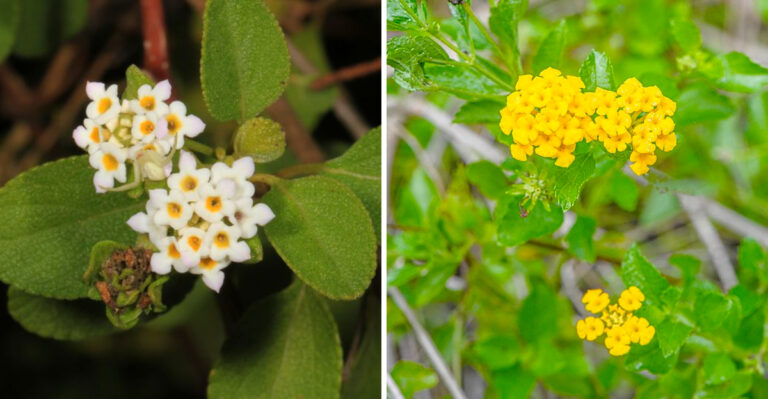
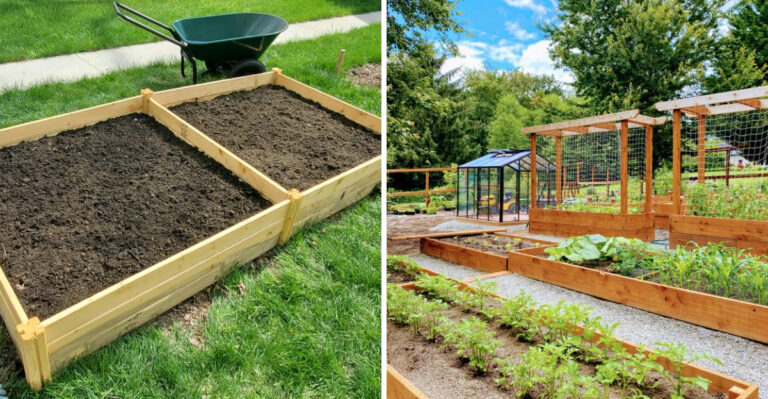
These 9 Designer Approved Trees And Shrubs Never Look Bare In Florida
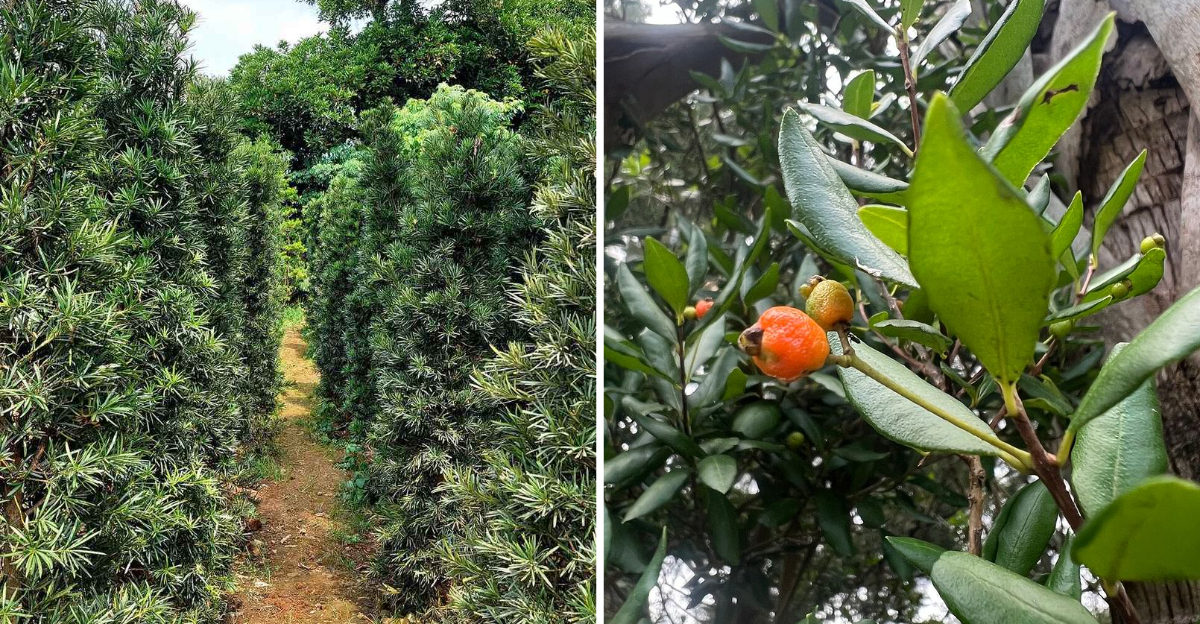
Most Florida homeowners have seen it happen. The yard looks great for a while, then a cold snap rolls through or summer heat drags on and suddenly everything feels thin, patchy, and tired.
Plants that once looked full start dropping leaves, slowing down, or leaving awkward gaps that make the whole space feel unfinished.
It’s frustrating to invest time and money into landscaping only to watch it lose its shape a few months later.
That’s why seasoned designers lean on plants that show up year after year, not just during the “good” seasons. The right trees and shrubs hold their color, volume, and structure even when growth slows or weather shifts.
In a climate as unpredictable as Florida’s, reliability matters. These plants earn their place because they keep landscapes looking complete and cared for when others fade, helping yards feel welcoming, balanced, and lived in no matter the month.
1. Simpson’s Stopper
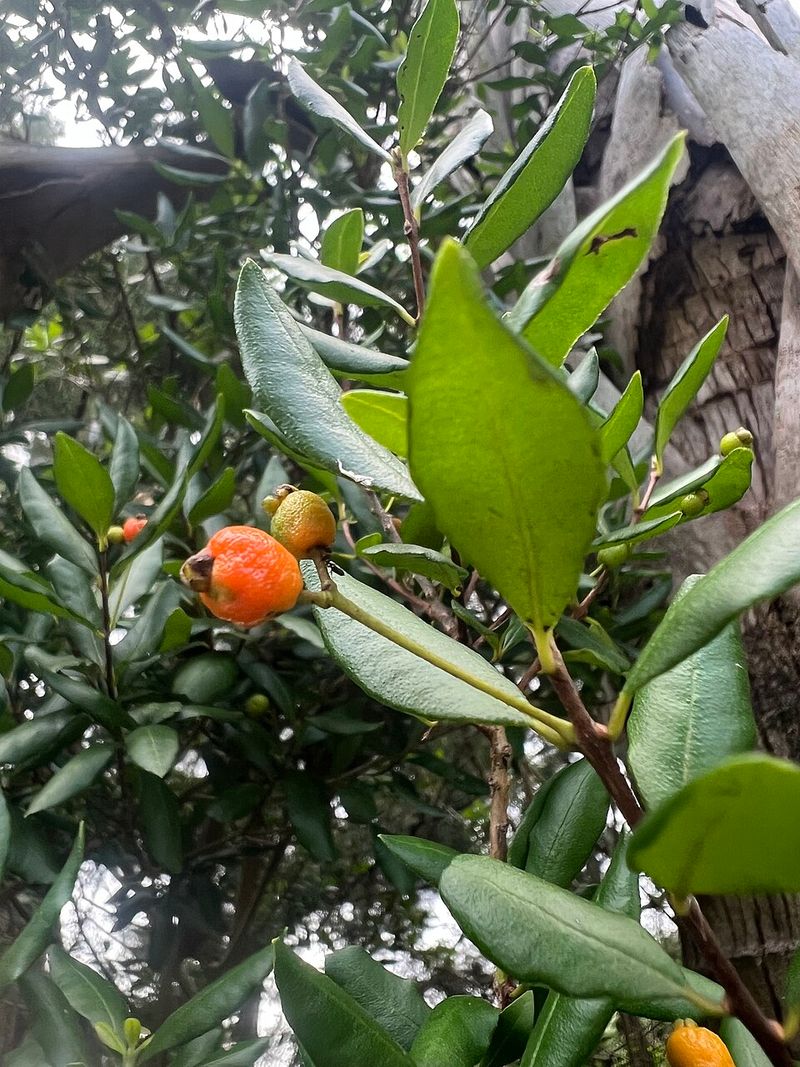
Designers love this native shrub because it holds dense foliage year-round without any seasonal dips or thinning. Simpson’s Stopper grows naturally in South and Central Florida, thriving in zones 9 through 11 where humidity stays high and temperatures rarely freeze.
Your landscape stays visually complete because this plant holds its small, glossy leaves year-round in most of Florida.
The plant produces clusters of white flowers in spring and summer, followed by small berries that attract birds but don’t create mess or require cleanup. Its branching structure stays tight and full, so it works beautifully as a privacy hedge, foundation planting, or accent shrub near patios and walkways.
You can shape it into a formal hedge or let it grow more naturally for a softer, layered look.
In North Florida, it may experience some leaf drop during cold snaps, but it bounces back quickly once temperatures rise. Designers favor Simpson’s Stopper in coastal areas because it tolerates salt spray and sandy soils without losing its lush appearance.
Your yard maintains a finished, intentional look because this shrub performs reliably through every Florida season without gaps or bare spots.
2. Dwarf Yaupon Holly
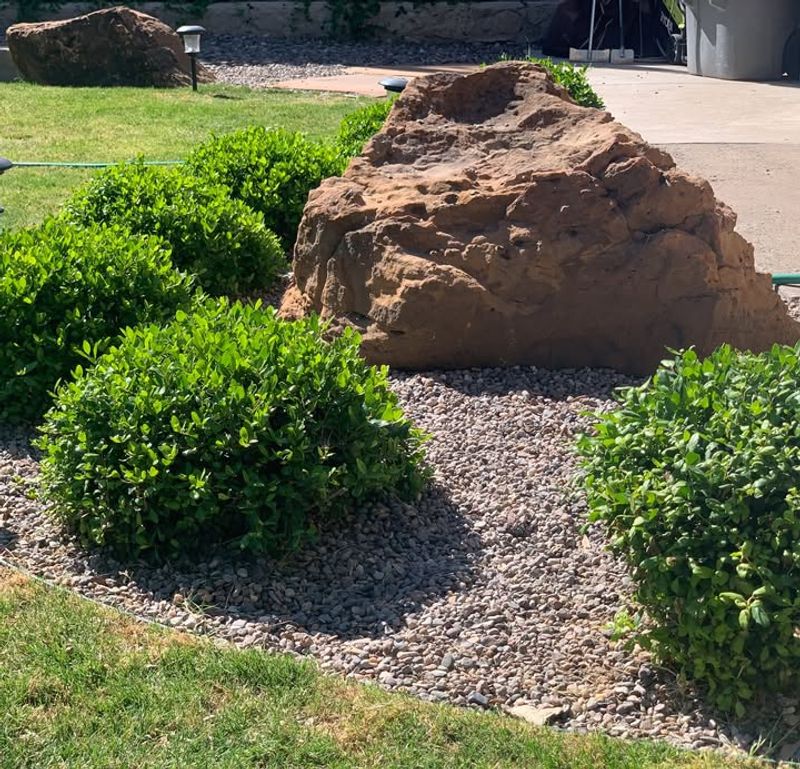
This compact evergreen stays full and rounded throughout the entire year, which is exactly why designers use it to anchor foundation beds and border walkways.
Dwarf Yaupon Holly grows well across all of Florida, from the Panhandle down to the Keys, adapting to different soils and moisture levels without losing its dense, tidy form.
Your landscape looks intentional and well-maintained because this shrub naturally holds its shape without requiring constant pruning or intervention.
The small, dark green leaves stay on the plant year-round, creating a solid backdrop for seasonal color or standing alone as a structural element. It tolerates full sun and partial shade, so you can use it in various spots around your property without worrying about performance drops.
Designers appreciate how it handles Florida’s summer heat and occasional winter cold without showing stress or thinning out.
In coastal areas, Dwarf Yaupon Holly resists salt damage and continues to look full and healthy even near the ocean. Your yard avoids that patchy, incomplete look because this shrub stays consistently green and structured through every month.
Your Florida Garden Changes Every Week. Your Plan Should Too.
Gardening in Florida changes quickly throughout the season. Every Friday you’ll receive a simple weekly plan showing exactly what to plant, prune, fertilize, harvest, and protect so you never miss the right timing.
It rarely needs shaping, but when you do trim it, the plant responds quickly and fills back in without bare spots or awkward gaps.
3. Podocarpus
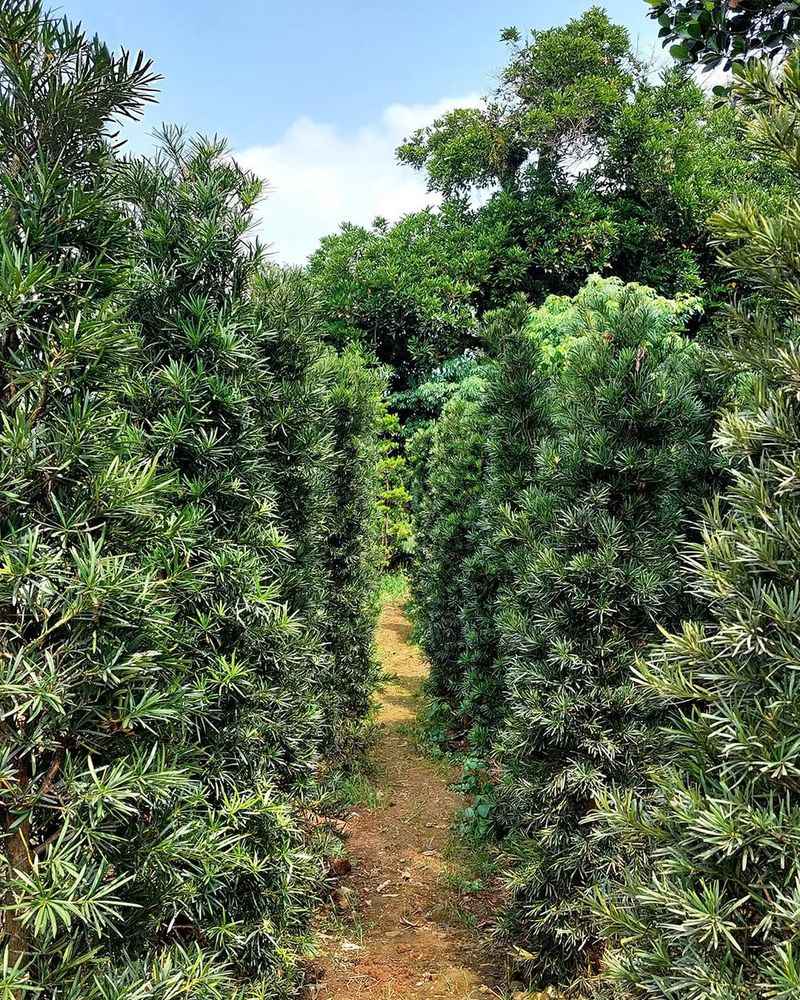
Walk through any professionally designed Florida landscape and you’ll likely spot Podocarpus serving as a tall hedge, privacy screen, or vertical accent. This evergreen shrub keeps its long, narrow leaves all year, holding its foliage year-round with minimal seasonal thinning.
Designers choose it for South and Central Florida properties because it grows steadily and maintains a full, upright form without gaps or bare patches.
Your landscape stays polished because Podocarpus responds well to pruning and shaping, allowing you to control its height and width while keeping it dense and structured. It performs best in zones 9 through 11, where it tolerates heat, humidity, and occasional drought without showing stress.
The deep green foliage provides a consistent backdrop for flowering plants or stands alone as a clean, modern hedge.
In North Florida, it may slow down during cooler months but rarely loses leaves or looks sparse. Designers favor Podocarpus for properties that need year-round screening because it blocks views and noise while staying visually appealing every season.
Your yard avoids the unfinished look that comes with deciduous plants because this shrub holds its color and structure through summer heat and winter cooldowns without missing a beat.
4. Cocoplum
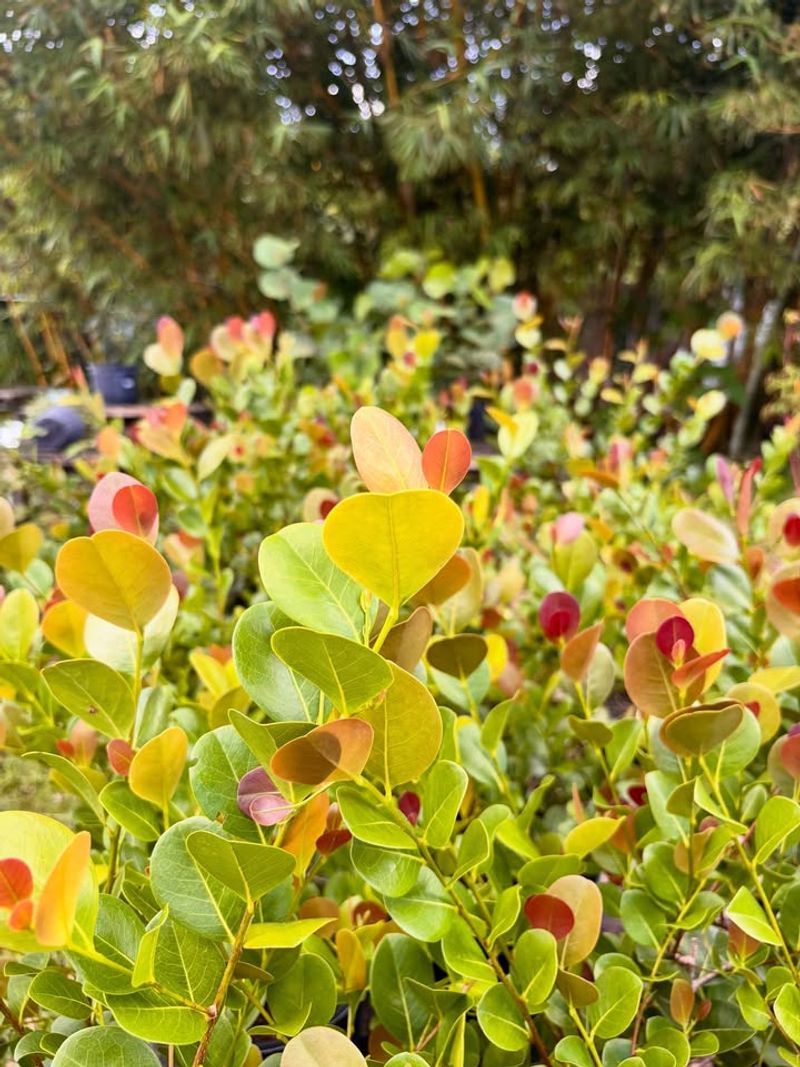
Cocoplum brings year-round fullness to Florida landscapes with its rounded leaves and naturally dense branching structure. Designers rely on this native shrub because it stays dense and full through most cooler months in Central and South Florida.
Your property maintains a lush, complete appearance because Cocoplum holds its glossy green or purple-tinged foliage all year with very little seasonal leaf drop.
The plant adapts to various light conditions, from full sun to partial shade, and tolerates coastal salt spray without losing its vibrant look. Designers use it as a low hedge, foundation planting, or informal screen because it fills in quickly and stays full without requiring excessive pruning.
It produces small white flowers and edible fruits, but neither creates maintenance issues or detracts from its clean, consistent appearance.
In North Florida, Cocoplum may experience minor cold damage during hard freezes, but it recovers quickly and regrows dense foliage. Your landscape avoids gaps and bare spots because this shrub naturally branches and fills out, creating a solid visual presence year-round.
Designers favor it for properties near the coast or in areas with sandy soil because it performs reliably without special care or amendments.
5. Southern Magnolia
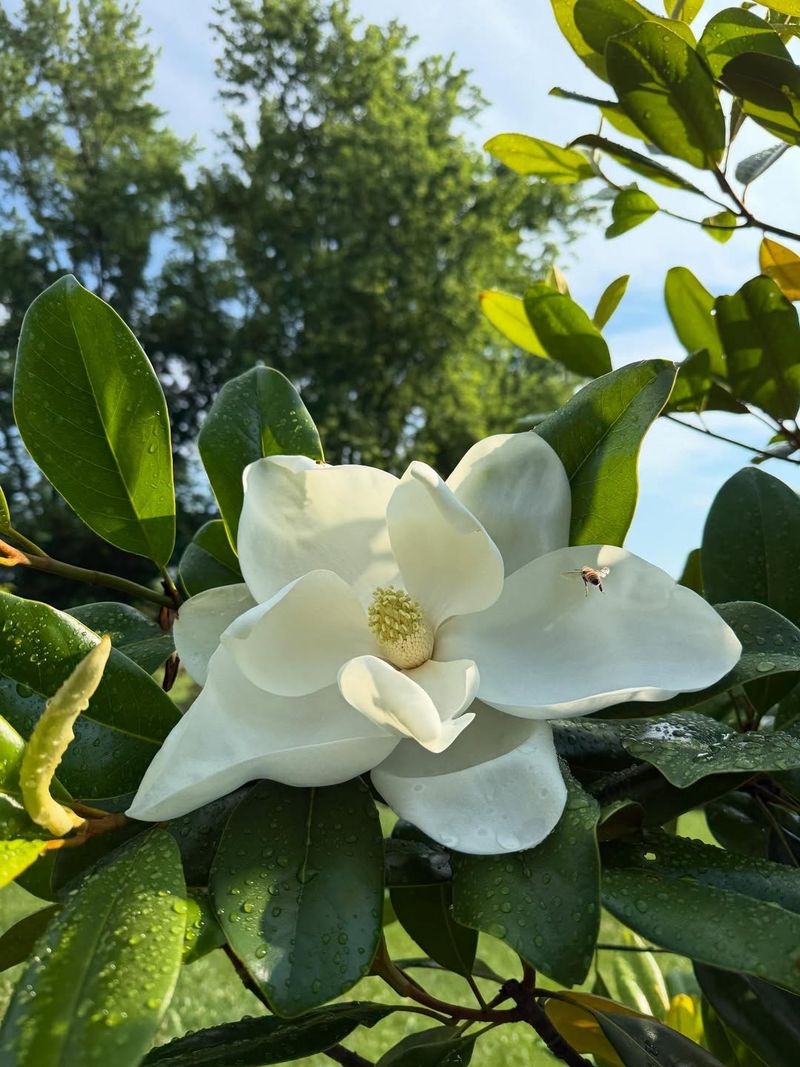
One of Florida’s most iconic evergreen trees, this species provides year-round structure, shade, and visual weight in established landscapes. Designers choose this tree for Central and North Florida landscapes because it provides year-round structure, shade, and visual weight that keeps your property looking intentional and complete.
Your yard rarely looks bare because the tree sheds old leaves gradually while continuously producing new growth. The tree produces stunning white blooms in late spring and summer, adding fragrance and visual interest without compromising its evergreen presence.
It grows best in zones 7 through 9, where it tolerates heat, humidity, and occasional cold without losing its majestic form. Designers favor Southern Magnolia as a focal point, shade tree, or backdrop because it anchors the landscape with reliable, year-round greenery.
In South Florida, it may struggle with extreme heat and humidity, but in Central and North Florida, it thrives and maintains a dense, structured canopy. Your landscape stays polished because this tree provides consistent shade and screening without seasonal gaps or thinning.
Designers use it to frame homes, line driveways, or create a sense of permanence that deciduous trees simply can’t match.
6. Walter’s Viburnum
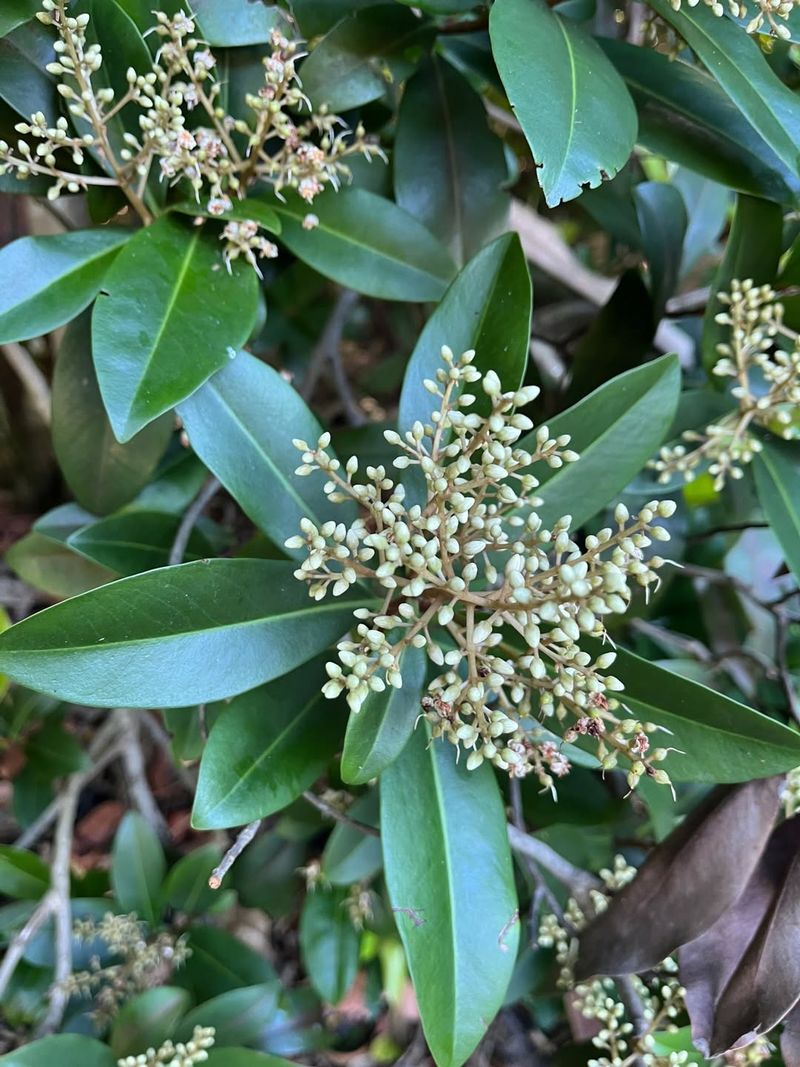
This versatile native shrub is valued by designers for its dense growth habit and dependable evergreen appearance in much of Central Florida. Designers favor this native shrub for Central and North Florida properties because it holds dense foliage year-round in much of Central Florida.
Your landscape maintains a finished appearance because this shrub stays consistently green and structured without seasonal dips in performance. In North Florida, it may act as a semi-evergreen during colder winters.
The plant produces clusters of white flowers in spring, followed by berries that attract birds and add seasonal interest without creating maintenance issues. It grows well in zones 7 through 10, adapting to various soil types and moisture levels while maintaining its full, bushy form.
Designers use Walter’s Viburnum as a privacy screen, foundation planting, or mixed border because it fills in quickly and stays visually appealing all year.
In South Florida, it may slow down slightly during the hottest months, but it never looks bare or stressed. Your yard avoids the patchy look that comes with deciduous plants because this shrub keeps its leaves and structure through every Florida season.
Designers appreciate how it handles full sun and partial shade while maintaining consistent growth and fullness, making it a versatile choice for various landscape situations.
7. Japanese Blueberry
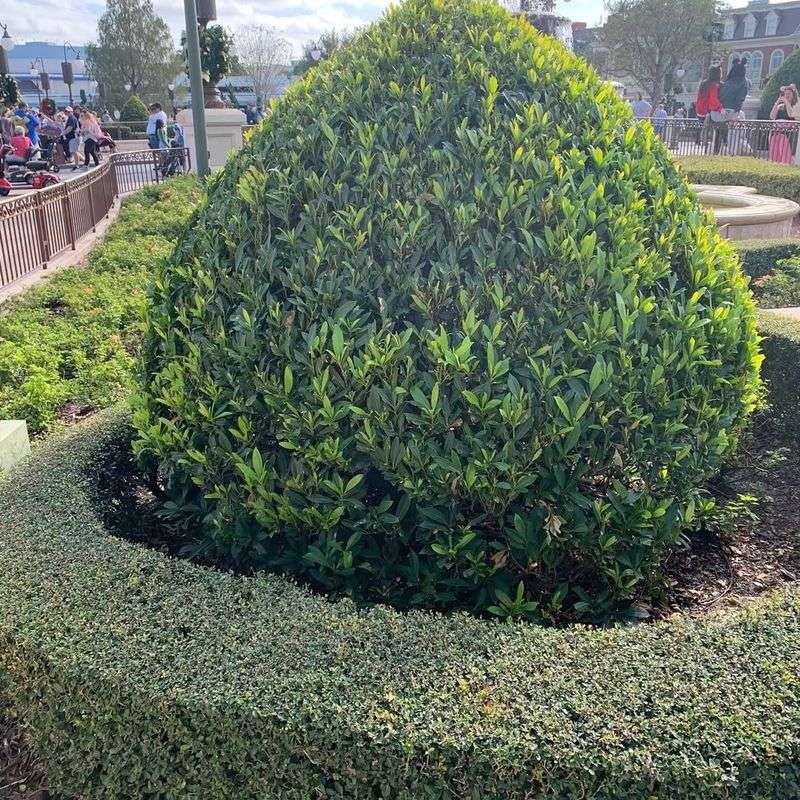
Often used as a screen, hedge, or focal point, this evergreen tree maintains a full, polished look throughout most of the year. This plant holds its dense, glossy foliage through most seasons, with only minor leaf drop during cooler months.
Your property stays visually complete because the tree maintains a full, structured form without gaps or bare spots, even as it grows taller.
The new growth emerges with a bronze or reddish tint before maturing to deep green, adding subtle seasonal interest without compromising the evergreen appearance. It grows well in Central and South Florida, thriving in zones 8 through 11 where it tolerates heat, humidity, and occasional drought.
Designers favor Japanese Blueberry for properties that need tall screening because it grows upright and dense, blocking views and noise year-round.
In North Florida, it may experience minor cold damage during hard freezes, but it recovers quickly and regrows dense foliage. Your landscape avoids the unfinished look that comes with deciduous trees because this evergreen stays full and green through every month.
Proper spacing and light help maintain fullness from top to bottom. Designers use it as a hedge, specimen tree, or backdrop because it provides consistent structure and color without seasonal maintenance or replanting.
8. Buttonwood
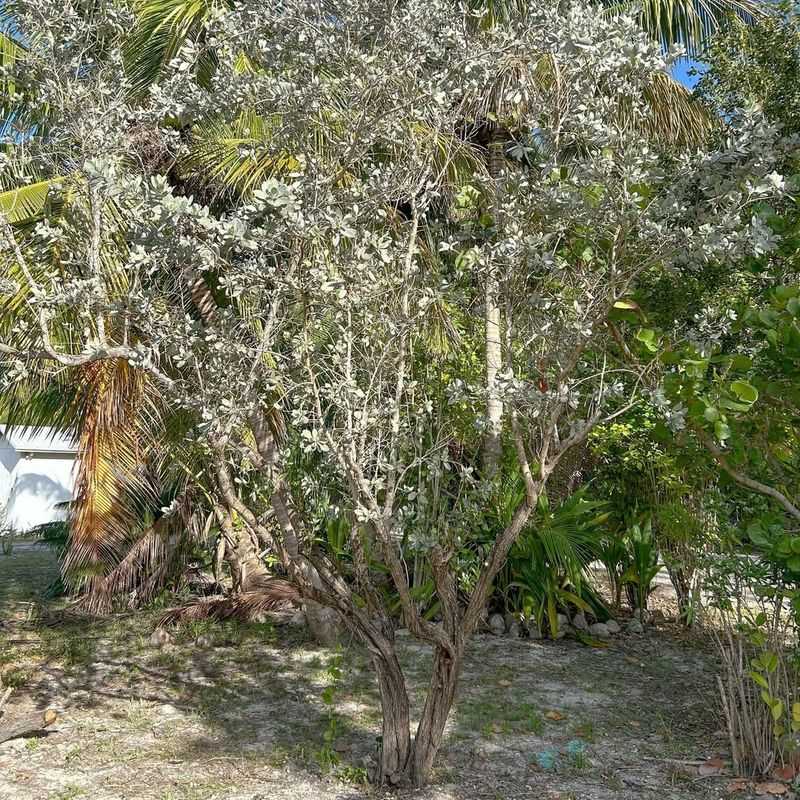
This coastal Florida native stands out for its silvery-green foliage and ability to stay full and structured in harsh seaside conditions. This evergreen tree thrives in South and Central Florida, particularly in coastal areas where it tolerates salt spray, wind, and sandy soils without losing its full, layered appearance.
Your landscape stays polished because Buttonwood never drops all its leaves at once, maintaining a consistent canopy through every season.
The tree grows naturally in a multi-trunk form, creating visual interest and a sculptural quality that works beautifully as a focal point or grouped planting. Designers choose it for zones 10 and 11 because it handles heat, humidity, and occasional flooding without showing stress or thinning out.
It adapts to pruning and shaping, allowing you to control its size and form while keeping it dense and full.
In North Florida, it may struggle with cold temperatures, but in its preferred range, it performs flawlessly year-round. Your yard avoids bare spots because this tree continuously produces new growth while shedding old leaves gradually, so the canopy always looks complete.
Designers favor Buttonwood for waterfront properties and coastal landscapes because it stays lush and structured even in challenging conditions that would stress other trees.
9. Florida Anise
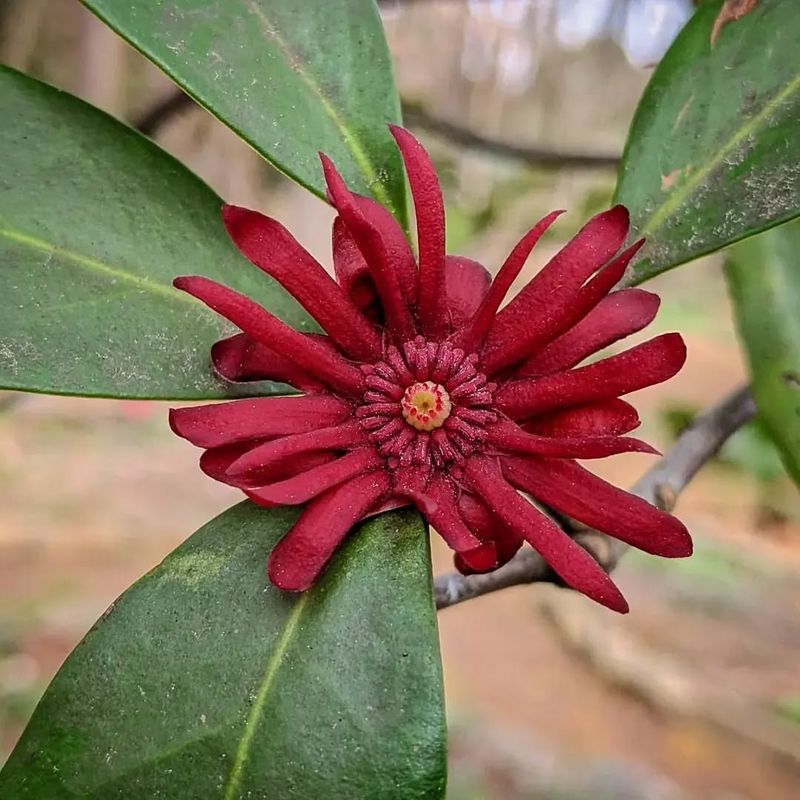
Florida Anise brings year-round fullness to shaded areas where many other shrubs struggle or thin out during cooler months. Designers favor this native evergreen for Central and North Florida landscapes because it holds its glossy, aromatic leaves through most seasons with minimal leaf drop.
Your landscape stays complete and intentional because Florida Anise performs reliably in partial to full shade, filling gaps under trees or along shaded foundations.
The plant produces unique, reddish-brown flowers in spring that add subtle interest without detracting from its evergreen presence. It grows well in zones 7 through 9, adapting to various soil types and moisture levels while maintaining consistent growth and fullness.
Designers use Florida Anise as a foundation planting, woodland accent, or informal hedge because it stays lush and structured without requiring constant pruning or intervention.
In South Florida, it may struggle with extreme heat and humidity, but in its preferred range, it thrives and stays full year-round. Your yard avoids the sparse, unfinished look that comes with deciduous shrubs because this plant keeps its leaves and structure through every Florida season.
Designers appreciate how it handles shade and occasional drought while maintaining a polished, evergreen appearance that anchors shaded areas beautifully.