Essential Gardening Tips For Using The Right Mulch In Texas Gardens
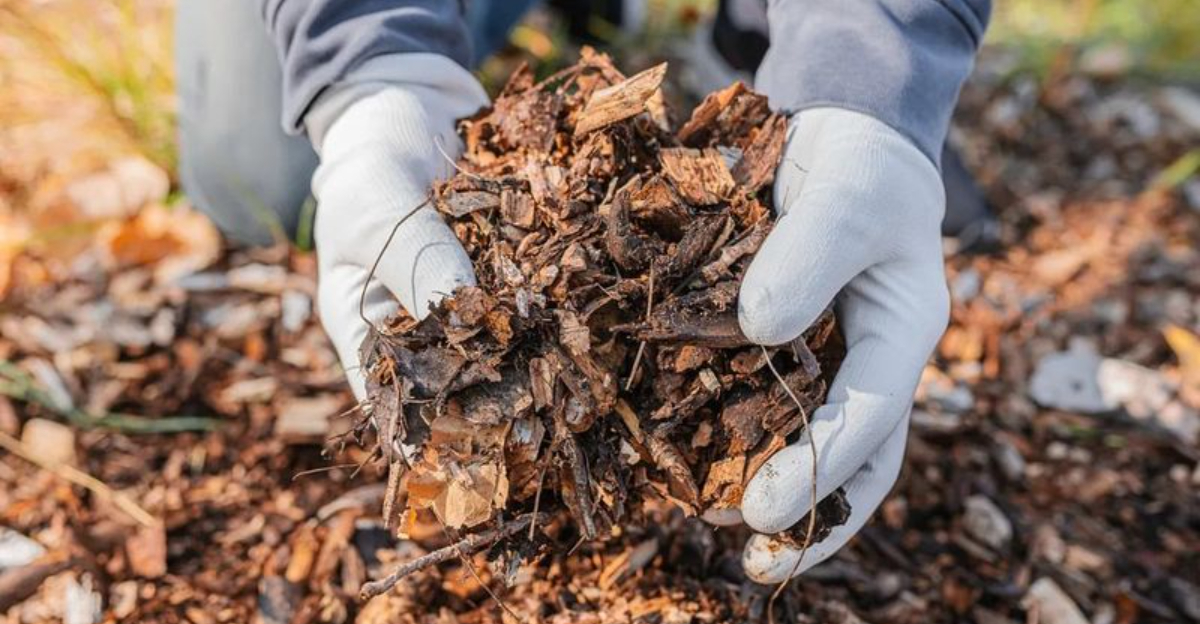
Mulch might not look exciting, but in Texas gardens, it can make or break your success. With hot summers and dry spells, the right mulch helps soil stay cool, hold moisture, and protect plant roots.
Mulch is more powerful than you think. One simple layer can change everything. Imagine watering less while your plants stay healthier and greener.
What if your garden looked better and worked smarter at the same time? The right mulch can do that. Small changes lead to big results.
Texas gardeners face intense sun, fast-drying soil, and temperature swings that stress plants. Choosing the correct mulch and using it the right way can reduce weeds, improve soil quality, and boost plant growth.
From flower beds to vegetable gardens, smart mulching helps every space perform better.
1. Choose Native Hardwood Mulch For Heat Resistance
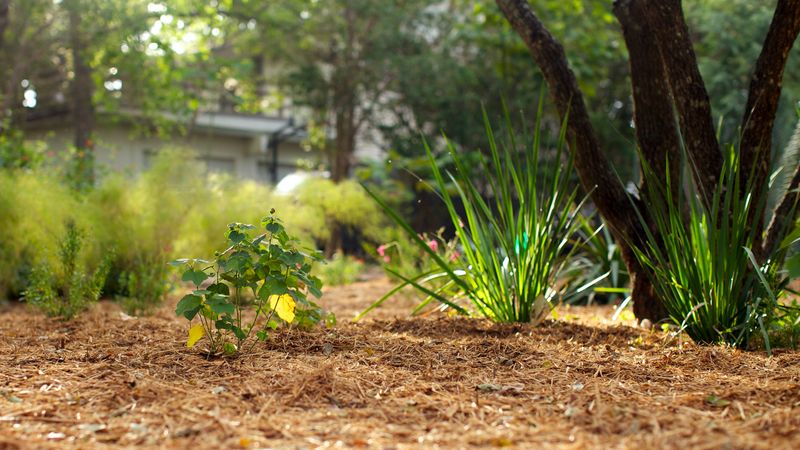
Native hardwood mulch stands out as one of the best choices for Texas gardens because it can withstand the brutal summer temperatures that regularly exceed 100 degrees.
Cedar and cypress mulches, which come from trees that naturally thrive in Texas and surrounding regions, offer excellent insulation properties that protect plant roots from temperature extremes.
These materials break down more slowly than softer woods, meaning you will not need to replenish them as frequently during the growing season.
The natural oils found in cedar and cypress also provide some resistance against termites and other wood-boring insects, which can be a concern in many parts of Texas.
When you spread a three to four inch layer of native hardwood mulch around your plants, you create a barrier that moderates soil temperature fluctuations between day and night.
This stability helps roots grow stronger and allows beneficial soil organisms to thrive. One important consideration is that darker mulches absorb more heat, which can be beneficial in winter but potentially problematic during summer months.
For areas that receive full sun exposure in Houston, San Antonio, or El Paso, you might want to choose lighter-colored hardwood options that reflect some of that intense solar radiation.
Fresh hardwood mulch has a pleasant, earthy smell that many gardeners appreciate, though it will fade as the material ages and begins its natural decomposition process.
When purchasing hardwood mulch in Texas, look for suppliers who source their materials locally to ensure you are getting products suited to your climate.
Avoid dyed mulches unless you specifically want the color, as natural options integrate better with the landscape and do not contain potentially unnecessary additives.
2. Apply The Correct Mulch Depth For Maximum Benefits
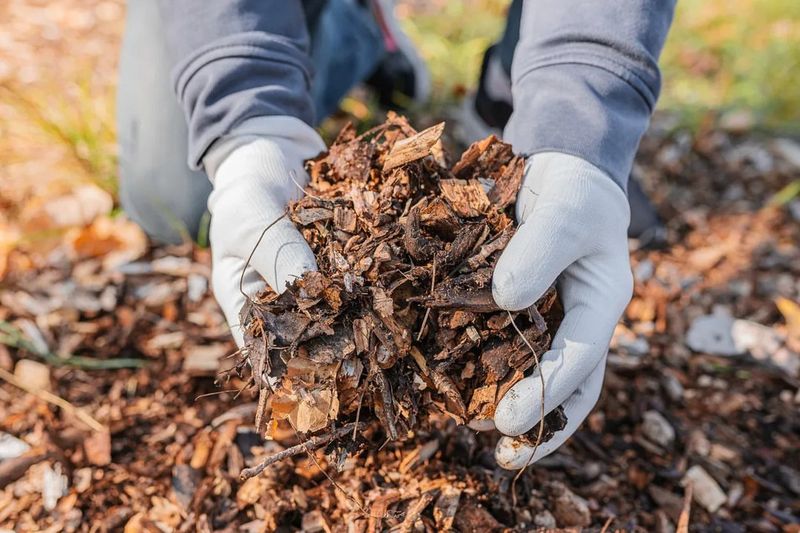
Getting the depth right makes all the difference between mulch that helps your garden and mulch that creates problems.
Too little mulch will not provide adequate weed suppression or moisture retention, while too much can suffocate plant roots and create conditions where harmful fungi and bacteria thrive.
For most Texas gardens, a layer between two and four inches deep hits the sweet spot for optimal performance.
Around trees and shrubs, maintain a depth of three to four inches, but always keep the mulch pulled back at least six inches from the trunk or main stems.
Your Texas Garden Changes Every Week. Your Plan Should Too.
Gardening in Texas changes quickly throughout the season. Every Friday you’ll receive a simple weekly plan showing exactly what to plant, prune, fertilize, harvest, and protect so you never miss the right timing.
This prevents moisture from accumulating against the bark, which can lead to rot and disease issues that are particularly troublesome in humid areas like East Texas.
For vegetable gardens and annual flower beds, a slightly thinner layer of two to three inches works better because you will be replanting these areas more frequently.
One common mistake Texas gardeners make is creating what experts call a mulch volcano, where mulch is piled high against tree trunks in a cone shape.
This practice actually harms trees by encouraging root growth up into the mulch rather than down into the soil where roots belong.
Instead, spread mulch in a flat, even layer that extends out to the tree’s drip line if possible.
As mulch decomposes over time, especially during the hot, humid summers common across much of Texas, you will need to add fresh material to maintain the proper depth. Check your mulch levels every few months and top up areas that have thinned out.
Remember that organic mulches break down faster in warmer climates, so what might last a full year in cooler states may need refreshing after six to eight months in Texas gardens.
3. Consider Pine Bark For Acid-Loving Plants
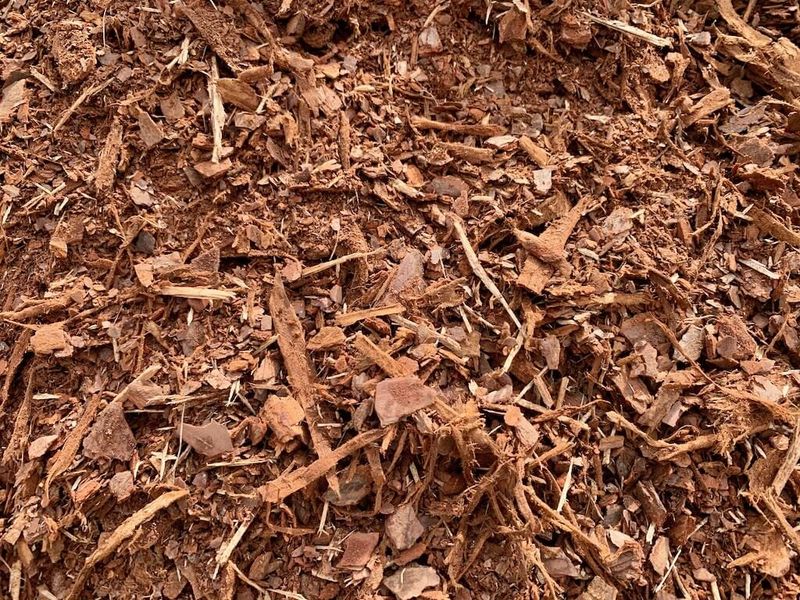
Pine bark mulch offers unique advantages for Texas gardeners who grow plants that prefer slightly acidic soil conditions. Azaleas, camellias, blueberries, and many native East Texas plants thrive when the soil pH stays on the lower end of the scale.
As pine bark slowly decomposes, it releases compounds that naturally acidify the soil, creating an environment where these acid-loving species can access nutrients more effectively.
This type of mulch comes in various sizes, from finely shredded material to larger nuggets that break down more slowly.
The finer grades work well for flower beds and vegetable gardens, while the larger chunks are perfect for pathways and around established shrubs and trees.
Pine bark also has an attractive reddish-brown color that many homeowners find appealing, and it tends to stay in place better than lighter materials during heavy rainstorms, which can be intense in Texas.
One benefit specific to Texas conditions is that pine bark does not mat down as easily as some other organic mulches, allowing water and air to penetrate to the soil surface more readily.
This characteristic proves especially valuable in areas with clay-heavy soils, which are common in the Dallas-Fort Worth region and parts of Central Texas.
The improved air circulation also helps prevent fungal issues that can develop in overly wet or compacted mulch layers.
When using pine bark mulch in Texas gardens, keep in mind that it may need to be replenished more frequently in areas with high rainfall, as it does break down faster than hardwood options.
For the best results, apply pine bark mulch in spring after the soil has warmed up, and refresh it in early fall to provide winter protection for plant roots.
4. Time Your Mulch Application With Texas Seasons
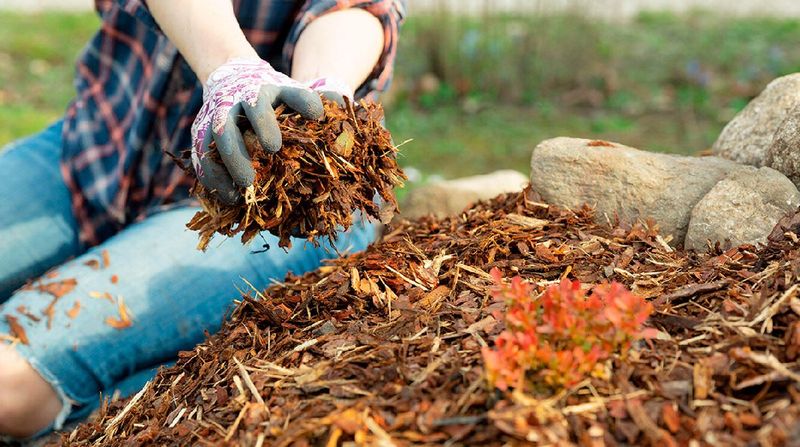
Timing matters tremendously when applying mulch in Texas gardens, and understanding the seasonal patterns can help you maximize the benefits.
Spring application, typically done in March or April after the last frost danger has passed, helps the soil retain moisture as temperatures begin climbing toward summer.
This early application also suppresses the first wave of warm-season weeds before they can establish themselves in your garden beds.
Many Texas gardeners find that a second, lighter application in early fall, around September or October, provides additional benefits as plants prepare for winter.
This fall refresh helps insulate roots during the occasional cold snaps that sweep through the state, and it replenishes material that has decomposed during the hot summer months.
Fall mulching also takes advantage of the autumn rainfall patterns that occur in many parts of Texas, helping the soil absorb and hold that precious moisture.
Avoid applying fresh mulch during the hottest part of summer, particularly in July and August, because the decomposition process generates heat that can stress plants already struggling with high temperatures.
If you absolutely must add mulch during peak summer, do it in the early morning or evening when temperatures are cooler, and water the area thoroughly before and after application. This helps the mulch settle without creating additional heat stress for your plants.
In South Texas and coastal areas where winters are mild, you might get away with just one annual mulch application in spring.
However, gardeners in North Texas and the Panhandle, where winters can be harsher, often benefit from that fall application to provide extra root protection.
Pay attention to your local weather patterns and adjust your mulching schedule accordingly for the best results throughout the year.
5. Select Inorganic Mulches For High-Traffic Areas
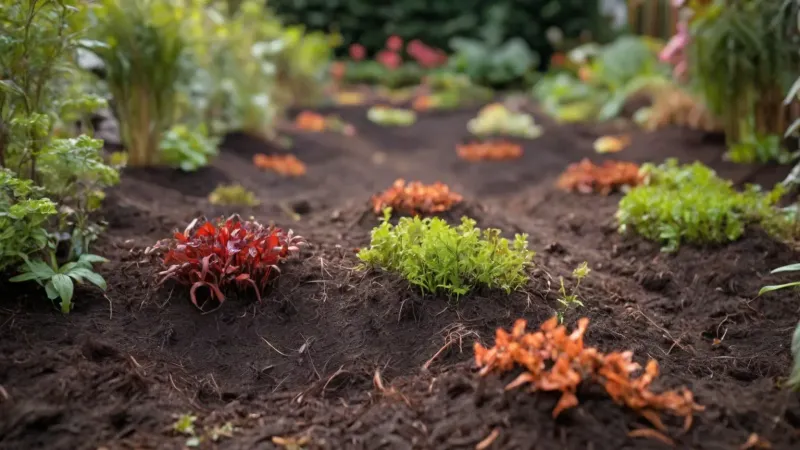
Sometimes organic mulches are not the best solution for every spot in your Texas landscape, especially in areas where people walk frequently or where you want a more permanent ground cover.
Inorganic options like decomposed granite, river rock, and lava rock offer durability that organic materials simply cannot match.
These materials work exceptionally well for pathways, around mailboxes, near outdoor seating areas, and in other zones where foot traffic would quickly break down wood or bark mulches.
Decomposed granite has become increasingly popular among Texas gardeners because it compacts into a stable surface that still allows water to penetrate, and its natural tan and gold tones complement the landscape beautifully.
This material is particularly well-suited to xeriscaping projects and native plant gardens that aim to conserve water, which is a growing concern across Texas as droughts become more frequent.
River rock and pea gravel provide excellent drainage and never need replacing, though they do not improve soil quality the way organic mulches do.
One consideration for Texas gardens is that rocks and gravel can absorb and radiate significant heat during summer months, potentially raising temperatures around nearby plants.
In areas like West Texas and the Hill Country where summers are especially intense, you might want to use lighter-colored stones that reflect more heat, or reserve rock mulches for areas away from delicate plants.
Darker lava rock can create striking visual contrast but will get extremely hot in direct sun.
Installation of inorganic mulches requires laying down landscape fabric first to prevent weeds from pushing through, which adds to the initial cost and labor but pays off with much lower maintenance over time.
These materials work particularly well in contemporary landscape designs and around architectural features where you want a clean, modern appearance that lasts for years without refreshing.
6. Avoid Fresh Wood Chips Until Properly Aged
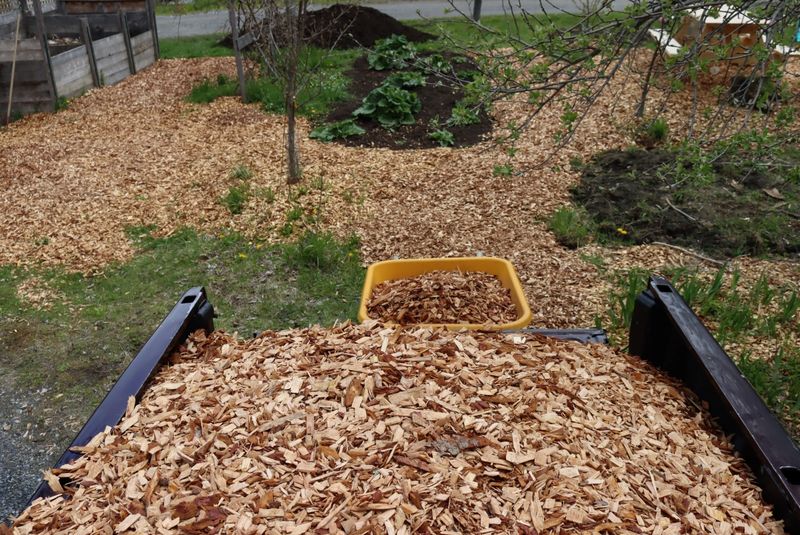
Fresh wood chips might seem like a bargain, especially if you can get them free from tree trimming services, but using them immediately in your Texas garden can actually harm your plants.
When fresh wood chips begin decomposing, the microorganisms responsible for breaking them down consume large amounts of nitrogen from the surrounding soil.
This temporary nitrogen depletion can leave your plants starving for this essential nutrient, resulting in yellowing leaves and stunted growth.
The solution is to let wood chips age for at least six months before spreading them in garden beds where you are actively growing plants.
During this aging period, pile the chips in an out-of-the-way spot where they can begin their decomposition process without affecting your plants.
You can speed up the aging process by occasionally turning the pile and keeping it slightly moist, which is easier to manage during Texas’s rainy spring months. Aged wood chips develop a darker color and lose that fresh-cut wood smell as they become safer for garden use.
Alternatively, you can use fresh wood chips immediately in areas where nitrogen depletion will not matter, such as pathways, play areas, or around established trees that have deep root systems extending beyond the mulched zone.
These locations benefit from the cushioning and weed-suppressing properties of wood chips without the downside of nutrient competition.
Fresh chips also work fine if you mix in some nitrogen-rich fertilizer at application time to compensate for what the decomposition process will consume.
Texas gardeners who receive free wood chips should ask about the source material, as some tree species break down more quickly than others in our climate.
Avoid chips from trees that might carry diseases, and never use chips from treated lumber or construction waste, which can contain harmful chemicals that leach into your soil.
7. Match Mulch Type To Your Specific Texas Region
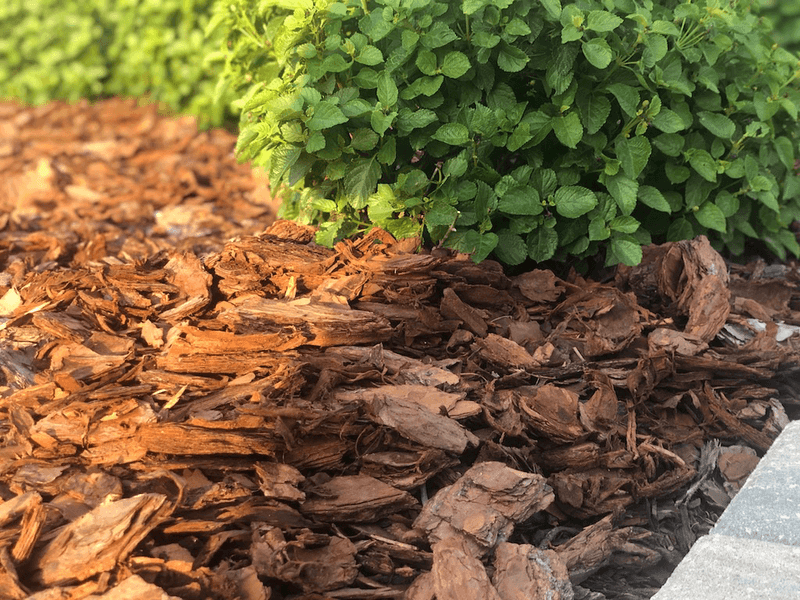
Texas is enormous, and the climate varies dramatically from the humid pine forests of East Texas to the arid deserts of West Texas, which means your mulch choices should reflect your specific regional conditions.
In East Texas areas like Tyler and Longview, where rainfall is abundant and humidity stays high, pine straw and pine bark mulches perform exceptionally well because they allow good air circulation and do not stay waterlogged.
These materials help prevent fungal problems that can develop in constantly moist conditions.
Central Texas gardeners around Austin and San Antonio face different challenges, with rocky, alkaline soils and periods of both drought and heavy rain.
Here, hardwood mulches work well for most applications, while decomposed granite serves beautifully in xeriscaping projects that embrace the natural limestone landscape.
The key is choosing materials that help moderate the extreme swings between wet and dry periods that characterize this region.
For North Texas gardeners in the Dallas-Fort Worth metroplex, where clay soils dominate and summer heat combines with occasional winter freezes, a combination approach often works best.
Use organic hardwood or pine bark mulches in garden beds to improve that heavy clay soil over time, while reserving inorganic options for hardscaping features.
The mulch helps break up clay as it decomposes, gradually improving soil structure and drainage.
West Texas and Panhandle gardeners deal with intense sun, strong winds, and limited rainfall, making heavier mulches like rock and larger bark nuggets more practical than lightweight materials that blow away.
In these regions, mulch serves primarily to conserve every drop of precious water and protect roots from temperature extremes.
Whatever your Texas location, observe what successful local gardeners use and adapt your mulching strategy to match the specific environmental challenges your region presents throughout the year.