10 Best Plants For Florida Heat That Don’t Need Constant Watering
Living in Florida means stepping outside into heat that feels heavy, air that clings to your skin, and sunshine that can turn a beautiful garden into a daily maintenance battle.
Many homeowners start the season excited about planting, only to feel frustrated weeks later as flowers wilt, lawns fade, and the water bill keeps climbing.
The truth is that not every plant is built to survive Florida’s long summers, intense sun, and sudden dry spells. But some plants actually thrive in these conditions, staying green, colorful, and healthy with far less watering once their roots are established.
Choosing the right plants can transform your yard from a high-maintenance chore into a landscape that works with Florida’s climate instead of fighting it.
With smart plant choices, you can spend more time enjoying your outdoor space and less time dragging hoses, adjusting sprinklers, and worrying about drought stress.
The plants below are proven favorites for handling Florida heat while keeping water use low.
1. Coontie
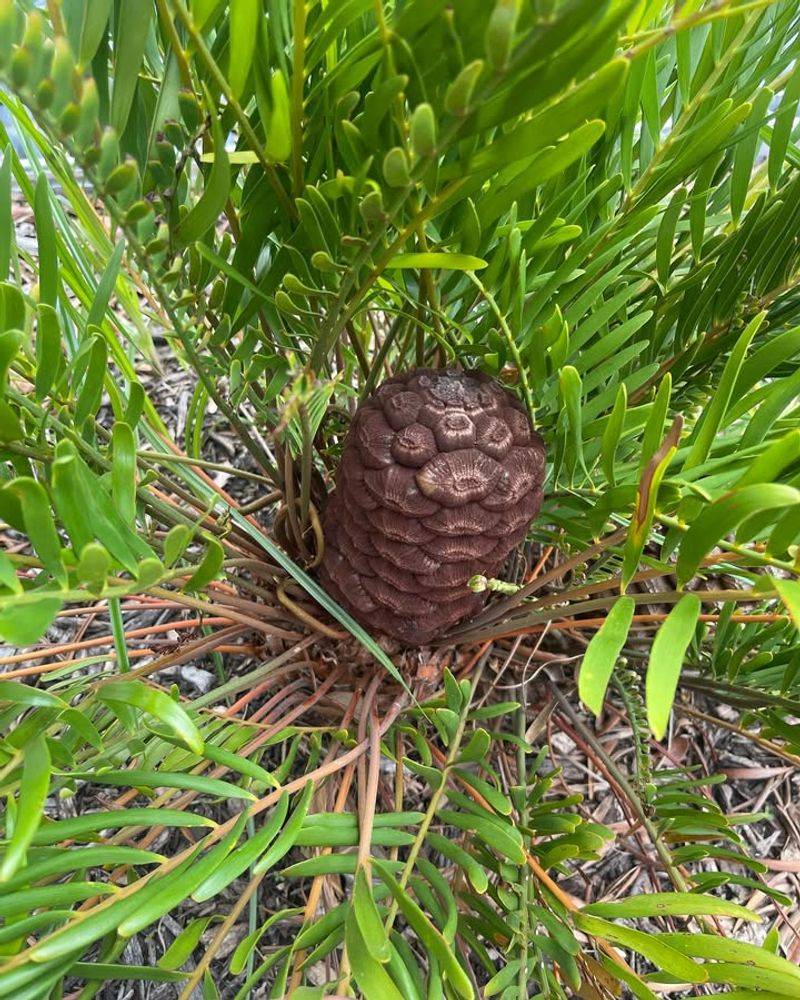
Coontie is one of Florida’s oldest living plants, a cycad that predates many modern species and thrives in the kind of heat that makes most gardeners retreat indoors.
Its feathery, dark green fronds fan out low to the ground, creating a textured groundcover or accent that stays compact and tidy year-round.
Once established, coontie requires very little supplemental watering, making it a great option for homeowners who want beauty without frequent irrigation. From North Florida down to the Keys, coontie adapts beautifully to regional differences.
In North Florida, it appreciates some afternoon shade during the hottest weeks, while in Central and South Florida, it basks in full sun without flinching.
Its deep root system taps into moisture below the sandy surface, so even during dry spells, you rarely need to water.
You will see coontie used as a foundation plant, tucked under palms, or lining walkways where its low profile adds structure without blocking views. During summer, the fronds stay rich and green, maintaining strong green color even when temperatures soar.
Because it is a Florida native, coontie also supports local wildlife, including the endangered Atala butterfly, whose caterpillars feed exclusively on its leaves.
This plant offers ecological value alongside its practical drought tolerance, making it a smart choice for landscapes across the state.
2. Firebush
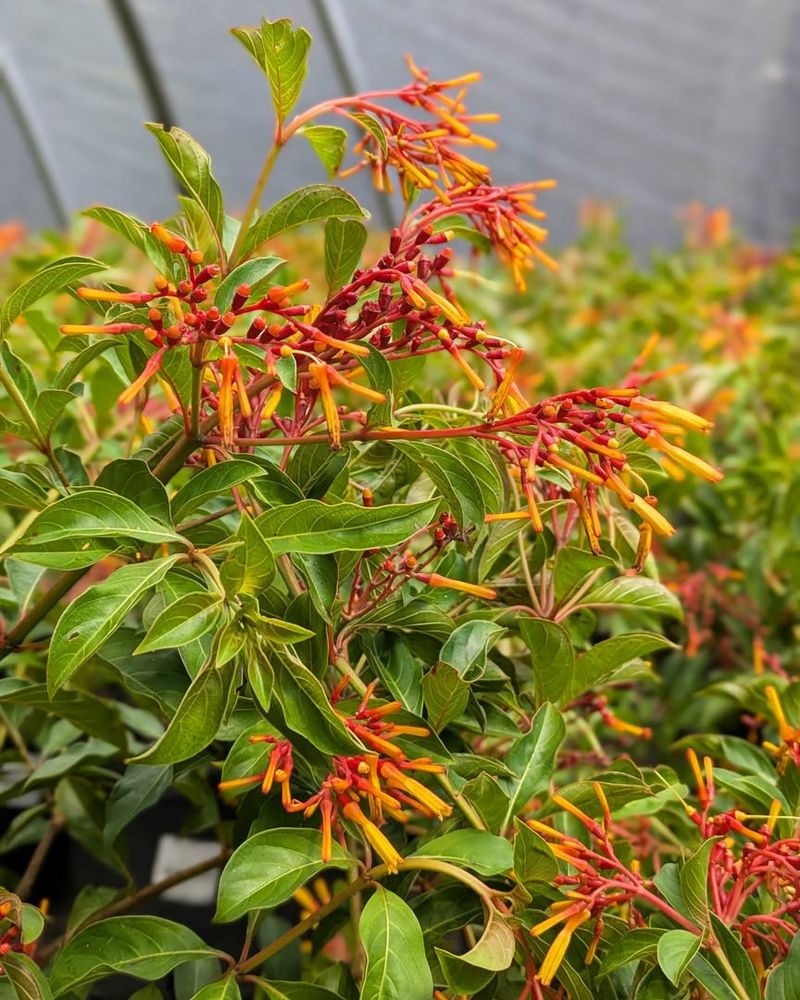
Firebush earns its name from the brilliant red-orange tubular flowers that cover the plant from late spring through fall, attracting hummingbirds and butterflies like a magnet.
This fast-growing shrub can reach six feet tall in a single growing season, filling empty spaces with lush green foliage and non-stop color.
After the first year, firebush typically needs supplemental watering only during extended dry periods, with seasonal rainfall providing most of its moisture needs. Regional performance varies slightly across the state.
In North Florida, firebush may experience some winter withering when temperatures dip into the twenties, but it rebounds vigorously in spring.
Central Florida gardeners enjoy nearly year-round blooms, while South Florida sees firebush at its most exuberant, flowering almost continuously without any cold interruption.
Your Florida Garden Changes Every Week. Your Plan Should Too.
Gardening in Florida changes quickly throughout the season. Every Friday you’ll receive a simple weekly plan showing exactly what to plant, prune, fertilize, harvest, and protect so you never miss the right timing.
Homeowners often plant firebush as a privacy screen, a backdrop for smaller perennials, or a focal point in pollinator gardens. During peak summer heat, the flowers remain bright and the leaves stay glossy, never showing the stress that less adapted plants display.
Firebush tolerates a range of soil types, from sandy coastal areas to heavier clay inland, and it shrugs off humidity and intense sun with ease.
Its ability to thrive on minimal water while delivering maximum visual impact makes it a favorite for Florida-friendly landscapes that prioritize both beauty and resource conservation.
3. Simpson’s Stopper
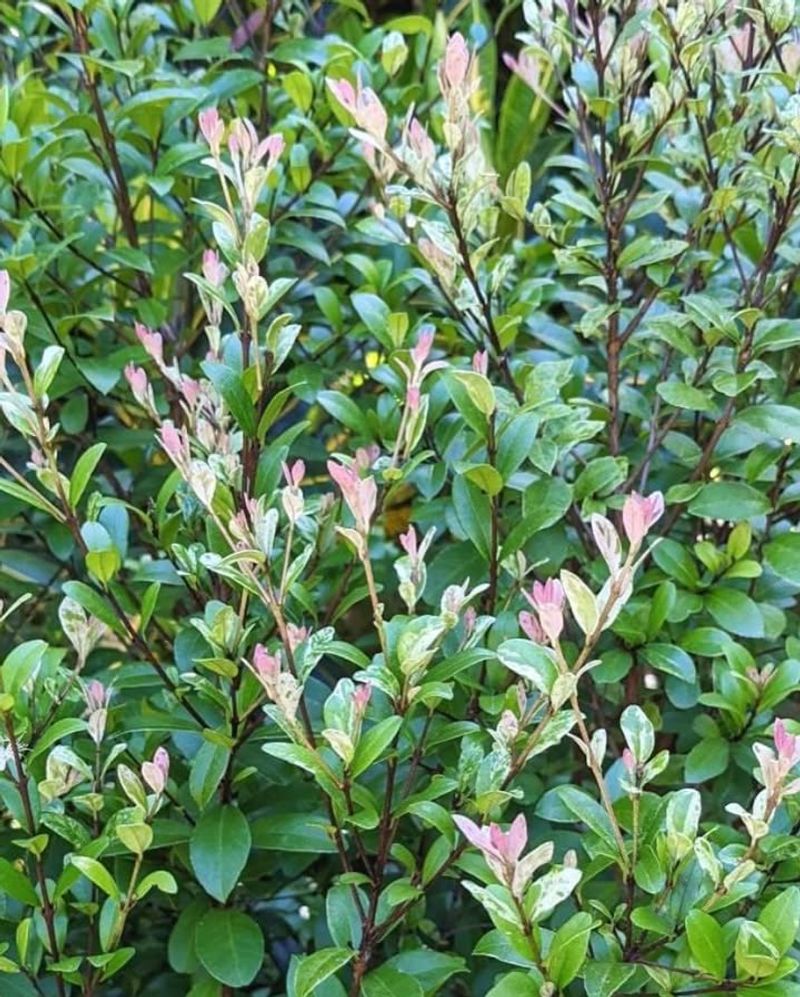
Simpson’s Stopper might not grab your attention with flashy flowers, but its glossy evergreen leaves and dense branching structure make it a workhorse in Florida landscapes.
This native shrub grows slowly and steadily, reaching about five to seven feet tall, and it produces small white flowers in spring followed by tiny berries that birds adore.
Once its roots spread into the soil, Simpson’s Stopper can go weeks without supplemental watering once established, even during periods of low rainfall. Across Florida’s regions, Simpson’s Stopper performs consistently well.
In North Florida, it tolerates occasional cold snaps without damage, while in Central and South Florida, it remains evergreen and lush throughout the year. The plant prefers full sun but also handles partial shade, making it versatile for different landscape positions.
You will often see Simpson’s Stopper used as a hedge, a screen along property lines, or a specimen plant in native gardens. During summer, the foliage stays vibrant and healthy, staying healthy even when heat and humidity peak.
Its aromatic leaves release a pleasant scent when brushed, adding a sensory element to your garden. Because it grows slowly, Simpson’s Stopper requires minimal pruning, saving you time and effort.
Its drought tolerance, combined with its ability to support local wildlife, makes it an excellent choice for homeowners seeking a low-maintenance, ecologically beneficial addition to their Florida landscape.
4. Dwarf Yaupon Holly
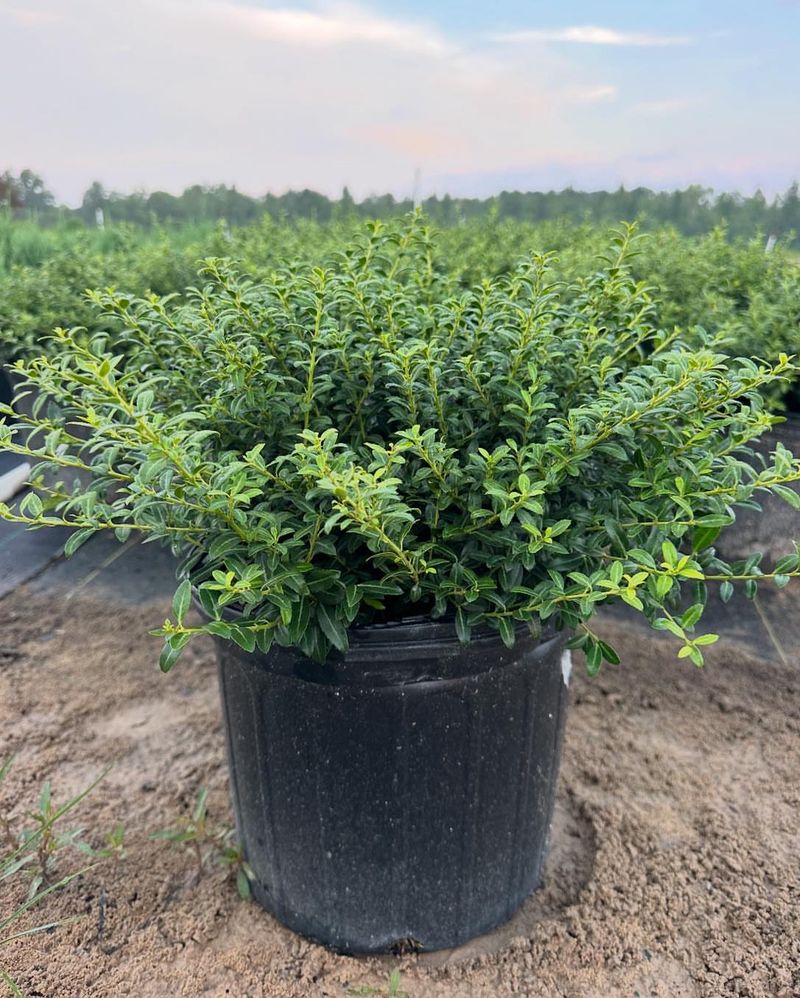
Dwarf Yaupon Holly brings structure and year-round greenery to Florida gardens without demanding constant attention or water.
This compact evergreen shrub stays low and dense, typically reaching two to three feet in height, making it perfect for borders, foundation plantings, or mass plantings that need a neat, uniform appearance.
After establishment, Dwarf Yaupon Holly thrives with minimal supplemental irrigation, even during dry periods. From the Panhandle to the southern tip of the state, Dwarf Yaupon Holly adapts effortlessly to regional climates.
In North Florida, it handles cooler winters without any damage, while in Central and South Florida, it remains vibrant and full throughout the year.
The plant tolerates a wide range of soil conditions, including sandy and clay soils, and it handles both full sun and partial shade with equal success.
Homeowners often use Dwarf Yaupon Holly as a low hedge, a groundcover alternative, or an edging plant along pathways and driveways. During summer, the small leaves stay bright green and glossy, never showing signs of heat stress or wilting.
Female plants produce tiny red berries that attract birds, adding a touch of wildlife interest to your landscape.
Because it grows slowly and maintains a compact shape, Dwarf Yaupon Holly requires minimal pruning, making it ideal for busy gardeners who want a polished look without weekly maintenance.
Its reliable drought tolerance and adaptability make it a staple in Florida-friendly landscapes across the state.
5. Beautyberry
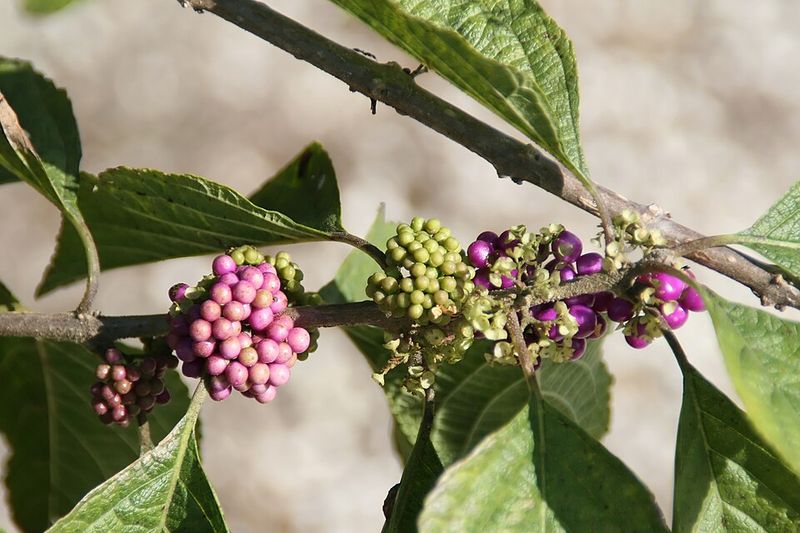
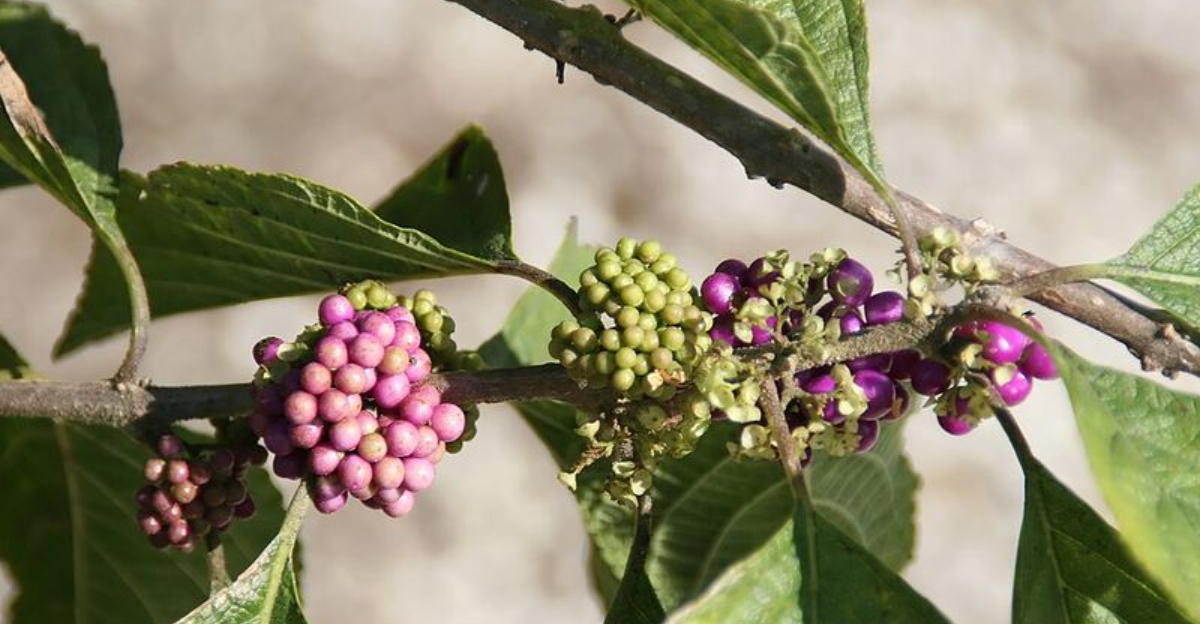
Beautyberry stops people in their tracks when clusters of bright purple berries appear along its arching branches in late summer and fall. Before the berries arrive, the plant produces small pink flowers in spring, but the real show begins when those vivid purple fruits ripen, creating a striking contrast against the green foliage.
Once established, Beautyberry needs minimal supplemental watering, with seasonal rainfall supporting most of its growth and berry production. Regional differences influence when and how abundantly Beautyberry produces its signature berries.
In North Florida, the plant may lose its leaves in winter, but it rebounds quickly in spring with vigorous new growth.
Central Florida gardeners see a longer berry display, while in South Florida, Beautyberry remains semi-evergreen, though berry production can be less dramatic due to the lack of a cold trigger.
You will find Beautyberry used as a specimen plant, a naturalistic shrub in mixed borders, or a wildlife-friendly addition to native gardens.
During summer, the foliage stays lush and full, and by late August, the berries begin to color, drawing birds and adding a pop of color that few other plants can match.
Beautyberry tolerates a range of light conditions, from full sun to partial shade, and it adapts to various soil types. Its ability to thrive on minimal water while delivering seasonal drama makes it a favorite for Florida gardeners who want visual interest without high maintenance.
6. Muhly Grass
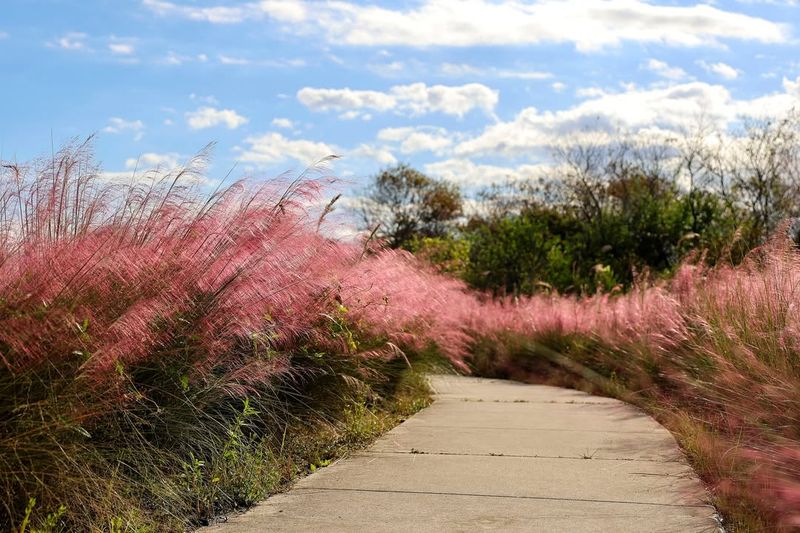
Muhly Grass transforms Florida landscapes in fall when airy pink plumes rise above its slender green foliage, creating a soft, almost ethereal effect that catches the light at sunrise and sunset.
This clumping ornamental grass grows about three feet tall and spreads into a graceful mound that sways with the breeze.
Once established, Muhly Grass requires very little water, making it a favorite for xeriscapes and low-maintenance gardens across the state. Performance varies slightly depending on where you live in Florida.
In North Florida, Muhly Grass blooms in September and October, with the pink plumes lasting into early winter. Central Florida sees a similar bloom period, while South Florida gardeners enjoy the display slightly later, sometimes extending into November.
The grass tolerates full sun and thrives in sandy soils, making it ideal for coastal and inland landscapes alike. Homeowners often plant Muhly Grass in mass groupings, along driveways, or as a border plant that adds movement and texture to the landscape.
During summer, the green foliage remains tidy and upright, remaining upright and healthy even during the hottest days. When the plumes emerge, they create a striking visual that draws attention and complements both native and non-native plantings.
Muhly Grass requires minimal care, with occasional trimming in late winter to remove old foliage and make way for fresh growth.
Its drought tolerance and seasonal beauty make it a standout choice for Florida gardens that prioritize both aesthetics and water conservation.
7. Blanket Flower
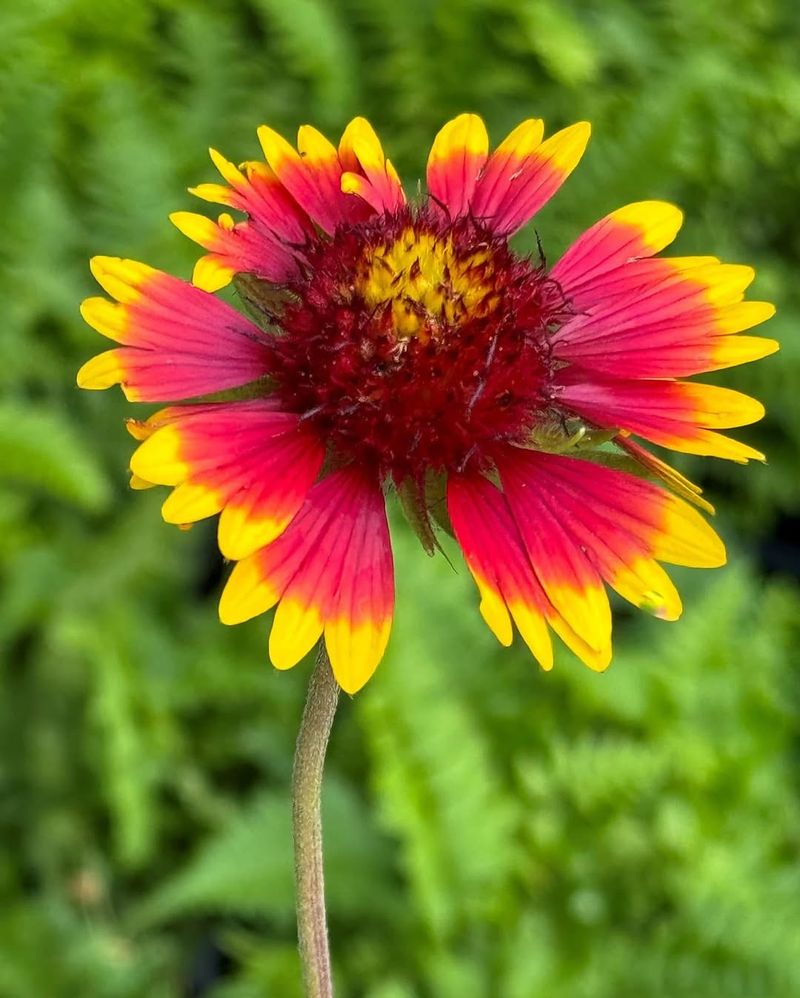
Blanket Flower brings bold, daisy-like blooms in shades of red, orange, and yellow that seem to glow in the summer sun, creating a cheerful display that lasts for months.
This low-growing perennial reaches about twelve to eighteen inches tall and spreads into a dense mat of gray-green foliage topped with vibrant flowers.
After the first growing season, Blanket Flower needs minimal watering, thriving on rainfall and occasional irrigation during extended dry spells. Across Florida, Blanket Flower adapts to regional heat and rainfall patterns with ease.
In North Florida, it blooms from late spring through fall, sometimes pausing during the hottest weeks before rebounding.
Central Florida gardeners enjoy nearly continuous blooms, while South Florida sees year-round flowering, though plants may benefit from light trimming to encourage fresh growth.
The plant prefers full sun and well-drained soil, making it perfect for sandy coastal areas. You will often see Blanket Flower used in borders, pollinator gardens, or as a colorful groundcover that fills gaps between larger plants.
During summer, the flowers remain bright and abundant, attracting butterflies and bees while never showing signs of heat stress.
Blanket Flower tolerates salt spray, making it ideal for beachside landscapes, and it requires very little maintenance beyond deadheading spent blooms to prolong flowering.
Its combination of drought tolerance, vibrant color, and wildlife appeal makes it a must-have for Florida gardeners who want maximum impact with minimal effort.
8. Tickseed

Tickseed, also known as Coreopsis, carpets Florida landscapes with cheerful yellow flowers that bloom prolifically from spring through fall, creating waves of color that rival any cultivated garden bed.
This native perennial grows low and spreads easily, reaching about one to two feet tall depending on the variety.
Once established, Tickseed requires very little supplemental watering, making it one of the most drought-tolerant wildflowers you can plant in your Florida garden. Regional performance shows Tickseed’s adaptability across the state.
In North Florida, the plant blooms heavily in spring and again in fall, with a summer slowdown during peak heat.
Central Florida gardeners see more continuous blooms, while South Florida enjoys nearly year-round flowering, though plants may benefit from occasional trimming to prevent legginess.
Tickseed thrives in full sun and sandy soils, making it perfect for roadside plantings, meadows, and naturalized areas. Homeowners often use Tickseed as a groundcover, a border plant, or a mass planting that adds color and movement to open spaces.
During summer, the flowers continue to bloom, attracting butterflies and native bees while requiring no supplemental watering. Tickseed reseeds readily, so you may find new plants popping up in unexpected places, adding to the naturalistic feel of your landscape.
Its minimal care requirements, combined with its ability to thrive in poor soils and hot conditions, make Tickseed a favorite for Florida-friendly gardens that prioritize native plants and water conservation.
9. Frogfruit
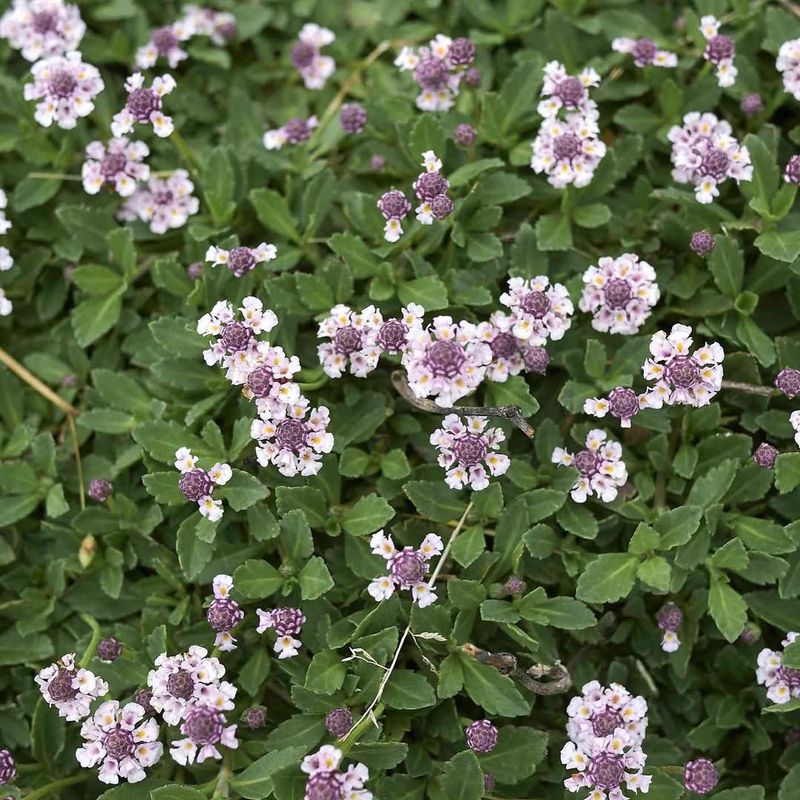
Frogfruit spreads low and wide, forming a dense mat of small green leaves that hug the ground and produce tiny white or purple flowers that butterflies find irresistible.
This native groundcover grows only a few inches tall but spreads aggressively, making it an excellent lawn alternative or filler between stepping stones.
Once established, Frogfruit needs very little supplemental water and can tolerate extended dry periods once fully rooted. Across Florida, Frogfruit adapts to regional conditions with remarkable ease.
In North Florida, it may brown slightly during cold snaps but greens up quickly in spring. Central and South Florida gardeners see Frogfruit remain evergreen year-round, with flowers appearing almost continuously.
The plant tolerates full sun and partial shade, and it grows in a wide range of soil types, including sandy and clay soils. You will often see Frogfruit used as a lawn replacement, a groundcover under trees, or a filler in rock gardens where traditional grass struggles.
During summer, the flowers bloom prolifically, attracting small butterflies and native bees while the foliage stays green and lush. Frogfruit handles foot traffic better than many groundcovers, making it practical for pathways and play areas.
Its ability to spread quickly and suppress weeds, combined with its drought tolerance and wildlife appeal, makes Frogfruit a smart choice for Florida homeowners seeking a low-maintenance, water-wise alternative to traditional turf grass.
10. Sunshine Mimosa
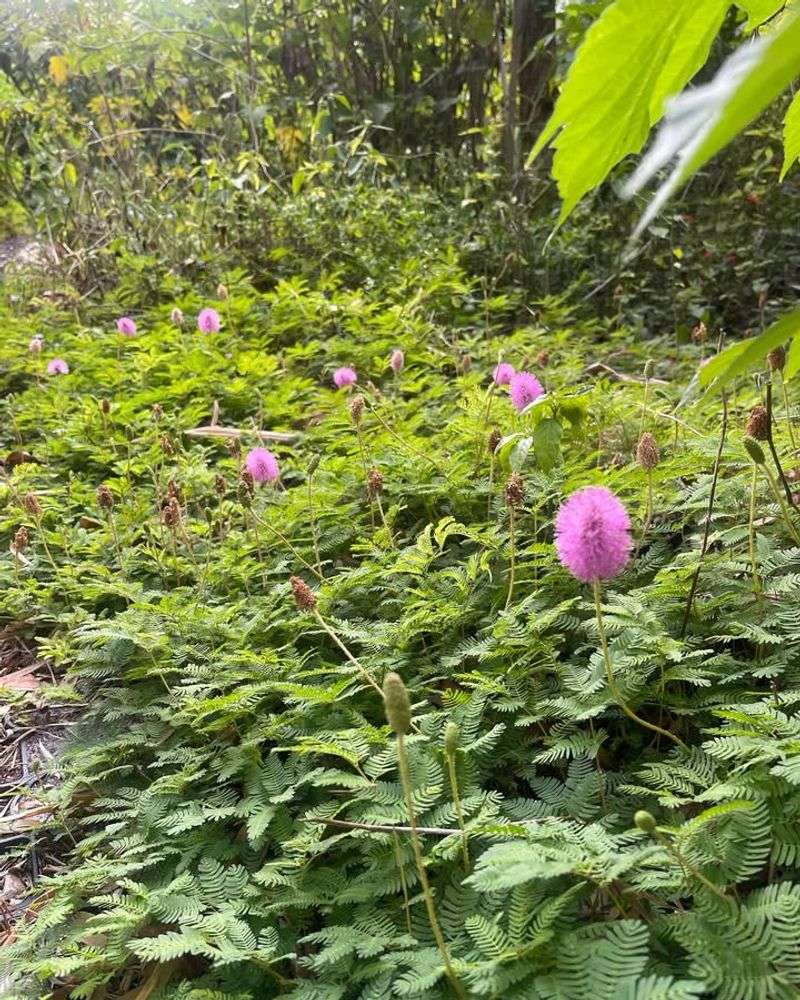
Sunshine Mimosa earns its cheerful name from the bright yellow pompom flowers that cover the plant from spring through fall, creating a sunny display that contrasts beautifully with its delicate, fern-like foliage. This low-growing groundcover spreads quickly, reaching about six inches tall and filling large areas with soft texture and vibrant color.
After establishment, Sunshine Mimosa requires minimal supplemental watering, with seasonal rainfall supporting most of its growth. Regional differences influence how Sunshine Mimosa performs across the state.
In North Florida, the plant may experience some winter withering during cold snaps, but it rebounds vigorously in spring with fresh growth and abundant blooms.
Central Florida sees nearly year-round flowering, while South Florida gardeners enjoy continuous blooms and evergreen foliage, with the plant spreading most aggressively in the warm, humid conditions.
Homeowners often use Sunshine Mimosa as a groundcover in open areas, a filler between larger plants, or a colorful addition to pollinator gardens. During summer, the flowers remain bright and plentiful, attracting butterflies and bees while the foliage stays lush and green.
Sunshine Mimosa tolerates full sun and a range of soil types, including sandy and rocky soils where other plants struggle.
Its ability to spread quickly and suppress weeds, combined with its drought tolerance and cheerful blooms, makes Sunshine Mimosa an excellent choice for Florida landscapes that prioritize both beauty and resource conservation without sacrificing visual impact.