Florida’s Humidity Won’t Hurt These 14 Low-Maintenance Plants
Florida summers bring intense heat, heavy rain, and thick humidity that can make even experienced gardeners frustrated. Many people have watched plants struggle, develop leaf spots, or slowly decline after weeks of afternoon storms.
The good news is that not every plant suffers in these conditions. Some actually grow stronger and healthier when moisture levels rise and summer rain becomes routine.
Choosing plants that are naturally suited to Florida’s climate can make a big difference in how much time and effort your yard requires. The right plants can mean fewer disease problems, less watering, and less constant maintenance.
These low-maintenance options are adapted to handle Florida’s humidity while still providing color, texture, and year-round interest. With the right choices, your landscape can stay attractive and healthy even during the most challenging parts of the growing season.
1. Simpson’s Stopper
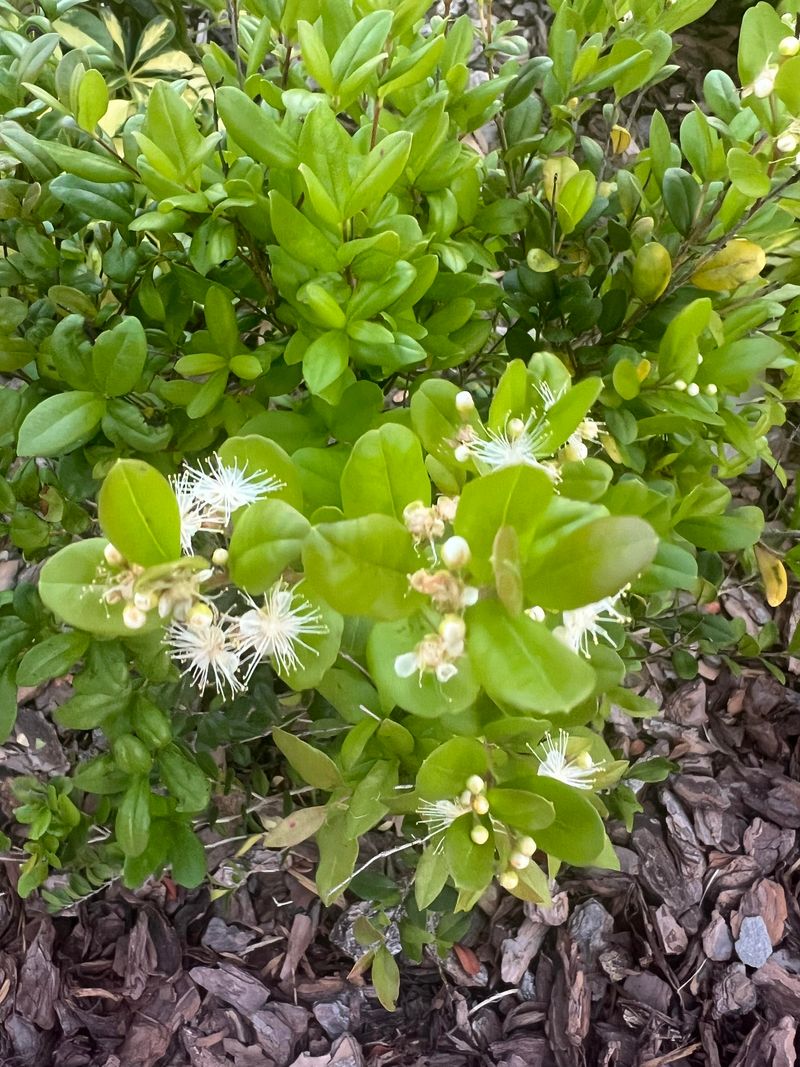
This tough evergreen shrub stands quietly in your yard while summer storms roll through, handling moisture without complaint. Native to South Florida’s coastal hammocks, it has waxy leaves that shed water quickly, helping prevent fungal issues even when humidity stays high for days.
The small white flowers appear throughout the warm months, attracting butterflies even during the heaviest parts of the wet season. In South Florida, it performs beautifully year-round, while Central Florida gardeners see slightly slower growth during cooler winters.
North Florida residents can grow it successfully in protected spots, though occasional cold snaps may cause temporary leaf damage.
Simpson’s Stopper requires almost no fertilizer and tolerates both wet and dry periods once established, making it ideal for low-maintenance Florida yards. The dense foliage provides privacy screening without the constant shearing that formal hedges demand.
You can plant it in full sun or partial shade, and it adapts to various soil types common across Florida, from sandy coastal areas to heavier inland soils.
Simpson’s Stopper performs best in South and Central Florida; cold protection helps in northern areas.
2. Firebush
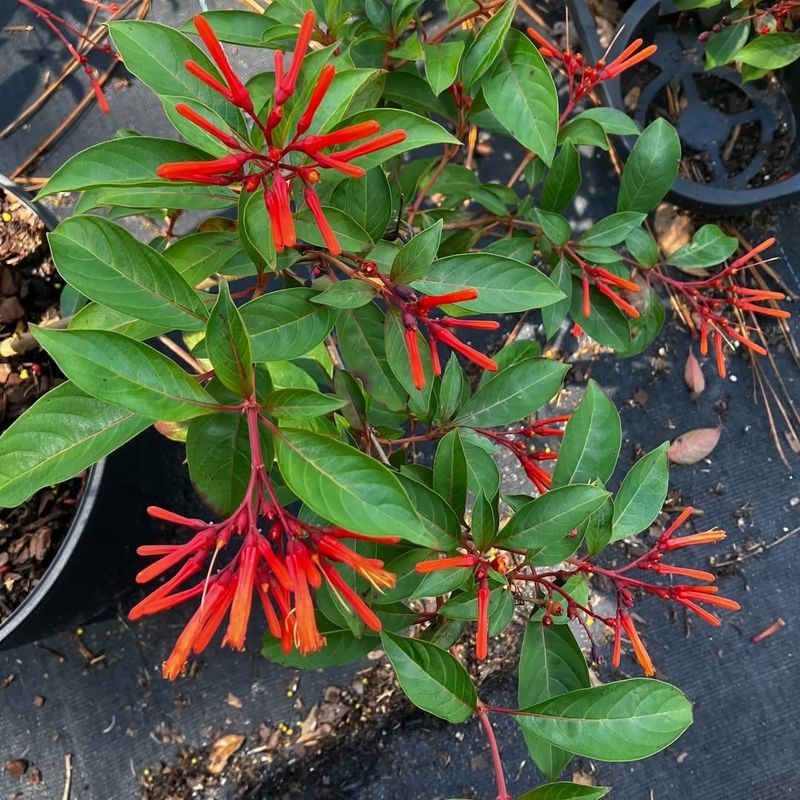
Few shrubs light up a Florida yard like this one. Tubular orange-red flowers cover the plant during the hottest, most humid months, pulling hummingbirds and butterflies into your garden from June through November.
The plant’s natural tolerance for humidity comes from its evolution in Florida’s wet pine flatwoods and hammock edges, where summer rainfall creates consistently damp conditions.
In South Florida, Firebush stays evergreen and flowers nearly year-round, reaching six to eight feet tall without much effort from you. Central Florida gardeners see it behave more like a perennial, with stems sometimes browning back during cold snaps before regrowing vigorously each spring.
North Florida residents can grow it as a warm-season annual or in protected microclimates where winter temperatures stay moderate.
You won’t need to spray fungicides or worry about leaf spot diseases that plague many flowering shrubs in humid climates. Firebush naturally resists these problems thanks to its thick, fast-drying foliage and vigorous growth habit.
Plant it in full sun for the best flowering, and water it during establishment, but after that, Florida’s regular rainfall handles most of its moisture needs.
Your Florida Garden Changes Every Week. Your Plan Should Too.
Gardening in Florida changes quickly throughout the season. Every Friday you’ll receive a simple weekly plan showing exactly what to plant, prune, fertilize, harvest, and protect so you never miss the right timing.
In North Florida, Firebush is usually grown as a warm-season perennial or annual.
3. Coontie
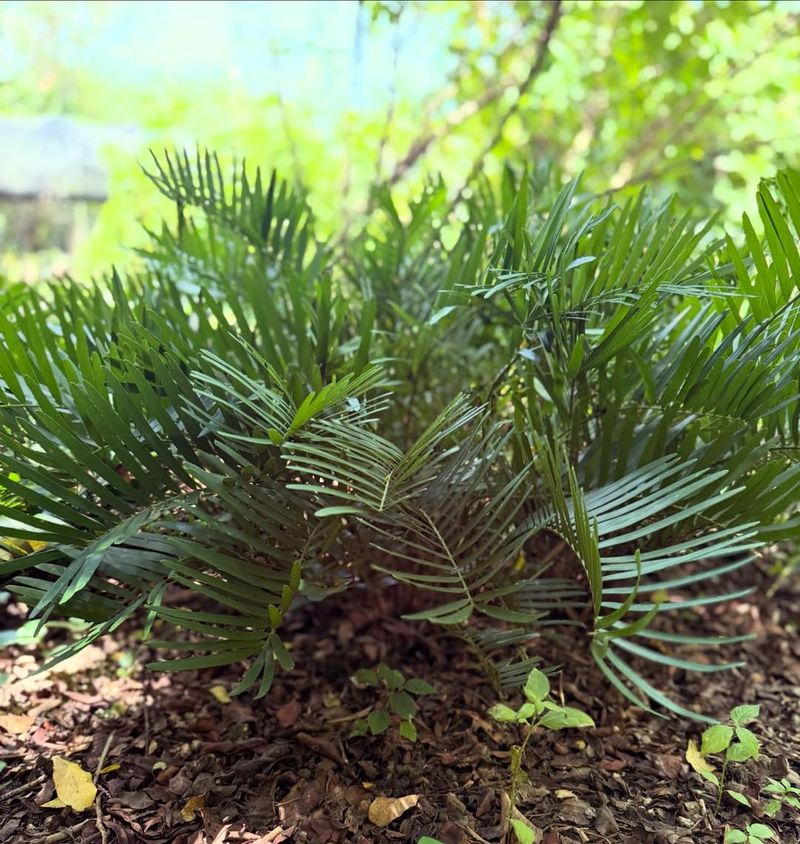
Coontie looks like a small palm but it’s actually Florida’s only native cycad, and it handles humidity better than most plants you could choose. The stiff, glossy fronds shed moisture quickly, and the plant’s slow metabolism means it rarely shows stress even during the wettest parts of summer.
You’ll find Coontie growing naturally in pine rocklands and coastal scrub across the state, places where humidity and rainfall both run high during the growing season.
This plant grows slowly, reaching about two to three feet tall and wide over several years, which means you won’t be constantly trimming it back. Male plants produce cone-like structures, while females develop bright red seeds that attract native atala butterflies.
Coontie performs equally well from the Keys to the Panhandle, adapting to regional rainfall patterns without special care.
Fungal problems rarely affect Coontie because of its naturally tough, waxy foliage and excellent air circulation between the fronds. You can plant it in full sun or fairly deep shade, and it tolerates both sandy and heavier soils common throughout Florida.
Once established, Coontie needs almost no supplemental water, even during dry spells, and it never requires fertilizer if you leave fallen fronds around the base as natural mulch.
4. Dwarf Yaupon Holly
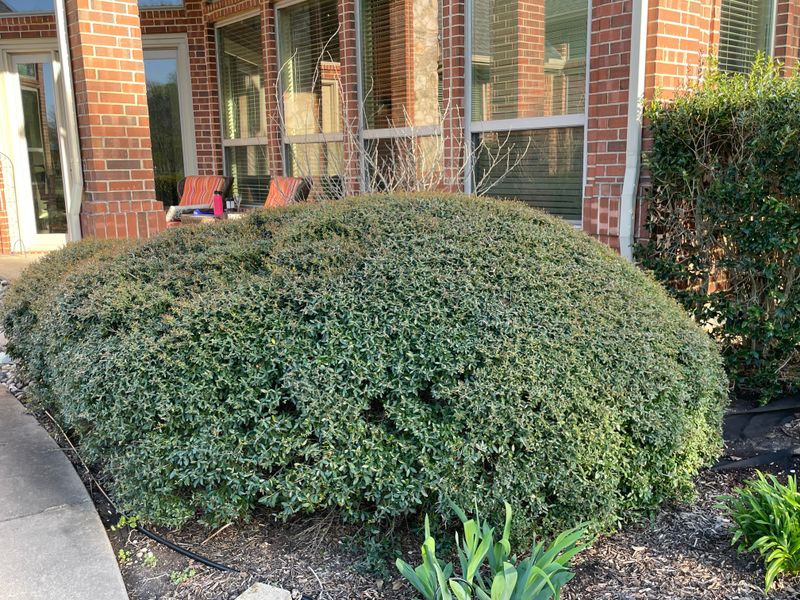
This compact evergreen shrub forms a neat, rounded mound of tiny leaves that stay healthy through Florida’s steamiest weather. Native to coastal regions, it naturally tolerates salt spray, humidity, and shifting rainfall patterns.
The small leaves dry quickly after rain, preventing the fungal issues that plague hollies with larger, thinner foliage.
You’ll appreciate how little pruning this plant needs compared to other formal hedge shrubs. It naturally stays between three and five feet tall and wide, maintaining a tidy shape without constant shearing.
In North Florida, Dwarf Yaupon Holly performs beautifully through cold winters and humid summers alike. Central and South Florida gardeners find it equally reliable, though growth may be slightly more vigorous in the southern parts of the state.
Female plants produce small red berries in fall and winter, attracting songbirds when other food sources become scarce.
The plant tolerates both wet and dry conditions once its roots establish, making it ideal for Florida yards where rainfall patterns shift dramatically between seasons.
Dwarf Yaupon Holly grows well in full sun or partial shade and adapts to various soil types without requiring amendments or special fertilizers.
5. Beautyberry
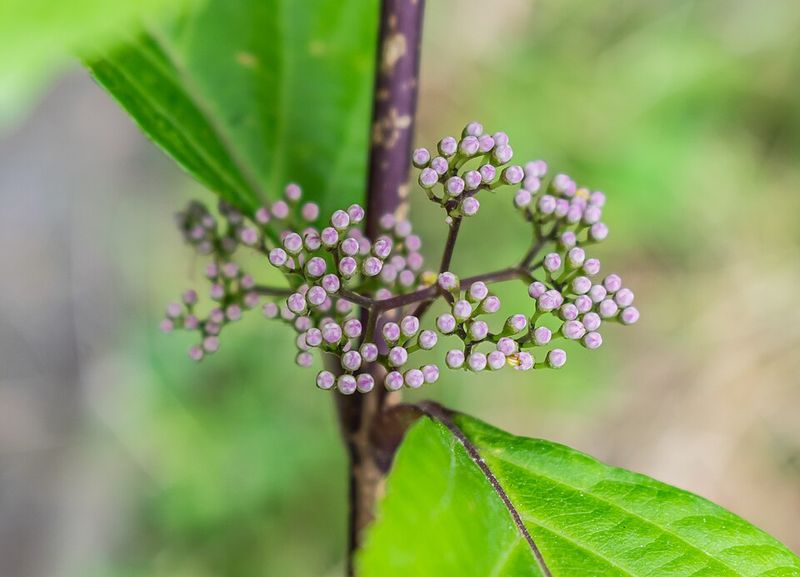
Beautyberry produces clusters of bright purple berries in late summer and fall, creating a striking display just when Florida’s humidity starts to ease slightly.
Native to moist woodlands and forest edges throughout the state, this deciduous shrub naturally tolerates high moisture levels in both air and soil.
The arching branches and large leaves give it a loose, informal appearance that fits perfectly into low-maintenance Florida landscapes.
When summer rains drench your yard for days on end, Beautyberry keeps growing without showing signs of root rot or fungal stress. The plant reaches about five to eight feet tall and wide, and while you can prune it heavily in late winter to control size, it doesn’t require constant trimming.
North Florida gardeners see Beautyberry lose its leaves in winter, while Central Florida plants may stay partly evergreen during mild years.
South Florida residents find it grows more vigorously but may not produce berries as reliably without cooler winter temperatures.
Birds love the purple berries, stripping the branches clean by early winter and spreading seeds naturally through your landscape. Beautyberry grows best in partial shade but tolerates full sun if it receives adequate moisture during establishment.
Once established, Beautyberry tolerates normal rainfall patterns but may need occasional watering during extended droughts, especially in full sun.
6. Muhly Grass
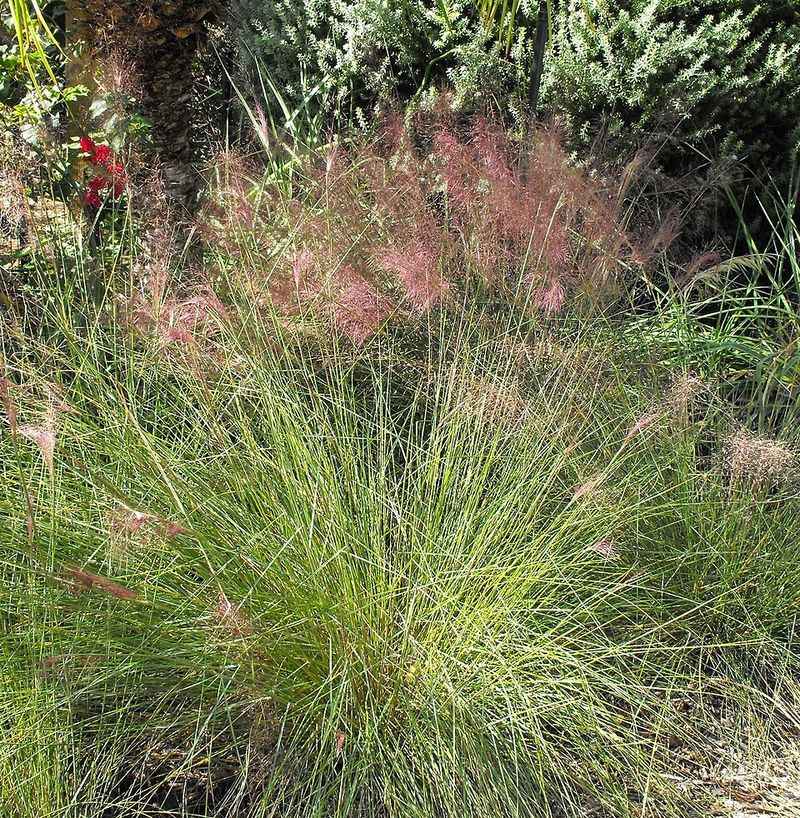
Few plants create a bigger seasonal impact with less effort. In fall, airy pink flower plumes rise above the foliage, forming soft clouds of color that glow in afternoon sunlight.
This clumping native grass evolved in Florida’s moist flatwoods and wet prairies, where it naturally handles both high humidity and seasonal flooding. The fine-textured foliage dries quickly after rain, preventing the fungal problems that affect many ornamental grasses in humid climates.
You’ll notice Muhly Grass maintains a neat, rounded clump of green foliage throughout most of the year, reaching about three feet tall and wide without spreading aggressively.
In September and October, the pink flower plumes emerge, rising above the foliage and creating a display that lasts for several weeks.
North Florida gardeners see the most dramatic color when fall temperatures cool, while Central and South Florida plantings bloom reliably but may show slightly less intense pink coloring.
This grass needs almost no care once established in your landscape. Plant it in full sun for the best flowering, and water it regularly during the first growing season, but after that, Florida’s rainfall pattern provides enough moisture.
Muhly Grass never requires fertilizer and needs only an annual trim in late winter to remove old foliage before new growth begins.
7. Frogfruit
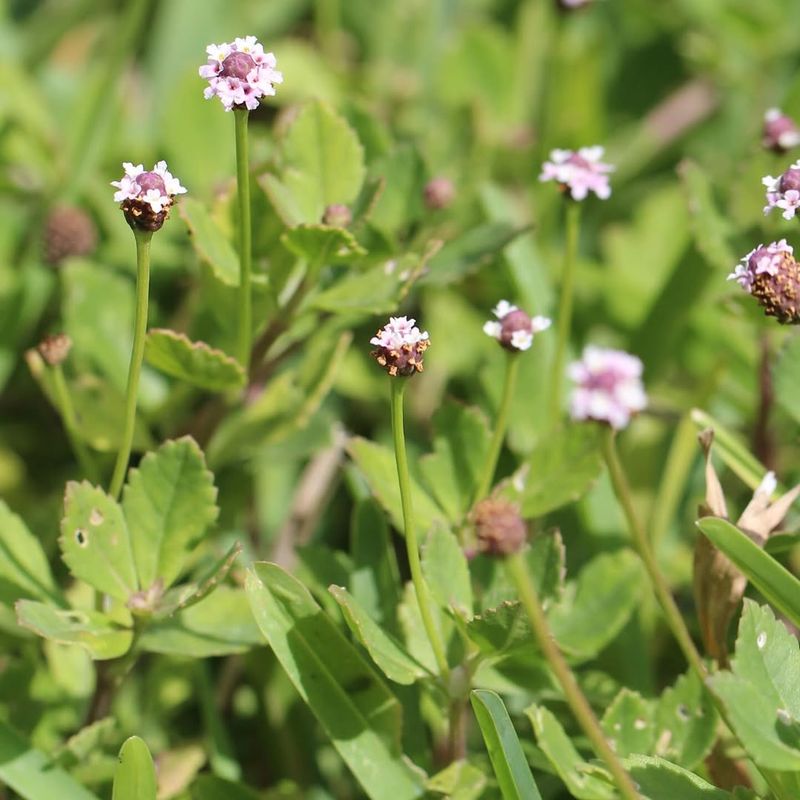
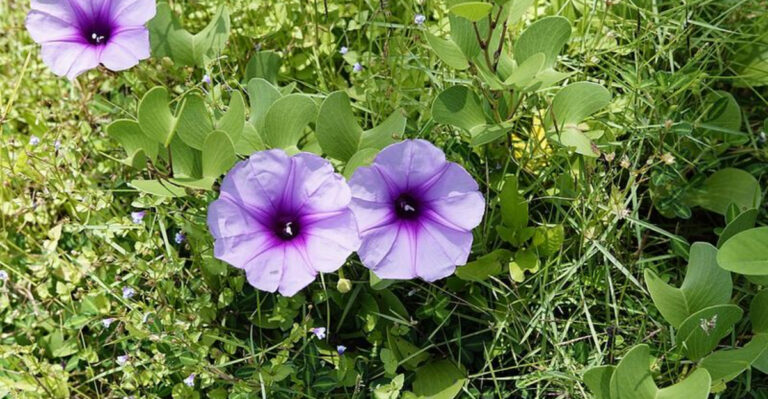
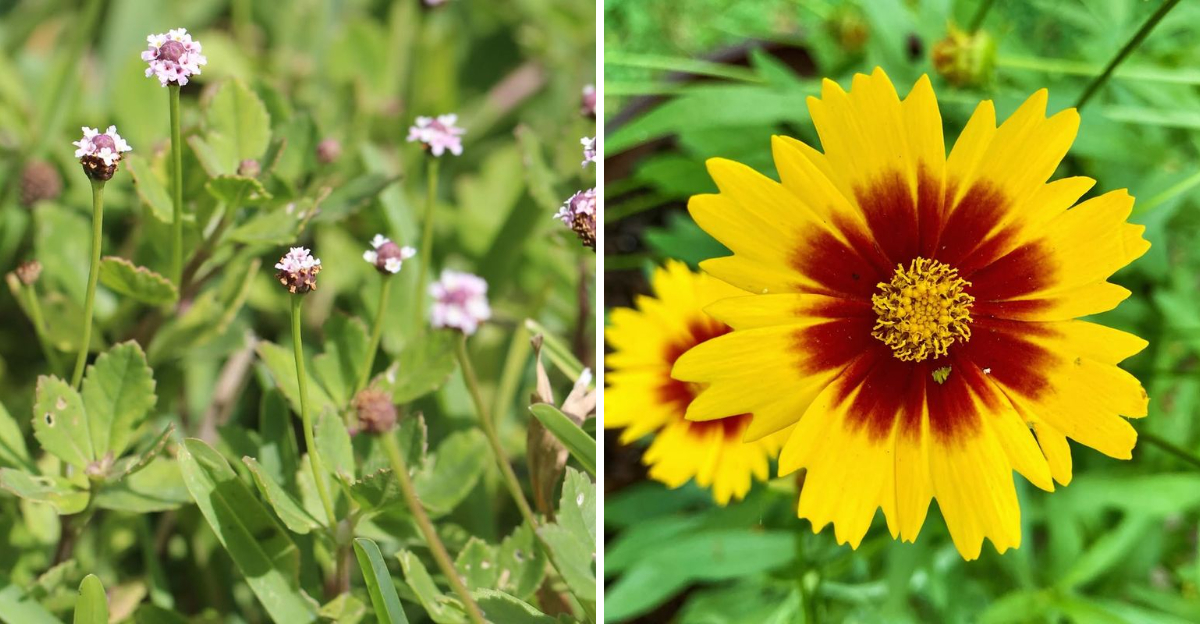
Frogfruit spreads low across the ground, creating a living carpet that tolerates foot traffic, humidity, and Florida’s heaviest summer rains without complaint.
This native groundcover grows naturally in moist areas throughout the state, where it forms dense mats that stay green year-round in most regions.
The small, oval leaves and tiny white or purple flowers create a textured appearance quite different from traditional turfgrass.
When summer storms dump inches of rain on your yard in a single afternoon, Frogfruit tolerates short periods of standing water without developing root problems.
The plant spreads by rooting stems, filling in bare areas quickly and outcompeting many weeds once established.
You can mow it occasionally to keep it tidy, or let it grow naturally to about four inches tall. Butterflies visit the flowers constantly during warm months, making your lawn a habitat rather than just a green space.
North Florida gardeners find Frogfruit may brown slightly during hard freezes but recovers quickly in spring. Central and South Florida plantings stay evergreen and flower nearly year-round.
The plant grows in full sun or partial shade and tolerates a wide range of soil conditions, from sandy to clay. Frogfruit never needs fertilizer and requires far less mowing than traditional lawn grasses, reducing both maintenance time and environmental impact in your yard.
8. Sunshine Mimosa
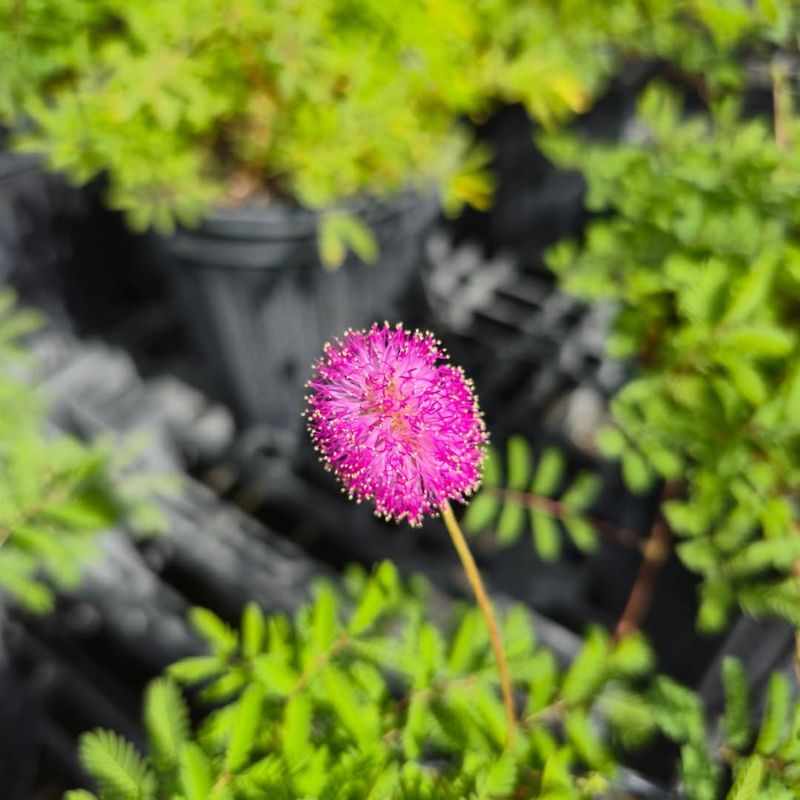
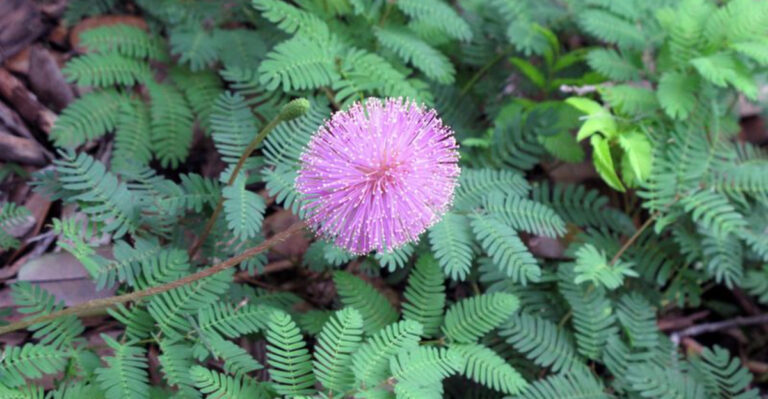
Soft lime-green foliage and playful pink puffball flowers give this plant instant visual interest. Unlike its weedy relatives, this cultivated selection stays compact and well-behaved in home landscapes.
The fine, ferny foliage adds texture to your landscape, and the leaves fold up at night or when touched, creating an interactive element that fascinates visitors.
High humidity doesn’t bother Sunshine Mimosa at all. The plant evolved in regions with moisture levels similar to Florida’s, so it handles summer’s steamy conditions without developing leaf diseases or stress.
Pink, powder-puff flowers appear throughout the warm months, attracting butterflies and other pollinators even during the wettest weather.
South Florida gardeners see nearly continuous flowering, while Central Florida plantings bloom heavily from spring through fall.
North Florida residents can grow it as a warm-season perennial that regrows each year from the roots.
You won’t need to deadhead spent flowers or provide constant care to keep Sunshine Mimosa looking good. Plant it in full sun for the brightest foliage color, and water it during establishment, but after that, it tolerates both wet and dry periods without special attention.
The plant rarely needs fertilizer and maintains its compact form without frequent pruning.
9. Walter’s Viburnum
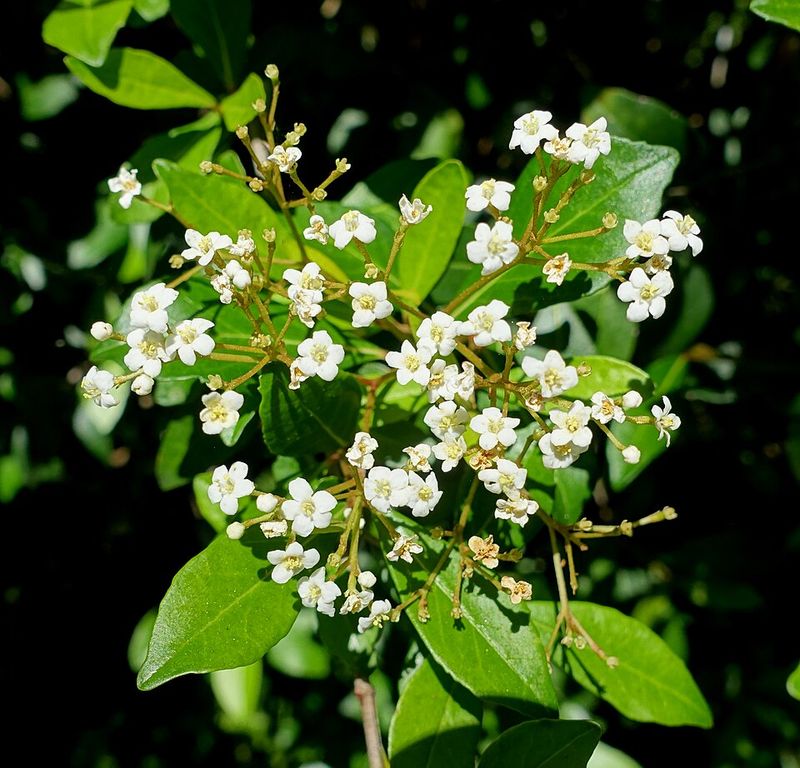
Walter’s Viburnum grows naturally in Florida’s swamps and wet flatwoods, making it perfectly adapted to handle high humidity and seasonal flooding in home landscapes.
This evergreen shrub produces clusters of small white flowers in spring, followed by red berries that ripen to black and feed songbirds through fall and winter.
The glossy leaves shed water efficiently, preventing fungal problems even when humidity stays high for weeks on end.
The plant reaches about twelve to fifteen feet tall in ideal conditions, though you can keep it smaller with occasional pruning. Walter’s Viburnum grows best in partial shade, where it develops a full, attractive form without becoming leggy or sparse.
North Florida gardeners find it extremely cold-hardy while still performing beautifully through humid summers. Central Florida plantings thrive with minimal care, and South Florida residents see vigorous growth and reliable berry production.
You’ll appreciate how little attention Walter’s Viburnum needs once established in your yard. The plant tolerates wet soil better than most viburnums, making it ideal for low spots or areas near retention ponds where moisture accumulates.
It also handles drier periods without stress once its roots develop. Walter’s Viburnum rarely needs fertilizer and resists most pests and diseases that affect ornamental shrubs in Florida, making it truly low-maintenance for humid climates.
10. Florida Anise
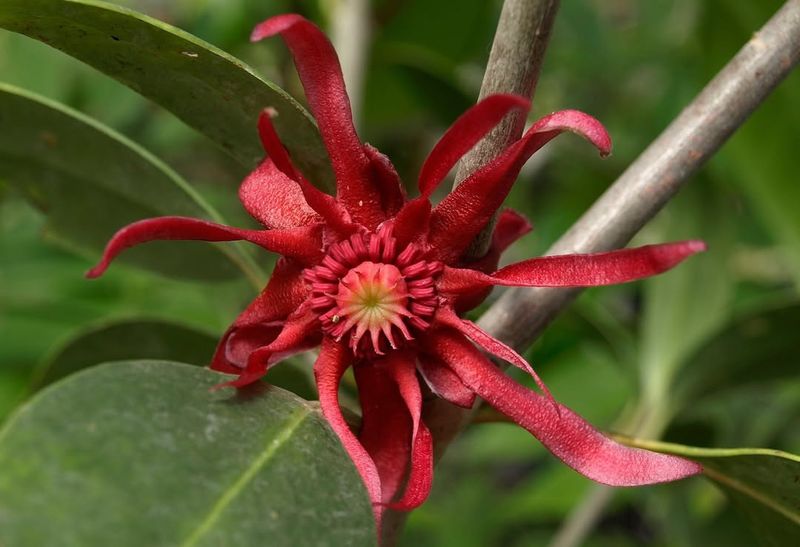
Brush past this shrub and you’ll notice the sweet fragrance immediately. Glossy evergreen leaves release a pleasant scent, making this native plant both attractive and memorable in shady landscapes.
Growing naturally in moist hammocks and stream banks throughout North and Central Florida, this evergreen plant handles humidity and wet soil conditions that would stress many other landscape shrubs.
The thick, leathery leaves resist fungal problems, staying dark green and healthy even during the steamiest summer weather.
Maroon, star-shaped flowers appear in spring, adding an unusual touch to the landscape before most other plants begin their flowering season. Florida Anise grows slowly to about ten feet tall and wide, developing a dense, rounded form without constant pruning.
North Florida gardeners find it extremely reliable through cold winters and humid summers. Central Florida plantings perform equally well, while South Florida residents can grow it successfully in cooler microclimates or shadier spots.
The plant tolerates wet feet better than most shrubs, making it perfect for low areas or rain garden edges where water accumulates after storms. Once established, Florida Anise also handles drier periods without complaint.
Plant it in partial to full shade for best results, and you’ll rarely need to water it after the first year. The shrub requires no fertilizer and resists pests and diseases naturally, giving you an attractive, fragrant addition to your landscape that truly takes care of itself.
Florida Anise performs best in North and Central Florida and may struggle in South Florida heat.
11. Buttonwood
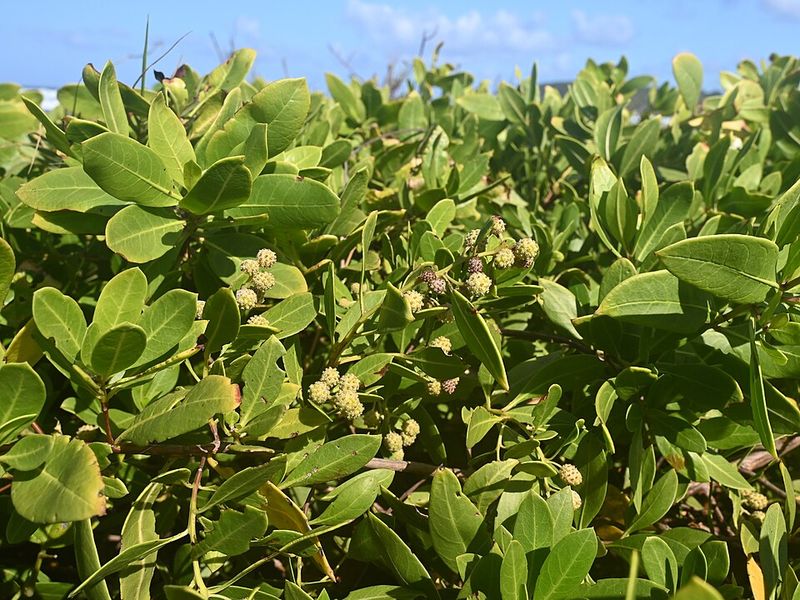
Buttonwood grows along Florida’s coastlines naturally, where salt spray, high humidity, and storm surge create challenging conditions that eliminate most other trees.
This native evergreen develops thick, silvery-green leaves that handle moisture beautifully, shedding water quickly and resisting the fungal problems that plague many landscape trees in humid climates.
The tree’s natural tolerance for wet, poorly drained soil makes it ideal for low-lying Florida yards where water stands after heavy rains.
You can grow Buttonwood as a small tree reaching twenty to thirty feet tall, or maintain it as a large shrub with occasional pruning. The dense foliage provides excellent screening, and the silver-green color adds visual interest without overwhelming your landscape.
South Florida gardeners find Buttonwood performs beautifully year-round, while it performs best overall in South Florida and coastal Central Florida. In North Florida, freeze damage is common and long-term survival is unreliable.
Buttonwood tolerates both flooding and drought once established, adapting to Florida’s variable rainfall patterns without showing stress. The tree grows well in full sun or partial shade and adapts to various soil types, from pure sand to heavy clay.
You won’t need to fertilize Buttonwood, and it rarely requires pest or disease management, making it one of the most low-maintenance trees you can plant in humid Florida landscapes.
12. Saw Palmetto
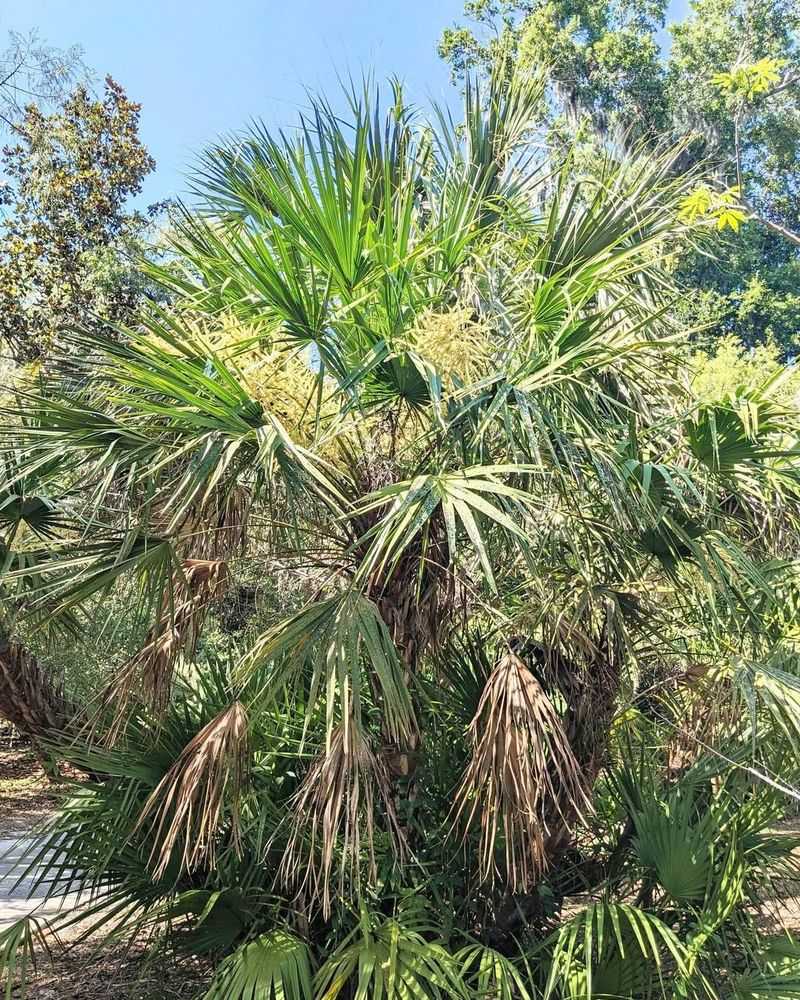
Saw Palmetto covers millions of acres across Florida naturally, growing in pine flatwoods, scrub, and coastal areas where it handles humidity, fire, and flooding with equal ease.
This low-growing palm forms dense clumps of fan-shaped fronds, creating a distinctive Florida look that requires almost no maintenance once established in your landscape.
The waxy fronds shed moisture efficiently, preventing fungal growth even when humidity reaches uncomfortable levels during summer months.
The plant typically stays between three and six feet tall, spreading slowly by underground stems to form colonies over time. Fragrant white flowers emerge on tall stalks in spring, followed by black fruits that feed wildlife through fall and winter.
Saw Palmetto performs equally well from the Keys to the Panhandle, adapting to regional differences in temperature and rainfall without special care.
North Florida plants handle cold snaps easily, while South Florida specimens grow more vigorously but maintain the same tough, resilient character.
You can plant Saw Palmetto in full sun or fairly deep shade, and it tolerates both wet and dry soils common throughout Florida. The plant never needs irrigation after establishment, and it requires no fertilizer to maintain healthy growth.
Saw Palmetto rarely suffers from pests or diseases, and its slow growth means you won’t be constantly managing its size or spread in your landscape.
13. Tickseed
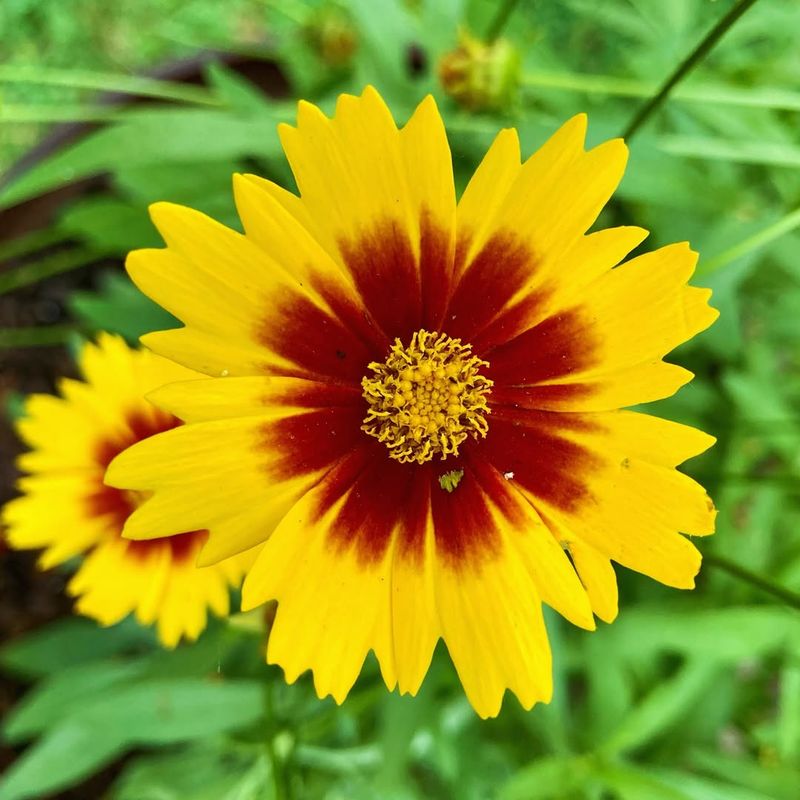
Drive any Florida highway in spring and you’ll see this wildflower painting roadsides bright yellow. It thrives in humid conditions and brings long-lasting color to sunny landscapes.
This native wildflower evolved in moist flatwoods and roadside ditches where seasonal flooding and high humidity create conditions that challenge many flowering plants.
The thin, airy foliage dries quickly after rain, and the plant’s vigorous growth habit helps it outpace fungal problems that might affect less adapted species.
Each flower resembles a small daisy, with yellow petals surrounding a darker center that attracts butterflies, bees, and other beneficial insects. Tickseed typically reaches one to three feet tall depending on growing conditions, and it self-seeds readily, creating natural-looking drifts over time.
North Florida gardeners see peak flowering in spring and fall when temperatures moderate. Central Florida plantings bloom most heavily in cooler months but continue flowering through summer.
South Florida residents find Tickseed performs best as a cool-season annual, flowering beautifully from fall through spring.
Plant Tickseed in full sun for the best flowering, and water it during establishment, but after that, Florida’s regular rainfall provides adequate moisture. The plant tolerates both wet and dry conditions, making it adaptable to various landscape situations.
Tickseed blooms longer with occasional trimming or deadheading, but will still perform well with minimal care.
14. Blanket Flower
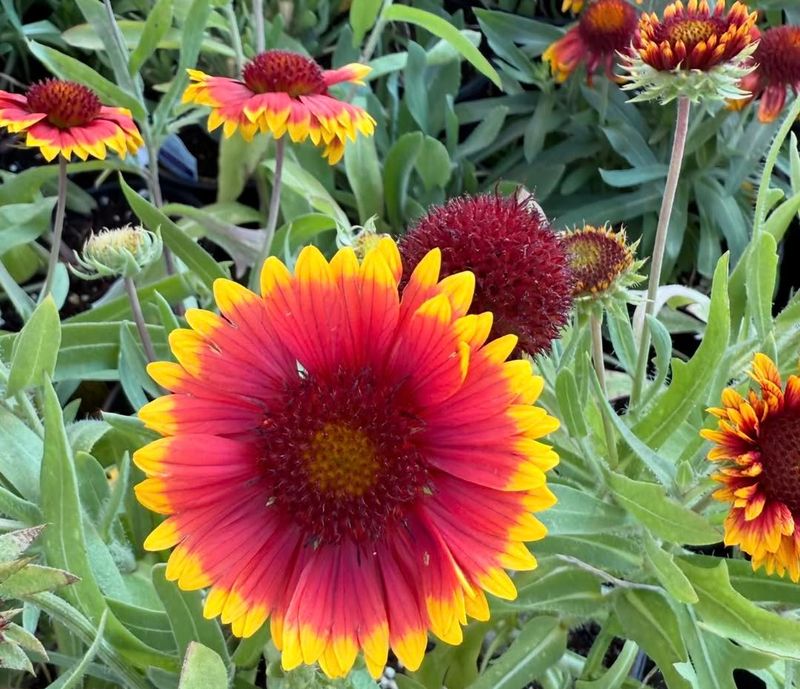
Native to sandy coastal areas and disturbed sites throughout the southeastern United States, this tough perennial performs best in fast-draining soils. The slightly fuzzy foliage sheds water reasonably well, but consistently wet soil can shorten its lifespan.
Each flower features red petals tipped with yellow, creating a pattern that resembles traditional Native American blankets and gives the plant its common name.
Blanket Flower typically grows about one to two feet tall, blooming continuously from spring through fall with almost no deadheading required.
North Florida gardeners see it perform beautifully as a perennial, returning year after year with minimal care.
Central Florida plantings also succeed long-term, while South Florida residents may find it performs better during cooler months as a seasonal color plant.
Plant Blanket Flower in full sun and well-drained soil for best results, though it tolerates less-than-perfect conditions once established. Once established, the plant handles dry spells well and tolerates short rainy periods, but performs best when soil drains quickly.