13 Plants Florida Gardeners Regret Planting And What To Grow Instead
Florida gardening looks simple at first. Many homeowners bring home beautiful plants, picture a lush yard, and then face constant frustration once heat, humidity, and heavy rain arrive.
What works in other states often fails to perform the same way here. Extra watering, nonstop pruning, and disappointing results become common problems.
In most cases, the issue comes down to plant choice. Some popular landscape favorites do not match Florida’s climate at all.
When the right plants replace the wrong ones, yards look better, maintenance drops, and results last longer. Smart choices can turn a stressful landscape into one that feels easy and rewarding year-round.
1. Bradford Pear
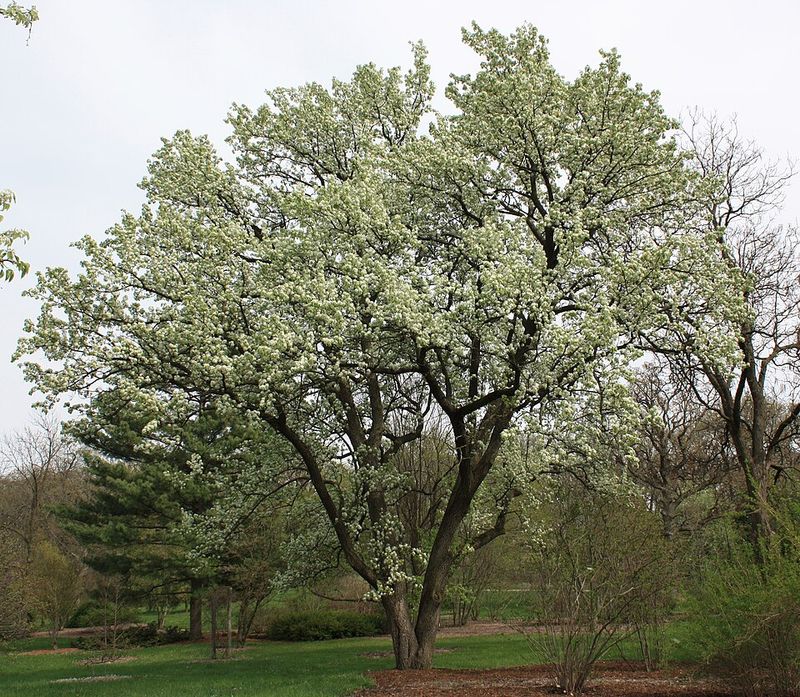
At first glance, Bradford pear trees look like the perfect fast-growing landscape solution. Covered in white spring blooms and shaped into neat, symmetrical forms, they attract homeowners who want quick shade and instant curb appeal.
Nurseries promote them as fast-growing street trees that provide reliable structure. However, their weak branch structure becomes a serious liability once they mature.
Florida’s summer thunderstorms and occasional tropical systems snap branches with alarming regularity, leaving you with expensive cleanup and a tree that looks increasingly ragged.
The wood splits easily at narrow crotch angles, and within ten to fifteen years, many Bradford pears experience major structural failure.
North and Central Florida gardeners face the worst problems, as these trees also become invasive, spreading into natural areas and displacing native vegetation.
Consider planting Southern Live Oak or Dahoon Holly instead. Live oaks develop strong branch architecture and thrive across most of Florida zones, providing long-lasting shade without the structural weaknesses.
Dahoon Holly offers year-round green foliage, attractive red berries for wildlife, and exceptional storm resistance, making it a smarter choice for homeowners seeking reliable performance and native ecological value in their landscape.
2. Ficus (Indian Laurel Fig)

Fast growth and dense foliage make Indian laurel fig a popular choice for privacy hedges and shade trees across Florida, especially in newer neighborhoods where instant screening feels appealing.
South Florida landscapes particularly feature these trees, where their tropical appearance fits the aesthetic many people expect.
Root systems become the primary regret. Ficus roots aggressively invade sewer lines, crack driveways, lift sidewalks, and damage foundations as they search for water and nutrients.
Repair costs often reach thousands of dollars, and the roots continue spreading even after severe pruning. The trees also drop leaves constantly, creating ongoing cleanup work, and thrips cause recurring leaf damage that leaves surfaces sticky with honeydew.
Simpson Stopper or Marlberry serve as excellent native alternatives for hedges and screening. It grows into a dense evergreen shrub with fragrant white flowers and colorful berries that attract birds, while Marlberry provides similar screening with glossy foliage and exceptional salt tolerance.
Both species develop non-invasive root systems, require less maintenance than ficus, and support local wildlife without threatening your home’s infrastructure or demanding constant attention.
3. English Ivy
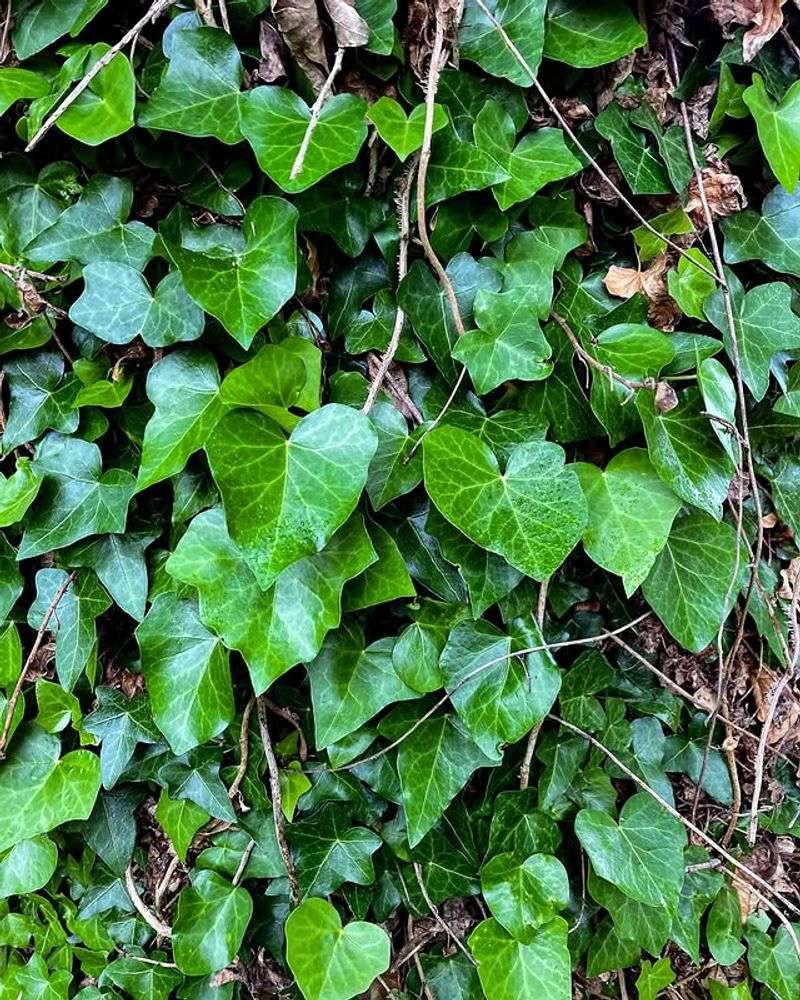
That classic European cottage garden look draws many homeowners toward English ivy, especially when shade makes turf grass difficult to grow. Garden centers promote it heavily, and the trailing vines seem charming at first.
Your Florida Garden Changes Every Week. Your Plan Should Too.
Gardening in Florida changes quickly throughout the season. Every Friday you’ll receive a simple weekly plan showing exactly what to plant, prune, fertilize, harvest, and protect so you never miss the right timing.
Northern transplants often bring it into Florida landscapes because it performed well in their previous climate.
Florida’s warmth and humidity turn English ivy into an aggressive invader that climbs trees, smothers native plants, and spreads far beyond its intended boundaries.
It harbors pests and creates habitat for nuisance insects in its dense mats, and removing it becomes a multi-year project once it establishes.
Central and North Florida see the worst invasive behavior, where ivy escapes into natural areas and damages forest ecosystems by blocking sunlight from native groundcovers and adding weight to tree canopies.
Coontie or Sunshine Mimosa provide beautiful native groundcover alternatives. Coontie develops attractive feathery foliage and serves as the host plant for Atala butterflies, thriving in shade or partial sun across all Florida regions.
Sunshine Mimosa offers delicate leaves that fold at night and pink powder-puff flowers, spreading to form a living carpet that stays where you plant it without invasive tendencies or pest problems.
4. Running Bamboo
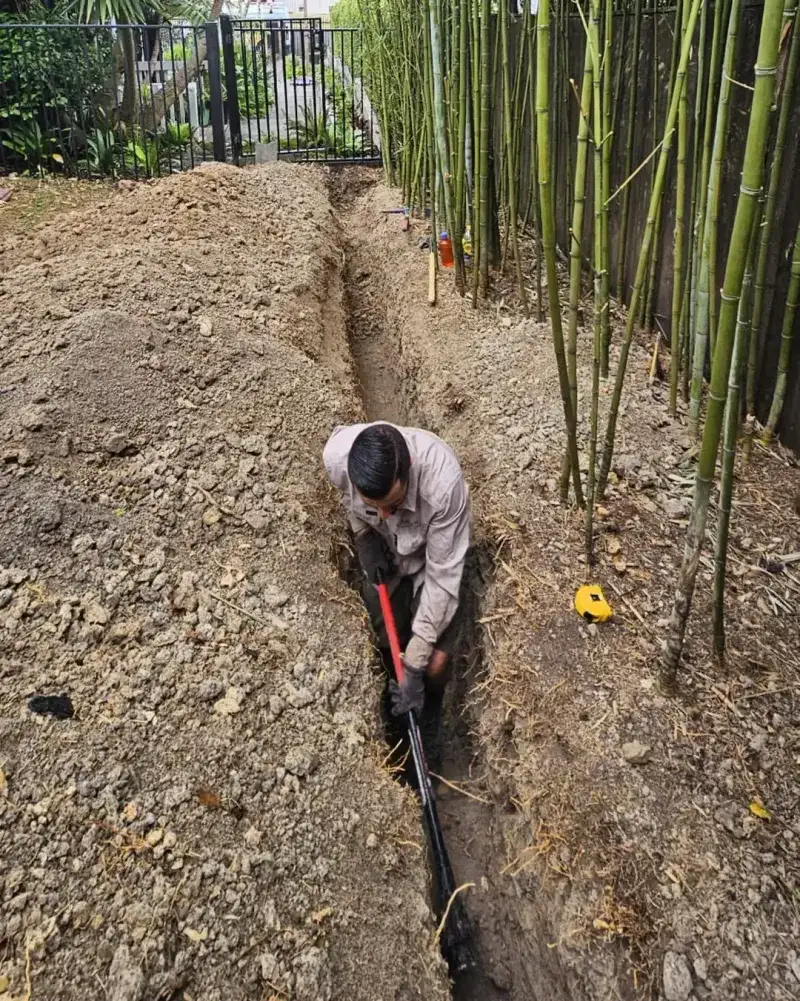
For fast privacy and a tropical or Asian-inspired look, many homeowners turn to running bamboo without realizing the long-term problems that often follow. Nurseries sometimes downplay its aggressive spreading nature, and homeowners assume they can control it with occasional trimming.
The vertical growth and rustling foliage seem like perfect solutions for blocking views or creating garden rooms.
Rhizomes spread underground with remarkable speed, sending up new shoots in your neighbor’s yard, through your driveway, and into areas you never intended to plant. Removal requires excavating rhizomes several feet deep, and even small remaining pieces regenerate into new plants.
Florida’s year-round growing season means running bamboo never goes dormant, allowing continuous spread that quickly becomes overwhelming.
Some varieties can defeat poorly installed barriers and containment systems, making control nearly impossible without constant vigilance and physical removal efforts.
Clumping bamboo varieties like Bambusa multiplex or native Muhly Grass offer better alternatives. Clumping bamboos stay in tight groups without spreading rhizomes, providing the same vertical screening and movement without invasive behavior.
Muhly Grass creates airy pink or white plumes in fall, grows in clumps that expand slowly, and thrives in Florida conditions while supporting native pollinators and adding seasonal interest your neighbors will actually appreciate.
5. Gardenia
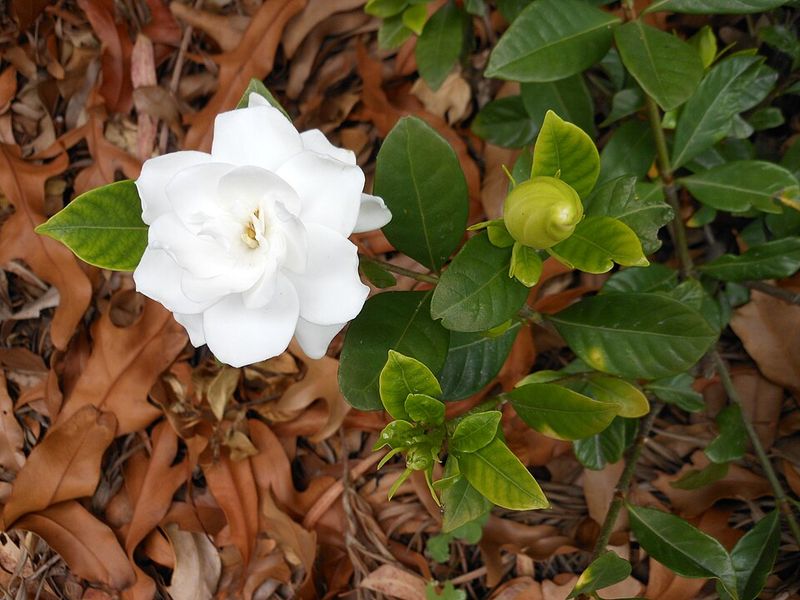
Few plants attract attention at the nursery like gardenias. Glossy green leaves and creamy white blooms with strong fragrance make them feel like a classic Southern landscape choice.
Their reputation as traditional landscape plants makes them seem like safe, reliable choices. Many gardeners plant them near entryways or patios where the scent can be enjoyed up close.
Florida’s alkaline soils and intense summer heat often create challenges for gardenias without soil modification. They develop yellow leaves from nutrient deficiencies, require frequent fertilizing with specific acidic formulations, and attract whiteflies and sooty mold that leave foliage covered in black residue.
Blooms often fail to open properly in humid weather, turning brown before fully developing.
Central and South Florida gardeners tend to struggle most, as the extended warm season and humidity levels exceed what these plants tolerate well, leading to ongoing pest problems and disappointing bloom performance.
White Geiger or Pinckneya provide similar fragrant white blooms with better Florida adaptation. White Geiger produces intensely fragrant flowers on a low-maintenance shrub that tolerates heat and humidity without constant feeding or pest management.
Pinckneya, also called Fever Tree, offers large white and pink bracts that resemble flowers, thrives in Florida’s native soil conditions, and requires minimal care while attracting hummingbirds and butterflies to your landscape throughout the growing season.
6. Hydrangea (Bigleaf Types)
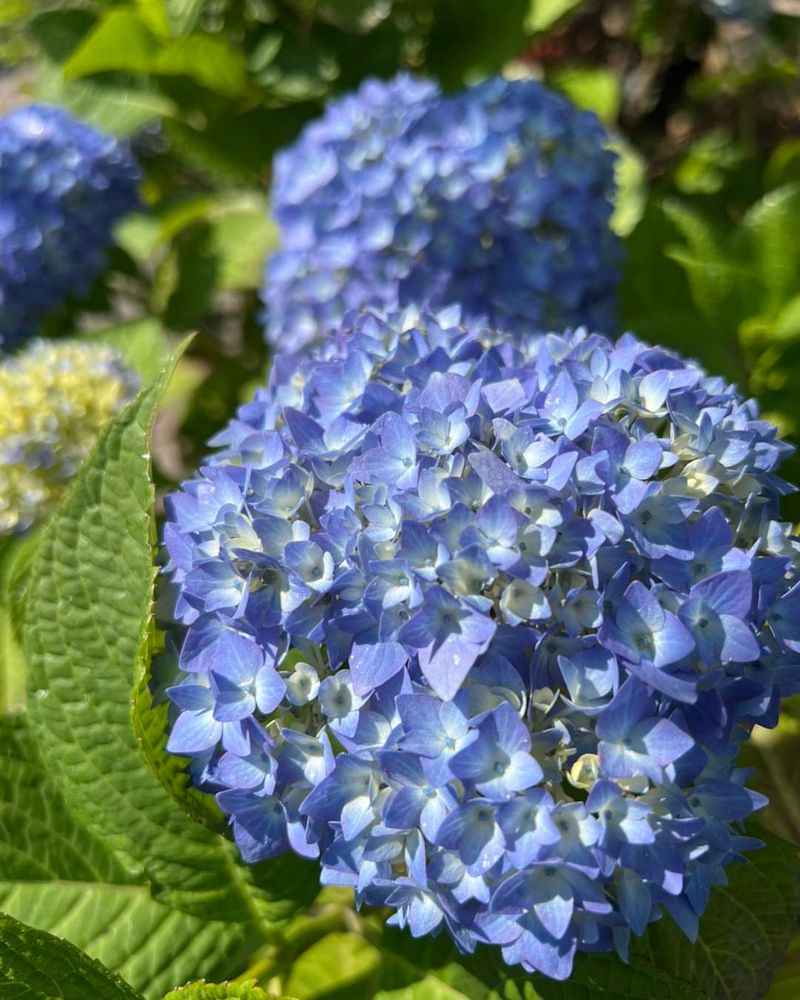
Bigleaf hydrangeas appear in garden catalogs with enormous blue and pink flower clusters that look absolutely stunning in photographs from cooler climates. Gardeners imagine recreating those lush displays in their own yards, and nurseries stock them each spring alongside other flowering shrubs.
The promise of color-changing blooms based on soil pH adds to their appeal.
Florida’s heat and intense sunlight scorch the large leaves, causing constant wilting even with regular watering.
These hydrangeas need cool nights and consistent moisture that Florida summers simply cannot provide, especially in Central and South Florida where temperatures stay elevated around the clock.
Blooms often fail to develop properly, and the plants look stressed and struggling rather than lush and floriferous. Even in North Florida, they require significant shade and irrigation to survive, making them high-maintenance additions that rarely deliver the flower show you expected.
Oakleaf Hydrangea or Firebush offer better performance with similar landscape impact. Oakleaf Hydrangea, a Florida native, produces large white flower clusters and stunning fall foliage while tolerating heat, drought, and shade far better than bigleaf types.
Firebush blooms continuously with tubular red-orange flowers that hummingbirds adore, thrives in heat and humidity, and requires almost no maintenance while providing reliable color throughout the warm season without wilting or struggling.
7. Hybrid Tea Roses
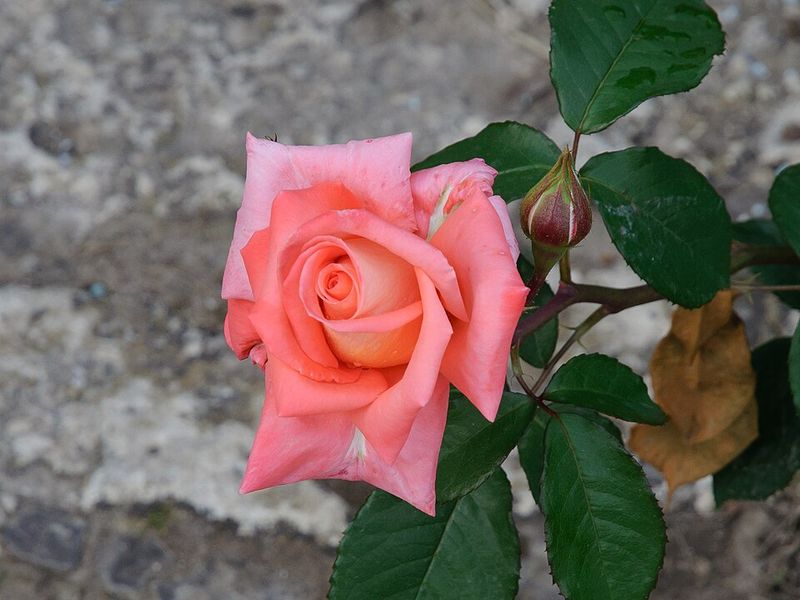
Hybrid tea roses represent the classic long-stemmed beauties people associate with formal gardens and special occasions, and their elegant blooms seem worth the effort many gardening books describe. Nurseries display them prominently each winter, and their variety of colors appeals to homeowners wanting traditional flower beds.
The idea of cutting your own roses for indoor arrangements adds to their romantic appeal.
Florida’s humidity creates perfect conditions for blackspot, powdery mildew, and other fungal diseases that require constant fungicide applications to manage even partially.
These roses also attract thrips, aphids, and spider mites that damage buds and foliage throughout the growing season.
Summer heat causes bloom quality to decline significantly, and the plants often go semi-dormant during the hottest months when you most want color in your landscape.
Central and South Florida gardeners face the worst challenges, as the extended warm humid season means pest and disease pressure never truly stops.
Knock Out Roses or Drift Roses provide continuous blooms with far less maintenance. Knock Out varieties resist diseases naturally, bloom repeatedly without deadheading, and tolerate Florida heat while maintaining attractive foliage.
Drift Roses stay compact, work well as groundcovers or border plants, and flower continuously from spring through fall with minimal care, giving you the rose garden look without the chemical treatments and constant attention hybrid teas demand.
8. Boxwood
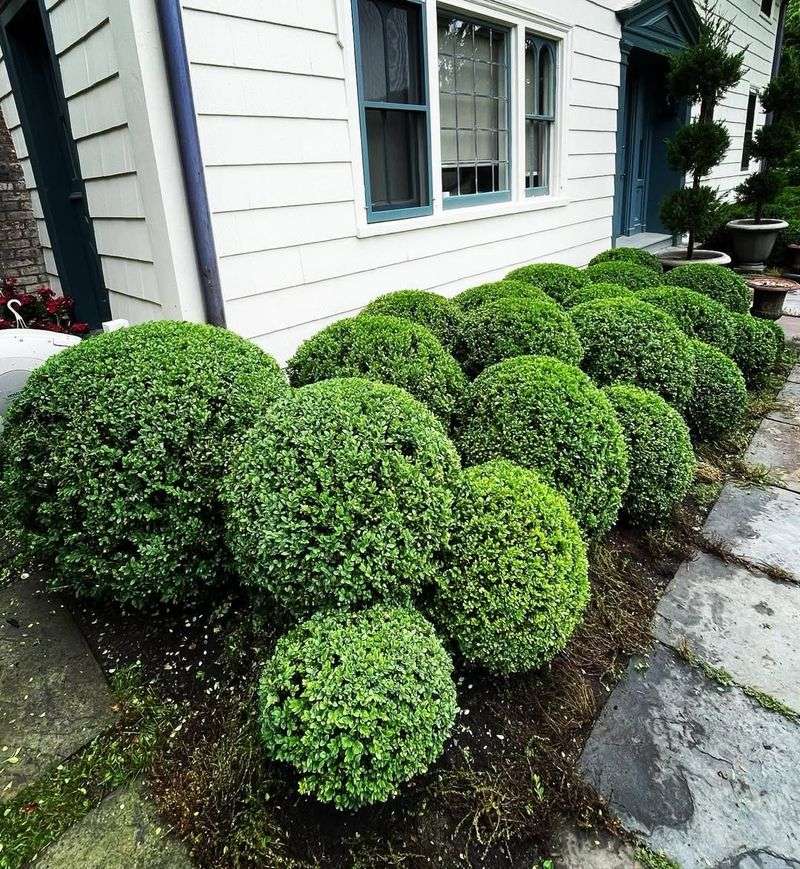
Boxwoods appear in countless formal landscape designs as foundation plantings and hedge materials, offering that classic manicured look associated with traditional architecture and European gardens.
Their dense evergreen foliage and tolerance for shearing make them popular choices for creating structure and definition.
Northern transplants often expect them to perform as reliably as they did in cooler climates.
Florida’s summer heat and humidity stress boxwoods significantly, causing foliage to bronze and decline in appearance during the months when your landscape should look its best.
Root rot becomes a serious problem in Florida’s poorly draining soils and heavy summer rains, and boxwood blight, though not yet widespread in Florida, poses an emerging threat.
Nematodes damage root systems in sandy soils common across much of the state, leading to gradual decline that no amount of fertilizer can reverse.
Central Florida gardeners particularly struggle, as the combination of heat, humidity, and soil conditions creates multiple stressors that boxwoods often struggle to tolerate long-term.
Walter’s Viburnum or Coontie provide similar structure with better Florida performance. Walter’s Viburnum develops dense evergreen foliage that shapes beautifully, produces white flowers and red berries, and thrives in Florida conditions without declining in summer heat.
Coontie creates low formal borders with architectural foliage that stays attractive year-round, supports native butterflies, and tolerates both sun and shade without the disease and pest problems that plague boxwoods in Florida landscapes.
9. Japanese Maple
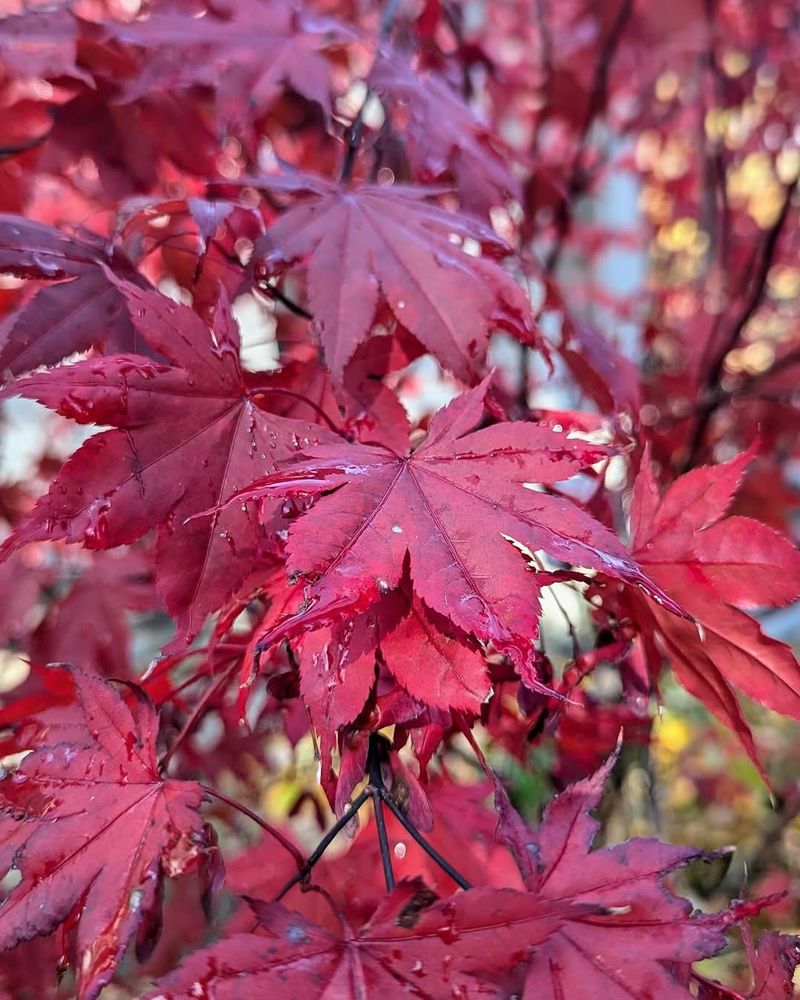
Delicate foliage and rich leaf color make Japanese maples some of the most eye-catching trees in garden photos and specialty nurseries. Their refined shape appeals to homeowners who want a strong focal point.
Specialty nurseries promote them as premium landscape additions worth the higher price point.
Florida’s intense sun scorches the delicate leaves, causing them to crisp and brown around the edges even with afternoon shade protection. Summer heat stress prevents the vigorous growth and full canopy development these trees achieve in cooler regions, leaving them looking sparse and struggling.
South and Central Florida climates perform poorly for most Japanese maple varieties, as these maples require winter chill hours that simply don’t occur in those regions.
Even in North Florida, they require carefully selected microclimates with protection from afternoon sun and consistent moisture, making them finicky additions that rarely deliver the elegant appearance you envisioned when purchasing them.
Red Buckeye or Native Red Maple offer better options for similar foliage interest. Red Buckeye produces attractive palmate leaves and tubular red flowers that hummingbirds love, thriving in shade with minimal care across all Florida regions.
Native Red Maples provide brilliant fall color even in South Florida, develop strong structure, and tolerate wet soils and heat far better than Japanese maples while offering similar visual interest without constant stress and disappointing performance.
10. Impatiens (Non-Native Types)
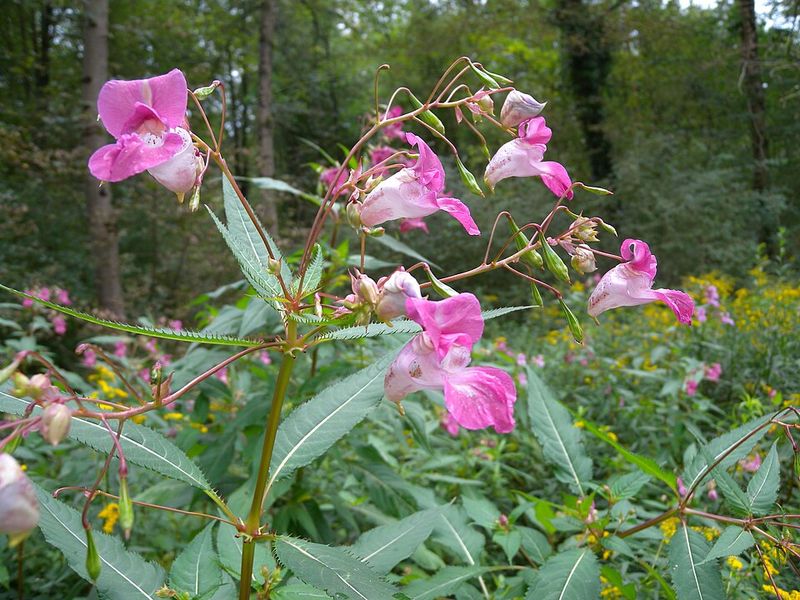
Traditional impatiens have long been the go-to choice for adding bright color to shady areas, and their continuous blooms and wide color range make them appealing for beds and containers.
Garden centers stock them heavily each spring, and their low cost encourages planting them in large masses for instant impact.
Many gardeners remember them performing reliably in previous decades or in other regions.
Downy mildew devastated traditional impatiens across Florida and much of the country, causing plants to suddenly collapse and decline with white fuzzy growth on leaf undersides.
The disease persists in soil for years, making replanting in the same locations unsuccessful and frustrating.
While New Guinea impatiens show some resistance, they require more sun than traditional types and don’t fill the same niche for deep shade color.
Central and North Florida gardeners saw the worst initial outbreaks, though the disease now affects all regions, eliminating what was once a reliable annual for shade gardens.
Torenia or Begonias provide excellent shade color without disease vulnerability. Torenia produces cheerful tubular flowers in purple, pink, and white combinations, blooms continuously in shade, and tolerates Florida humidity without downy mildew issues.
Begonias offer diverse foliage and flower options, thrive in shade throughout Florida, and provide reliable performance season after season without the sudden collapse and disappointment that now comes with planting traditional impatiens in Florida landscapes.
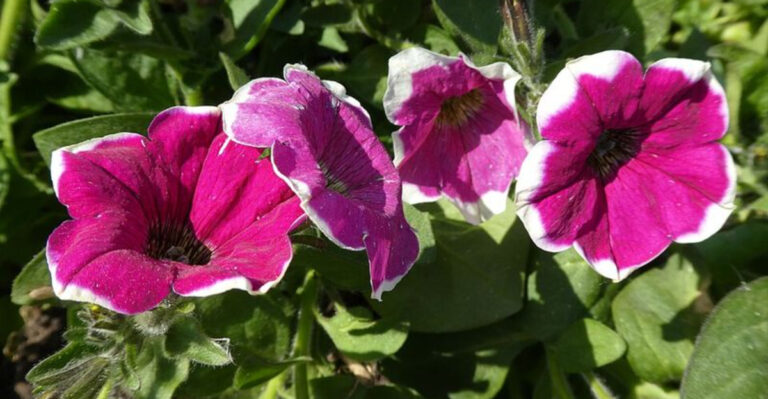
11. Petunias
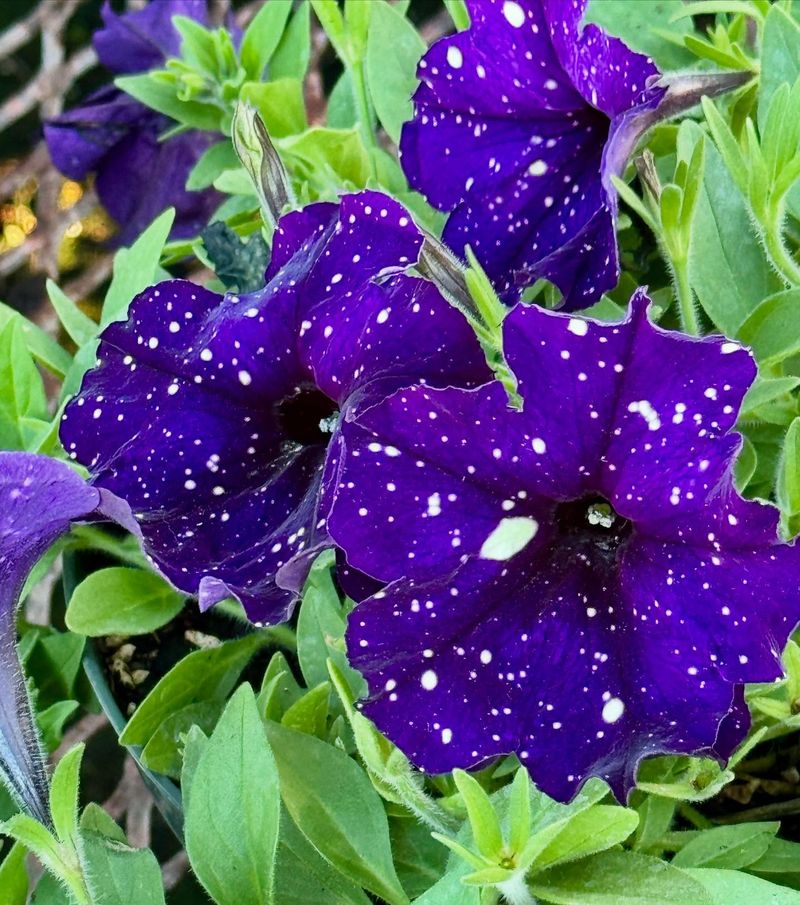
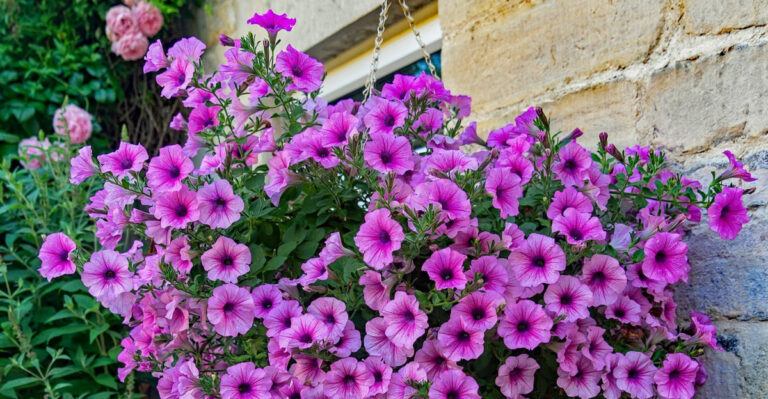
Every spring, garden centers overflow with petunias in bright colors and trailing forms that promise instant impact in beds, baskets, and containers. National advertising campaigns feature them prominently, and their performance in cooler climates leads gardeners to expect similar results.
The trailing varieties particularly appeal for container plantings on porches and patios.
Florida’s heat and humidity cause petunias to stretch, stop blooming, and decline rapidly once temperatures climb into the nineties consistently. They require frequent deadheading to maintain any bloom production, and even with diligent care, they look increasingly ragged as summer progresses.
Fungal diseases attack the foliage and flowers in humid conditions, and caterpillars can defoliate plants overnight.
Central and South Florida gardeners get the shortest performance window, often just a few weeks of decent blooms before heat and humidity render the plants unattractive and struggling, making them poor value for the effort and cost involved.
Pentas or Blanket Flower deliver better warm-season color. Pentas bloom continuously in red, pink, white, and lavender, attract butterflies and hummingbirds constantly, and thrive in Florida heat without declining or requiring deadheading.
Blanket Flower produces cheerful daisy-like blooms in red and yellow combinations, tolerates heat and drought exceptionally well, and flowers prolifically throughout summer and fall without the maintenance and disappointing performance that petunias bring to Florida gardens.
12. Blue Fescue
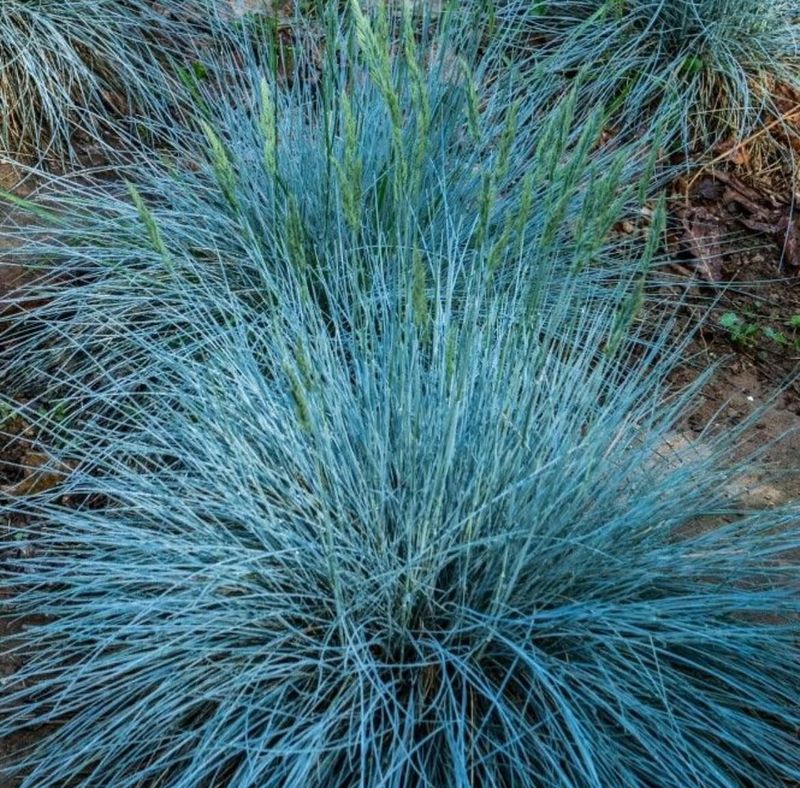
Blue fescue appears in ornamental grass displays with its striking blue-gray foliage that creates textural contrast in perennial borders and rock gardens. Landscape designers from other regions sometimes specify it for Florida projects, and its compact mounding form appeals for edging and accent plantings.
The fine texture and color seem like perfect complements to flowering plants and architectural features.
Florida’s heat and humidity cause blue fescue to decline rapidly, with the center of clumps browning out and the blue color fading to dull green during summer months.
These cool-season grasses evolved for climates with cold winters and moderate summers, conditions Florida simply doesn’t provide.
Root rot develops in poorly draining soils during heavy summer rains, and the plants often look shabby and half-gone rather than full and attractive.
North Florida gardeners might see temporary success in winter, but Central and South Florida conditions prove completely unsuitable, making blue fescue a short-lived disappointment that never achieves the lush appearance shown in reference photos from temperate climates.
Muhly Grass or Blue-Eyed Grass offer better ornamental grass options. Muhly Grass develops fine-textured green foliage and produces stunning pink or white plumes in fall, thriving in all Florida regions with minimal care.
Blue-Eyed Grass isn’t actually a grass but provides similar fine texture with blue-purple flowers, grows in neat clumps, and tolerates Florida conditions while supporting native pollinators, giving you the textural interest without constant replacement and disappointment.
13. Ligustrum (Chinese Privet Types)
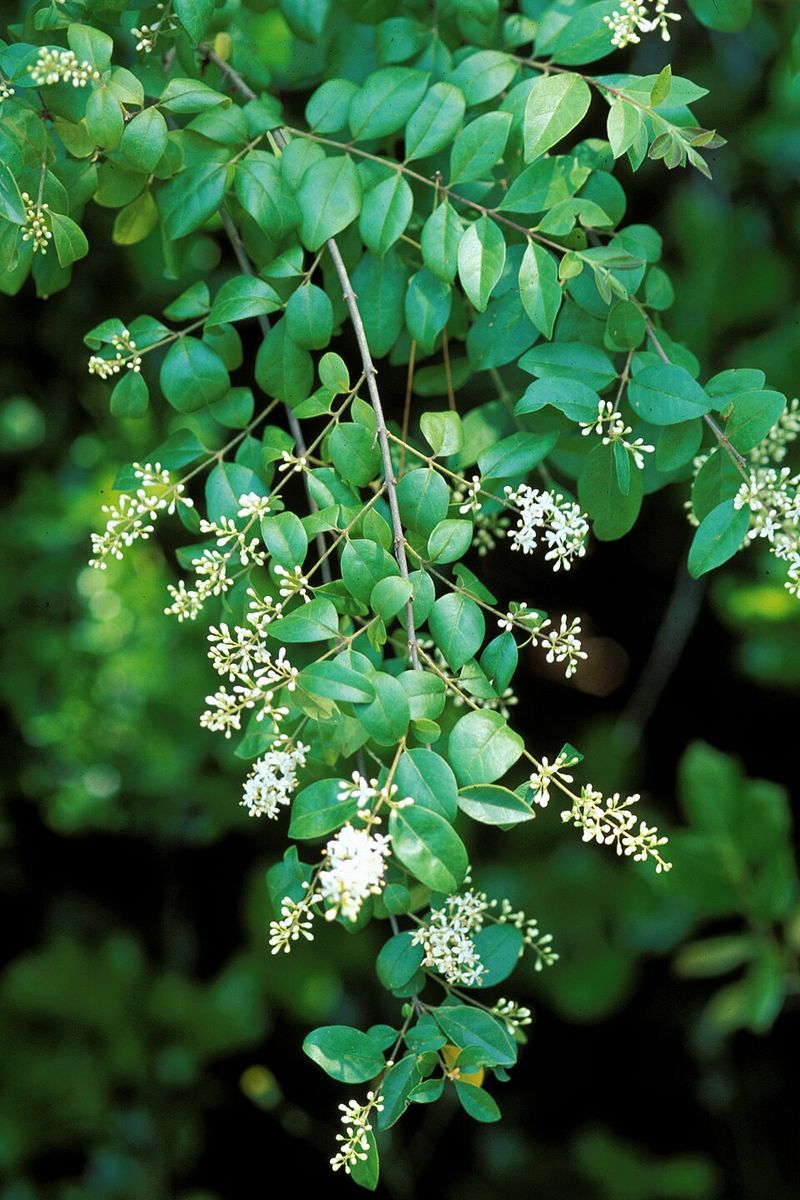
Quick growth and dense foliage push many homeowners and contractors toward Chinese privet when they want fast privacy screening.
Landscape contractors often specify it for commercial and residential projects needing fast results, and its availability at wholesale nurseries makes it an economical choice.
The evergreen foliage and tolerance for heavy pruning seem like ideal hedge qualities.
These plants become invasive across Florida, escaping into natural areas where they displace native vegetation and alter forest ecosystems. Birds eat the berries and spread seeds widely, creating new infestations in parks, preserves, and undeveloped areas throughout the state.
The aggressive root systems can also interfere with nearby irrigation lines and drainage systems, causing maintenance problems beyond the initial planting area.
Florida’s year-round growing season allows ligustrum to spread continuously without winter dormancy to slow its expansion.
North and Central Florida face particularly severe invasive problems, where established populations now threaten natural areas and require expensive removal efforts.
Walter’s Viburnum or Simpson Stopper provide non-invasive hedge alternatives.
Walter’s Viburnum develops naturally dense form, produces attractive flowers and berries that birds enjoy without invasive spreading, and tolerates pruning while maintaining health and vigor.
Simpson Stopper creates excellent screening with fragrant blooms and colorful fruit, stays where you plant it, and supports native wildlife without threatening natural areas or creating the ecological damage that Chinese privet types cause across Florida ecosystems and beyond your property boundaries.