Florida Gardeners Are Using These 10 Ways To Improve Sandy Soil Naturally
You water, you fertilize, you plant carefully, yet your garden still struggles. The soil dries out fast, plants wilt under the Florida sun, and nutrients seem to disappear overnight.
If your yard is mostly sand, this frustration probably feels familiar. Sandy soil drains quickly, heats up faster than richer ground, and leaves roots fighting for moisture and food.
That does not mean your garden is doomed. Across Florida, home gardeners are rebuilding poor soil using simple natural methods that work with the state’s climate instead of against it.
Small changes like adding organic matter, protecting the soil surface, and choosing the right plants can transform dry, gritty ground into soil that holds water, feeds roots, and supports stronger growth. When the soil improves, everything above it improves too.
Flowers bloom longer, vegetables produce more, and watering becomes less stressful. With the right approach, sandy soil can become one of your garden’s greatest strengths instead of its biggest challenge.
1. Adding Organic Matter Over Time
Organic matter acts like tiny sponges inside sandy soil, holding water and nutrients where roots can find them instead of letting everything wash straight through.
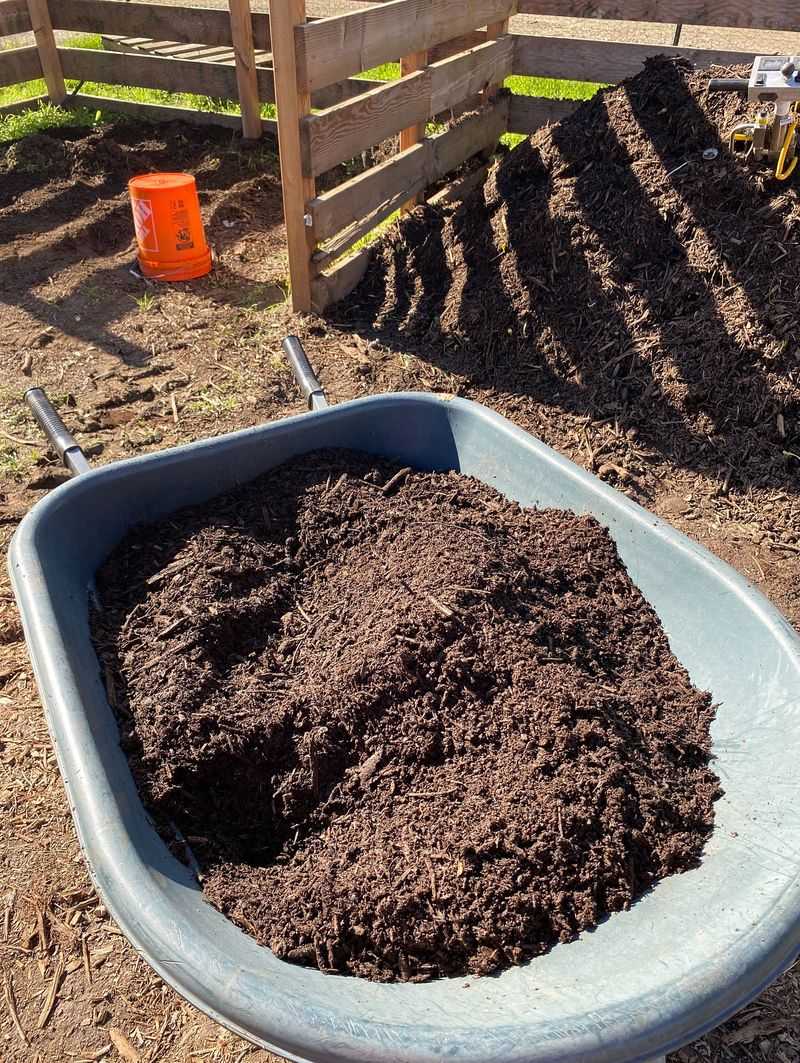
You can spread leaves, grass clippings, shredded bark, or aged manure across your beds and let rain and soil organisms pull it down gradually.
This slow process builds structure that gradually improves soil stability through Florida’s summer downpours and scorching heat.
In North Florida, gardeners often work in pine straw and hardwood leaves because they break down steadily without overwhelming beds. Central Florida’s deep sand benefits from thicker applications since organic material disappears faster in the heat.
South Florida gardeners mix in tropical plant debris that decomposes quickly, so they add smaller amounts more often.
You will notice soil that feels slightly springy instead of gritty after a year of regular additions. Plants develop stronger root systems and need less frequent watering because moisture stays available longer.
Organic matter also feeds beneficial microbes that release nutrients slowly, so your garden becomes more self-sustaining over time without constant fertilizer applications.
2. Using Compost The Florida Way
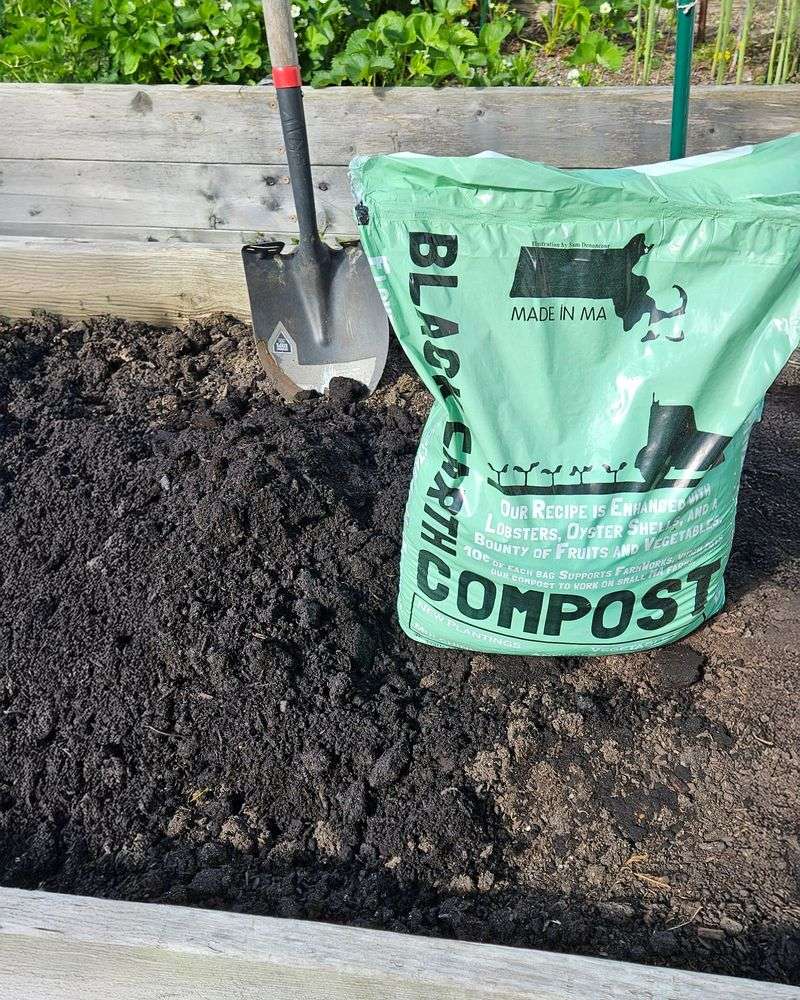
Compost made from local yard waste and kitchen scraps transforms sandy soil by adding stable organic particles that resist Florida’s heat and heavy rains.
You want finished compost that looks dark and crumbly, not steaming piles of fresh material that can burn plant roots or tie up nitrogen as it breaks down.
Spreading a two-inch layer across beds twice a year gives roots access to nutrients without overwhelming the soil’s natural drainage.
North Florida gardeners often mix compost into the top six inches before planting cool-season crops because slightly heavier soils there benefit from better aeration. Central Florida beds benefit from incorporating compost into the top 6–8 inches during bed establishment, then using surface applications afterward.
In South Florida, surface applications work well because high rainfall and warm temperatures pull compost down naturally, and excessive digging disrupts beneficial soil life.
Your plants will show darker green leaves and stronger growth within weeks as compost releases nutrients steadily. Water penetrates more evenly instead of creating dry pockets, and beds stay productive longer between feedings.
Your Florida Garden Changes Every Week. Your Plan Should Too.
Gardening in Florida changes quickly throughout the season. Every Friday you’ll receive a simple weekly plan showing exactly what to plant, prune, fertilize, harvest, and protect so you never miss the right timing.
Compost also buffers pH swings common in sandy soils, so plants absorb nutrients more efficiently.
3. Mulching To Hold Moisture Longer
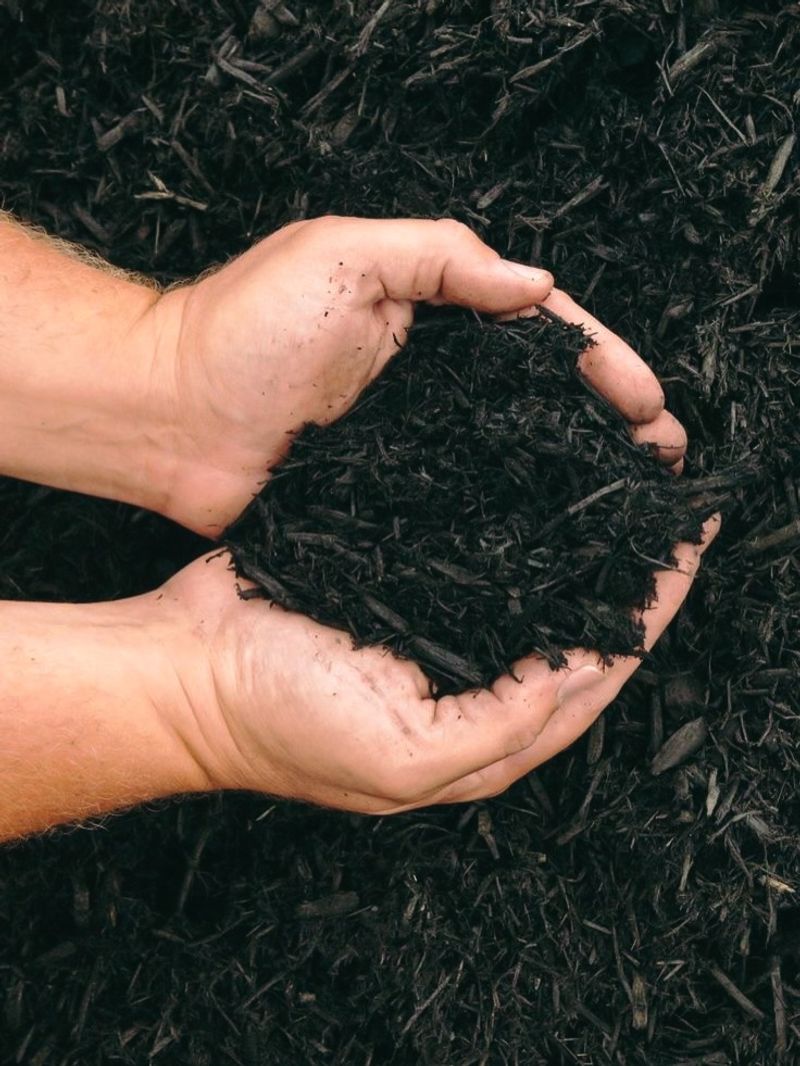
Mulch shields sandy soil from Florida’s intense sun and slows evaporation so water stays available between rains or irrigation cycles. A three to four inch layer of pine bark, cypress mulch, or shredded leaves keeps the soil surface cooler and prevents hard crusts from forming after heavy storms.
Roots often concentrate more heavily in the upper soil layer where moisture and temperature remain more stable.
North Florida gardeners prefer hardwood or pine bark mulch that breaks down slowly and adds organic matter over time without constant reapplication.
Central Florida beds benefit from lighter-colored mulches that reflect heat, since soil temperatures can soar above one hundred degrees in summer.
South Florida gardeners often use melaleuca or eucalyptus mulch that resists decomposition in high humidity, though it needs refreshing after tropical storms wash it away.
You will notice weeds struggle to establish because mulch blocks light and creates a barrier seeds cannot penetrate easily. Soil underneath stays moist even during dry weeks, so you water less often and plants show fewer stress symptoms.
Mulch also feeds earthworms and microbes as it breaks down, gradually improving soil structure from the top down.
4. Growing Cover Crops In Garden Beds
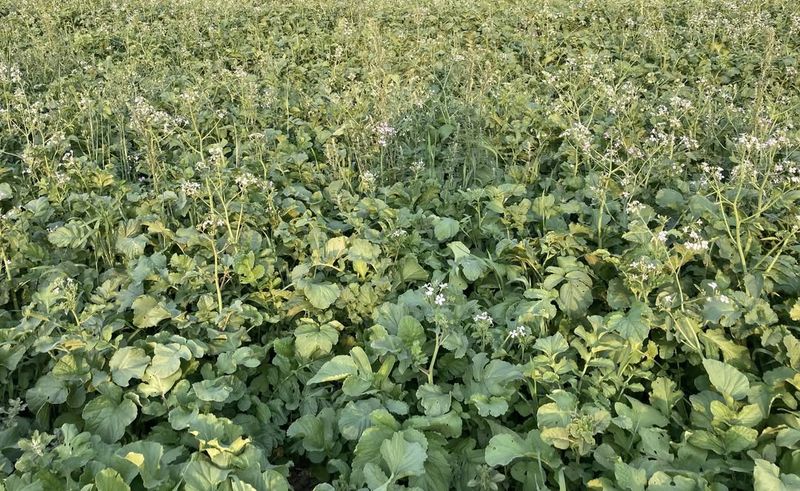
Cover crops like cowpeas, buckwheat, or crimson clover grow quickly across empty beds and send roots deep into sandy soil, creating channels that hold water and air after you cut the plants down.
Legume cover crops pull nitrogen from the air while other species scavenge nutrients from deep layers, then release them when roots and leaves decompose.
You plant cover crops during gaps between main garden seasons, so soil never sits bare and exposed to erosion or nutrient loss.
North Florida gardeners sow crimson clover or hairy vetch in fall because these crops tolerate cooler temperatures and add nitrogen before spring planting. Central Florida beds do well with cowpeas or sunn hemp in summer since heat-loving legumes thrive and build organic matter quickly.
South Florida gardeners can grow cover crops almost year-round, rotating buckwheat and cowpeas to break pest cycles while improving soil structure.
Your beds will feel softer and less compacted after cover crops because roots break up hard layers and add organic material throughout the profile. Beneficial insects and pollinators visit flowering cover crops, creating a healthier garden ecosystem.
Soil holds moisture better and drains more evenly, so your next planting establishes faster with stronger root systems.
5. Using Groundcovers To Protect Soil
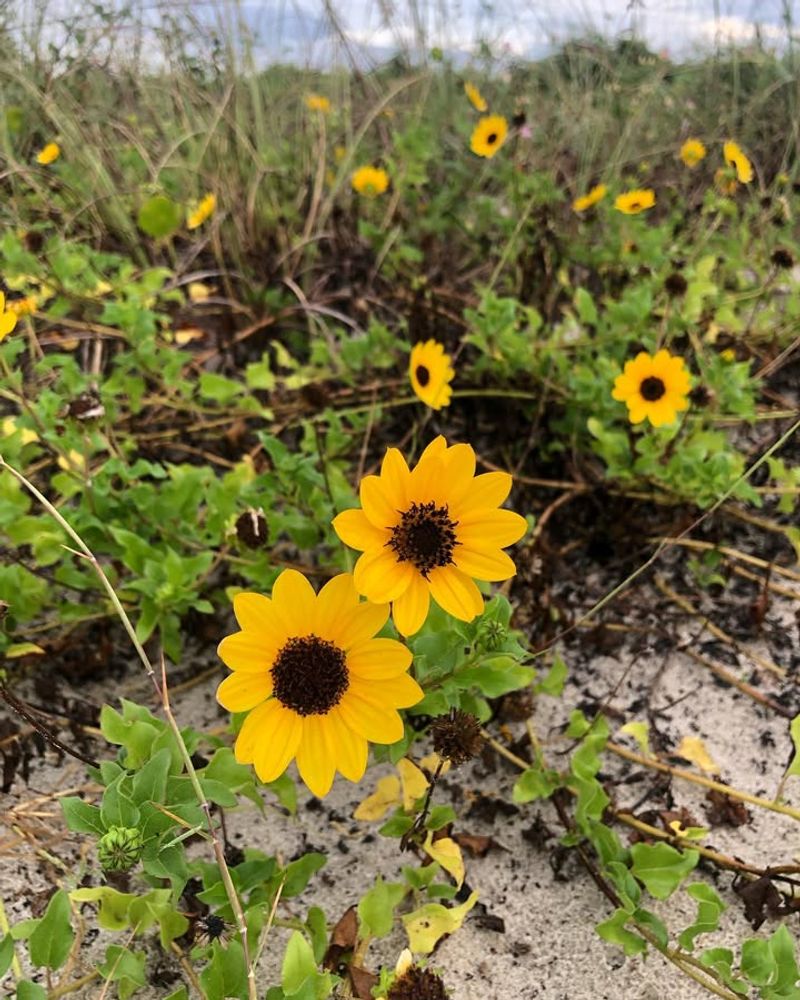
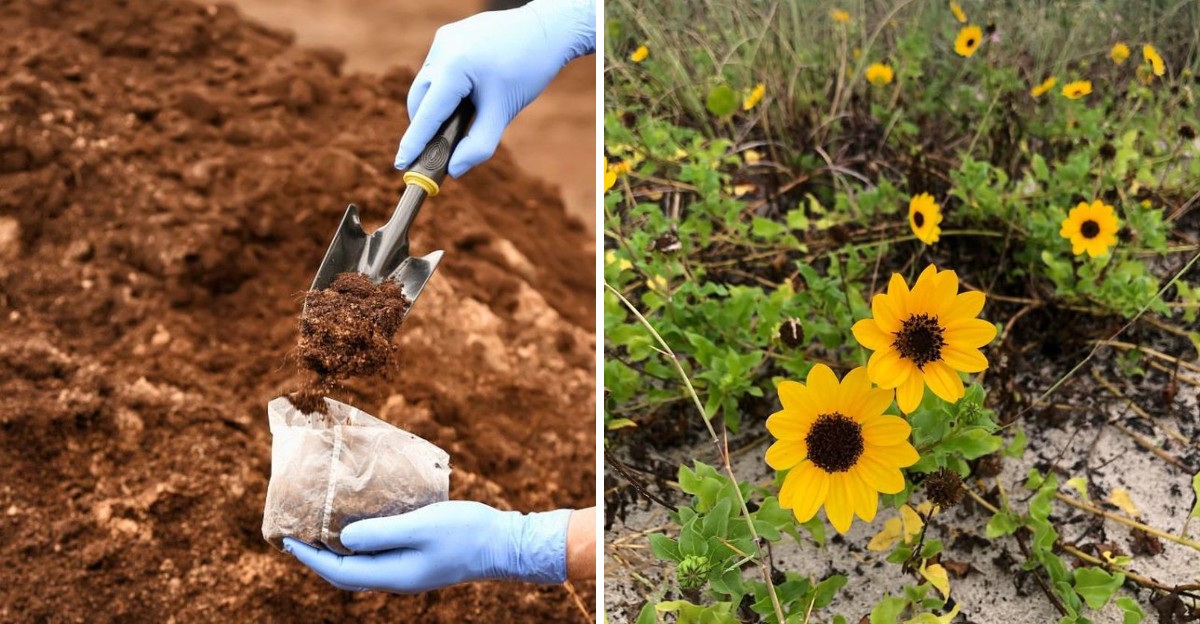
Living groundcovers like perennial peanut, sunshine mimosa, or beach sunflower spread across bare soil and shield it from pounding rain and scorching sun while roots hold sand in place.
These plants grow low and dense, so weeds cannot establish easily, and the soil underneath stays cooler and moister than exposed areas.
Groundcovers also drop leaves and stems continuously, building organic matter without extra work from you.
North Florida gardeners often plant perennial peanut around fruit trees because it tolerates moderate shade and fixes nitrogen that becomes available to trees as roots and foliage decompose. Central Florida landscapes benefit from sunshine mimosa or trailing lantana that handle full sun and drought once established.
South Florida gardeners choose beach sunflower or railroad vine for salty or coastal areas where sandy soil drains extremely fast and few other plants survive.
You will notice soil under groundcovers stays darker and feels less gritty because constant leaf drop and root activity build structure over time. Erosion stops even during heavy summer storms, and nutrients stay in the root zone instead of washing away.
Groundcovers also attract beneficial insects and create habitat for lizards and toads that control garden pests naturally.
6. Reducing Nutrient Washout
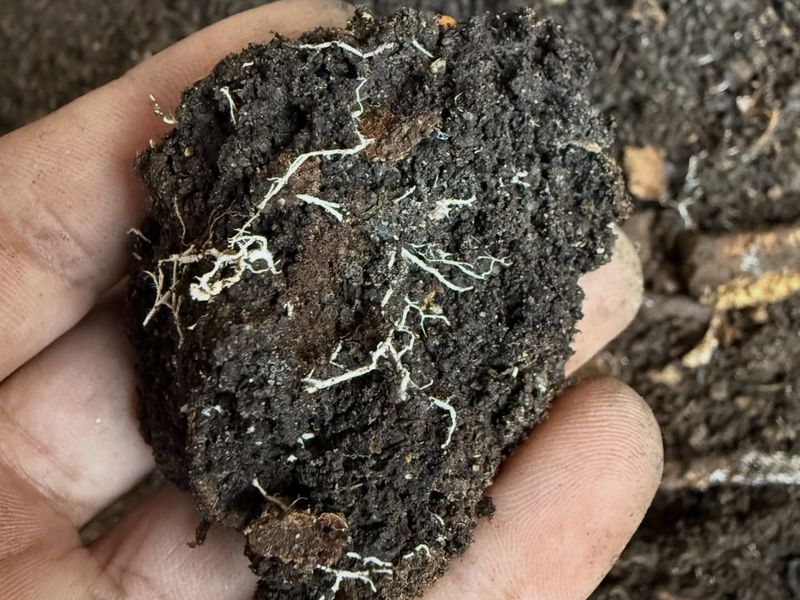
Sandy soil loses nutrients fast because there is nothing to hold them between sand grains, and Florida’s heavy rains push fertilizers straight through the root zone into groundwater.
You can slow this washout by using slow-release organic fertilizers, adding compost regularly, and timing applications so plants absorb nutrients before the next storm.
Smaller, more frequent feedings work better than large doses that plants cannot use before leaching occurs.
North Florida gardeners often apply compost tea or fish emulsion every two to four weeks during the growing season because cooler weather slows nutrient release from organic sources.
Central Florida beds benefit from pelleted organic fertilizers that break down gradually in heat without overwhelming plants or leaching away.
South Florida gardeners use liquid seaweed or compost extracts more frequently during rainy periods because intense rain and heat accelerate nutrient loss, so smaller repeated additions help keep plants fed.
Your plants will show consistent growth and deep green color instead of the yellowing that happens when nutrients disappear between feedings. Water quality improves because less fertilizer runs off into lakes and aquifers, protecting Florida’s sensitive ecosystems.
Soil biology becomes more active as organic matter increases, creating natural nutrient cycles that reduce your dependence on purchased products.
7. Watering Deep Instead Of Often
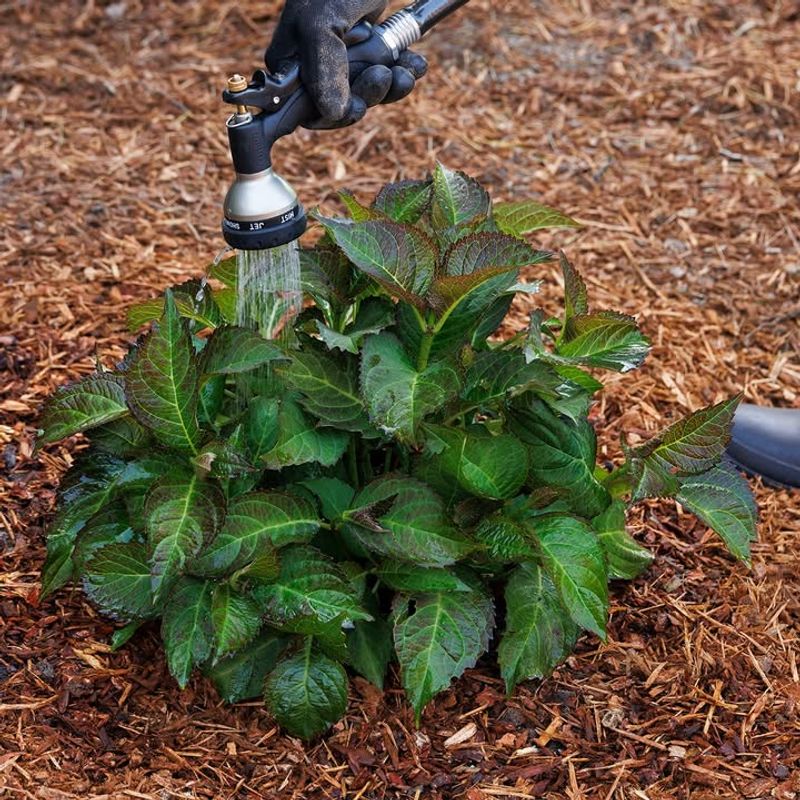
Shallow frequent watering trains roots to stay near the surface where they dry out quickly and cannot reach nutrients deeper in sandy soil. Deep watering encourages roots to grow down where moisture lingers longer and temperatures stay cooler, creating stronger plants that survive Florida’s dry spells better.
You water less often but apply more each time, so moisture penetrates six to twelve inches into the root zone instead of just wetting the top few inches.
North Florida gardeners often water twice a week during summer, applying enough to soak the root zone completely because slightly heavier soils there hold moisture better than pure sand.
Central Florida beds often need deep watering every three to four days during dry periods since sand drains quickly, with adjustments based on rainfall and soil moisture.
South Florida gardeners adjust for high rainfall, watering deeply only during dry periods because frequent storms usually keep deeper soil layers moist.
You will notice plants stay greener longer between waterings and show less wilting during hot afternoons because roots access moisture other plants cannot reach.
Water bills drop because you irrigate less frequently, and runoff decreases since soil absorbs more before reaching saturation.
Deep-rooted plants also resist wind damage and drought stress better, making your garden more resilient overall.
8. Improving Soil Without Heavy Tilling
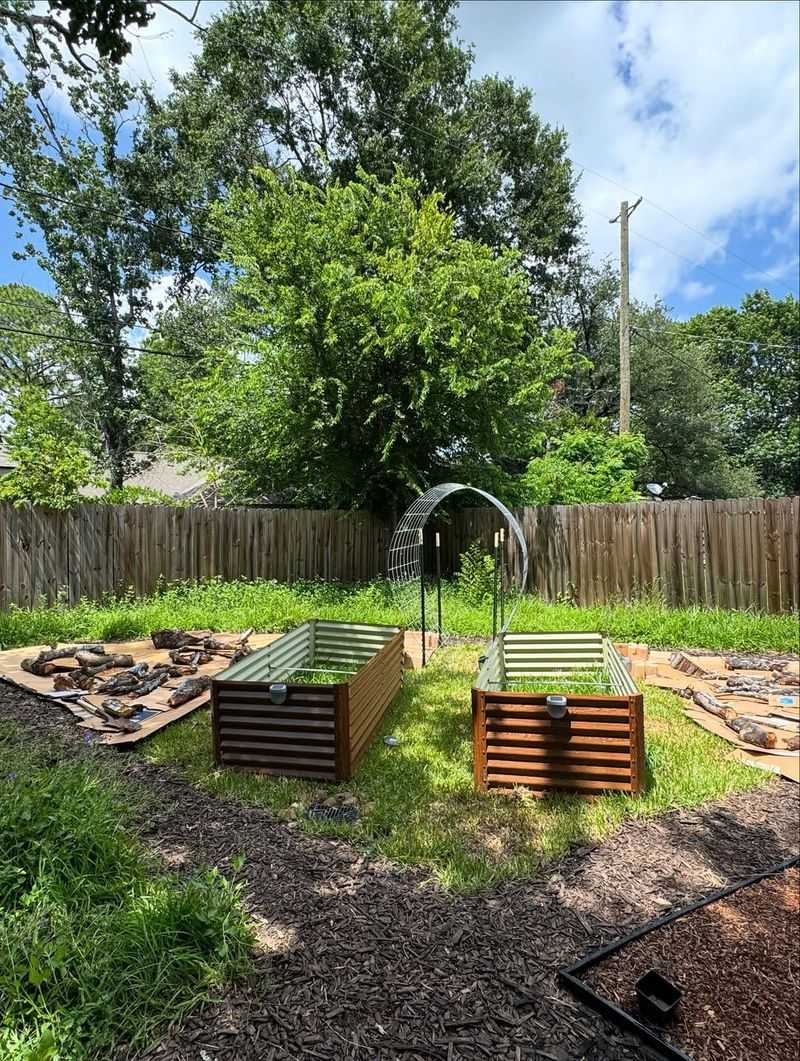
Excessive tilling destroys soil structure in sandy Florida soils by breaking up organic matter faster and exposing it to heat and oxygen that speed decomposition.
You can improve soil by adding amendments to the surface and letting earthworms, roots, and rain pull them down naturally instead of churning everything together.
This no-till approach protects beneficial fungi and bacteria that need stable conditions to thrive and build long-term soil health.
North Florida gardeners often use broadforks or hand tools to loosen compacted layers without inverting soil, preserving organic matter and soil life.
Central Florida beds benefit from surface applications of compost and mulch that break down slowly without disturbance, since tilling pure sand creates dust and accelerates nutrient loss.
South Florida gardeners avoid tilling because high temperatures and moisture accelerate organic matter breakdown in freshly turned soil, undoing improvements more quickly.
Your soil will develop better aggregation and water-holding capacity as fungi and roots create networks that bind sand particles together. Weeds decrease because you do not bring buried seeds to the surface where they germinate, and beneficial organisms multiply in undisturbed layers.
Plants establish faster and grow stronger because root channels and organic matter stay intact, creating a stable environment that supports healthy growth.
9. Choosing Plants That Help Soil
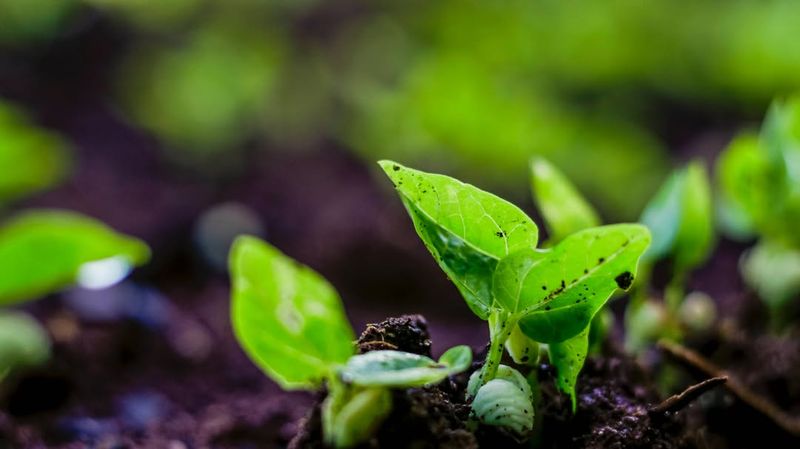
Some plants improve sandy soil naturally by fixing nitrogen, adding deep organic matter, or creating shade that slows decomposition and conserves moisture. Legumes like beans and peas work with bacteria to pull nitrogen from air and store it in root nodules, then release it when roots break down.
Deep-rooted plants like pigeon pea and other nutrient-mining species pull nutrients from lower layers and bring them up where shallow-rooted crops can use them.
North Florida gardeners often plant southern peas or clover as companion crops because they tolerate variable weather and add nitrogen throughout the growing season.
Central Florida beds benefit from pigeon pea or sunn hemp planted around the edges, since these fast-growing legumes create windbreaks and drop leaves that build organic matter.
South Florida gardeners use tropical legumes like lablab or velvet bean that thrive in heat and humidity while fixing large amounts of nitrogen and shading soil from intense sun.
You will notice neighboring plants grow faster and greener when legumes are nearby because nitrogen becomes available without synthetic fertilizers. Soil structure improves as diverse root systems create channels and add organic matter at different depths.
Choosing soil-building plants reduces your workload and costs while creating a more balanced, self-sustaining garden ecosystem.
10. Testing Soil To Guide Improvements
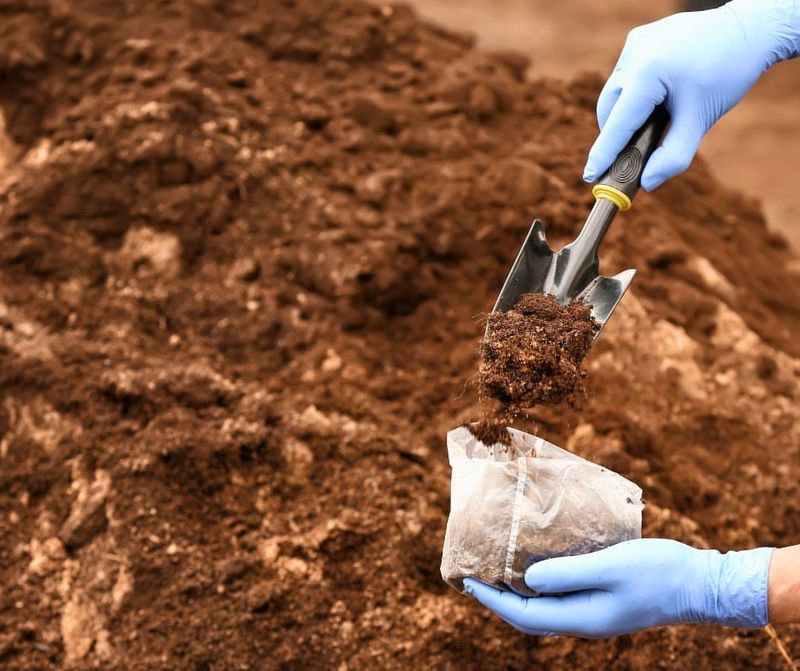
Soil tests show exactly what your sandy soil lacks and what it already has plenty of, so you add only what plants need instead of guessing or wasting money on unnecessary amendments.
University of Florida IFAS Extension offers affordable testing that measures pH, nutrients, and organic matter, then provides specific recommendations for Florida gardens.
You collect samples from different areas because sandy soil varies widely even within one yard, and results guide your improvement strategy for each space.
North Florida gardeners often discover slightly acidic pH and low phosphorus, so they add lime and phosphorus amendments based on test results rather than generic advice.
Central Florida tests frequently show very low organic matter and rapid nutrient leaching, directing gardeners to focus on compost and mulch before adding fertilizers.
South Florida results may reveal high pH or salt accumulation near the coast, guiding gardeners toward sulfur applications or salt-tolerant plant choices.
You will save money and see better results because amendments target actual deficiencies instead of creating imbalances from over-application. Plants respond faster and grow stronger when soil chemistry matches their needs, and testing every two to three years tracks improvement over time.
Knowing your soil’s baseline helps you make informed decisions that build long-term health rather than chasing quick fixes.