Invasive Tumbleweeds Taking Over Texas Yards? Here’s How To Get Rid Of Them
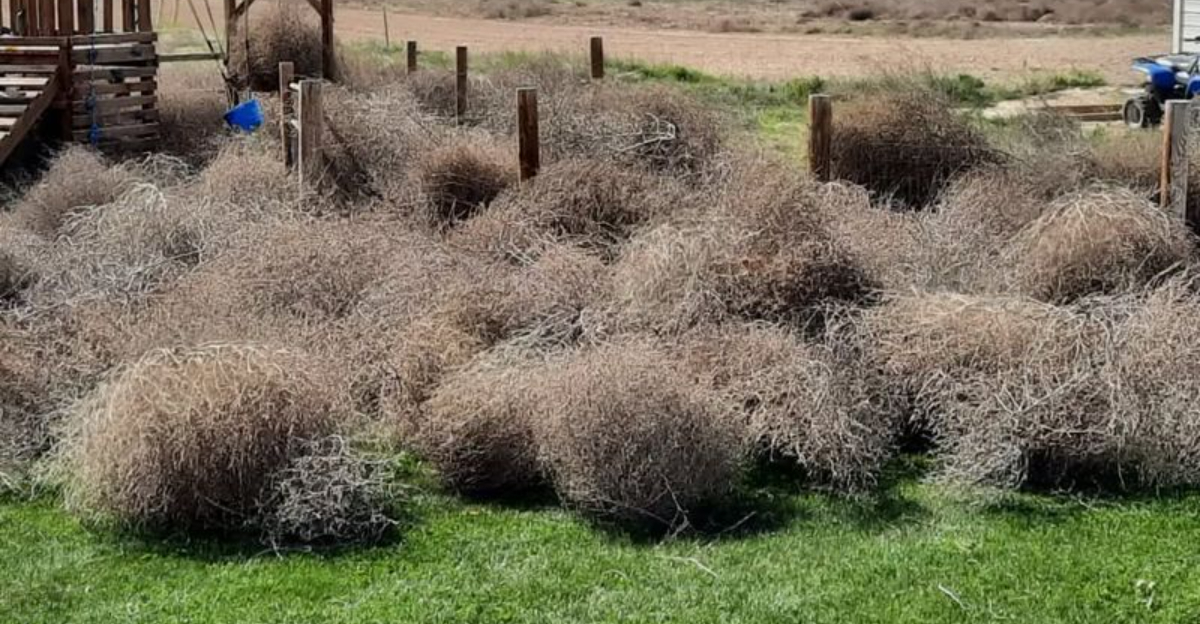
Tumbleweeds are iconic in Texas, but when they invade your yard, they’re more than just a nuisance—they can smother plants, damage landscaping, and even create fire hazards.
These fast-spreading plants multiply quickly if left unchecked, making early intervention essential. One tumbleweed can roll in and suddenly take over your entire yard!
Texas gardeners are using practical strategies to keep tumbleweeds under control, from regular removal and proper disposal to creating physical barriers and planting competitive groundcovers.
Timing is key: preventing seed dispersal in late summer or fall drastically reduces future infestations. Stopping tumbleweeds now saves months of frustration later!
With the right approach, homeowners can protect gardens, lawns, and outdoor spaces while reducing fire risk and keeping yards tidy. Take action early, reclaim your yard, and prevent tumbleweeds from running rampant!
Pull Young Plants Before They Flower
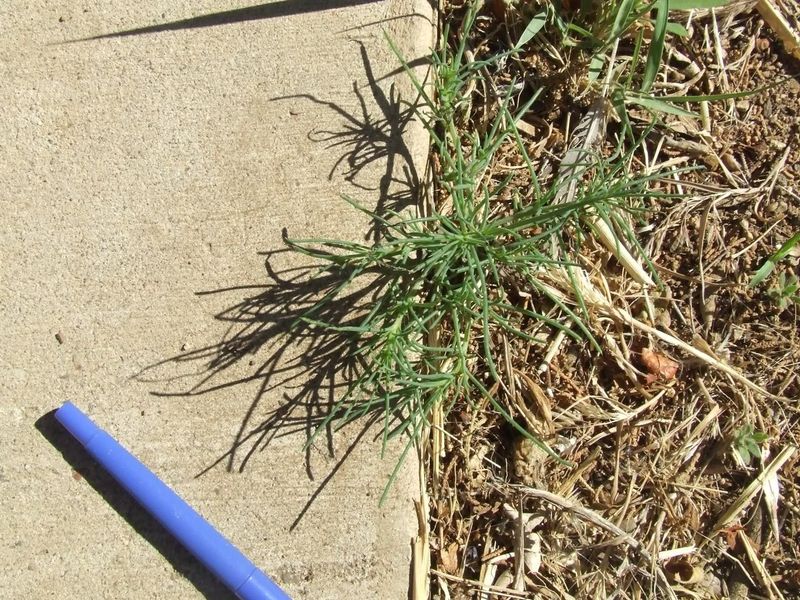
Catching tumbleweeds while they’re still young and tender gives you the upper hand in the battle for your Texas yard.
These invasive plants grow incredibly fast during spring and early summer, but they’re most vulnerable before they develop their characteristic round shape and produce seeds.
When you spot small rosettes of feathery leaves close to the ground, that’s your window of opportunity to yank them out with minimal effort.
Young tumbleweeds have shallow root systems that come up easily when the soil is slightly moist, making removal a quick task that takes just seconds per plant.
Once they mature and develop woody stems, the job becomes much harder and requires more tools and muscle power.
Even worse, mature plants can produce up to 250,000 seeds each, which means one plant you ignore today could become thousands next season.
The key is vigilance during the growing season, especially after spring rains when germination happens in waves across your property.
Walk your yard weekly and pull any suspicious seedlings you spot, focusing on bare patches, fence lines, and areas where last year’s tumbleweeds accumulated.
This proactive approach saves you countless hours of work later and prevents the exponential spread that makes tumbleweed infestations so frustrating for Texas homeowners.
Never Let Plants Dry Out And Break Loose
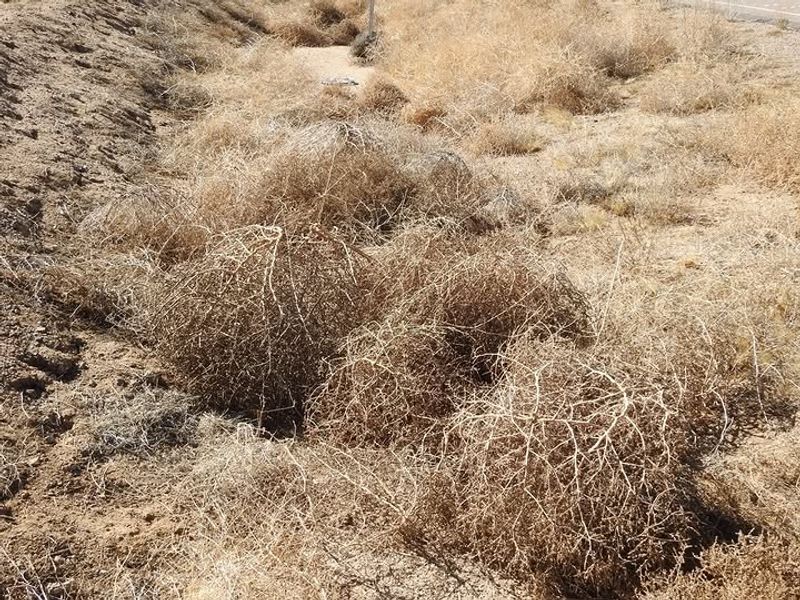
Timing is everything when it comes to tumbleweed removal, and the absolute worst thing you can do is wait until these plants turn brown and brittle.
Once tumbleweeds dry out completely, they’re designed by nature to detach from their roots and roll away, scattering seeds everywhere they bounce and tumble across your property.
A single rolling tumbleweed can spread viable seeds across acres of land, creating new problem spots far from where the original plant grew.
The plant’s entire life strategy revolves around this dramatic dispersal method, which is why they develop that distinctive spherical shape as they mature.
When you see tumbleweeds starting to change color from green to yellow or brown, you’re looking at a countdown clock to a seed explosion.
The seeds inside are maturing rapidly, and within days the plant will be ready to break free at its base and start its journey.
Your Texas Garden Changes Every Week. Your Plan Should Too.
Gardening in Texas changes quickly throughout the season. Every Friday you’ll receive a simple weekly plan showing exactly what to plant, prune, fertilize, harvest, and protect so you never miss the right timing.
Your mission is to remove every tumbleweed while it’s still firmly rooted and green, even if the plant looks intimidating in size.
Wear thick gloves and long sleeves to protect yourself from the prickly stems, and cut or pull the plants while they’re still attached to the ground.
This prevents the rolling dispersal that makes tumbleweeds so successful at colonizing new territory across Texas landscapes.
Bag And Dispose Of Plants Immediately
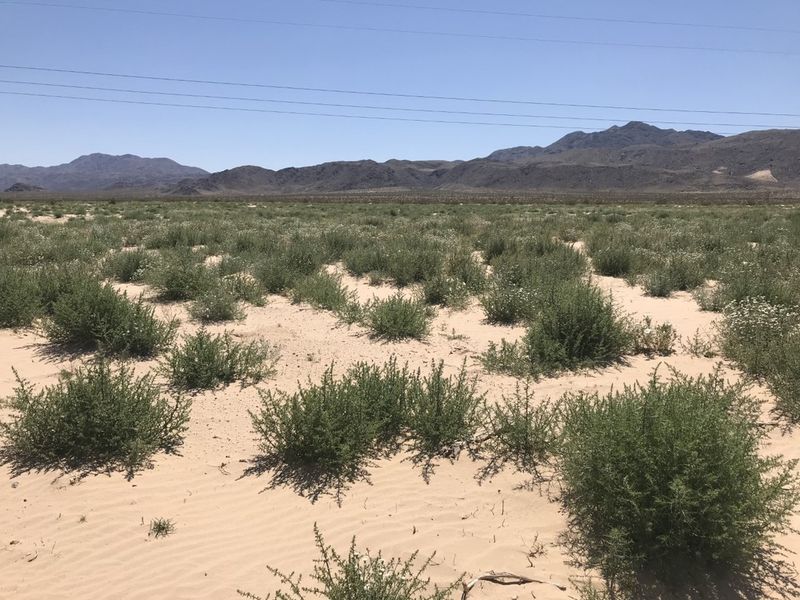
Pulling tumbleweeds is only half the battle—what you do with them afterward determines whether your effort actually solves the problem or just moves it around your property.
Many homeowners make the critical mistake of piling removed tumbleweeds in a corner of the yard or tossing them into an open compost bin, not realizing that these tenacious plants can continue to mature their seeds even after being uprooted.
The seeds will ripen and become viable, essentially turning your disposal pile into a nursery for next year’s invasion.
The safest approach is to immediately place removed tumbleweeds into heavy-duty trash bags or tarps that you can seal completely. Don’t leave bags sitting in the sun for weeks, as the heat can actually help seeds inside mature faster.
Instead, get them into your regular trash pickup as soon as possible, or take them to a municipal green waste facility that uses high-temperature composting methods that actually neutralize weed seeds.
If you have a large number of plants to remove, consider renting a dumpster for a weekend cleanup project rather than trying to handle disposal in small batches over time.
Never burn tumbleweeds in residential areas, as they’re extremely flammable and can create dangerous conditions.
Proper disposal might seem like extra work, but it’s the difference between solving your tumbleweed problem and simply postponing it until next spring.
Use Thick Mulch To Block New Seed Germination
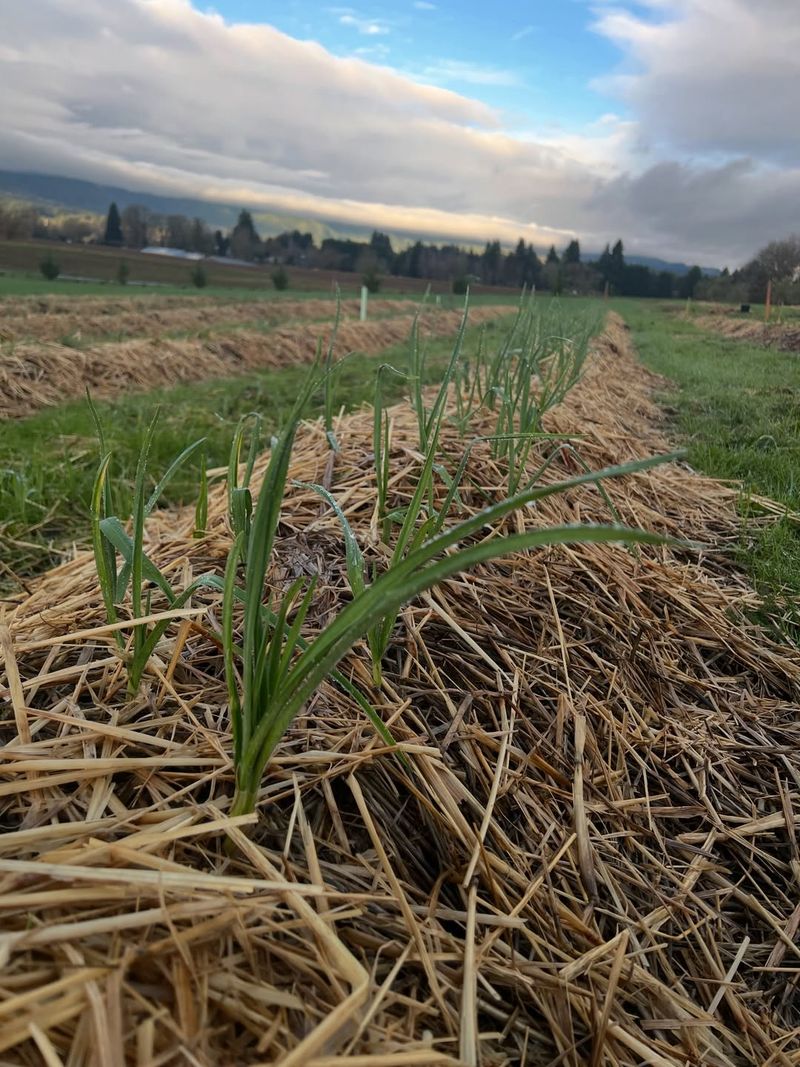
Creating a physical barrier between tumbleweed seeds and the soil they need to sprout is one of the smartest long-term strategies for keeping your Texas yard invasion-free.
A generous layer of mulch—at least three to four inches deep—blocks the sunlight that tumbleweed seeds require to germinate, while also stabilizing soil moisture in a way that favors your desirable plants over these opportunistic weeds.
Wood chips, shredded bark, or even gravel work well, depending on your landscape design and budget.
Tumbleweeds are pioneer plants that thrive in disturbed, bare soil where competition is minimal and light reaches the ground unobstructed.
When you cover that bare soil with mulch, you’re essentially closing the door on their primary colonization strategy.
The seeds that land on top of mulch either blow away in the next breeze or fail to make contact with soil, while those that do manage to germinate struggle to push through several inches of organic material.
Focus your mulching efforts on problem areas where tumbleweeds have appeared before, including the spaces between established plants, along foundations, and in garden beds.
Refresh your mulch layer annually, as it breaks down over time and loses effectiveness.
This approach not only suppresses tumbleweeds but also improves your soil quality, reduces water evaporation, and gives your landscape a neat, finished appearance that makes your whole property look more intentional and cared for.
Improve Soil With Groundcover Or Dense Planting
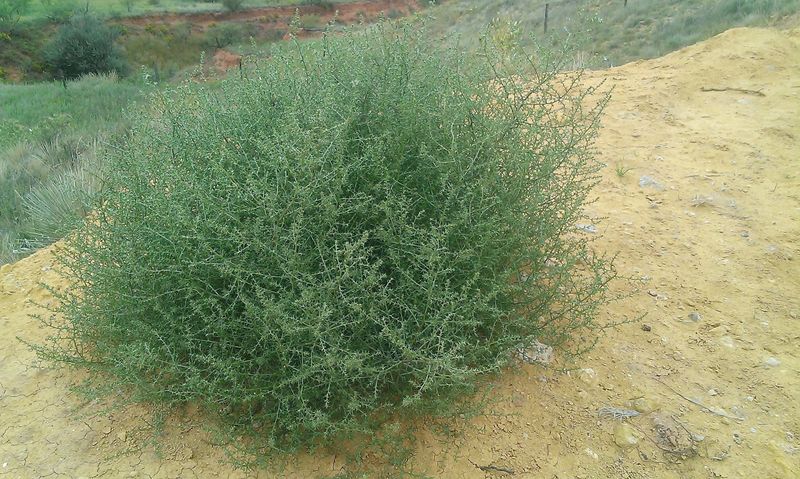
Nature abhors a vacuum, and nowhere is this more obvious than in your yard where tumbleweeds eagerly fill any empty space you leave available.
Bare soil is an open invitation for these invasive plants, which evolved to quickly colonize disturbed ground before other species can establish themselves.
The solution is to beat them at their own game by intentionally filling your landscape with plants you actually want, leaving no room for tumbleweeds to gain a foothold.
Low-growing groundcovers like buffalo grass, creeping thyme, or native sedges create a living carpet that shades out weed seeds and competes aggressively for water and nutrients.
In areas where you want taller plants, use dense spacing rather than leaving large gaps between specimens.
The goal is to create a continuous canopy of foliage that blocks light from reaching the soil surface, which is exactly what prevents tumbleweed seeds from germinating successfully.
This approach requires some initial investment in plants and installation, but it pays dividends for years by reducing your ongoing maintenance burden.
Native Texas plants are especially effective because they’re adapted to local conditions and naturally outcompete invasive species without requiring excessive water or fertilizer.
As your intentional plantings fill in and mature, they create an increasingly inhospitable environment for tumbleweeds while providing habitat for beneficial insects, improving your property’s appearance, and increasing your home’s curb appeal.
Mow Large Infestations Before Seed Formation
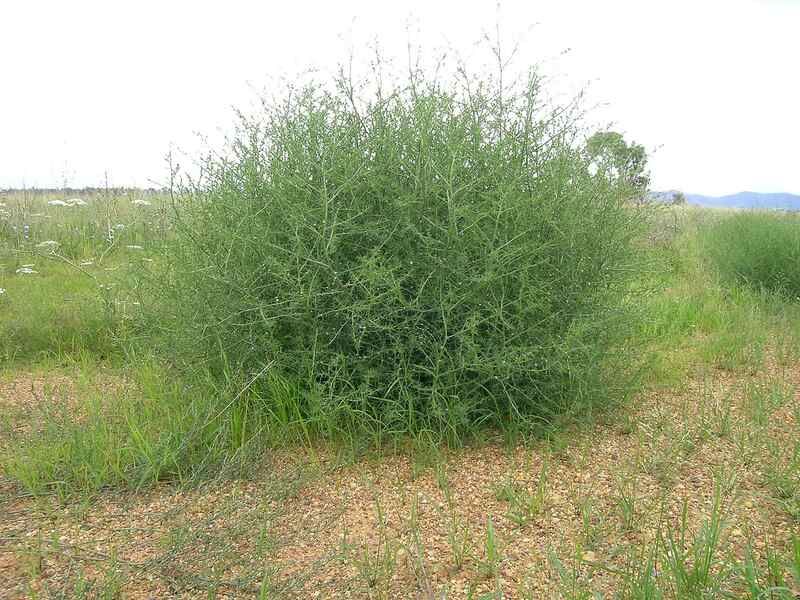
When you’re facing a tumbleweed invasion that’s gotten out of hand—maybe on a vacant lot you just purchased or along a neglected fence line—individual hand-pulling isn’t practical.
That’s when a mower becomes your most effective tool, but timing is absolutely critical to make this strategy work.
You need to cut the plants down before they flower and set seed, which typically happens in mid to late summer across most of Texas, though the exact timing varies with local weather patterns and spring rainfall.
Mowing doesn’t eliminate the root systems, so you’re not actually removing the plants permanently with this approach.
However, you are preventing them from completing their reproductive cycle, which stops the exponential spread that turns a manageable problem into an overwhelming one.
Plan to mow infested areas multiple times during the growing season, cutting the plants back each time they reach about six to eight inches in height and before you see any flower buds forming.
Use a brush mower or heavy-duty mowing equipment rather than your regular lawn mower, as mature tumbleweeds have tough, woody stems that can damage light-duty equipment.
Wear protective eyewear and long pants, as the cut stems can be quite prickly and may fly up during mowing.
This approach works best as a temporary measure while you implement longer-term solutions like soil improvement and competitive planting in the affected areas.
Apply Targeted Herbicides Early In The Season
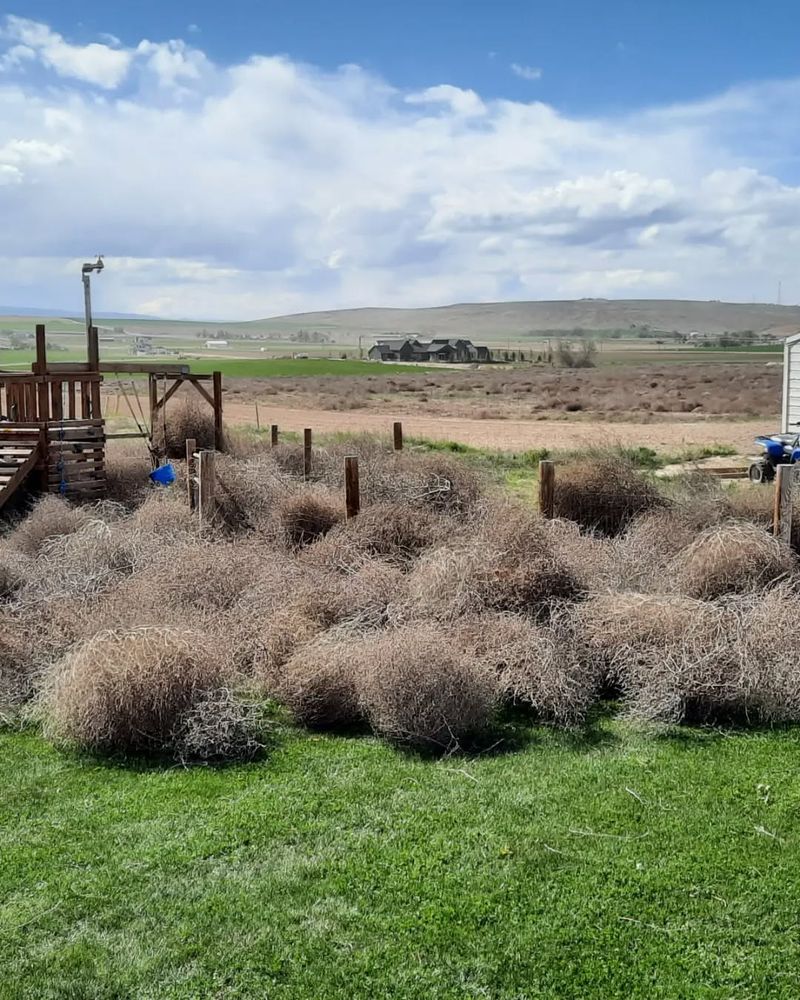
Chemical control can be highly effective against tumbleweeds when used strategically and at the right time in the plant’s life cycle.
Pre-emergent herbicides applied in late winter or very early spring create a chemical barrier in the soil that prevents tumbleweed seeds from germinating as temperatures warm up.
These products work best when applied before you see any seedlings emerging, which means you need to mark your calendar and apply them based on soil temperature rather than waiting until you notice a problem.
For tumbleweeds that are already growing, post-emergent herbicides work best when plants are young and actively growing, typically in the rosette stage before they develop woody stems.
Products containing 2,4-D or glyphosate are commonly effective, but always read labels carefully to ensure the herbicide won’t harm your desirable plants and is appropriate for residential use.
Spot-treat individual plants or small patches rather than broadcasting chemicals across your entire property, which is better for the environment and more cost-effective.
Apply herbicides on calm days to prevent drift onto plants you want to keep, and follow all label directions regarding mixing rates, protective equipment, and waiting periods before allowing pets or children in treated areas.
Remember that herbicides are just one tool in your overall tumbleweed management strategy and work best when combined with cultural practices like mulching and competitive planting that address the underlying conditions that allow these weeds to thrive in your Texas landscape.
Eliminate Growth Along Fence Lines And Driveways

Edge zones where your maintained landscape meets hardscaping or property boundaries are tumbleweed magnets that deserve special attention in your control efforts.
These neglected strips along fence lines, driveways, and property edges often accumulate wind-blown seeds and provide the disturbed soil conditions that tumbleweeds love.
Even worse, plants that establish in these areas often go unnoticed until they’re mature and ready to spread seeds back into your main yard, creating a constant source of reinfestation.
Make regular patrols of your property perimeter part of your yard maintenance routine, paying special attention to corners where debris accumulates and narrow strips that don’t get included in regular mowing or landscaping.
Use a string trimmer to keep vegetation cut short in these areas, or better yet, install landscape fabric topped with gravel or mulch to create a permanent weed barrier.
Some homeowners find that edging materials like metal or plastic lawn borders help define these zones and make maintenance easier.
Don’t forget the strip along your driveway where the pavement meets the soil—this crack zone is prime real estate for tumbleweeds and other opportunistic weeds.
Keep these areas clean by regularly sweeping or blowing away accumulated soil and debris where seeds might lodge and germinate.
When you eliminate tumbleweed habitat along your property edges, you’re essentially cutting off the invasion routes that these weeds use to colonize your yard from neighboring properties and open spaces.
Fix Irrigation Issues That Favor Weed Growth
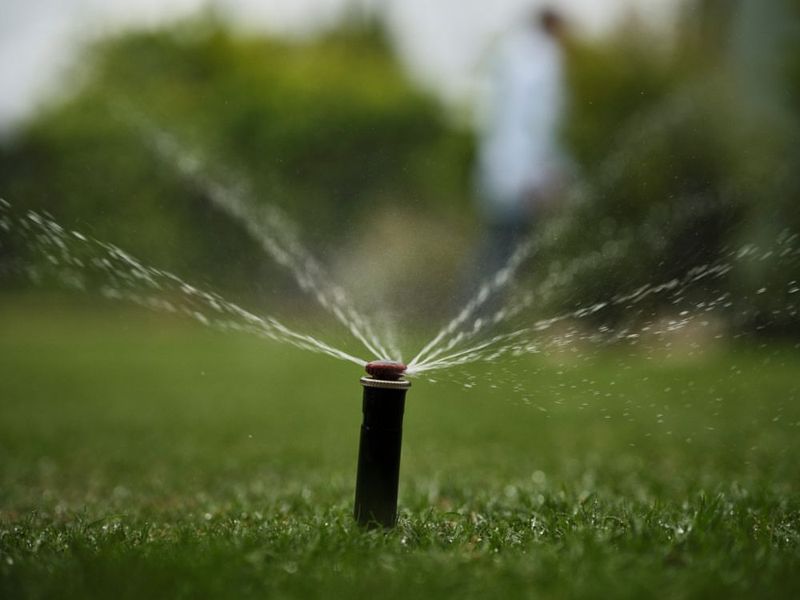
Your watering habits might be unintentionally creating perfect nurseries for tumbleweeds without you realizing it.
These opportunistic plants are surprisingly good at exploiting irregular moisture patterns, germinating in areas where water pools or runoff concentrates after irrigation or rainfall.
Broken sprinkler heads that spray onto driveways or sidewalks, creating puddles that evaporate and leave moist soil, are especially problematic because they create ideal germination zones for wind-blown tumbleweed seeds.
Walk your property while your irrigation system is running and look for overspray, misaligned sprinkler heads, and areas where water pools rather than soaking in evenly.
Fix any issues you discover, and consider adjusting your watering schedule to provide deeper, less frequent irrigation that favors deep-rooted desirable plants over shallow-rooted weeds.
Drip irrigation or soaker hoses are excellent alternatives to overhead sprinklers in garden beds because they deliver water directly to plant roots without wetting surrounding soil where weed seeds might be waiting.
Pay special attention to how water moves across your property during heavy rains, noting any erosion channels or low spots where runoff concentrates.
These wet zones often become weed hotspots because they receive both extra moisture and deposits of seeds washed from higher ground.
Address drainage problems with grading improvements, French drains, or rain gardens planted with water-loving native species that will outcompete tumbleweeds for the available moisture and space.
Remove Seed Sources From Nearby Lots And Open Areas
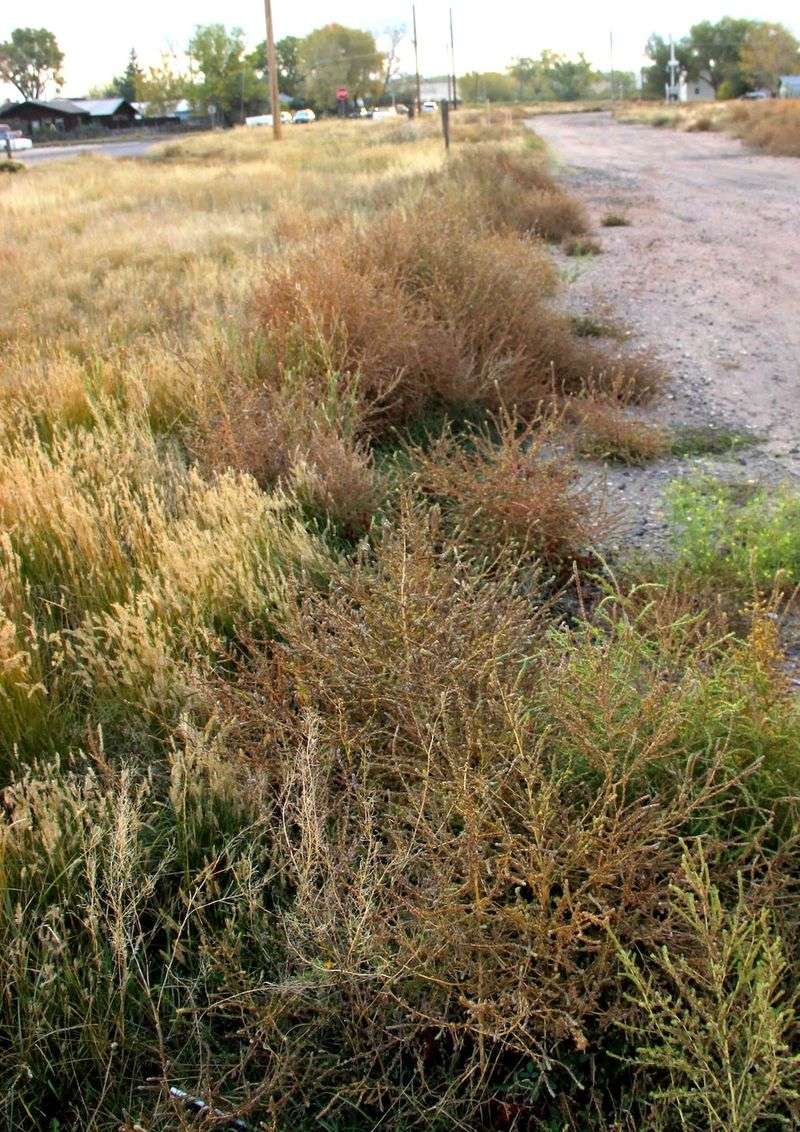
Even if you maintain your own property perfectly, you’re fighting an uphill battle if neighboring lots or nearby open spaces are sending waves of tumbleweed seeds your direction with every strong wind.
These plants are phenomenally successful dispersers, with their rolling habit allowing them to travel miles from their origin point while dropping seeds the entire journey.
A single large tumbleweed can carry over 250,000 seeds, and when dozens or hundreds of them blow through your neighborhood each season, your individual efforts can feel futile.
The most effective tumbleweed control happens at the community level, so consider talking with your neighbors about coordinating removal efforts across multiple properties.
If there’s a vacant lot or undeveloped land nearby that’s serving as a tumbleweed factory, contact the property owner or local code enforcement to request that it be maintained.
Many Texas municipalities have weed ordinances that require property owners to control noxious weeds, and tumbleweeds often qualify under these regulations.
For open spaces like roadside ditches or easements maintained by the city or county, contact the appropriate department to report tumbleweed problems and request mowing or other control measures.
Some neighborhoods have organized volunteer cleanup days where residents work together to clear tumbleweeds from common areas and right-of-ways, which benefits everyone in the community.
Remember that tumbleweed control is ultimately a numbers game—reducing the total seed production in your area makes your individual property much easier to keep clear.