13 Common Trees That Can Cause Big Problems Near Texas Homes
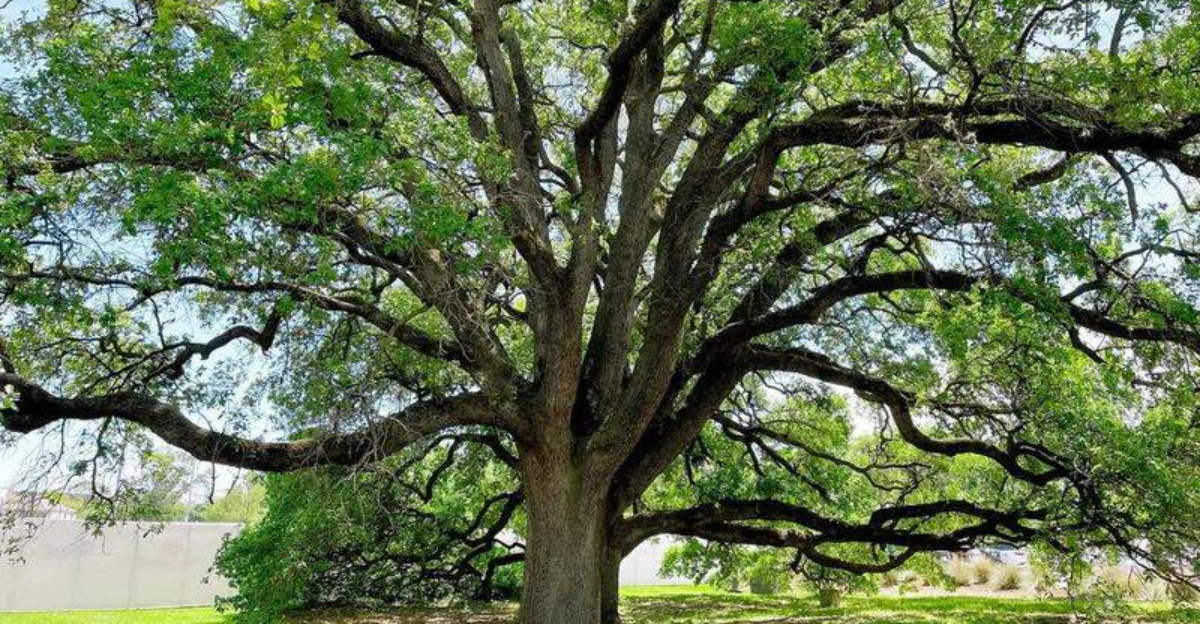
Trees bring shade, beauty, and value to Texas yards—but not all trees are trouble-free.
Some common species can create serious issues, from invasive roots and falling limbs to messy fruit and fire hazards. Homeowners who aren’t careful may face property damage, costly repairs, or even safety risks.
That shady tree might be hiding more problems than you think! These trees are frequently planted in Texas landscapes, yet they can disrupt plumbing, damage foundations, block sunlight, or attract pests.
Knowing which species pose potential risks helps homeowners make smart choices about planting, pruning, or removal.
Proper management keeps your yard safe and ensures your trees enhance your property rather than create headaches.
Beauty doesn’t always equal safety—choose and maintain trees wisely. For Texas homeowners, awareness and proactive care are essential. With the right tree selection and maintenance, you can enjoy shade and charm without surprises.
Protect your home, property, and wallet by managing trees smartly!
1. Bradford Pear
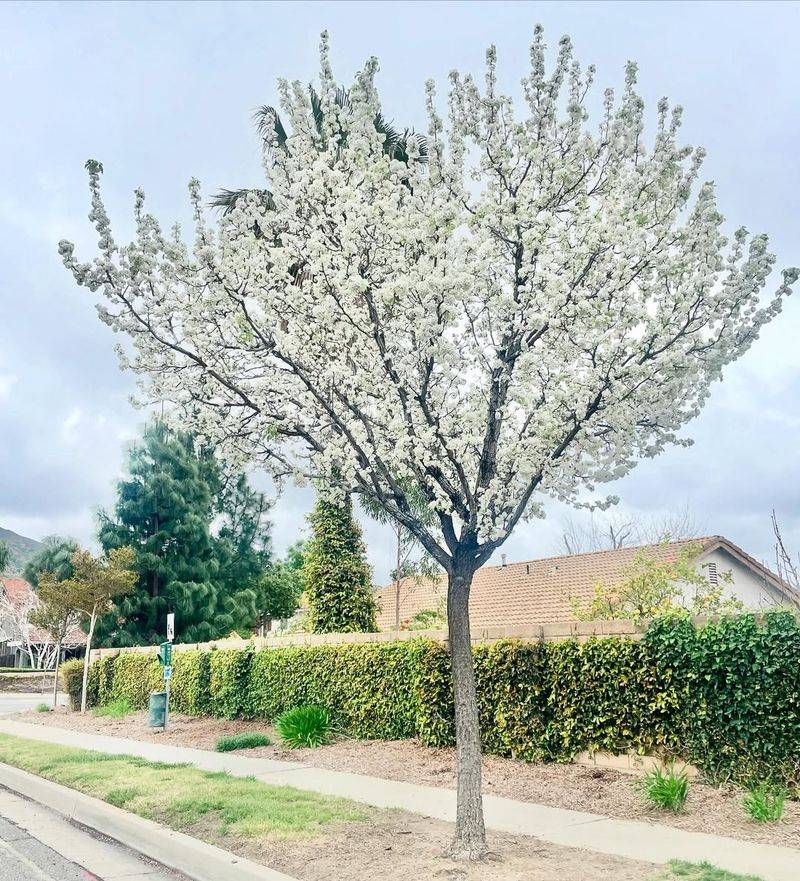
Few trees look prettier in spring than the Bradford pear with its clouds of white blossoms, but this beauty comes with serious structural weaknesses.
The way branches attach to the trunk creates weak joints that cannot handle Texas storms, strong winds, or heavy ice loads.
Property owners often wake up after bad weather to find massive limbs scattered across their driveways, crushing fences or damaging vehicles parked underneath.
The problem starts with how these trees grow so quickly, shooting up to create narrow branch angles that trap bark between the wood.
This trapped bark prevents strong connections from forming, leaving the tree vulnerable to splitting right down the middle. What looks like a healthy, full canopy one day can become a dangerous hazard the next when conditions turn nasty.
Mature Bradford pears near homes become ticking time bombs during storm season, threatening roofs, power lines, and anything else within falling distance. Many insurance adjusters recognize this tree as a liability risk.
Homeowners who inherit these trees from previous owners should consider removal before nature makes that decision in the most destructive way possible, especially when planted within thirty feet of structures or parking areas.
2. Silver Maple
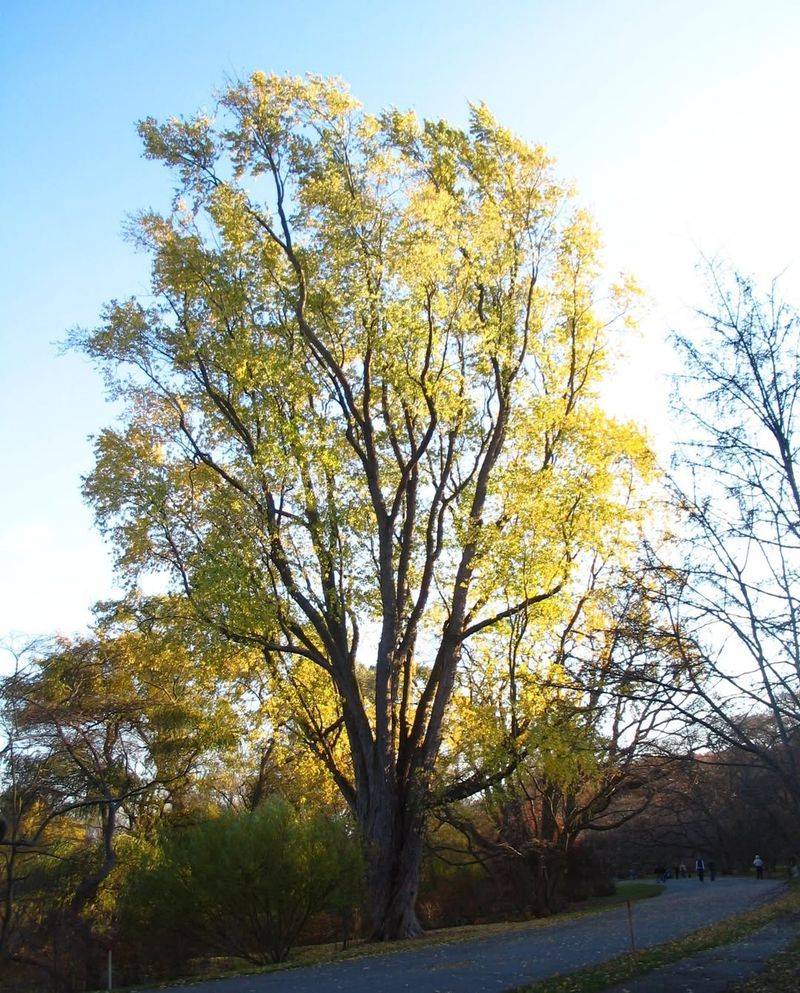
Silver maples grow at lightning speed, which sounds great until you realize their roots race outward just as fast, seeking moisture and nutrients with aggressive determination.
These surface roots pop up through lawns, creating trip hazards and making mowing a nightmare.
Worse yet, they crack sidewalks, buckle driveways, and snake their way into underground pipes with alarming persistence.
Plumbers in Texas neighborhoods with mature silver maples stay busy clearing root blockages from sewer lines and water pipes.
The roots sense moisture inside pipes and force their way through tiny cracks, expanding until they create expensive clogs that require professional intervention.
Foundation walls also face pressure from these relentless roots, especially during drought conditions when trees desperately search for water sources.
The shallow root system makes silver maples poor choices anywhere near hardscapes or underground utilities.
Homeowners often spend more money repairing damage caused by these trees than they would have spent planting better-behaved species in the first place.
Your Texas Garden Changes Every Week. Your Plan Should Too.
Gardening in Texas changes quickly throughout the season. Every Friday you’ll receive a simple weekly plan showing exactly what to plant, prune, fertilize, harvest, and protect so you never miss the right timing.
If you already have a silver maple close to your house, regular root pruning by professionals can help manage the problem, though removal might be the wisest long-term solution for protecting your property investment.
3. Cottonwood
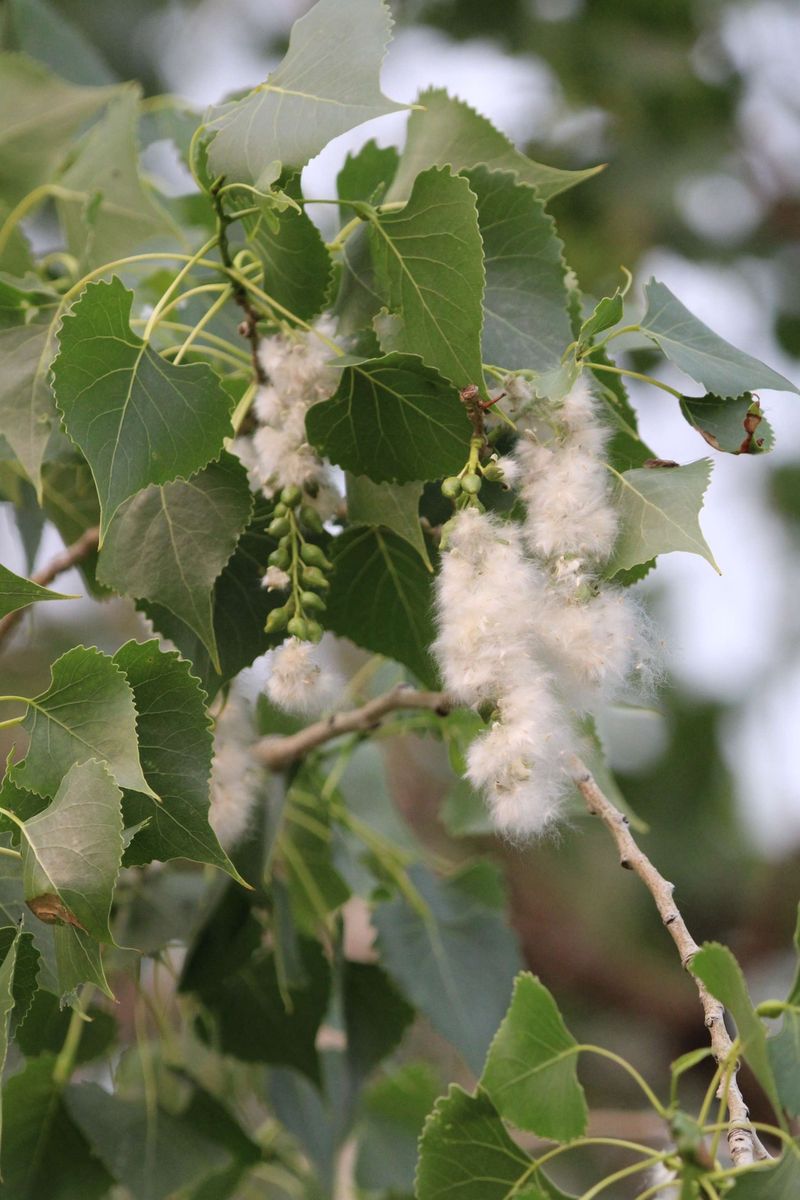
Cottonwoods tower over neighborhoods like gentle giants, but their massive size creates multiple headaches for nearby homeowners.
These trees rank among the largest deciduous species in North America, with mature specimens reaching heights that dwarf two-story houses.
Their immense canopies drop weak branches without warning, especially during summer thunderstorms when sudden downbursts catch those heavy limbs by surprise.
Every late spring, cottonwoods release clouds of cottony seed fluff that blankets everything within several hundred feet.
This fluffy material clogs gutters, piles up against foundations, sticks to window screens, and generally creates cleanup nightmares for weeks.
People with allergies often struggle during cottonwood season, sneezing and wheezing as the airborne seeds drift through neighborhoods like summer snow.
The wood itself lacks strength compared to oaks or elms, making branch failure common as trees age. Limbs that look perfectly healthy can simply let go on calm days, crashing down on whatever sits below.
Property owners near mature cottonwoods should budget for frequent professional pruning to remove hazardous branches before they become projectiles.
Better yet, avoid planting these messy giants anywhere near structures, pools, or outdoor living spaces where falling debris causes constant maintenance issues.
4. Willow (Weeping And Hybrid Types)
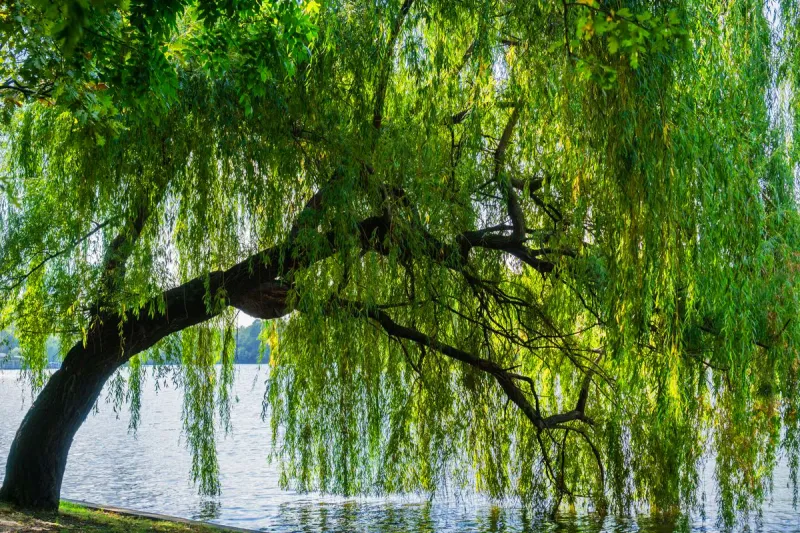
Willows possess an almost supernatural ability to locate underground water sources, sending roots on long journeys to reach moisture.
This talent makes them beautiful near ponds and streams but absolutely terrible near homes with septic systems or municipal sewer connections.
Their roots infiltrate pipes with single-minded determination, causing backups that require expensive repairs and sometimes complete pipe replacement.
The extensive root systems spread far beyond the canopy, traveling thirty feet or more in search of water during dry Texas summers. Once willow roots find a pipe with even microscopic cracks, they force their way inside and multiply rapidly.
Within months, a small intrusion becomes a massive blockage that stops drainage completely, sending sewage backing up into homes or creating soggy spots in yards where septic systems fail.
Homeowners who plant willows thinking they look romantic and graceful often regret that decision when plumbing problems begin.
The costs of repeatedly clearing root-clogged lines quickly exceed any aesthetic benefits these trees provide.
Professional landscapers strongly recommend keeping willows at least fifty feet away from any underground utilities, septic tanks, or drain fields.
Even then, their water-seeking roots might still cause trouble, making willows better suited for rural properties far from infrastructure.
5. Chinese Tallow Tree
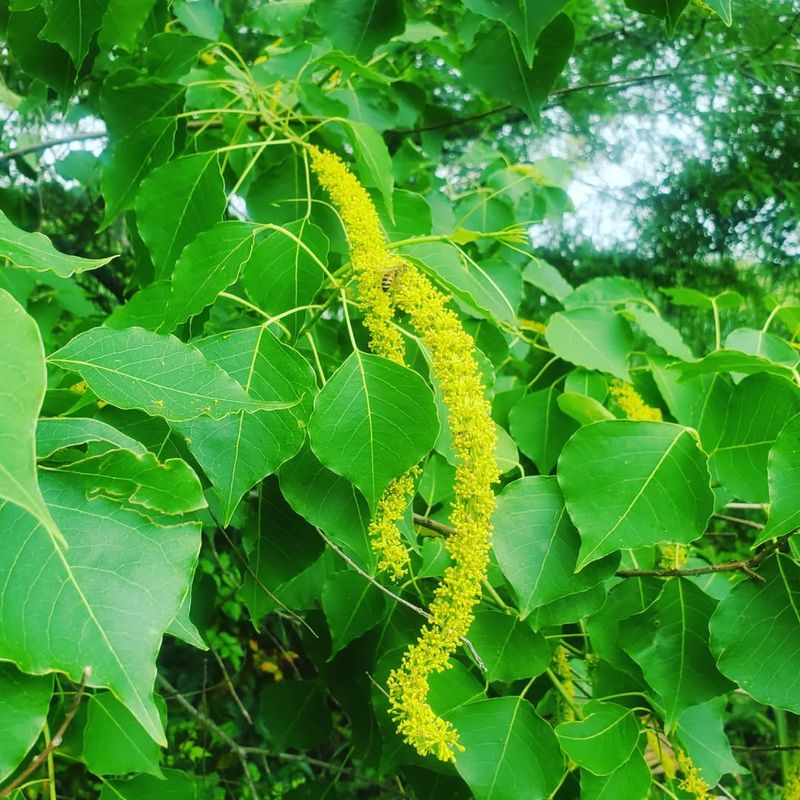
Chinese tallow trees arrived in Texas as ornamentals, prized for their brilliant fall colors that rival New England maples.
Unfortunately, these imports turned into invasive nightmares that spread aggressively through native woodlands and neighborhoods alike.
Birds eat the waxy seeds and deposit them everywhere, leading to seedlings popping up in flower beds, gutters, and fence lines faster than homeowners can pull them out.
The wood structure lacks strength, making branches prone to breaking during storms or even on windy days.
Mature specimens near homes become hazards as they age, dropping limbs that damage roofs, vehicles, and landscaping.
The brittleness increases as trees grow larger, meaning the bigger they get, the more dangerous they become to nearby structures.
Beyond the physical hazards, Chinese tallow trees crowd out native Texas species that wildlife depends on for food and habitat.
They change soil chemistry and create dense shade that prevents other plants from thriving underneath. Many Texas communities now classify them as nuisance species and encourage removal.
Homeowners should never plant these invasive trees and should consider removing existing specimens before they drop branches on something valuable or spawn thousands of unwanted seedlings across the neighborhood that require constant vigilance to control.
6. Hackberry
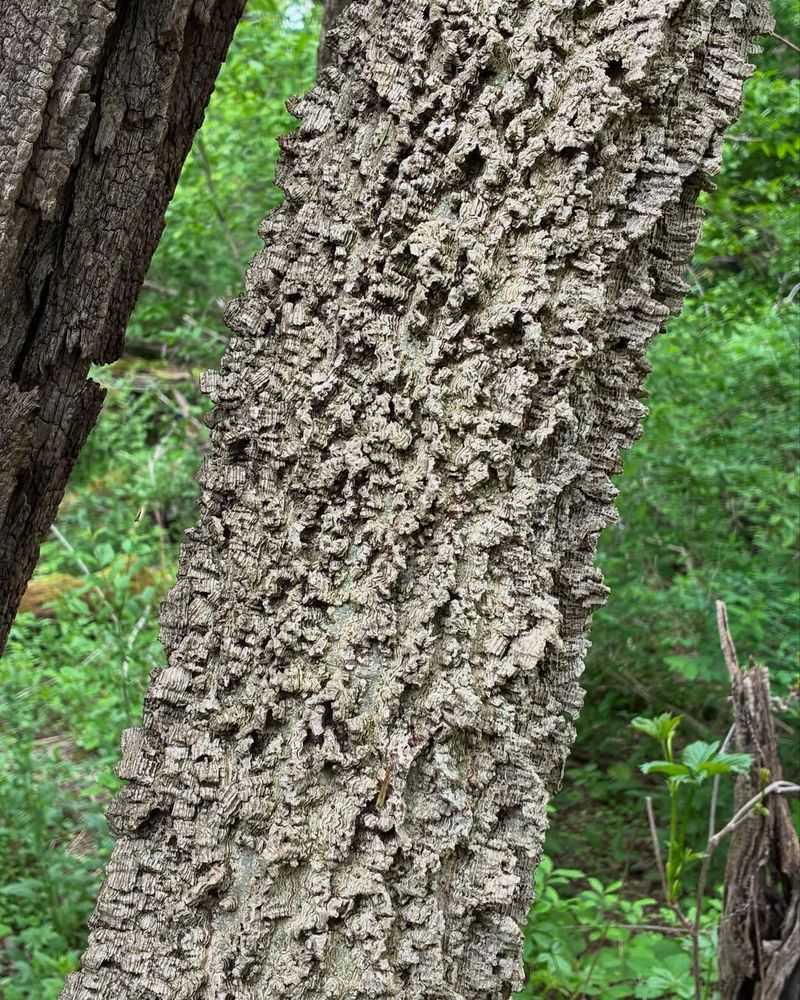
Hackberry trees tolerate tough Texas conditions better than most species, which explains their popularity in older neighborhoods throughout the state.
However, their aggressive root systems create serious problems for hardscapes, lifting sidewalks, cracking driveways, and pushing up through patios with surprising force.
These surface roots make hackberries poor choices anywhere near concrete or paved areas that homeowners want to keep level and intact.
The insect problems add another layer of frustration for property owners dealing with hackberries.
Psyllids create unsightly nipple galls all over the leaves, making trees look diseased and unhealthy throughout the growing season.
While these galls do not actually harm the tree’s health, they certainly ruin its appearance and cause early leaf drop that creates constant cleanup work.
Hackberries also produce abundant small fruits that birds love but that create staining messes on sidewalks, patios, and parked cars.
The combination of lifting roots, insect issues, and messy fruits makes hackberries problematic near homes despite their toughness.
Homeowners who value low-maintenance landscaping should choose other native Texas trees that offer similar drought tolerance without the headaches.
Existing hackberries require regular root pruning to protect hardscapes and frequent cleanup to manage the falling fruits and damaged leaves that accumulate underneath.
7. Arizona Ash
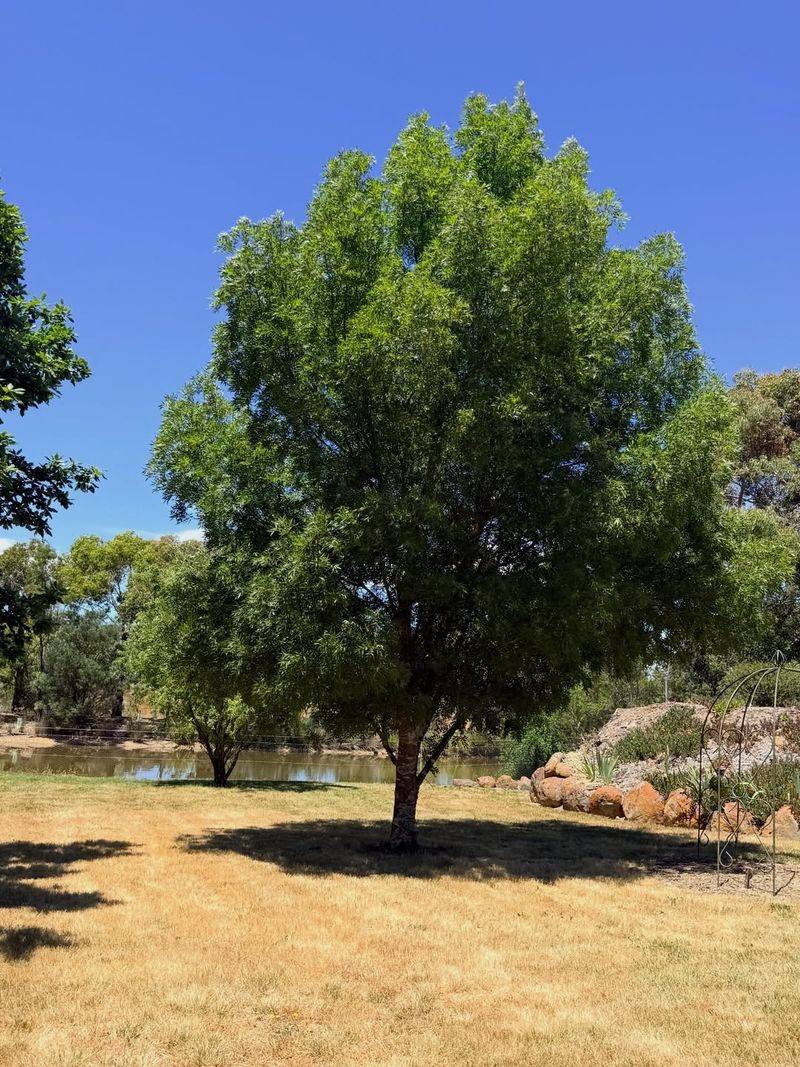
Arizona ash trees once dominated Texas landscapes because they grow quickly and provide dense shade, but time has revealed their serious shortcomings in the intense Texas climate.
These trees decline rapidly after just fifteen to twenty years, developing weak wood that becomes increasingly hazardous as branches lose structural integrity.
What starts as a healthy-looking shade tree can transform into a dangerous liability faster than most homeowners expect.
The combination of Texas heat, drought stress, and pest pressure weakens Arizona ash trees until they become storm magnets.
Weakened branches snap easily during thunderstorms, ice events, or even moderate winds, crashing down on roofs, vehicles, and power lines.
Ash borers and other insects attack stressed trees, accelerating their decline and creating hollow sections that make failure even more likely.
Many insurance companies now recognize Arizona ash as a high-risk tree when planted near structures, sometimes affecting coverage or rates.
Arborists across Texas recommend against planting new Arizona ash trees and suggest proactive removal of mature specimens showing signs of decline.
Homeowners who inherited these trees from previous owners should have them inspected regularly by certified arborists who can assess structural integrity and recommend removal before nature makes that decision during the next storm, potentially causing thousands of dollars in property damage.
8. Sweetgum
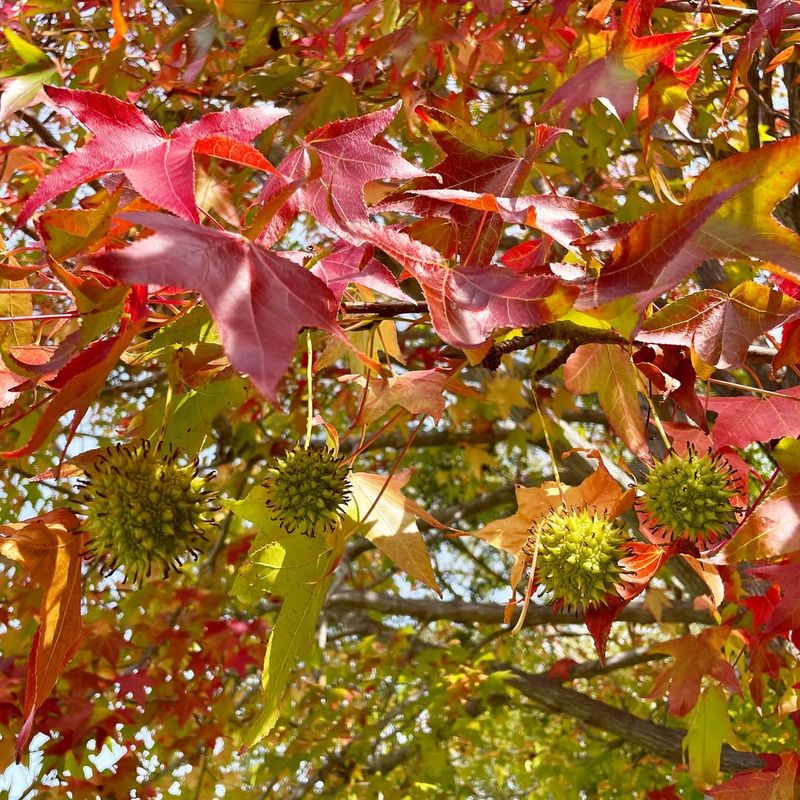
Sweetgum trees offer gorgeous fall colors that rival any maple, with leaves turning brilliant reds, oranges, and purples that light up autumn landscapes.
Unfortunately, these trees produce thousands of spiky seed balls that create serious problems around homes from fall through spring.
These hard, round pods covered in sharp points accumulate everywhere, making barefoot walks across the lawn painful and creating ankle-twisting hazards on walkways and driveways.
The seed balls roll into gutters and downspouts, causing clogs that lead to overflow problems during rainstorms.
They pile up against foundations and in landscaping beds, requiring constant raking and cleanup that becomes exhausting for homeowners.
Lawn mowers shoot the hard pods like projectiles, creating safety hazards and damaging mower blades that hit them at high speed.
Children and pets find the spiky balls particularly annoying, with the sharp points poking through shoes and hurting paws.
The pods persist for months, continuing to fall and create messes long after autumn ends. Homeowners who value low-maintenance yards should think twice before planting sweetgums near houses, patios, or play areas.
Those who already have mature sweetgums nearby spend countless hours managing the constant cleanup these messy trees demand, often wishing they had chosen a less troublesome species that offers similar beauty without the painful, hazardous aftermath.
9. Mulberry (White Mulberry)
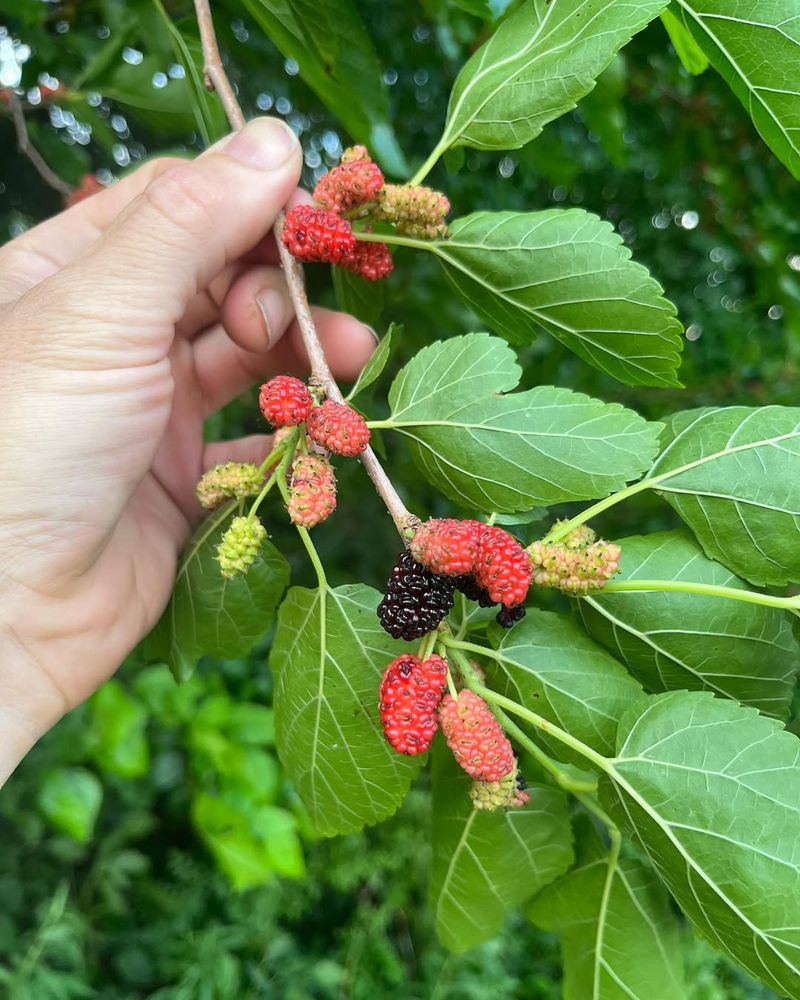
White mulberry trees produce abundant fruits that ripen throughout late spring and early summer, creating purple staining nightmares for homeowners dealing with sidewalks, patios, and outdoor furniture underneath.
The soft berries drop constantly during fruiting season, squishing underfoot and leaving stubborn purple marks on concrete that resist cleaning.
Cars parked beneath mulberries end up splattered with berry juice that bakes onto paint in the Texas sun.
Birds flock to mulberry trees for the easy meals, which sounds nice until you realize those same birds leave droppings everywhere as they feast above your outdoor spaces.
Patios become unusable without constant hosing, and outdoor cushions require regular washing to remove the purple stains.
The combination of falling fruit and bird activity makes any area beneath mulberries unpleasant during the entire fruiting period.
Wasps and other insects also gather around fallen mulberries, attracted to the fermenting fruit that accumulates on the ground.
This creates additional problems for homeowners trying to enjoy their yards during warm weather. The constant maintenance required to keep areas beneath mulberries clean becomes exhausting, with daily sweeping barely keeping up with the falling fruit.
Smart landscapers recommend planting mulberries far from outdoor living spaces, driveways, and walkways where the messy fruit causes problems, or better yet, choosing non-fruiting varieties that provide shade without the staining headaches.
10. Siberian Elm
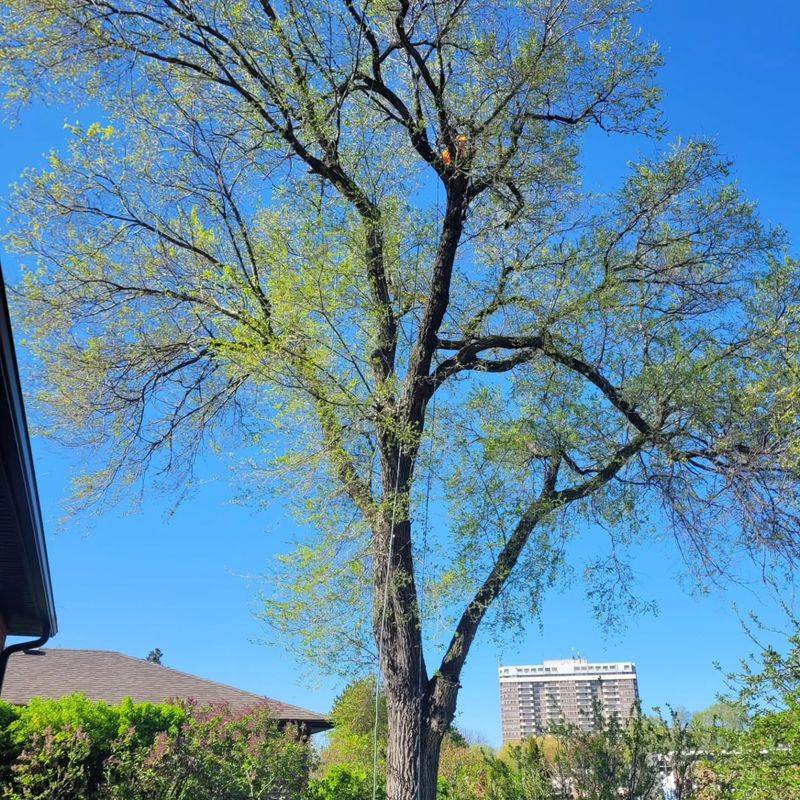
Siberian elms earned their place in Texas landscapes through sheer toughness, surviving drought, poor soil, and neglect better than almost any other tree species.
However, this resilience comes with serious structural weaknesses that make mature specimens dangerous near homes and other structures.
The wood becomes increasingly brittle as trees age, causing branches to snap off without warning even during calm weather.
Strong winds turn Siberian elms into hazard zones, with branches of all sizes breaking loose and falling wherever gravity takes them.
Homeowners often find their yards littered with fallen limbs after every storm, requiring constant cleanup that becomes tiresome and expensive.
Larger branches that crash onto roofs, vehicles, or power lines cause damage that far exceeds any benefit these fast-growing trees provide.
The aggressive growth habit means Siberian elms quickly outgrow their spaces, creating dense canopies that block sunlight and prevent grass from growing underneath.
Their tendency to drop branches increases dramatically after about twenty years, making older specimens particularly risky near structures.
Many Texas communities classify Siberian elms as weedy, undesirable trees that decrease property values rather than enhance them.
Homeowners dealing with mature Siberian elms should consider removal before brittle branches cause expensive damage, replacing them with stronger, longer-lived native species that provide shade without the constant hazard of falling limbs.
11. Chinese Pistache (Improper Placement Issues)
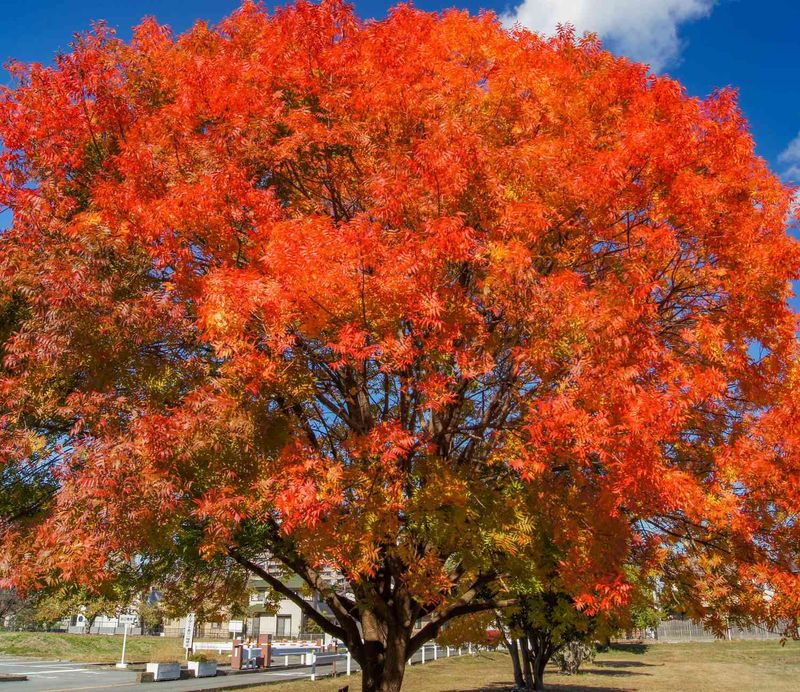
Chinese pistache trees rank among the best choices for Texas landscapes when planted correctly, offering stunning fall colors, drought tolerance, and generally strong structure.
Problems arise when homeowners or landscapers plant them too close to houses without considering their mature size.
Young trees look small and manageable, but Chinese pistache can reach forty feet tall with equally wide canopies that eventually overwhelm tight spaces.
The robust root systems that make these trees so drought-tolerant become problematic when confined near foundations, sidewalks, and driveways.
Roots spread outward searching for water and stability, eventually lifting concrete and creating pressure against foundation walls.
What seemed like perfect placement for a young tree becomes obvious overcrowding as the specimen matures, requiring expensive removal or causing ongoing damage to hardscapes.
Branches that grow too close to roofs scrape against shingles during windy days, wearing away protective surfaces and creating entry points for water damage.
Overhanging limbs drop leaves and seeds directly into gutters, causing clogs that lead to overflow problems.
The lesson here involves proper planning rather than avoiding Chinese pistache altogether. These excellent trees need adequate space to reach their full potential without threatening structures.
Homeowners should plant them at least twenty feet from houses and hardscapes, ensuring enough room for mature root systems and canopies to develop without causing conflicts.
12. Eucalyptus (In South Texas Areas)
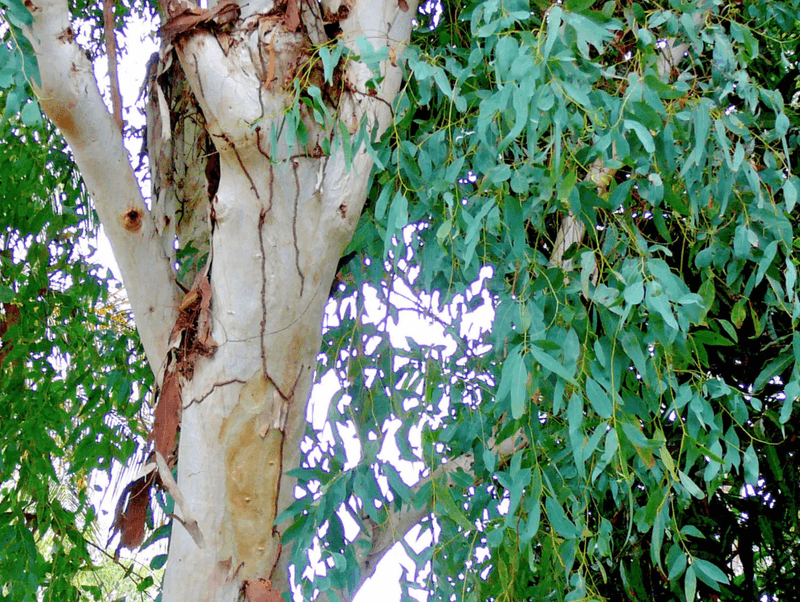
Eucalyptus trees bring exotic appeal to South Texas landscapes with their distinctive peeling bark and aromatic leaves, but they create serious safety concerns that many homeowners overlook.
These Australian natives developed a survival strategy that involves suddenly dropping large branches without warning, a behavior called cladoptosis that helps them conserve water during drought.
Unfortunately, this adaptation makes them dangerous near homes, parking areas, and outdoor living spaces where falling limbs cause injuries and property damage.
The branch-shedding happens without any visible signs of weakness or disease, making it impossible to predict when limbs will let go.
A perfectly healthy-looking eucalyptus can drop a massive branch on a calm, sunny day, crushing whatever sits below.
This unpredictability makes them particularly risky investments for residential properties where safety matters.
The high oil content in eucalyptus leaves and bark creates additional fire hazards in dry conditions, especially during Texas drought periods when wildfire risks increase.
The aromatic oils that make eucalyptus smell pleasant also make them burn intensely, potentially spreading fire to nearby structures. Many fire-safety experts recommend against planting eucalyptus near homes in fire-prone areas.
Homeowners in South Texas considering these exotic trees should understand the risks and plant them far from structures, walkways, and gathering spaces where sudden branch drops could cause harm or expensive damage.
13. Live Oak (When Planted Too Close To Structures)
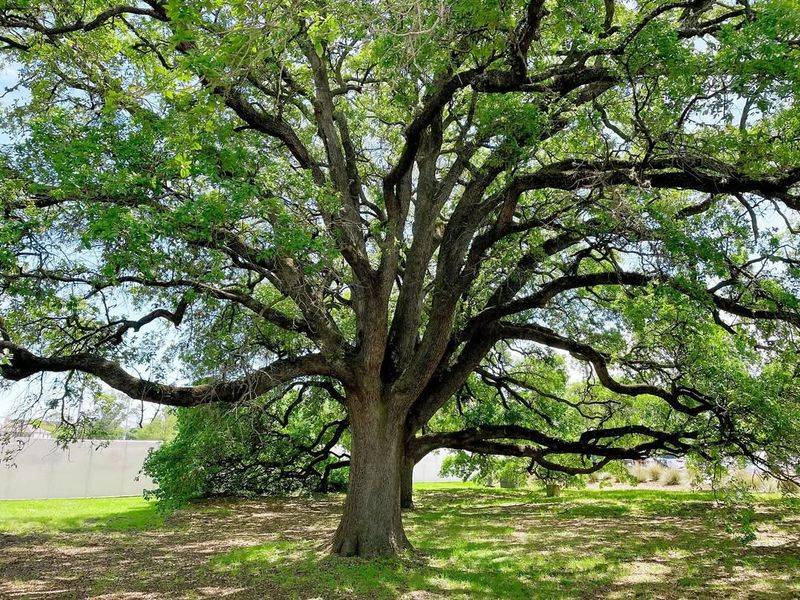
Live oaks represent Texas heritage and beauty, serving as iconic symbols of the state’s natural landscape with their massive spreading canopies and impressive longevity.
These magnificent trees can thrive for centuries when given proper space, but problems arise when planted too close to homes without considering their eventual size.
Young live oaks look modest and manageable, giving no hint of the massive proportions they will reach over decades.
Mature live oak root systems spread far beyond the canopy, sometimes extending twice as wide as the visible branches above ground.
These powerful roots lift sidewalks, crack foundations, and invade underground utilities with relentless strength.
The enormous canopies eventually overshadow roofs, dropping leaves year-round that clog gutters and create constant maintenance headaches for homeowners.
Heavy limbs that grow over structures pose risks during ice storms and high winds, potentially causing catastrophic damage if they fail and crash through roofs.
The dense shade cast by mature live oaks prevents grass and most other plants from growing underneath, creating bare areas that require alternative landscaping solutions.
Despite these challenges, live oaks remain treasured trees worth preserving when properly sited.
The key involves planting them at least thirty feet from structures, allowing adequate space for their legendary root systems and canopies to develop without threatening homes, ensuring these Texas treasures enhance properties rather than endangering them.