Grow A Healthy ZZ Plant In Illinois Apartments With This Simple Care Guide
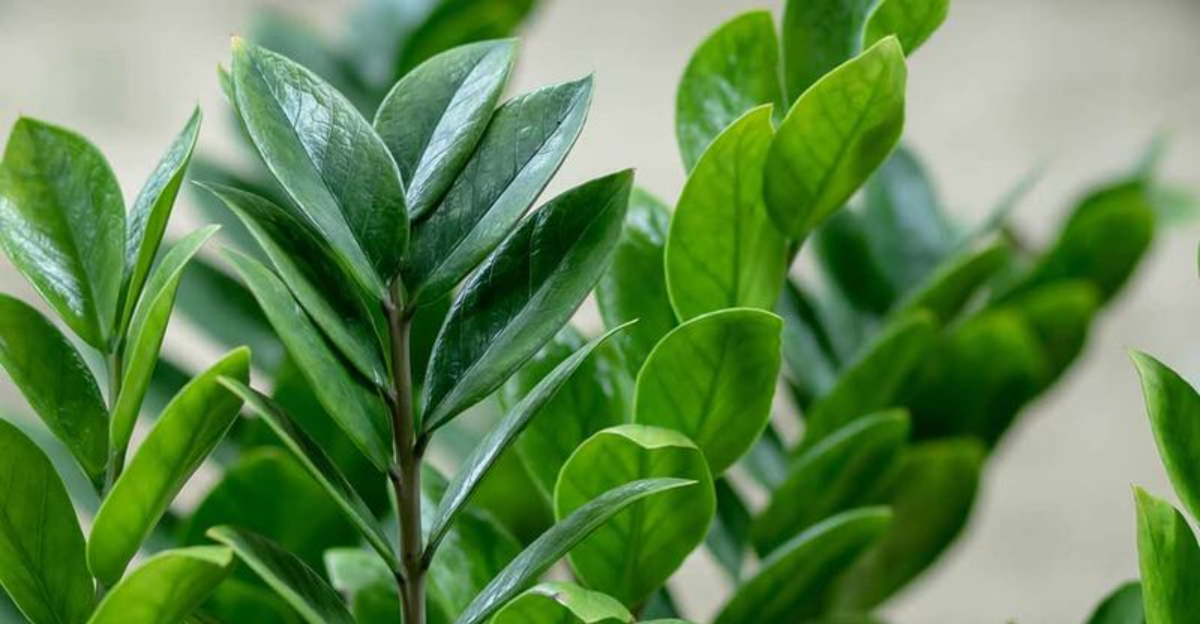
Living in an Illinois apartment doesn’t mean you can’t enjoy a strong, healthy houseplant. The ZZ plant is famous for being tough, low-maintenance, and perfect for indoor spaces.
If you want greenery without stress, this plant delivers. Easy care, big impact, and real results.
ZZ plants handle low light, dry air, and busy schedules better than most houseplants. That’s why so many apartment gardeners love them.
You don’t need fancy tools or daily watering to keep one thriving, because a few simple habits can make all the difference. From choosing the right spot to watering the right way, small details help your ZZ plant grow fuller and healthier.
Illinois winters, limited sunlight, and indoor heating don’t have to slow you down. With the right care routine, your ZZ plant can stay green, strong, and beautiful all year long.
1. Choose The Right Spot With Indirect Light
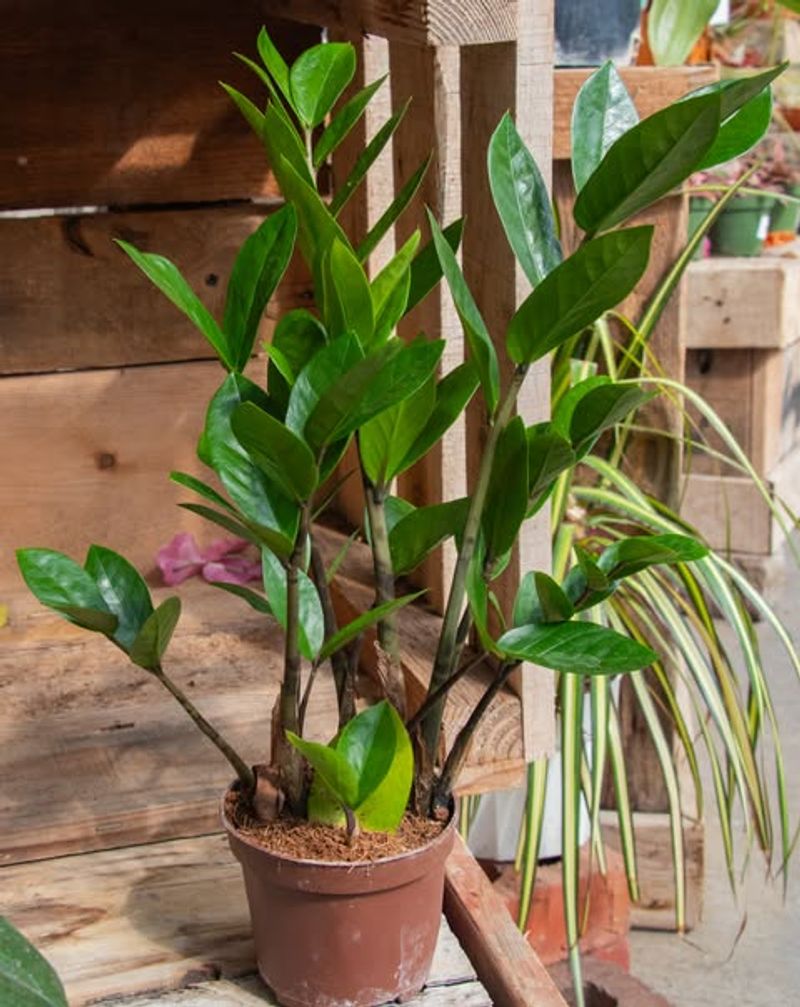
Finding the perfect location for your ZZ plant in your Illinois apartment doesn’t require a sun-drenched window or complicated light meters. ZZ plants are incredibly flexible when it comes to lighting, which makes them ideal for apartments with limited windows or rooms that face north.
They grow best in medium to bright indirect light, but they can also tolerate low-light conditions better than most other houseplants.
If you place your plant near a window with sheer curtains in your Chicago or Peoria apartment, it will reward you with faster growth and deeper green leaves.
Avoid putting your ZZ plant in direct sunlight, especially during harsh summer months when the sun beats through apartment windows. Direct rays can scorch the glossy leaves and cause unsightly brown patches that won’t heal.
Instead, aim for a spot a few feet away from a south or west-facing window, or right beside an east-facing one where morning light is gentler. Illinois apartments often have quirky layouts, so don’t be afraid to experiment with different corners until you find the sweet spot.
If your apartment lacks natural light, don’t panic. ZZ plants can survive under fluorescent office lighting or in dim hallways, though growth will slow down significantly.
You might notice the plant producing fewer new shoots, but it will stay healthy and green. Consider rotating your plant every few weeks to ensure all sides receive equal light exposure, promoting balanced growth.
This simple habit keeps your ZZ plant looking full and prevents it from leaning awkwardly toward the light source, maintaining that picture-perfect appearance you want for your living space.
2. Water Sparingly To Prevent Root Problems
One of the biggest mistakes new ZZ plant owners make is watering too frequently, treating their plant like a thirsty fern or tropical beauty.
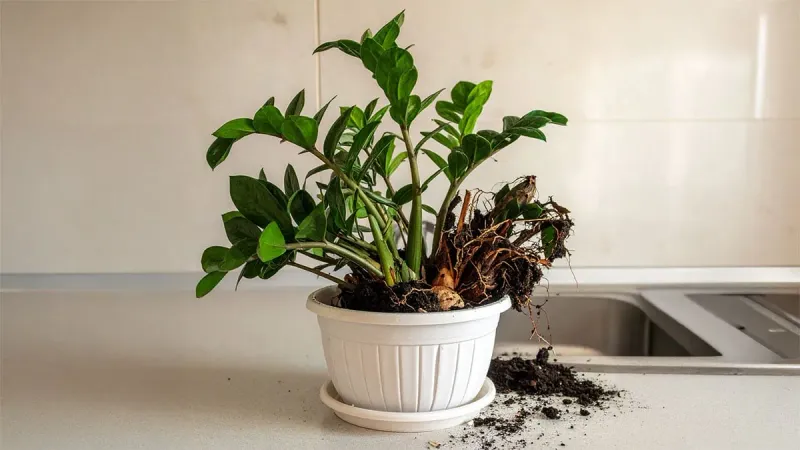
ZZ plants store water in their thick, potato-like rhizomes underground, which means they can go weeks without a drink and still look fabulous. In fact, underwatering is far safer than overwatering when it comes to these tough plants.
Illinois apartment dwellers should water their ZZ plant only when the top two to three inches of soil feel completely dry to the touch, which might mean watering just once every two to three weeks during most of the year.
Your Illinois Garden Changes Every Week. Your Plan Should Too.
Gardening in Illinois changes quickly throughout the season. Every Friday you’ll receive a simple weekly plan showing exactly what to plant, prune, fertilize, harvest, and protect so you never miss the right timing.
During winter months when heating systems dry out the air in Illinois homes, you might think your plant needs more water, but the opposite is often true. ZZ plants enter a semi-dormant state when light levels drop and temperatures cool, meaning they use even less water than usual.
Check the soil before watering by sticking your finger deep into the pot, and only water if it feels bone dry. When you do water, drench the soil thoroughly until water runs out of the drainage holes, then let the pot drain completely before returning it to its saucer.
Yellowing leaves often signal overwatering, which can lead to root rot and seriously weaken your plant. If you notice yellow stems or mushy rhizomes, you have been too generous with the watering can.
Cut back immediately and let the soil dry out completely before watering again. On the flip side, if leaves start to wrinkle or curl, your plant is telling you it needs a drink.
Finding the right watering rhythm takes practice, but once you get it down, your ZZ plant will practically take care of itself in your Illinois apartment.
3. Use Well-Draining Soil And Proper Pots
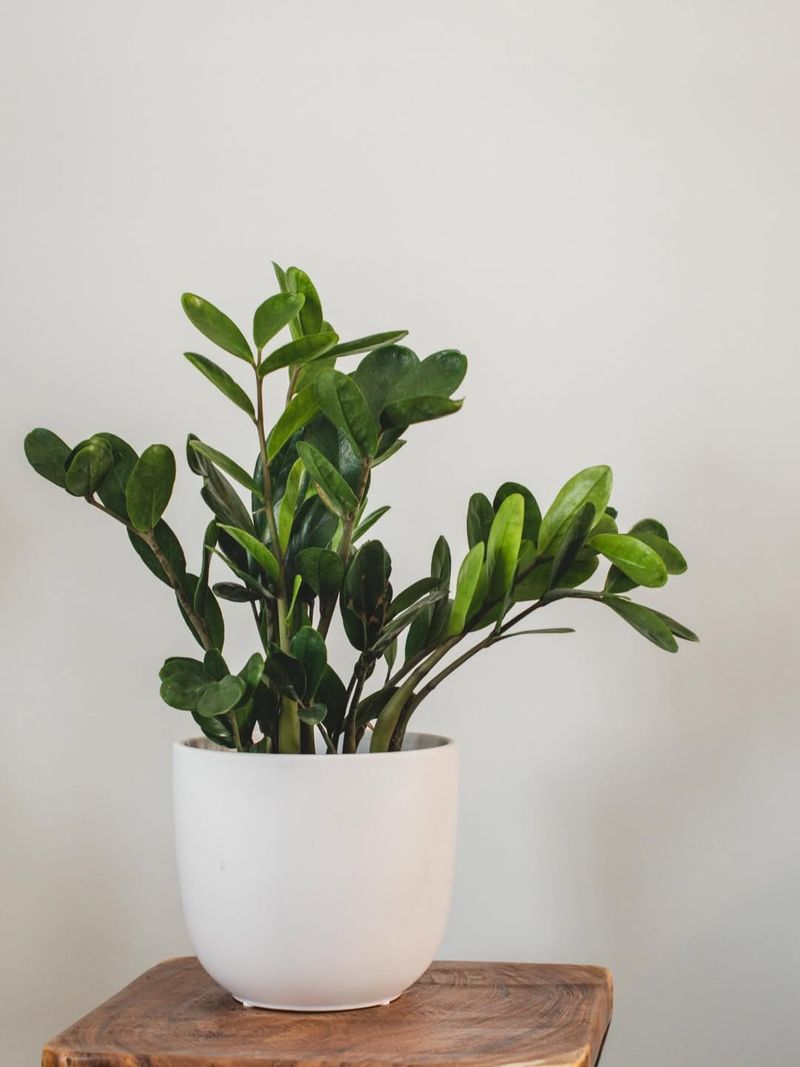
Soil choice might seem like a minor detail, but it plays a huge role in keeping your ZZ plant healthy in an Illinois apartment. These plants despise sitting in soggy soil, so regular potting mix alone won’t cut it.
You need a well-draining mixture that allows excess water to flow through quickly while still holding enough moisture to support the roots. A combination of standard potting soil mixed with perlite, coarse sand, or orchid bark works wonderfully.
Many plant enthusiasts in Illinois swear by cactus or succulent soil mixes because they provide the perfect balance of drainage and nutrition.
The pot you choose matters just as much as the soil inside it. Always select a container with drainage holes at the bottom, this is non-negotiable for ZZ plants.
Without drainage, water accumulates at the bottom and creates a swampy environment that suffocates roots and encourages rot. Ceramic, terracotta, or plastic pots all work fine as long as they have those crucial holes.
Terracotta pots are especially popular because they absorb excess moisture from the soil, providing an extra layer of protection against overwatering mistakes common among beginners.
When repotting your ZZ plant, which you will only need to do every two to three years, choose a pot just one or two inches larger in diameter than the current one. ZZ plants actually prefer being slightly root-bound, and a too-large pot holds excess soil that stays wet too long.
Illinois apartment dwellers often choose decorative cache pots to hide plain nursery pots, which works great as long as you remove the plant to water it and let it drain completely before placing it back.
This simple setup keeps your plant healthy while maintaining your apartment’s style and aesthetic appeal.
4. Maintain Ideal Temperature And Humidity Levels
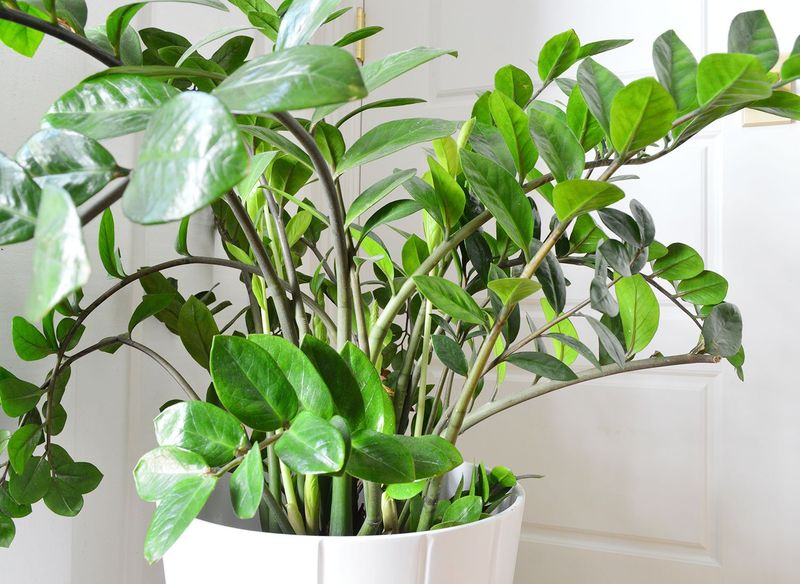
ZZ plants are remarkably adaptable to the temperature swings common in Illinois apartments, where thermostats get adjusted constantly between seasons.
These plants thrive in temperatures between 60 and 75 degrees Fahrenheit, which happens to be the comfortable range most people keep their homes.
You won’t need to make any special adjustments or invest in heating mats or cooling systems. Just keep your ZZ plant away from extreme temperature fluctuations like drafty windows in winter or air conditioning vents that blast cold air directly onto the leaves during summer.
Illinois winters can be brutal, and when the heat kicks on full blast, indoor air becomes desert-dry. The good news is that ZZ plants tolerate low humidity better than most tropical houseplants, so you won’t need to run a humidifier or mist the leaves daily.
Average household humidity levels between 30 and 50 percent work perfectly fine. However, if you notice the leaf tips turning brown or crispy, slightly increasing humidity might help.
Grouping your ZZ plant with other houseplants creates a microclimate with slightly higher humidity, or you can place the pot on a tray filled with pebbles and water.
Avoid placing your ZZ plant near radiators, heating vents, or fireplaces where hot, dry air circulates constantly. These heat sources can stress the plant and cause leaf drop or browning.
Similarly, keep it away from exterior doors that open frequently during frigid Chicago or Rockford winters, as cold drafts can shock the plant. Room temperature stability is your friend, ZZ plants appreciate consistency more than anything.
As long as your apartment stays within a normal comfortable range for humans, your plant will be perfectly content and continue growing steadily throughout the year.
5. Fertilize Minimally During Growing Season
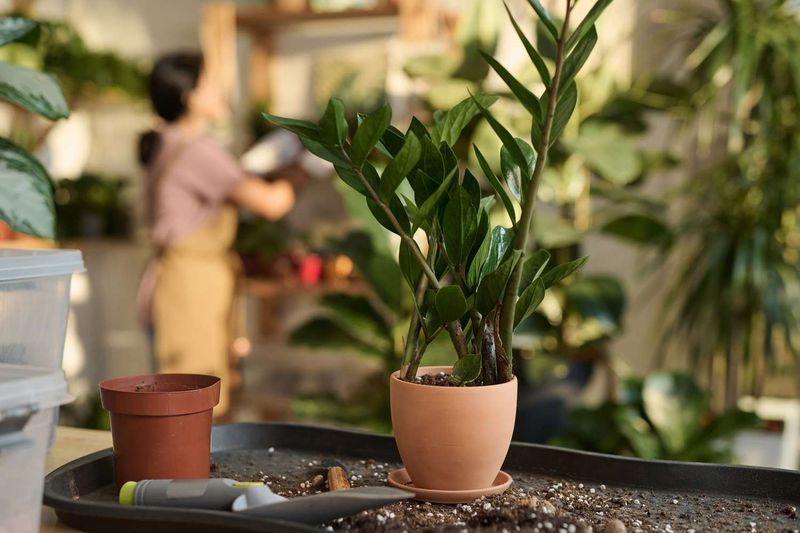
Unlike hungry feeders that demand monthly fertilizing, ZZ plants are slow growers that need very little supplemental nutrition. In fact, over-fertilizing causes more problems than skipping fertilizer altogether.
These plants evolved in nutrient-poor soils in eastern Africa, so they have adapted to make the most of limited resources. For your Illinois apartment ZZ plant, feeding once every two to three months during the growing season from spring through early fall is plenty.
Use a balanced, water-soluble houseplant fertilizer diluted to half the recommended strength to avoid overwhelming the roots.
Many experienced plant parents in Illinois skip fertilizing altogether during the first year after bringing a ZZ plant home, since nursery soil usually contains slow-release fertilizer that continues feeding the plant for months.
Watch for signs that your plant might benefit from nutrients, like very slow growth or pale new leaves, though these symptoms are rare.
When you do fertilize, apply it to damp soil rather than bone-dry soil to prevent root burn. Water your plant lightly first, then add the diluted fertilizer solution, ensuring it distributes evenly throughout the pot.
During winter months when your ZZ plant enters its rest period and growth slows dramatically, stop fertilizing completely. Illinois apartments receive less natural light from November through February, and plants naturally slow down their metabolic processes during this time.
Fertilizing during dormancy can lead to salt buildup in the soil, which damages roots and causes brown leaf tips. Resume your minimal feeding schedule once you notice new growth emerging in spring, typically around March or April.
Remember, with ZZ plants, less is definitely more when it comes to fertilizer, so resist the urge to feed frequently.
6. Clean Leaves Regularly For Optimal Health
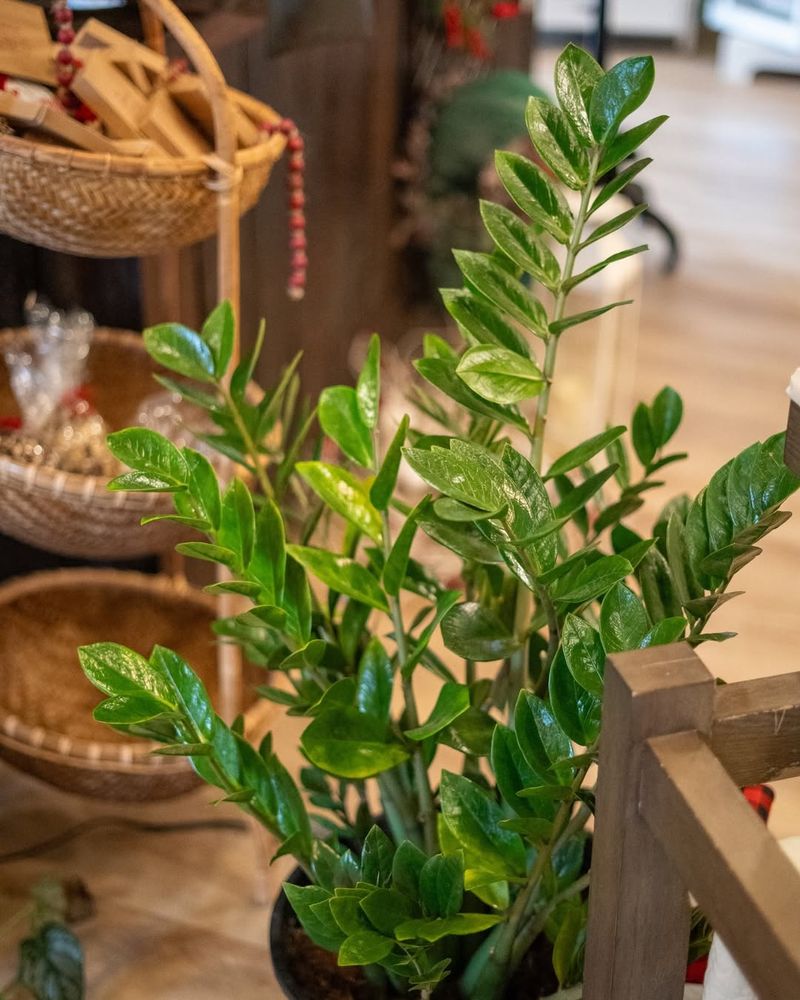
Dust accumulation on ZZ plant leaves is a common issue in Illinois apartments, especially during winter when windows stay closed and heating systems circulate air constantly.
That layer of dust might seem harmless, but it actually blocks light from reaching the leaf surface and reduces the plant’s ability to photosynthesize efficiently.
Cleaning your ZZ plant’s glossy leaves every few weeks keeps them looking shiny and gorgeous while supporting the plant’s overall health. Plus, regular cleaning gives you a chance to inspect for pests or problems before they become serious.
The easiest cleaning method is simply wiping each leaf with a soft, damp cloth or microfiber towel. Support the leaf from underneath with one hand while gently wiping the top surface with the other to avoid accidentally snapping stems.
For plants with many leaves, some people prefer giving their ZZ plant a shower every month or two. Place the pot in your bathtub or shower, and use lukewarm water to rinse the foliage thoroughly, letting the water wash away dust and debris.
Make sure to let the plant drain completely before returning it to its usual spot in your apartment.
Avoid using leaf shine products or oils that promise to make your plant extra glossy. These commercial products can clog the leaf pores and attract more dust, creating more problems than they solve.
The natural shine of a ZZ plant’s leaves is beautiful enough without artificial enhancement. If you live in a particularly dusty Illinois apartment or near a busy street, you might need to clean your plant more frequently.
Regular maintenance takes just a few minutes but makes a noticeable difference in your plant’s appearance and ability to thrive indoors.
7. Watch For Common Pests And Address Quickly
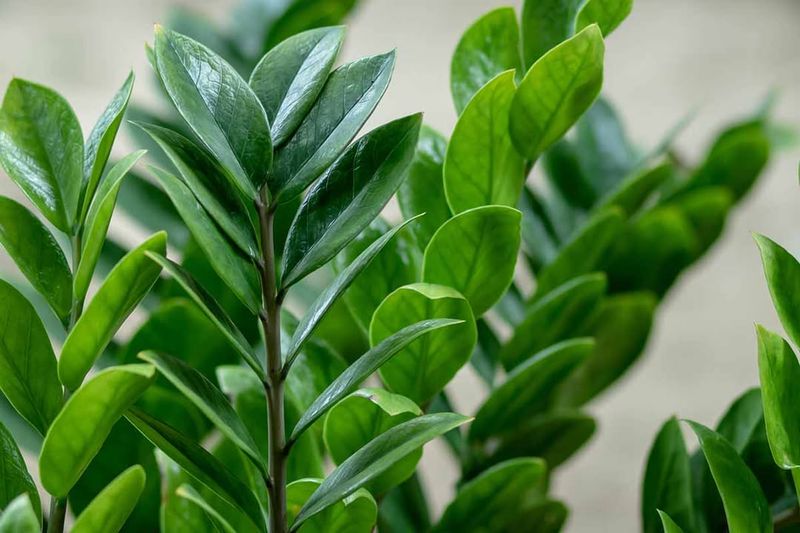
ZZ plants are remarkably resistant to pests compared to many other houseplants, but they are not completely immune. Illinois apartment dwellers occasionally encounter spider mites, mealybugs, or scale insects on their ZZ plants, especially if the plant is stressed from overwatering or extreme temperature changes.
Regular inspection is your best defense, take a few moments each week to check the undersides of leaves, along stems, and around the base of the plant. Early detection means you can address pest problems before they spiral out of control and spread to other plants in your collection.
Spider mites appear as tiny dots on leaf undersides and often leave fine webbing between stems. These pests thrive in dry conditions, which makes them more common during Illinois winters when indoor humidity drops.
If you spot spider mites, isolate your plant immediately and spray it thoroughly with water to knock off the bugs. Follow up with insecticidal soap or neem oil applied every few days until the infestation clears.
Mealybugs look like small cotton balls clustered in leaf joints and can be removed manually with a cotton swab dipped in rubbing alcohol.
Scale insects appear as small brown or tan bumps stuck to stems and leaves, and they can be surprisingly stubborn to remove. Scrape them off gently with your fingernail or a soft brush, then treat the plant with neem oil to prevent reinfestation.
Healthy ZZ plants in Illinois apartments rarely face serious pest issues, so if you notice repeated problems, examine your care routine. Overwatering weakens plants and makes them more susceptible to pests and diseases.
Maintaining proper watering, adequate light, and good air circulation keeps your ZZ plant strong enough to resist most common houseplant pests naturally.