9 Plants You Should Grow In Containers Now For Early Color In Your Texas Garden
Texas gardeners don’t have to wait for spring to enjoy bold color. Right now is the perfect time to plant containers that bring fast blooms and fresh life to patios, porches, and entryways.
Early color starts in a pot. A few containers can completely change the look of your space. Warm days and mild nights give Texas gardeners a big advantage for early planting. Color shows up faster when you start now.
And the best part? You don’t need a big yard to make a big impact.
Containers make it simple and flexible. From bright flowers to fast-growing fillers, the right plants can turn plain spaces into colorful displays in weeks.
Whether you have a small balcony or a large backyard, container gardening fits every setup. If you want quick results and eye-catching color, these plants are exactly what your garden needs this season.
1. Pansies
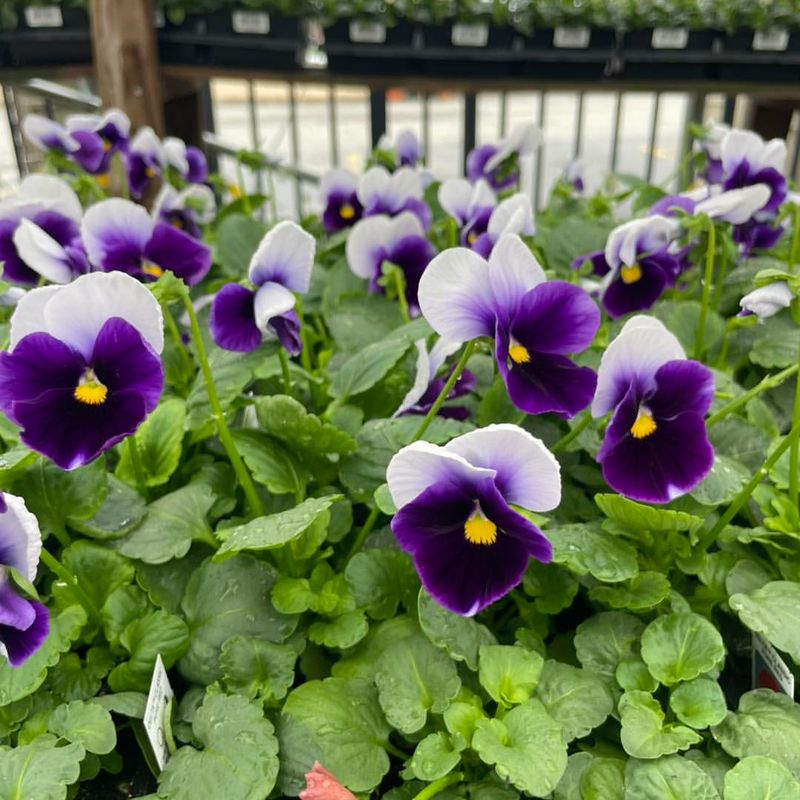
Pansies have been a favorite among Texas gardeners for generations, and their cheerful faces bring instant happiness to any container.
These cold-hardy beauties can handle temperatures that dip into the 20s, making them perfect for planting in late fall or early winter across the Lone Star State.
Their flowers come in nearly every color imaginable, from deep purples and bright yellows to soft pastels and bold bi-colors that create stunning combinations.
Container-grown pansies thrive in well-draining potting mix and appreciate regular watering, especially during those sunny Texas days when temperatures climb unexpectedly.
They prefer full sun to partial shade, though a bit of afternoon shade helps them last longer as spring warms up.
Deadheading spent blooms encourages more flowers to form, keeping your containers looking fresh for months.
In Texas, pansies typically bloom from November through April, giving you nearly half a year of continuous color. They pair wonderfully with other cool-season plants like ornamental kale or trailing ivy in mixed containers.
These tough little flowers can bounce back from light freezes without missing a beat, making them incredibly reliable for early season displays.
Feed them with a balanced liquid fertilizer every few weeks to keep the blooms coming strong and vibrant throughout their long growing season.
2. Snapdragons
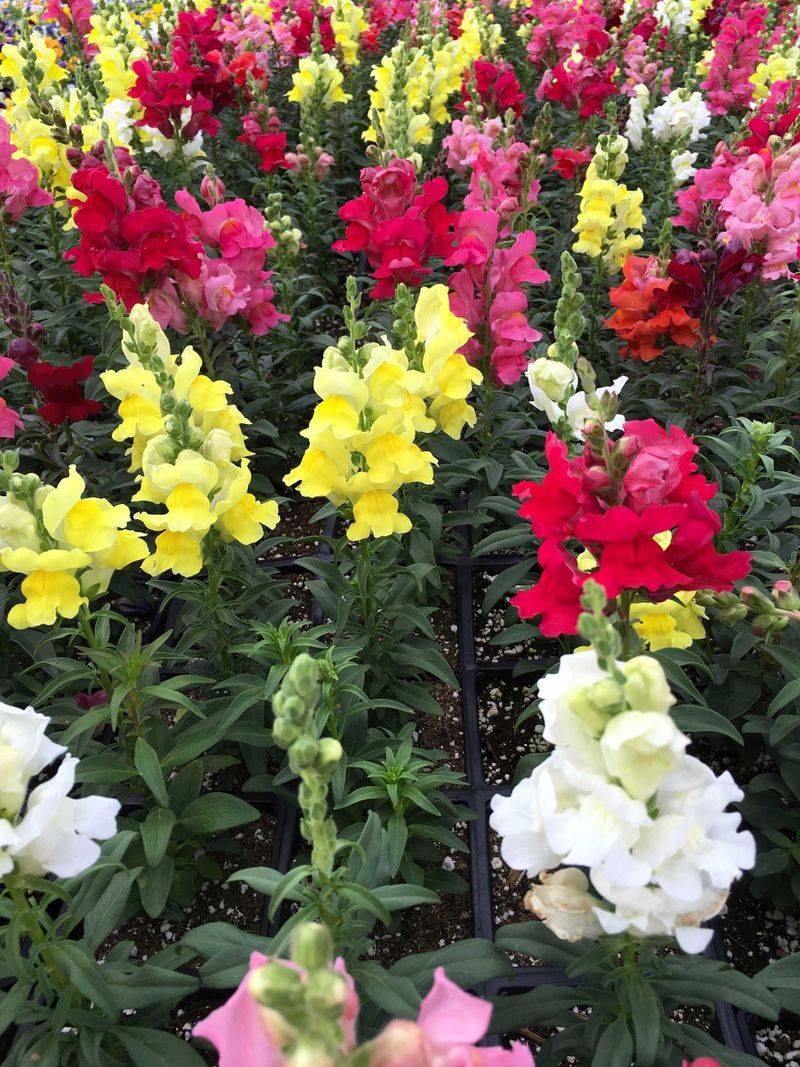
Tall spikes of snapdragon blooms add vertical interest to container gardens while delivering waves of color from late winter through spring.
These charming flowers earned their name from the way their blooms resemble tiny dragon faces that open and close when gently squeezed, making them a hit with kids and adults alike.
Available in heights ranging from dwarf varieties at six inches to towering types reaching three feet, you can choose the perfect size for your container design.
Snapdragons love cooler weather and perform beautifully in Texas gardens from January through May before summer heat arrives. They come in spectacular shades of red, pink, orange, yellow, white, and burgundy, with some varieties showing stunning color combinations.
Plant them in containers with good drainage and place them where they will receive at least six hours of sunlight daily for the best flowering.
Your Texas Garden Changes Every Week. Your Plan Should Too.
Gardening in Texas changes quickly throughout the season. Every Friday you’ll receive a simple weekly plan showing exactly what to plant, prune, fertilize, harvest, and protect so you never miss the right timing.
These plants tolerate light frosts without damage, making them ideal for early planting in Texas containers. Pinching back the growing tips when plants are young encourages bushier growth and more flower spikes.
Regular watering keeps them happy, but avoid overwatering which can lead to root problems. Snapdragons also make excellent cut flowers, so you can enjoy their beauty both outdoors and inside your home throughout the cooler months.
3. Ornamental Kale
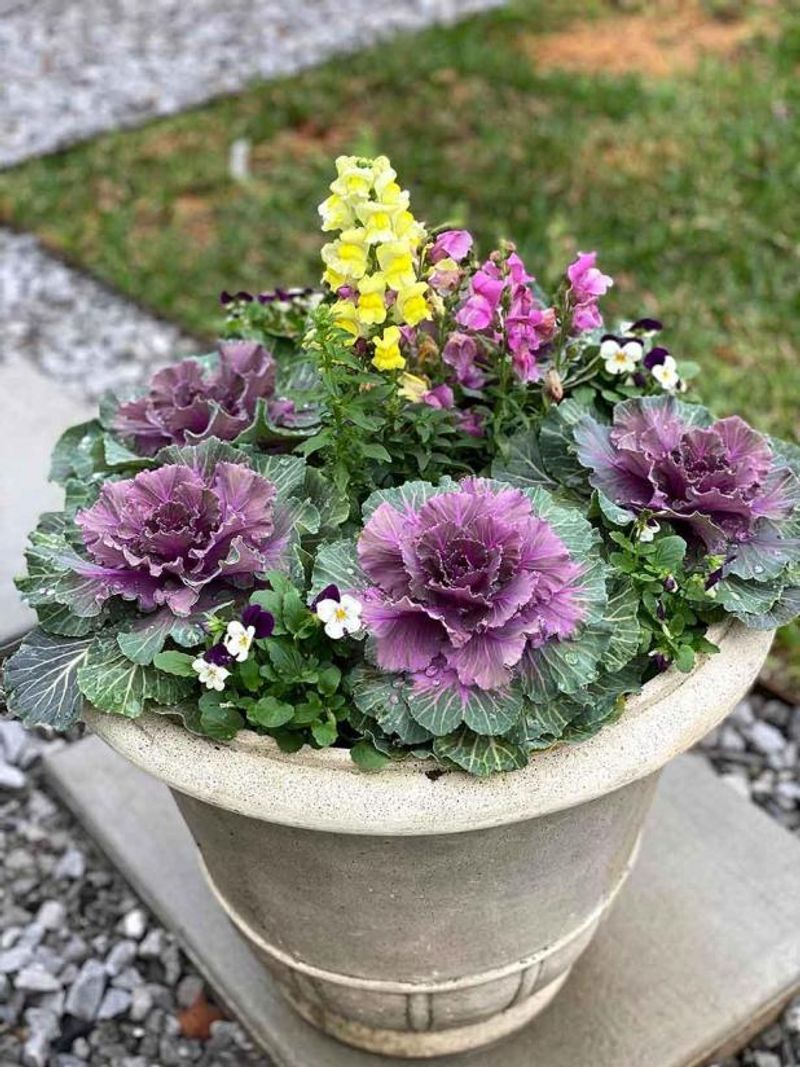
Looking for something different that combines color with texture? Ornamental kale brings stunning foliage in shades of purple, pink, white, and green that intensifies as temperatures drop.
Unlike its edible cousins, ornamental kale is grown purely for its beautiful rosette-shaped leaves that look like enormous flowers sitting in your containers. Cold weather actually makes the colors more vibrant, which is perfect for Texas winters when temperatures fluctuate.
These hardy plants can withstand freezing temperatures and even look better after a light frost touches their leaves. Ornamental kale grows best in full sun but tolerates partial shade, making it versatile for different locations around your Texas home.
The plants typically reach 12 to 18 inches across, creating a bold statement in containers either alone or combined with trailing plants around the edges.
Container-grown ornamental kale needs consistent moisture but excellent drainage to prevent soggy roots. Mix it with pansies, violas, or dusty miller for eye-catching combinations that last from fall through early spring.
The ruffled or smooth leaf varieties each offer distinct looks to match your personal style. As temperatures warm in late spring, ornamental kale may start to bolt and flower, signaling it is time to replace them with warm-season plants for your Texas containers.
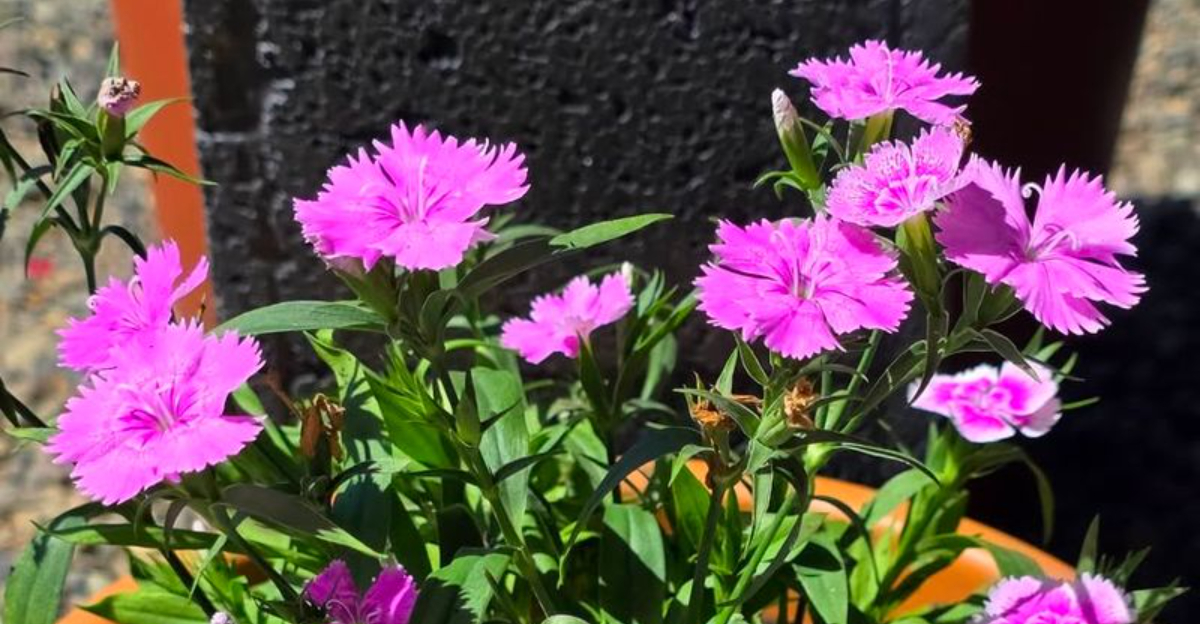
4. Dianthus
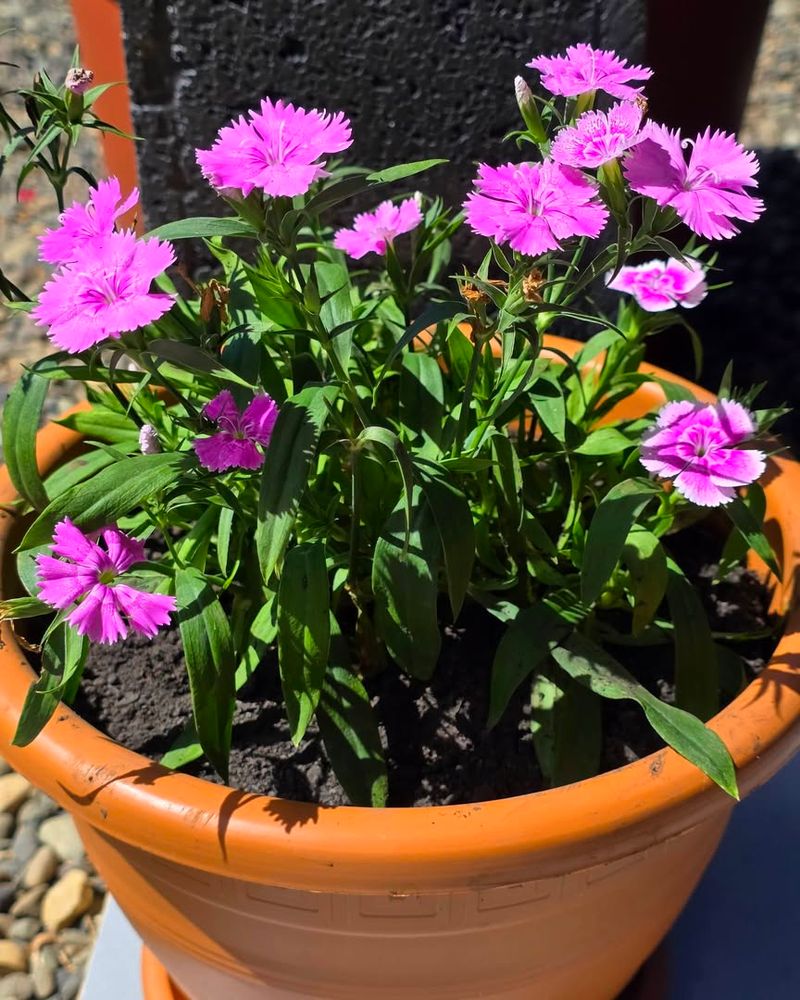
Dianthus plants deliver sweet fragrance along with their beautiful blooms, making them a sensory delight for container gardens.
Commonly called pinks or sweet williams, these flowers feature fringed petals in shades of pink, red, white, and bi-colors that appear from late winter through spring in Texas.
Many varieties release a spicy, clove-like scent that becomes stronger on warm afternoons, adding another dimension to your outdoor space.
These compact plants typically grow 6 to 12 inches tall, making them perfect for smaller containers or as front-of-the-pot plants in larger arrangements. Dianthus prefers full sun and well-draining soil, thriving in the cooler temperatures that Texas experiences from fall through spring.
They are quite drought-tolerant once established, though container plants need more frequent watering than those in the ground.
The grass-like blue-green foliage provides attractive texture even when plants are not blooming. Deadheading spent flowers encourages continuous blooming throughout their growing season.
Dianthus can handle light freezes without protection, making them reliable performers for early color in Texas gardens. They pair beautifully with taller plants like snapdragons or with trailing plants that soften container edges.
Feed them monthly with a balanced fertilizer to keep the blooms coming strong until warmer weather arrives and signals time for a seasonal change.
5. Violas
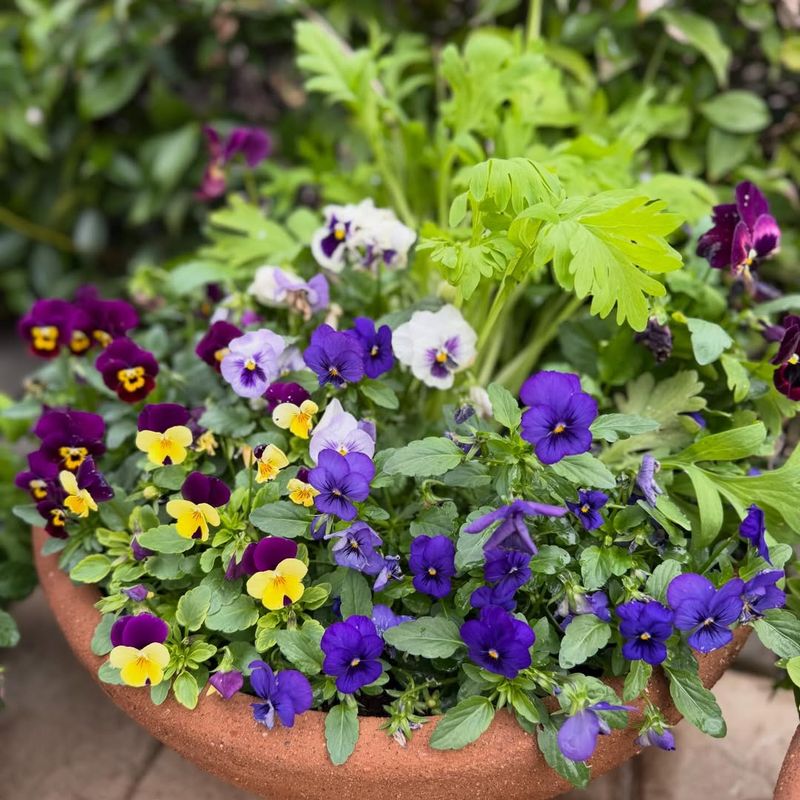
Smaller cousins to pansies, violas pack just as much color into more delicate flowers that bloom prolifically throughout the cooler months.
These cheerful little flowers produce abundant blooms that cover plants from fall through spring in Texas, creating carpets of color in your containers.
Violas handle cold temperatures exceptionally well, often continuing to bloom even after light snow or frost touches their petals.
The flowers come in solid colors and patterns, including the adorable whiskered varieties that look like tiny faces peering up at you. Violas typically grow 6 to 8 inches tall, making them excellent choices for smaller containers or as filler plants in mixed arrangements.
They prefer full sun to partial shade and appreciate consistent moisture without waterlogged soil.
One advantage violas have over pansies is their heat tolerance, often continuing to bloom a bit longer as Texas springs warm up. Their smaller flowers appear in greater numbers, creating a fuller look in containers.
Violas self-clean fairly well, though occasional deadheading keeps them looking their best. They work wonderfully in hanging baskets where their flowers can be appreciated at eye level.
Combine violas with spring bulbs like daffodils or tulips for layers of color and interest. These tough little flowers reward Texas gardeners with months of reliable blooms that brighten even the grayest winter days.
6. Dusty Miller
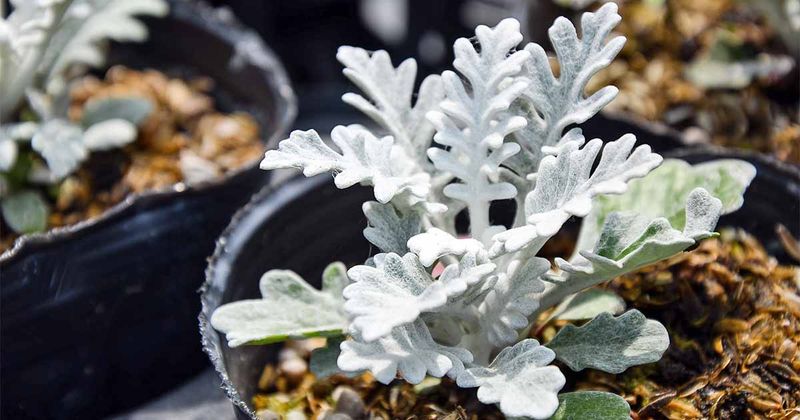
Sometimes foliage plants steal the show, and dusty miller does exactly that with its silvery-white leaves that glow in containers. This plant brings textural contrast and a cooling color that makes surrounding flowers pop with even more intensity.
The deeply lobed or lacy leaves have a soft, fuzzy texture that adds tactile interest to your container designs while creating a sophisticated look.
Dusty miller thrives in full sun and tolerates drought conditions better than many flowering plants, making it practical for busy Texas gardeners. It typically grows 8 to 12 inches tall with a similar spread, filling containers nicely without overwhelming other plants.
The silvery foliage provides a neutral backdrop that works with any color scheme you choose for your early season containers.
This plant handles cold temperatures well and can survive light freezes, continuing to look attractive throughout Texas winters. Dusty miller rarely flowers, and most gardeners pinch off any blooms that appear to keep the focus on the beautiful foliage.
It pairs exceptionally well with brightly colored flowers like pansies, snapdragons, or dianthus, creating stunning contrasts. The silvery leaves also reflect light, brightening shady spots in your outdoor space.
Container-grown dusty miller needs good drainage and moderate watering, becoming more drought-tolerant as it establishes. This versatile plant transitions well into warmer months too, continuing to provide that cool silvery accent through early summer in Texas gardens.
7. Petunias
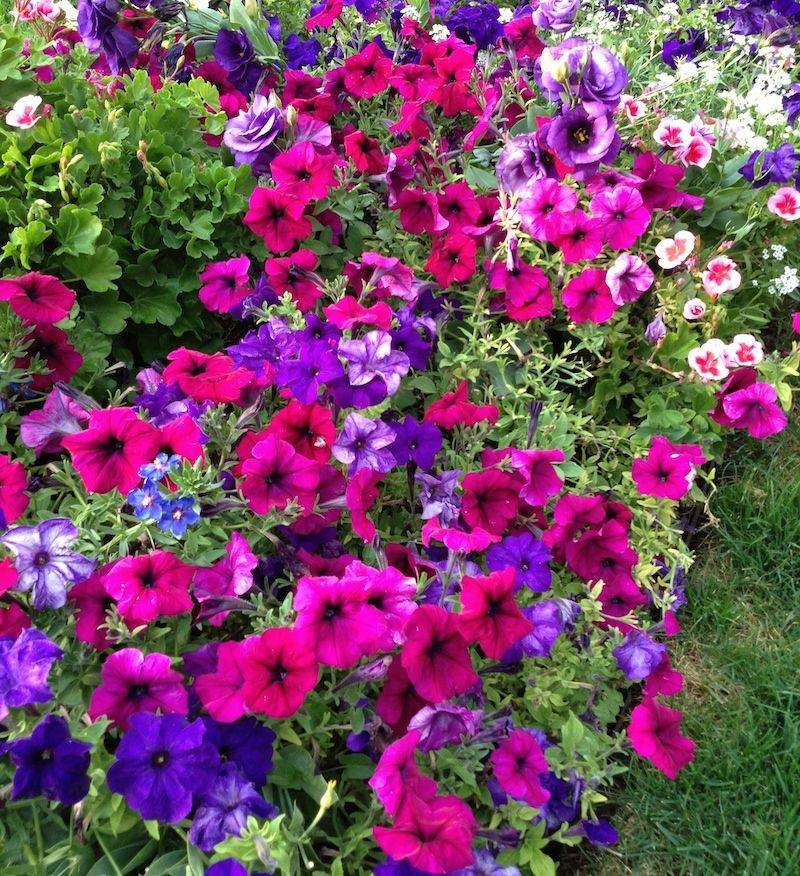
While many gardeners think of petunias as summer flowers, certain varieties perform beautifully in Texas containers during cooler months too. Wave petunias and other cold-tolerant types can be planted in late winter for early spring color that lasts until heat arrives.
These spreading plants produce abundant trumpet-shaped flowers in nearly every color except true blue, giving you endless design possibilities for your containers.
Petunias love full sun and reward you with continuous blooms when given at least six hours of direct sunlight daily. They grow quickly, filling containers and spilling over edges with cascading flowers that create dramatic displays.
Modern varieties are more weather-resistant than older types, bouncing back from rain and wind that might damage other flowers.
Container-grown petunias need regular watering and benefit from frequent feeding to support their heavy blooming. Use a liquid fertilizer every week or two to keep flowers coming strong.
Newer varieties like Supertunias and Wave petunias are self-cleaning, eliminating the need for deadheading while maintaining their appearance. These petunias work wonderfully in hanging baskets or large containers where their spreading habit can be fully appreciated.
In Texas, planting petunias in late February or early March gives you months of color before summer heat becomes intense.
Combine them with upright plants like snapdragons for containers with both height and cascade, creating professional-looking arrangements that impress visitors.
8. Alyssum
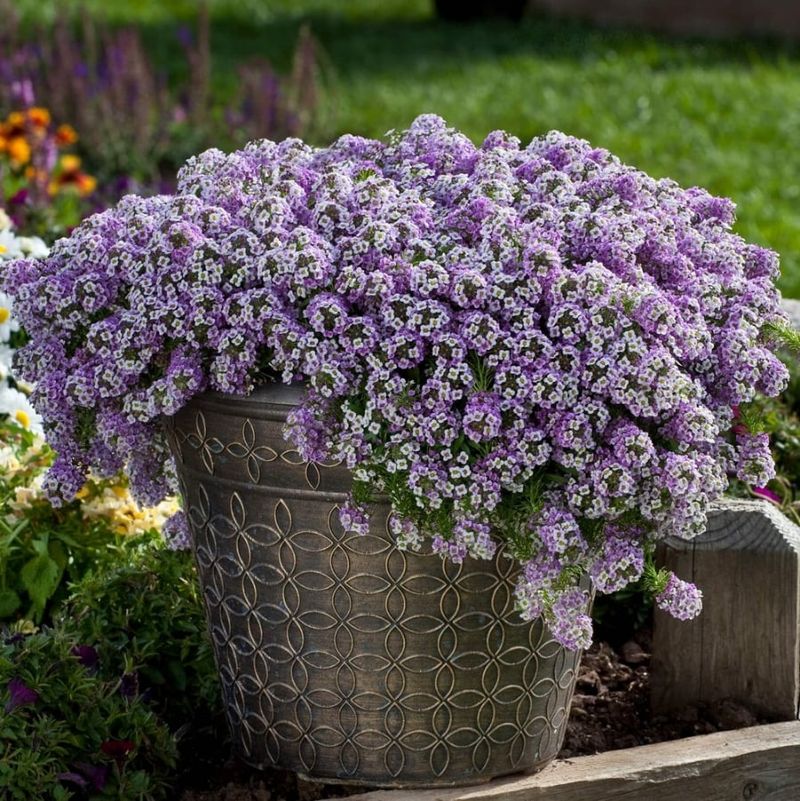
Tiny flowers on alyssum plants create clouds of color and release a sweet honey fragrance that attracts beneficial insects to your Texas garden.
These low-growing plants work perfectly as fillers in mixed containers or as standalone displays in smaller pots where their cascading habit shines.
Alyssum blooms come in white, pink, purple, and apricot shades that blend beautifully with any color scheme.
Cold-hardy and heat-tolerant to a point, alyssum bridges the gap between seasons in Texas gardens. Plant it in fall or early spring for months of continuous blooms that cover the foliage almost completely.
The flowers attract butterflies and other pollinators even during cooler months when fewer plants are blooming. Alyssum typically grows 4 to 6 inches tall with a spreading habit that softens container edges.
These plants prefer full sun but tolerate partial shade, making them adaptable to different locations around your home. Alyssum needs regular watering but forgives occasional dry spells better than many flowering plants.
If blooming slows during warm spells, trim plants back by about one-third and they will regrow and bloom again with renewed vigor. The sweet fragrance is strongest on warm afternoons, making containers placed near seating areas especially enjoyable.
Combine alyssum with taller plants like ornamental kale or snapdragons for textural contrast and layered interest that keeps containers looking full and professional throughout the cooler months in Texas.
9. Cyclamen
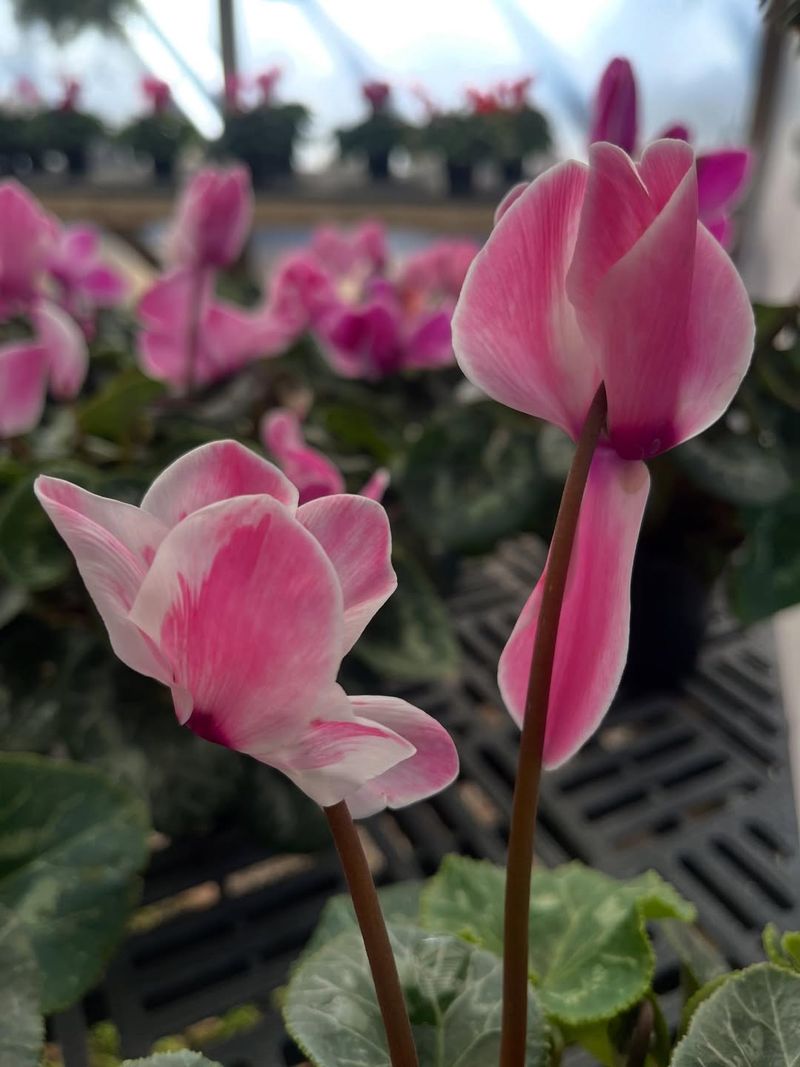
Cyclamen brings an elegant touch to container gardens with upswept petals that look like butterflies hovering above heart-shaped leaves. These plants bloom from fall through spring in Texas, offering long-lasting color during months when many other plants rest.
The flowers come in shades of red, pink, white, and purple, often with darker markings at the base that add depth and interest to each bloom.
Native to Mediterranean regions, cyclamen prefers cooler temperatures and partial shade, making them perfect for covered porches or shaded patios in Texas. The attractive foliage often features silver marbling or patterns that provide interest even between bloom cycles.
Cyclamen grows from tubers and typically reaches 6 to 9 inches tall, creating compact displays that work well in smaller containers.
These plants are somewhat particular about watering, preferring to stay evenly moist but never soggy. Water cyclamen at the soil level rather than from above to prevent crown rot, and make sure containers have excellent drainage.
They appreciate cooler temperatures and may slow blooming if brought indoors to heated rooms. Cyclamen can handle light frosts but should be protected from hard freezes in Texas.
Feed them monthly with a diluted liquid fertilizer during their blooming period. As temperatures warm in late spring, cyclamen naturally goes dormant, at which point you can reduce watering and store the tubers for replanting next fall or simply replace them with warm-season annuals for continuous container color.