7 Common Animals That Damage Oregon Gardens And 3 Tips To Stop Them
Ever spend hours planting seeds or tending to your garden, only to step outside the next morning and find leaves nibbled, flowers knocked over, or tiny tunnels in the soil? It’s frustrating, isn’t it?
In Oregon, our gardens aren’t just battling weeds and weather. They share the space with a surprising variety of animals that love fresh greens just as much as we do.
From sneaky rabbits hopping through your flower beds to persistent voles tunneling under your lawn, these common garden visitors can turn a perfectly planned yard into a little chaos.
The good news is that a few simple strategies can help keep them at bay without turning your garden into a fortress.
By learning which animals are most likely to cause trouble and how they behave, you can protect your plants and still enjoy a lively, natural garden full of life.
Let’s take a look at seven animals that often damage Oregon gardens along with three practical tips to keep them under control.
With a little knowledge and some smart planning, you can enjoy your garden and outsmart these furry and feathered visitors before they make themselves too comfortable.
1. Deer
One morning you walk outside with your coffee and notice the tops of your roses are gone. The tulips you planted last fall have been nipped clean off, and there’s a trail of hoof prints pressed into the soil near your vegetable bed.
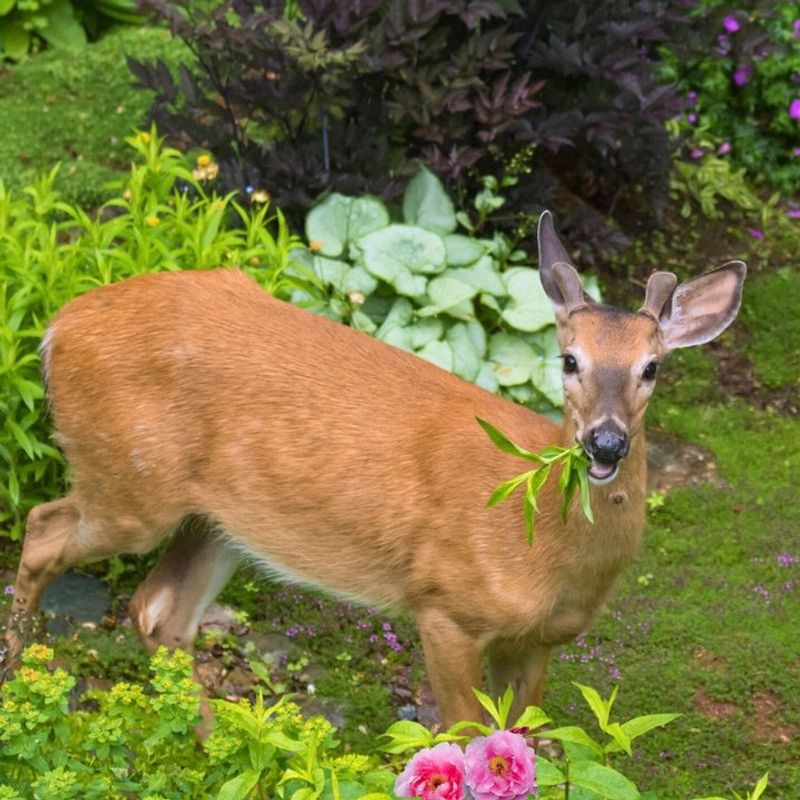
Deer are beautiful to watch from a distance, but they can devastate a garden in a single night, especially during spring and early summer when food is abundant and fawns need extra nutrition.
They prefer tender new growth, which means your young vegetables, fruit trees, and ornamental shrubs are prime targets. In Oregon, blacktail deer and mule deer are the main culprits, and they move through neighborhoods more often than you might expect.
You’ll often see ragged edges on leaves and stems because deer don’t have upper front teeth, so they tear rather than cut.
During dry months or harsh winters, deer become bolder and less picky about what they eat. They’ll munch on plants they’d normally avoid, including some that are labeled deer-resistant.
If you notice browse lines where all the greenery below a certain height is gone, that’s a telltale sign deer have been visiting your yard regularly.
2. Rabbits
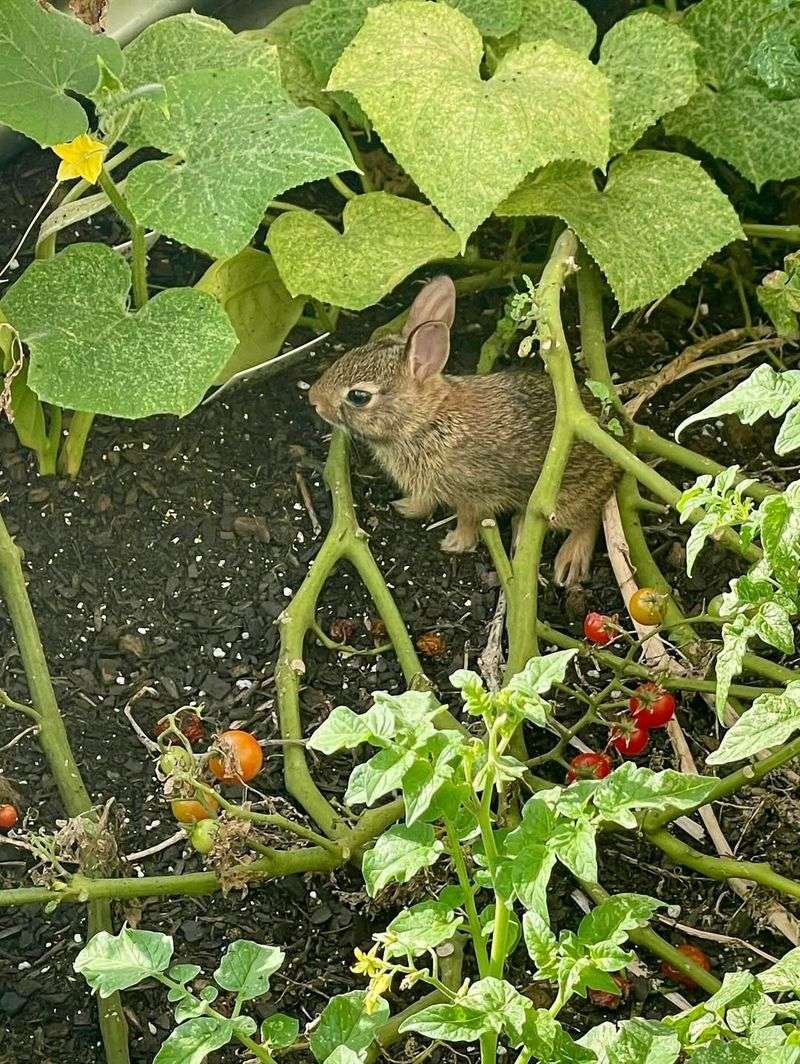
Rabbits are adorable until you find your bean seedlings clipped at the base and your lettuce completely gone.
These small herbivores are active year-round in Oregon, and they reproduce quickly, which means a pair of rabbits can turn into a family of garden raiders in just a few months.
You’ll often spot them at dawn or dusk, hopping along fence lines or hiding under shrubs, waiting for the right moment to snack on your crops.
Their damage is clean and precise because they have sharp front teeth that slice through stems like scissors. Young plants are especially vulnerable, and rabbits will return to the same garden night after night if they find a reliable food source.
Your Oregon Garden Changes Every Week. Your Plan Should Too.
Gardening in Oregon changes quickly throughout the season. Every Friday you’ll receive a simple weekly plan showing exactly what to plant, prune, fertilize, harvest, and protect so you never miss the right timing.
In winter, when fresh greens are scarce, they’ll even gnaw on the bark of young fruit trees and woody stems, which can kill or stunt the plant’s growth.
Eastern cottontails are the most common species in Oregon gardens, and they’re surprisingly bold once they get comfortable.
If you see small, round droppings scattered near your vegetable beds or notice plants cut at a sharp angle close to the ground, rabbits are likely the cause.
3. Voles
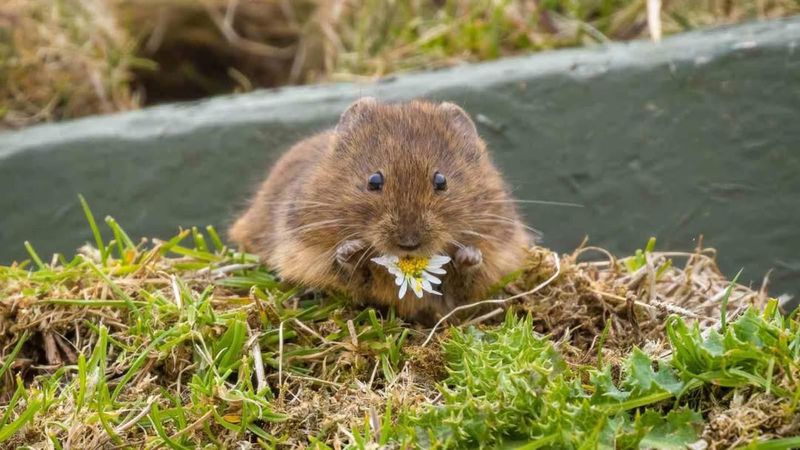
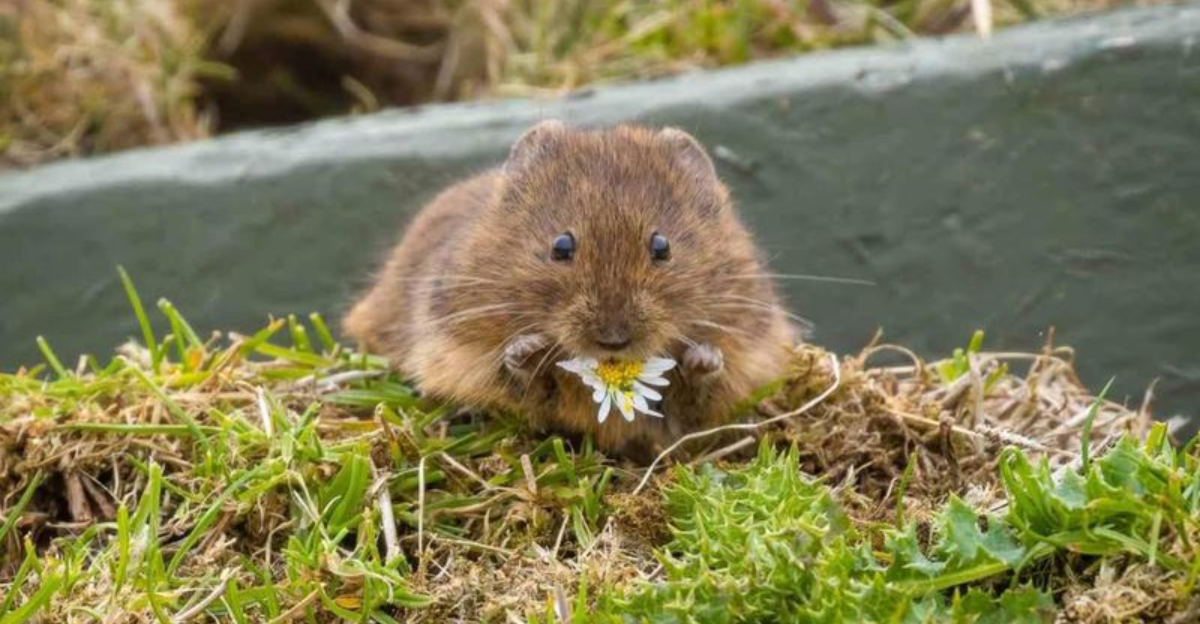
They are often mistaken for mice, and they cause far more damage to gardens and lawns than actual mice. These small rodents have chunky bodies, short tails, and an appetite for roots, bulbs, and bark.
You might not see them often because they spend most of their time in shallow tunnels just below the surface, but the evidence they leave behind is hard to miss.
If your tulip bulbs disappear or your perennials suddenly wilt for no obvious reason, voles are probably feeding underground.
In Oregon, voles are active all year, and their populations can explode during mild, wet winters when conditions are ideal for breeding.
They create runway-like trails through grass and mulch, and if you pull back ground cover, you’ll often find a network of small tunnels leading to feeding areas.
Fruit trees are particularly at risk because voles will girdle the bark at the base, cutting off the tree’s nutrient supply and potentially killing it.
Their damage is sneaky and often goes unnoticed until it’s too late. If you see plants collapsing or notice shallow surface tunnels crisscrossing your garden beds, it’s time to take action against these persistent little diggers.
4. Gophers
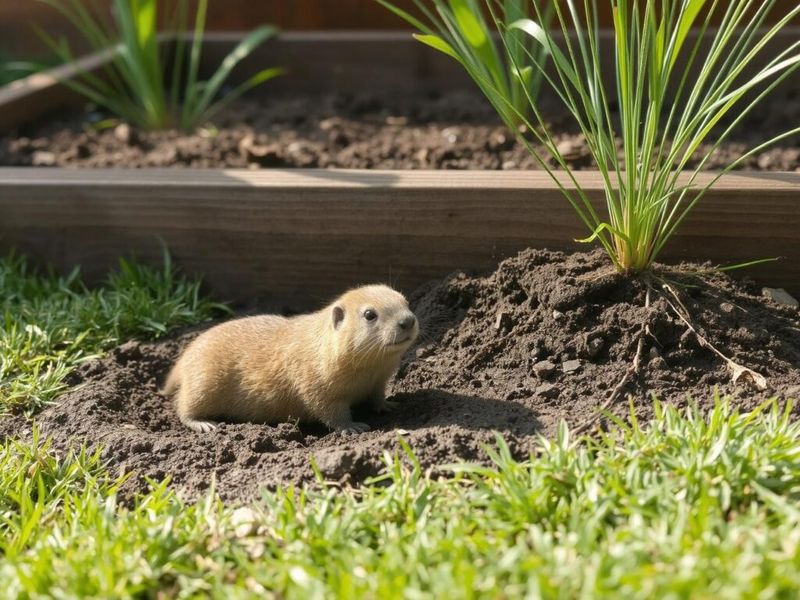
These tiny animals are solitary burrowers that can ruin a garden faster than almost any other pest. Unlike voles, they dig deep, complex tunnel systems and pull entire plants down from below.
One day your carrot greens look healthy, and the next morning they’ve vanished into the soil, leaving behind a small mound of fresh dirt.
These mounds are the most obvious sign of gopher activity, and they tend to appear in clusters across lawns and garden beds.
In Oregon, pocket gophers are the species you’ll encounter most often, and they’re active year-round, though they’re busiest in spring and fall when the soil is moist and easy to dig.
They feed on roots, tubers, and underground stems, and they have a particular fondness for vegetables like potatoes, beets, and carrots.
Ornamental bulbs and the roots of young trees are also at risk.
Gophers work alone, but a single gopher can cover a large area and cause significant damage in a short time.
If you notice fan-shaped dirt mounds or plants that suddenly disappear overnight, you’re dealing with a gopher, and you’ll need to act quickly to protect the rest of your garden.
5. Raccoons
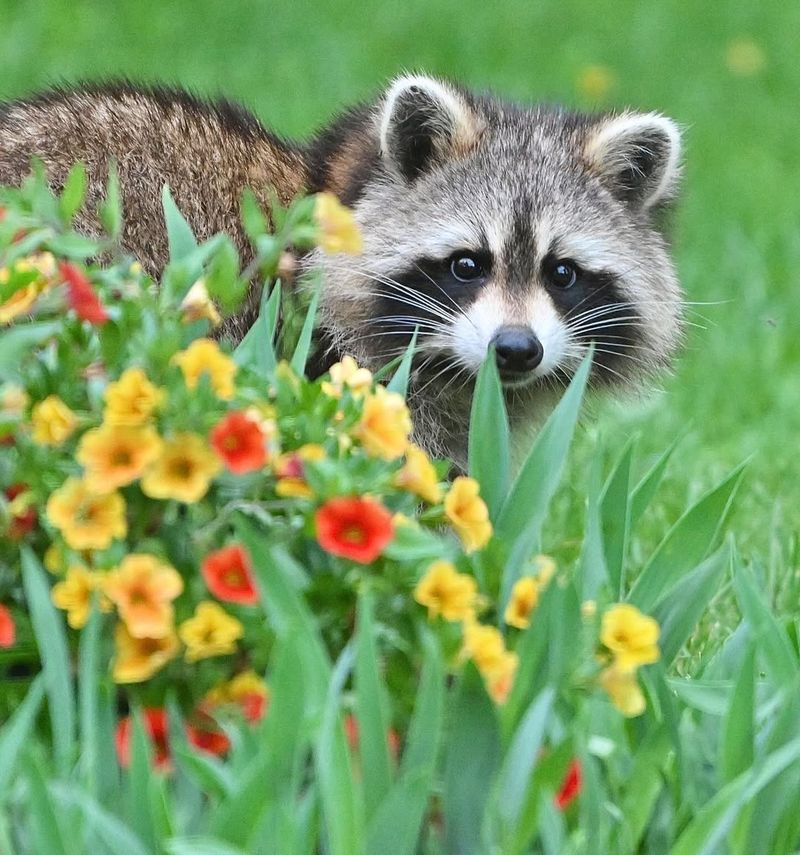
These little night dwellers are intelligent, curious, and surprisingly strong, which makes them one of the most frustrating garden pests in Oregon.
They’re nocturnal, so you rarely catch them in the act, but the mess they leave behind is unmistakable.
If you grow sweet corn, you’ve probably experienced the heartbreak of finding stalks knocked over and ears ripped open just days before harvest.
Raccoons have nimble hands and can peel back husks with ease, taking a few bites from each ear before moving on to the next.
They also dig up lawns in search of grubs and insects, leaving behind patches of torn turf that look like someone took a shovel to your yard.
In addition to corn, raccoons will raid berry bushes, knock over compost bins, and even damage fish ponds if they’re hunting for an easy meal.
Their tracks are easy to identify because they look like tiny human handprints with five distinct fingers.
Raccoons are creatures of habit, so once they find a food source in your garden, they’ll return night after night. If you notice overturned pots, scattered mulch, or partially eaten produce, there’s a good chance a raccoon has been visiting after dark.
6. Birds
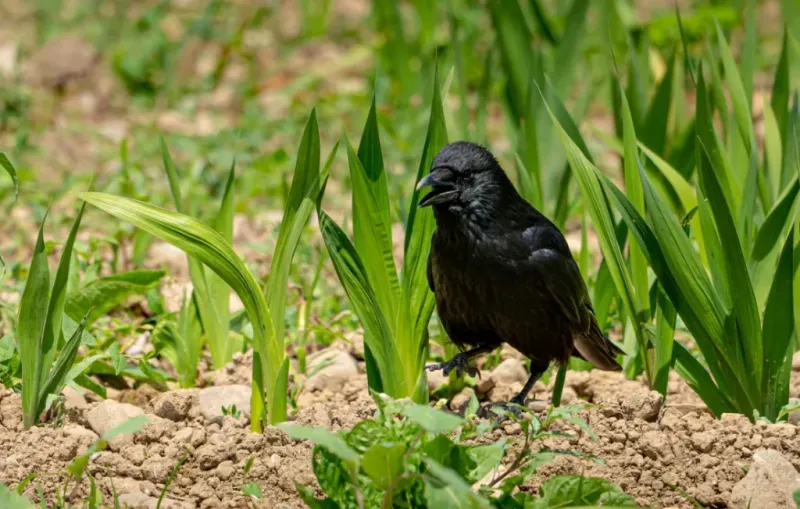
Birds can be wonderful garden visitors, but some species cause more trouble than they’re worth.
Crows, sparrows, and starlings are the main offenders in Oregon gardens, and they have a knack for targeting your crops right when they’re ready to pick.
If you grow berries, you know the frustration of watching birds strip your bushes clean before you get a single handful.
They peck holes in tomatoes, pull up seedlings, and scatter mulch while foraging for insects and seeds.
Crows are particularly bold and will work in groups to raid a garden, using their intelligence to figure out how to get past basic deterrents. Sparrows and starlings tend to travel in flocks, and once they discover a good feeding spot, they’ll return daily.
In spring, birds also dig up freshly planted seeds, especially corn and peas, which can be incredibly discouraging when you’re trying to get your garden started.
You’ll notice their presence by the pecked fruit, scattered soil, and the sound of chirping and flapping early in the morning.
If netting gets pushed aside or scarecrows are ignored, you’re dealing with smart, persistent birds that need more creative solutions to keep them at bay.
7. Squirrels
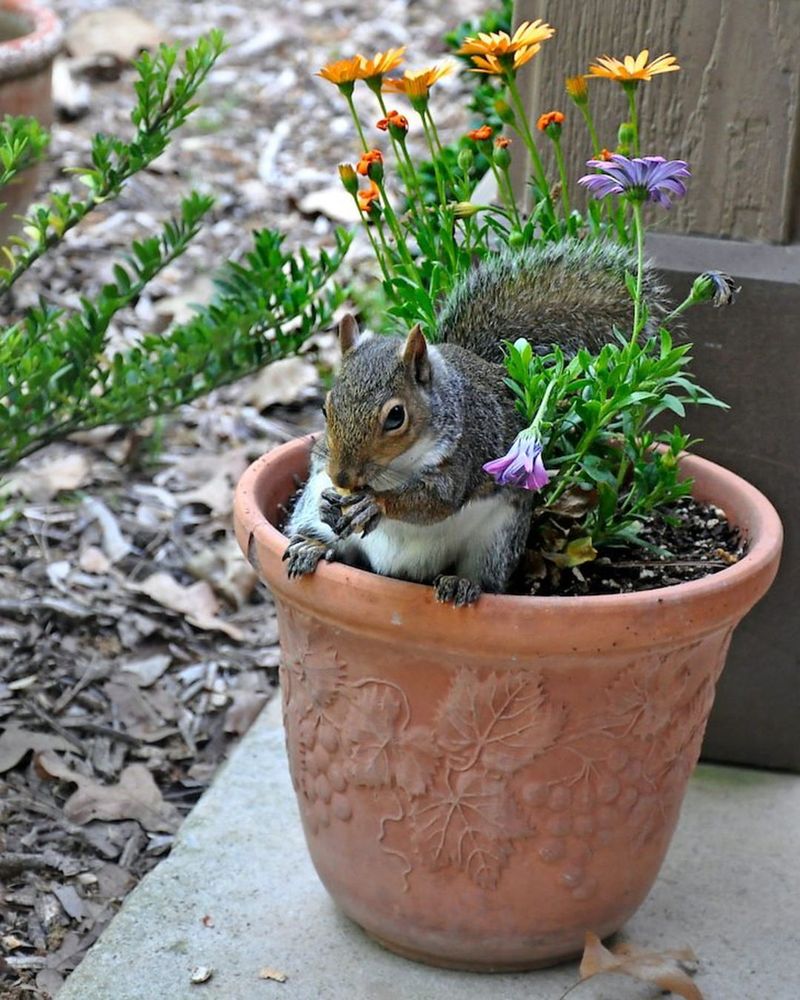
Squirrels are energetic, acrobatic, and endlessly resourceful when it comes to raiding gardens. In Oregon, both eastern gray squirrels and native Douglas squirrels can become a nuisance, especially if you grow fruit, nuts, or bulbs.
They’ll dig up freshly planted bulbs in fall, steal ripening apples and pears, and gnaw on tree bark when they’re bored or building nests.
Their digging leaves small holes all over garden beds, and they often forget where they buried their stashes, which means random sprouting plants in unexpected places.
Squirrels are most active in the morning and late afternoon, and they’re fearless around humans once they realize you’re not a threat. They’ll climb fences, leap from trees, and squeeze through surprisingly small openings to get to food.
If you notice half-eaten fruit on the ground or bite marks on tomatoes and peppers, squirrels are likely the culprits.
They also have a habit of raiding bird feeders, which can draw them closer to your garden and make the problem worse.
If you see squirrels darting around your yard or notice shallow digging near plants, it’s time to put up barriers and rethink how you’re storing birdseed and compost.
8. Physical Barriers
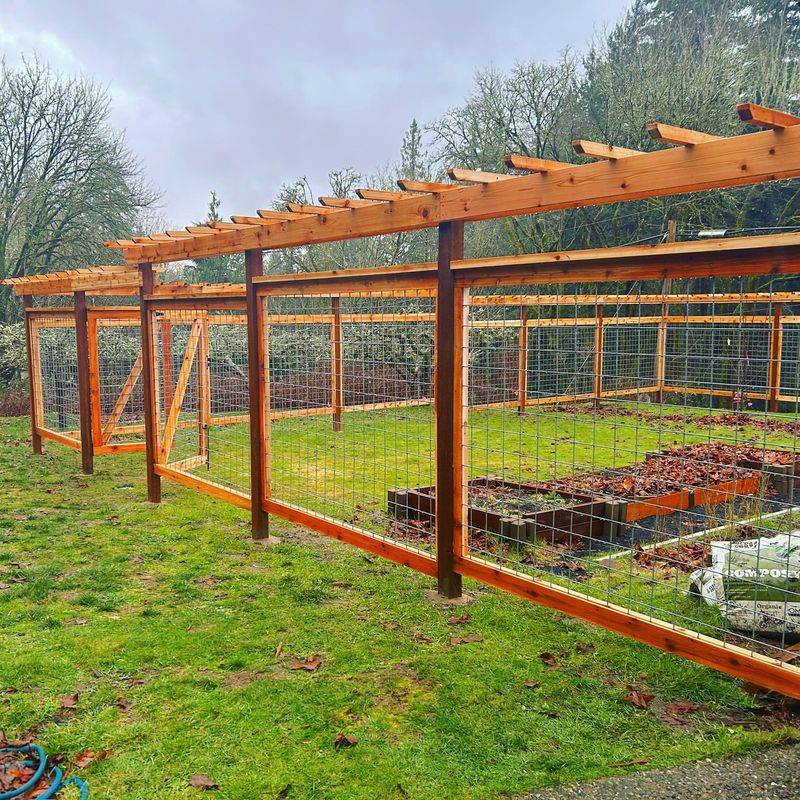
Fences, cages, and row covers are some of the most effective ways to protect your garden from wildlife, and they work immediately without relying on chemicals or constant vigilance.
For deer, a fence needs to be at least seven to eight feet tall because they’re excellent jumpers, or you can install a double fence with two shorter barriers spaced a few feet apart, which confuses their depth perception and discourages them from trying.
Chicken wire or hardware cloth works well for rabbits, voles, and gophers if you bury it at least six inches deep and extend it a foot or more above ground.
Row covers are lightweight fabric barriers that let light and water through while keeping birds, rabbits, and insects away from young plants. They’re especially useful in spring when seedlings are most vulnerable.
For fruit trees and berry bushes, netting draped over a frame can keep birds and squirrels from stealing your harvest, just make sure it’s secured tightly so animals don’t get tangled.
Physical barriers require some upfront effort and cost, but they’re a long-term solution that doesn’t need daily maintenance.
Once they’re in place, you can relax knowing your plants are protected, and you won’t have to chase animals out of your garden every morning.
9. Habitat Management And Plant Choices
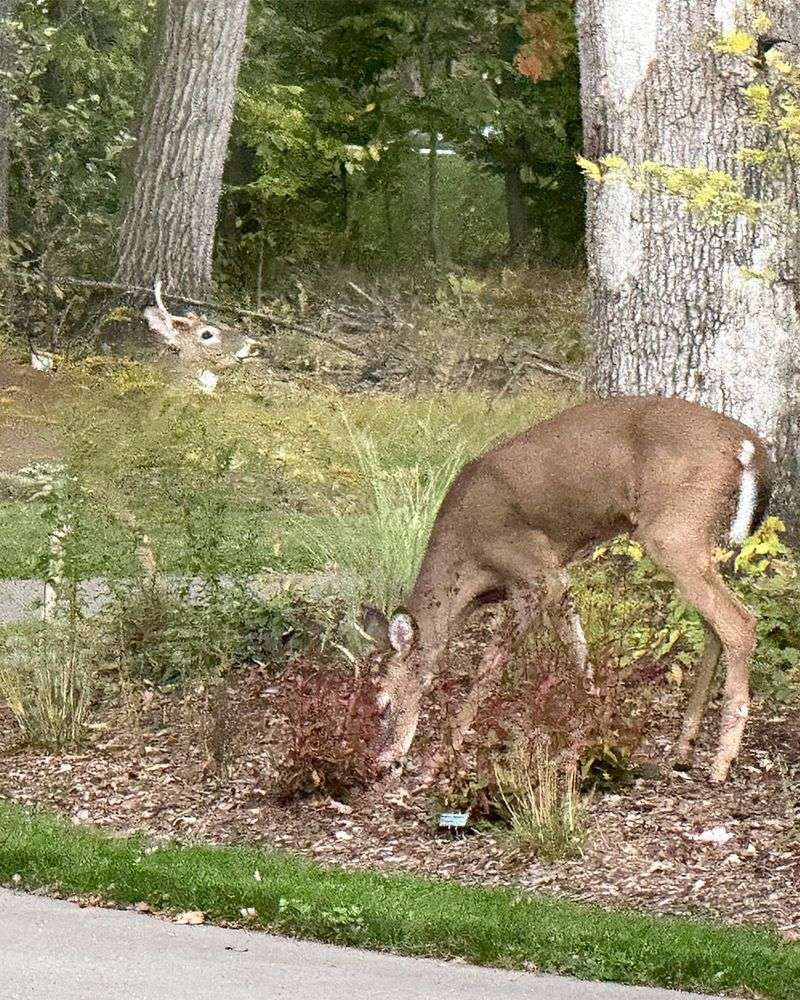
Sometimes the best defense is making your garden less appealing to wildlife in the first place.
Start by removing hiding spots like overgrown shrubs, tall grass, and piles of brush where rabbits, voles, and raccoons like to nest.
Keep your lawn mowed and your garden beds tidy so animals feel more exposed and vulnerable when they venture out. If you compost, use a bin with a secure lid rather than an open pile, which attracts raccoons, squirrels, and rodents looking for an easy meal.
Choosing the right plants can also make a big difference. Deer tend to avoid strongly scented herbs like rosemary, lavender, and sage, as well as plants with fuzzy or prickly leaves.
Rabbits dislike plants with strong odors or bitter flavors, so consider adding more onions, garlic, and ornamental grasses. Raised beds with barriers at the base can deter voles and gophers, and planting in containers keeps roots safe from underground diggers.
Managing habitat doesn’t mean turning your yard into a barren wasteland. It’s about creating a space that’s less inviting to pests while still being beautiful and productive.
Small changes like trimming back cover, securing compost, and choosing resistant plants can reduce wildlife visits without harsh measures.
10. Safe Repellents And Deterrents
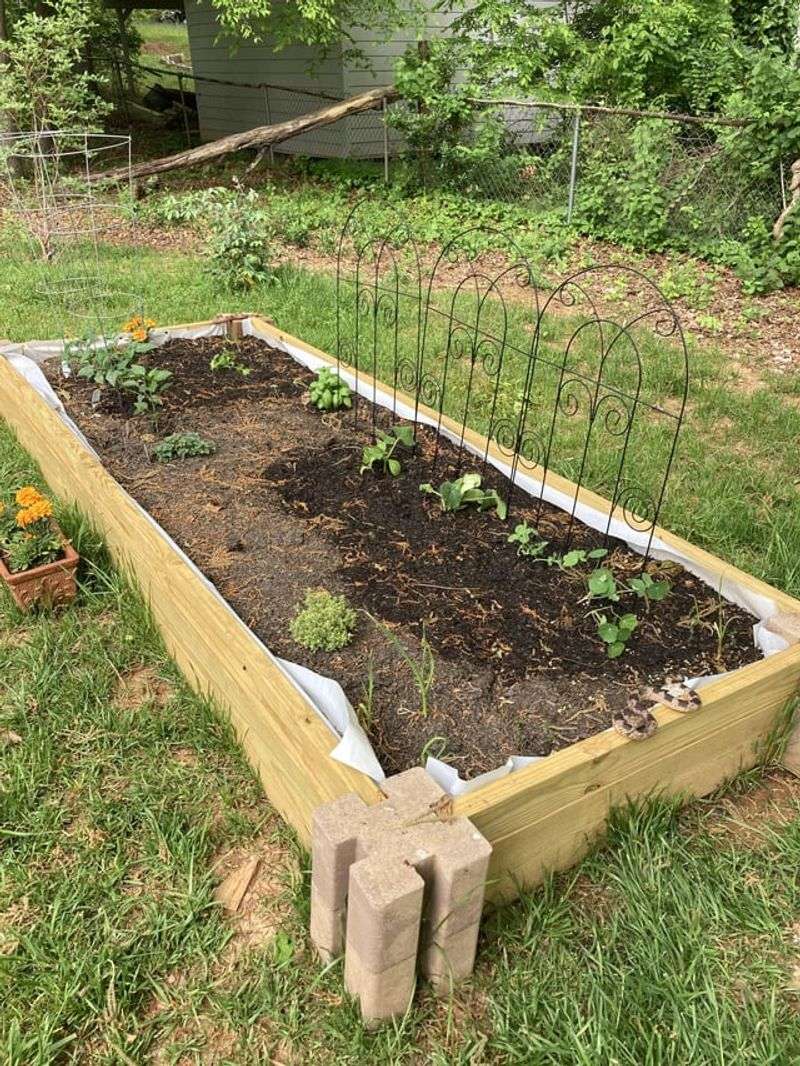
Repellents and deterrents can be effective tools when used correctly, and many are safe for gardens, pets, and wildlife.
Motion-activated sprinklers startle deer, raccoons, and rabbits with a sudden burst of water, and they work day or night without any effort on your part.
The surprise factor is what makes them effective, and most animals learn to avoid the area after a few encounters.
For smaller pests like voles and gophers, castor oil-based repellents can be applied to the soil to make it less appealing, though they need to be reapplied after heavy rain.
Scent-based repellents like predator urine, garlic spray, or commercial deer deterrents can work well if you rotate them regularly so animals don’t get used to the smell.
Some gardeners swear by hanging bars of strongly scented soap or sprinkling human hair around the garden, which can confuse and deter deer and rabbits.
For birds, reflective tape, old CDs, or wind chimes create movement and noise that makes them nervous.
The key to success with repellents is consistency and variety. No single method works forever, so combining deterrents and changing them up every few weeks keeps animals guessing and your garden protected without harming any wildlife in the process.