Stop Doing These 8 Things If You Want Fewer Pests In Your Florida Yard
Florida yards can feel like paradise. The sun warms your skin, flowers bloom in vibrant colors, and the lawn is soft under your feet.
But all that beauty comes with a cost. Mosquitoes buzz in your ears, ants march across the patio, and roaches seem to appear out of nowhere.
You might spend hours tending your garden, watering plants, and keeping everything neat, yet pests still find a way in. It is not about neglect or bad luck.
Often, small everyday habits you do without thinking create perfect conditions for pests to multiply. A forgotten bucket, overwatered plants, or crowded flower beds can turn your yard into a welcoming home for unwanted insects.
The good news is tiny changes can make a big difference. By adjusting how you care for your yard, you can enjoy a more peaceful, pest-free outdoor space throughout the year.
1. Leaving Standing Water Around The Yard
Every homeowner does it without thinking twice. A bucket sits by the hose.
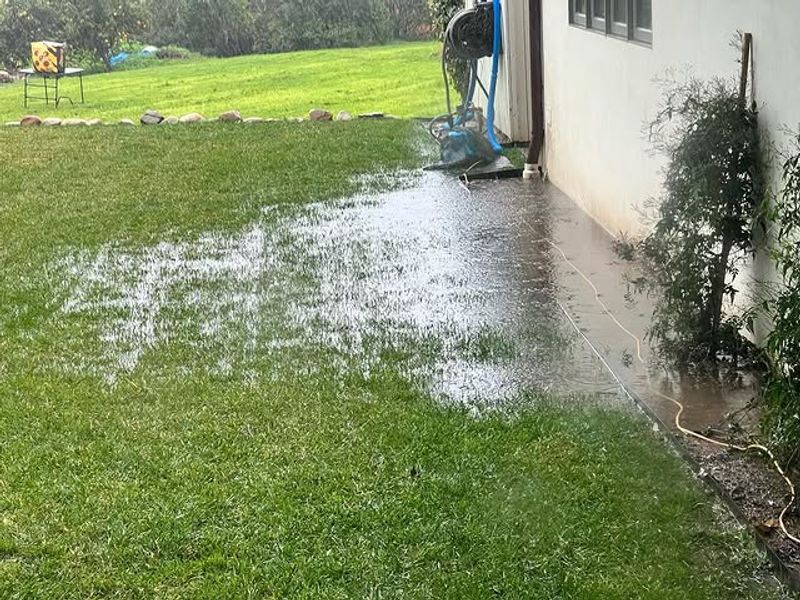
A plant saucer catches extra water. Maybe there’s a shallow spot in the lawn that puddles after every afternoon storm.
None of it seems like a big deal until mosquitoes start breeding by the hundreds.
Florida’s warm climate allows mosquitoes to reproduce year-round in South Florida and much of Central Florida, with population slowdowns during North Florida’s cooler winter months. A single bottle cap of water can produce dozens of larvae in just a few days.
Multiply that by every forgotten container, clogged gutter, or decorative birdbath, and you’ve got a serious problem.
Homeowners who walk their yards weekly and dump anything holding water notice fewer bites almost immediately. It’s not about perfection but consistency.
Check tarps, toys, flowerpot saucers, and low spots where water collects. Drill drainage holes in containers you want to keep outside.
Refresh birdbaths twice a week. The effort is small, but the relief is huge, especially during Florida’s long, humid summers when mosquitoes thrive.
2. Overwatering Plants Without Checking Soil
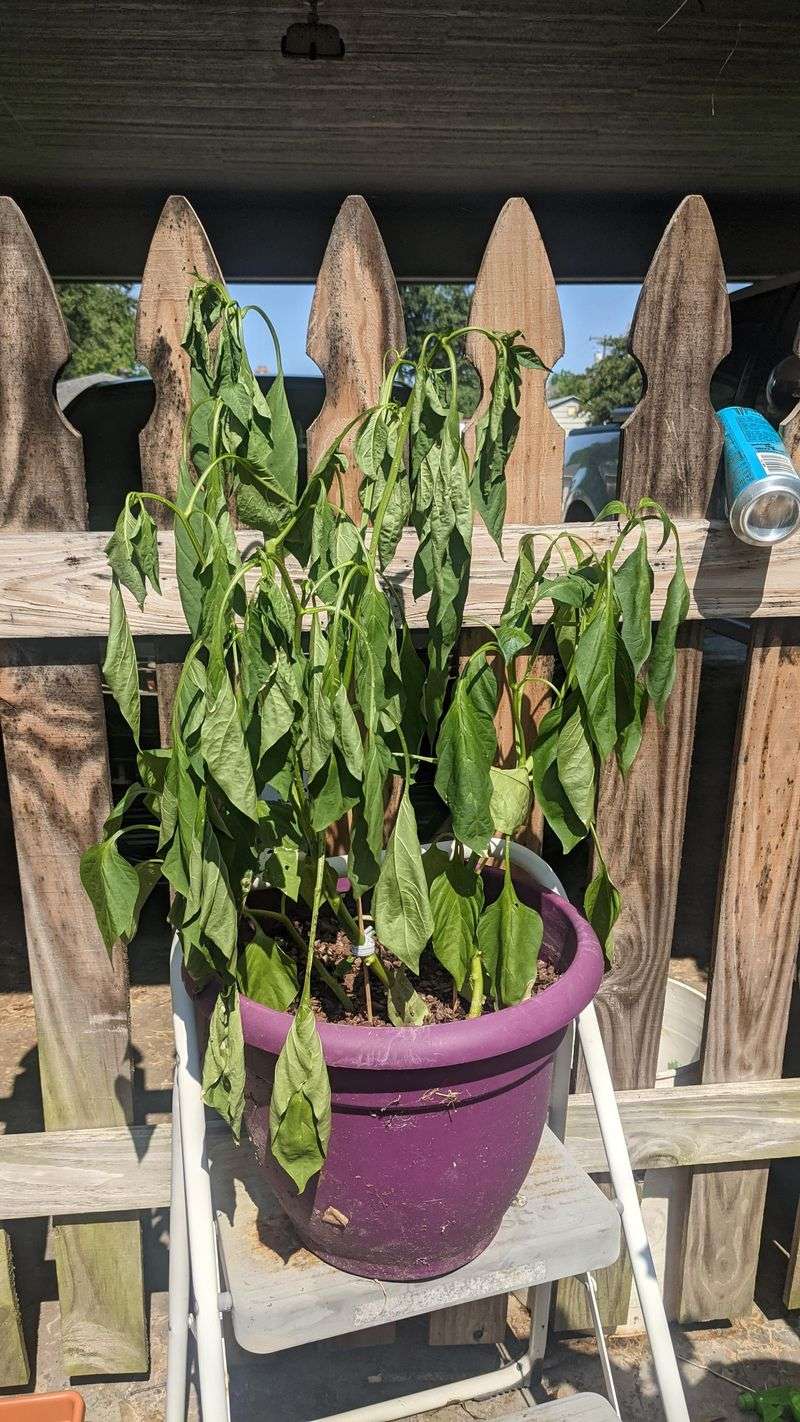
Watering feels like caring for plants, so more must be better, right? Not in Florida.
When soil stays constantly wet, roots struggle to breathe, and fungus gnats, root rot, and even roaches show up looking for damp shelter. Many homeowners set automatic timers and never adjust them, even when summer rains deliver inches of water every afternoon.
In South Florida’s tropical zones, daily watering, especially during rainy periods, can oversaturate soil and harm plant roots. Central Florida gardeners often overcompensate during dry spells, then forget to dial back when the rains return.
North Florida winters bring cooler temperatures that slow evaporation, meaning plants need far less water than they did in July.
Before watering, stick your finger two inches into the soil. If it feels moist, skip the hose.
Mulch helps retain moisture without creating soggy conditions that attract pests. Drip irrigation or soaker hoses deliver water slowly and directly to roots, reducing surface moisture that bugs love.
Gardeners who switch to soil-first watering see fewer gnats hovering around potted plants and notice healthier growth overall.
Your Florida Garden Changes Every Week. Your Plan Should Too.
Gardening in Florida changes quickly throughout the season. Every Friday you’ll receive a simple weekly plan showing exactly what to plant, prune, fertilize, harvest, and protect so you never miss the right timing.
3. Crowding Plants Too Close Together
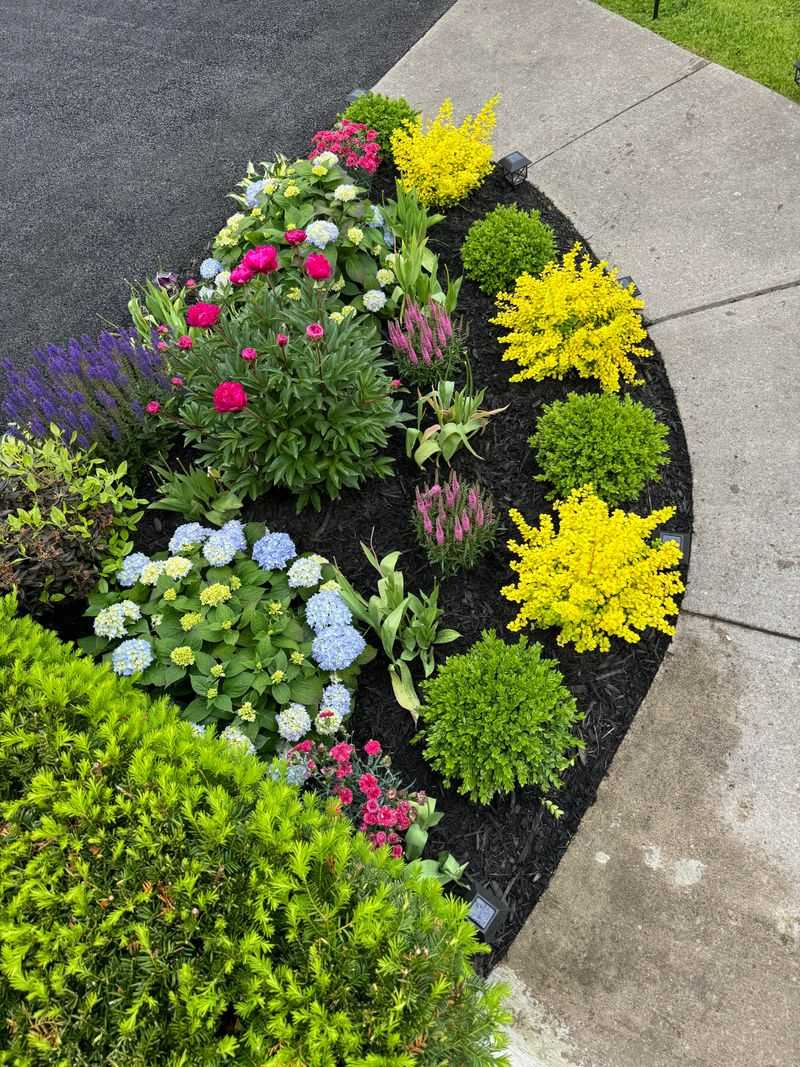
It’s tempting to fill every inch of garden space with color and greenery. Plants look fuller when they’re close, and bare soil feels like wasted opportunity.
But tight spacing creates the perfect environment for aphids, whiteflies, scale, and spider mites to move from leaf to leaf without ever being noticed.
Florida’s humidity makes crowded plantings even riskier. Moisture lingers between leaves, and pests multiply quickly in the warm, still air trapped inside dense foliage.
In South Florida, where bugs never take a break, crowded beds become pest nurseries. Central Florida gardeners see surges during spring and fall.
Even in North Florida, summer heat and humidity can make tightly packed plants more susceptible to pests.
Proper spacing allows air to circulate and leaves to dry after rain or irrigation. Follow the spacing guidelines on plant tags, even if it feels like too much room at first.
The plants will fill in, and you’ll be able to spot pest damage early before it spreads. Thinning overgrown beds might feel drastic, but the payoff is healthier plants and far fewer pest outbreaks throughout the year.
4. Ignoring Airflow In Garden Beds
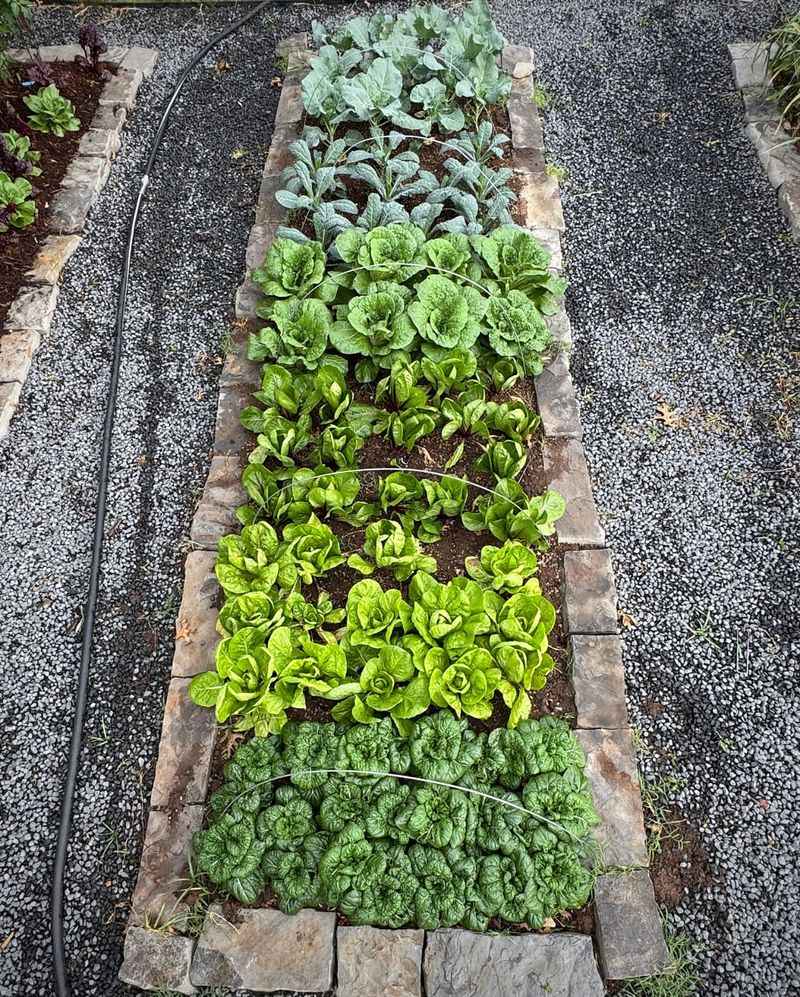
Airflow doesn’t sound exciting, but it’s one of the most underrated tools for keeping pests at bay. When air moves freely through garden beds, leaves dry quickly, fungal diseases struggle to take hold, and many soft-bodied pests like aphids and mealybugs find it harder to settle in and feed.
Florida’s thick, humid air makes airflow even more critical. In South Florida, where moisture hangs heavy all year, stagnant beds become breeding grounds for fungus gnats and other moisture-loving insects.
Central Florida summers bring the same challenges, and even North Florida’s cooler winters can trap dampness in poorly ventilated spaces.
Pruning lower branches, removing spent blooms, and cutting back overgrown shrubs all help air move through plantings. Avoid placing beds against walls or fences where air can’t circulate behind plants.
Raised beds naturally improve airflow, and mulching with coarse materials like pine bark allows air to reach the soil surface. Homeowners who prioritize airflow notice fewer fungal issues, less pest pressure, and plants that bounce back faster after storms or heavy rains.
5. Letting Leaf Litter Pile Up In The Wrong Places
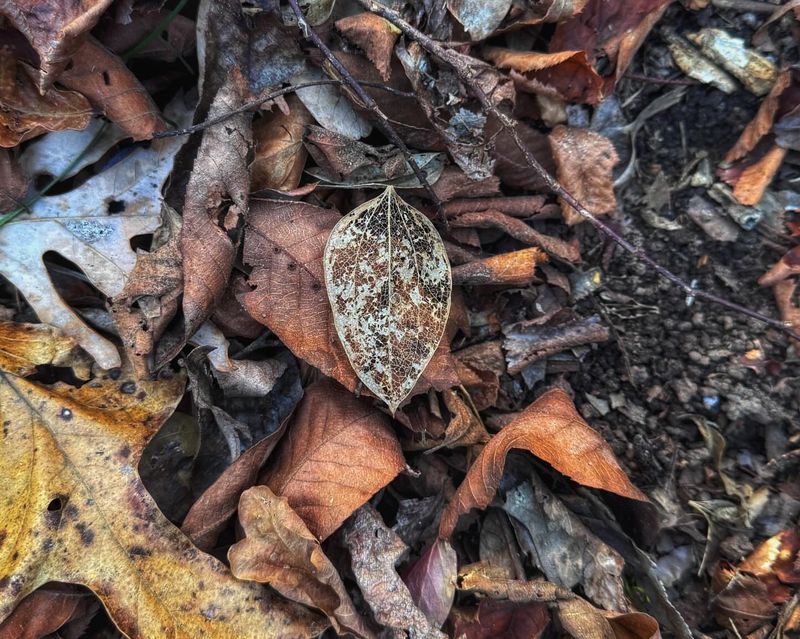
Leaf litter benefits soil health and wildlife when placed away from homes and garden edges. Under trees in natural areas, it breaks down slowly and feeds the ecosystem.
But when it piles up against your house, in gutters, or around garden beds, it becomes a five-star hotel for roaches, ants, spiders, and earwigs.
Florida’s warmth speeds up decomposition, but it also keeps pests active year-round. In South Florida, roaches never slow down, and damp leaf piles near doorways give them easy access indoors.
Central Florida homeowners see the same issues, especially during rainy season. North Florida gets a brief winter break, but spring cleanup often reveals how many pests sheltered in ignored leaf piles all season.
Rake leaves away from foundations, porches, and garden bed edges. Compost them in a bin away from the house, or use them as mulch in designated areas where you want slow decomposition.
Keep gutters clear so water flows freely and doesn’t create damp, leafy clogs. The difference is immediate—fewer bugs near entryways and less chance of pests moving indoors when conditions outside shift.
6. Overusing Lawn Fertilizer
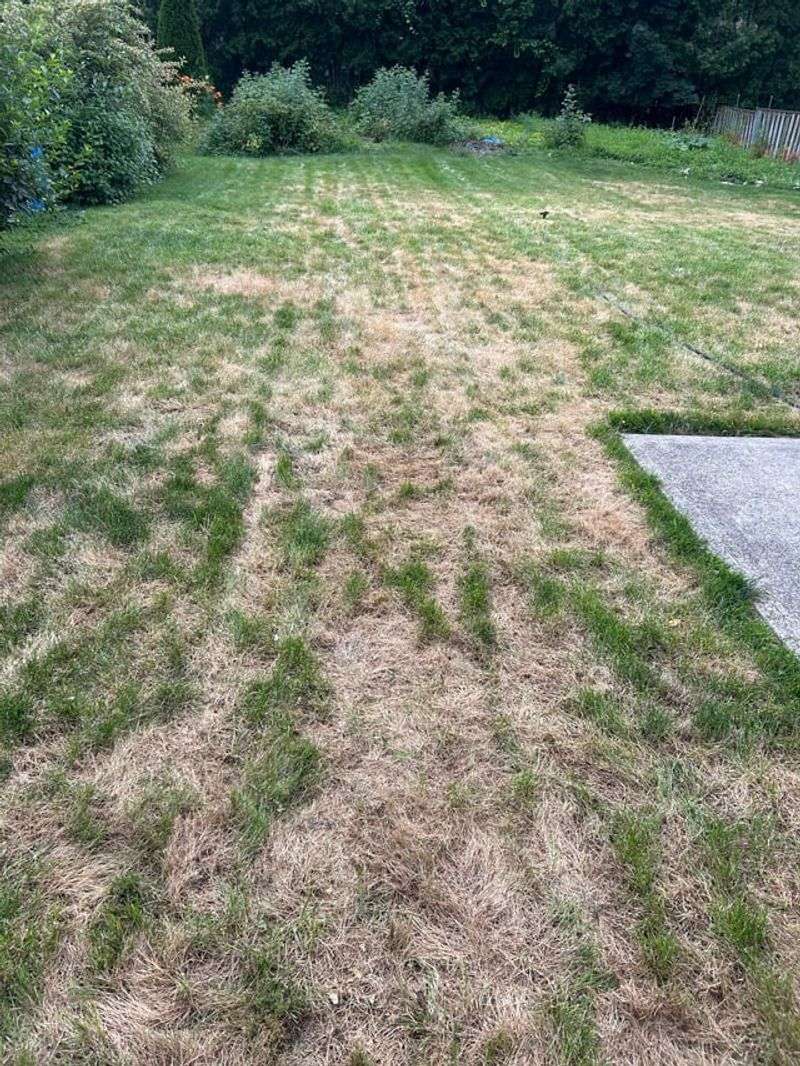
Fertilizer makes grass greener, so it’s easy to assume more is better. But overfertilizing pushes lawns into lush, rapid growth that attracts chinch bugs, sod webworms, and armyworms.
Soft, nitrogen-rich blades are like candy to these pests, and they show up fast when lawns grow too quickly.
Florida’s sandy soils drain quickly, and excess fertilizer often washes into waterways, feeding algae blooms while leaving lawns vulnerable. In South Florida, year-round growing means pests can capitalize on overfed grass every month.
Central Florida lawns see surges in spring and summer. North Florida’s cooler winters slow growth, but spring overfertilizing invites trouble as temperatures rise.
Follow University of Florida IFAS guidelines for fertilizer rates and timing. Test your soil to see what nutrients are actually needed rather than guessing.
Slow-release fertilizers feed grass steadily without causing growth spurts. Water fertilizer in lightly to reduce runoff.
Homeowners who fertilize less frequently and more carefully see healthier lawns with fewer pest invasions, less mowing, and better drought tolerance overall.
7. Keeping Outdoor Lights Too Bright At Night
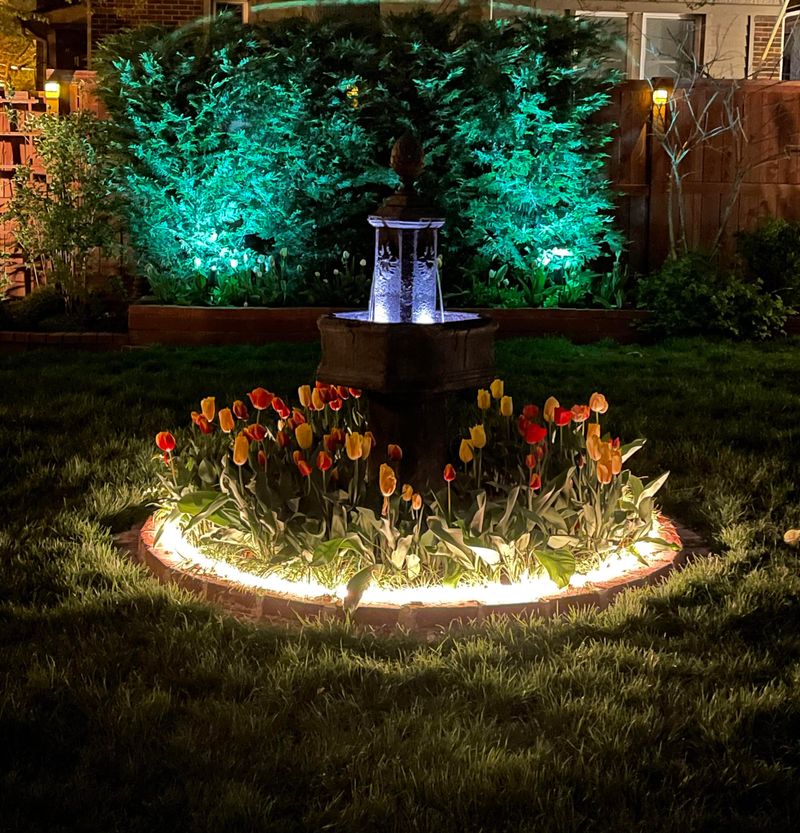
Bright outdoor lights make yards feel safer, but they also attract moths, beetles, palmetto bugs, and other night-flying insects. Yellow or amber LED bulbs are less attractive, and motion sensors can further reduce insect gatherings.
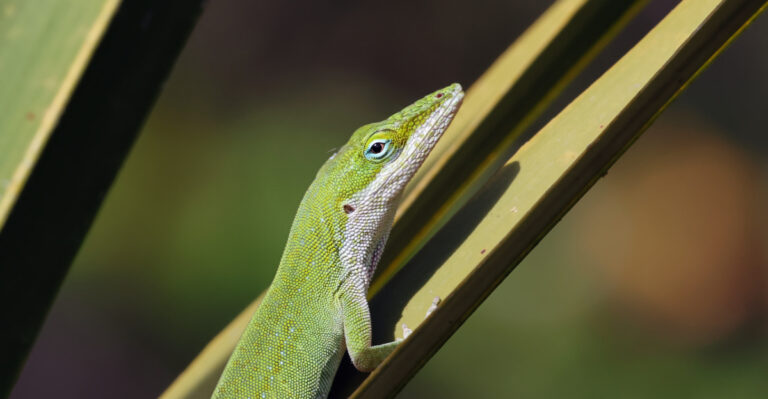
Once bugs gather near lights, spiders follow to build webs, and geckos show up to hunt. Before long, your porch becomes a miniature ecosystem you didn’t ask for.
Florida’s warm nights mean insect activity stays high year-round in South Florida and most of Central Florida. North Florida sees a seasonal dip, but summer evenings still bring swarms to bright lights.
The brighter and whiter the bulb, the more attractive it is to bugs.
Switch to yellow or amber LED bulbs, which are far less attractive to insects. Motion-sensor lights reduce the hours bugs have to gather.
Place lights away from doors and windows when possible, so insects congregate somewhere other than your entryway. Dimmer settings help too.
Homeowners who make these changes notice fewer bugs on screens, cleaner porches, and less need to sweep up insect debris every morning. It’s a simple shift with a surprisingly big impact on overall pest pressure around the house.
8. Ignoring Small Pest Problems Early
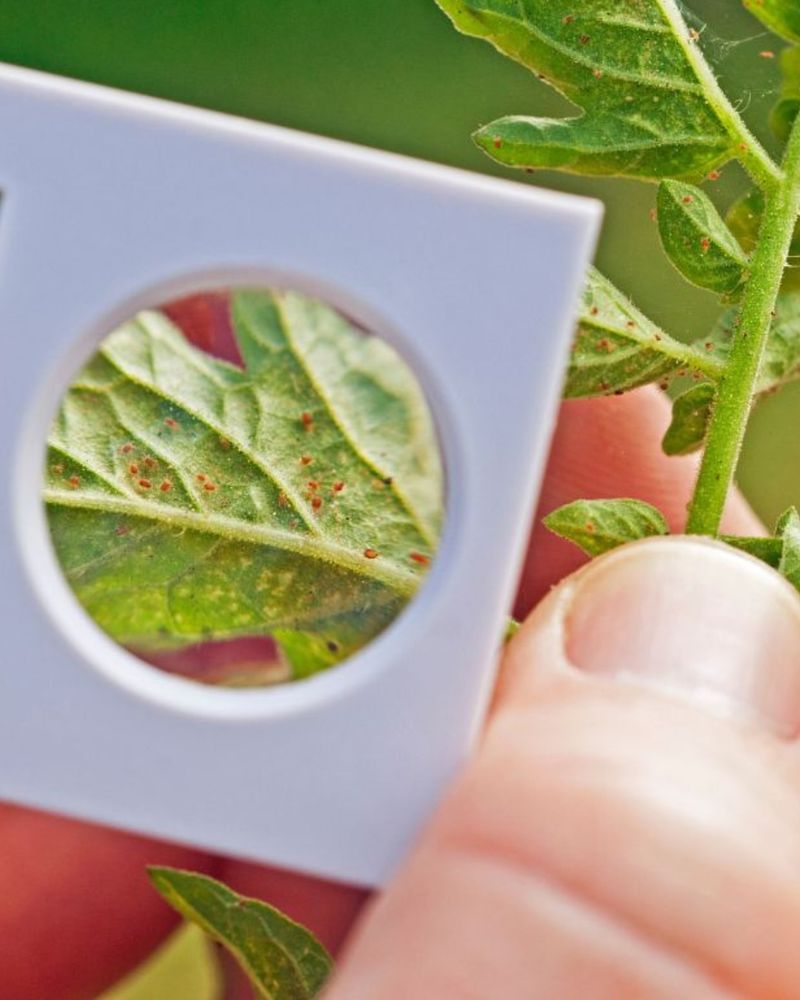
A few aphids on a hibiscus or a small line of ants near the patio doesn’t seem worth worrying about. But in Florida’s warm climate, small pest problems explode into big ones faster than almost anywhere else.
What starts as a handful of bugs can become a full infestation in days, especially during summer heat.
South Florida’s year-round warmth means pests never pause to regroup. Central Florida offers brief slowdowns, but spring and fall bring rapid population booms.
North Florida winters provide a real break, but ignoring early signs in spring leads to summer struggles.
Check plants weekly for discolored leaves, sticky residue, or visible insects. Wipe off aphids with a damp cloth or spray them off with water.
Trim damaged foliage. Follow ant trails to find where they’re entering and seal gaps.
Small interventions early prevent the need for bigger measures later. University of Florida IFAS Extension recommends integrated pest management, which starts with monitoring and early action.
Homeowners who stay ahead of problems spend less time, money, and effort managing pests overall, and their yards stay healthier and more enjoyable all year long.