8 Ways Florida Gardeners Prepare Yards For Hurricane Season
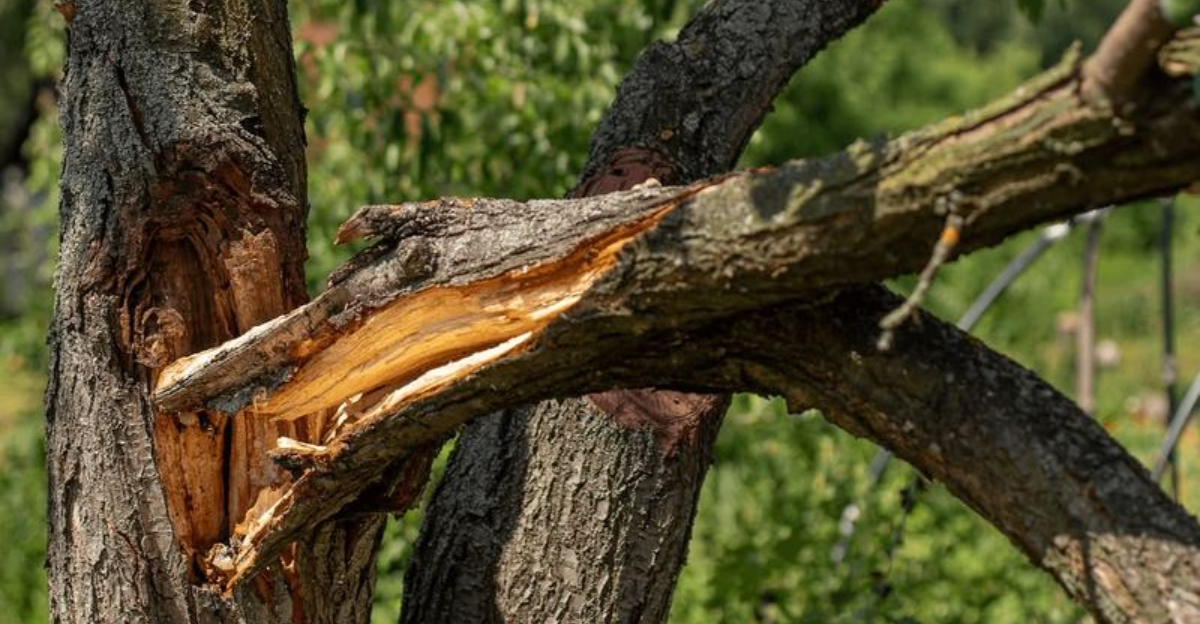
Hurricane season in Florida is not just something that happens on the weather channel. You feel it when afternoon storms start rolling in faster, when the air gets heavier, and when neighbors begin tying down patio furniture or trimming trees before the first named storm shows up on the map.
For many homeowners, the yard becomes the first line of defense. Loose branches, clogged drains, and unsecured pots can turn a peaceful landscape into a cleanup nightmare after just one strong system passes through.
The good news is that small changes made early can make a big difference when wind and rain arrive. A little preparation now can help protect your home, reduce damage, and save time and money once the skies finally clear.
These practical steps reflect what experienced Florida gardeners and storm-season veterans do every year to keep their outdoor spaces safer, stronger, and easier to recover after hurricane weather moves on.
1. Prune Weak Or Damaged Branches
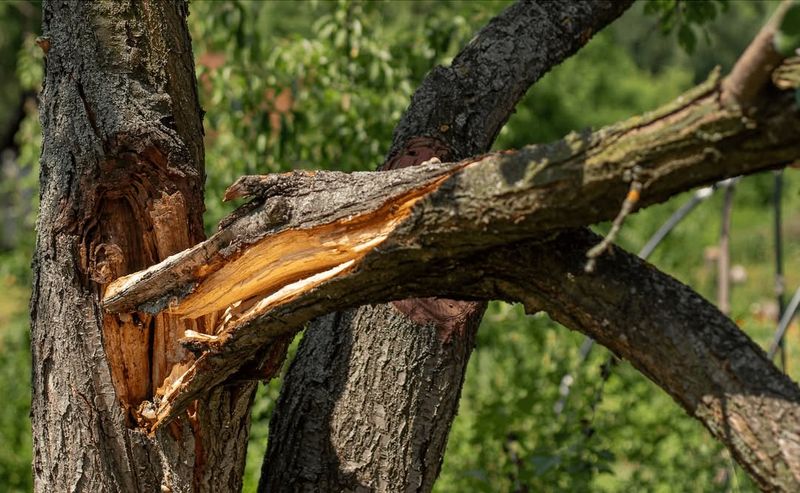
Walking through neighborhoods before storm season, you notice experienced gardeners standing beneath their oak and maple trees, looking upward with pruning saws in hand.
Branches damaged by storms, age, or disease sometimes develop cracks or weak attachment points that become obvious hazards when tropical winds arrive.
Removing these vulnerable limbs before June keeps them from crashing through roofs or landing on cars during the next named storm.
Tropical storm–force winds above 39 miles per hour can cause weak or damaged branches to break and become dangerous debris that damages nearby structures.
North Florida sees more hardwood canopy challenges, while Central Florida deals with sudden afternoon thunderstorms that test branch strength long before hurricanes form.
South Florida coastal areas face salt exposure that weakens wood over time, making regular inspection even more important.
Focus on branches crossing power lines, rubbing against each other, or hanging over structures you want to protect. Clean cuts heal faster and reduce disease risk, which matters because stressed trees become weaker with each storm season.
Your local county extension office offers workshops on proper pruning techniques that align with Florida-Friendly Landscaping standards, helping you make cuts that strengthen trees rather than harm them during preparation work.
2. Secure Loose Garden Items
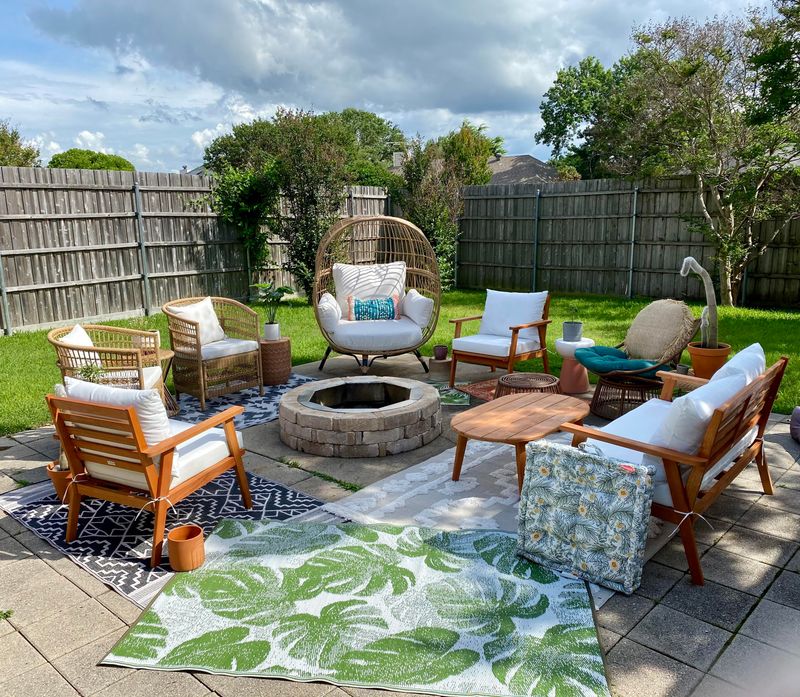
Garden centers and hardware stores see a familiar pattern every May when customers rush in looking for straps, anchors, and storage bins to secure everything sitting loose in their yards.
Decorative pots, lawn furniture, bird feeders, and garden tools become dangerous when hurricane-force winds turn them into flying objects.
What looks charming on your patio during calm weather transforms into a threat when sustained winds reach tropical storm strength.
Central Florida experiences sudden wind gusts during severe thunderstorms that offer preview warnings of what hurricanes bring, while South Florida coastal communities know that even tropical depressions generate enough wind to send lightweight items airborne.
North Florida homeowners sometimes underestimate inland wind events that accompany hurricanes making landfall hundreds of miles away.
Your preparation checklist should include moving everything portable into your garage, shed, or home interior before watches become warnings.
Your Florida Garden Changes Every Week. Your Plan Should Too.
Gardening in Florida changes quickly throughout the season. Every Friday you’ll receive a simple weekly plan showing exactly what to plant, prune, fertilize, harvest, and protect so you never miss the right timing.
Heavier items like concrete planters or metal benches might seem stable but can still shift or tip during sustained winds combined with saturated soil conditions. Anchor what you cannot move, and photograph your yard layout so reassembly after the storm becomes easier when you are tired and eager to restore normalcy to your outdoor spaces.
3. Check Tree Stability
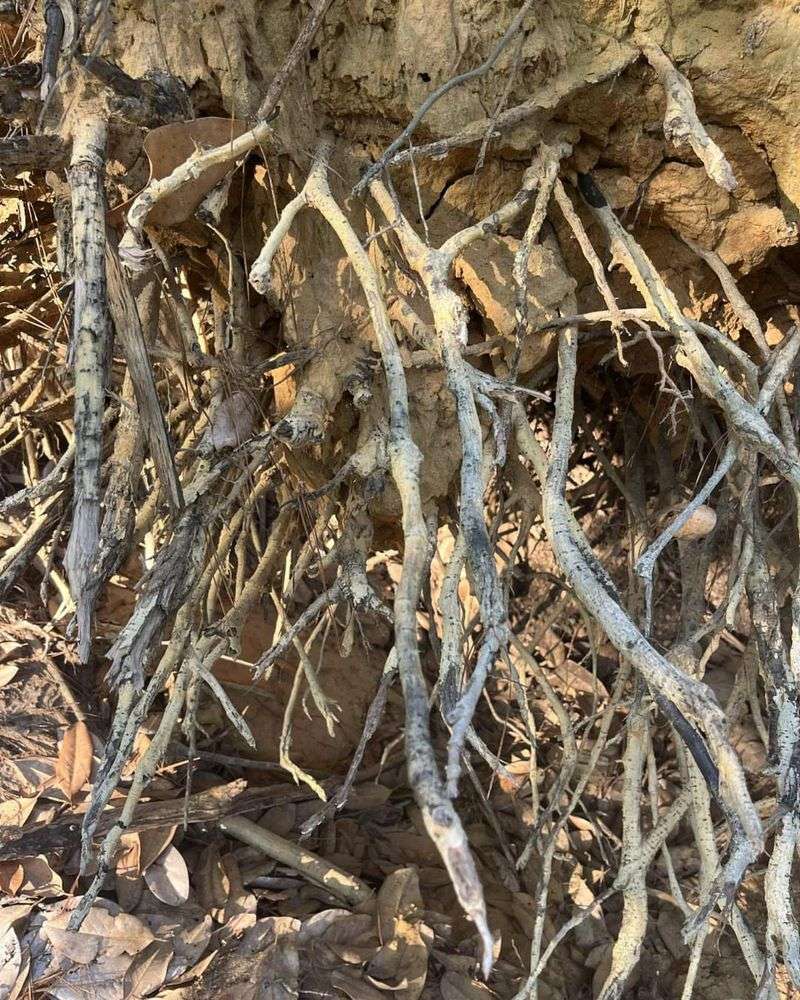
Mature trees add beauty and shade to Florida properties, but their root systems tell the real story about whether they will stand firm during hurricane winds or topple onto structures.
Leaning trunks, exposed roots, fungal growth near the base, and soil cracks around the root zone all signal stability problems that need professional evaluation before storm season arrives.
Catching these warning signs early gives you time to decide whether a tree needs cabling, bracing, or removal.
Sandy soils common throughout Florida provide less anchoring strength than clay-based soils found in other regions, making root health especially critical for storm survival.
South Florida deals with shallow water tables that limit root depth, while Central Florida properties often have trees planted too close to homes during construction.
North Florida sees more hardwood species with extensive root systems, but soil saturation from heavy rainfall still reduces stability when winds arrive.
Walk around each large tree on your property and look for mushrooms growing near the trunk, which indicate internal decay that compromises strength. Push against the trunk to feel for movement in the root ball, and check whether recent construction or landscaping damaged roots.
Certified arborists use specialized tools to assess internal tree health and provide recommendations that protect your investment and your safety during hurricane season.
4. Clear Drainage Areas
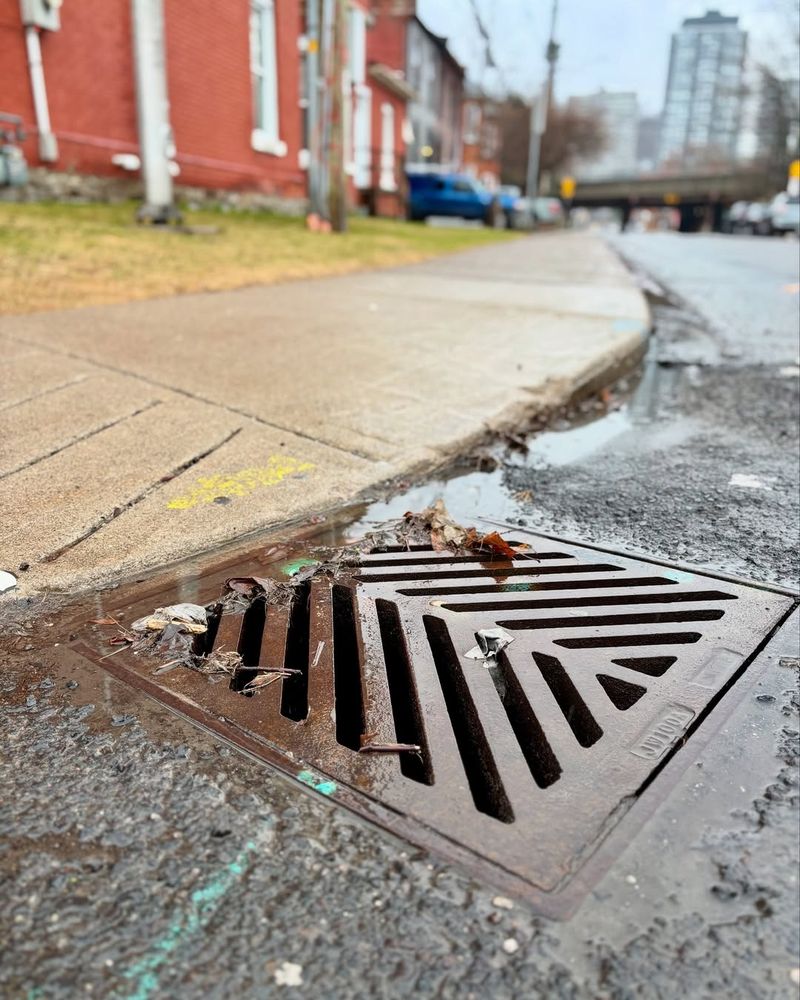
Standing water after summer thunderstorms shows you exactly where drainage problems exist on your property, giving you advance warning about areas that will flood during hurricane rainfall.
Clogged gutters, blocked swales, debris-filled storm drains, and compacted soil all contribute to water pooling where you want it to flow away from foundations and landscape beds.
Fixing these issues before hurricane season prevents minor drainage annoyances from becoming major flooding disasters.
Central Florida receives heavy seasonal rainfall during summer months, making proper drainage management essential even outside of hurricane events. South Florida properties often sit just feet above sea level, where poor drainage combines with storm surge to create compound flooding risks.
North Florida sees flash flooding during intense rainfall bands that accompany hurricanes, especially in areas with clay soils that absorb water slowly.
Walk your property after a heavy rain and note where puddles persist longer than a few hours, then trace the water flow to identify blockages or grading problems.
Clean debris from downspout outlets, french drains, and retention areas so water can move freely during intense rainfall events that can deliver several inches of rain in a short period of time.
Your county stormwater department can help identify whether problems originate on your property or involve shared drainage systems requiring neighborhood coordination.
5. Trim Palm Fronds Properly
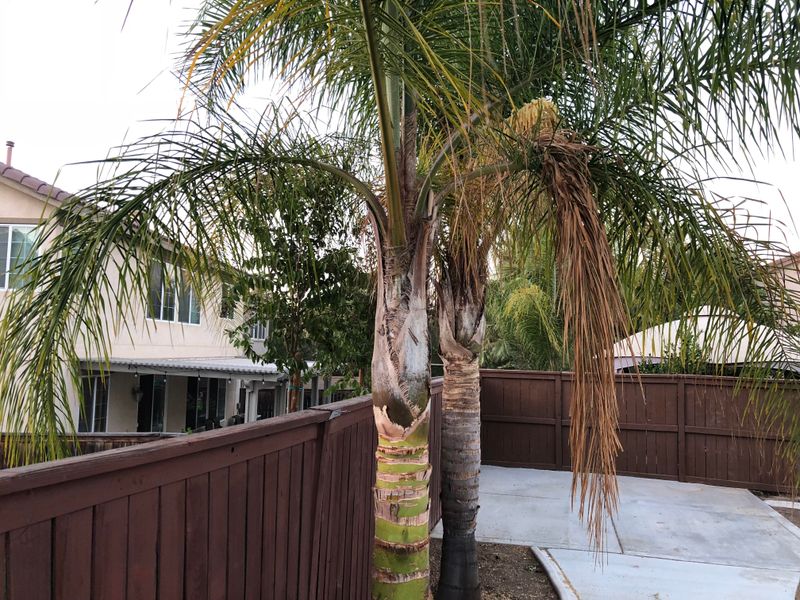
Palm trees define Florida landscapes, but improper frond removal weakens these iconic plants and creates hazards during hurricane winds.
You see overzealous trimming throughout neighborhoods where homeowners remove all but the newest fronds, creating what arborists call hurricane cuts that actually reduce wind resistance and stress the tree.
Healthy palms need their full canopy of green fronds to produce energy and maintain structural strength when storms arrive.
South Florida properties often feature multiple palm species that each require different maintenance approaches, while Central Florida deals with cold-damaged fronds that need removal before hurricane season begins. North Florida homeowners sometimes assume palms need aggressive pruning because they see it done incorrectly throughout their communities.
University of Florida Extension research shows palms should not be aggressively pruned before storms, and that removing only completely damaged or brown fronds is recommended.
Over-pruning green fronds weakens palms, reduces stored energy, and does not improve hurricane wind resistance.
Only fully withered fronds hanging beneath the canopy should be removed before storms. Healthy green fronds help stabilize the crown and should be left in place unless they pose an immediate safety hazard.
Avoid cutting green fronds unless they block walkways or hang dangerously low, and never remove fronds growing horizontally or upward from the crown.
Your palms will look healthier, resist wind damage better, and recover faster after storms when you follow proper trimming guidelines recommended by Florida extension agents.
6. Mulch Beds To Prevent Erosion
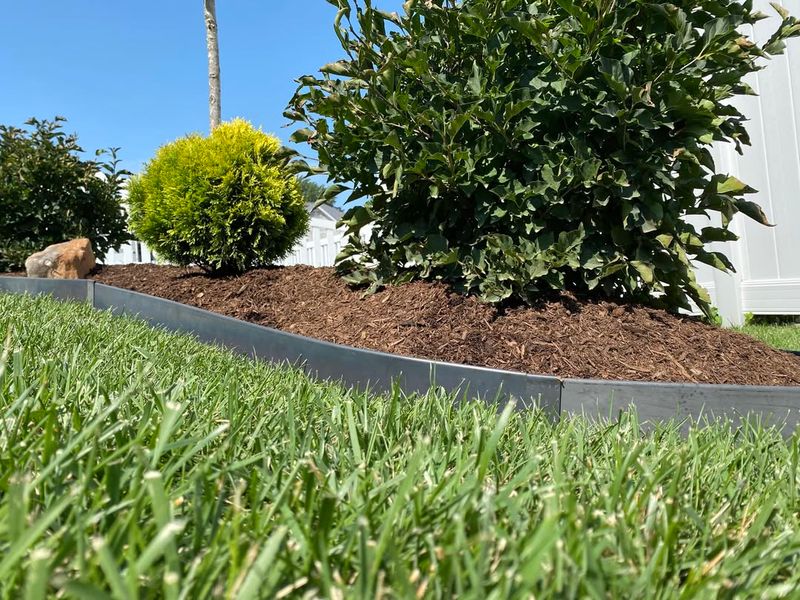
Bare soil exposed to hurricane rainfall washes away quickly, carrying nutrients and sediment into storm drains while leaving plant roots vulnerable to damage. Fresh mulch can help reduce erosion by absorbing rainfall impact and slowing runoff, but lightweight mulch can shift or blow away in strong winds.
Heavier, well-settled mulch performs best when used for hurricane preparation.
Your mulched beds recover faster after storms because plants retain the soil structure and organic matter they need for healthy growth.
Central Florida properties with sloped yards face especially high erosion risk during intense rainfall that often accompanies tropical systems, while South Florida sandy soils wash away easily without protective covering.
North Florida sees erosion problems around tree roots and foundation plantings where runoff concentrates during storms.
A two- to three-inch layer of quality mulch reduces erosion by breaking raindrop impact and creating friction that slows water flow across your landscape beds.
Pine bark and hardwood mulches tend to stay in place better than fine or shredded mulch during heavy rain. Regardless of type, mulch should be applied early so it has time to settle before hurricane season begins.
Apply mulch several weeks before hurricane season so it settles and interlocks naturally, creating better erosion resistance than freshly spread material.
Keep mulch a few inches away from plant stems and tree trunks to prevent moisture-related diseases that develop when organic material stays constantly wet against bark.
7. Move Containers To Sheltered Areas
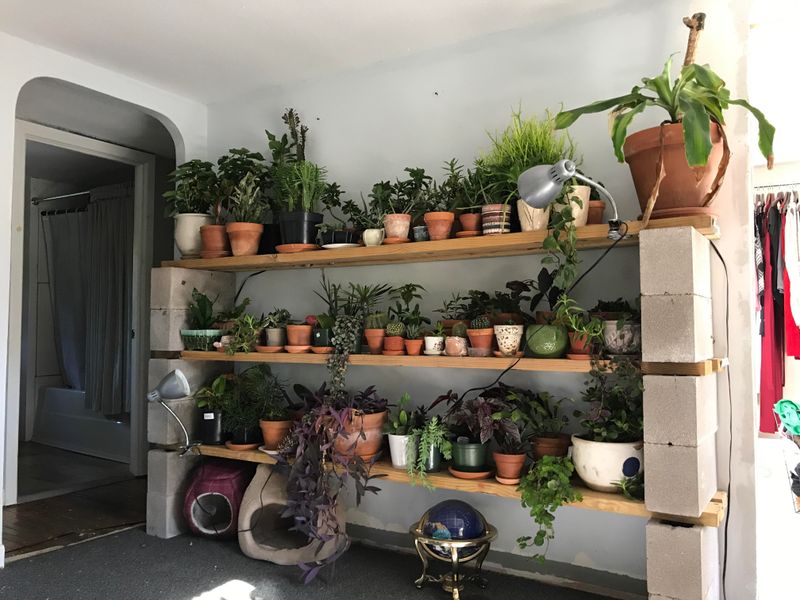
Container gardens bring flexibility and beauty to Florida landscapes, but their portability becomes a liability when hurricane warnings arrive and you need to protect both plants and property from wind damage.
Heavy ceramic pots, lightweight resin planters, and hanging baskets all need relocation to garages, covered patios, or indoor spaces where wind cannot turn them into projectiles.
Your careful placement during calm weather requires equally careful removal before storms threaten your community.
South Florida balconies and patios often feature extensive container collections that require systematic removal plans when tropical systems approach, while Central Florida screened enclosures provide some protection but not enough during direct hurricane strikes.
North Florida homeowners sometimes assume their inland location means containers can stay outside, but wind gusts from distant hurricanes still reach speeds that topple and damage unsecured pots.
Grouping containers by size and weight helps you prioritize which ones to move first when preparation time becomes limited.
Photograph your container arrangements before moving them so you can recreate your design after the storm passes and normal life resumes. Empty saucers and trays to prevent mosquito breeding in standing water that accumulates during the humid days following hurricanes.
Your plants will appreciate the temporary relocation because sheltered areas protect them from salt spray, wind damage, and the stress that comes from being tossed around during sustained tropical weather.
8. Inspect Fences And Garden Structures
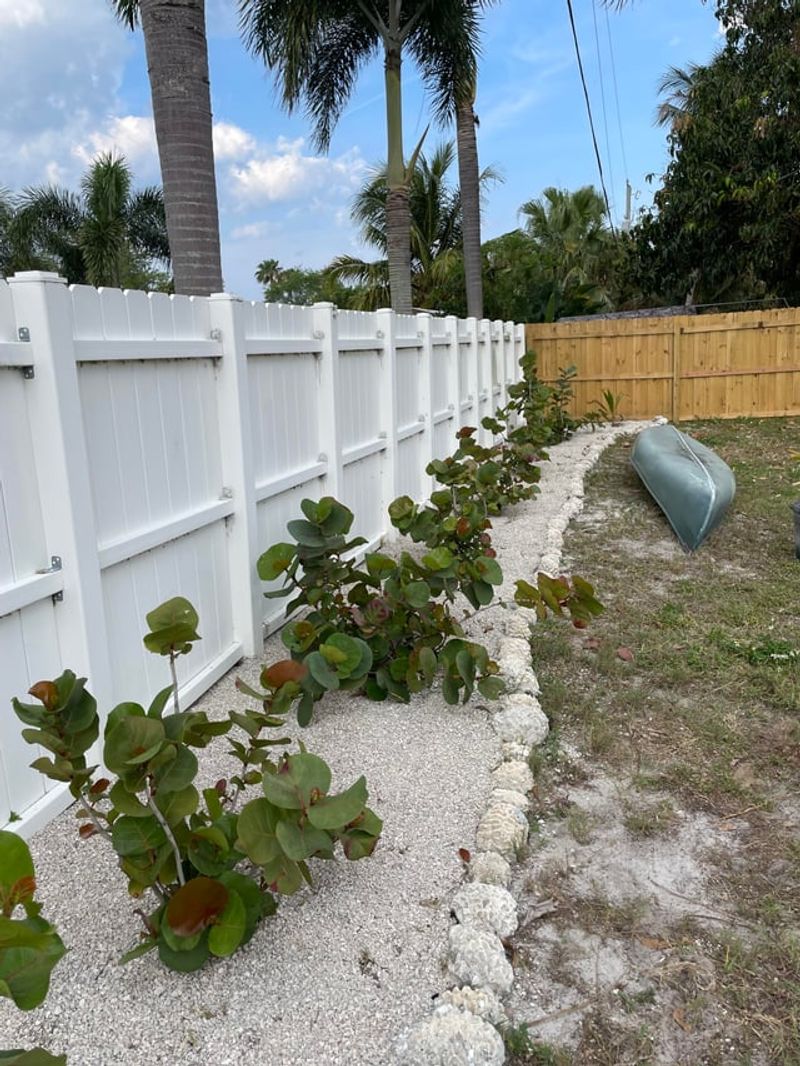
Wooden fences, arbors, pergolas, and trellises add structure and privacy to Florida yards, but their large surface areas catch wind like sails during hurricanes, creating tremendous pressure on posts and fasteners.
Loose boards, rusted hardware, rotted posts, and cracked concrete footings all fail predictably during tropical storms, sending sections of fencing into neighbors’ yards or through windows.
Your pre-season inspection identifies weak points that need repair before weather forecasts become urgent.
South Florida properties face year-round salt air exposure that corrodes metal fasteners and accelerates wood decay, while Central Florida sees rapid deterioration from humidity and frequent rainfall combined with intense sun.
North Florida homeowners deal with freeze-thaw cycles that crack concrete and loosen post attachments over time.
Walking your fence line and pushing against posts reveals movement that indicates problems requiring attention before adding hurricane-force wind pressure to already compromised structures.
Replace rusted screws with stainless steel or coated fasteners rated for coastal environments, and reinforce wobbly posts with fresh concrete or additional bracing.
Consider whether vinyl fencing or metal alternatives might provide better wind resistance for your next replacement project.
Your garden structures should either withstand expected wind loads or be designed for easy disassembly before storms arrive, giving you options that match your maintenance preferences and budget constraints.