11 Landscaping Mistakes That Make Storm Damage Worse In Florida
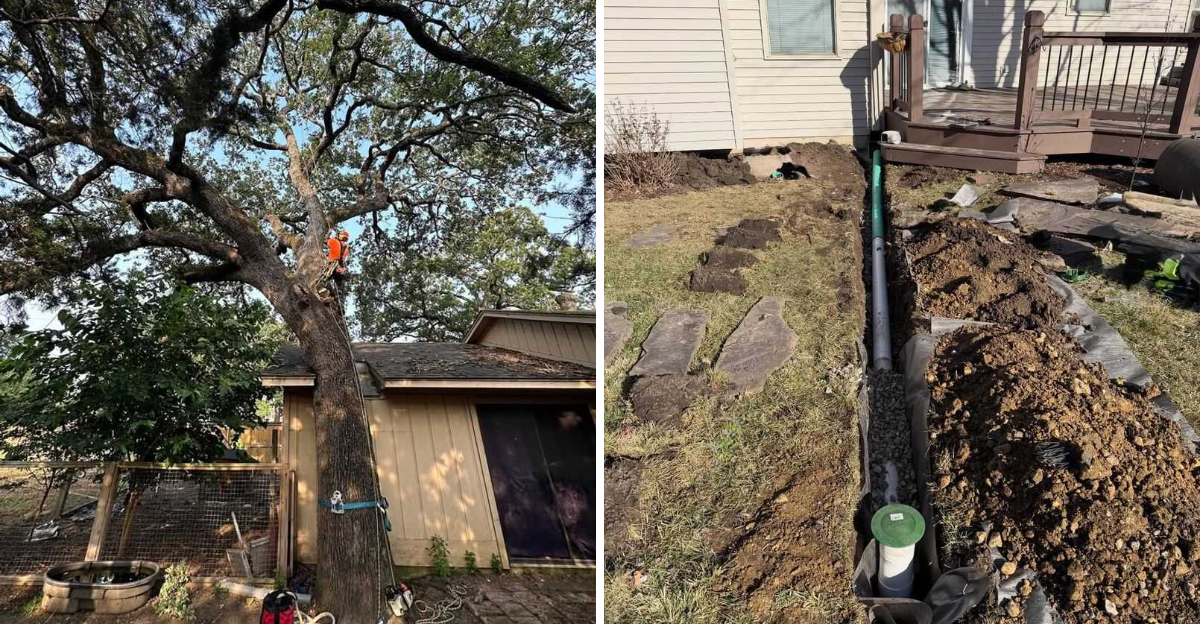
You step outside after the storm and your stomach drops. A tree is leaning at an odd angle.
Water is pooled near your foundation. Branches and debris are scattered across the yard.
Meanwhile, the house down the street looks almost untouched. You can’t help but wonder how the damage ended up so different.
In Florida, storms are part of life. You prepare your windows, stock up on supplies, and track the forecast, but most homeowners forget something just as important: the yard.
The choices you make with trees, drainage, mulch, and outdoor structures quietly determine how well your property holds up when strong winds and heavy rain arrive. What seems harmless on a calm day can turn into a serious problem during hurricane season.
A poorly placed tree, clogged drainage, or unsecured item can quickly become expensive damage. If you want your home to stand stronger after the next storm, it starts long before the clouds roll in.
1. Over-Pruning Trees Before Storm Season
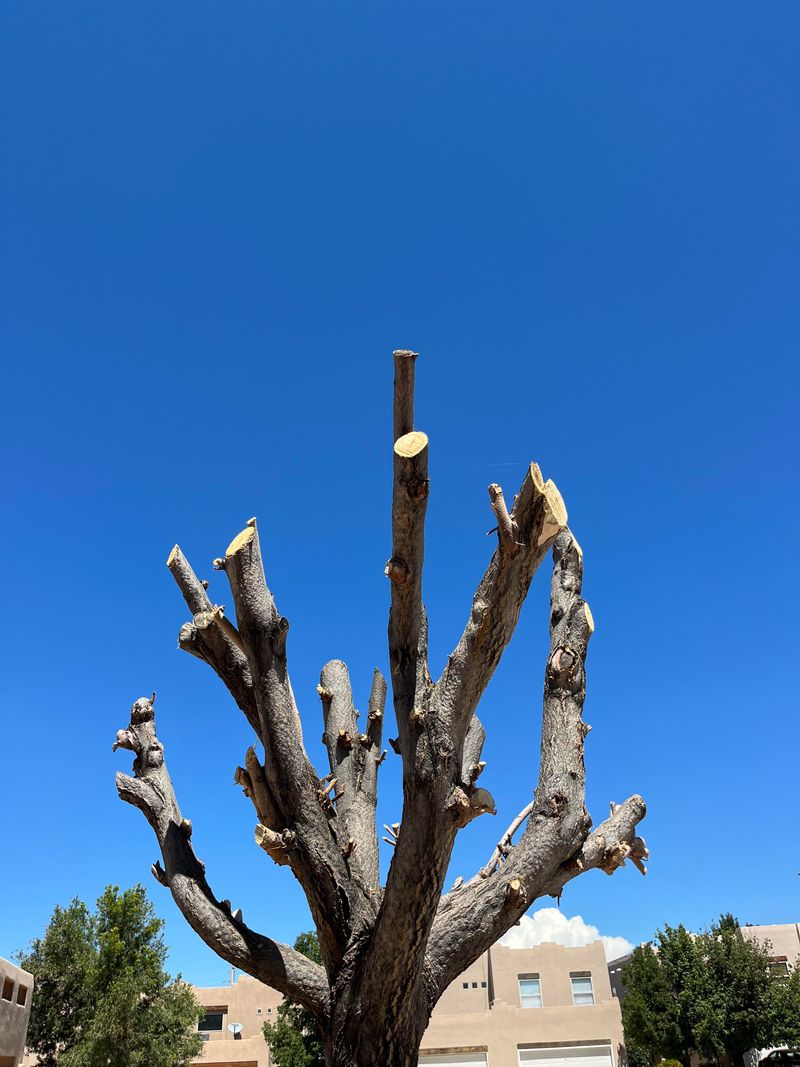
You walk through neighborhoods in late spring and see homeowners aggressively cutting back trees, thinking they’re preparing for hurricane season. Branches get trimmed heavily, canopies get thinned drastically, and trees end up looking skeletal.
The intention makes sense, but the result often increases storm damage rather than preventing it.
Trees need their full canopy structure to flex and bend properly during high winds. When you remove too much foliage and too many branches, you change the tree’s natural wind resistance and balance.
The remaining limbs become more rigid and prone to snapping because the tree can’t distribute wind forces the way it is naturally structured to handle them.
University of Florida IFAS research shows that healthy, properly structured trees with full canopies actually fare better in storms than over-pruned ones. The key is removing damaged or crossing branches, not stripping the tree bare.
Focus on structural pruning that maintains the tree’s natural form rather than aggressive reduction cuts.
After a storm, over-pruned trees often show more breakage at cut points and unnatural stress cracks. Let your trees keep their protective canopy, and they’ll protect your home better when winds arrive.
2. Planting Large Trees Too Close To Homes
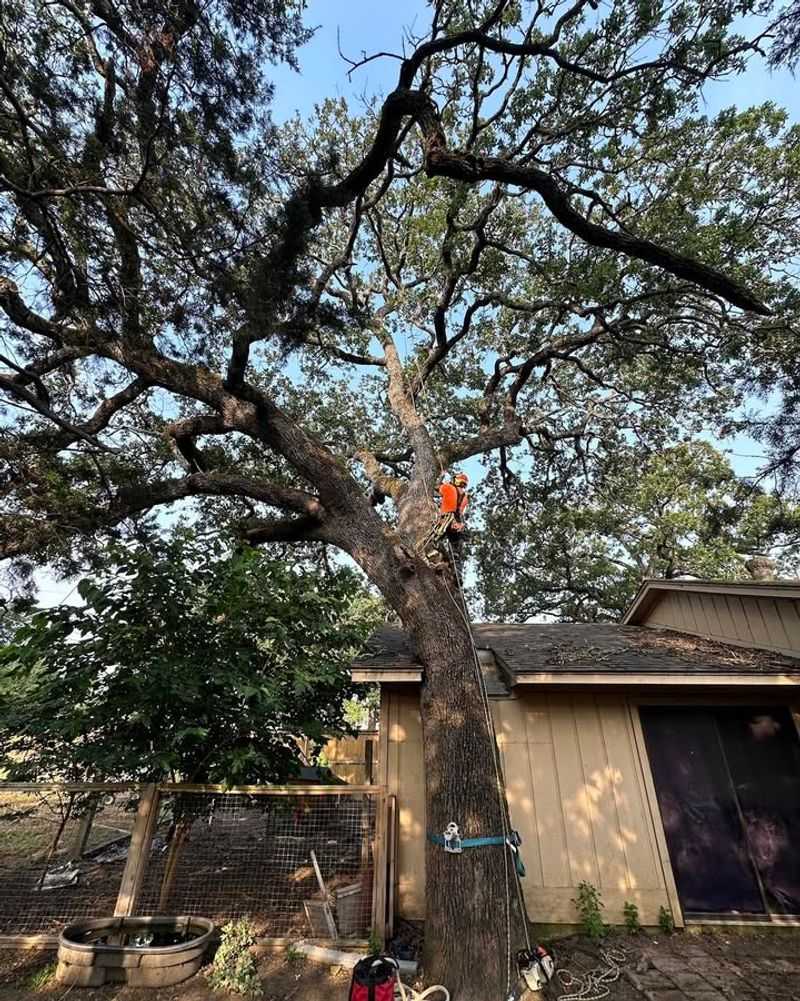
That beautiful oak or mahogany looked perfect when you planted it fifteen feet from your house. Five years later, it’s towering overhead, and you start wondering what happens if a hurricane comes through.
Large tree species can reach heights of sixty to eighty feet with massive canopies that extend far beyond their trunks.
When planted too close to structures, these trees create direct hazard zones during storms. High winds can break major limbs that fall directly onto roofs, windows, or walls.
Even if the tree survives, falling branches from that proximity cause significant structural damage that smaller impacts from farther away would not.
Florida’s sandy soils compound this problem because large trees in sandy ground develop different root structures than those in clay or loam. Saturated sand loses stability quickly during heavy rainfall, making tall trees near homes more likely to uproot and fall.
Your Florida Garden Changes Every Week. Your Plan Should Too.
Gardening in Florida changes quickly throughout the season. Every Friday you’ll receive a simple weekly plan showing exactly what to plant, prune, fertilize, harvest, and protect so you never miss the right timing.
South Florida coastal areas see this frequently during tropical storms when storm surge and rain combine.
Large shade trees should be planted far enough from structures to allow for their mature canopy spread and root system — often several dozen feet depending on species. If your tree is already too close, regular inspections and careful maintenance become essential safety measures.
3. Leaving Diseased Branches
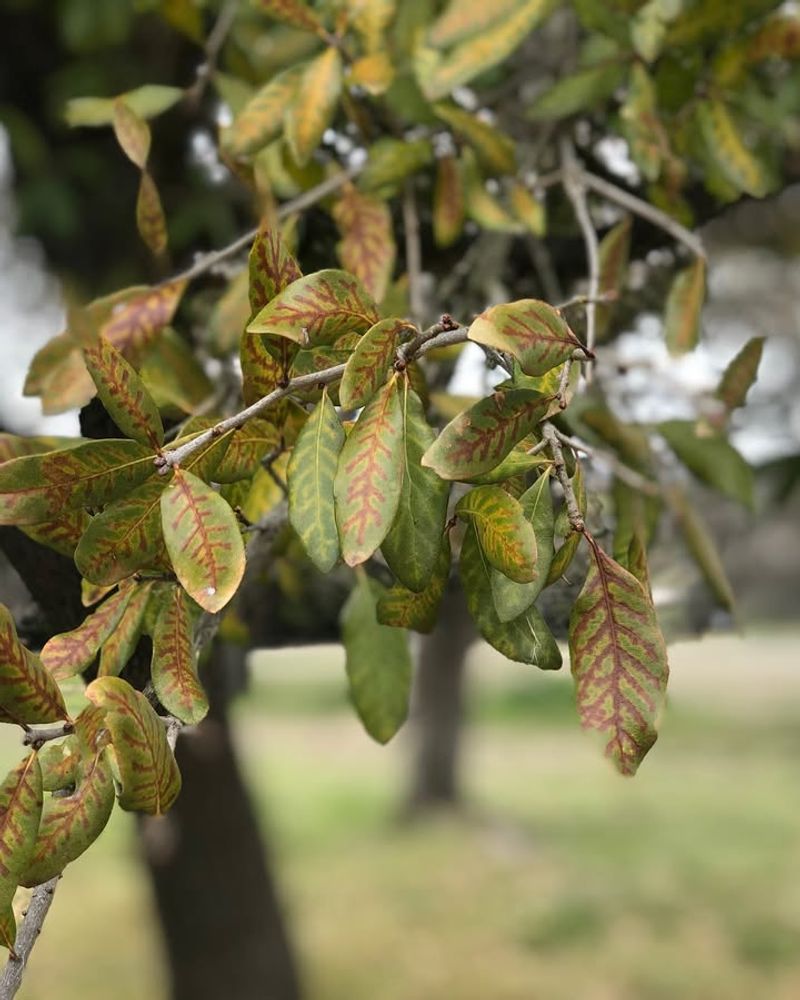
Diseased branches don’t always look dramatic. Sometimes it’s just a section of bark peeling away, a limb with fewer leaves than others, or a branch with discolored wood showing through a crack.
You notice it during yard work but figure it can wait until next month or next season to address.
Storm winds target weak points in trees with remarkable efficiency. A diseased branch that seems stable in calm weather becomes a projectile during hurricane-force winds.
The internal decay weakens the wood structure, and the branch snaps far more easily than healthy wood would under the same wind pressure.
Fungal infections, bacterial diseases, and insect damage all compromise branch integrity in ways that aren’t always visible from the ground. Central Florida’s humid climate accelerates decay in damaged wood, meaning a small problem in spring can become a major structural weakness by hurricane season.
North Florida sees similar issues with oak wilt and other diseases that weaken branches from the inside out.
Regular inspection helps you identify these problems early. Removing diseased branches before storm season eliminates those weak points and reduces the chance of dangerous breakage.
Your tree becomes healthier and safer with each diseased section removed properly.
4. Using Shallow-Rooted Tree Species
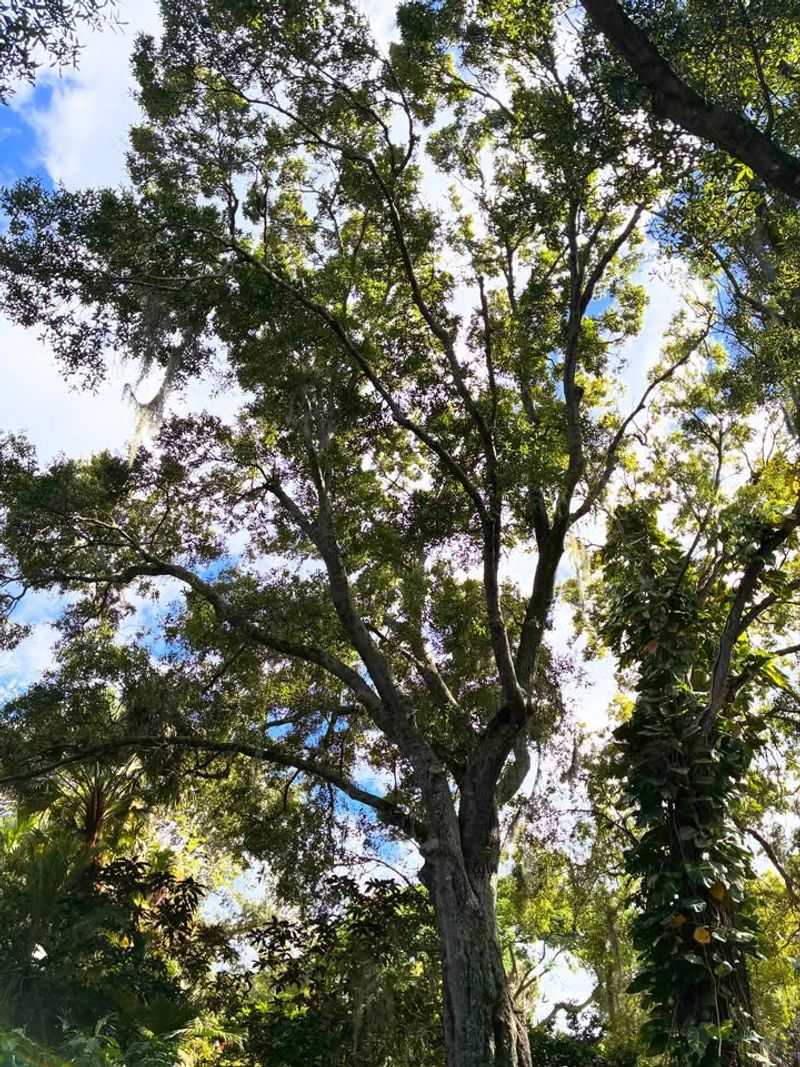
Some of Florida’s most popular landscape trees have beautiful canopies and fast growth rates that make them attractive choices for new homeowners. Laurel oaks, certain pines, and some palm varieties establish quickly and provide shade within just a few years.
What many people don’t realize is that these species often develop shallow root systems that create serious storm vulnerabilities.
Shallow roots spread horizontally near the surface rather than anchoring deeply into the ground. During heavy rainfall, the top layers of soil become saturated and lose their grip on roots.
When hurricane winds arrive, these trees topple over far more easily than deep-rooted species because their anchor system fails in the softened, waterlogged soil.
South Florida sees this pattern repeatedly during tropical storms when shallow-rooted trees uproot and fall across homes, fences, and power lines. The sandy soils common throughout coastal areas provide even less resistance when saturated.
Live oaks and other wind-resistant species develop broad, spreading root systems that anchor trees more effectively than shallow surface rooters.
Choosing tree species with strong, spreading root systems gives your landscape better storm resilience. If you already have shallow-rooted trees, keeping them properly maintained and avoiding planting them near structures reduces risk.
5. Failing To Secure Garden Structures
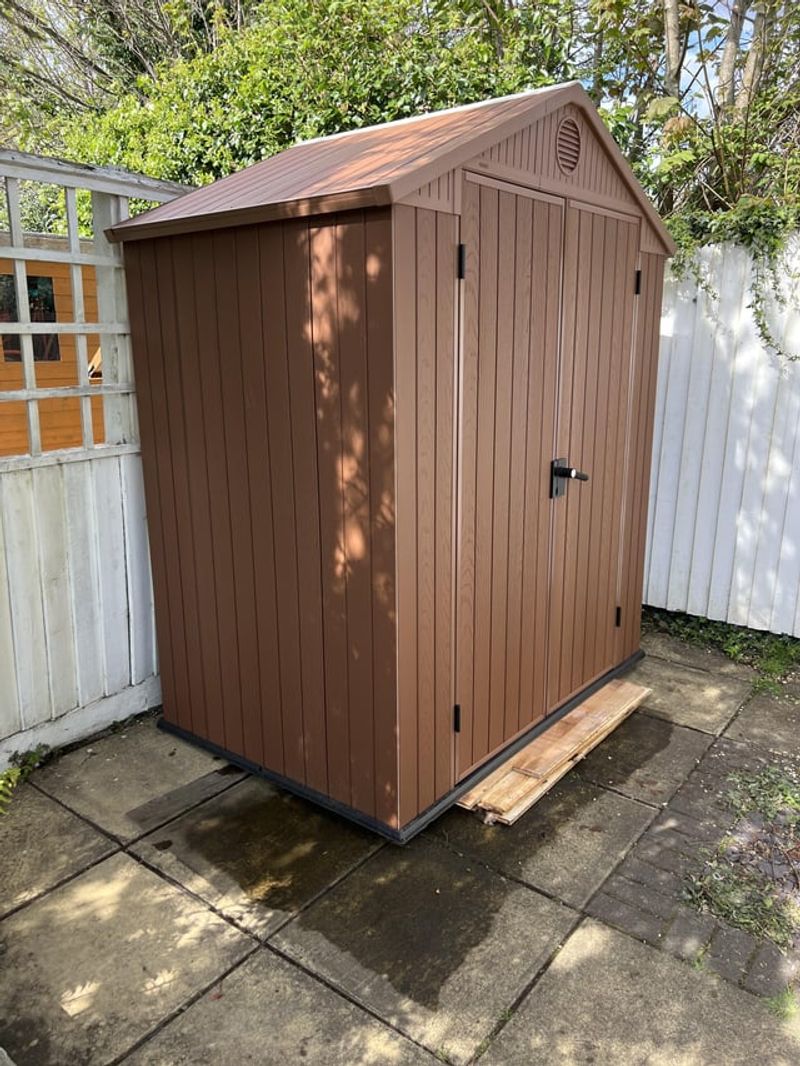
Your garden shed, pergola, and decorative arbor look charming in the backyard, adding character and function to your outdoor space. They sit on level ground, maybe anchored with a few stakes or simply resting on concrete blocks.
Everything seems stable until a tropical storm brings sustained winds of fifty or sixty miles per hour or higher.
Unsecured structures become airborne hazards during storms. A lightweight shed can lift and tumble across your yard, crashing into fences, windows, or vehicles.
Pergolas and arbors can collapse or break apart, sending lumber and hardware flying. Even heavy structures can shift or tip when wind gets underneath them, especially if they’re not properly anchored to the ground.
Central Florida’s frequent afternoon thunderstorms provide regular reminders of wind power, but hurricane-force winds multiply that force dramatically. Coastal areas in South Florida face even stronger sustained winds during major storms.
Proper anchoring means using concrete footings, ground anchors, or hurricane straps rated for your structure’s size and your region’s wind loads.
Walking through neighborhoods after storms, you see the difference immediately. Secured structures stay in place while unsecured ones end up scattered or destroyed.
Taking time to properly anchor garden structures before storm season protects both your property and your neighbors’ homes from flying debris.
6. Poor Yard Drainage Design
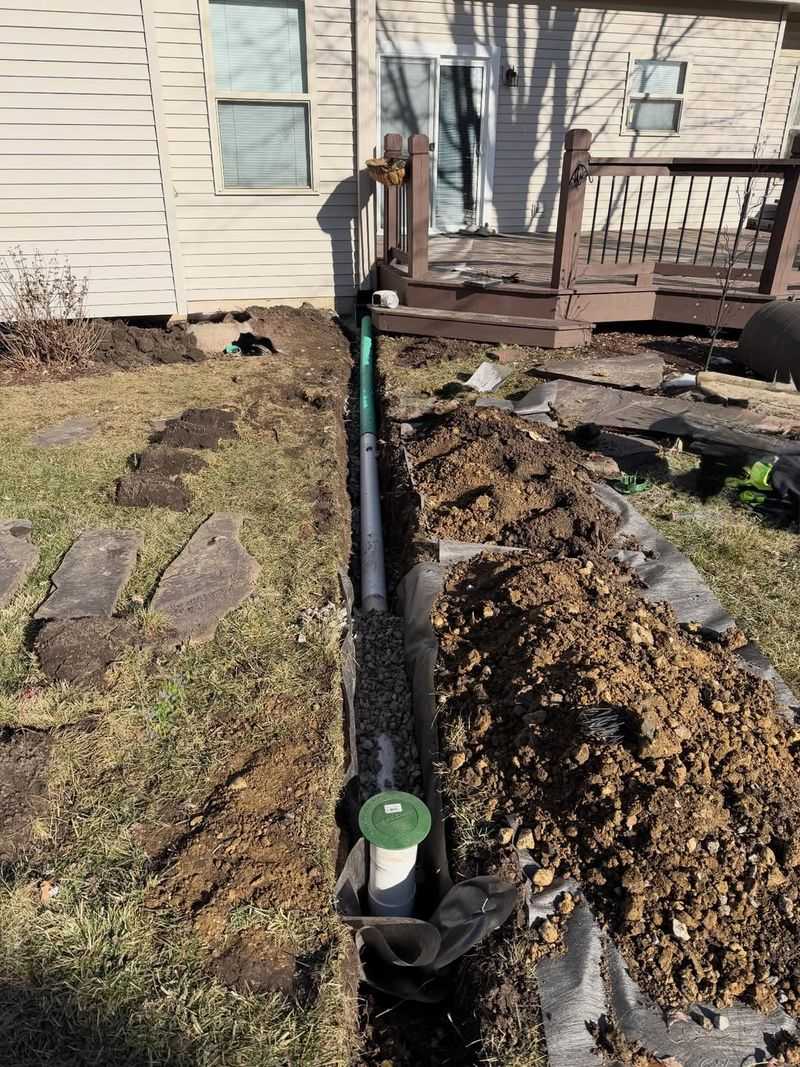
After a typical summer thunderstorm, you notice water pooling in certain areas of your yard. The low spots near your foundation hold water for hours, and the area under your largest tree stays soggy for days.
You assume this is just how your property drains, but poor drainage design creates serious problems when tropical storms bring ten or fifteen inches of rain in a single event.
Standing water saturates soil around tree roots, reducing stability and making trees more likely to topple during high winds. Water pooling against foundations can seep into homes, causing interior damage that compounds storm-related problems.
Saturated lawns also create muddy conditions that make post-storm cleanup difficult and damage root systems of grass and plants.
Florida’s naturally flat terrain makes drainage challenging in many areas. Central Florida’s heavy clay layers can trap water, while South Florida’s high water table means soil saturates quickly.
North Florida’s rolling terrain helps with natural drainage, but low spots still need attention. Proper grading, French drains, and swales help move water away from structures and prevent dangerous pooling around trees.
Addressing drainage problems before storm season means your yard handles heavy rainfall better. Trees stay more stable, foundations stay drier, and recovery after storms becomes much easier when water moves through your property efficiently rather than pooling in problem areas.
7. Ignoring Soil Compaction Problems
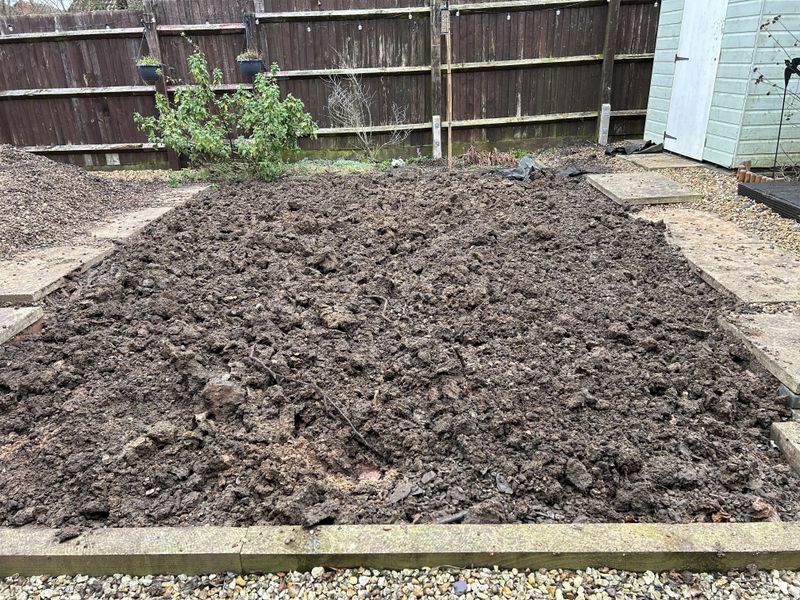
Heavy equipment, frequent foot traffic, and years of neglect can turn your yard’s soil into something resembling concrete. You notice grass struggling to grow in certain areas, water running off instead of soaking in, and tree roots emerging above ground as they search for oxygen and nutrients.
Compacted soil seems like a minor cosmetic issue until storm season arrives.
Compacted soil prevents proper root development, forcing tree roots to grow shallow and spread horizontally rather than anchoring deeply. When hurricane winds hit, these shallow-rooted trees lack the structural support to stay upright.
The compacted soil also prevents water infiltration during heavy rainfall, creating surface flooding that further destabilizes trees by saturating the shallow root zone while deeper soil stays dry.
Central Florida’s clay soils compact easily under pressure, while South Florida’s sandy soils can develop hardpan layers that block root growth. Core aeration and proper soil amendment help break up compaction, allowing roots to grow deeper and water to penetrate properly.
Trees planted in well-aerated soil develop stronger anchor systems that resist storm damage much better.
Walking through post-storm neighborhoods, you often see that toppled trees were growing in compacted soil with shallow roots. Addressing compaction before problems develop gives your trees the foundation they need to weather strong winds safely and effectively.
8. Excessive Mulch Piling Against Trees
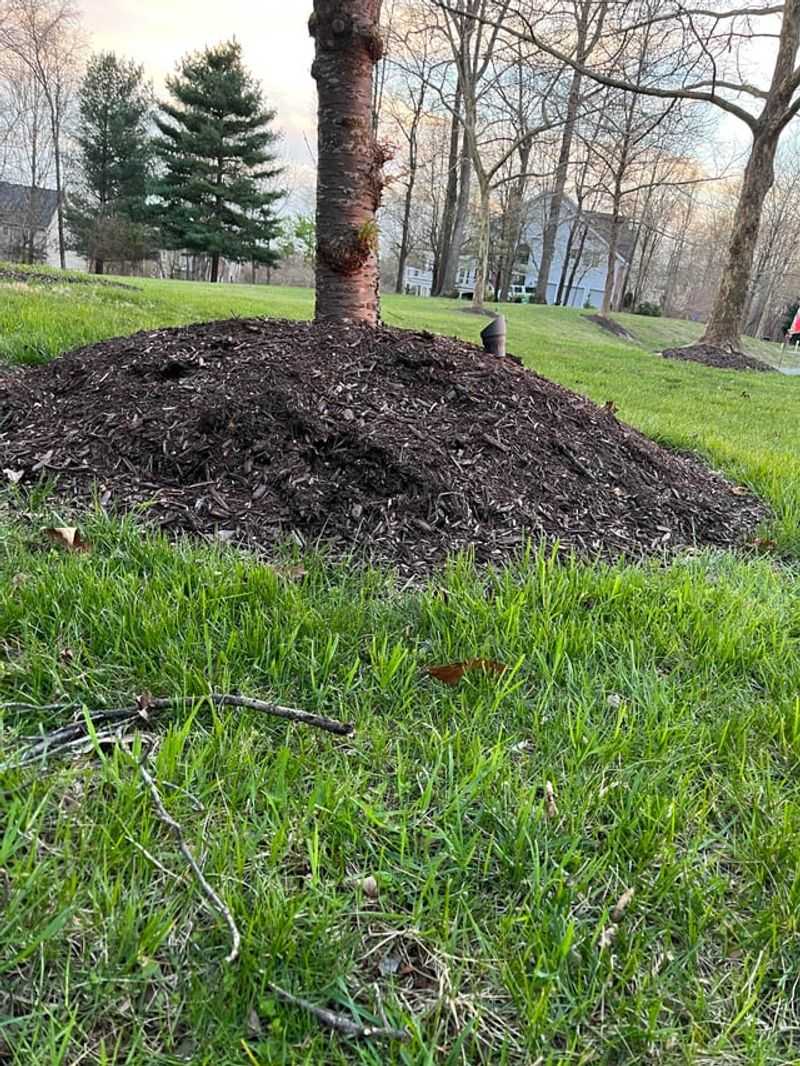
Mulch volcanoes have become a common sight in Florida landscapes. Well-meaning homeowners pile mulch high around tree trunks, creating cone-shaped mounds that can reach twelve or eighteen inches up the bark.
The intention is to help the tree retain moisture and look tidy, but this practice creates hidden damage that weakens trees and increases storm vulnerability.
Mulch piled against bark holds moisture constantly against the trunk, creating conditions for fungal growth and bark decay. This decay weakens the tree’s structural integrity right at the critical junction between trunk and roots.
As the decay progresses, the tree becomes more likely to snap at the base during high winds, even if the canopy and root system are healthy.
Florida’s humid climate accelerates this decay process. Central and South Florida’s year-round warmth means fungal activity never really stops, and excessive mulch provides the perfect environment for destructive organisms.
University of Florida IFAS guidelines recommend keeping mulch two to three inches deep and pulled back several inches from the trunk, creating a donut shape rather than a volcano.
Proper mulching protects roots and conserves moisture without damaging the trunk. After storms, trees with mulch volcanoes often show base rot and structural failure that healthy trees with proper mulching avoid.
Taking a few minutes to correct mulch application can prevent years of hidden damage.
9. Improper Palm Pruning (Hurricane Cuts)
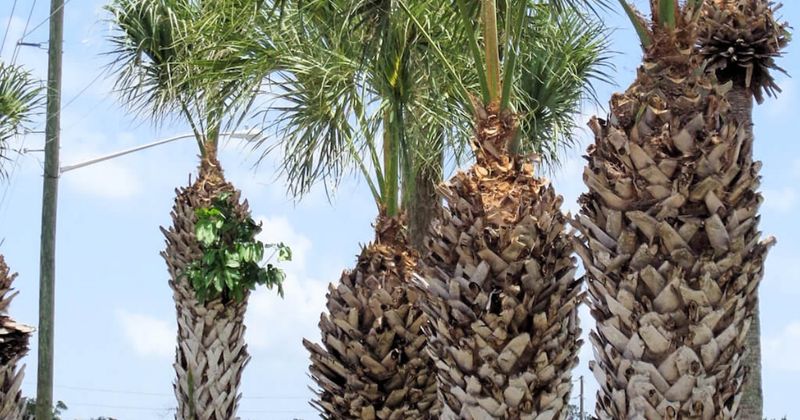
Before hurricane season, you see landscape crews moving through neighborhoods, aggressively removing palm fronds until only a few remain at the top. This practice, called hurricane cutting, is based on the mistaken belief that reducing the palm’s wind resistance will help it survive storms.
The reality is exactly the opposite, and this pruning mistake actually increases storm damage risk significantly.
Palms need their full canopy of green fronds to stay healthy and maintain proper trunk strength. When you remove healthy fronds, you stress the palm and reduce its ability to produce the nutrients it needs for structural integrity.
The remaining fronds also become more likely to break during storms because the palm’s natural wind-deflection design depends on having multiple fronds to distribute force.
South Florida’s tall coconut palms and Central Florida’s majestic sabal palms both suffer from hurricane cutting. University of Florida research clearly shows that palms with full, healthy canopies survive storms better than over-pruned ones.
Only remove fronds that are completely brown or hanging down below horizontal. Green fronds should stay on the palm where they belong.
Fronds should never be removed above the horizontal line of the canopy, as this weakens the palm’s structure and nutrient production.
After major storms, properly maintained palms with full canopies typically show less damage than hurricane-cut palms. The natural design works better than human intervention when you let the palm keep its protective frond structure intact.
10. Leaving Loose Potted Plants Outdoors
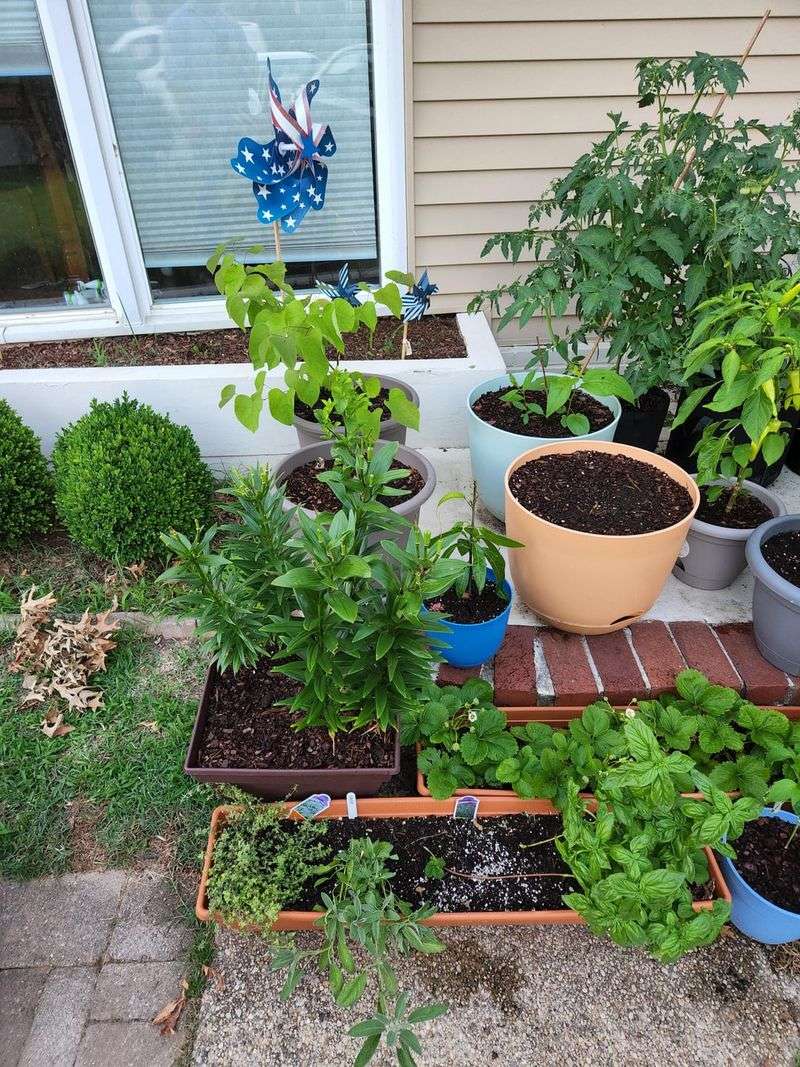
Your patio and deck feature beautiful arrangements of potted plants, decorative containers, and hanging baskets that add color and life to your outdoor space. During calm weather, these pots sit peacefully on tables, shelves, and plant stands.
When a tropical storm warning gets issued, many homeowners forget these items until wind and rain arrive.
Loose pots become dangerous projectiles in hurricane-force winds. A ceramic planter weighing twenty pounds can crash through windows, dent vehicles, or injure people when picked up by sixty-mile-per-hour gusts.
Hanging baskets swing violently and break free from hooks, and lightweight plastic pots tumble across yards, scattering soil and plants while potentially causing damage wherever they land.
Coastal South Florida faces the strongest and most frequent storm impacts, making unsecured outdoor items particularly dangerous. Central Florida’s inland position doesn’t eliminate wind danger, and North Florida sees powerful storms as well.
Florida Emergency Management guidelines recommend securing or moving all loose outdoor items before tropical storm-force winds arrive, typically thirty-six hours before storm landfall.
Moving pots into garages, sheds, or protected areas takes just minutes but prevents hours of cleanup and potential damage. After storms pass, neighborhoods with secured outdoor items show dramatically less debris and damage than those where pots and planters were left in place to become wind-driven hazards.
11. Neglecting Regular Tree Inspections
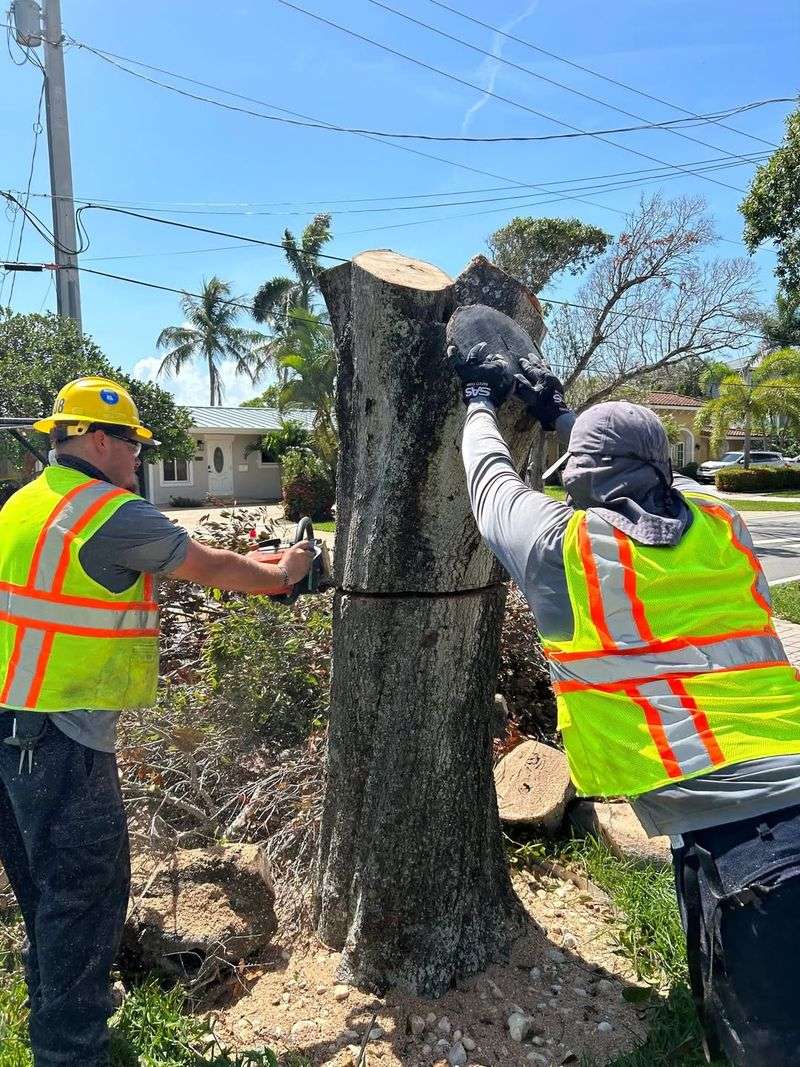
Your trees look fine from the ground. They have green leaves, seem to be growing normally, and don’t show any obvious problems.
Years pass without professional inspection, and you assume everything is healthy because nothing looks dramatically wrong. This assumption can lead to dangerous surprises when storm winds expose hidden structural problems that regular inspections would have caught early.
Many serious tree problems develop internally or high in the canopy where homeowners can’t easily see them. Root decay, internal cavities, weak branch attachments, and structural cracks often progress for years before becoming visible from ground level.
A certified arborist can identify these issues during inspection and recommend corrective action before they become storm-season hazards.
Florida’s diverse tree species each have specific vulnerabilities that trained inspectors recognize. South Florida’s tropical species face different challenges than North Florida’s temperate trees, and Central Florida’s mix of both requires knowledge of multiple tree types.
University of Florida IFAS recommends annual inspections for mature trees and more frequent checks for large trees near structures.
After major storms, many fallen trees show signs of pre-existing problems that inspections would have revealed. Investing in regular professional tree assessment helps you address small problems before they become dangerous, protecting your property and giving you peace of mind when storm warnings arrive.