Texas Homes Stay Stylish Year-Round With These 10 Designer-Approved Plants
Texas homes don’t stay stylish by accident, especially in a climate where heat, drought, and sudden cold snaps can ruin weak plant choices fast.
Homeowners who want curb appeal year-round are paying closer attention to plants that hold structure, color, and presence even when nothing is blooming.
Designers working in Texas know that seasonal flowers come and go, but strong foundation plants carry the entire landscape visually. That mindset is reshaping how front yards and patios are planted across the state.
Instead of chasing trends, these designers focus on plants that look intentional in every season, from scorching summers to quiet winter months.
The right plant selection can make a home feel polished even when the weather isn’t cooperating.
What surprises many homeowners is that these plants aren’t rare or flashy. They’re chosen for reliability, balance, and how they frame a home naturally.
Texas landscapes benefit most from plants that age well and don’t fall apart under stress.
When designers approve a plant, it’s because it delivers style without demanding constant attention.
Together, these choices prove that Texas homes can look put-together all year without nonstop replanting or seasonal panic.
1. Live Oak
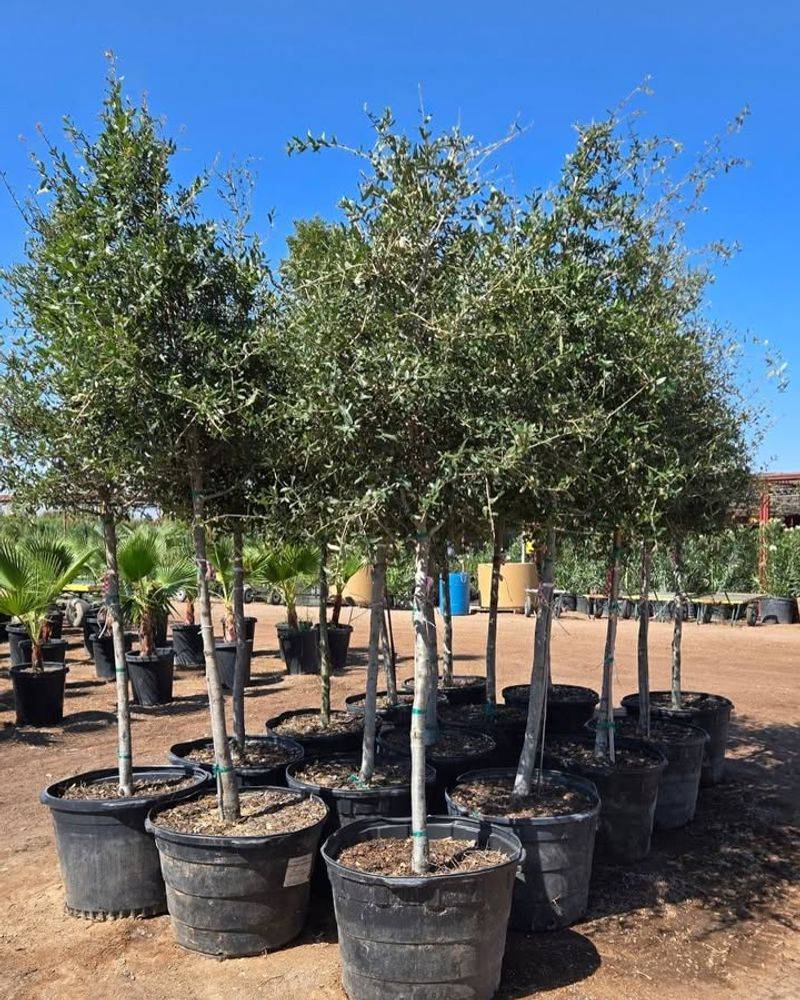
Majestic branches spread wide and create natural canopies that transform ordinary yards into shaded retreats perfect for hot afternoons. Homeowners across Texas appreciate how this native tree adapts to different soil types and requires minimal watering once established.
The thick, leathery leaves stay on the branches throughout most of the year, providing consistent greenery even during winter months.
Landscape designers love using this species as a focal point because its sprawling form adds instant character and maturity to properties. Growth happens steadily but not too fast, which means less pruning and maintenance compared to other shade trees.
The strong wood resists storm damage better than many alternatives, making it a smart investment for long-term landscaping.
Birds and wildlife find shelter in the dense foliage, creating a lively ecosystem right in your backyard. Texas neighborhoods filled with these trees develop a timeless, Southern charm that increases curb appeal and property values.
Roots grow deep rather than surfacing, so you won’t have to worry about cracked sidewalks or driveways.
Planting one near your home provides decades of beauty with very little effort required. The acorns it produces attract squirrels and other creatures, adding movement and interest to your outdoor space.
Designers often pair it with flowering shrubs underneath to create layered, textured garden beds.
Choosing this tree means embracing a piece of Texas heritage while keeping your landscape looking polished year-round. Its adaptability to urban environments makes it suitable for city lots and sprawling rural properties alike.
The shade it casts can lower cooling costs during scorching summer months.
Professional landscapers frequently recommend it for families wanting a classic look without constant upkeep.
Drought tolerance becomes more pronounced as the tree matures, reducing your water bills significantly.
2. Southern Magnolia
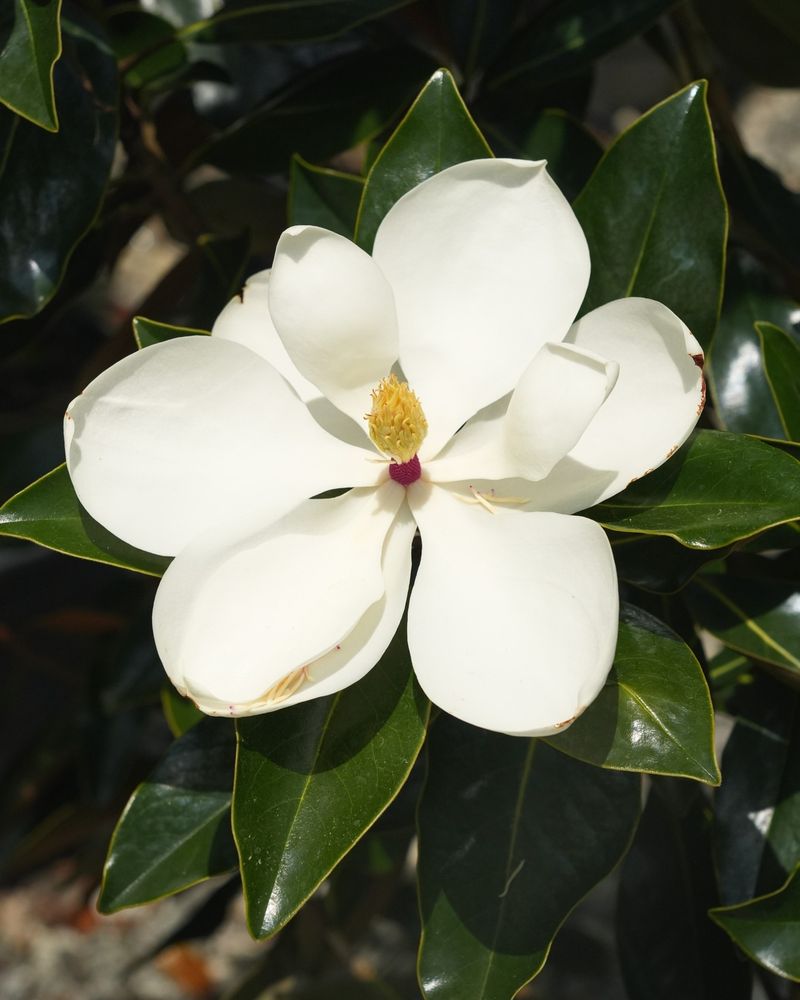
Glossy, dark green leaves with rusty undersides create a dramatic contrast that catches the eye from across the street. Large, fragrant white blooms appear in late spring and early summer, filling Texas yards with a sweet, lemony scent that neighbors will notice.
Your Texas Garden Changes Every Week. Your Plan Should Too.
Gardening in Texas changes quickly throughout the season. Every Friday you’ll receive a simple weekly plan showing exactly what to plant, prune, fertilize, harvest, and protect so you never miss the right timing.
It performs best in East and parts of Central Texas where soil moisture and humidity are more consistent.
Designers favor it for creating elegant borders and privacy screens that never look bare or patchy. The flowers can measure up to twelve inches across, making a bold statement that elevates any landscape design.
Sturdy branches hold up well against wind and occasional ice storms, giving you peace of mind during unpredictable weather.
Homeowners appreciate how little care this plant needs once it settles into its spot and establishes a strong root system. The thick foliage blocks unwanted views and reduces street noise, turning your outdoor area into a peaceful sanctuary.
Texas properties with this tree often feel more refined and established, even if the landscaping is relatively new.
Fallen leaves and spent flowers decompose slowly, so plan for occasional cleanup to keep your yard looking tidy. The shade beneath the canopy stays cool and inviting, perfect for placing benches or outdoor seating areas.
Pollinators, including bees and butterflies, visit the blooms regularly, supporting local ecosystems.
3. Texas Mountain Laurel
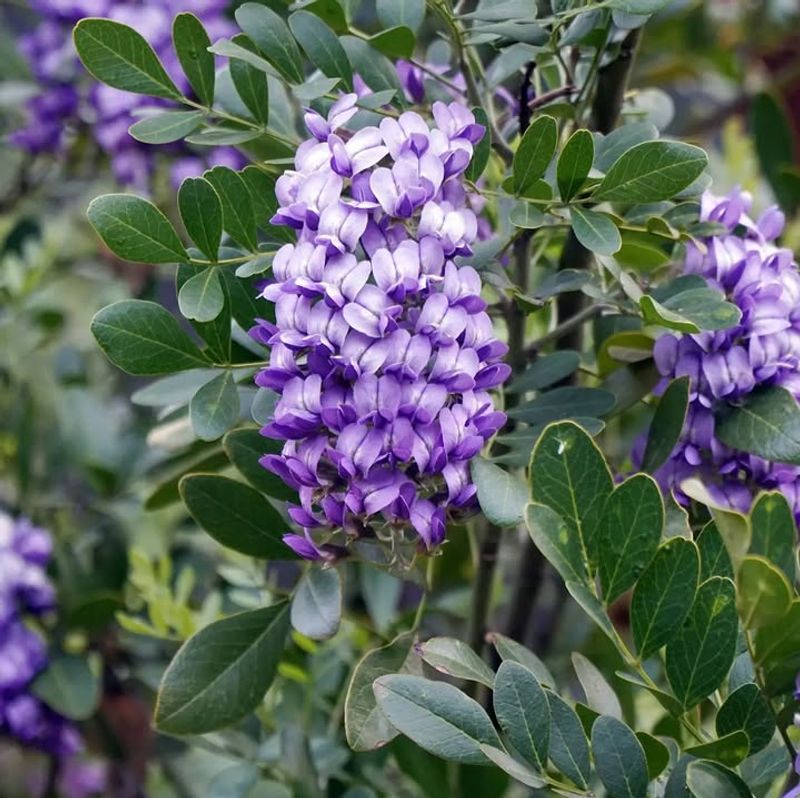
Clusters of purple, grape-scented flowers hang from branches in early spring, creating a stunning visual and aromatic display that signals the start of the growing season. This native shrub thrives in the rocky, alkaline soils found throughout much of Texas, making it ideal for areas where other plants struggle.
The silvery-green foliage provides year-round color and texture, keeping your landscape interesting even when blooms fade.
Landscape architects often use it as a specimen plant or in groupings to create dramatic focal points near entryways and patios. Drought tolerance ranks among the highest of any ornamental plant, so you can enjoy beauty without worrying about constant watering.
The compact growth habit makes it suitable for smaller yards and urban gardens where space is limited.
Homeowners love the sweet fragrance that fills the air during bloom time, reminiscent of grape soda or candy. Texas properties gain a unique, regional character when this plant is included in the design, celebrating local flora.
The evergreen leaves stay attractive through all seasons, providing structure and greenery when other plants go dormant.
Designers pair it with ornamental grasses and succulents to create water-wise, low-maintenance garden beds that look polished and intentional. Birds and butterflies visit the flowers, adding movement and life to your outdoor space.
The slow to moderate growth rate means less pruning and shaping, saving you time and effort.
4. Yaupon Holly
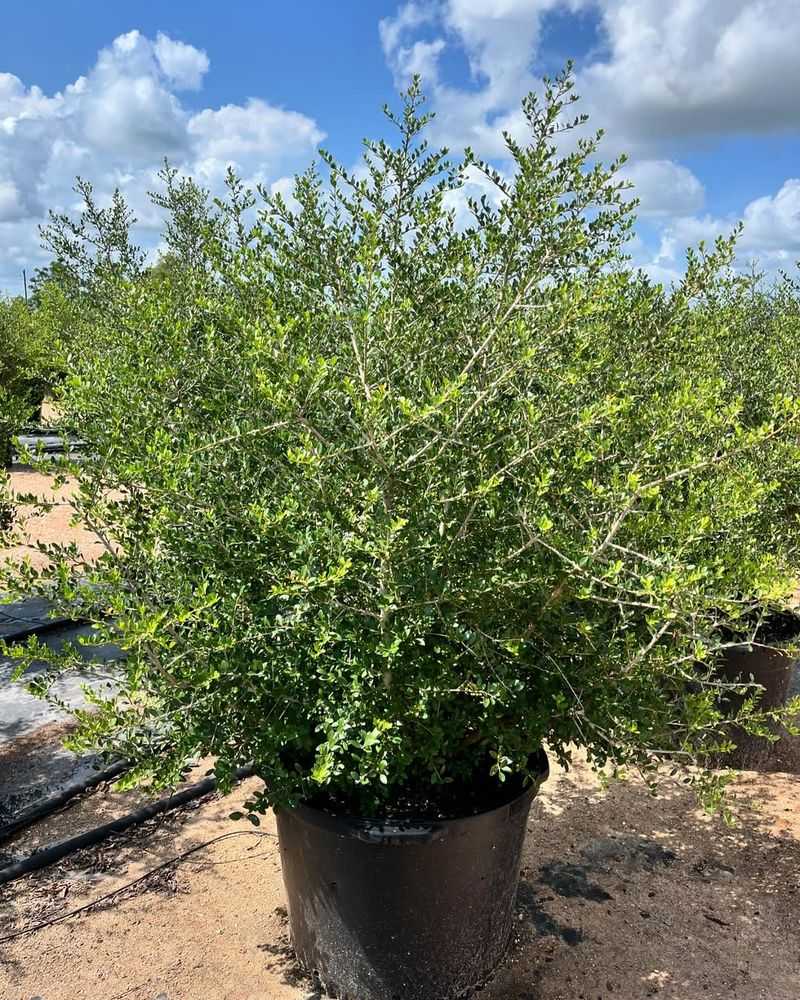
Small, bright red berries cover the branches in fall and winter, providing a cheerful pop of color when most other plants look dull and lifeless. This native evergreen adapts to a wide range of soil conditions across Texas, from sandy coastal areas to heavy clay inland.
The dense, compact growth makes it perfect for hedges, privacy screens, or standalone accent plants.
Designers appreciate how easily it shapes into formal topiaries or natural, flowing forms depending on the style of the landscape. Drought tolerance improves as the plant matures, reducing the need for supplemental watering during dry spells.
The glossy, dark green leaves create a polished backdrop for flowering plants and ornamental grasses.
Homeowners enjoy watching birds feast on the berries throughout the colder months, adding life and activity to the yard. Texas properties with this holly often feel more vibrant and welcoming, especially during the holiday season.
The plant responds well to pruning, so you can maintain any size or shape that suits your space.
Landscape architects use it in foundation plantings, along walkways, and as a low-maintenance alternative to high-water shrubs. The fine-textured foliage contrasts beautifully with larger-leaved plants, creating visual interest and depth in garden beds.
Male and female plants are needed for berry production, so plan accordingly if fruit display is important to you.
5. Wax Myrtle
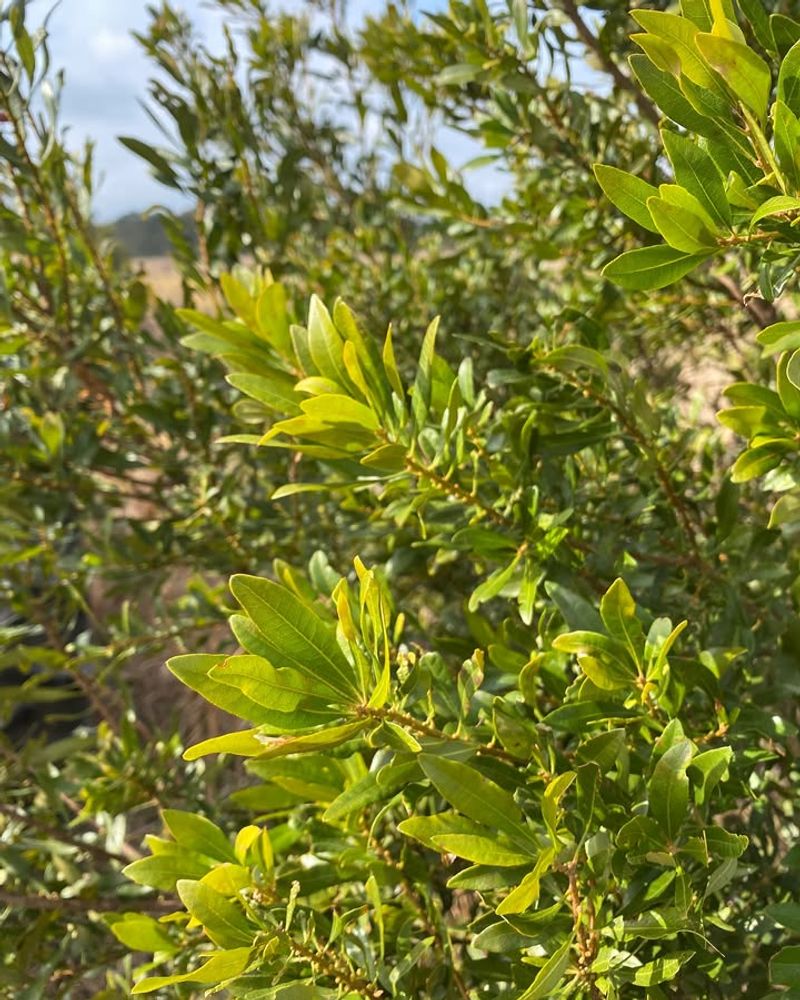
Fast-growing branches create quick privacy screens and windbreaks, making it a favorite for homeowners who want instant results without waiting years for maturity. The aromatic leaves release a pleasant fragrance when brushed or crushed, adding a sensory element to your Texas garden.
This evergreen shrub thrives best in East Texas and coastal regions where humidity and soil moisture remain higher throughout the year.
Landscape designers use it to fill in gaps quickly, providing structure and greenery while slower-growing plants establish themselves. The fine-textured foliage creates a soft, natural appearance that complements both formal and casual garden styles.
Birds love nesting in the dense branches, turning your yard into a lively habitat.
Homeowners appreciate how little maintenance this plant requires once it takes root and begins growing vigorously. Texas properties with this shrub often feel more enclosed and private, creating intimate outdoor spaces perfect for relaxation.
The gray-green leaves provide a neutral backdrop that makes colorful flowers and ornamental features stand out.
Designers pair it with flowering perennials and grasses to create layered, textured borders that look professionally designed. Drought tolerance develops over time, reducing water needs and making it ideal for water-conscious landscaping.
The upright, irregular growth habit adds visual interest and movement to garden beds.
6. Arizona Cypress
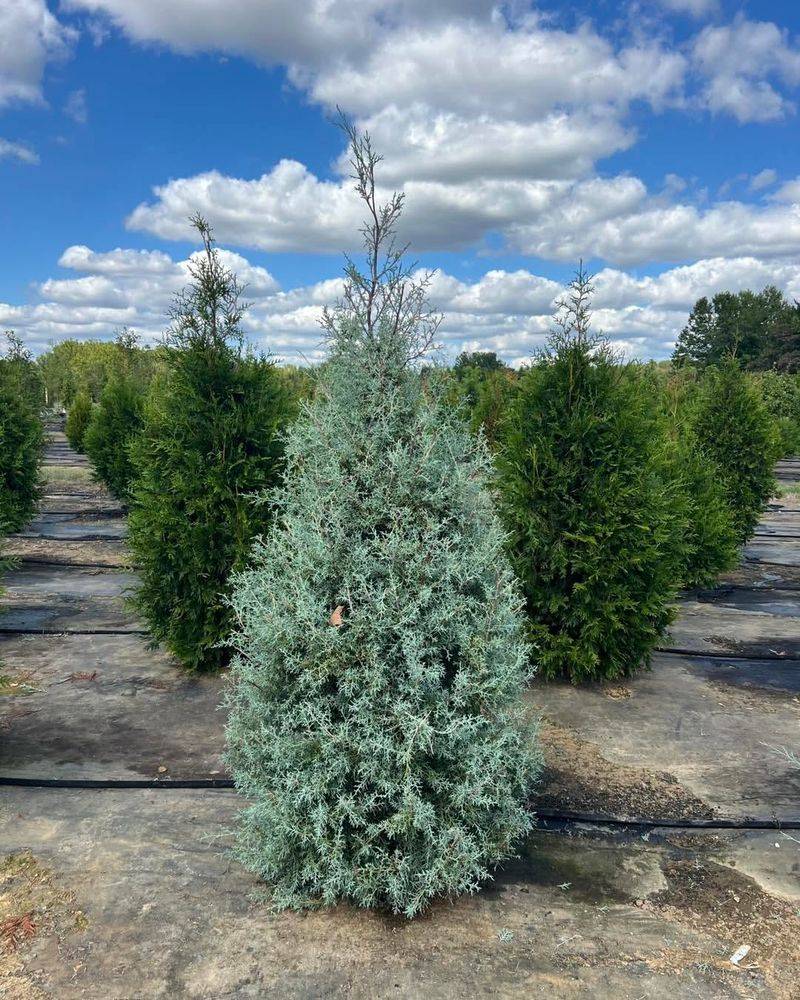
Silvery-blue foliage creates a striking contrast against traditional green plants, adding a unique, modern touch to Texas landscapes. This evergreen conifer grows in a neat, pyramidal shape that requires little to no pruning to maintain its elegant form.
Drought tolerance makes it ideal for water-wise gardens, thriving in hot, dry conditions that challenge many other species.
Landscape architects use it as a vertical accent, drawing the eye upward and adding height to flat or sprawling garden beds. The fine, feathery texture softens hard edges and provides a delicate counterpoint to bold, architectural plants.
Homeowners love the low-maintenance nature, as it rarely needs attention beyond occasional watering during establishment.
Texas properties gain a sophisticated, contemporary look when this conifer is included in the design, especially in xeriscape or modern landscapes. The dense foliage provides year-round privacy and wind protection, making outdoor spaces more comfortable and usable.
Birds and small wildlife find shelter in the branches, contributing to a balanced ecosystem.
Designers often plant it in rows to create living fences or as standalone specimens to anchor garden beds and corners. The blue-gray color remains consistent throughout the year, providing reliable visual interest even during winter.
7. Vitex (Chaste Tree)
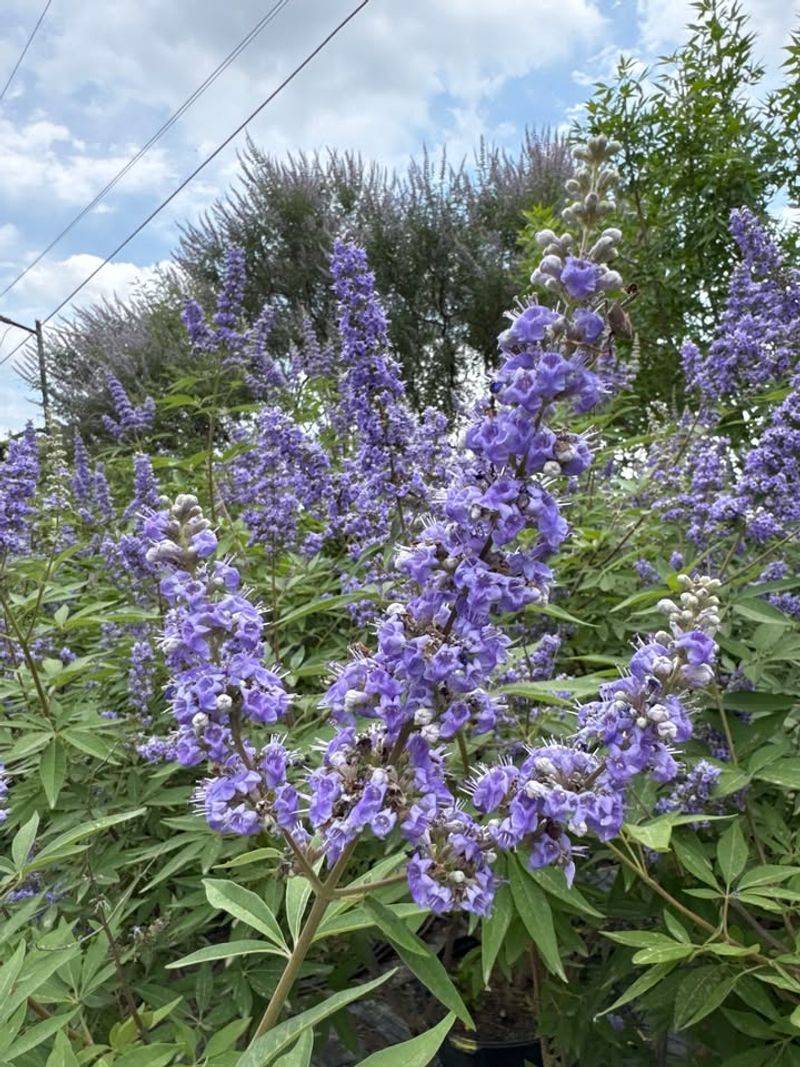
Lavender-blue flower spikes appear in summer, attracting butterflies and hummingbirds that bring movement and color to your Texas garden.
This deciduous shrub or small tree tolerates heat and drought exceptionally well, especially in drier parts of Texas.
The aromatic foliage releases a pleasant fragrance when touched, adding a sensory dimension to your outdoor space.
Landscape designers use it as a focal point or in groupings to create a cottage garden feel with a modern twist. The long bloom period extends from late spring through early fall, providing continuous color when many other plants fade.
Homeowners appreciate the low-maintenance nature, as it requires minimal pruning and watering once established.
Texas properties with this plant often feel more vibrant and lively, especially during the hot summer months when color is scarce. The palmate leaves create a tropical appearance that contrasts beautifully with traditional Southern landscaping.
Pollinators, including bees and butterflies, visit the flowers regularly, supporting local ecosystems and biodiversity.
Designers pair it with ornamental grasses and drought-tolerant perennials to create water-wise garden beds that look lush and abundant. The multi-stemmed growth habit can be trained into a single-trunk tree form or left as a shrub, depending on your design goals.
The gray-green foliage provides a soft backdrop that makes the purple flowers stand out even more.
8. Anacacho Orchid Tree
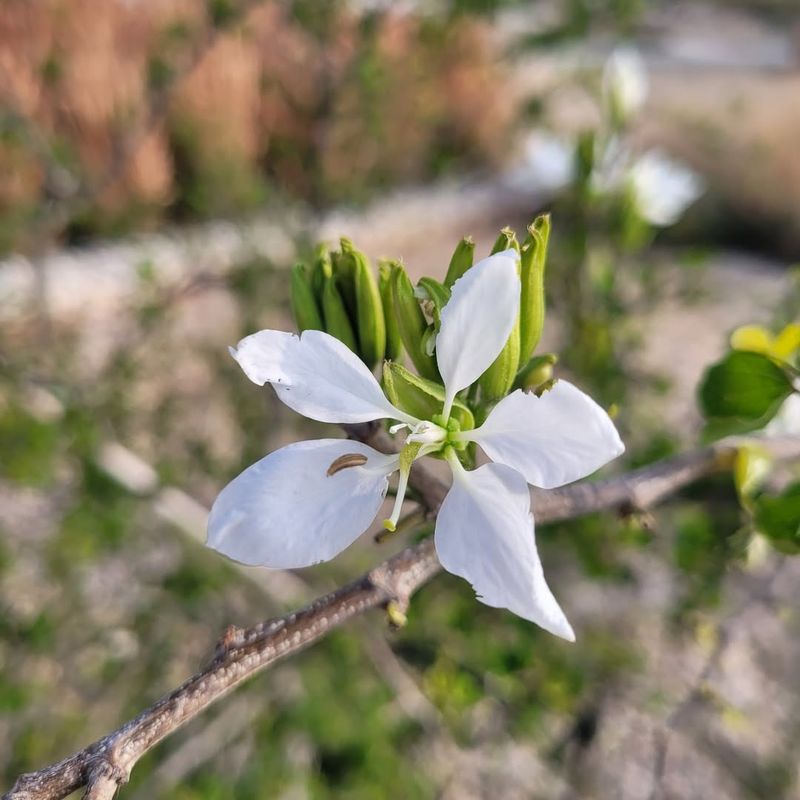
Delicate, orchid-like flowers in shades of pink, purple, or white cover the branches in early spring, creating a breathtaking display that rivals any tropical plant. This native Texas shrub thrives in rocky, alkaline soils where many other ornamentals struggle to survive.
The silvery-gray foliage provides year-round interest, maintaining a polished appearance even when not in bloom.
Landscape architects prize it for its unique beauty and exceptional drought tolerance, making it ideal for water-wise designs. The compact growth habit fits well in smaller yards and urban gardens where space is at a premium.
Homeowners love the show-stopping blooms that transform the landscape into a colorful, elegant retreat.
Texas properties gain a distinctive, sophisticated look when this rare gem is included in the garden design. The flowers appear before or alongside the leaves, creating a dramatic, uncluttered display that draws attention from across the yard.
Pollinators, including bees and butterflies, visit the blooms, adding life and movement to your outdoor space.
Designers often use it as a specimen plant near patios, entryways, or in mixed borders where its unique form can shine. The low water requirements make it perfect for sustainable, eco-friendly landscaping that reduces environmental impact.
The silvery foliage contrasts beautifully with darker green plants, creating depth and visual interest.
9. Boxwood (Heat-Tolerant Varieties)
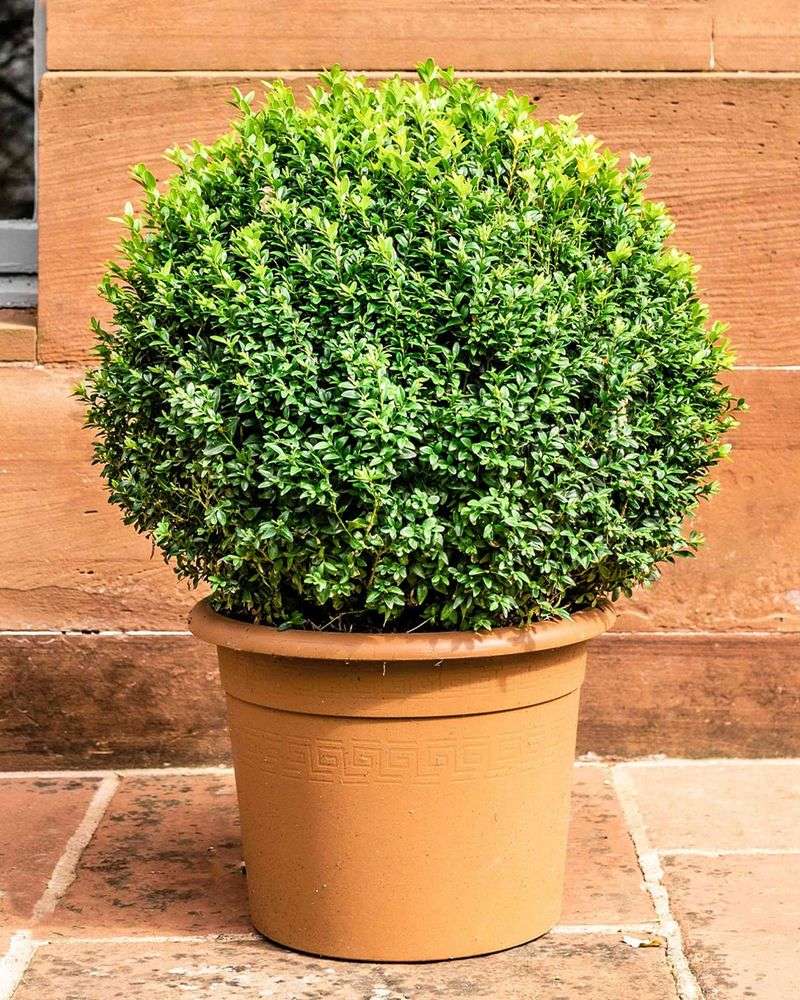
Classic, rounded forms create timeless elegance in Texas gardens, offering a traditional look that never goes out of style. Heat-tolerant varieties withstand the intense summer sun and high temperatures that would stress or damage standard boxwood cultivars.
The dense, evergreen foliage maintains a polished appearance year-round, providing structure and greenery even during winter.
Landscape designers use it for formal hedges, borders, and topiaries that add sophistication to any property. The fine-textured leaves create a smooth, uniform surface that contrasts beautifully with loose, flowing perennials and grasses.
Homeowners appreciate the versatility, as it works equally well in traditional, contemporary, and cottage garden styles.
Texas properties with this shrub often feel more refined and intentional, elevating the overall design quality. The slow growth rate means less frequent trimming and maintenance, making it ideal for busy homeowners.
The compact size fits well in foundation plantings, along walkways, and in container gardens.
Designers pair it with flowering plants and ornamental features to create layered, textured landscapes that look professionally designed. Drought tolerance improves with maturity, reducing water needs and making it suitable for sustainable landscaping.
The evergreen nature ensures your garden never looks bare or lifeless, maintaining visual interest through all seasons.
10. Cherry Laurel
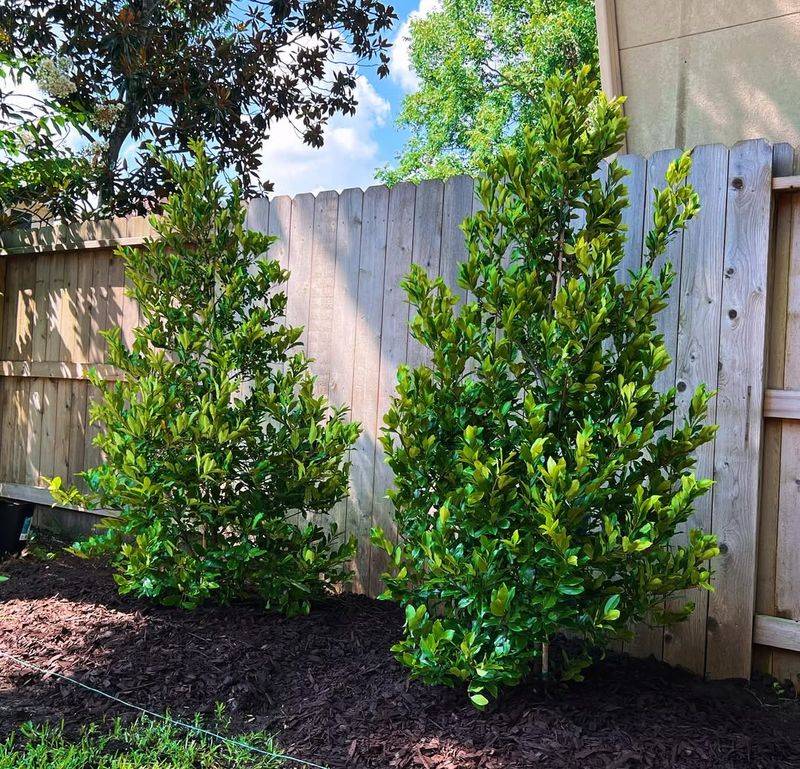
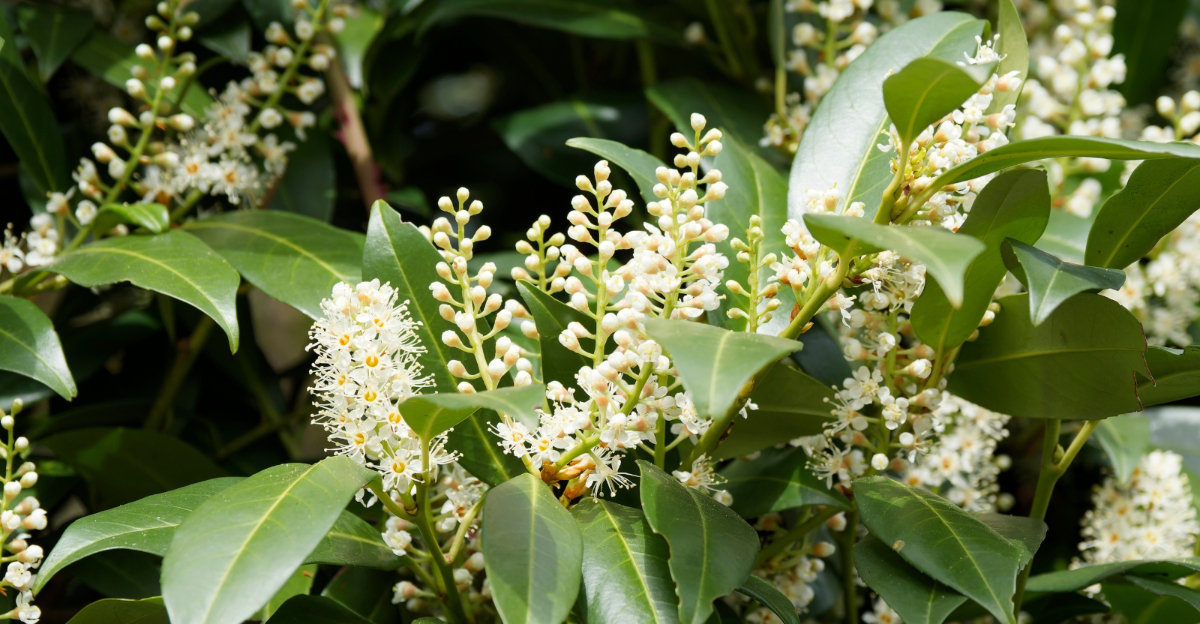
Glossy, dark green leaves create a lush, tropical appearance that transforms Texas yards into verdant, inviting retreats.
This evergreen shrub is best suited for shaded landscapes in East Texas, where higher humidity helps it maintain healthy growth.
The dense foliage blocks unwanted views and reduces noise, creating peaceful outdoor spaces perfect for relaxation and entertaining.
Landscape architects use it for tall hedges, property borders, and foundation plantings that need to make a bold statement. The white flower clusters appear in spring, adding a delicate, fragrant touch that attracts pollinators and beneficial insects.
Homeowners appreciate the low-maintenance nature, as it requires minimal pruning and watering once established.
In the right region and with adequate moisture, this plant can provide dense screening and visual structure.
The glossy foliage reflects light, creating a bright, cheerful appearance even in shaded areas. Birds nest in the dense branches, adding life and activity to your outdoor environment.
Designers pair it with colorful perennials and ornamental grasses to create layered, textured borders that look polished and intentional. Drought tolerance develops over time, making it suitable for water-wise landscaping that reduces environmental impact.
The upright, columnar growth habit fits well in narrow spaces and along property lines.