Best Month To Fertilize In Florida (And When It Actually Damages Plants)
Florida homeowners spend millions every year trying to keep lawns green and landscapes healthy, yet many unknowingly damage their plants by fertilizing at the wrong time.
That bag of fertilizer promising fast results can do more harm than good if it hits your yard during the wrong season.
Yellow patches, weak growth, runoff into storm drains, and wasted money are common outcomes of poor timing. Florida’s unique climate, sandy soil, and heavy rainfall mean yard care follows different rules than most of the country.
What works up north can quietly fail here. The real secret is not buying stronger fertilizer.
It is learning when your lawn and plants actually need nutrients. Once you understand that timing, everything changes.
You spend less, protect local waterways, and see healthier growth that lasts longer.
Why Timing Matters More Than Fertilizer Type
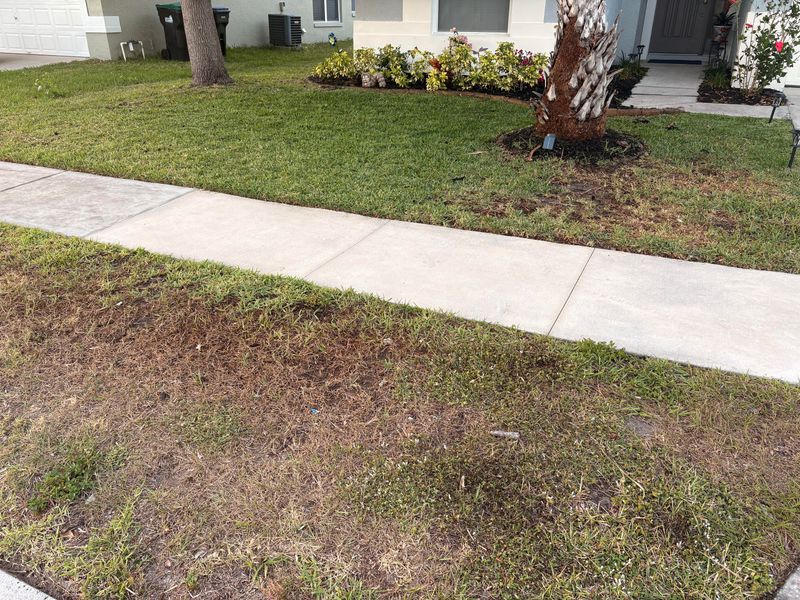
Walk through a Florida neighborhood in late March and you will notice something interesting. Some lawns look thick and green while others stay pale even though both homeowners fertilized.
The difference usually comes down to when they applied nutrients, not what brand they used.
Florida soils drain fast and rainfall washes nutrients away quickly. When you fertilize during a time when plants are not actively growing, those expensive nutrients leach straight into groundwater instead of feeding roots.
Your grass and shrubs cannot absorb what they are not ready to use.
Temperature drives plant metabolism in Florida more than anything else. Warm soil temperatures wake up root systems and trigger nutrient uptake.
Cold soil in January means roots sit dormant, so fertilizer just sits on the surface or washes away with the next storm.
Choosing the right month means your plants actually grab the nitrogen, phosphorus, and potassium you provide. You see faster green-up, stronger root growth, and better drought tolerance.
Poor timing means wasted money and potential harm to nearby lakes and rivers.
Understanding this rhythm transforms how you approach yard care. You stop guessing and start feeding your landscape when it can actually respond.
When Florida Plants Actually Use Nutrients
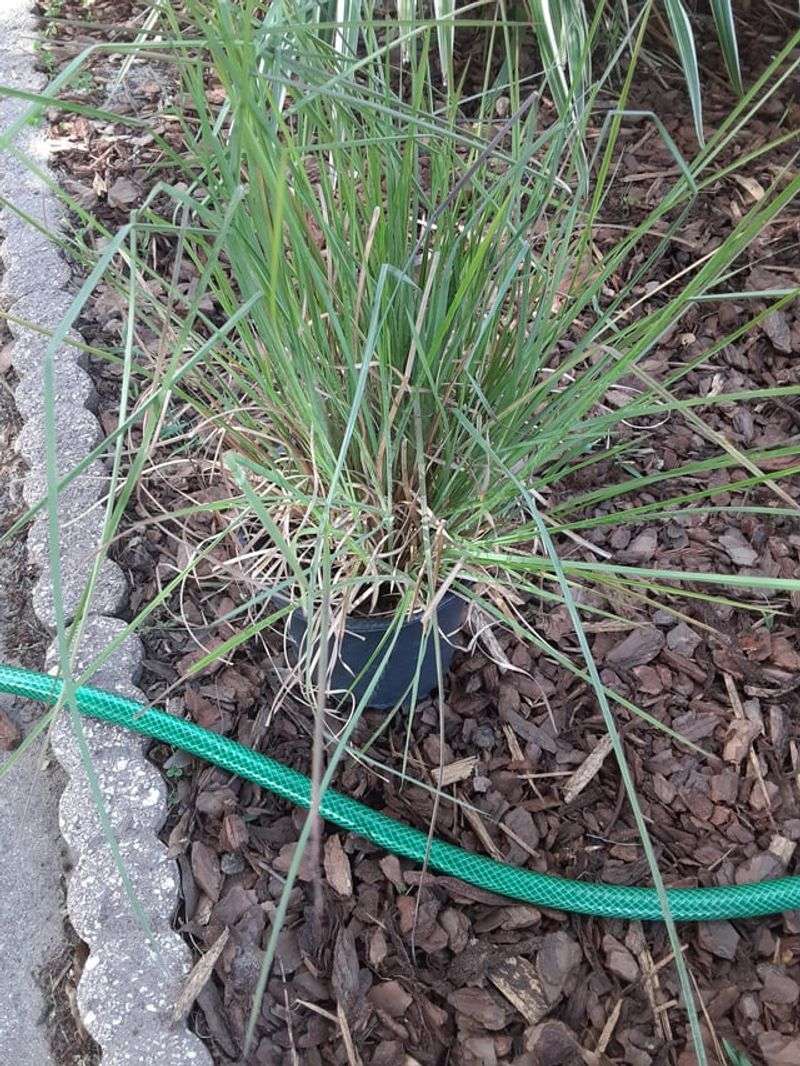
Stand in your yard on a warm April morning and you can almost feel the energy. New leaves unfurl on shrubs, grass blades push upward overnight, and roots spread through warming soil.
This is when plants actually pull nutrients from the ground.
Active growth requires fuel. As temperatures climb and daylight hours lengthen, your landscape shifts into high gear.
Roots absorb water and dissolved nutrients to build new tissue, and this uptake happens fastest when soil temperatures stay consistently above about 60 to 65 degrees.
In South Florida, this growth window stretches nearly year-round. Central Florida sees active growth from March through October.
North Florida gardens wake up a bit later in spring and slow down earlier in fall.
During cooler months, even evergreen plants reduce their metabolic activity. They still photosynthesize, but root uptake slows dramatically.
Fertilizer applied during this quiet period does not get used, so it becomes runoff waiting to happen.
Matching fertilizer applications to growth cycles ensures your plants can actually grab and use what you provide. You notice the difference in leaf color, stem strength, and overall vigor within weeks.
Your Florida Garden Changes Every Week. Your Plan Should Too.
Gardening in Florida changes quickly throughout the season. Every Friday you’ll receive a simple weekly plan showing exactly what to plant, prune, fertilize, harvest, and protect so you never miss the right timing.
The Best Month To Fertilize Lawns
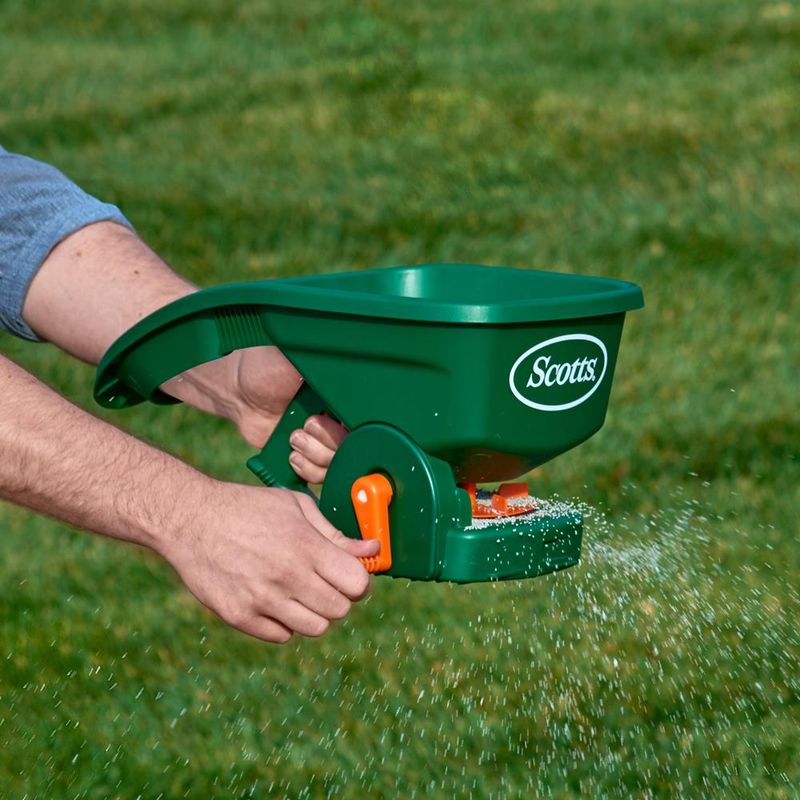
Most Florida lawns are made up of warm-season grasses such as St. Augustine, Bahia, Bermuda, and Zoysia, which follow similar seasonal growth patterns. Watch your lawn closely in early spring and you will notice a shift.
Grass blades that looked dull all winter suddenly start pushing new growth. For most Florida lawns, this happens between March and early April, and that green-up period, not a calendar date, marks your first fertilizer window.
St. Augustine, Bahia, and Bermuda grasses all respond best when soil temperatures reach the mid-60s and stay there. In South Florida, this might happen as early as late February.
Central Florida typically hits this mark in March. North Florida lawns wake up closer to mid-April.
Applying fertilizer during this green-up period gives your turf the nitrogen it needs to build dense growth before summer heat arrives. You should see visible improvement within two weeks if rainfall or irrigation helps move nutrients into the root zone.
A second application works well in early summer, around June, when growth peaks. Avoid fertilizing after September in North Florida or October in Central and South Florida, as cooler weather slows nutrient uptake and increases runoff risk.
Following these windows keeps your lawn thick and healthy without wasting fertilizer or contributing to algae blooms in local waterways.
The Best Month To Fertilize Landscape Plants
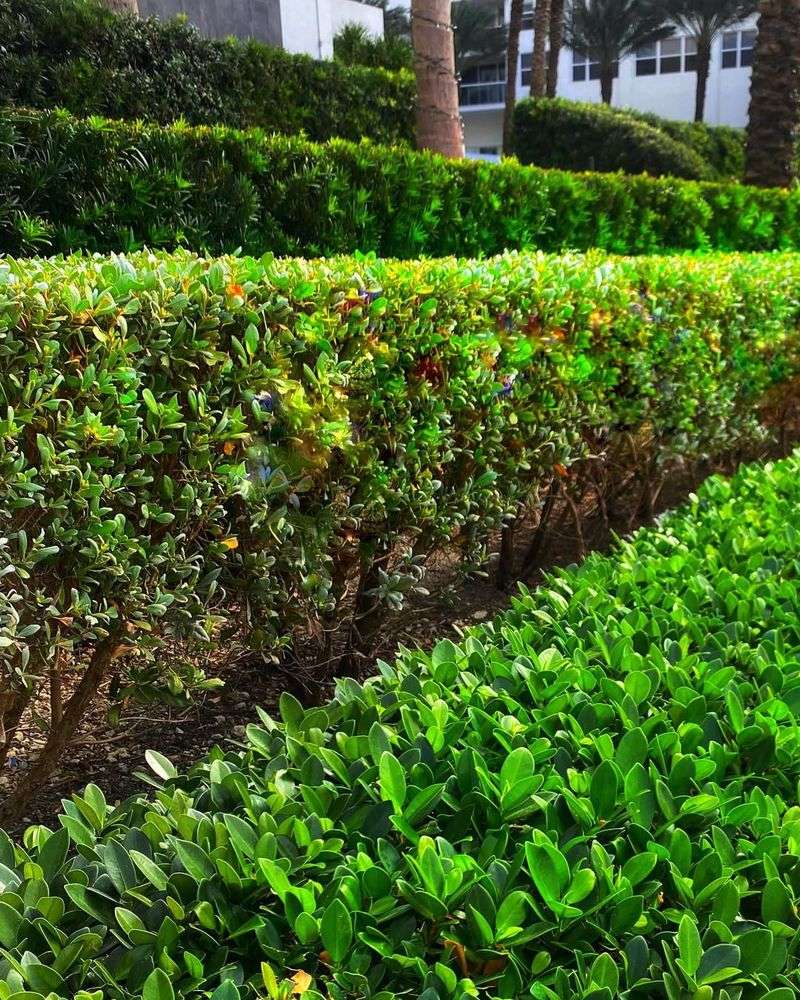
Your shrubs, trees, and perennials follow a slightly different schedule than your lawn. Most Florida landscape plants benefit most from fertilizer applied in early spring, typically March or April, when new growth appears and roots become active again.
Azaleas, gardenias, and hibiscus all push fresh foliage and flower buds as temperatures warm. Feeding them during this period supports strong bloom production and healthy leaf development.
You will notice richer color and more vigorous growth compared to plants that go unfed.
A second feeding in early summer, around June, helps sustain growth through the rainy season. This application should be lighter than spring feeding, as summer rains can quickly wash nutrients away before roots absorb them.
Avoid fertilizing landscape plants after September in North Florida or October elsewhere. As growth slows, excess nutrients encourage weak, tender growth that struggles when cooler weather arrives.
This makes plants more vulnerable to cold damage and pest problems.
Timing fertilizer to match natural growth cycles keeps your landscape looking its best without pushing plants into stress. You get stronger stems, better flowering, and healthier root systems that handle Florida weather extremes more effectively.
Why Summer Fertilizing Causes Problems
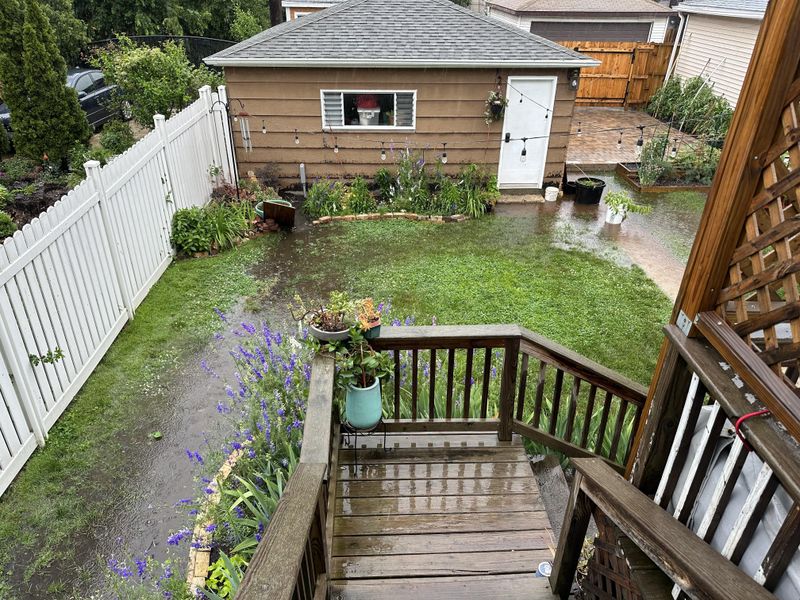
July afternoons in Florida bring something predictable. Dark clouds roll in, lightning flashes, and rain dumps inches of water in less than an hour.
If you fertilized your lawn that morning, most of those nutrients just washed straight into storm drains.
Summer rainfall patterns make fertilizer timing tricky across the state. Central and South Florida receive heavy afternoon thunderstorms almost daily during June, July, and August.
Nutrients applied during this period often leach away before roots can absorb them.
High temperatures also stress plants in ways that make fertilizer less effective. Grass and shrubs focus energy on surviving heat rather than building new growth.
Adding nitrogen during extreme heat can actually burn foliage and damage root systems already struggling with moisture stress.
Many Florida cities and counties have local fertilizer ordinances designed to protect water quality. These seasonal restrictions often apply during the summer rainy season, typically between June and September, but rules vary by location.
Always check your local regulations before applying fertilizer, as some areas allow slow-release products while others restrict most nitrogen use.
If you must fertilize in summer, choose a day with no rain in the forecast and water lightly afterward to move nutrients into soil. Better yet, wait until early fall when rainfall becomes less intense and plants can actually use what you apply.
Why Winter Fertilizing Often Backfires
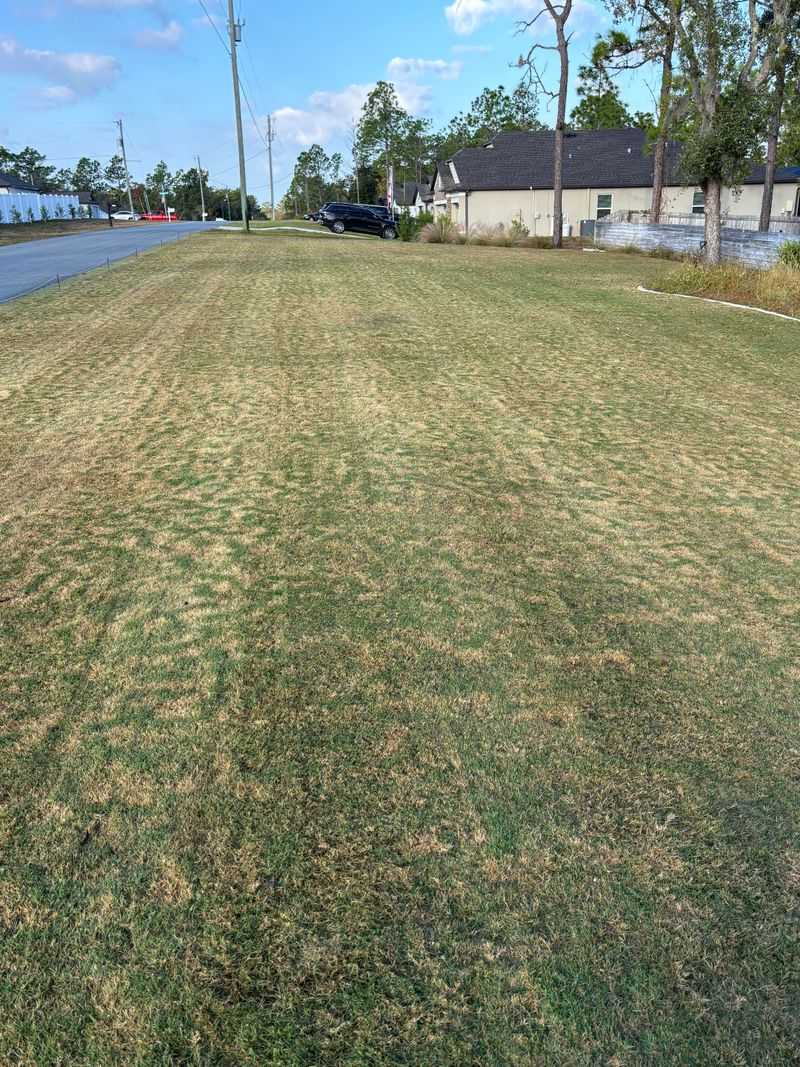
January mornings in North Florida can bring frost on the grass and temperatures in the 30s. Even in South Florida, cool fronts drop nighttime lows into the 50s.
During these cooler months, your landscape enters a rest period that makes fertilizing counterproductive.
Cool soil temperatures slow root activity dramatically. Grass and shrubs absorb very little nitrogen, phosphorus, or potassium when soil temperatures remain near or below about 60 degrees.
Fertilizer applied during winter just sits on the surface, vulnerable to runoff with the next rain.
Worse, winter fertilizing can trigger weak, tender growth that gets damaged when the next cold front arrives. Plants pushed into growth during their natural dormancy period waste energy on foliage they cannot sustain.
This weakens overall health and reduces spring vigor.
South Florida gardeners sometimes think year-round warmth means year-round fertilizing. Even in Miami, plants slow down between December and February.
Growth continues, but at a much reduced pace that does not require heavy feeding.
Avoiding most winter fertilizer applications saves you money and protects water quality. Your landscape will green up naturally when spring warmth returns, and a well-timed spring application will deliver far better results than multiple winter feedings ever could.
How Rainfall Changes Fertilizer Timing
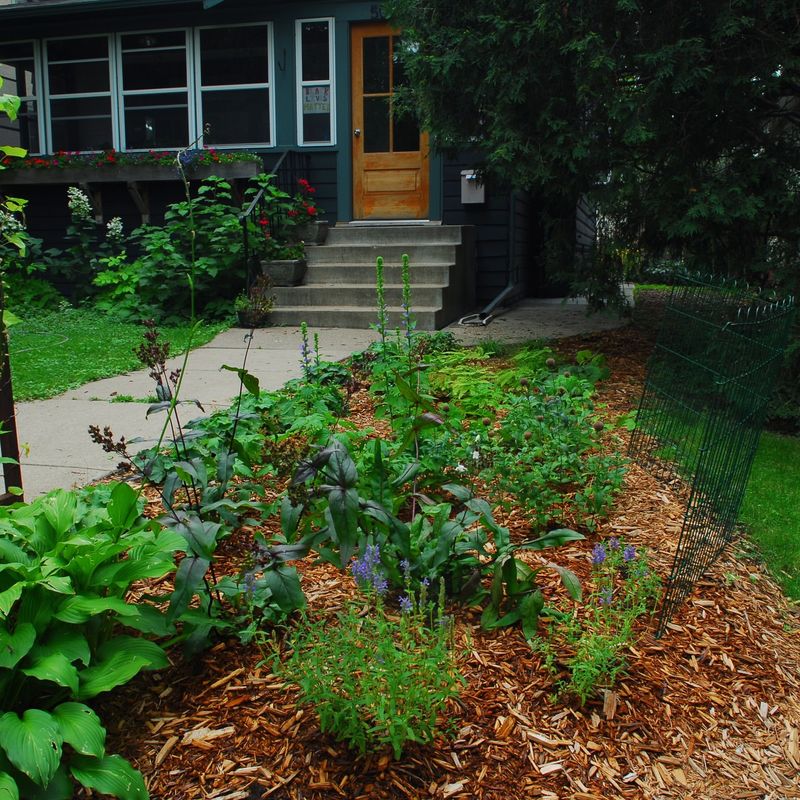
Check the weather forecast before you fertilize and you will save yourself frustration. A heavy rain within 24 hours of application washes nutrients away before roots can absorb them, turning your investment into runoff that feeds algae in nearby lakes instead of your lawn.
Florida receives about 50 to 60 inches of rain annually, but it does not fall evenly. Summer brings daily downpours while winter and spring offer drier windows.
Timing fertilizer applications during drier periods gives plants a chance to actually use what you provide.
Ideally, apply fertilizer when you expect two or three dry days followed by light rain or irrigation. This pattern allows granules to settle into soil and begin releasing nutrients before moisture moves them into the root zone.
Heavy rain too soon just flushes everything away.
Slow-release fertilizers help reduce this risk by releasing nutrients gradually over weeks or months. Even with these products, though, timing around rainfall patterns improves effectiveness and reduces environmental impact.
Pay attention to seasonal rainfall trends in your region. North Florida sees more winter rain, while South Florida experiences pronounced summer wet seasons.
Adjusting your fertilizer schedule to drier periods maximizes nutrient uptake and minimizes waste.
What Happens When Fertilizer Is Applied Too Early
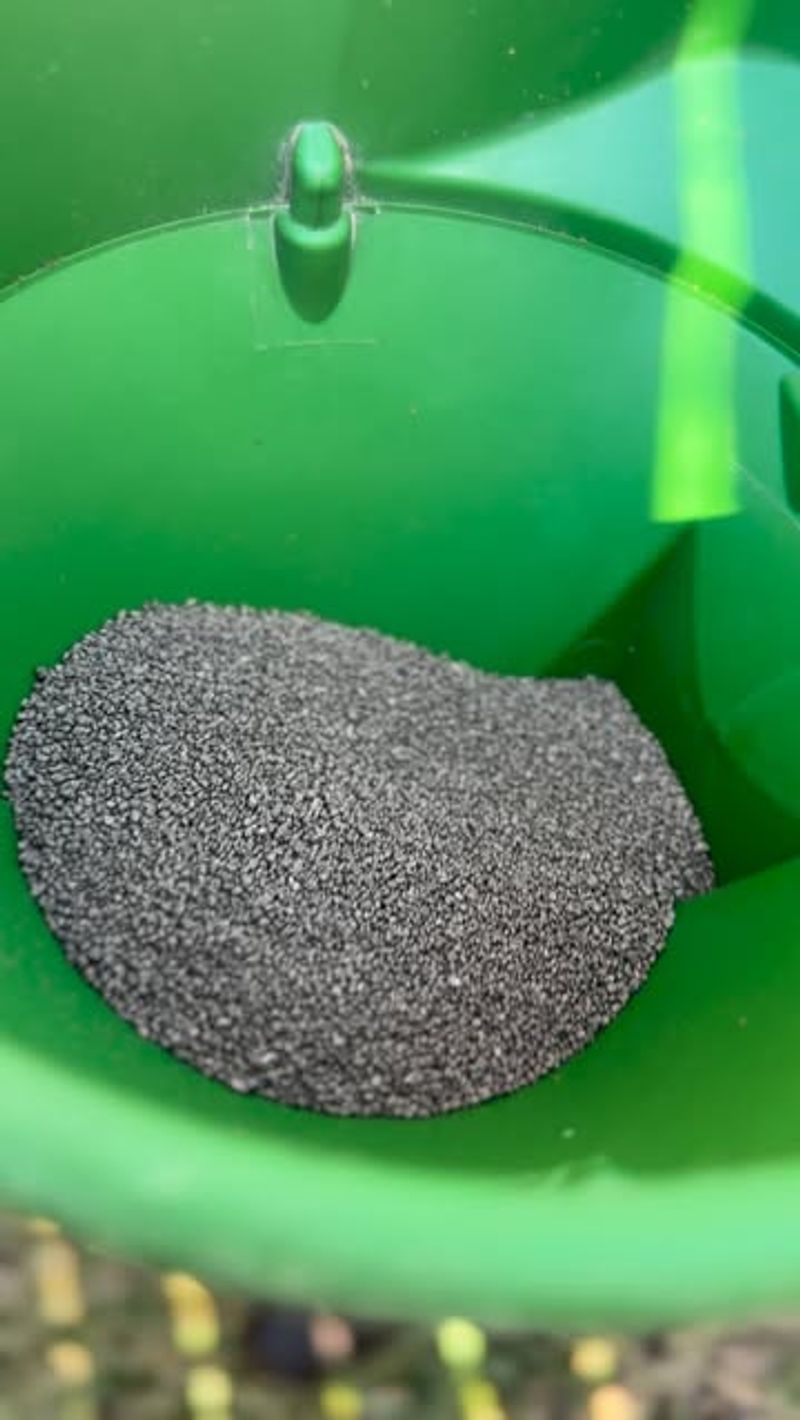
Picture yourself fertilizing your lawn in late February, eager to get a jump on spring. Soil temperatures still hover in the low 60s, and grass remains mostly inactive.
Those nutrients you just spread will likely wash away before your turf wakes up enough to use them.
Early application wastes money because plants cannot absorb nutrients they are not metabolically ready to process. Cold soil means slow root activity, so nitrogen, potassium, and phosphorus remain on the surface where rain carries them into storm drains and waterways.
You might also encourage premature growth that gets damaged by late-season cold snaps. North Florida can see freezing temperatures well into March.
Tender new growth stimulated by early fertilizer becomes vulnerable to frost damage that sets your lawn back instead of helping it.
Environmental concerns matter too. Fertilizer runoff contributes to algae blooms and water quality problems in Florida lakes, rivers, and coastal areas.
Applying nutrients before plants can use them increases this pollution risk unnecessarily.
Wait until you see consistent new growth and soil temperatures stay reliably warm. Patience pays off with better nutrient uptake, healthier plants, and less wasted fertilizer running off your property.