Think Twice Before Adding Mulch Before Texas’s Summer Heat
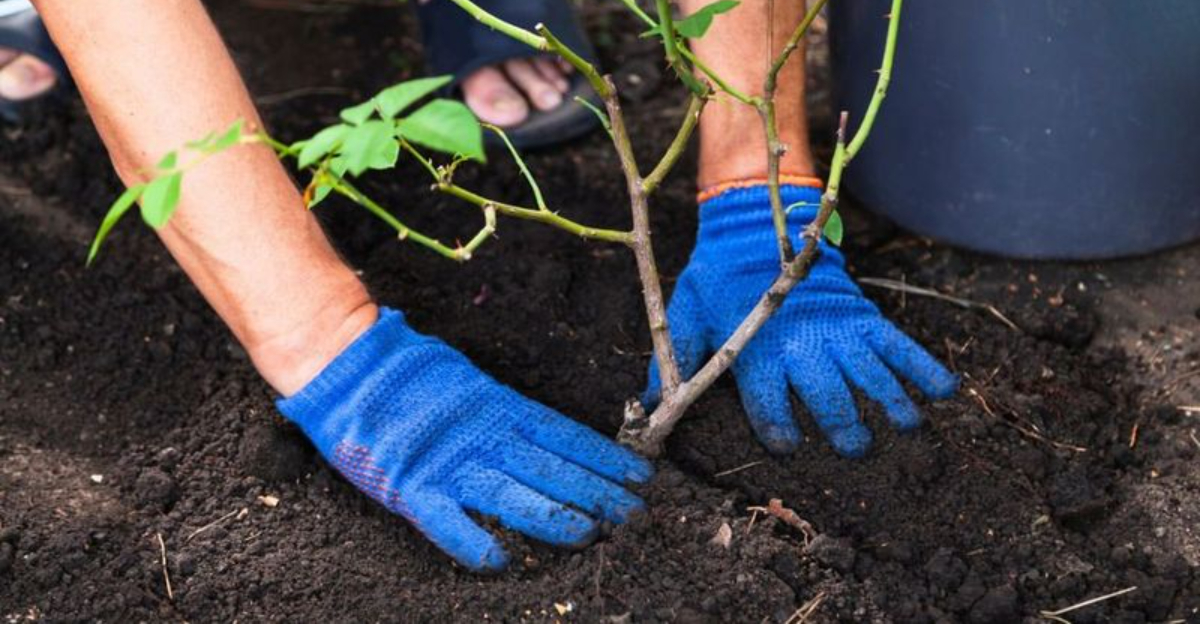
Adding mulch to your garden sounds like a smart move, especially in hot Texas weather. But here’s the surprise, timing matters more than you think.
Mulch can help your garden… or hurt it. When summer heat starts rising, the wrong mulch habits can trap too much heat, stress your plants, and even invite pests.
One small mistake can turn your yard into a heat trap. Texas summers are already intense, and your soil needs the right balance of moisture and airflow to survive the extreme temperatures.
Don’t let good intentions damage your garden. Before you spread another bag of mulch, it’s important to know when to apply it, how much to use, and what type works best.
Smart timing now means healthier plants later. Let’s break down why you should think twice before adding mulch before Texas’s summer heat.
1. Excessive Heat Retention Can Stress Your Plants
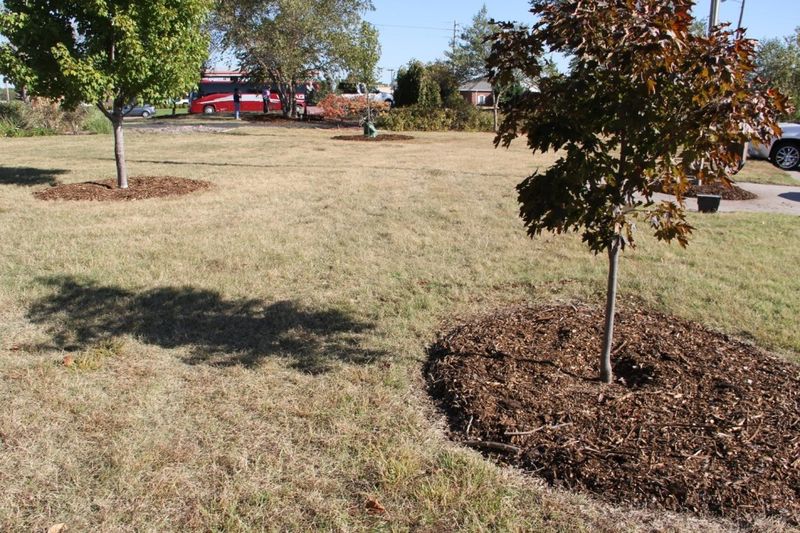
Dark-colored mulch has a sneaky way of absorbing and holding onto heat, especially when the Texas sun beats down relentlessly during summer months.
When temperatures soar past 100 degrees, that mulch layer can become even hotter than the surrounding air, essentially cooking the roots of your plants from above.
This creates a stressful environment for your garden, particularly for shallow-rooted plants and young seedlings that haven’t established deep root systems yet.
Many gardeners in Texas don’t realize that the very thing they added to protect their plants can actually work against them.
The heat trapped in dark mulch radiates downward into the soil, raising soil temperatures to levels that can damage delicate root hairs and slow down nutrient absorption.
Plants end up struggling to take in water and minerals, even when you’re watering regularly, because their roots are essentially being baked.
Lighter-colored mulches like pine straw or shredded cypress tend to reflect more sunlight and stay cooler, making them better choices for Texas gardens heading into summer. If you’ve already laid down dark mulch, consider adding a lighter layer on top or waiting until fall to mulch heavily.
Timing matters too because mulch applied in late spring or early summer doesn’t give plants time to adjust before the peak heat arrives.
Another consideration is that overheated mulch can also affect beneficial soil organisms like earthworms and helpful bacteria that keep your soil healthy.
These creatures need moderate temperatures to thrive, and when the mulch gets too hot, they either move deeper into the soil or leave the area entirely.
This disrupts the natural ecosystem that helps your plants grow strong and resilient throughout the growing season.
2. Moisture Trapping Can Lead To Root Rot
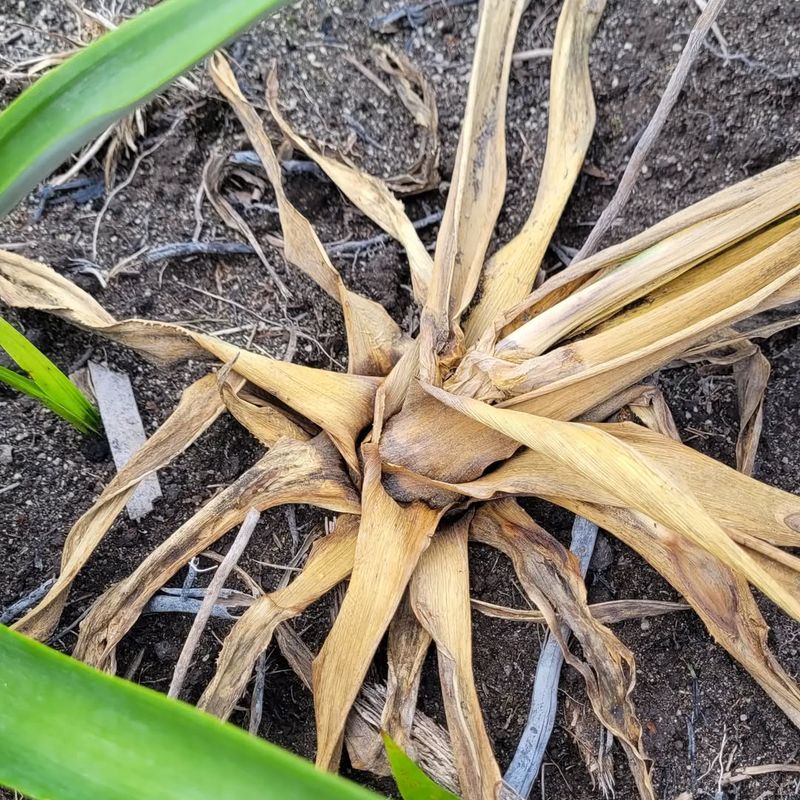
While mulch is famous for helping soil retain moisture, too much of a good thing can quickly become a problem in Texas.
When you pile on a thick layer of mulch right before summer, it can trap excessive moisture against plant stems and roots, especially during those surprise thunderstorms that pop up in late spring and early summer.
Your Texas Garden Changes Every Week. Your Plan Should Too.
Gardening in Texas changes quickly throughout the season. Every Friday you’ll receive a simple weekly plan showing exactly what to plant, prune, fertilize, harvest, and protect so you never miss the right timing.
This creates a constantly damp environment that many plants simply can’t tolerate, leading to fungal diseases and root rot.
Root rot happens when roots sit in waterlogged soil for too long, cutting off their oxygen supply and allowing harmful fungi to take over. In Texas, where humidity can already be high in many regions, adding a thick mulch layer before summer can seal in moisture like a wet blanket.
Plants that prefer well-drained soil, like rosemary, lavender, and many native Texas plants, are particularly vulnerable to this issue.
The problem gets worse when gardeners apply mulch directly against plant stems and tree trunks, creating what’s called a “mulch volcano.” This practice not only traps moisture but also provides a perfect hiding spot for insects and disease organisms.
The bark stays wet, softens, and becomes an easy entry point for pathogens that can seriously damage or even destroy your plants over the summer months.
To avoid moisture-related problems, leave a few inches of space between mulch and plant stems, and keep your mulch layer to about 2-3 inches deep.
If you live in an area of Texas that gets regular summer rains, you might want to wait until after the wettest part of spring to add mulch.
Monitor your garden regularly, and if you notice the mulch staying soggy for days after watering or rain, pull some back to improve air circulation around your plants.
3. Mulch Becomes A Pest Paradise
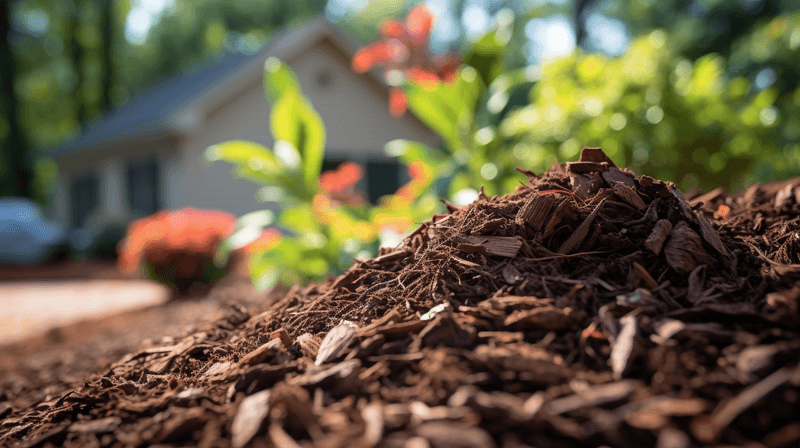
Fresh mulch can roll out the welcome mat for all sorts of unwanted visitors in your Texas garden. Termites, fire ants, roaches, and even rodents find mulch incredibly attractive because it provides shelter, moisture, and a comfortable place to build nests.
When you add mulch right before summer heat sets in, you’re essentially creating a five-star hotel for pests just as their populations are ramping up for the season.
Termites are a particularly serious concern for Texas homeowners, and certain types of mulch can attract them closer to your home’s foundation. Wood-based mulches, especially when kept moist, provide both food and habitat for termite colonies.
Once they establish themselves in your mulch bed, it’s just a short trip to the wooden structures of your house. This risk increases significantly during summer when termite activity peaks across most of Texas.
Fire ants, another notorious Texas pest, absolutely love building their mounds in and under mulch layers.
The mulch keeps their colonies insulated and protected from extreme temperature swings, and the moisture trapped underneath gives them ideal conditions for raising their young.
If you’ve ever disturbed a fire ant colony hidden in mulch, you know how quickly a simple gardening task can turn painful.
Rodents and snakes also appreciate the cover that mulch provides, especially when it’s piled thick and close to structures. As summer heat drives these creatures to seek cooler spots, a nice mulch bed near your home becomes increasingly attractive.
To reduce pest problems, consider using cedar or cypress mulch, which naturally repel some insects, and always keep mulch at least 6 inches away from your home’s foundation and at least 3 inches away from plant stems.
4. Fire Hazard Risks Increase Dramatically
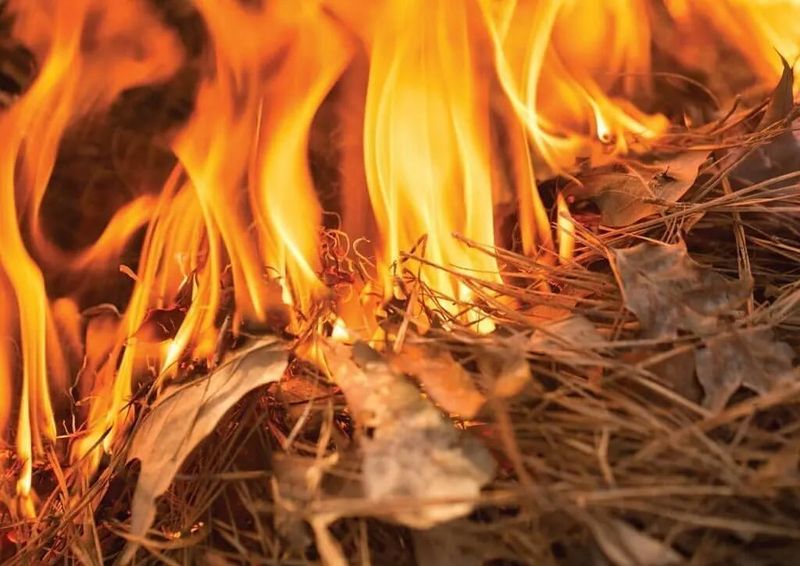
Something many Texas gardeners overlook is that dry mulch can become a serious fire hazard during the long, hot summer months.
When mulch dries out completely under the relentless Texas sun, it turns into excellent kindling that can ignite from a carelessly tossed cigarette, a spark from lawn equipment, or even focused sunlight through glass.
Once mulch catches fire, it can smolder for hours or even days, spreading slowly but steadily toward your home or other structures.
The risk is especially high in areas of Texas that experience drought conditions during summer, which happens frequently across the state. Mulch fires are particularly dangerous because they don’t always produce visible flames at first.
Instead, they can smolder underground, moving through the mulch layer and root systems without anyone noticing until significant damage has already occurred.
By the time you see smoke or flames, the fire may have already spread to plants, fences, or even your home’s siding.
Certain types of mulch are more flammable than others, with fine shredded materials and pine needles being among the most dangerous. These materials have more surface area exposed to air, which means they dry out faster and ignite more easily.
In contrast, larger wood chips and inorganic mulches like gravel or rubber are much less likely to catch fire, making them safer choices for areas close to buildings or in fire-prone regions of Texas.
If you do choose to mulch before summer, take precautions to reduce fire risk. Keep mulch beds well-watered during dry spells, create a buffer zone of at least 3-5 feet of non-combustible material around your home, and avoid piling mulch against wooden structures.
Consider switching to less flammable materials in high-risk areas, and always dispose of smoking materials properly, well away from mulched areas.
5. Nitrogen Depletion Weakens Plant Growth
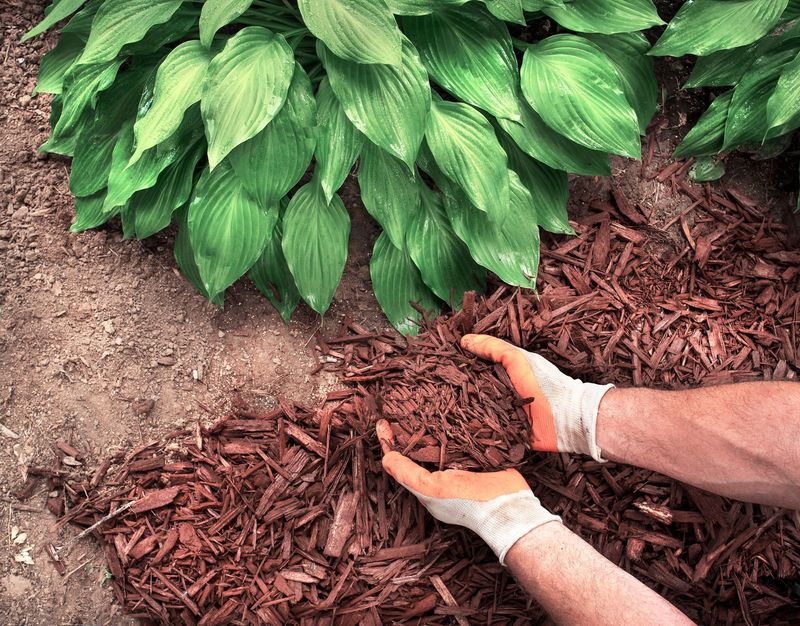
Fresh wood mulch has a hidden cost that catches many gardeners off guard: it steals nitrogen from your soil as it decomposes.
Microorganisms that break down the mulch need nitrogen to do their work, and they’ll pull it right out of the surrounding soil, leaving less available for your plants.
When you add fresh mulch right before summer, you’re setting up a competition for nutrients just as your plants need all the strength they can get to survive the heat.
This nitrogen theft is temporary, but it happens at the worst possible time if you mulch in late spring. Your garden plants are trying to grow vigorously, produce flowers, and set fruit, all of which require plenty of nitrogen.
Meanwhile, the decomposing mulch is hogging this essential nutrient, leaving your plants looking pale, growing slowly, and producing disappointing results throughout the summer months.
The problem is most severe with fresh wood chips and sawdust, which have high carbon-to-nitrogen ratios.
As these materials break down, they can lock up nitrogen for months, creating a deficiency that shows up as yellowing leaves, stunted growth, and poor flowering.
In Texas, where summer already stresses plants with heat and occasional drought, adding a nitrogen deficiency to the mix can push them over the edge.
You can work around this issue in several ways. Composted or aged mulch has already gone through most of its decomposition process, so it won’t rob your soil of nitrogen the way fresh mulch does.
If you do use fresh mulch, add some extra nitrogen fertilizer to compensate for what the decomposing material will consume. Another option is to apply mulch in fall instead of spring, giving it time to start breaking down before the critical growing season arrives.
Some Texas gardeners also prefer using nitrogen-rich materials like grass clippings or compost as mulch, though these break down faster and need more frequent replacement.
6. Wrong Mulch Type For Texas Climate
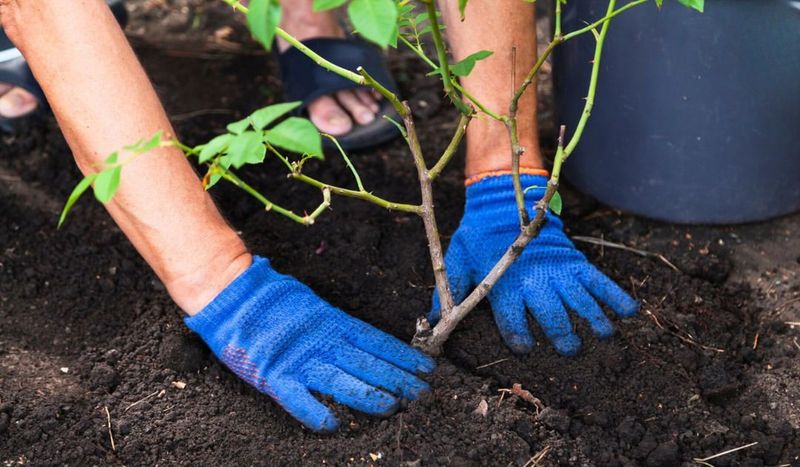
Not all mulch is created equal, and what works beautifully in cooler, wetter climates can be a disaster in Texas. Many gardeners make the mistake of choosing mulch based on appearance or price without considering how it will perform during a Texas summer.
Some materials break down too quickly in the heat, others become water-repellent when dry, and some simply can’t handle the temperature extremes that Texas throws at them year after year.
Peat moss, for example, is popular in northern states but performs terribly in Texas heat. Once it dries out, it becomes almost waterproof, actually repelling water instead of absorbing it.
This means your irrigation water runs right off instead of soaking into the soil where your plants need it. Similarly, fine bark mulches can form a crusty layer in intense heat that prevents water penetration and makes it difficult for new plants to establish themselves.
Rubber mulch might seem like a good permanent solution, but it can get extremely hot in direct Texas sunlight, sometimes reaching temperatures that can actually burn plant tissues.
It also doesn’t improve soil quality the way organic mulches do, and it can leach chemicals into the soil over time.
In contrast, materials like native cedar, hardwood chips, and pine bark tend to perform well across most of Texas, breaking down at a reasonable rate while providing good moisture retention and temperature moderation.
Regional differences within Texas also matter when selecting mulch. What works great in humid East Texas might not be ideal for the dry conditions of West Texas or the unique soil chemistry of the Hill Country.
Before mulching, talk to local nurseries or your county extension office about which materials perform best in your specific area. They can recommend mulches that match your local climate, soil type, and the particular challenges of Texas summers in your region.
7. Improper Application Smothers Plants
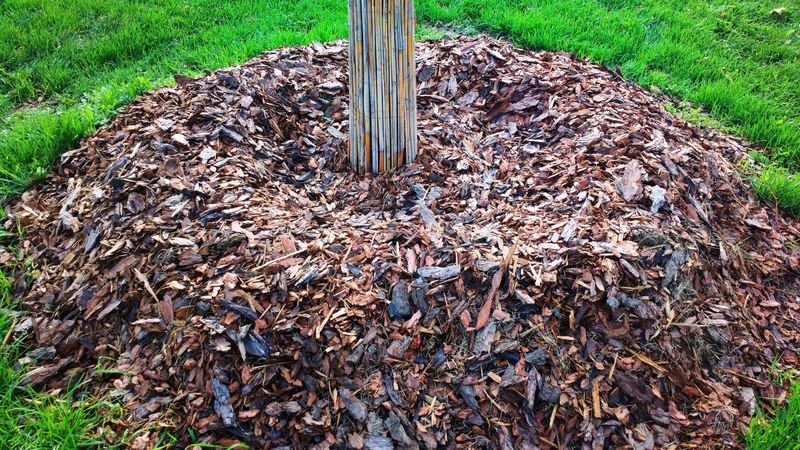
Even good mulch can cause serious problems when applied incorrectly, and the mistakes people make right before summer can haunt their gardens for months. One of the most common errors is applying mulch too thickly, creating a barrier that prevents water and air from reaching plant roots.
When you pile on 6 or 8 inches of mulch thinking more is better, you’re actually suffocating your plants just as they need to be at their strongest to handle Texas summer stress.
Thick mulch layers also prevent rainfall and irrigation water from penetrating down to the root zone where plants can actually use it. Water hits the mulch surface and either runs off or gets absorbed by the mulch itself, never making it to the soil underneath.
This is especially problematic during Texas summers when water is precious and plants are already struggling with heat stress. You end up wasting water and still having thirsty plants, which makes no sense but happens all the time.
The infamous mulch volcano, where mulch is piled high against tree trunks and plant stems, is another application mistake that causes countless problems.
This practice traps moisture against the bark, encourages insect damage, and can actually girdle trees over time as roots grow up into the mulch instead of down into the soil.
In Texas heat, the combination of trapped moisture and high temperatures creates perfect conditions for bark diseases and insect infestations.
Proper mulch application is simple but requires attention to detail. Keep your mulch layer between 2 and 3 inches deep for most plants, and pull it back at least 3 inches from plant stems and 6-12 inches from tree trunks.
Think of it like a donut, not a volcano, with the plant stem sitting in the hole. If you’re mulching before summer in Texas, less is definitely more, and proper technique matters far more than the quantity of mulch you apply.