Should You Water Your Florida Lawn In Winter Or Is It Hurting Your Grass
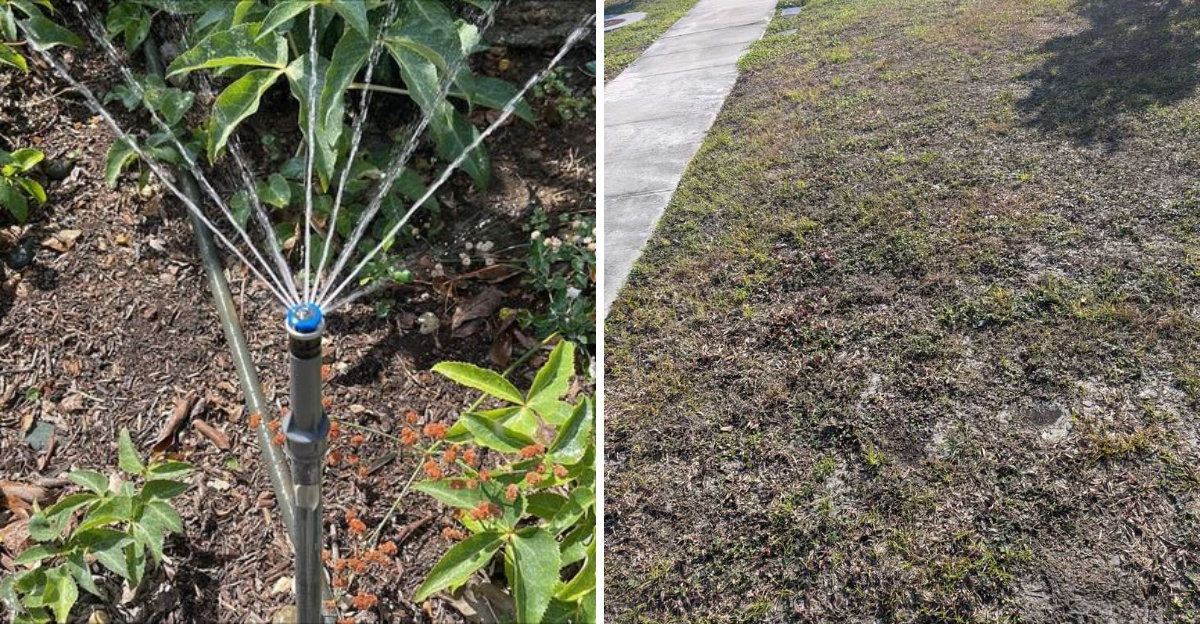
You walk outside on a cool Florida morning and your lawn looks damp from heavy dew. The sprinklers kick on anyway.
Sound familiar? This is one of the most common winter lawn mistakes homeowners make, and it quietly damages grass long before the first signs appear.
Many people keep watering on summer schedules without realizing that Florida lawns behave very differently when temperatures drop. Growth slows, roots rest, and too much moisture can turn healthy turf into a breeding ground for fungus and shallow roots.
At the same time, going too dry during extended rain-free weeks can also stress your lawn and lead to weak spring recovery. Most homeowners aren’t sure when watering actually helps and when it quietly makes things worse.
When you understand what your grass is doing in winter, you can save money, keep your lawn healthier, and avoid headaches that usually don’t show up until spring.
What Your Lawn Is Actually Doing In Winter
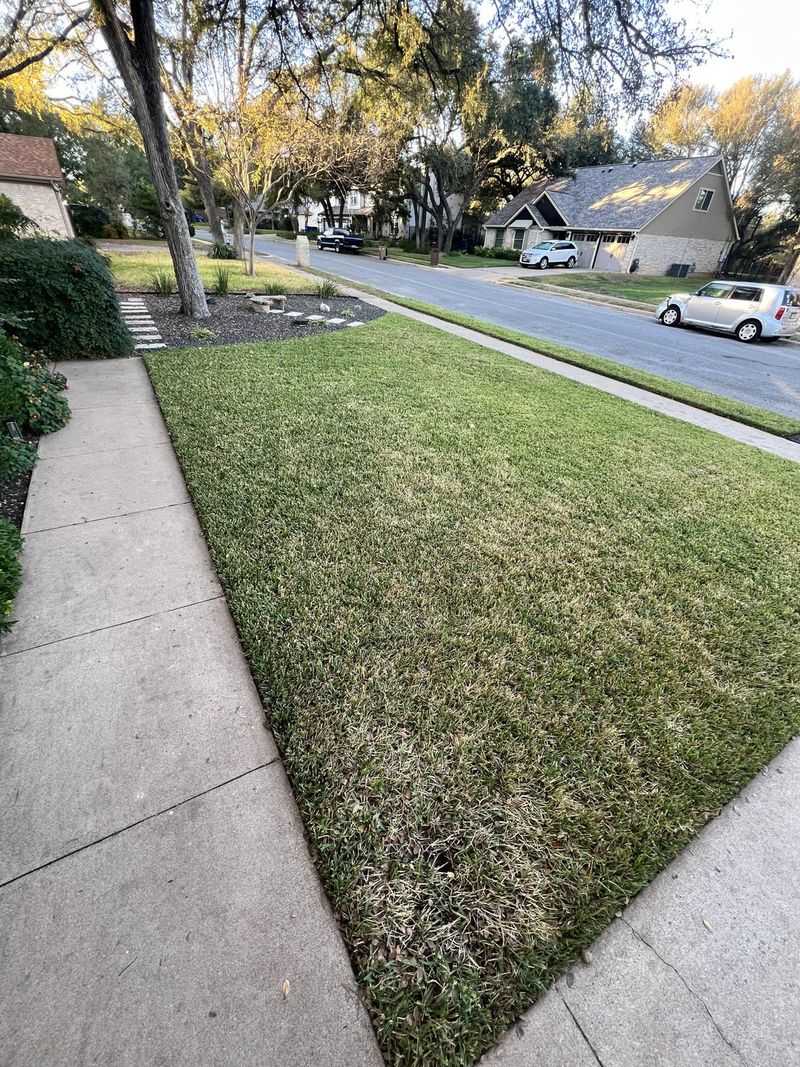
Step outside on a January morning and your grass looks calm, almost sleepy. That slower pace is not laziness but biology at work.
When average daytime temperatures drop into the low to mid-60s and daylight hours shorten, warm-season grasses like St. Augustine, Bahia, and Bermuda gradually shift into a resting phase where growth slows dramatically and root activity decreases.
In North Florida, lawns often go fully dormant and turn tan or straw-colored. Central Florida turf slows down but usually stays green with occasional growth spurts on warmer weeks.
South Florida grass keeps growing year-round, though at a gentler rhythm than summer.
This dormancy is natural and healthy. Your grass is conserving energy and moisture for the busy growing season ahead.
Overwatering during this quiet time does not restart growth and instead increases disease pressure while encouraging shallow root development in turf that is not actively growing.
Understanding this seasonal shift helps you adjust irrigation to match what your lawn is actually doing, not what you think it needs based on summer habits.
Why Winter Watering Confuses Homeowners
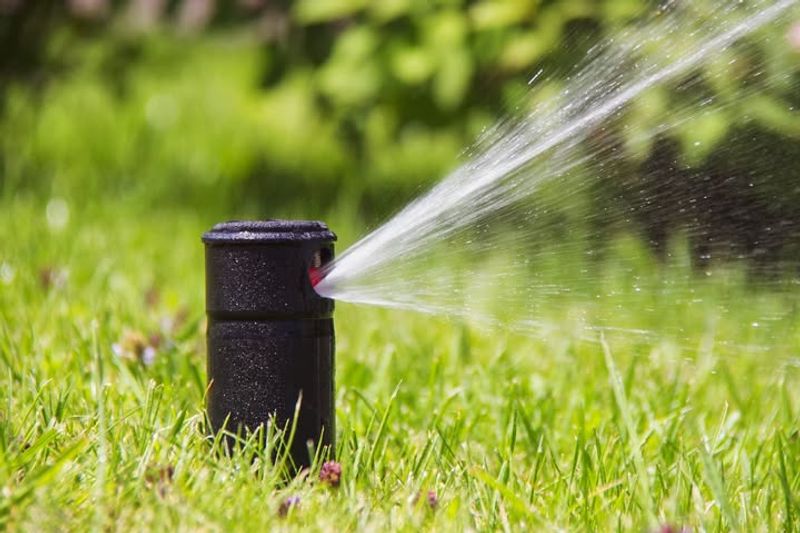
Most Florida homeowners set their irrigation timers in May and forget about them until the following spring. That autopilot approach works fine during the rainy season, but it creates problems when cooler weather arrives and your lawn no longer needs the same moisture schedule.
You might see your sprinklers running three times a week while morning dew already covers the grass and recent rainfall has soaked the soil.
The confusion comes from mixing national lawn advice with Florida’s unique climate. Magazines and websites often recommend consistent watering year-round, but they are usually talking about cool-season grasses in northern states.
Florida warm-season turf behaves completely differently in winter.
Another source of confusion is visual. Your grass might look dry or brown, but that appearance often signals dormancy, not thirst.
Watering dormant grass will not make it green again. It just keeps the soil wet without helping the plant, and that excess moisture invites fungal problems and shallow root development that weakens your lawn when spring arrives.
Your Florida Garden Changes Every Week. Your Plan Should Too.
Gardening in Florida changes quickly throughout the season. Every Friday you’ll receive a simple weekly plan showing exactly what to plant, prune, fertilize, harvest, and protect so you never miss the right timing.
When Winter Watering Helps
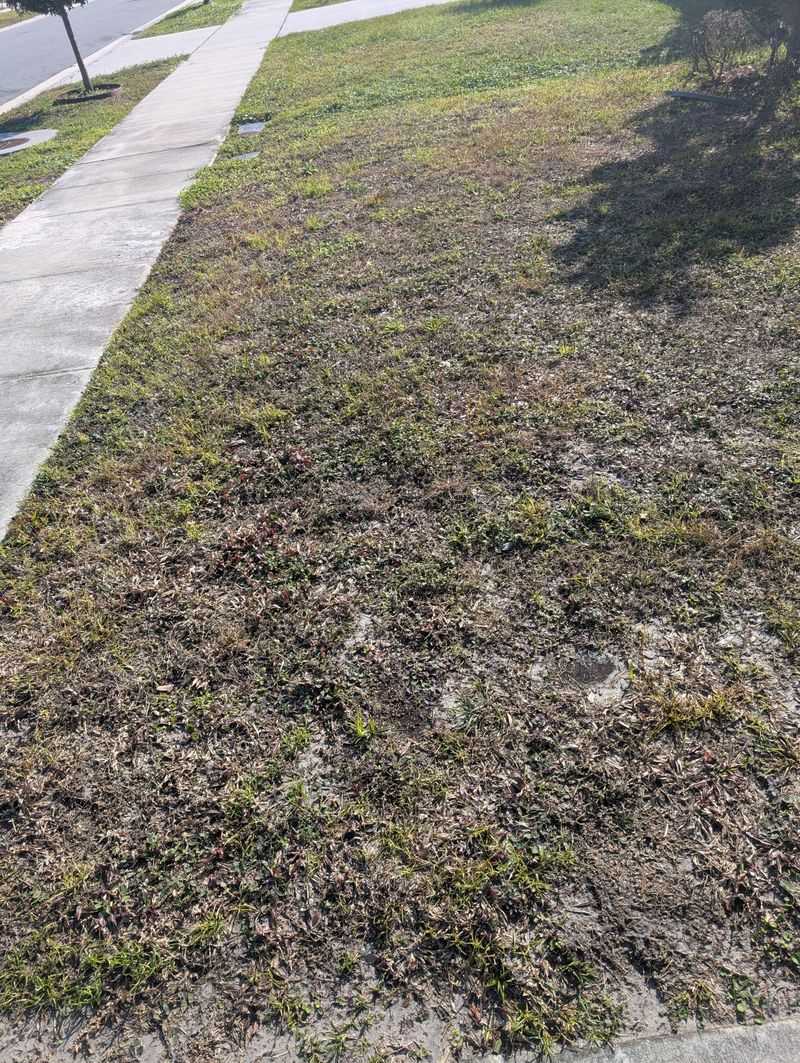
There are moments when your Florida lawn genuinely needs water during winter, even when growth slows down. Extended dry spells without rain can stress turf roots, especially in sandy soil that drains quickly.
If you go three or four weeks without measurable rainfall and the soil feels dry several inches down, a light watering helps protect root health.
South Florida lawns often benefit from occasional winter irrigation because grass stays active and temperatures rarely dip low enough to trigger full dormancy. A light watering every ten to fourteen days keeps roots hydrated without overdoing it.
Newly sodded or overseeded areas also need consistent moisture during winter establishment, regardless of dormancy elsewhere in your yard. Young roots have not developed deep systems yet and dry out faster than mature turf.
Watering these sections separately from the rest of your lawn ensures they establish properly without flooding dormant areas that need less attention during cooler months.
When Winter Watering Causes Problems
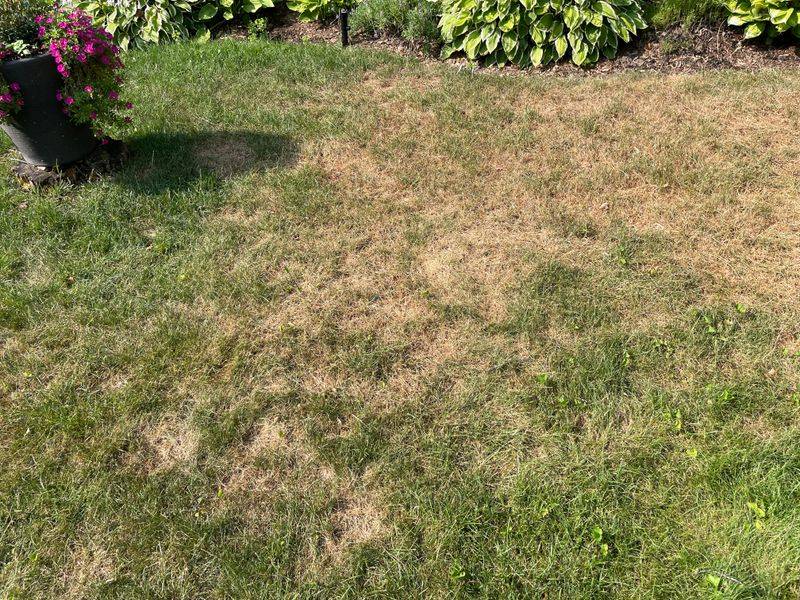
Running your irrigation system too often during Florida winters creates a host of turf problems that might not show up until spring. Overwatering keeps soil saturated, which suffocates grass roots and encourages shallow root growth.
Shallow roots make your lawn more vulnerable to drought stress when hot weather returns. Excess moisture also invites fungal diseases like brown patch and gray leaf spot, which thrive during cool, humid weather with extended leaf wetness.
You might notice circular brown patches or slimy leaf blades that spread quickly across your yard. These fungal issues weaken turf and require expensive treatments to control.
Another hidden problem is nutrient leaching. Sandy Florida soils drain quickly, and too much water washes away nitrogen and other nutrients before grass roots can absorb them.
Your lawn ends up pale and weak even though you are watering frequently. Cutting back on winter irrigation allows roots to stay healthier, soil to breathe properly, and fungal spores to stay dormant instead of multiplying across your turf during the coolest months of the year.
How Much Water Grass Needs In Cool Weather
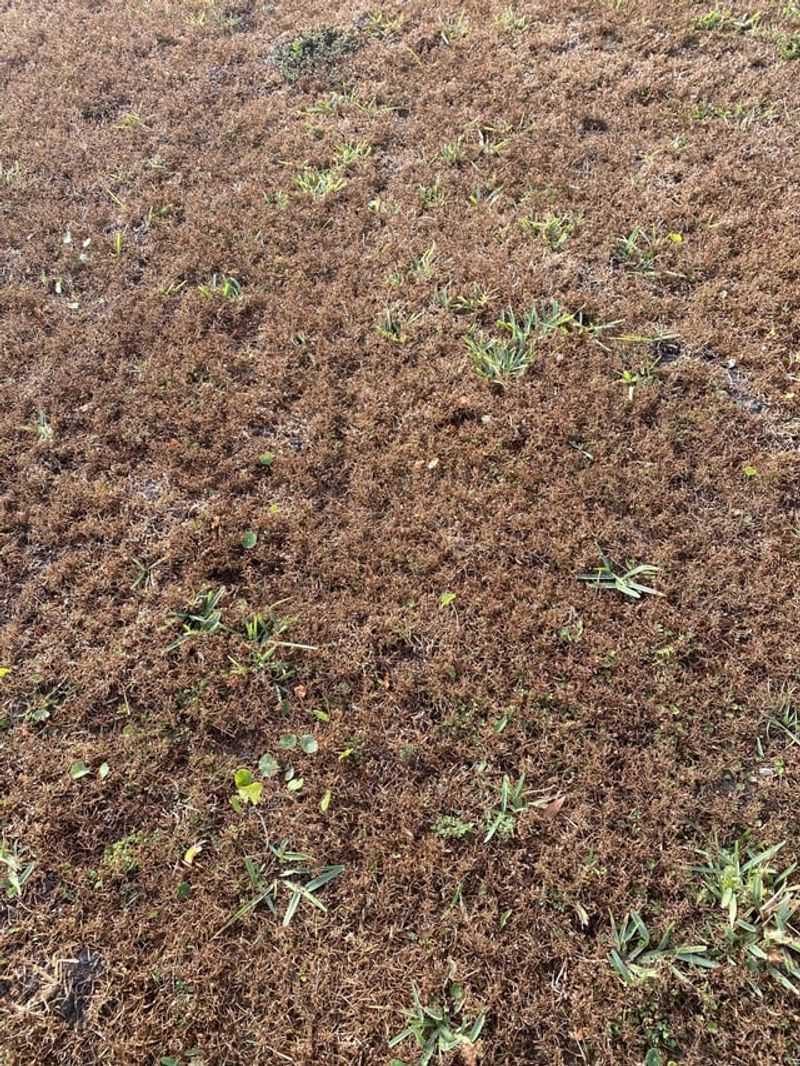
Florida warm-season grasses need far less water in winter than during summer growing months. Most dormant or slow-growing turf requires only about one-quarter to one-half inch of water every two to three weeks during extended dry periods, and that total includes rainfall.
If nature provides the moisture, your sprinklers can stay off completely.
South Florida lawns that remain actively growing need slightly more, around one-half to three-quarters of an inch every seven to ten days. But even that amount is significantly less than the inch or more per week required during peak summer heat.
The easiest way to check moisture needs is the screwdriver test. Push a long screwdriver into your lawn soil.
If it slides in easily to a depth of six inches, the soil holds enough moisture and watering can wait. If the screwdriver meets resistance in the top few inches, a light watering session helps.
This simple test prevents guessing and ensures you are responding to actual soil conditions rather than calendar schedules that might not match what your lawn truly needs during cooler weather.
How Rainfall Changes Your Irrigation Schedule
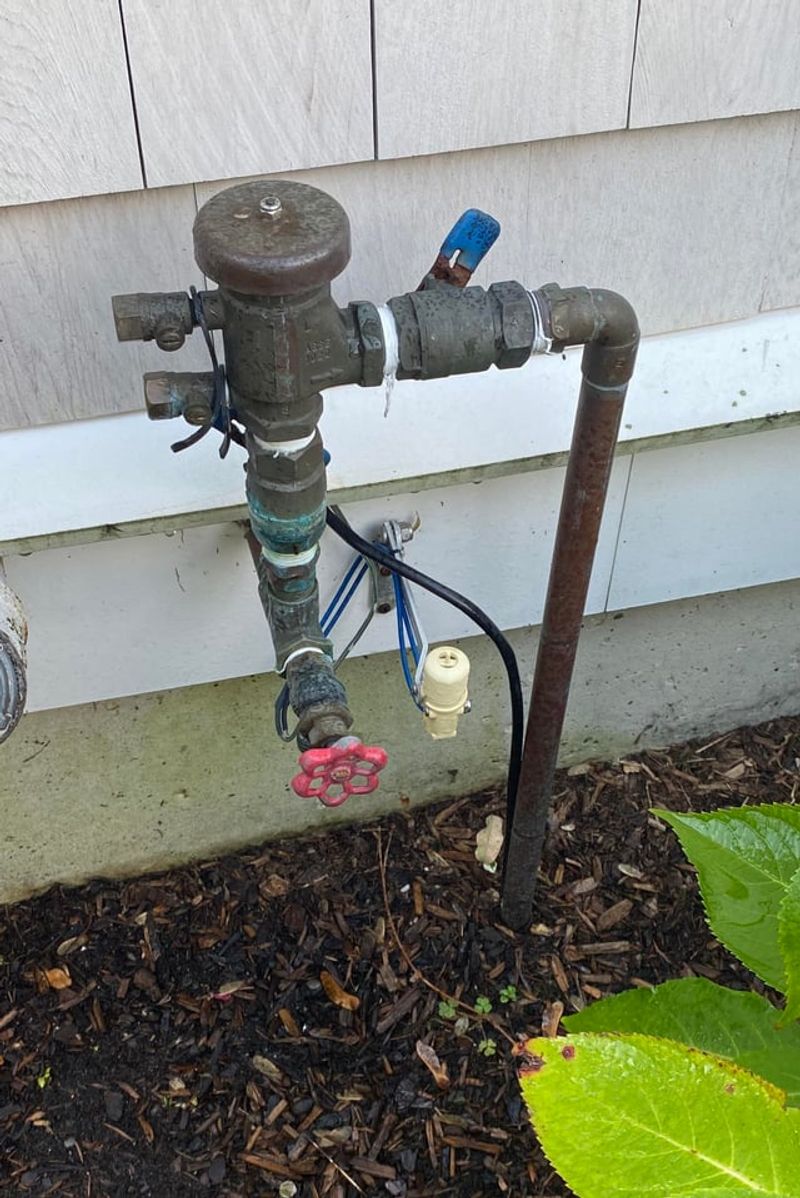
Florida winters bring unpredictable rainfall patterns that make fixed irrigation schedules inefficient and wasteful. Some weeks deliver heavy rainstorms that soak the soil deeply, while other stretches stay dry for weeks.
Running sprinklers on a timer without checking rainfall totals means you are often watering grass that already has plenty of moisture.
Installing a rain sensor on your irrigation system is one of the smartest winter adjustments you can make. These inexpensive devices automatically shut off your sprinklers when measurable rain falls, preventing unnecessary watering and saving water during wet periods.
Many basic rain sensors are available for under fifty dollars and connect easily to most existing irrigation systems, though prices vary by brand and features.
Tracking weekly rainfall with a simple rain gauge also helps you decide when to water. If your area receives half an inch or more of rain in a week, your lawn likely needs no additional irrigation.
Adjusting your schedule based on actual weather instead of fixed timers keeps your turf healthier, reduces water waste, and aligns with Florida-Friendly Landscaping principles that encourage responsive irrigation management during cooler months.
How Soil Type Affects Winter Watering
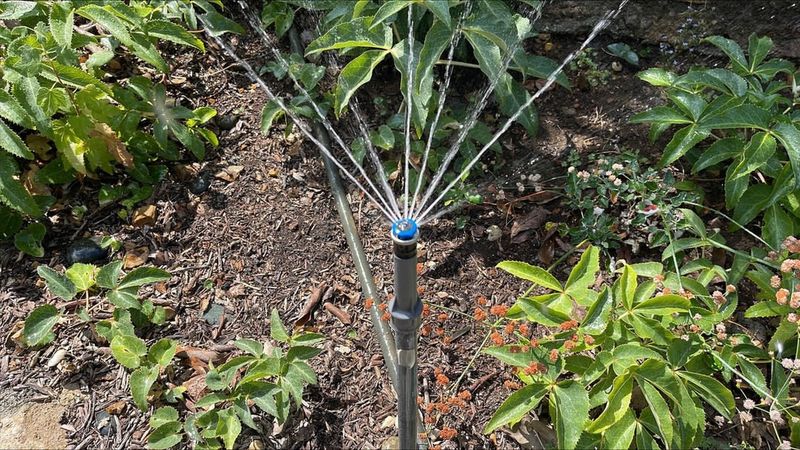
Florida soils vary dramatically across the state, and understanding your soil type makes a big difference in winter watering decisions. Sandy soils dominate most of Florida and drain quickly, which means they dry out faster even during cooler months.
If your yard has sandy soil, you might need occasional light watering during extended dry spells to keep roots from desiccating.
Clay and loam soils hold moisture much longer and require far less frequent watering in winter. Overwatering these heavier soils creates waterlogged conditions that suffocate roots and promote fungal growth.
If water puddles on your lawn after rain or irrigation, your soil is holding too much moisture and watering should stop completely until conditions dry out.
Checking soil moisture at a depth of four to six inches gives you the real story. Dig a small hole or use a soil probe to see how damp the root zone actually is.
Surface dryness does not always mean your lawn needs water. Adjusting irrigation based on soil type and actual moisture levels prevents both under-watering and over-watering problems that can quietly weaken your turf during winter dormancy.
Regional Differences In Florida Winter Lawn Care
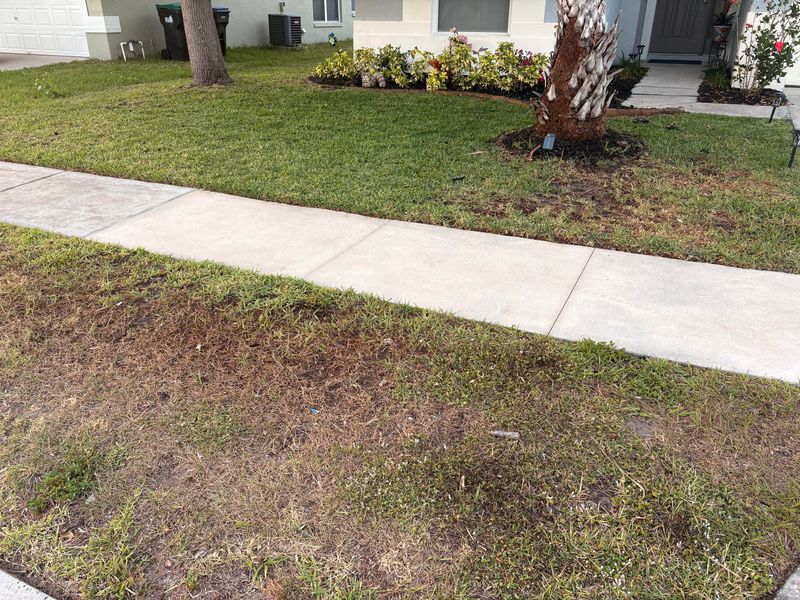
Florida stretches across multiple climate zones, and winter lawn care looks different depending on where you live. North Florida experiences true winter cold with frequent freezes that send warm-season grasses into full dormancy.
Lawns turn tan or brown and stop growing entirely. Watering dormant turf in North Florida is rarely necessary unless you experience an unusually dry winter lasting more than a month without rain.
Central Florida sits in a transition zone where grass slows down significantly but usually stays green. Occasional warm spells trigger brief growth spurts, so light watering every two to three weeks during dry periods helps maintain root health without overdoing moisture.
South Florida lawns keep growing year-round because freezing temperatures are rare. Grass remains actively green and continues to need regular moisture, though at reduced levels compared to summer.
Watering every seven to ten days during dry spells keeps South Florida turf healthy without wasting water. Understanding these regional differences helps you tailor irrigation schedules to match your specific climate zone and turf behavior during Florida’s cooler months.
How To Adjust Sprinklers For The Season
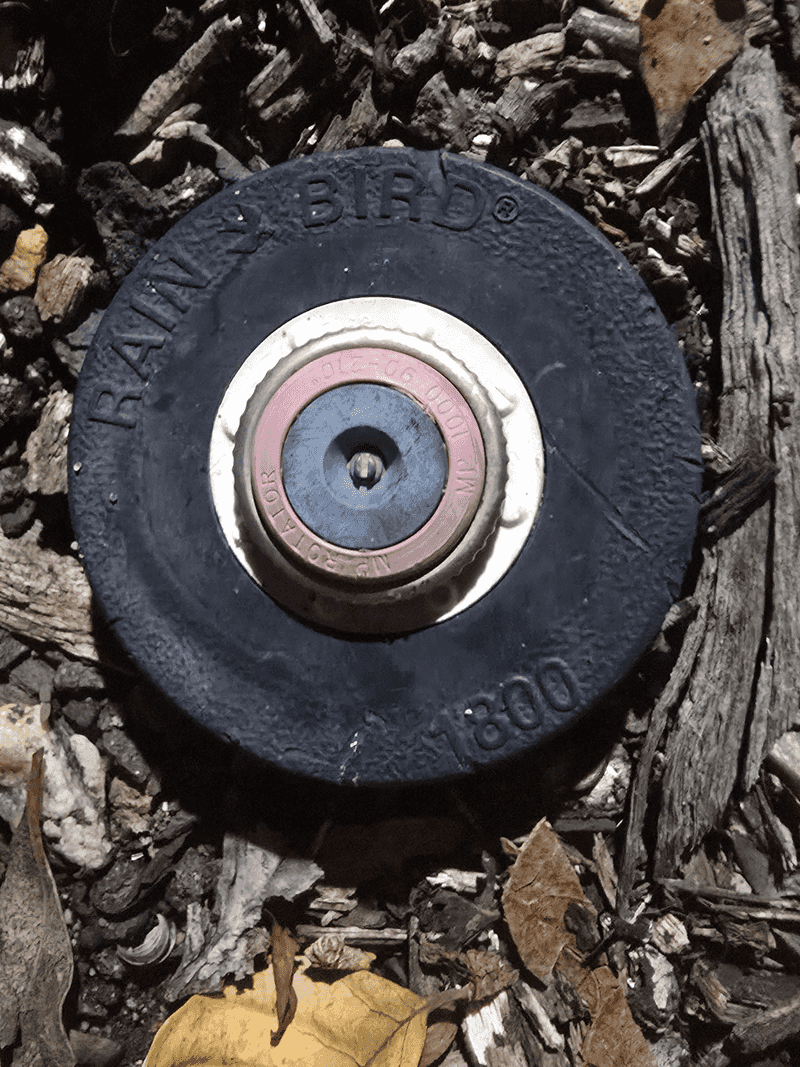
Winter is the perfect time to dial back your irrigation system and let your lawn rest without constant watering. Start by reprogramming your irrigation controller to winter settings or temporarily switching to manual control so you can water only when your lawn truly needs it.
This simple change prevents unnecessary watering during rainy weeks and gives you full control over moisture levels.
Reduce watering frequency by half or more compared to summer schedules. If you watered three times a week in August, try once every two weeks in January, adjusting based on rainfall and soil moisture checks.
Shorter run times also help because grass roots are not actively drinking during dormancy.
Check sprinkler heads for leaks, clogs, or misaligned spray patterns while the system runs less often. Winter is also a good time to perform maintenance so everything works efficiently when spring arrives and watering needs increase again.
Adjusting your irrigation system to match seasonal turf behavior keeps your lawn healthier, conserves water, and prevents the hidden damage that comes from over-watering dormant or slow-growing Florida grass during the coolest months of the year.