How To Prune Oregon Fruit Trees In February (By Tree Type)

Even during Oregon’s quieter winter months, fruit trees are quietly preparing for spring, and a little attention now can pay off in a big way later.
Pruning in February isn’t just about snipping branches; it’s about shaping trees so they grow strong, stay healthy, and produce more fruit once the season warms up.
Each type of fruit tree has its own needs. Apples and pears benefit from careful shaping that lets sunlight reach the inner branches, while cherries need a lighter touch to protect their delicate buds.
Understanding these differences can turn pruning from a chore into a satisfying project, almost like giving your trees a winter haircut that sets them up for success.
A few thoughtful cuts now help ensure healthier trees, fuller blooms, and tastier fruit when harvest time arrives.
Even short sessions among the branches can make a backyard orchard or fruit patch look neat, grow better, and perform its best all season long.
1. Apple Trees
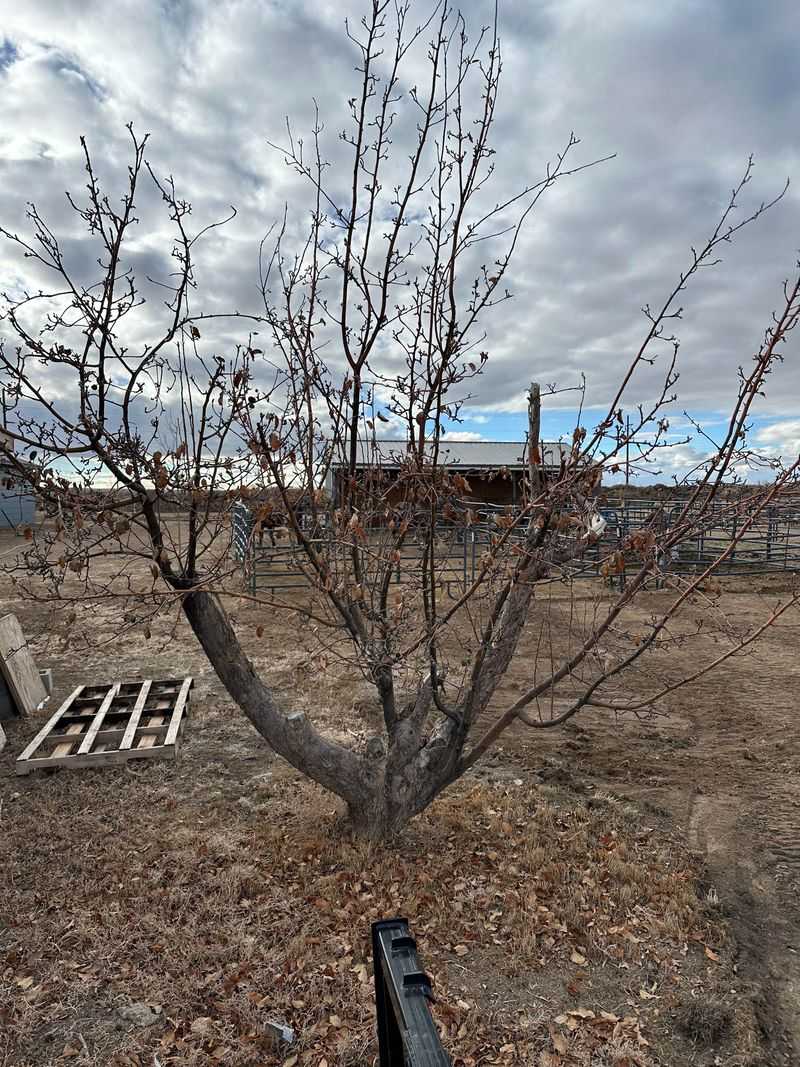
Standing beneath an apple tree in February, you’ll notice how clearly you can see every branch angle and crossing limb. This visibility is exactly why late winter is ideal for pruning apples in Oregon.
Your goal is to open up the canopy, encourage sunlight penetration, and remove any wood that crowds the center or grows inward.
Start by cutting out withered, damaged, or diseased branches at their base. Then look for limbs that cross or rub against each other, choosing the weaker one to remove.
Apple trees respond well to thinning cuts that promote airflow, which helps prevent fungal issues common in wet Oregon springs.
Focus on maintaining a strong central leader or an open vase shape, depending on your tree’s training style.
Remove water sprouts—those vigorous vertical shoots—since they rarely produce fruit and steal energy from productive wood.
Aim to leave branches spaced evenly around the trunk, angled outward at about 45 degrees.
February pruning also reduces the risk of fire blight spreading during active growth. Make clean cuts just outside the branch collar, and avoid leaving stubs.
Step back often to assess your progress, imagining how sunlight will reach ripening apples come summer. Your hands may be cold, but the tree will thank you with a healthier, more fruitful season ahead.
2. European Pear Trees
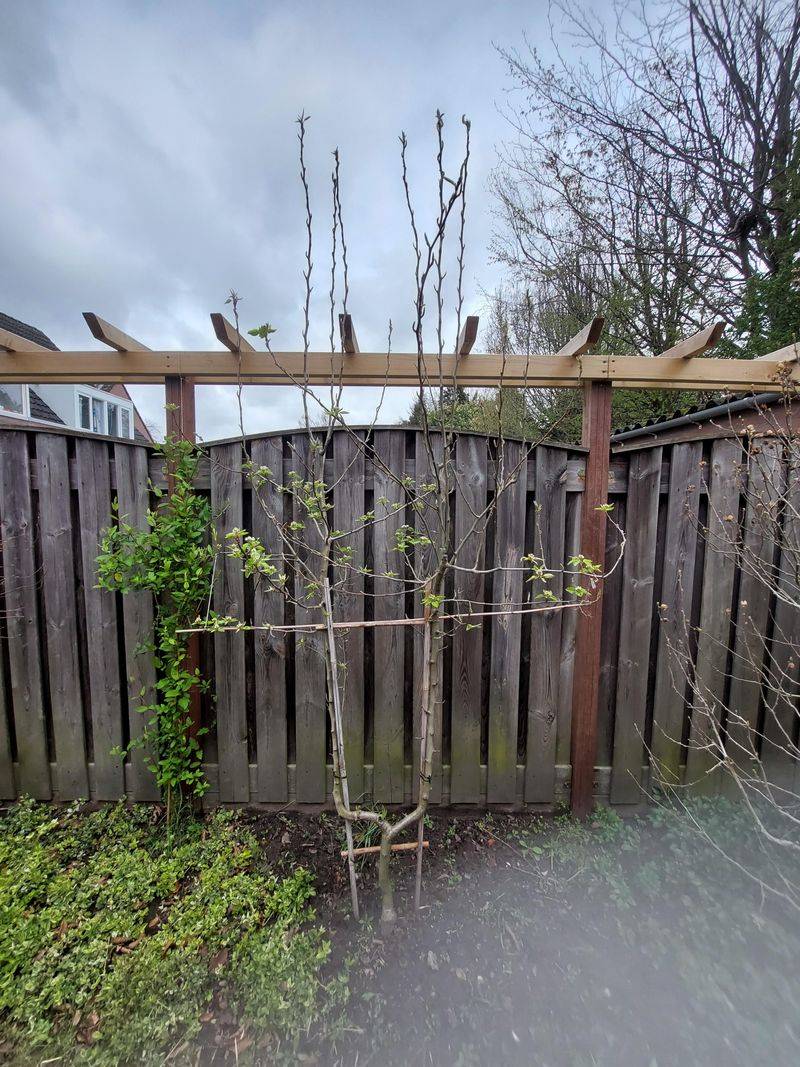
Unlike apples, pears are more susceptible to fire blight, so pruning during dormancy minimizes infection risk.
European pears grow upright and vigorous, often sending out long vertical shoots that need thoughtful management.
February is your chance to guide this natural energy into a balanced framework that supports heavy fruit loads without breaking.
Begin by removing any shoots growing straight up from scaffold branches. These water sprouts drain resources and rarely bear fruit.
Next, thin out crowded areas where branches compete for the same space, keeping the strongest and best-angled limbs.
European pears benefit from a modified central leader system, so preserve that dominant upright trunk.
Pay attention to branch angles—pears naturally grow narrow crotches that can split under fruit weight. Spread young branches with weights or spacers during the growing season, but in February, simply remove those growing too vertically.
Your Oregon Garden Changes Every Week. Your Plan Should Too.
Gardening in Oregon changes quickly throughout the season. Every Friday you’ll receive a simple weekly plan showing exactly what to plant, prune, fertilize, harvest, and protect so you never miss the right timing.
Leave spurs intact, as these short stubby branches produce most of your pear crop.
Avoid heavy pruning all at once, which can trigger excessive new growth. Instead, spread major shaping over two or three seasons.
Clean your tools between cuts if you’ve seen fire blight in past years, and always prune on dry days to reduce disease spread.
Watching a well-pruned pear tree leaf out in spring, you’ll see the difference in structure and light distribution.
3. Asian Pear Trees

In February, you’ll notice how their structure naturally spreads outward, creating a rounded silhouette. Asian pears grow differently than their European cousins, forming wider canopies with more horizontal branching.
This growth habit makes them easier to prune for sunlight and airflow, but they still need attention to prevent overcrowding.
Start by thinning out the center to maintain an open vase or modified leader shape. Remove branches that grow inward or downward, as these won’t receive enough light to ripen fruit properly.
Asian pears produce fruit on spurs and one-year-old wood, so be careful not to remove too many short fruiting branches while cleaning up the canopy.
Look for crossing branches and choose which one to keep based on angle and vigor. Asian pears can be prone to breakage under heavy fruit loads, so select strong scaffold limbs with wide crotch angles.
Prune lightly compared to apples—these trees don’t need aggressive thinning to stay productive.
February’s dry spells are ideal for making cuts, especially in western Oregon where moisture invites fungal problems. Sterilize your pruners between trees if you’re working through an orchard.
Standing back after each cut, you should see a balanced tree with good light penetration and sturdy branches ready to hold clusters of crisp, juicy fruit by late summer.
4. Peach Trees
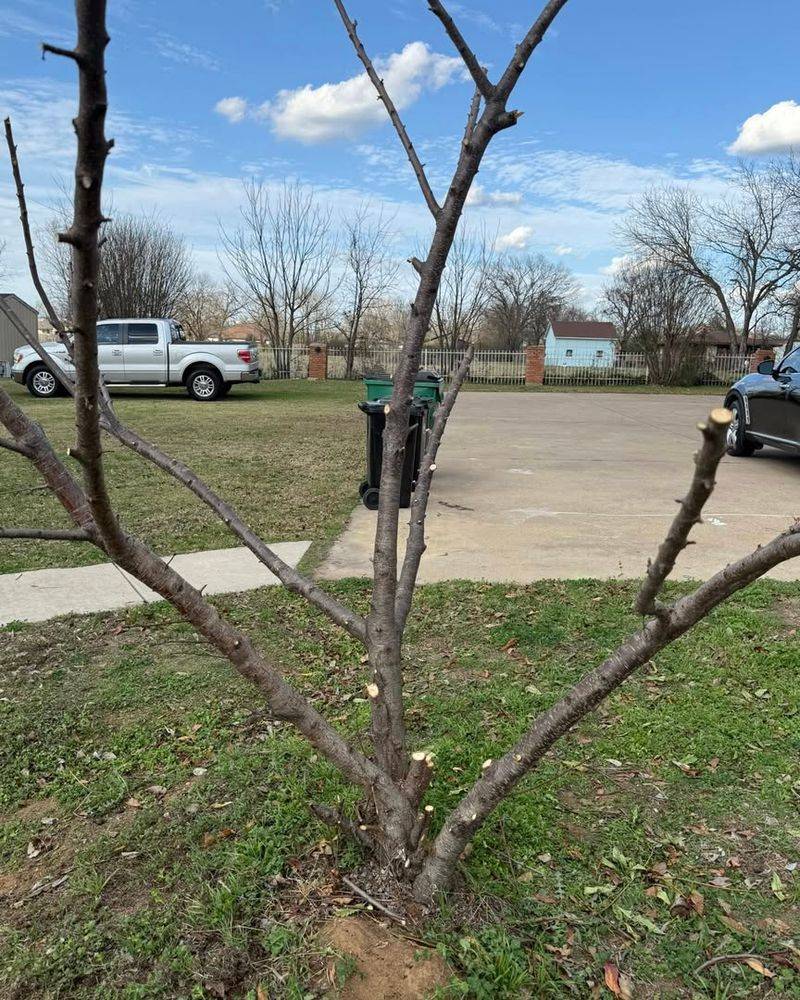
Peach trees demand more aggressive pruning than most fruit trees, and February is the perfect month to tackle them in Oregon.
Left unpruned, peaches become dense tangles of weak wood that produce small, poorly ripened fruit.
Your job is to thin heavily, removing up to half of last year’s growth to keep the tree compact and productive.
Peaches fruit on one-year-old wood, so you want to encourage fresh, vigorous shoots each season. Cut back long, leggy branches by about one-third to one-half their length, making cuts just above outward-facing buds.
This directs new growth away from the center and maintains an open vase shape that allows sunlight to reach every branch.
Remove any branches growing inward, crossing, or shading the interior. Thin out crowded areas so each remaining shoot has room to develop fruit.
Don’t be afraid to prune hard—peach trees respond with strong regrowth and better fruit quality when you thin aggressively.
Prune on dry days to reduce the risk of peach leaf curl, a fungal disease common in Oregon’s wet springs. Clean cuts heal faster and invite fewer problems.
After pruning, your peach tree should look open, almost sparse, but come summer it will fill in with healthy foliage and well-spaced fruit. Your cold fingers will be worth it when you bite into that first sun-warmed peach.
5. Cherry Trees (Sweet And Tart)
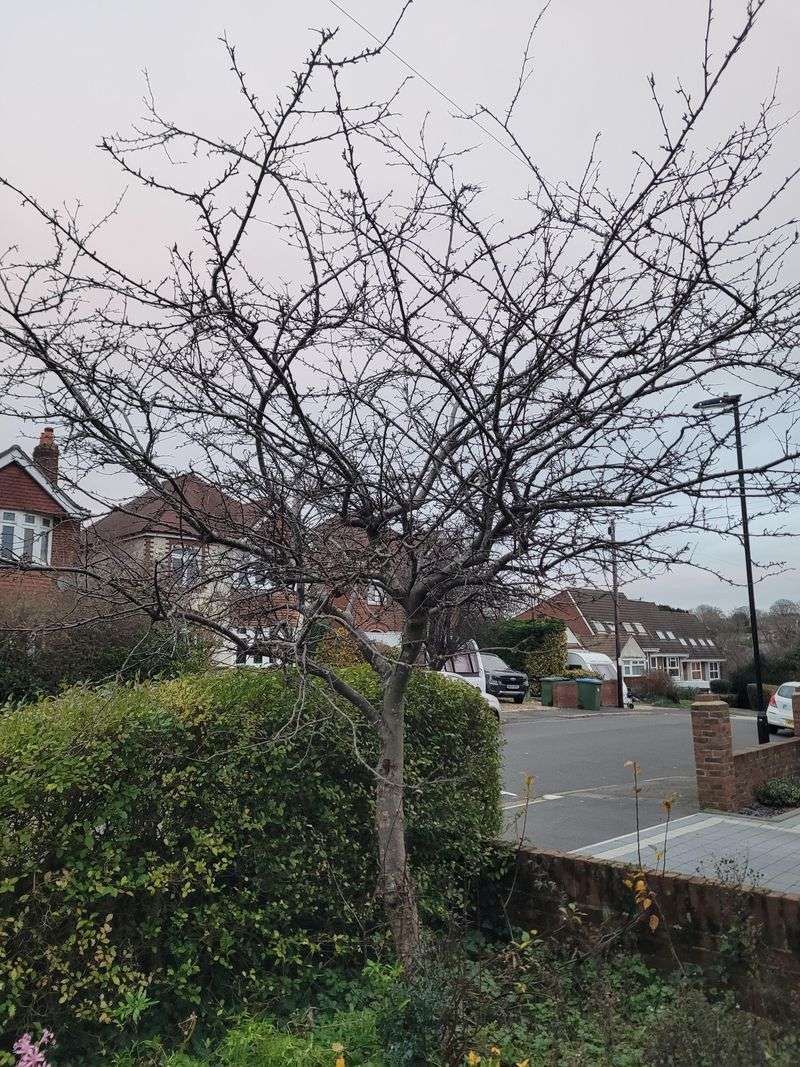
Cherry trees, whether sweet or tart, present unique pruning challenges in February. Sweet cherries grow tall and vigorous, often reaching heights that make pruning a ladder-balancing act.
Tart cherries stay smaller and bushier, but both types benefit from thoughtful winter cuts to improve structure and fruit production.
Sweet cherries need light pruning to avoid triggering excessive water sprout growth. Focus on removing damaged wood, thinning crowded areas, and maintaining a central leader.
Avoid heavy cuts on large branches, as cherries are prone to bacterial canker, especially in western Oregon’s damp climate. Prune only during dry weather windows to minimize disease risk.
Tart cherries tolerate more aggressive pruning and often benefit from thinning to open up the canopy.
Remove branches that droop too low or grow inward, keeping the center accessible for harvesting.
Both cherry types fruit on spurs that remain productive for several years, so preserve these short, knobby branches while removing unproductive wood.
Make clean cuts just outside the branch collar, and avoid leaving stubs that invite rot. Step back often to assess your tree’s shape, aiming for balanced spacing and good light penetration.
Cherry trees respond best to gentle, consistent pruning rather than drastic annual shaping. When spring arrives and blossoms cover the branches, you’ll see how your careful February work sets the stage for a bountiful harvest.
6. Plum Trees
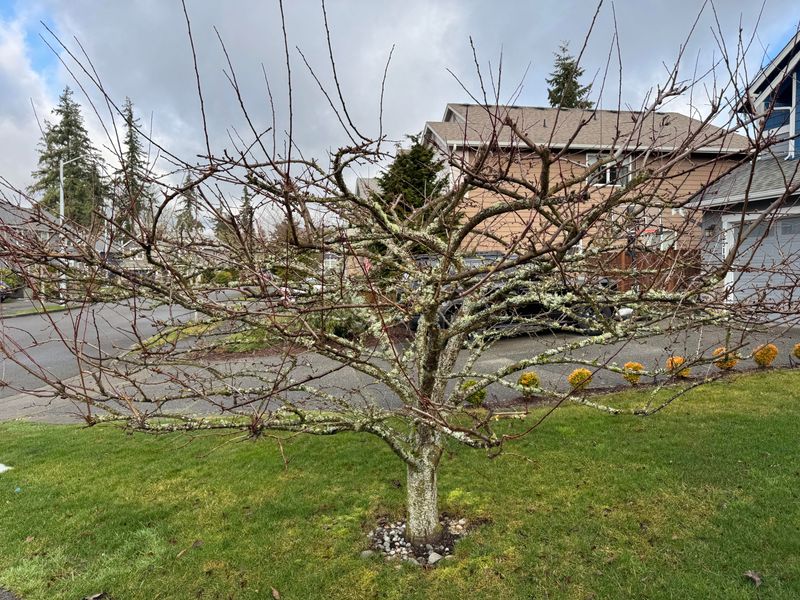
These trees grow vigorously and can quickly become overcrowded without regular pruning. Your goal is to maintain an open center that allows sunlight and air to reach every branch, reducing disease pressure and improving fruit quality.
Start by removing witheres, damaged, or diseased wood, cutting back to healthy tissue. Then thin out branches that cross, rub, or grow inward.
Plums fruit on spurs and one-year-old wood, so balance your cuts between removing excess growth and preserving fruiting branches. Avoid pruning too heavily, as plums can respond with vigorous water sprouts.
Taking your time and pruning carefully also encourages a stronger overall structure, which supports heavier fruit loads in the future.
European plums tend to grow upright, while Japanese varieties spread wider. Adjust your pruning approach based on your tree’s natural habit, but always aim for an open vase or modified central leader shape.
Remove vertical shoots that won’t produce fruit, and shorten overly long branches to encourage lateral growth.
Prune during dry weather to minimize the risk of fungal infections, which plums are prone to in Oregon’s wet springs. Clean your tools between cuts if you’ve noticed any disease symptoms.
Standing back after each session, you should see a tree with good spacing, strong scaffold limbs, and plenty of room for fruit to ripen evenly under the summer sun, making harvesting easier and more enjoyable.