How Much Can You Cut Back Firebush In Winter In Florida
Your Firebush looked amazing all summer. Now it’s January, the flowers are gone, the branches are stretching in every direction, and the pruning shears are calling your name.
One wrong cut right now can mean fewer blooms, slower growth, and a shrub that struggles to bounce back when spring arrives. Florida gardeners deal with a unique challenge.
Firebush does not fully go to sleep in winter like plants up north. It keeps working quietly in the background, storing energy and preparing for its next growth surge.
That makes winter pruning a balancing act. Trim too little and the plant turns into a wild, leggy mess.
Trim too much and you steal the fuel it needs to explode with flowers when warm weather returns. If you want bigger blooms, faster recovery, and a healthier, better-shaped Firebush this spring, the timing and amount of your winter cutbacks matter more than you think.
Why Firebush Handles Winter Pruning Differently
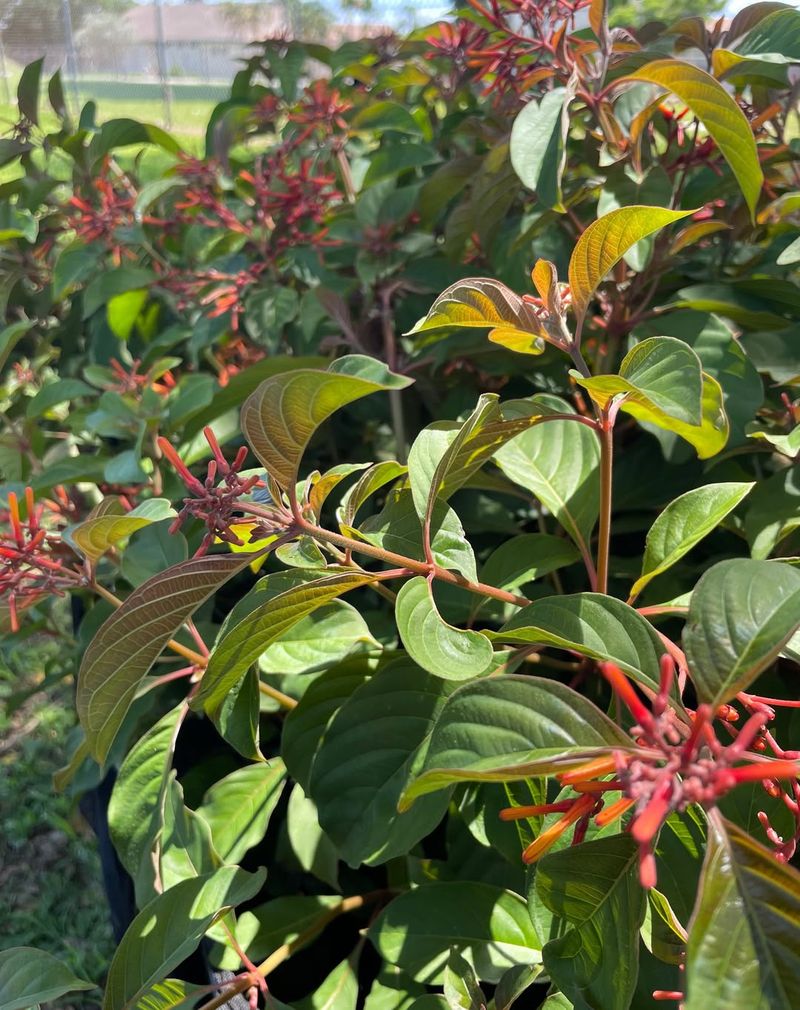
When you walk past your Firebush in December, you might notice the leaves look a little tired and the stems seem less energetic than they did in July. That shift happens because Firebush slows its growth when daylight shortens and temperatures drop, even in Florida.
Unlike some shrubs that go fully dormant, Firebush stays semi-active through winter, especially in warmer zones.
This semi-active state means the plant is still using stored energy to maintain basic growth and tissue health. Heavy pruning forces it to redirect that energy toward healing cuts instead of preparing for spring growth.
In North Florida, where frost can nip the tips, the plant naturally pulls resources inward, making aggressive winter cutting riskier.
Central and South Florida gardeners see less dieback, so their Firebush often keeps more green foliage. But even in these milder zones, cutting too much in winter delays the explosion of blooms you expect in April.
The plant needs time to rebuild what you remove, and winter is not its strongest recovery season.
Understanding this rhythm helps you make smarter choices with your pruning shears. You want to shape the plant without asking it to do more than it can handle when its energy reserves are low.
UF/IFAS Extension recommends delaying major firebush pruning until late winter or early spring, using light shaping only during colder months.
The Biggest Mistake Gardeners Make With Winter Cutbacks
Picture this: your Firebush has grown tall and leggy, blocking a window or spilling over a walkway. You grab your loppers in February and chop it down to knee height, thinking spring will fix everything.
That approach works for some plants, but Firebush does not respond well to sudden, severe reduction when its growth engine is idling.
The biggest mistake is removing more than one-third of the plant’s total height or volume during winter months. When you cut that much, the plant must redirect stored energy toward rebuilding instead of producing flowers.
In cooler North Florida, this can stall recovery until late spring, leaving you with a bare framework instead of a blooming shrub.
Your Florida Garden Changes Every Week. Your Plan Should Too.
Gardening in Florida changes quickly throughout the season. Every Friday you’ll receive a simple weekly plan showing exactly what to plant, prune, fertilize, harvest, and protect so you never miss the right timing.
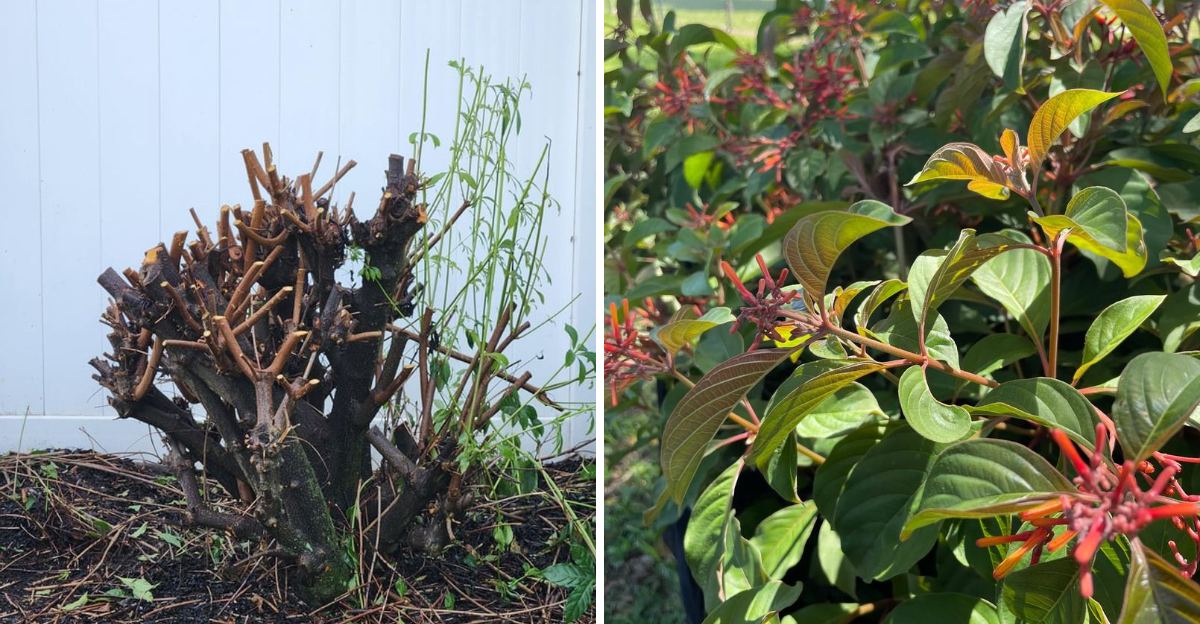
Another common error is cutting all the way to the woody base without leaving any green growth. Firebush regenerates fastest from semi-woody stems that still have active buds, although established plants can resprout from the base after freeze damage.
Bare stumps usually take longer to leaf out and delay early flowering.
Instead of one drastic session, plan to trim in stages or wait until late winter when the plant starts showing signs of new growth. That way, you work with its natural cycle instead of fighting against it.
How Much Firebush Can Be Cut Back Safely
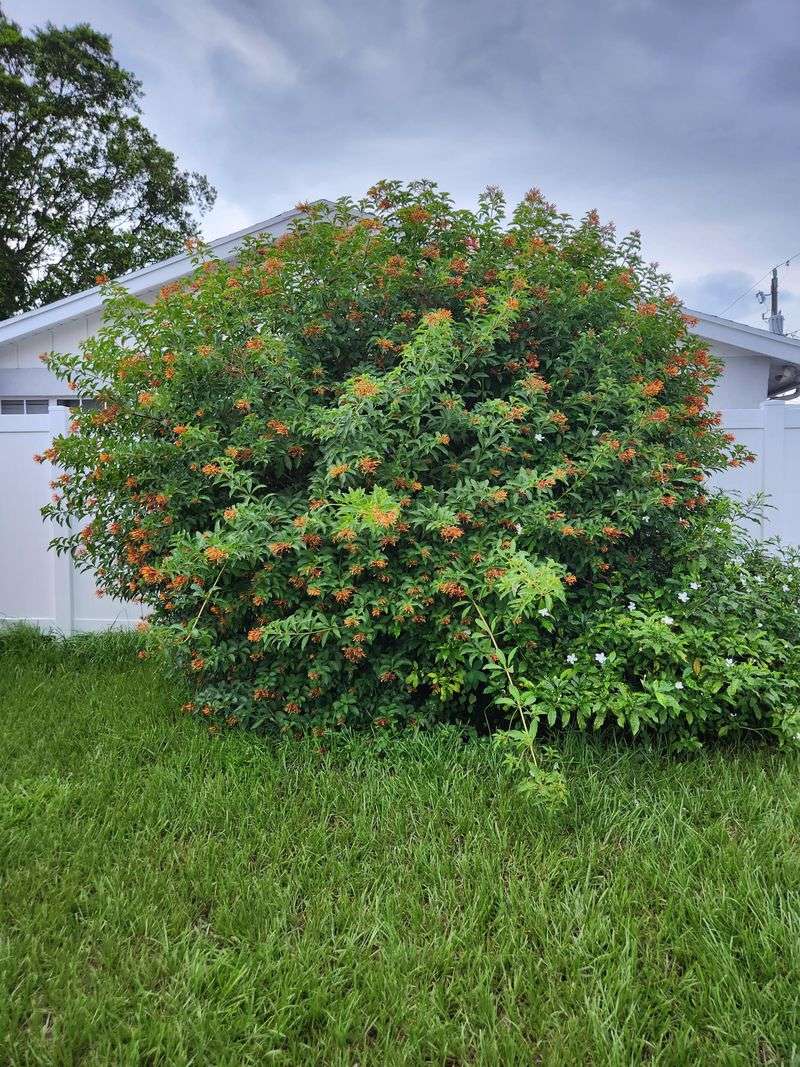
Stand in front of your Firebush and imagine dividing it into thirds from top to bottom. The safest winter cutback removes no more than the top third of the plant, focusing on shaping rather than severe reduction.
This keeps enough foliage intact to support ongoing photosynthesis while preserving the lower stems that will push out new growth in spring.
In South Florida, where freezes are rare and growth resumes earlier, you can lean toward the upper end of that range. Central Florida gardeners should stay conservative, trimming just enough to tidy the shape and remove any frost-damaged tips.
North Florida requires even more caution, as late cold snaps can damage freshly cut stems.
A good visual guide is to prune back to a height where you still see plenty of green leaves and flexible stems. Avoid cutting into the thick, brown, woody base unless you are removing damaged or crossing branches.
Leave at least two-thirds of the plant’s leafy canopy standing so it has the resources to recover quickly.
If your Firebush has grown way beyond its intended size, resist the urge to fix it all at once. Plan a lighter trim now and a second session in early spring when the plant is actively growing again.
What Happens When Too Much Is Removed
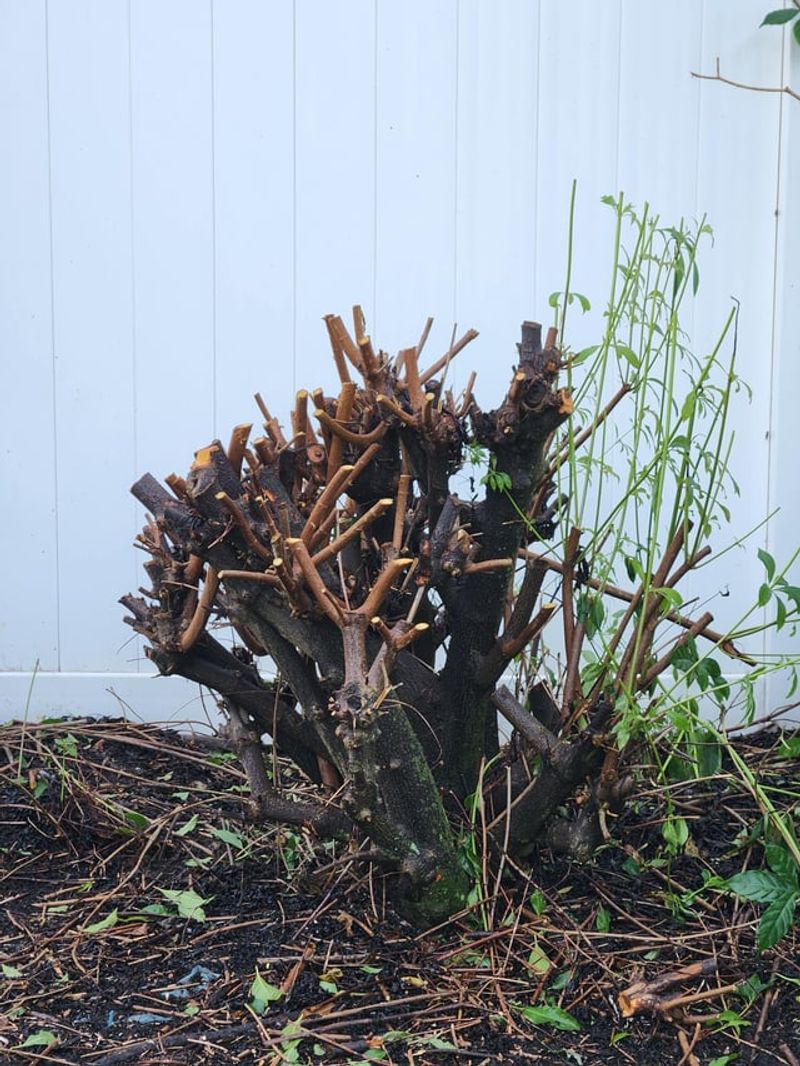
Imagine you cut your Firebush down to just a few stubby stems in January. At first, it might look neat and tidy, but by March, you start to wonder why your neighbor’s plant is covered in buds while yours is still bare.
That delay happens because the plant has to rebuild much of its canopy before it can invest energy in flowering.
Heavy winter pruning forces Firebush to prioritize survival over reproduction. It spends weeks pushing out new leaves and branches, using up stored carbohydrates that would otherwise fuel early blooms.
In North Florida, this can push your first flowers back from April to June or later. Central and South Florida gardeners see shorter delays, but the bloom count is still noticeably reduced.
Another consequence is temporary stress that can make plants slightly more vulnerable to pests if recovery is slow. Using clean tools and making proper cuts reduces the already low risk of disease problems.
Weakened Firebush also attracts aphids and whiteflies once new growth appears.
Finally, severe cutbacks can alter the plant’s natural shape, forcing it to grow back unevenly or with excessive water sprouts. You end up with a bushier but less attractive form that requires even more pruning later.
How Regional Climate Changes Pruning Limits
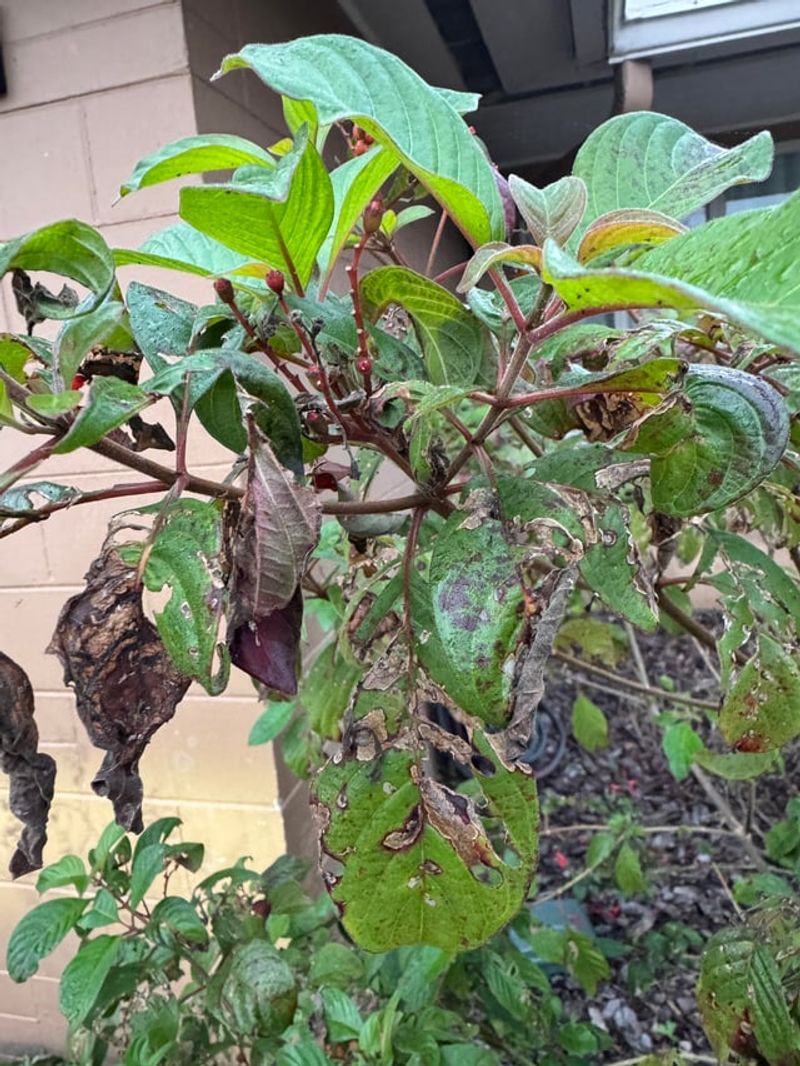
Florida is not one climate zone but three distinct growing regions, and your Firebush responds differently depending on where you live. In North Florida, winter temperatures can occasionally dip into the 20s, causing Firebush to lose most of its leaves and enter a near-dormant state.
Here, you should limit pruning to removing frost-damaged tips and shaping only after the last expected freeze.
Central Florida gardeners experience milder winters with occasional cold snaps. Firebush stays semi-evergreen, so you have a bit more flexibility.
You can trim up to one-third in late winter, but watch the forecast and avoid cutting right before a cold front rolls through. Fresh cuts are more vulnerable to freeze damage.
South Florida is a different story. Winters are warm enough that Firebush never fully stops growing.
You can prune more confidently here, but even in Miami, avoid removing more than one-third at once. The plant may recover faster, but heavy cutting still delays blooms and stresses the root system.
Regional differences also affect timing. North Florida should wait until late February or early March after frost risk passes.
Central Florida can start in mid-February if no cold fronts are expected.
South Florida has the longest window, from January through early March, but earlier pruning produces earlier spring blooms.
What A Proper Winter-Pruned Firebush Looks Like
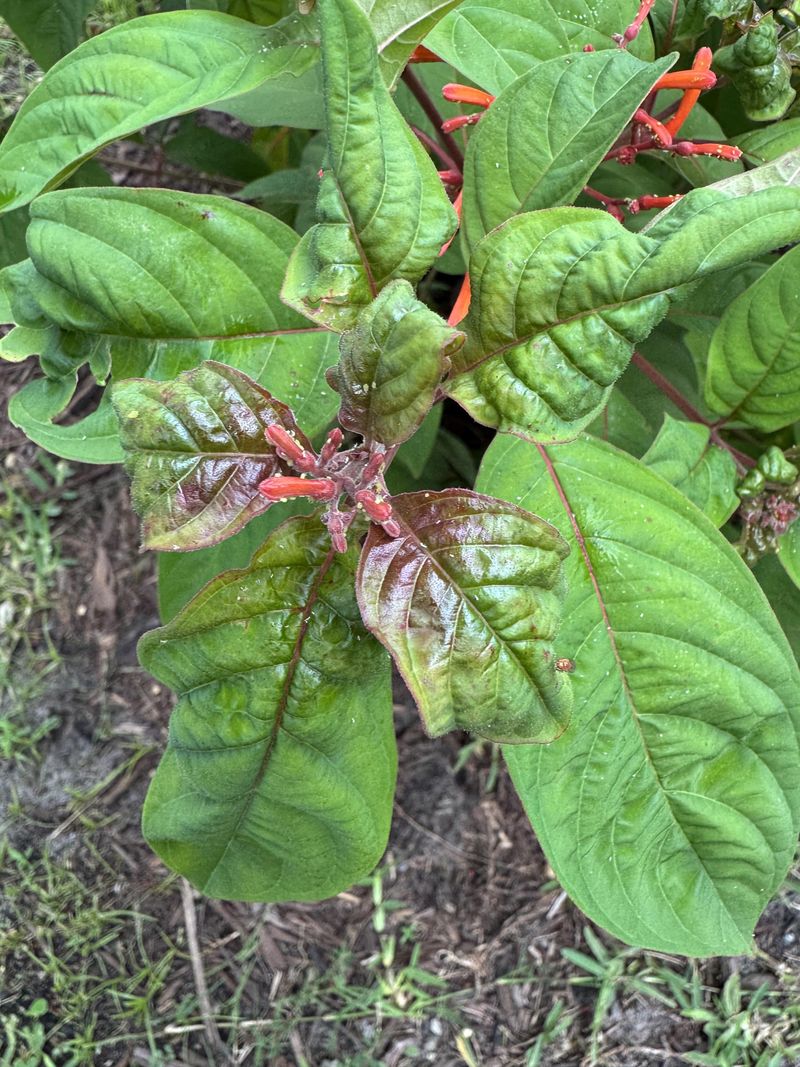
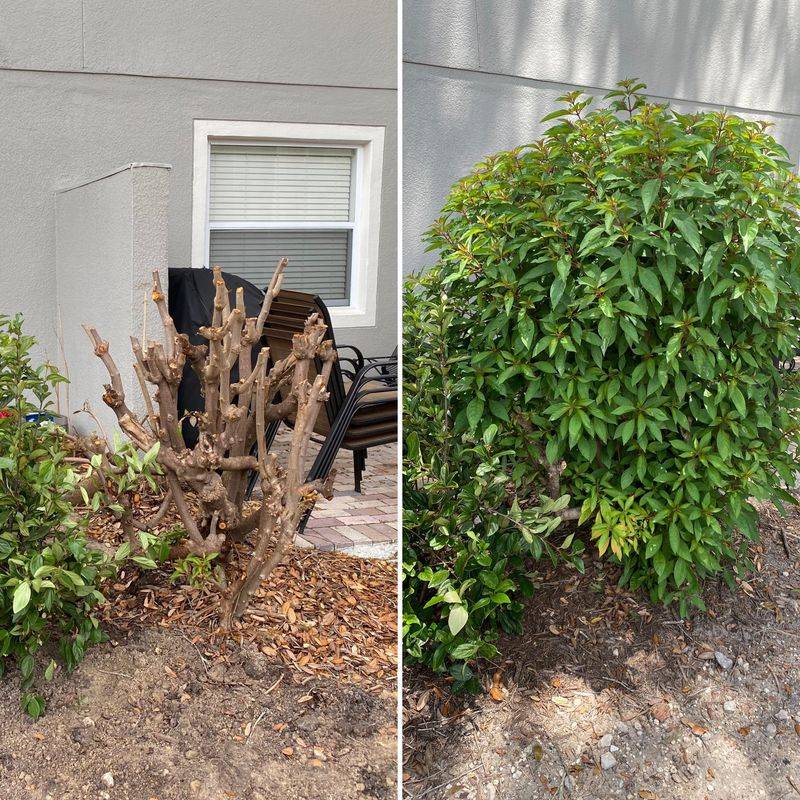
After a good winter trim, your Firebush should look balanced and tidy, not scalped or lopsided. You want to see a rounded or mounded shape with plenty of green foliage still covering the framework.
The cuts should be clean, angled just above a leaf node or bud, and scattered throughout the plant rather than concentrated in one area.
Step back and check the silhouette. A properly pruned Firebush has a natural, slightly informal outline, not a rigid box or ball.
The top might be slightly shorter than the sides, encouraging light to reach the lower branches and promoting even regrowth. You should not see large gaps or bare patches where you removed too much at once.
Look at the stems you left behind. They should be semi-woody, flexible, and green or reddish-brown, not thick and gray like old firewood.
These younger stems are where new growth will emerge fastest. If you see any crossing branches or stems rubbing against each other, remove those to improve air circulation.
Finally, check the ground around the base. A proper pruning leaves a light scattering of clippings, not a pile of branches.
If you hauled away armloads of material, you probably cut too much.
How To Shape Firebush Without Harming Blooms
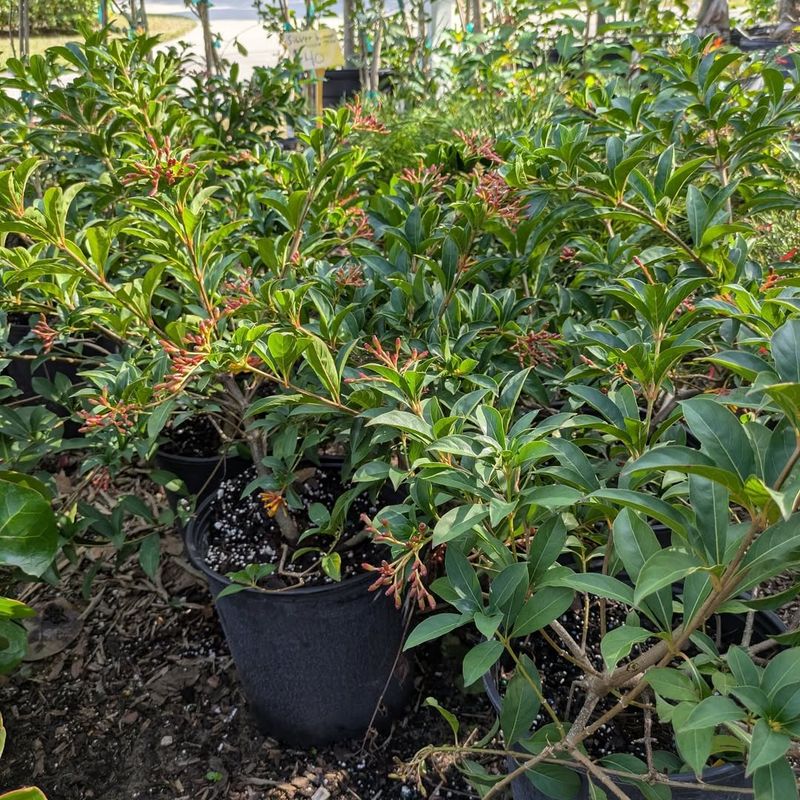
Firebush blooms on new growth, which means every cut you make in winter has the potential to delay or reduce flowering. The key is to shape the plant without removing so much that it spends all spring rebuilding instead of blooming.
Start by identifying the tallest, leggiest stems and trim those back to just above a healthy bud or side branch.
Use hand pruners for precision on smaller stems and loppers for thicker growth. Make each cut at a slight angle, about a quarter-inch above a bud that points outward.
This encourages the new branch to grow away from the center, keeping the plant open and airy. Avoid flat cuts or stubs, as these heal more slowly and can increase the chance of disease entry.
Work your way around the plant, stepping back often to check your progress. Remove no more than one-third of the total height, focusing on creating a balanced shape rather than a perfect sphere.
Leave the lower branches longer to maintain a natural, layered look.
If you spot any stems that are crossing, rubbing, or growing inward, remove those first. They waste energy and create crowding that reduces air circulation.
Once the structure is clean, do a final light trim to even out the canopy, and then step away until spring growth begins.