10 White Blooms That Bring Instant Elegance To Virginia Gardens
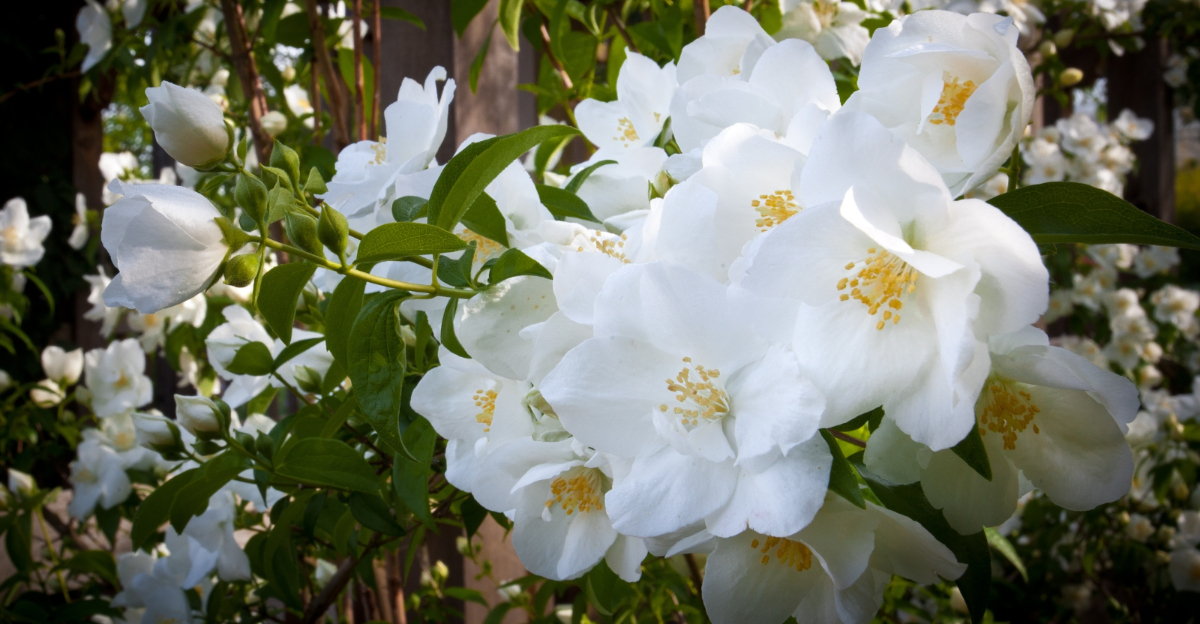
White flowers have a way of changing a Virginia garden the moment they open, cutting through summer color and heat with a look that feels calm, intentional, and refined.
They don’t shout for attention, yet they’re often the first thing people notice when walking past a yard.
In Virginia’s mix of strong sun, humidity, and long growing seasons, white blooms stand out even more than expected.
They catch evening light, soften busy beds, and make surrounding colors feel richer without trying too hard. That effect is why white flowers rarely feel trendy or dated here.
Many gardeners add them almost by accident, then realize how much balance they bring to the entire landscape.
Some varieties bloom reliably through Virginia’s changing conditions, while others surprise with how elegant they look even during heat or humidity.
Once white blooms are in place, the garden often feels finished in a way it didn’t before.
1. White Knock Out Roses
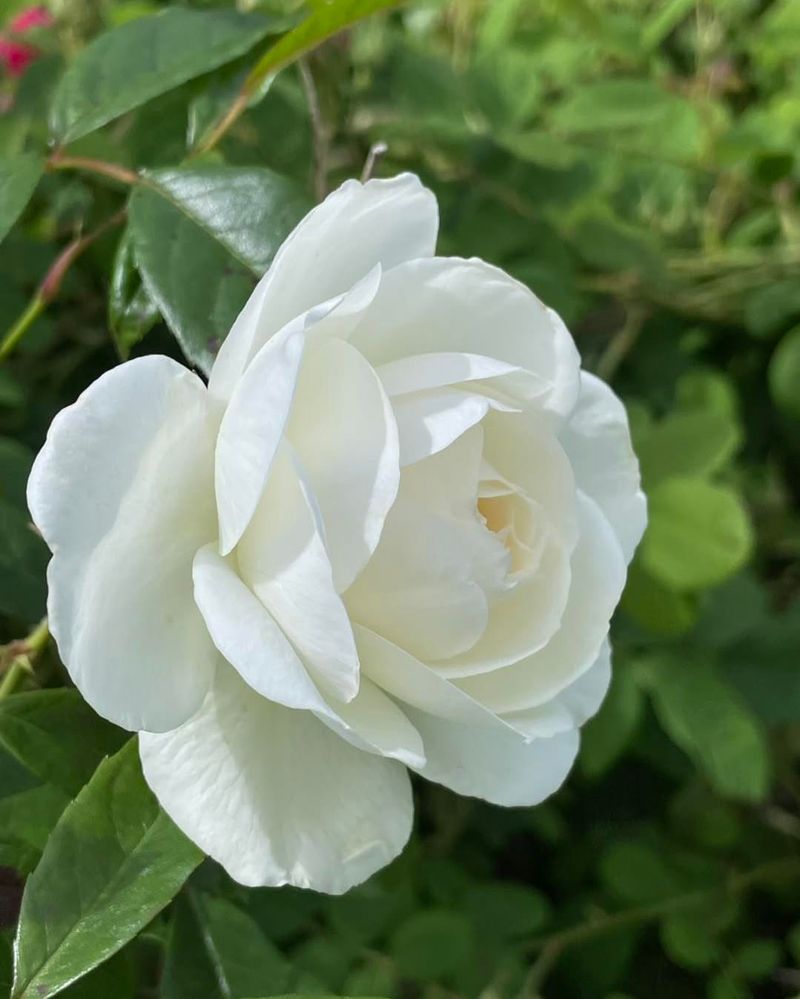
Rose lovers across Virginia know that finding disease-resistant varieties makes gardening so much easier. White Knock Out Roses bloom repeatedly from spring until the first frost, filling your garden with fresh flowers for months.
Their creamy white petals open wide to reveal bright yellow centers that attract butterflies and bees.
These shrubs grow three to four feet tall and spread just as wide, creating beautiful hedges or standalone specimens. You won’t need to fuss with complicated pruning schedules or constant deadheading.
The self-cleaning blooms drop their spent petals naturally, keeping your garden looking tidy without extra work.
Virginia’s humid summers can cause problems for many rose varieties, but Knock Outs handle the heat beautifully. They resist black spot and powdery mildew better than traditional roses.
Plant them in spots that get at least six hours of sunlight daily for the best flowering.
Watering deeply once or twice a week helps establish strong root systems. Add a layer of mulch around the base to retain moisture and regulate soil temperature.
These roses tolerate clay soil common throughout Virginia, though adding compost improves drainage and nutrition.
2. Garden Phlox
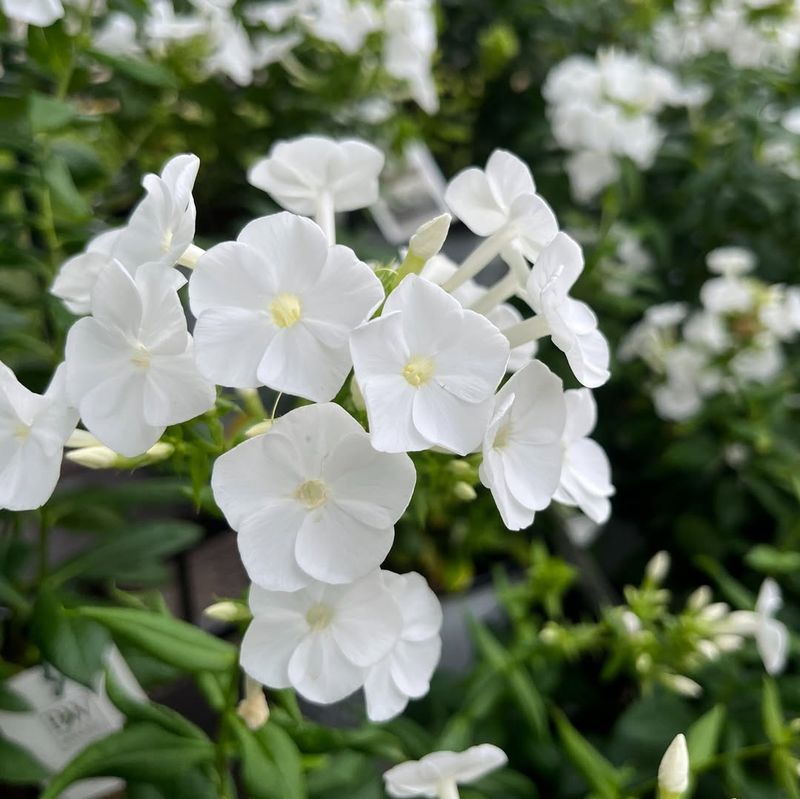
Summer gardens in Virginia come alive when Garden Phlox starts blooming in July. Tall stems topped with clusters of fragrant white flowers create vertical interest that draws the eye upward.
This perennial grows two to four feet high, making it perfect for the middle or back of flower beds.
Butterflies and hummingbirds flock to these blooms throughout the summer months. The sweet fragrance becomes more intense during evening hours, filling your outdoor space with perfume.
Garden Phlox continues flowering for six to eight weeks when you remove spent flower heads regularly.
Choosing varieties bred for mildew resistance helps avoid the powdery coating that sometimes appears on older types. David and Mount Fuji are two excellent white cultivars that stay healthy in Virginia’s climate.
Plant them where air circulates freely to keep foliage dry and disease-free.
These plants prefer rich, moist soil that drains well after heavy rains. Amending your garden beds with compost before planting gives them the nutrients they need.
Your Virginia Garden Changes Every Week. Your Plan Should Too.
Gardening in Virginia changes quickly throughout the season. Every Friday you’ll receive a simple weekly plan showing exactly what to plant, prune, fertilize, harvest, and protect so you never miss the right timing.
Morning sun with afternoon shade works well, though they tolerate full sun if watered consistently.
Dividing clumps every three to four years keeps Garden Phlox vigorous and blooming abundantly. Early spring or fall are the best times to dig up established plants and separate them.
Each division should have several strong shoots and healthy roots.
3. Shasta Daisies
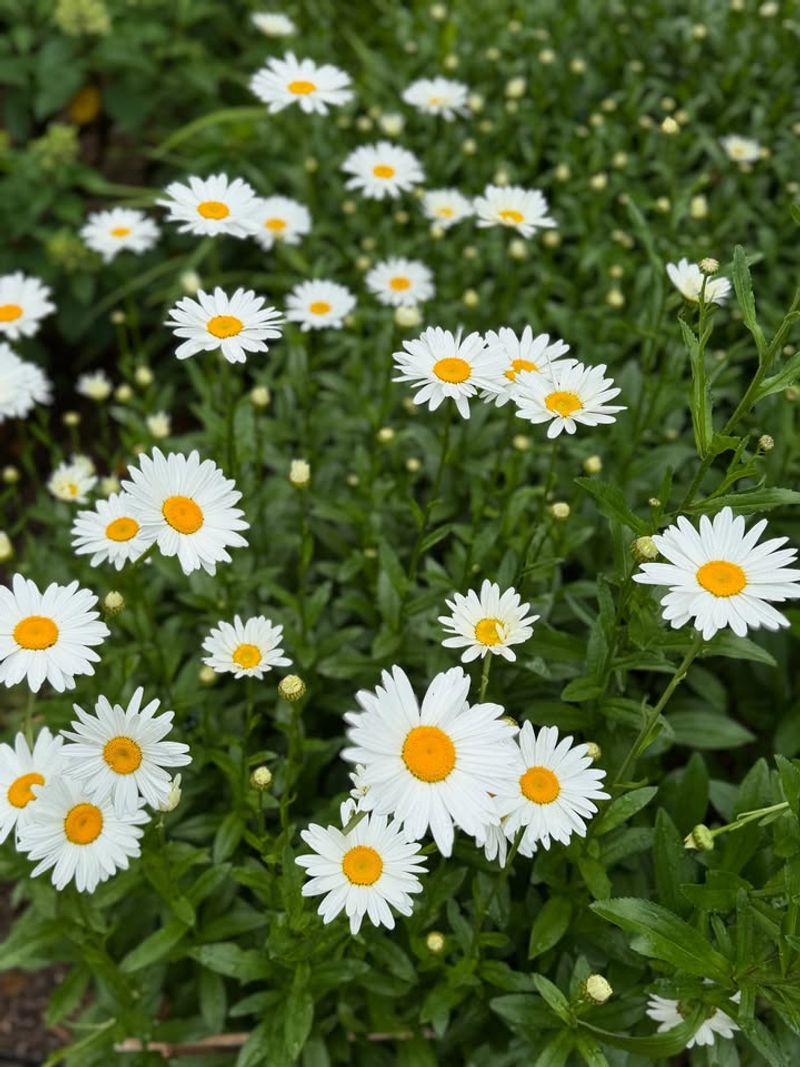
Cheerful and unpretentious, Shasta Daisies bring a cottage garden feel to Virginia landscapes. Their classic white petals surrounding sunny yellow centers create the flower most people picture when they think of daisies.
These perennials bloom from late spring through early summer, with some varieties reblooming in fall.
Gardeners love how easy Shasta Daisies are to grow and maintain. They tolerate a wide range of soil types, from sandy to clay, as long as drainage is adequate.
Full sun locations produce the most flowers, though they handle light shade reasonably well.
Plants grow one to three feet tall depending on the variety you choose. Becky is a popular cultivar that reaches three feet and blooms longer than many others.
Alaska stays more compact at around two feet, making it suitable for front-of-border plantings.
Deadheading spent blooms encourages continuous flowering throughout the season. Simply snip off faded flowers where the stem meets the main plant.
This takes just a few minutes each week and dramatically extends the blooming period.
Shasta Daisies spread slowly to form nice clumps over time. Dividing them every two to three years keeps plants healthy and prevents overcrowding.
Spring division works best in Virginia, giving new plants time to establish before summer heat arrives.
4. Hydrangeas
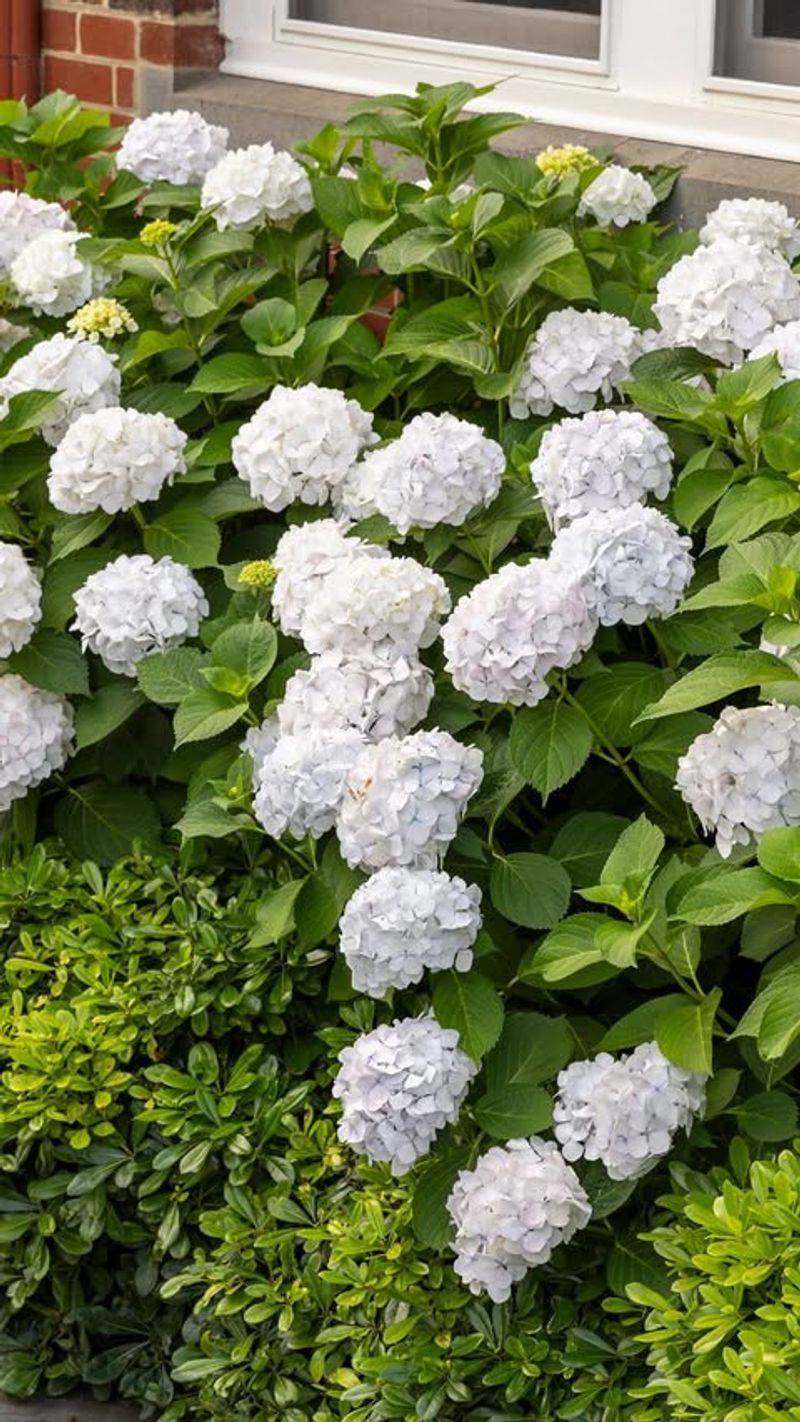
Few shrubs make a statement quite like hydrangeas covered in massive white blooms. Virginia gardens are perfect for these moisture-loving plants that thrive in the state’s humid climate.
Several varieties produce stunning white flowers, from the cone-shaped panicles of PeeGee hydrangeas to the round mopheads of Annabelle.
Oakleaf hydrangeas offer white blooms in early summer plus gorgeous fall foliage in shades of burgundy and orange. Their cone-shaped flower clusters start white and age to pink as the season progresses.
The exfoliating bark adds winter interest when leaves have fallen.
Smooth hydrangeas like Annabelle produce enormous white snowball blooms that can measure up to twelve inches across. These native plants handle cold winters beautifully and bloom on new wood each year.
Even if winter damages stems, new growth produces flowers the same season.
Panicle hydrangeas bloom later in summer when many other flowers have faded. Limelight starts with lime-green buds that open to creamy white before turning pink in fall.
These shrubs grow quite large, reaching six to eight feet tall and wide.
All hydrangeas appreciate consistent moisture, especially during Virginia’s hot summers. Mulching heavily around the root zone helps retain water and keeps roots cool.
Morning sun with afternoon shade provides ideal growing conditions for most varieties.
5. White Coneflowers
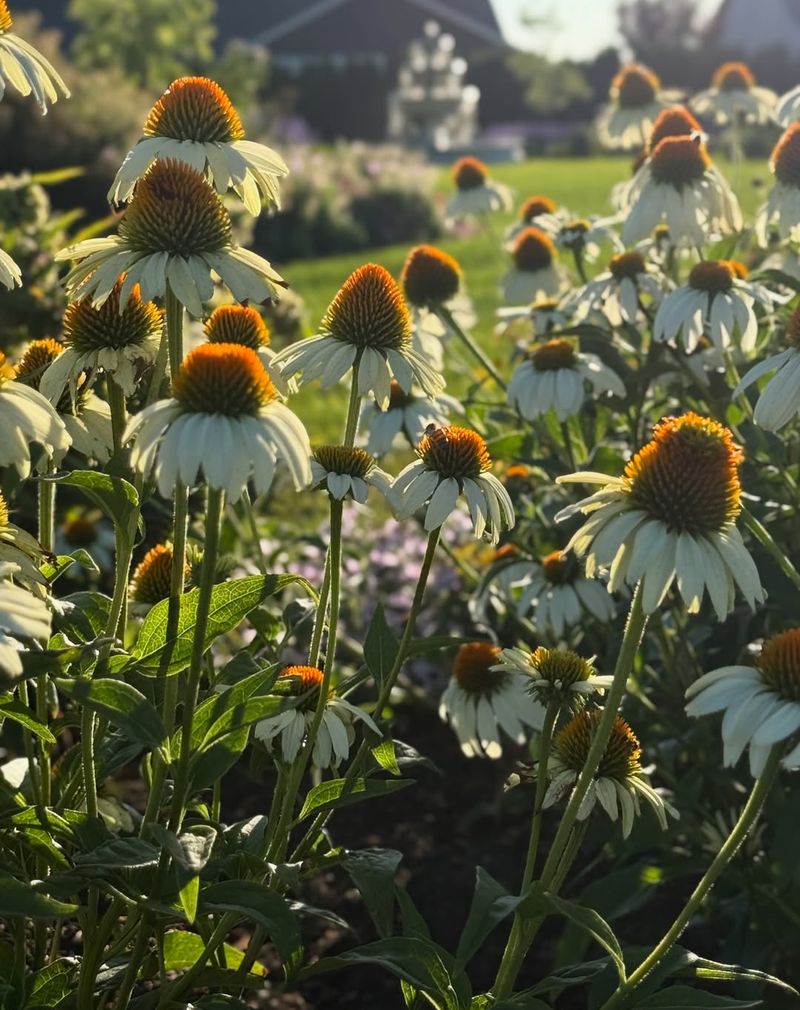
Native to eastern North America, white coneflowers bring natural beauty to Virginia gardens while supporting local wildlife. These tough perennials handle heat, humidity, and occasional drought once established.
Their daisy-like white petals droop gracefully around prominent orange-brown cones that stand tall in the center.
Goldfinches adore coneflower seeds and will visit your garden throughout fall and winter. Watching these cheerful birds perch on the seed heads provides entertainment long after blooms have faded.
Many gardeners leave spent flowers standing specifically to feed birds during cold months.
White Swan is a popular cultivar that grows two to three feet tall with pure white petals. The compact size makes it suitable for smaller gardens or container plantings.
Blooming begins in early summer and continues for two months or more.
These perennials prefer full sun but tolerate light shade, especially in hotter parts of Virginia. Well-drained soil is essential since they won’t survive in soggy conditions.
Sandy or loamy soil works best, though they adapt to clay if you improve drainage.
Coneflowers rarely need fertilizing and actually bloom better in average soil. Rich soil produces lots of foliage but fewer flowers.
A light application of compost in spring provides all the nutrition they need.
6. Moonbeam Coreopsis
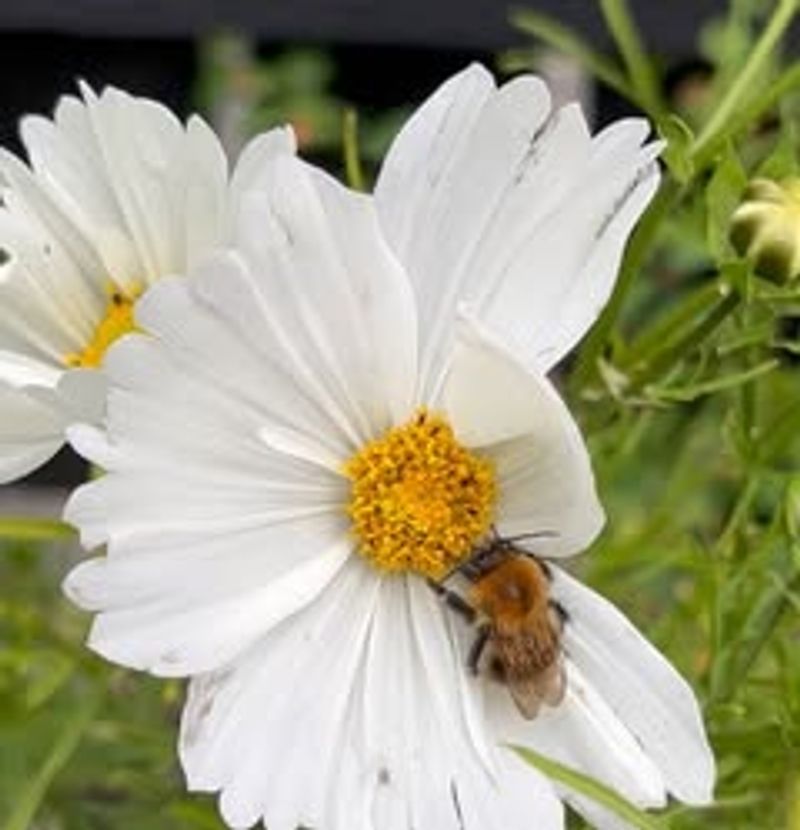
Delicate pale yellow blooms might seem out of place in a white flower list, but Moonbeam Coreopsis reads as creamy white from a distance. The soft, buttery color is so light it glows against darker foliage.
This low-growing perennial spreads to form a dense mat covered in dainty flowers from June through September.
Virginia gardeners appreciate how Moonbeam tolerates heat and humidity without missing a beat. The fine, thread-like foliage stays attractive even when not in bloom.
Plants grow only twelve to eighteen inches tall, making them perfect for edging beds or filling front-of-border spaces.
Butterflies visit these flowers constantly throughout summer, adding movement and life to your garden. The nectar-rich blooms support many pollinator species native to Virginia.
Planting large drifts of Moonbeam creates a significant food source for beneficial insects.
This perennial thrives in full sun and well-drained soil of almost any type. Sandy soil, clay soil, or loamy soil all work fine as long as water doesn’t pool.
Drought tolerance develops once roots establish, usually after the first growing season.
Moonbeam rarely needs deadheading since flowers are so small and abundant. The plant naturally produces new blooms to replace faded ones.
Shearing plants back by one-third in midsummer encourages a fresh flush of flowers in fall.
7. White Peonies
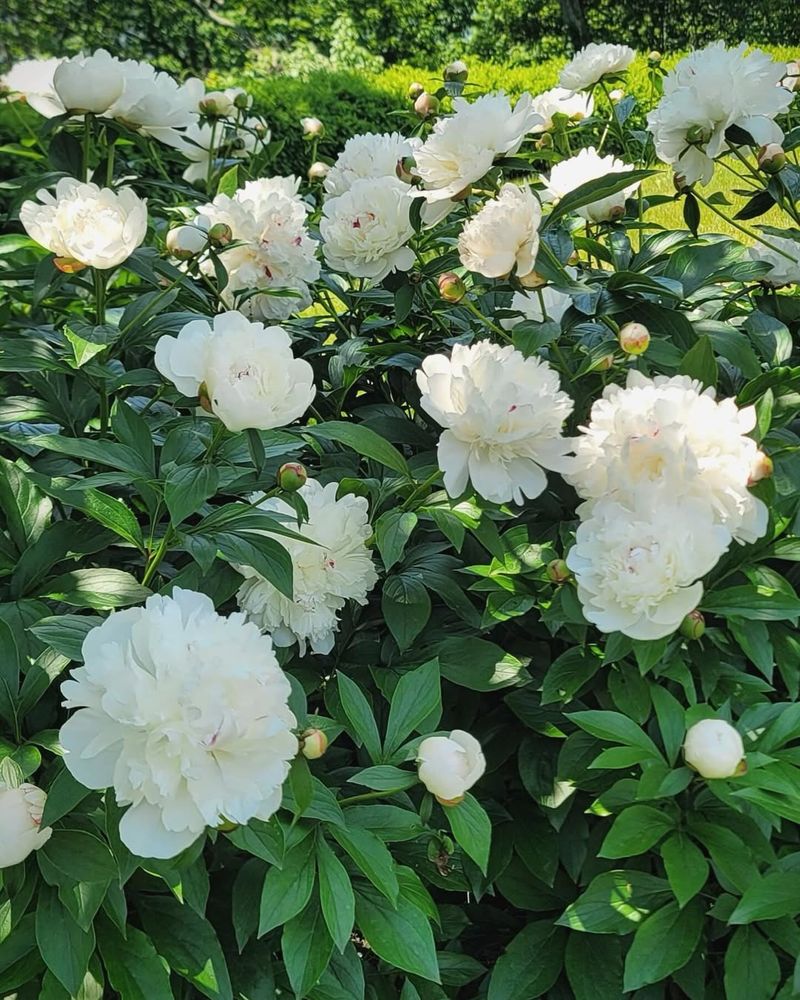
Lush and romantic, white peonies are the stars of late spring gardens throughout Virginia. Their enormous blooms can measure six inches or more across, with layers of silky petals that unfold like tissue paper.
Many varieties release a sweet, intoxicating fragrance that fills the entire garden.
Festiva Maxima is a classic white peony with occasional red flecks on the inner petals. This heirloom variety has been grown since the 1850s and remains popular for good reason.
The blooms are spectacular and the plants incredibly long-lived, often outlasting the gardeners who plant them.
Peonies need patience since newly planted roots take two to three years to produce abundant flowers. Once established, though, they bloom reliably for decades without needing division or special care.
Some peony plants in Virginia gardens are over fifty years old and still flowering beautifully.
Full sun and well-drained soil are essential for healthy peony growth. They won’t tolerate wet feet and may rot if planted in soggy locations.
Amending clay soil with compost improves drainage and provides nutrients for strong growth.
Planting depth matters tremendously with peonies, which won’t bloom if set too deep. The eyes, or growing points, should sit only one to two inches below the soil surface.
Planting too deep is the most common reason peonies fail to flower.
8. Sweet Alyssum
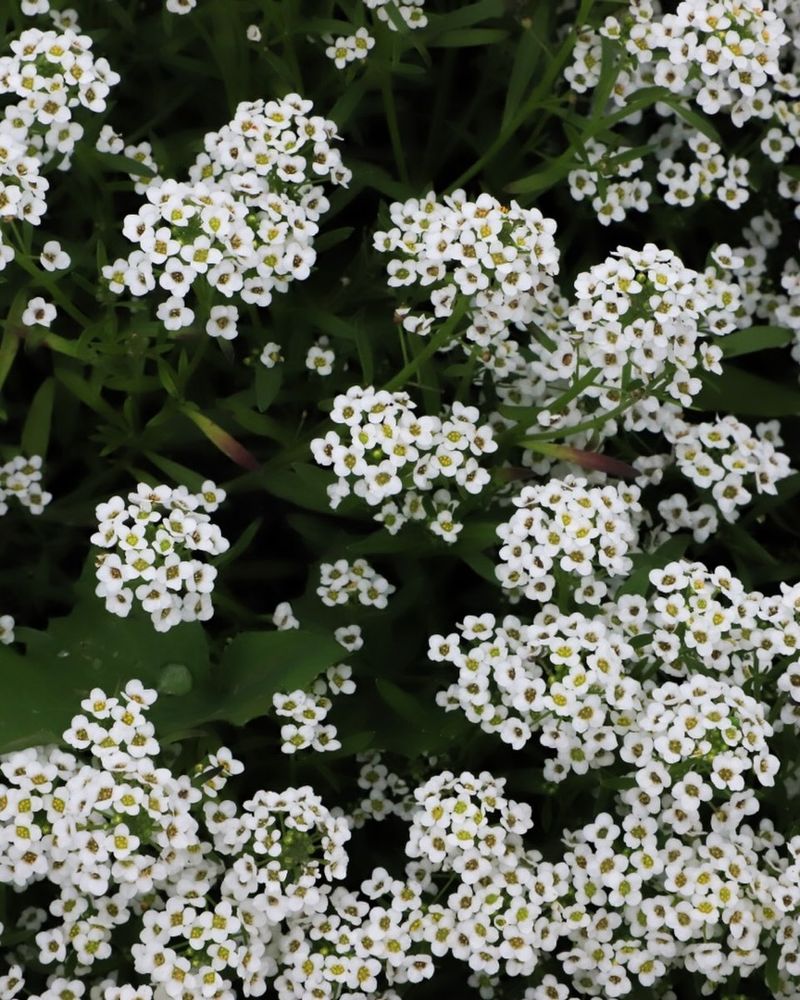
Carpets of tiny white flowers spilling over containers and edging pathways make Sweet Alyssum a Virginia favorite. This low-growing annual blooms nonstop from spring until hard frost, creating clouds of white that soften garden edges.
The honey-like fragrance becomes more noticeable during evening hours.
Gardeners love how quickly Sweet Alyssum fills in bare spots and covers the ground. Seeds germinate readily and plants begin blooming within six weeks of sowing.
Self-sowing means you’ll often find volunteer seedlings appearing in subsequent years.
This annual grows only four to six inches tall but spreads twelve inches or more. The low, mounding habit makes it perfect for tucking between stepping stones or letting cascade from window boxes.
White varieties like Snow Crystals and Carpet of Snow are especially popular.
Sweet Alyssum tolerates more shade than many flowering annuals, making it useful in partially shaded spots. Morning sun with afternoon shade works beautifully in Virginia’s hot summers.
Plants may slow their blooming during the hottest weeks but pick up again as temperatures moderate.
These flowers attract beneficial insects including hoverflies, whose larvae eat aphids and other pests. Planting Sweet Alyssum near vegetable gardens helps control pest populations naturally.
The tiny flowers also appeal to small butterflies and native bees.
9. Candytuft

Evergreen foliage topped with clusters of pure white flowers makes Candytuft a year-round asset in Virginia gardens. This low-growing perennial blooms heavily in spring, creating mounds of white that look like fresh snow.
The dark green leaves provide structure and color even when flowers have faded.
Iberis sempervirens is the botanical name for this reliable groundcover that spreads slowly to form neat clumps. Plants grow six to twelve inches tall and spread up to two feet wide.
The compact size makes Candytuft perfect for rock gardens, edging, or planting in crevices of stone walls.
Spring blooms appear so abundantly they nearly hide the foliage beneath. Each flower cluster contains dozens of tiny white blooms that last for several weeks.
Deadheading spent flowers keeps plants looking tidy and may encourage scattered rebloom in fall.
Candytuft thrives in full sun to partial shade, adapting to various light conditions throughout Virginia. Well-drained soil is essential since plants won’t survive in wet, heavy clay.
Adding gravel or coarse sand improves drainage in problem areas.
These perennials handle heat and humidity reasonably well once established. Mulching around plants helps keep roots cool during summer’s hottest weeks.
Avoid piling mulch against stems, which can cause rot.
Shearing plants lightly after spring flowering keeps them compact and encourages bushier growth. Use hedge shears or scissors to trim back stems by one-third.
New growth quickly fills in, maintaining the plant’s attractive mounded shape.
10. White Anemones
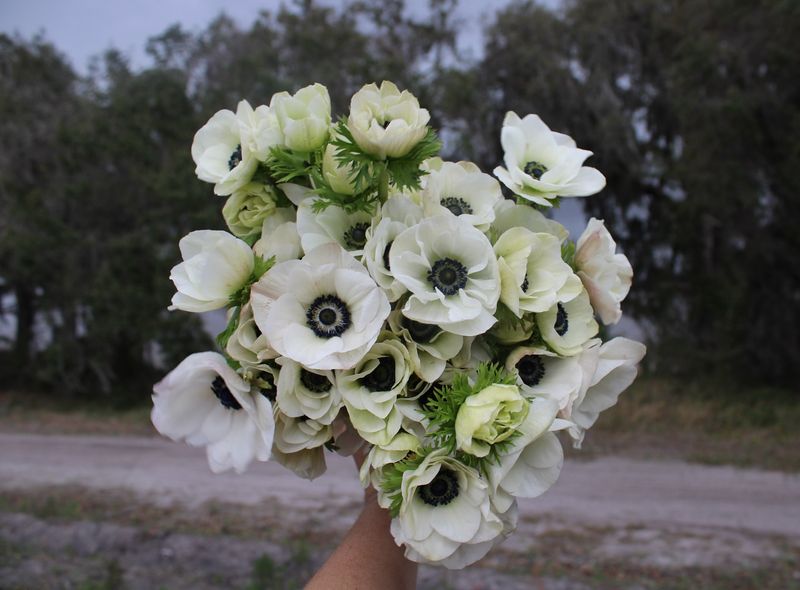
Japanese Anemones bloom when most other perennials are winding down for the season, bringing fresh flowers to Virginia’s fall gardens. Honorine Jobert is a stunning white variety with single flowers that seem to float above the foliage on wiry stems.
Each bloom has a boss of golden stamens in the center that glows against the pure white petals.
These elegant perennials grow three to four feet tall, providing height and movement in the back of borders. The dark green, lobed leaves form attractive mounds that look good all summer even before flowers appear.
Blooming begins in late August and continues until frost.
Anemones prefer partial shade in Virginia, especially afternoon shade that protects them from intense heat. Morning sun provides enough light for good flowering without stressing plants.
They tolerate more sun in cooler regions but appreciate some relief in warmer areas.
Consistent moisture helps anemones thrive, though they tolerate brief dry spells once established. Mulching heavily around plants retains soil moisture and keeps roots cool.
These perennials won’t survive in soggy soil, so good drainage remains important.
Plants spread slowly by underground runners to form expanding colonies over time. This gradual spread isn’t aggressive but does mean anemones eventually fill their space.
Dividing clumps every few years controls their size and provides new plants for other garden areas.