9 Best Organic Soil Amendments For Florida Gardens That Actually Work
Florida gardeners know the struggle all too well. You water in the morning, step outside by afternoon, and your soil already feels dry and lifeless again.
Our sandy ground drains fast, nutrients disappear quickly, and plants often look stressed no matter how much care you give them. The good news is this problem is not permanent.
With the right organic soil amendments, Florida gardens can hold moisture longer, grow stronger roots, and produce healthier harvests even during intense heat and heavy rain seasons.
Instead of fighting against local soil conditions, smart gardeners work with them by adding materials that rebuild soil structure naturally.
Over time, sandy beds can become darker, richer, and easier to manage. Flowers bloom longer, vegetables grow more vigorously, and watering becomes far less frustrating.
If you want better results from your garden without relying on harsh chemicals, improving your soil is the most powerful place to start.
1. Compost
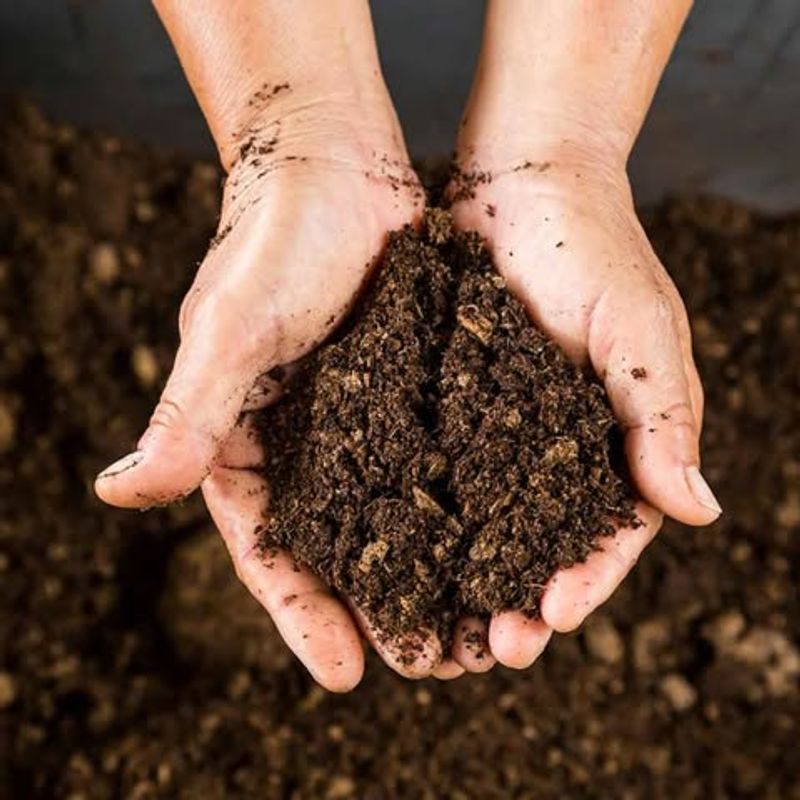
Walk through your garden bed a day after watering, and you’ll notice something remarkable where compost has been worked in; the soil still feels slightly moist instead of bone-dry.
That’s because compost acts like tiny sponges scattered throughout your sandy Florida soil, catching water and nutrients before they disappear into the ground below.
Unlike synthetic fertilizers that wash away with our frequent rainfall, compost supports beneficial soil microbes that help cycle nutrients for plants over time.
Your tomatoes and peppers respond within weeks, developing deeper green leaves and stronger stems. In North Florida, where you might have slightly heavier soils, compost lightens the texture and improves drainage.
Central and South Florida gardeners see even more dramatic results because compost adds the organic matter that sandy soils desperately lack.
Apply a two-to-three-inch layer twice a year, once in spring before planting and again in fall. Mix it into the top six inches of soil, and you’ll feel the difference immediately as your soil becomes easier to work and holds its shape better when squeezed.
2. Pine Bark Fines
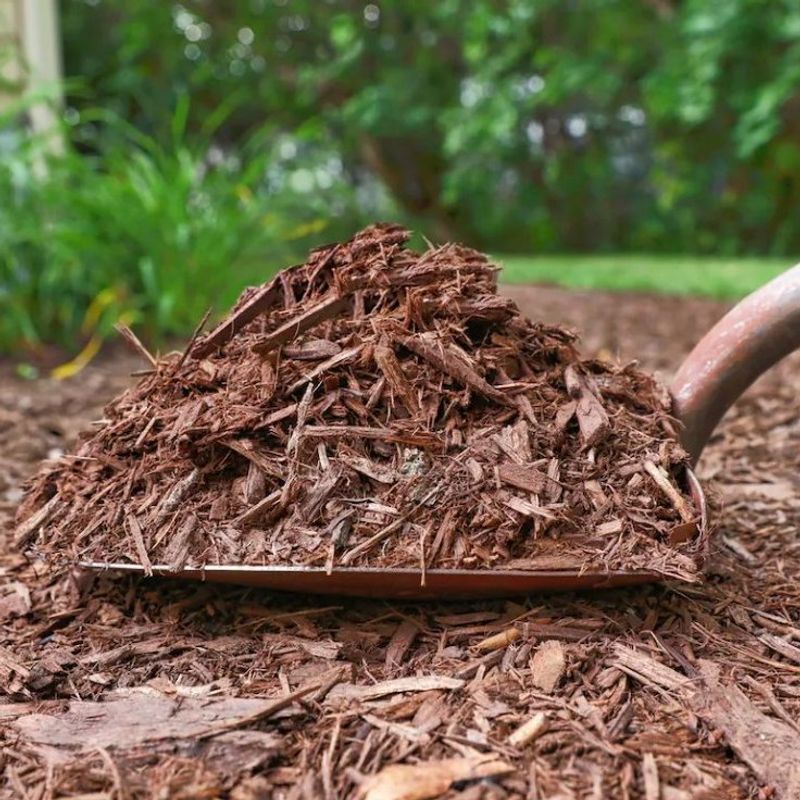
After a heavy afternoon rain, gardens amended with pine bark fines bounce back faster than untreated beds. The finely shredded bark particles wedge themselves between sand grains, creating air pockets that hold both moisture and oxygen – exactly what Florida roots need during our hot, humid summers.
Pine bark breaks down slowly in our climate, meaning you’re building long-term soil structure rather than watching your investment wash away after a few storms.
Your azaleas, blueberries, and other acid-loving plants thrive because pine bark gently lowers pH while improving drainage. Central Florida gardeners especially appreciate how pine bark fines prevent that concrete-like crust that forms on pure sand after irrigation.
Many gardeners notice increased soil life such as earthworms in beds treated with pine bark, a sign that soil biology is improving.
Incorporate a two-inch layer into new beds, or top-dress established gardens with one inch annually.
The texture feels slightly coarse between your fingers, but once mixed in, your soil becomes noticeably fluffier and easier for roots to penetrate during Florida’s intense growing seasons.
Your Florida Garden Changes Every Week. Your Plan Should Too.
Gardening in Florida changes quickly throughout the season. Every Friday you’ll receive a simple weekly plan showing exactly what to plant, prune, fertilize, harvest, and protect so you never miss the right timing.
3. Worm Castings
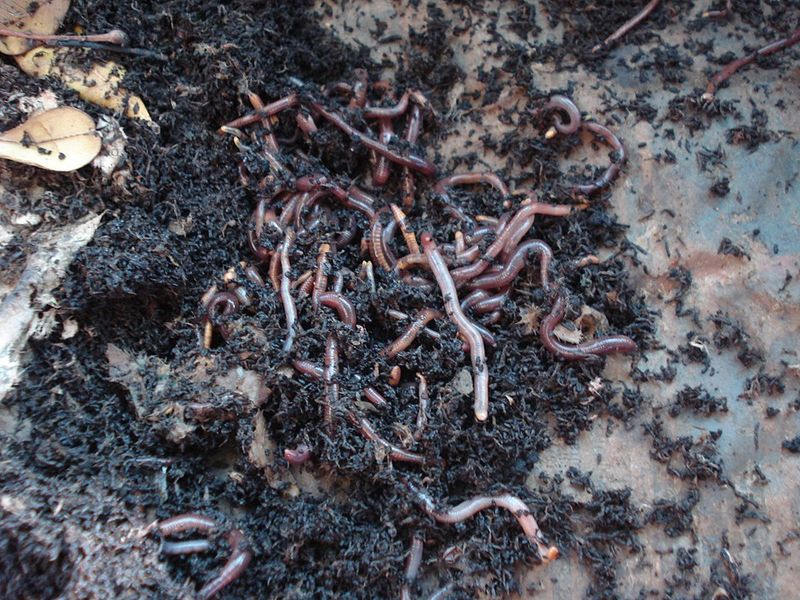
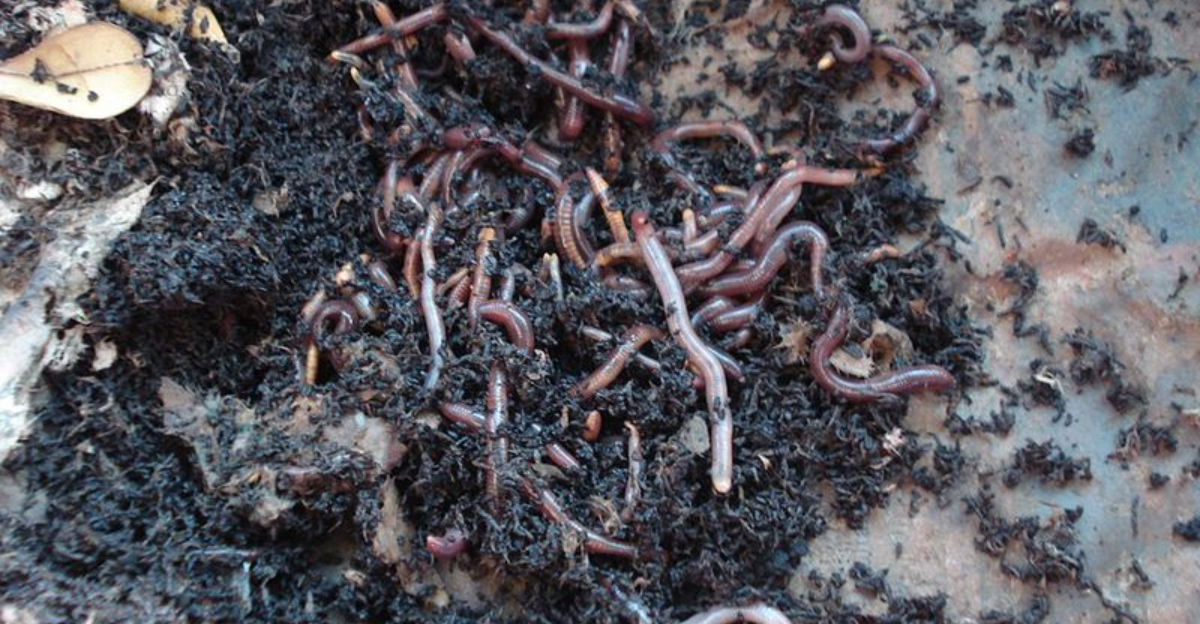
Squeeze a handful of soil enriched with worm castings, and you’ll feel a softness that pure sand never achieves.
These nutrient-dense granules release plant food gradually, matching the pace your vegetables actually grow rather than flooding roots with nitrogen that leaches away before it’s useful.
Worm castings contain beneficial microbes and enzymes that help improve nutrient availability and overall soil biological activity.
Seedlings transplanted into beds with worm castings establish faster, developing robust root systems within the first two weeks. South Florida gardeners battling constant rainfall find that worm castings improve nutrient retention even during the wettest months.
Your basil, lettuce, and herbs respond with intensely flavored leaves and vigorous growth that continues throughout the season.
Mix one part worm castings with three parts native soil when planting, or side-dress established plants with a quarter-inch layer monthly during active growth. The castings look like fine, dark coffee grounds and smell earthy and clean – never unpleasant.
You’ll see visible improvements in plant color and growth rate within three weeks of application.
4. Leaf Mold
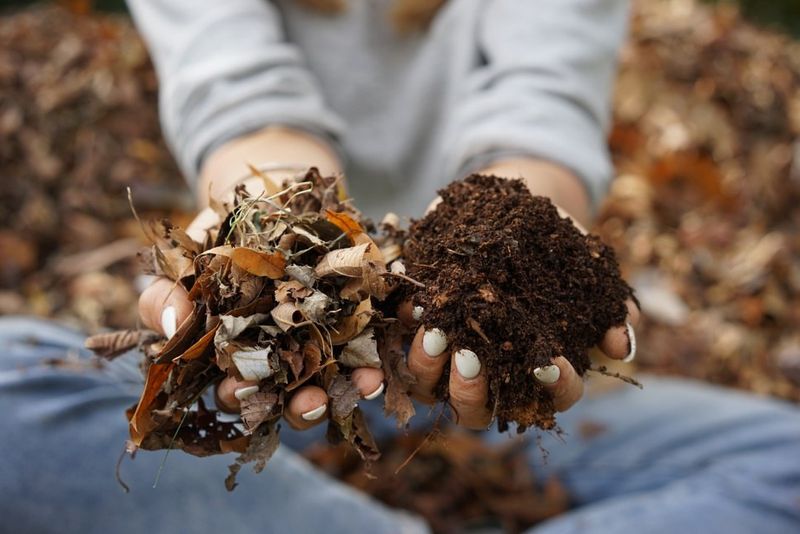
Reach down into soil amended with leaf mold, and your fingers sink into a texture that feels almost fluffy compared to untreated Florida sand. Leaf mold is simply decomposed leaves; nothing fancy, but incredibly effective at holding moisture in our fast-draining soils.
Unlike fresh leaves that blow away or mat down, leaf mold has broken down into dark, crumbly pieces that integrate beautifully with sand particles.
Ferns, hostas, and shade plants flourish in beds enriched with leaf mold because it mimics the forest floor conditions these species naturally prefer. North Florida gardeners can make their own by piling oak and maple leaves in a corner and waiting twelve to eighteen months.
The finished product holds water like a sponge while remaining loose enough to prevent root rot.
Work a three-inch layer into beds before planting shade gardens, or use it as mulch that gradually incorporates itself into the soil. Your plants develop stronger drought resistance because leaf mold-amended soil retains moisture between waterings.
Reapply annually in fall when leaves are plentiful and free for the gathering throughout Florida neighborhoods.
5. Aged Manure
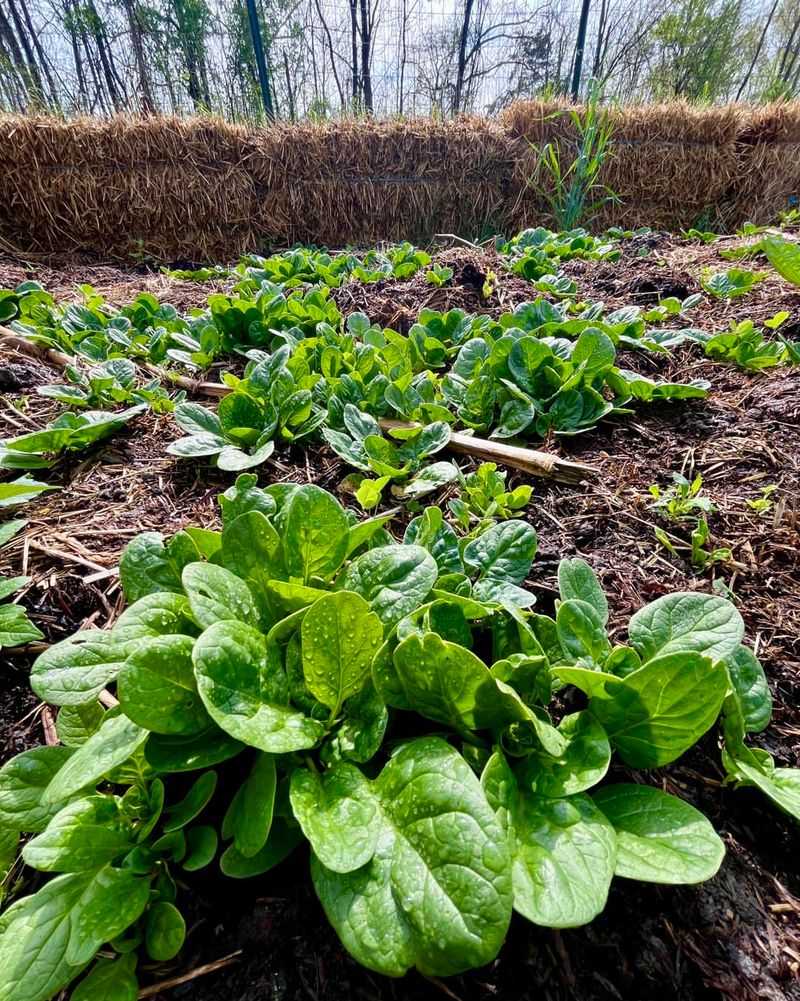
Gardens treated with aged manure develop that deep, rich smell of healthy soil – completely different from the ammonia punch of fresh manure. Properly aged for at least six months, manure transforms into a crumbly, nutrient-rich amendment that feeds Florida plants without burning tender roots.
The aging process reduces salts and pathogens while stabilizing nutrients that sandy soils desperately need.
Your squash, cucumbers, and melons respond dramatically, producing larger fruits and healthier vines throughout the growing season.
Central Florida gardeners see the best results when incorporating aged manure in late winter before spring planting, giving it time to integrate with soil before summer rains begin.
The organic matter improves water retention while slowly releasing nitrogen, phosphorus, and potassium.
Mix aged manure into vegetable beds at a ratio of one part manure to four parts native soil, working it into the top eight inches. Cow and chicken manure both work well when fully composted, but chicken manure contains much higher nitrogen levels and should be applied more sparingly.
Apply once before each major planting season, and you’ll notice your soil darkens and clumps together better when squeezed, rather than running through your fingers like pure sand.
6. Biochar
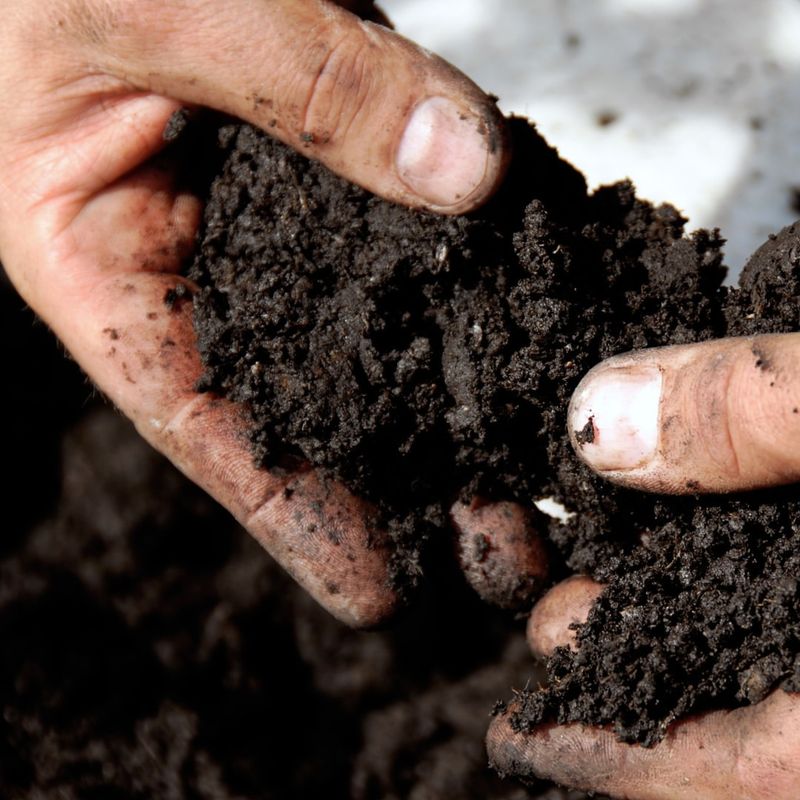
Biochar looks like tiny black sponges when you examine it closely, and that’s essentially what it becomes in Florida soil – a long-lasting network of pore spaces that trap nutrients and water.
Made from charred organic material, biochar doesn’t break down like other amendments, meaning one application continues improving your soil for years.
The porous structure provides habitat for beneficial microbes while preventing nutrients from leaching away during heavy rainfall.
South Florida gardeners battling constant nutrient loss find biochar especially valuable because it acts like a savings account for fertilizers and organic matter. Your plants access stored nutrients gradually rather than watching them wash away after thunderstorms.
Gardens amended with biochar maintain more consistent moisture levels, reducing how often you need to water during dry spells. For best results, mix biochar with compost or fertilizer before applying so it is pre-charged with nutrients and does not temporarily absorb nutrients from the soil.
Incorporate biochar at a rate of five to ten percent by volume when building new beds, mixing it thoroughly with existing soil and compost. The black particles feel light and slightly gritty between your fingers.
You’ll notice improved plant performance within one growing season, but the real benefits accumulate over years as biochar continues capturing and holding nutrients that would otherwise disappear into Florida’s sandy subsoil.
7. Coconut Coir
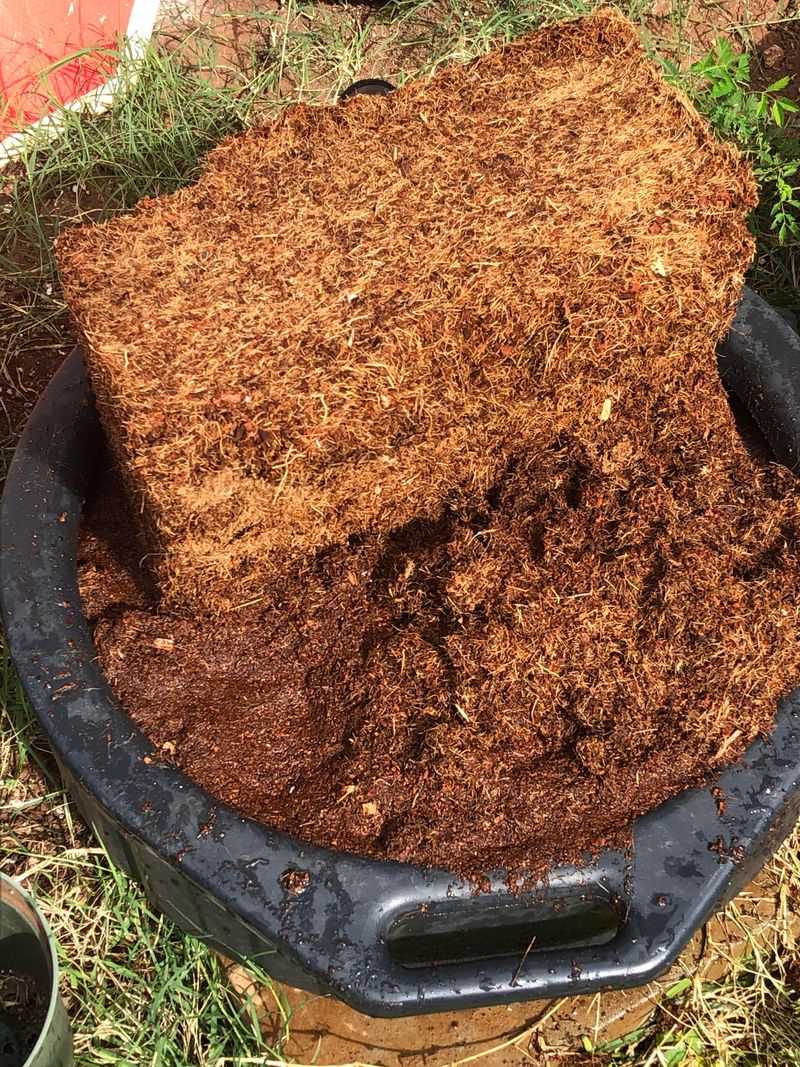
Coconut coir feels springy and fibrous when dry, but once moistened it transforms into a water-retaining amendment that doesn’t compact like peat moss.
Derived from coconut husks, coir works beautifully in Florida because it’s naturally resistant to our humidity and doesn’t break down as quickly as other organic materials in our warm climate.
The fibers create air spaces in sandy soil while holding moisture against plant roots.
Container gardens and raised beds benefit most from coconut coir because it lightens heavy potting mixes while improving water retention. Your herbs and annual flowers develop stronger root systems because coir maintains consistent moisture without staying soggy.
Central Florida gardeners appreciate how coir-amended soil stays workable even during summer heat, never forming that hard crust that pure sand develops.
Mix coir at a ratio of one part coir to three parts soil when preparing beds or containers, hydrating and rinsing the compressed blocks thoroughly before use to remove excess salts. The expanded coir looks stringy and brown, almost like shredded coconut.
Reapply or refresh annually because while coir lasts longer than many amendments, it does eventually break down. Your soil will feel noticeably softer and hold water better within weeks of incorporation.
8. Cover Crops (Green Manure)
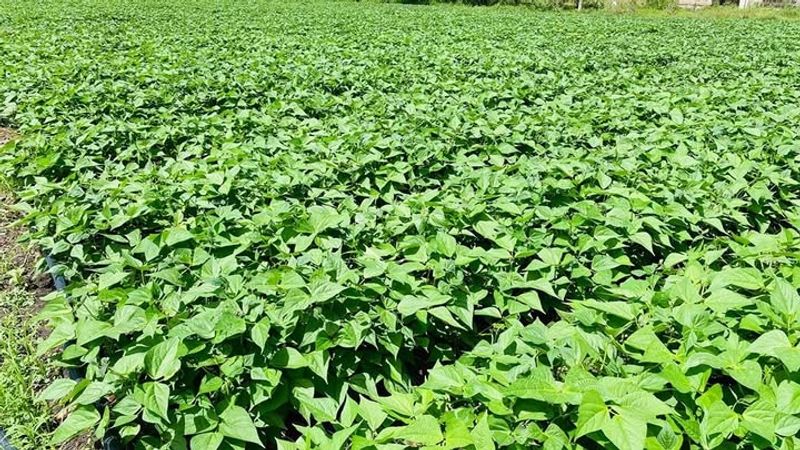
Watching a cover crop grow transforms your understanding of soil building – suddenly you’re creating organic matter right where you need it instead of hauling it in.
Buckwheat, cowpeas, and clover grow quickly in Florida’s heat, sending roots deep into sandy soil while their leaves shade the ground and prevent erosion during summer storms.
When you cut and turn under these crops before they set seed, all that green growth becomes homegrown organic matter.
North Florida gardeners can plant winter rye or crimson clover during cooler months, building soil while beds rest between vegetable seasons. The roots break up compacted layers and create channels that improve drainage and aeration.
Your following crop of tomatoes or beans grows stronger because cover crops fix nitrogen and add organic matter exactly where plants will use it.
Plant cover crops after harvesting main crops, letting them grow for six to eight weeks before turning them under. The process feels almost magical, bare sand transforms into living green carpet, then becomes rich, dark soil.
Till or cut cover crops two to three weeks before planting your next garden, giving the green material time to decompose and release nutrients back into Florida’s hungry soil.
9. Composted Yard Waste
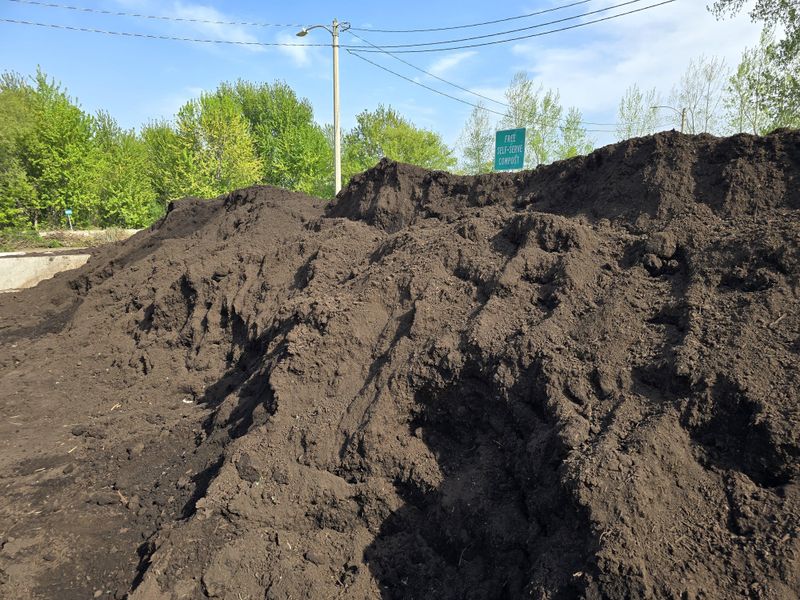
Many Florida counties offer free or low-cost composted yard waste, turning grass clippings and tree trimmings into dark, crumbly soil amendment. This locally-made compost contains materials already adapted to Florida’s climate, breaking down at the right pace for our conditions.
The finished product smells earthy and rich, with a texture somewhere between potting soil and mulch.
Your landscape plants and vegetable gardens both benefit from yard waste compost because it adds organic matter while improving soil structure.
South Florida gardeners find that yard waste compost helps sandy soils retain moisture during intense rainy seasons without becoming waterlogged.
The amendment introduces beneficial microbes and nutrients while costing far less than bagged products.
Spread a two-to-four-inch layer over beds and work it into the top six inches of soil before planting. The compost may contain small wood chips or partially decomposed material.
This is normal and continues improving soil as it breaks down. Apply fresh layers twice yearly, timing applications before spring and fall planting seasons.
You’ll notice your soil becomes darker and more crumbly with each application, gradually transforming from pure sand into genuine garden soil that holds moisture and supports healthy plant growth year-round.