Why Your Firebush Isn’t Blooming Yet In Florida And What To Do About It
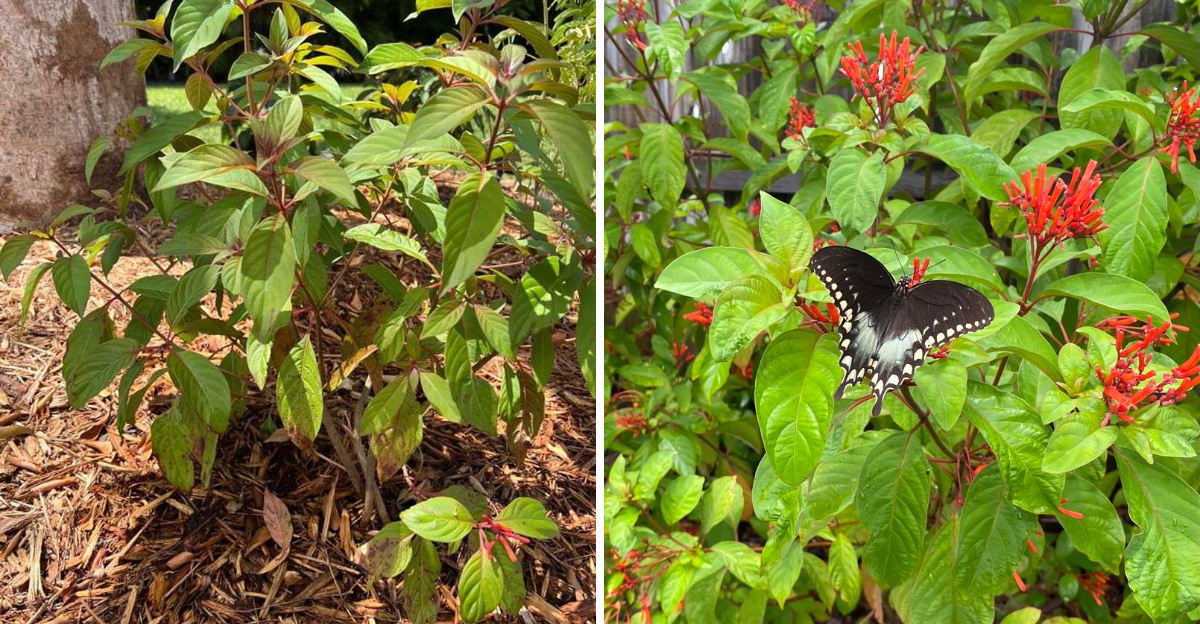
You planted Firebush for one reason. Those blazing red-orange flowers that light up the yard, pull in hummingbirds, and make neighbors slow down when they walk past your house.
So when spring arrives and all you see is green leaves instead of blooms, frustration sets in fast. Many Florida gardeners assume something is wrong, reach for fertilizer, or even think the plant is failing.
In most cases, none of that is true. Firebush runs on its own seasonal clock, and Florida weather plays a much bigger role than most people realize.
Cool nights, pruning timing, sun exposure, and even where the plant sits in your yard can quietly delay flowering without causing visible damage. The good news is that Firebush is tough, forgiving, and eager to bloom once conditions line up.
A few small adjustments can make a dramatic difference. If your Firebush has stayed stubbornly green, you are far from alone and the solution is usually simpler than you think.
When Firebush Normally Starts Blooming
Stepping into your garden in late April or early May, you might expect to see those signature red-orange flowers already lighting up your Firebush. But timing varies more than most gardeners realize, and understanding the natural bloom window helps you set realistic expectations.
In South Florida, Firebush often begins flowering as early as March, taking advantage of the extended warm season and mild winter temperatures.
Central Florida gardeners typically see blooms emerge in mid-April through May, once nighttime temperatures stabilize in the mid-50s to low-60s.
North Florida experiences the latest bloom start, often not until late May or early June, because cooler spring weather slows bud development.
Young plants need time to establish root systems before channeling energy into flowers. A newly planted Firebush may wait an entire growing season before producing significant blooms.
Mature plants generally flower continuously from late spring through the first frost, but that initial bloom burst depends heavily on warmth, daylight length, and your specific microclimate.
Patience pays off with Firebush. If you’re still in early spring and haven’t seen flowers yet, your plant is likely right on schedule for your region.
Why Firebush Sometimes Delays Flowers
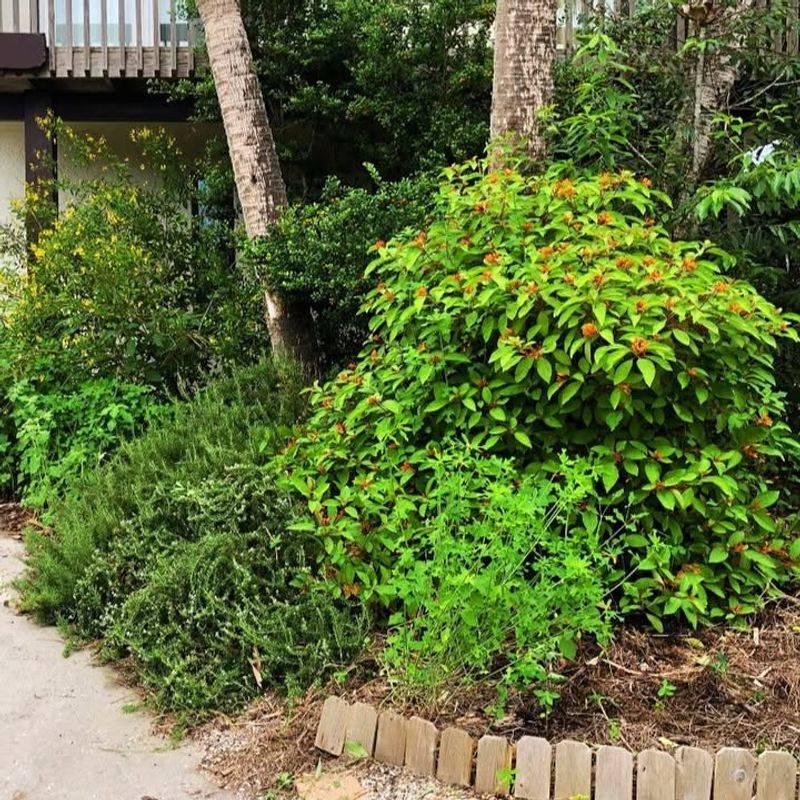
Your Firebush looks lush and green, branches reaching skyward, yet no buds appear. Several factors can pause flower production, and most have nothing to do with plant health.
Cold snaps in late winter or early spring can set back bud formation even if the plant didn’t experience frost damage. Firebush growth and flowering slow significantly when temperatures fall below about 55 degrees, delaying the hormonal signals that trigger blooming.
Inconsistent watering during the critical bud-setting period can also interrupt bloom cycles, especially if your plant experiences drought stress followed by heavy rainfall.
Overfertilization with high-nitrogen products pushes leafy growth at the expense of flowers. If you’ve been feeding heavily or using lawn fertilizer near your Firebush, that lush foliage might be masking a nutrient imbalance.
Additionally, plants grown in excessive shade redirect energy toward reaching sunlight rather than producing blooms.
Your Florida Garden Changes Every Week. Your Plan Should Too.
Gardening in Florida changes quickly throughout the season. Every Friday you’ll receive a simple weekly plan showing exactly what to plant, prune, fertilize, harvest, and protect so you never miss the right timing.
Transplant shock is another common culprit. Even a well-executed move can delay flowering for several weeks while roots reestablish.
Understanding these triggers helps you pinpoint why your particular Firebush is holding back on flowers.
How Temperature Affects Bloom Timing
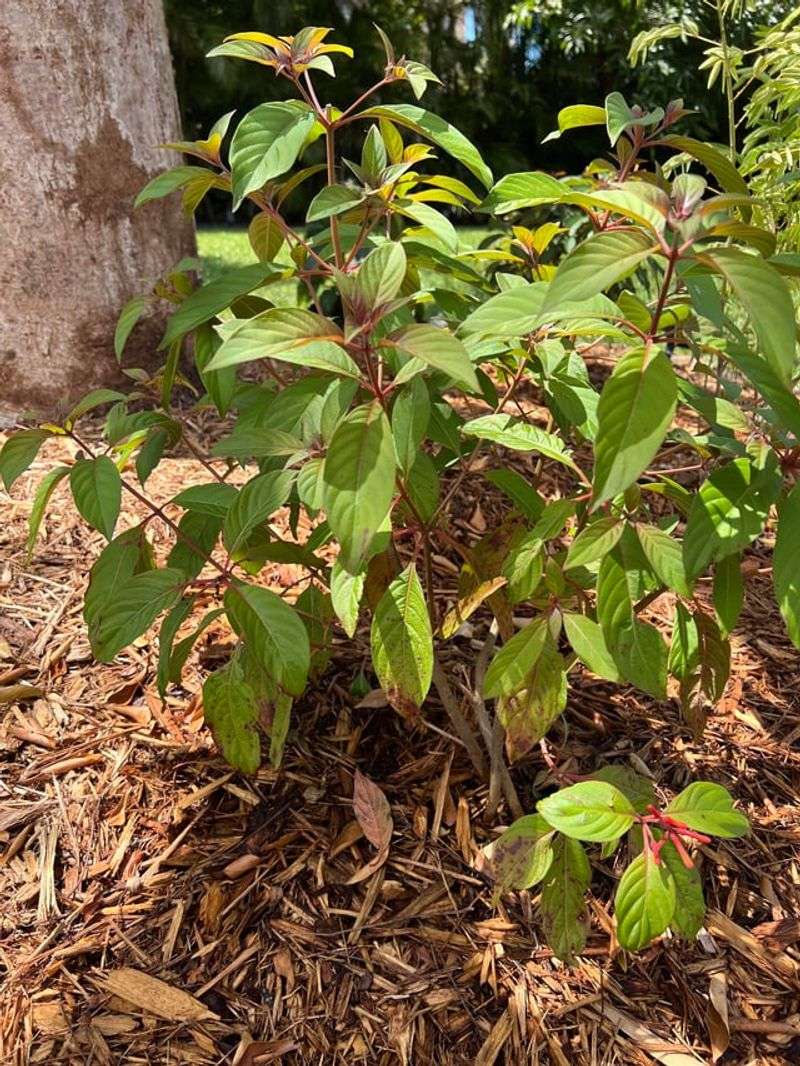
Walk outside on a cool March morning and you’ll notice your Firebush sitting quietly, waiting for something. That something is consistent warmth, the single biggest driver of flowering in this heat-loving native.
Firebush thrives in temperatures between 70 and 95 degrees, and blooming accelerates when nighttime lows stay above 65 degrees. Cold fronts that push temperatures into the 40s or 50s can stall bud development for weeks, even if daytime highs rebound quickly.
This temperature sensitivity explains why South Florida Firebush blooms earlier and longer than plants in North Florida, where spring arrives later and fall cools down sooner.
If you experienced an unusually cool spring, your Firebush may simply be waiting for sustained warmth. Once temperatures stabilize, bloom production typically resumes within two to three weeks.
Planting in a warm microclimate, such as near a south-facing wall or alongside heat-absorbing pavement, can help advance flowering slightly.
You can’t control the weather, but understanding how temperature governs bloom timing helps you avoid unnecessary interventions and trust your plant’s natural rhythm.
How Pruning Timing Impacts Flower Production
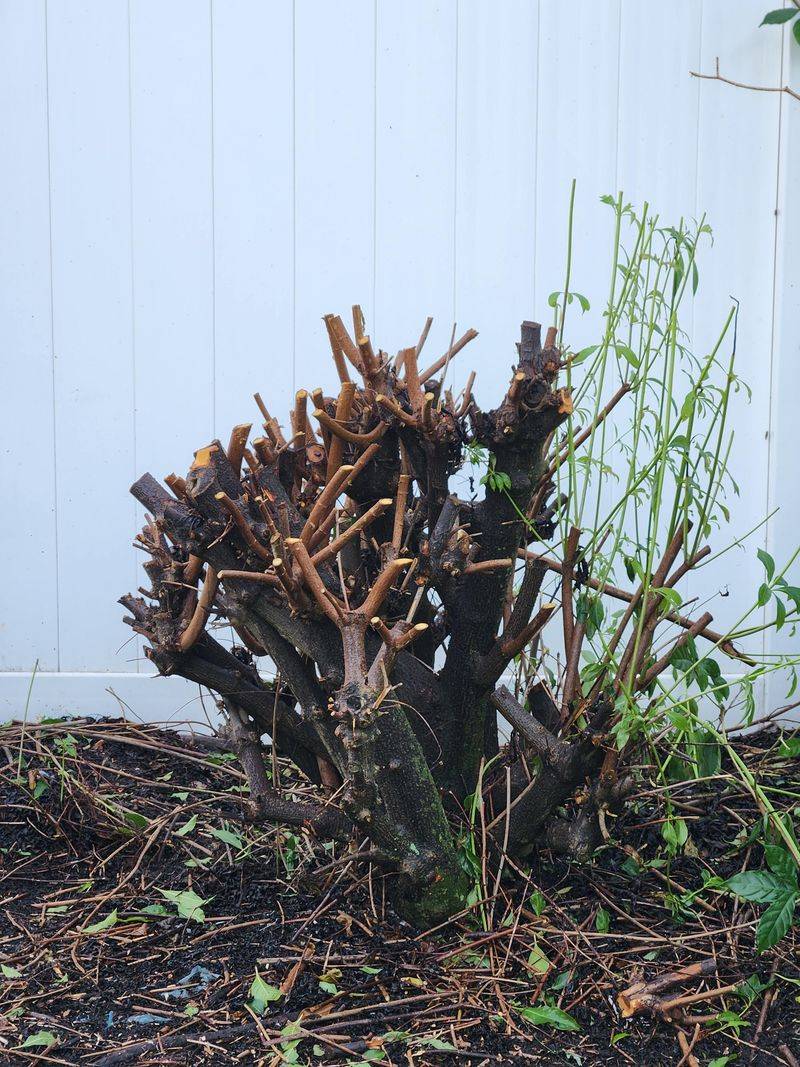
You grabbed the pruners in late winter to shape your Firebush, and now you’re wondering if that trim is why flowers haven’t appeared. Pruning timing matters enormously for bloom performance, and cutting at the wrong moment can delay flowers for months.
Firebush blooms on new growth, meaning flowers form on branches that developed during the current growing season. If you prune heavily in late spring or early summer, you remove the very stems that would have carried the first flush of blooms.
The plant must then regrow foliage before it can redirect energy toward flowering, often pushing your bloom window back by six to eight weeks.
The best time to prune Firebush in Florida is late winter, typically February in Central and South Florida and early March in North Florida. This timing allows plants to push new growth as temperatures warm, and those fresh branches will carry flowers by late spring.
Light shaping throughout the growing season is fine, but avoid removing more than one-third of the plant after April.
If you pruned recently, be patient. Your Firebush will bloom once new growth matures.
How Sun Exposure Changes Bloom Performance
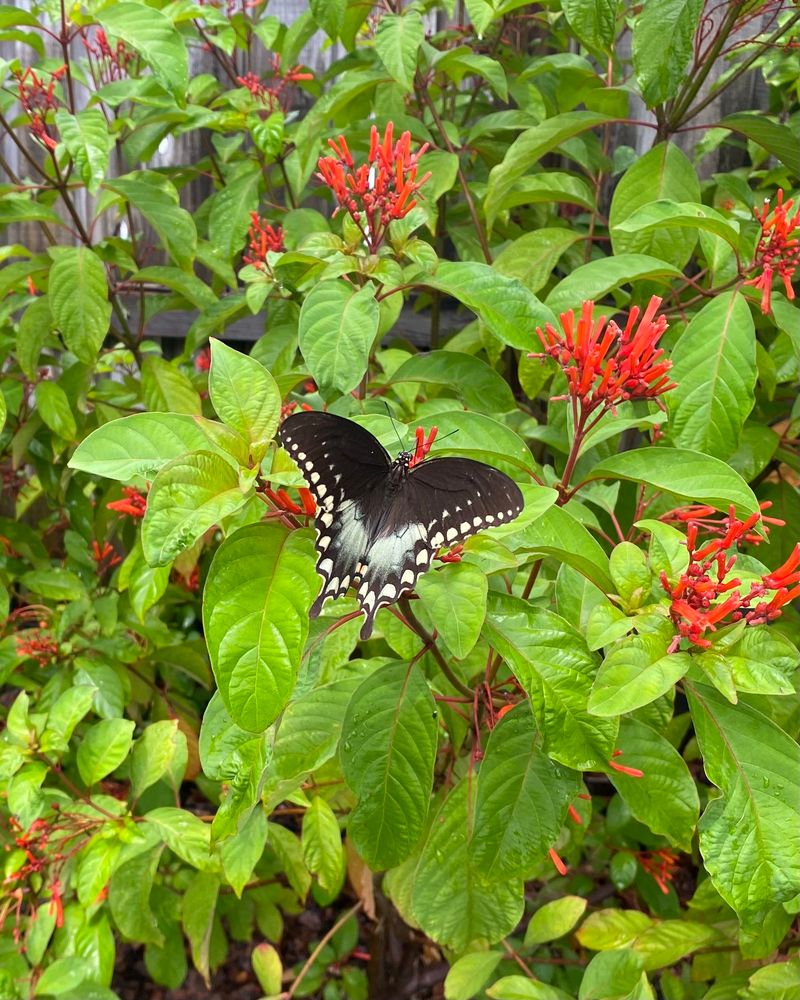
Standing in your yard at midday, you notice your Firebush sits in dappled shade most of the afternoon. That limited sunlight might explain the lack of blooms, even if the plant looks healthy otherwise.
Firebush performs best in full sun, which means at least six to eight hours of direct sunlight daily. Plants grown in partial shade often produce fewer flowers and may delay blooming altogether, channeling energy into leaf production as they stretch toward available light.
While Firebush tolerates some afternoon shade, especially in the hottest parts of South Florida, too much shade significantly reduces flowering.
If your plant receives less than six hours of sun, consider transplanting it to a brighter location in late winter when root disturbance has minimal impact. Alternatively, you can thin nearby trees or shrubs to increase light penetration.
Even a modest improvement in sun exposure can trigger noticeable increases in bloom production within a single growing season.
Observe your plant’s light conditions throughout the day. Morning sun is especially valuable, as it dries foliage quickly and energizes photosynthesis.
More sun almost always means more flowers with Firebush.
How Soil And Watering Affect Flowering
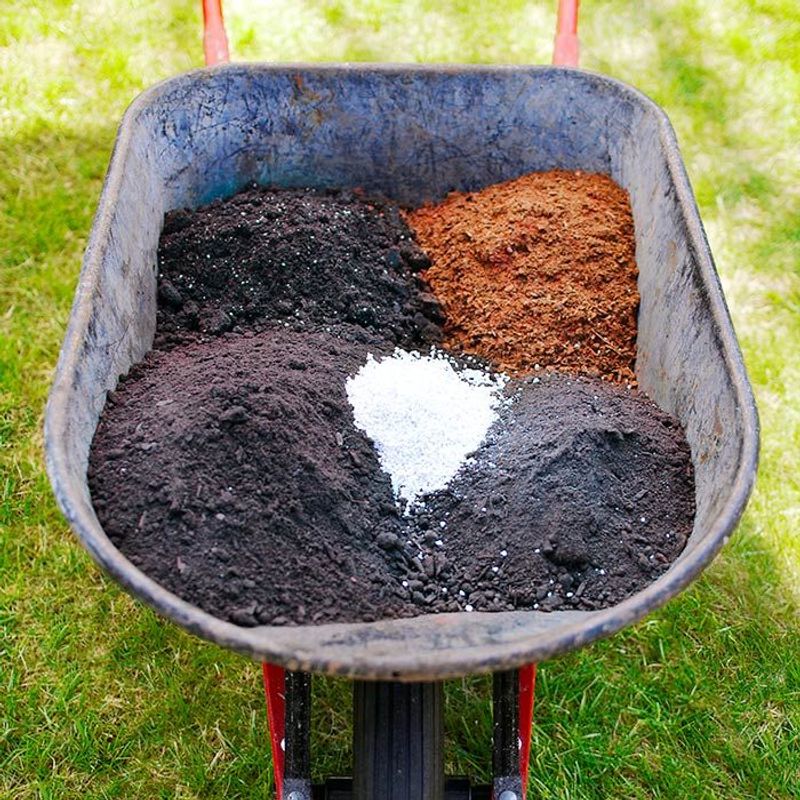
Kneeling beside your Firebush, you press your hand into the soil and find it either bone-dry or soggy. Both extremes can interrupt flowering, even when the plant appears otherwise healthy.
Firebush prefers well-drained soil and moderate moisture. Overly wet conditions stress roots and reduce the plant’s ability to absorb nutrients needed for flower production.
Conversely, prolonged drought triggers survival mode, where the plant conserves resources instead of producing blooms. Florida’s sandy soils drain quickly, so consistent watering during dry spells helps maintain the steady moisture that supports flowering.
Water deeply once or twice weekly during dry periods, allowing the top two inches of soil to dry between waterings. Mulching around the base helps retain moisture and moderate soil temperature, creating ideal conditions for bud development.
Avoid high-nitrogen fertilizers, which promote foliage over flowers. Firebush typically requires little to no fertilizer once established.
If growth is weak, use a light application of a balanced, slow-release fertilizer in early spring, following University of Florida IFAS guidelines for native plants.
Healthy roots support abundant blooms. Check your watering routine and soil drainage to ensure your Firebush has the foundation it needs for flowering.
Regional Differences In Firebush Bloom Timing
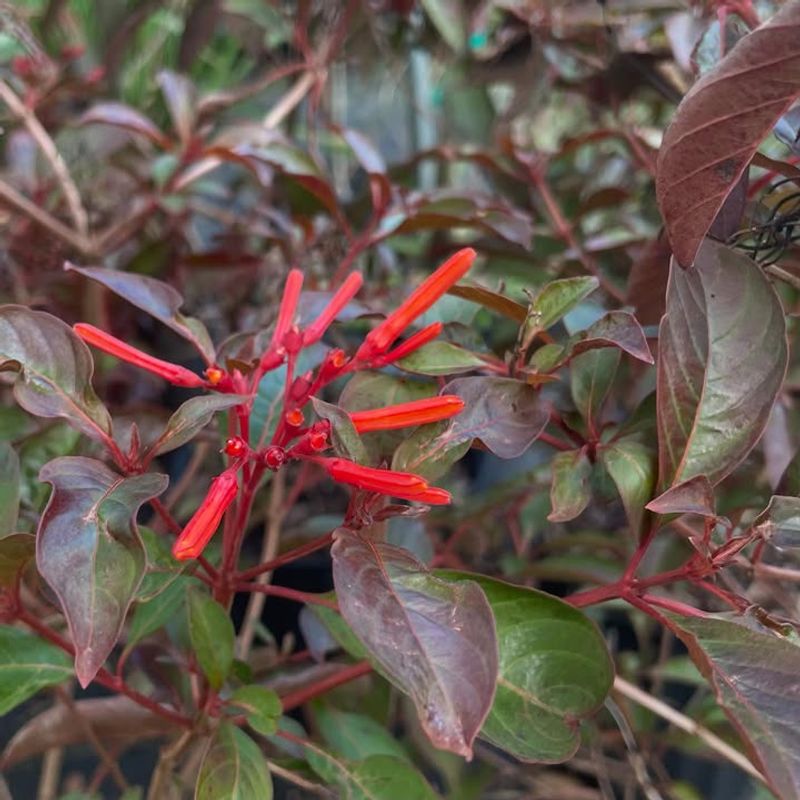
Talking with a fellow gardener two counties north, you discover their Firebush blooms weeks later than yours. Regional climate differences across Florida create distinct bloom windows, and understanding your local pattern helps set realistic expectations.
South Florida gardeners enjoy the longest bloom season, often seeing flowers from March through December, with only brief pauses during occasional cold snaps.
Central Florida experiences a slightly shorter window, typically late April through November, with blooms pausing if temperatures drop unexpectedly in late fall.
North Florida has the most compressed season, with flowering often beginning in late May and continuing through October, ending when autumn temperatures cool.
These regional differences reflect variations in frost dates, average temperatures, and daylight patterns. A Firebush in Jacksonville faces cooler springs and earlier autumns than one in Miami, naturally delaying and shortening the bloom period.
Microclimates within your own yard can also shift timing by a week or two.
Check with your local UF IFAS Extension office to learn typical bloom timing for your county. Knowing what to expect helps you distinguish between normal seasonal variation and a genuine problem.
Firebush rewards patience and proper care, and once conditions are right, it rarely holds back on blooms. Focus on sunlight, warmth, pruning timing, and steady watering, and your plant will usually respond faster than expected.
With a little attention and the right setup, those bright tubular flowers will be back putting on a show and attracting hummingbirds to your Florida landscape.