Florida Gardeners Swear By This Raised Bed Soil Mix For Bigger Harvests
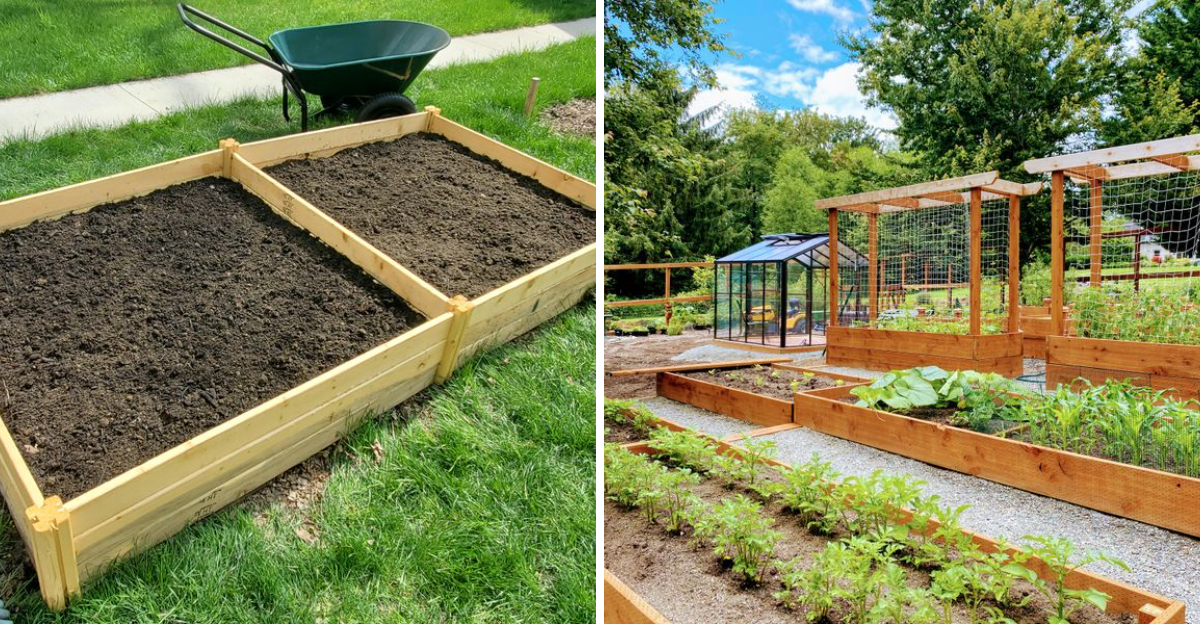
Florida gardeners know the frustration. You build a beautiful raised bed, plant healthy seedlings, water faithfully, and still end up with wilting leaves, weak growth, and disappointing harvests.
The sun is intense, the rain comes fast and heavy, and the soil underneath often drains too quickly or stays soggy for days. It can feel like you are doing everything right and still getting poor results.
The truth is that most raised bed problems in Florida start below the surface. What you fill your beds with matters more than the bed frame, the fertilizer brand, or even the plants you choose.
A well-built soil mix can mean the difference between struggling plants and beds that stay productive through heat, storms, and long growing seasons.
Once you understand how Florida conditions affect soil, building better beds becomes simple and surprisingly rewarding.
Why Florida Raised Beds Need A Different Soil Mix
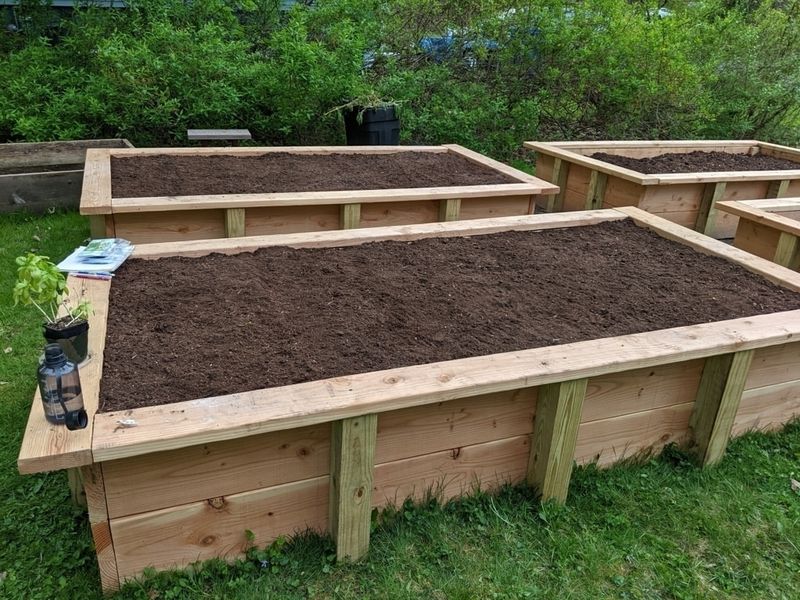
Walk out to your raised beds after a summer storm and watch how the water pools or drains.
Florida rainfall patterns and sandy native soil create conditions that national gardening advice rarely addresses, and using a generic bagged mix often leads to plants that wilt between waterings or sit in soggy beds after heavy rain.
Your raised bed soil must perform two opposite jobs at once: hold enough moisture so roots stay hydrated during hot weeks, yet drain fast enough that roots never drown when heavy rain falls in a short period.
North Florida gardeners deal with cooler spring soil that warms slowly, while South Florida beds stay warm year-round but face relentless humidity. Central Florida sits in between with the sandiest conditions and fastest drainage of all.
Each region demands slight adjustments to the core mix, but every successful Florida raised bed starts with ingredients that balance water retention and drainage far better than untreated native soil.
When you build your soil mix correctly, you notice seedlings establish faster and transplants recover quicker from the shock of moving into the bed. Roots spread wider and deeper because the texture stays loose and aerated even after months of rain and heat.
Plants grow stronger stems, produce more flowers, and set heavier fruit because their roots access consistent moisture and nutrients instead of cycling between drought and flood.
What Happens When Regular Garden Soil Is Used
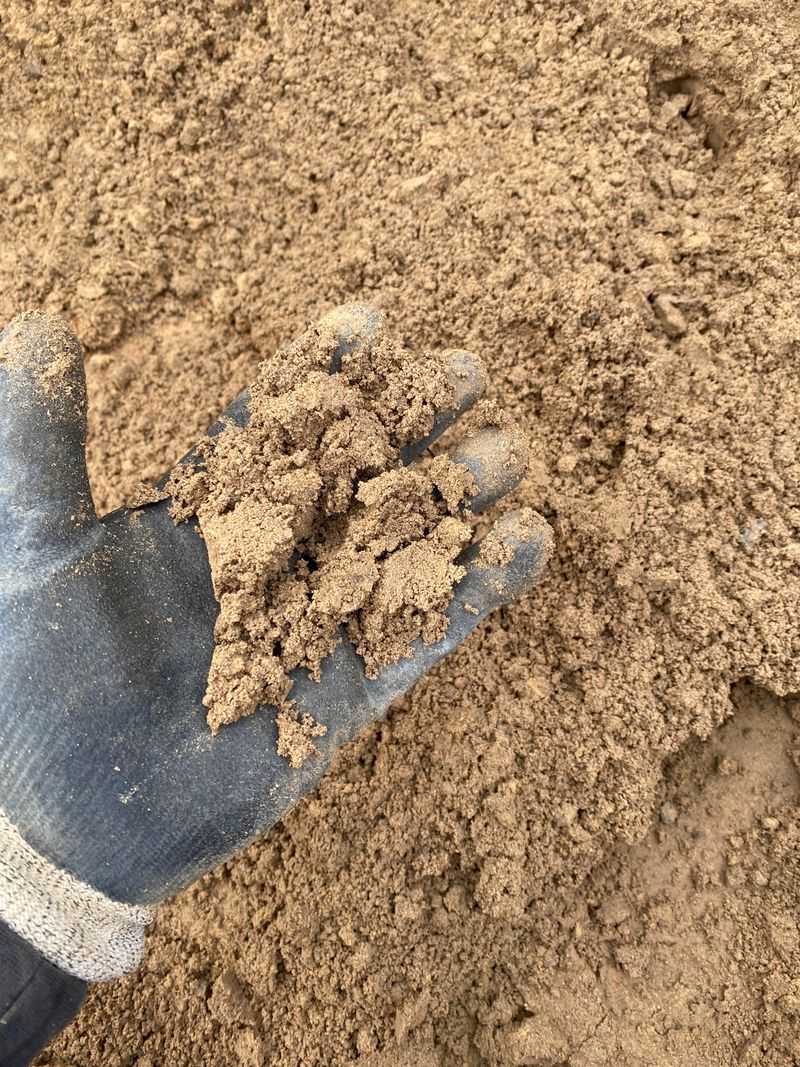
Scoop up a handful of your native Florida soil and squeeze it tight. If it crumbles apart instantly, you have sand that drains so fast your plants never get enough water.
If it forms a hard ball that stays wet for days, you have clay that suffocates roots and invites fungal problems. Either way, filling your raised beds with straight garden soil sets you up for disappointment because Florida ground lacks the organic matter and balanced texture vegetables need to thrive.
Gardeners who use pure native soil in raised beds often see stunted growth and yellowing leaves within weeks. Sandy soil leaches nutrients with every watering, leaving plants hungry no matter how much fertilizer you add.
Your Florida Garden Changes Every Week. Your Plan Should Too.
Gardening in Florida changes quickly throughout the season. Every Friday you’ll receive a simple weekly plan showing exactly what to plant, prune, fertilize, harvest, and protect so you never miss the right timing.
Clay soil stays waterlogged after storms, causing root rot and attracting pests that thrive in overly moist conditions. Your plants struggle to establish strong root systems, and harvests stay small even when you water and feed them faithfully.
The height advantage of raised beds disappears when the soil inside drains too fast or holds too much water. You end up watering twice a day in summer or watching plants wilt despite regular irrigation.
Switching to a properly balanced soil mix can dramatically improve bed performance and plant health.
The Core Ingredients Florida Gardeners Use
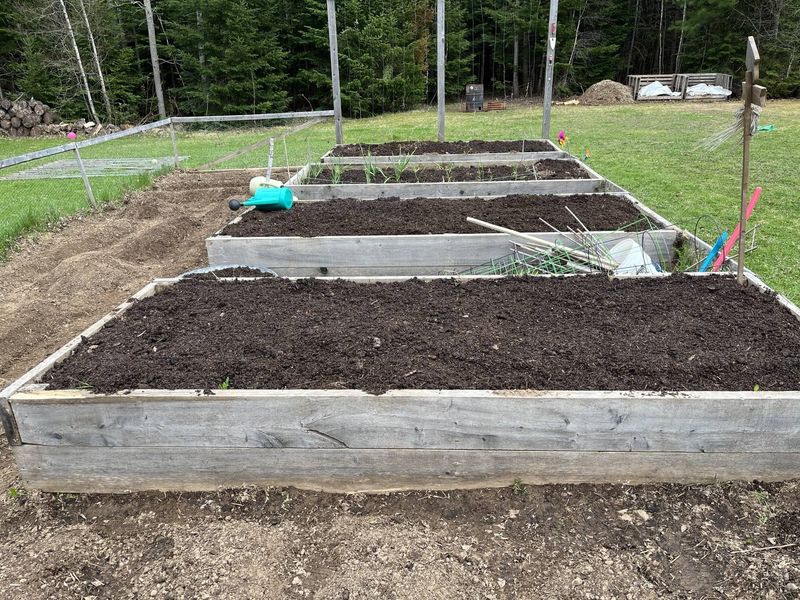
Reach into a thriving Florida raised bed and feel the texture between your fingers. The soil should feel light and crumbly, not heavy or sticky, and it should hold its shape briefly when squeezed before breaking apart gently.
Many Florida gardeners build raised bed mixes using three core components: quality compost, coarse vermiculite or perlite, and coconut coir or peat moss, adjusting ratios based on local conditions.
This combination creates the balance Florida plants need to handle both drought and deluge.
Compost provides nutrients and beneficial microbes that feed your plants throughout the growing season. Vermiculite or perlite adds air pockets and improves drainage so water moves through the bed instead of pooling on top.
Coconut coir holds moisture like a sponge and stays lighter and fluffier than peat moss, which can become water-repellent if allowed to dry out in Florida heat. Using these three ingredients together provides a flexible starting point that can be adjusted for different regions of the state.
Some gardeners add a small amount of worm castings for extra fertility or a handful of slow-release organic fertilizer to boost initial nutrient levels. Some gardeners add small amounts of coarse sand along with organic matter to fine-tune drainage in areas with heavy summer rainfall.
The key is creating a mix that feels alive in your hands, drains within an hour after watering, yet stays moist enough that you can water deeply every few days instead of lightly every morning.
How Organic Matter Improves Florida Raised Beds
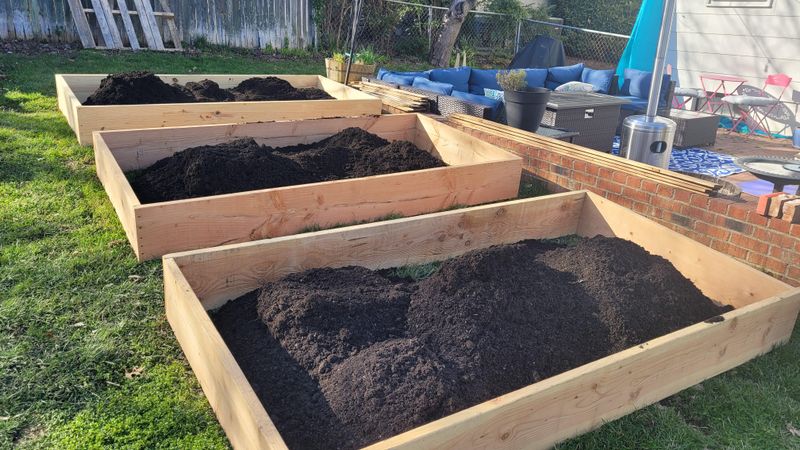
Pull back the mulch on a well-established raised bed and look at the top few inches of soil. If you see a dark, rich layer that smells earthy and feels springy under your fingers, organic matter is doing its job.
Florida heat and humidity cause compost and organic materials to break down faster than in cooler climates, which means your raised beds need regular additions to maintain fertility and structure.
Without enough organic matter, even the best soil mix turns into lifeless dirt that compacts easily and holds fewer nutrients.
Organic matter acts like a sponge in your raised beds, soaking up water during rainstorms and releasing it slowly as plants need it. It also feeds the billions of beneficial bacteria and fungi that help plant roots absorb nutrients more efficiently.
When you add compost, aged manure, or leaf mold to your beds, you improve both water retention and drainage at the same time because organic particles create spaces for air and water to move freely.
Gardeners who refresh their beds with compost every season notice stronger plant growth and fewer pest problems. Roots grow deeper and spread wider because the soil stays loose and friable instead of hardening into a brick.
Your plants develop thicker stems and more vibrant leaves because they access a steady supply of nutrients released slowly as organic matter breaks down naturally in Florida warmth.
How Drainage And Water Retention Must Be Balanced
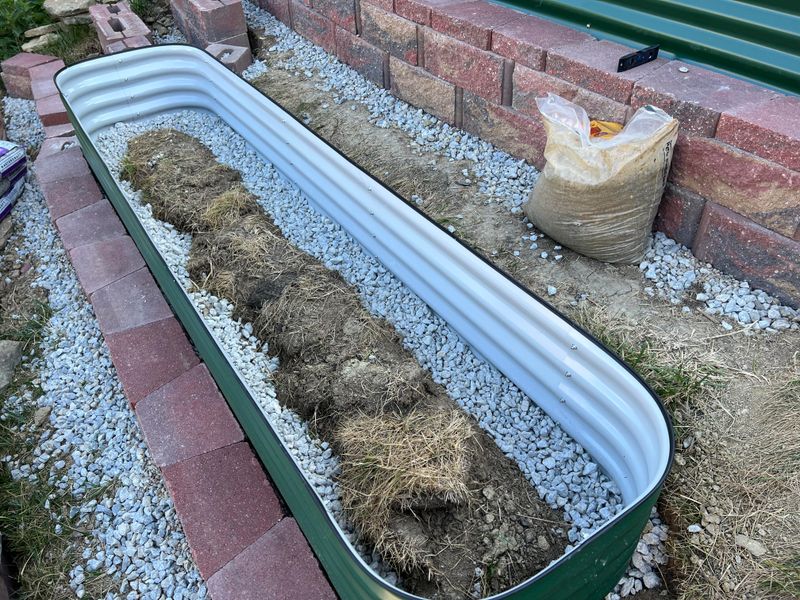
Water your raised beds deeply one morning and check them again an hour later. The soil surface should feel moist but not soggy, and water should not pool anywhere on top.
Dig down a few inches and the soil should still feel damp but not dripping wet. This balance between drainage and water retention is one of the most important factors in Florida raised bed success, and getting it right means your plants never experience the stress of being too dry or too wet.
Sandy native soil drains so fast that water runs straight through without giving roots time to absorb it. Heavy clay soil drains so slowly that roots sit in water and suffocate.
Your raised bed mix needs to drain fast enough that roots get oxygen even after a heavy storm, yet hold enough moisture that you do not have to water twice a day in summer heat.
Coarse perlite or vermiculite creates drainage pathways, while compost and coconut coir act like tiny reservoirs that store water and release it gradually.
When the balance tips too far toward drainage, you end up watering constantly and watching plants wilt between irrigations. When it tips too far toward water retention, you see yellowing leaves and fungal diseases that spread quickly in Florida humidity.
The right mix feels damp an inch below the surface even two days after watering, yet never stays soggy or smells sour. Your plants grow steadily without the stress cycles that weaken them and reduce harvests.
How Soil Mix Changes Over Time
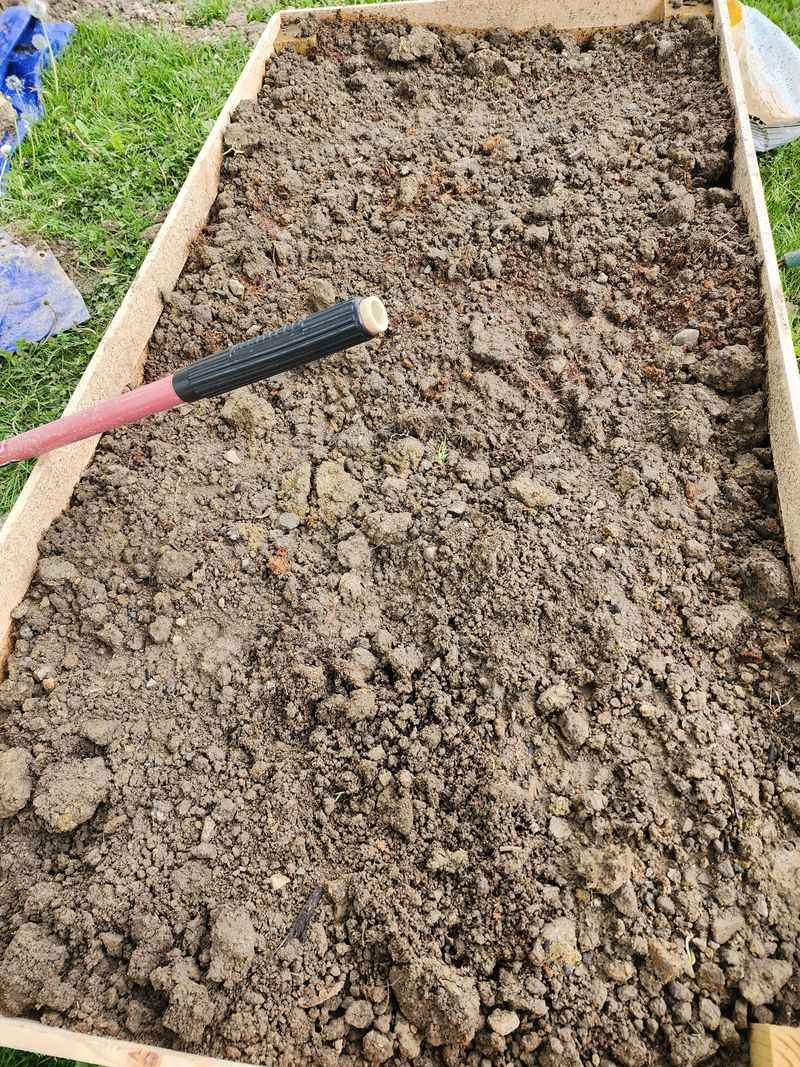
Measure the soil level in your raised beds at the start of the season and check again six months later. Many gardeners notice the soil level drop noticeably over time even without removing soil.
Florida heat and humidity speed up decomposition so organic matter breaks down faster than it does in cooler climates, and this natural process changes the texture and fertility of your soil mix throughout the year.
Understanding how your beds change over time helps you know when to refresh them and what to add.
Compost and coconut coir break down into smaller and smaller particles as microbes consume them. This breakdown releases nutrients your plants use, but it also means the soil slowly loses its fluffy texture and begins to compact.
Beds that drained perfectly in spring may hold too much water by fall because the organic matter has decomposed and the air pockets have collapsed. North Florida beds break down more slowly in cooler months, while South Florida beds decompose year-round without any winter slowdown.
You will notice plants in older beds grow more slowly and show signs of nutrient deficiency even when you fertilize regularly. The soil may feel harder when you dig and drain less efficiently after rain.
Adding fresh compost and organic material periodically keeps your beds performing well by replacing what has broken down and restoring the texture your plants need to thrive.
How To Refresh Raised Bed Soil Each Season
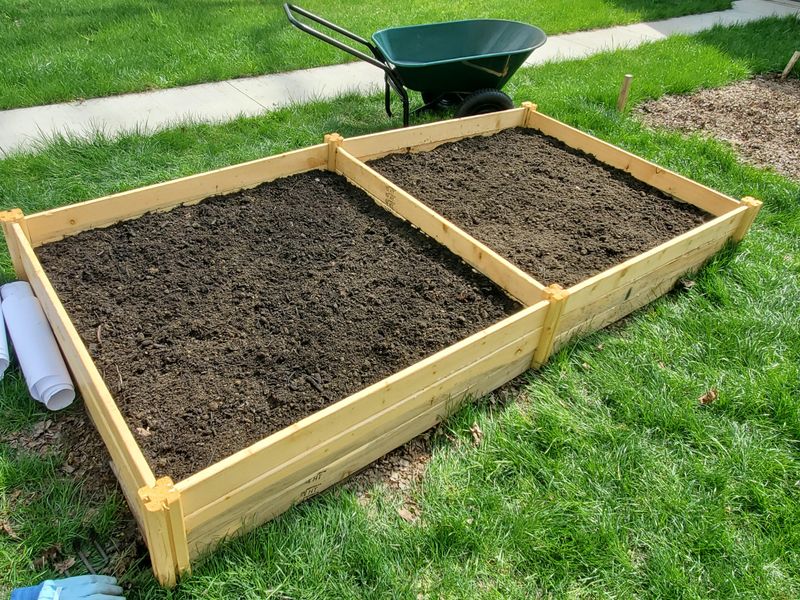
Stand beside your raised beds at the end of a growing season and look at what your plants have left behind. The soil level has dropped, the texture feels heavier, and you can see root channels and compacted areas where water pooled.
Refreshing your beds before planting the next crop takes less than an hour and makes a dramatic difference in how well your new plants grow.
Many Florida gardeners refresh their beds at least once or twice a year to match Florida’s long growing seasons and faster organic matter breakdown.
Start by pulling out old plant roots and any remaining stems or leaves. Add a two to three inch layer of fresh compost across the entire bed and mix it into the top six inches of existing soil using a garden fork or tiller.
If the soil feels heavy or drains poorly, add a bucket of perlite or vermiculite along with the compost to restore air pockets. Some gardeners also add a handful of worm castings or a slow-release organic fertilizer to boost nutrient levels for the new crop.
Water the refreshed bed deeply and let it settle for a few days before planting. You will notice the soil feels lighter and fluffier than it did before, and it holds moisture better without staying soggy.
Plants establish faster in refreshed beds because their roots move easily through the loose texture and find plenty of nutrients right from the start. Your harvests improve season after season when you treat soil refreshment as a regular part of your gardening routine.
Regional Differences In Raised Bed Soil Needs
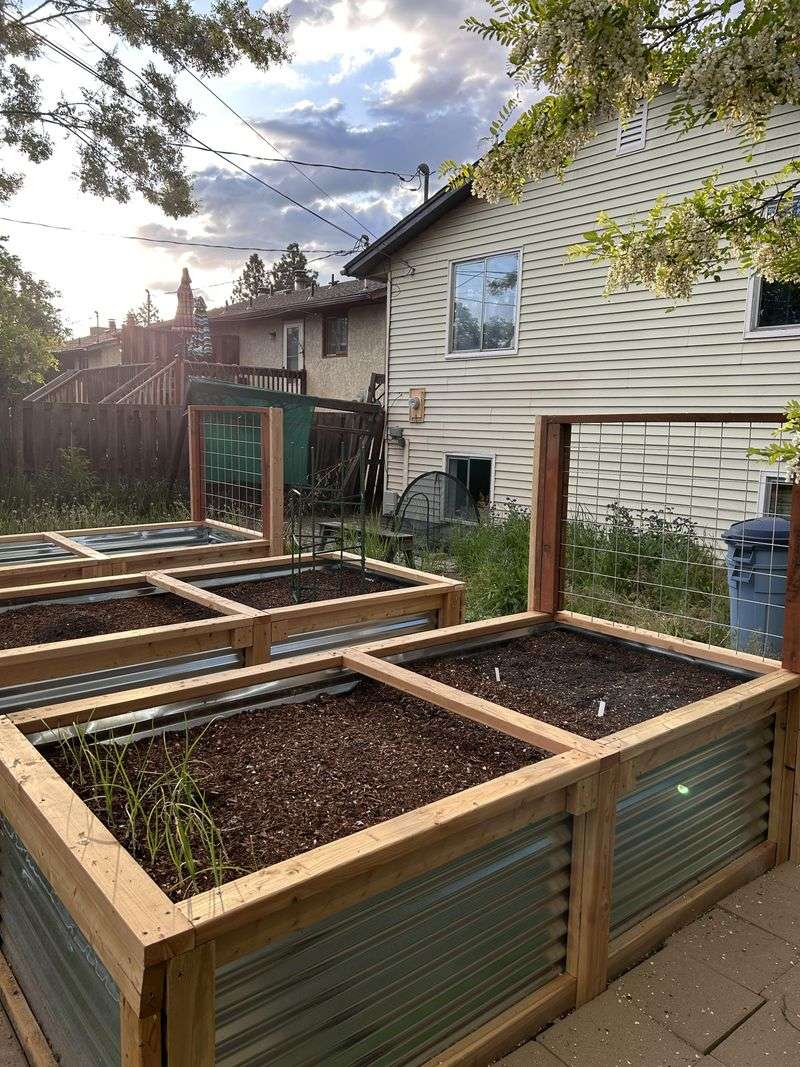
Drive from Pensacola to Miami and you will cross three distinct gardening zones that each demand slight adjustments to your raised bed soil mix. North Florida receives more rainfall and experiences cooler spring temperatures that slow decomposition and keep beds moist longer.
Central Florida has the sandiest native soil and the fastest drainage, so beds dry out quickly between waterings. South Florida stays warm and humid year-round with intense summer rains that can overwhelm beds if drainage is not excellent.
North Florida gardeners often add extra perlite or coarse sand to their mix because heavy spring rains can waterlog beds and delay planting.
Central Florida gardeners lean toward more coconut coir and compost to improve water retention in their sandy beds, watering more frequently during dry spells.
South Florida gardeners focus on drainage and disease prevention by using coarser mixes with excellent air circulation, since humidity encourages fungal problems and beds stay wet longer after afternoon storms.
Pay attention to how your beds perform through the seasons and adjust your mix based on what you observe. If your beds dry out too fast, add more coconut coir or compost next time you refresh them.
If they stay soggy or develop a sour smell, increase the perlite or vermiculite to improve drainage.
Your local soil, rainfall patterns, and typical weather conditions matter more than any recipe you find online, so let your plants and your own observations guide your soil building.
What Successful Florida Raised Beds Look Like
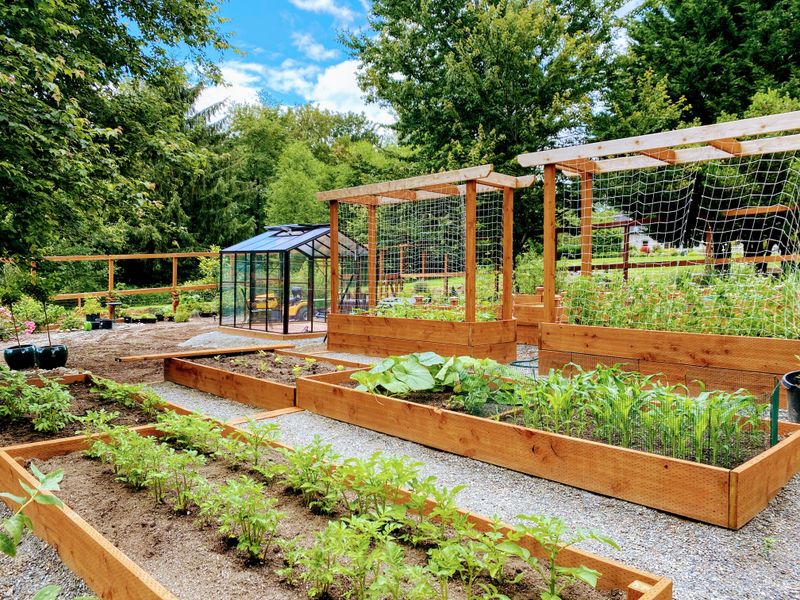
Walk up to a raised bed that has been built and maintained correctly and you will see the difference before you even touch the soil. Plants grow with strong, thick stems and deep green leaves that show no signs of yellowing or wilting even in midday heat.
Vegetables set fruit heavily and ripen evenly without splitting or developing blossom end rot. The soil surface stays loose and crumbly, and when you dig down a few inches you find healthy white roots spreading in all directions instead of circling near the surface.
Water the bed deeply and watch how the soil absorbs it evenly without runoff or pooling. An hour later, the surface feels slightly dry but the soil an inch down stays moist and cool.
You can dig easily with your hands or a trowel because the texture stays light and friable throughout the season. Earthworms and beneficial insects often thrive in organic-rich raised beds, and you rarely see pest damage or disease problems that plague gardens with poor soil.
Your harvests often reflect the quality of your soil preparation and bed management. Tomatoes produce heavily from spring through fall, peppers grow into large bushy plants loaded with fruit, and leafy greens stay tender and mild-flavored even in summer heat.
You spend less time troubleshooting problems and more time enjoying the abundance your garden produces when the soil mix supports strong, healthy growth from the moment you plant until the day you harvest.