Use This Simple Spray In January To Reduce Overwintering Garden Pests In Florida
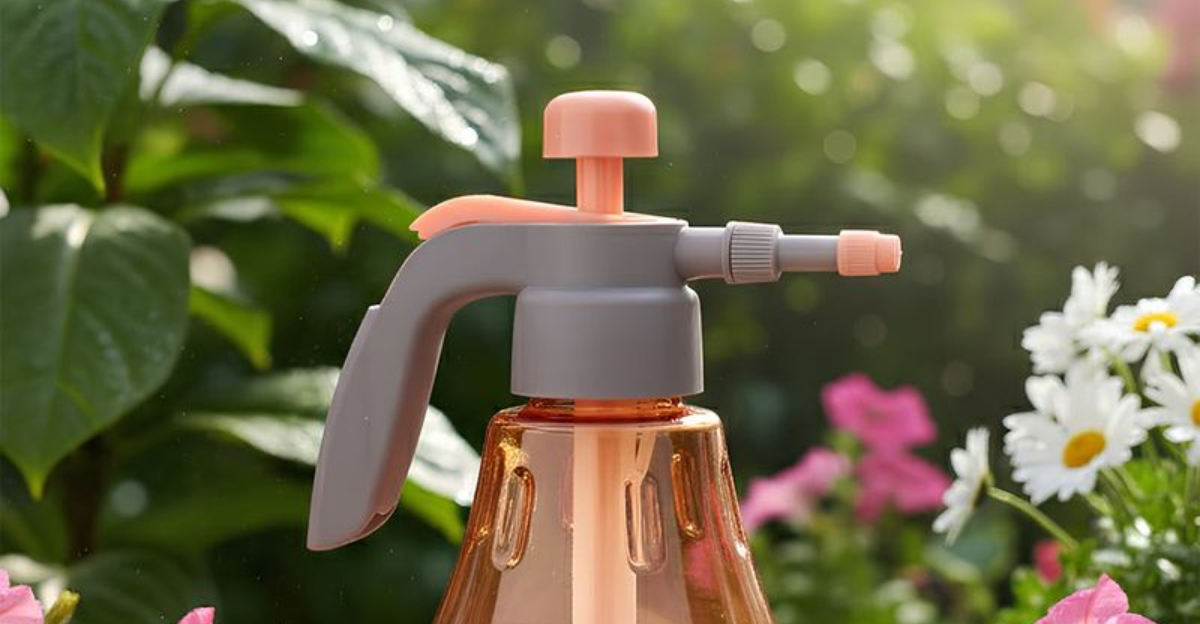
January in Florida feels calm on the surface. The morning air is cooler, lawns grow slower, and gardens finally get a short break from constant maintenance.
But while you enjoy that pause, garden pests are doing the opposite. Many are hiding in bark, leaf joints, and soil, quietly waiting for warm weather to explode back into action.
This is the window most homeowners miss.
Instead of reacting to infestations in spring, January gives you a chance to step ahead of the problem. A simple spray applied at the right time can cut down early pest populations before they spread across citrus trees, shrubs, roses, and ornamentals.
The best part is that this approach works quietly in the background while your landscape rests. A few minutes of prevention now can save weeks of frustration later and reduce the need for stronger treatments once pests are already established.
Why January Is The Best Time To Break Pest Cycles
Walk through your Florida garden on a January morning and you might notice the stillness. Trees stand bare or nearly so, shrubs take a breather from constant flowering, and the air feels crisp enough to remind you that winter does visit here.
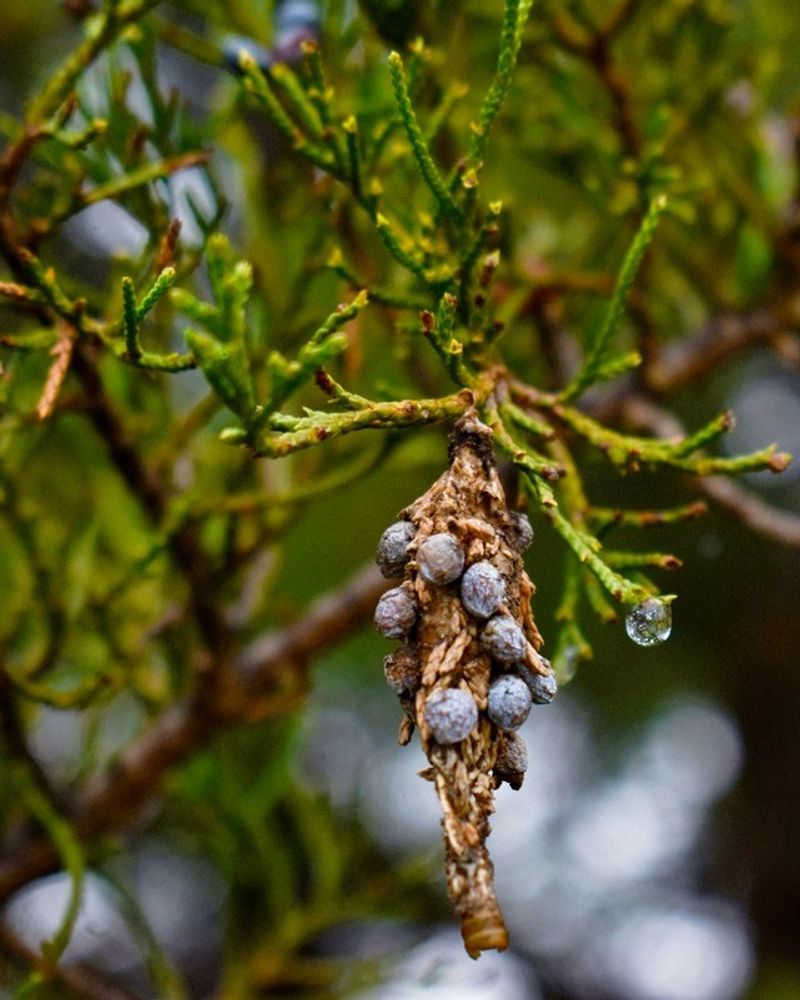
This quiet moment is exactly when overwintering pests are most vulnerable, tucked into bark crevices and leaf axils in their immature forms.
During warmer months, adult insects move quickly and reproduce faster than you can manage them. But in January, many pests exist as eggs, nymphs, or dormant adults that cannot escape or relocate.
Applying horticultural oil now coats these life stages before they hatch or mature, interfering with respiration and protective outer layers, which can significantly reduce early-season pest populations when spring warmth returns.
University of Florida IFAS Extension research confirms that dormant-season oil applications target scale insects, aphid eggs, spider mites, and whitefly pupae with significantly lower risk to beneficial insects, which are also less active in cooler weather.
Timing matters because once temperatures climb and new growth emerges, pests become mobile and harder to reach.
Results vary by region and plant type, but late winter applications consistently lower early spring pest pressure when combined with proper plant care.
What Overwintering Garden Pests Look Like
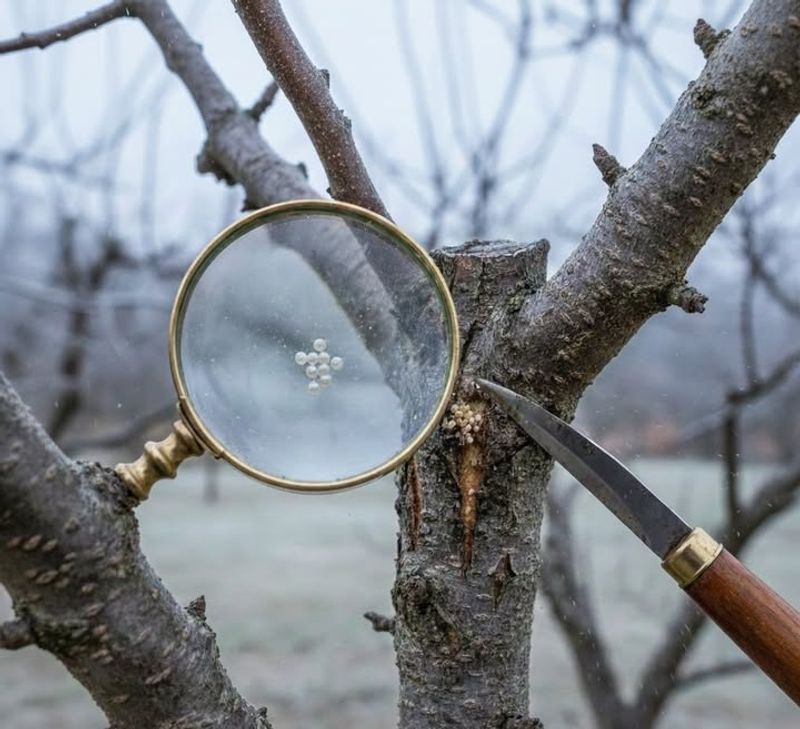
Step closer to your citrus tree or crepe myrtle and examine the bark carefully. You might spot tiny brown bumps clustered along stems, or notice a waxy coating on leaf undersides that stayed green through winter.
These are not plant features but overwintering pests disguised as part of the landscape, waiting silently for their moment to emerge.
Scale insects appear as raised dots or shells stuck firmly to branches and leaves, often mistaken for bark texture. Aphid eggs look like shiny black specks near buds, while spider mite colonies leave faint webbing and stippled discoloration on foliage.
Whitefly pupae cling to leaf undersides as pale oval cases, nearly invisible unless you flip leaves over and look closely.
Florida gardeners in the northern regions may see fewer active pests due to colder nights, but Central and South Florida landscapes often host year-round populations that simply slow down rather than fully dormant.
Your Florida Garden Changes Every Week. Your Plan Should Too.
Gardening in Florida changes quickly throughout the season. Every Friday you’ll receive a simple weekly plan showing exactly what to plant, prune, fertilize, harvest, and protect so you never miss the right timing.
Recognizing these quiet invaders helps you understand what horticultural oil targets: not flying adults, but stationary life stages that cannot flee when sprayed.
Knowing what to look for transforms a simple walk through your garden into a pest-prevention strategy session.
How Horticultural Oil Works
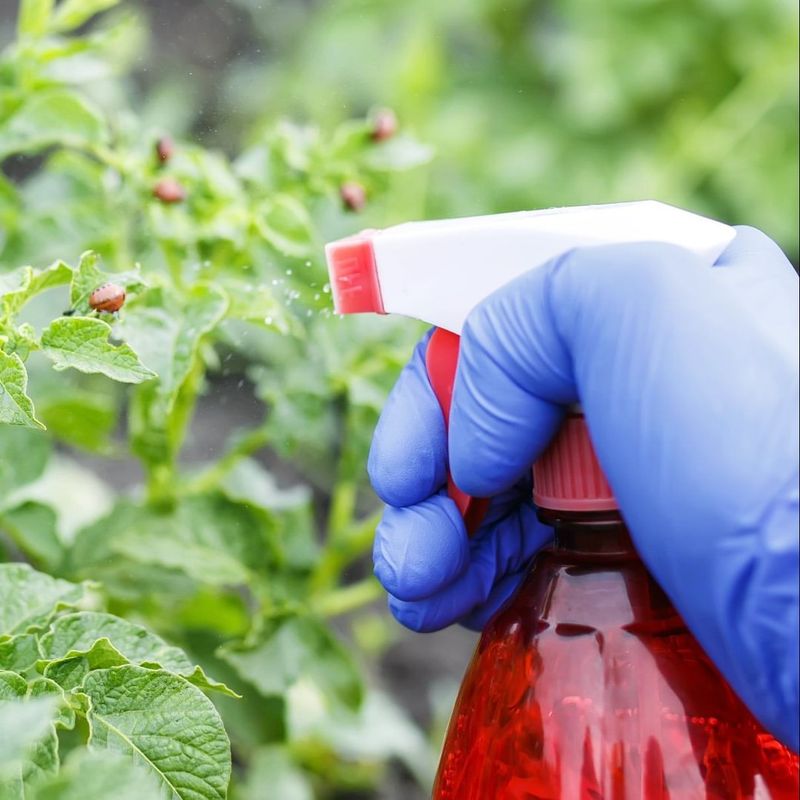
Horticultural oil does not poison pests the way synthetic chemicals do. Instead, it works by coating insect bodies and eggs with a thin film that interferes with respiration and damages protective outer layers, leading to dehydration and death.
This physical mode of action means pests are unlikely to develop resistance, and the oil breaks down relatively quickly without leaving toxic residues in your soil or on your plants.
When you spray horticultural oil on dormant branches, it seeps into bark crevices and coats overwintering eggs and nymphs thoroughly. The oil penetrates the protective shells of scale insects and the waxy layers that shield aphid eggs, disrupting their life cycles before they can hatch.
Because it acts physically rather than chemically, horticultural oil is considered one of the safest pest management tools for Florida-Friendly Landscaping.
University of Florida research emphasizes that horticultural oil must make direct contact with pests to work, which is why thorough coverage matters more than repeated applications.
The oil breaks down relatively quickly in sunlight and weather, leaving minimal long-term residue compared to many synthetic pesticides.
This makes January applications especially smart: you reduce pest pressure without compromising the ecological balance your garden needs for long-term health and resilience.
Which Plants Benefit Most From Winter Sprays
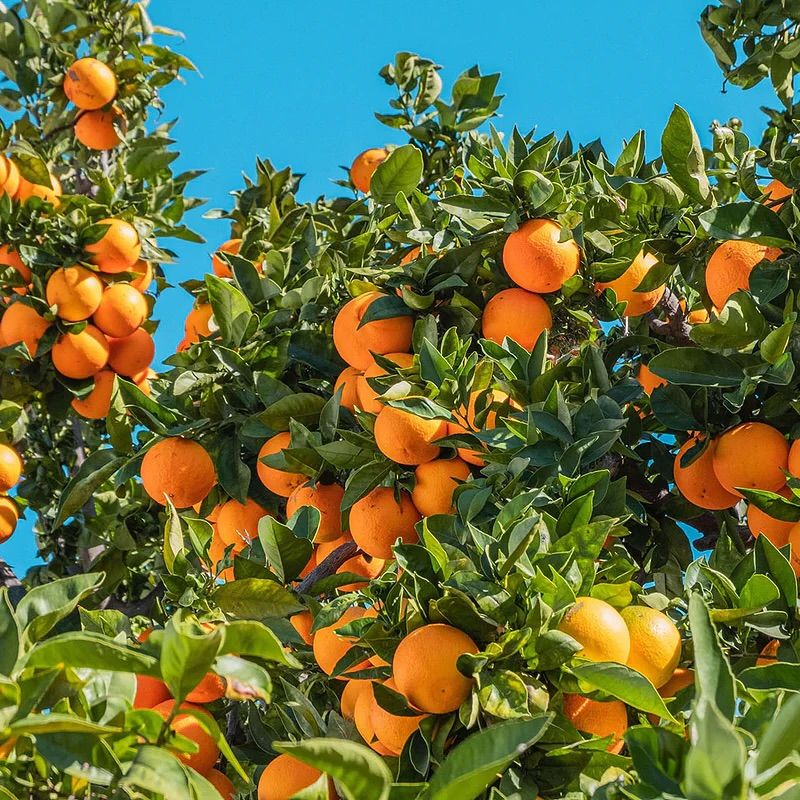
Certain Florida landscape favorites attract overwintering pests year after year, making them prime candidates for January horticultural oil applications. Citrus trees top the list, as they host scale insects, aphids, and spider mites that shelter in bark and leaf clusters through cooler months.
Crepe myrtles also benefit greatly, especially if you noticed sooty mold or aphid activity last summer.
Roses, camellias, azaleas, and gardenias often harbor scale and whiteflies that persist through winter, slowly building populations that explode when spring warmth arrives.
Fruit trees like peach, plum, and fig also benefit from dormant-season sprays, as do ornamental shrubs such as ixora, hibiscus, and holly.
Even evergreen trees like magnolia and live oak can carry overwintering pests in their dense foliage.
Focus your efforts on plants that showed pest problems last season, as those populations likely overwintered on-site. University of Florida IFAS Extension recommends treating deciduous trees when fully dormant and evergreens during cooler January mornings.
Avoid spraying newly planted or drought-stressed plants, as they may be more sensitive to oil applications. Targeting the right plants at the right time maximizes your results while minimizing effort and expense.
When Not To Use Horticultural Oil
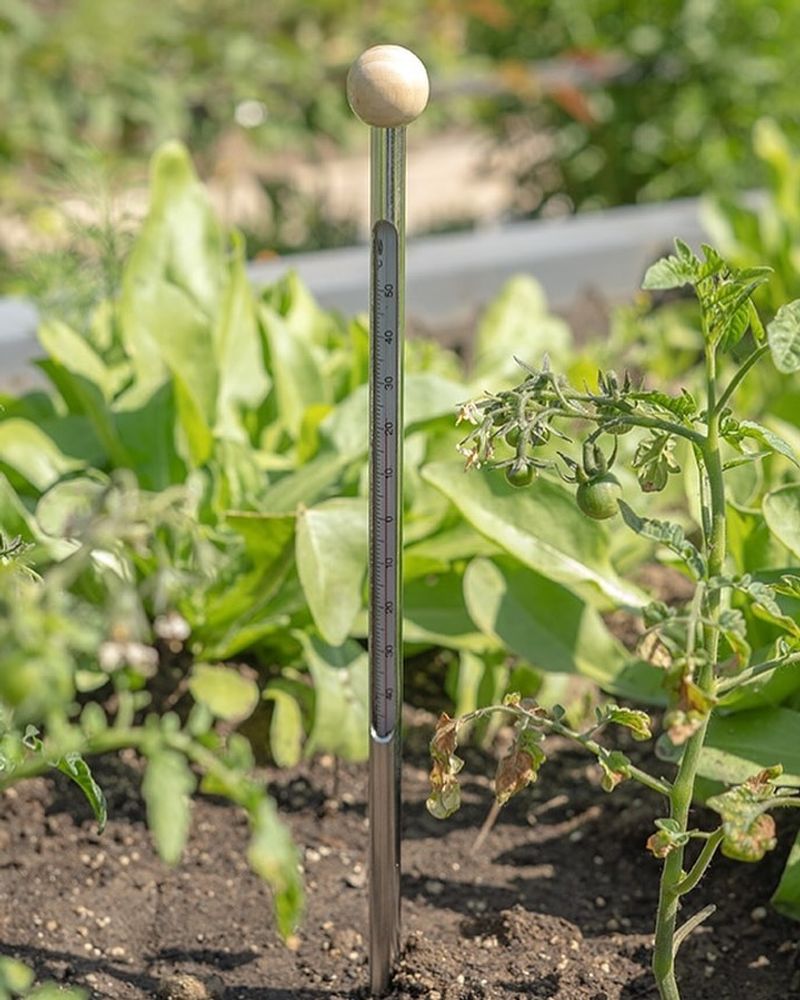
Horticultural oil is remarkably safe, but it is not foolproof. Spraying during the wrong conditions can harm your plants instead of protecting them.
Avoid applications when temperatures drop below 40 degrees Fahrenheit or rise above 85 degrees, as extreme heat or cold can cause oil to injure foliage and bark.
North Florida gardeners should check overnight lows carefully before spraying, as January can bring unexpected freezes.
Never spray horticultural oil in full sun or during the hottest part of the day, even in winter. Early morning applications work best, allowing oil to dry before midday heat arrives.
Avoid spraying plants that are drought-stressed or wilting, as they lack the moisture reserves needed to tolerate oil coverage. Also skip spraying if rain is expected within 24 hours, as water can wash oil off before it works.
Some plant species are sensitive to horticultural oil, including certain ferns, succulents, and blue-tinted conifers. Always test spray a small section first and wait 48 hours to check for leaf burn or discoloration.
University of Florida Integrated Pest Management guidelines stress that following product label instructions protects both your plants and the environment, ensuring your preventative efforts succeed without unintended consequences.
How Temperature Affects Spray Safety
Temperature plays a central role in horticultural oil effectiveness and plant safety. When you spray on a cool January morning, the oil spreads evenly and dries slowly, giving it time to coat pests thoroughly without stressing plant tissues.
But if temperatures swing too low or climb too high, that same oil can cause phytotoxicity, leaving scorched leaves and damaged bark behind.
In North Florida, January nights can dip into the 30s, making early morning sprays risky if frost lingers on foliage. Wait until temperatures rise above 45 degrees and frost melts completely before applying oil.
Central Florida gardeners enjoy a wider application window, but should still avoid spraying during cold snaps or unusually warm afternoons. South Florida’s mild winters offer the most flexibility, though midday heat can still cause problems.
University of Florida Extension guidance indicates horticultural oil performs best when temperatures stay above 45–50°F and below about 85°F for at least 24 hours after application.
Check your local forecast for a calm, overcast day with stable temperatures, and plan to spray in the morning when humidity is higher and evaporation is slower.
This careful timing ensures oil coats pests effectively while protecting your plants from temperature-related damage.
Why One Spray Works Best When Combined With Other Methods
While horticultural oil is an effective winter tool, University of Florida Integrated Pest Management (IPM) programs emphasize that the best long-term results come from combining multiple strategies rather than relying on a single treatment.
Start by pruning heavily infested branches and removing fallen leaves or debris where pests may shelter. This physically reduces overwintering populations before you even spray.
Encouraging beneficial insects such as lady beetles and lacewings during spring and summer also helps keep pest numbers balanced naturally. Avoiding excessive nitrogen fertilizer prevents soft new growth that attracts aphids and whiteflies.
Healthy plants resist pest pressure better than stressed ones, so proper watering, mulching, and soil health all play a role in reducing outbreaks.
When horticultural oil is used as part of this broader approach and not as a standalone fix, Florida gardeners see stronger, longer-lasting results with fewer chemical inputs.
This layered strategy protects your landscape while supporting Florida-Friendly Landscaping principles.
Always follow product label directions and consult your local UF IFAS Extension office if you are unsure whether horticultural oil is appropriate for your plants.