9 January Pruning Mistakes Florida Gardeners Regret
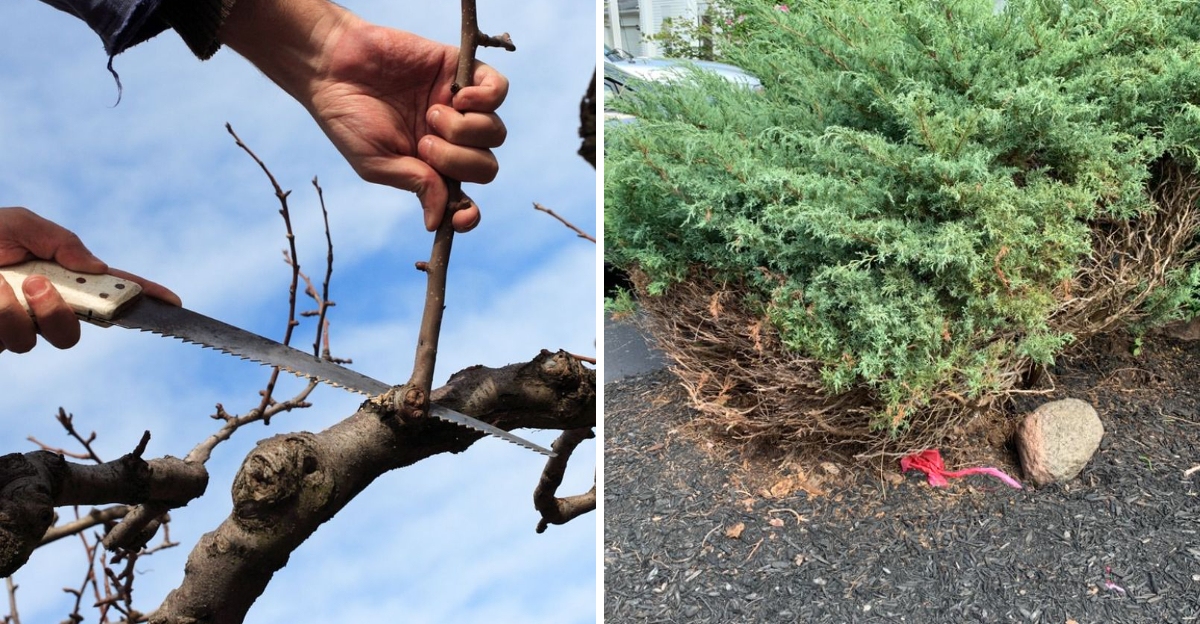
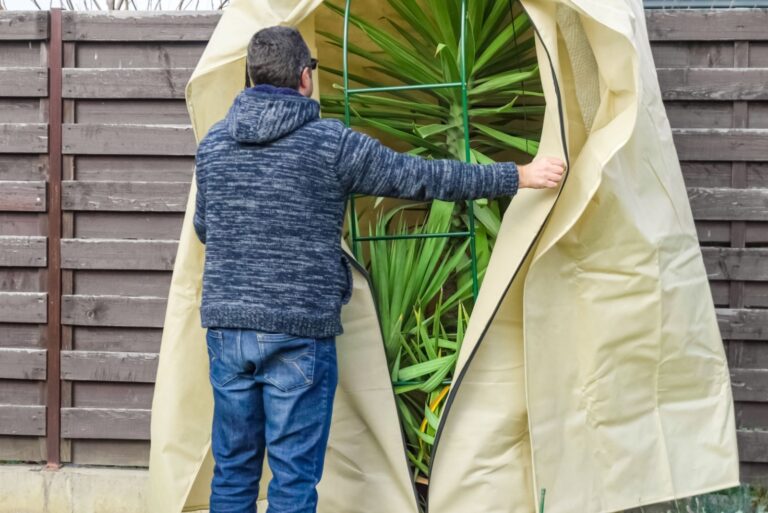
January feels like the perfect time to grab the pruning shears in Florida. Cooler air, fewer bugs, and a break from summer heat make yard work easier and more tempting than any other season.
But this is also when many well-meaning gardeners accidentally make cuts that cost them spring flowers, slow down healthy growth, and weaken plants for months to come.
One wrong trim can remove hidden buds, expose tender branches to cold damage, or force shrubs into stressful recovery mode just as they should be preparing for new growth.
Florida’s unique climate adds another layer of challenge, since what works in one part of the state can cause problems in another. A mistake that barely affects plants in South Florida can create serious setbacks in North Florida landscapes.
Before you start cutting back overgrown shrubs or shaping your garden beds, it helps to know which common pruning habits cause the biggest regrets when spring arrives and plants fail to perform the way gardeners expected.
1. Cutting Spring-Blooming Shrubs Too Early
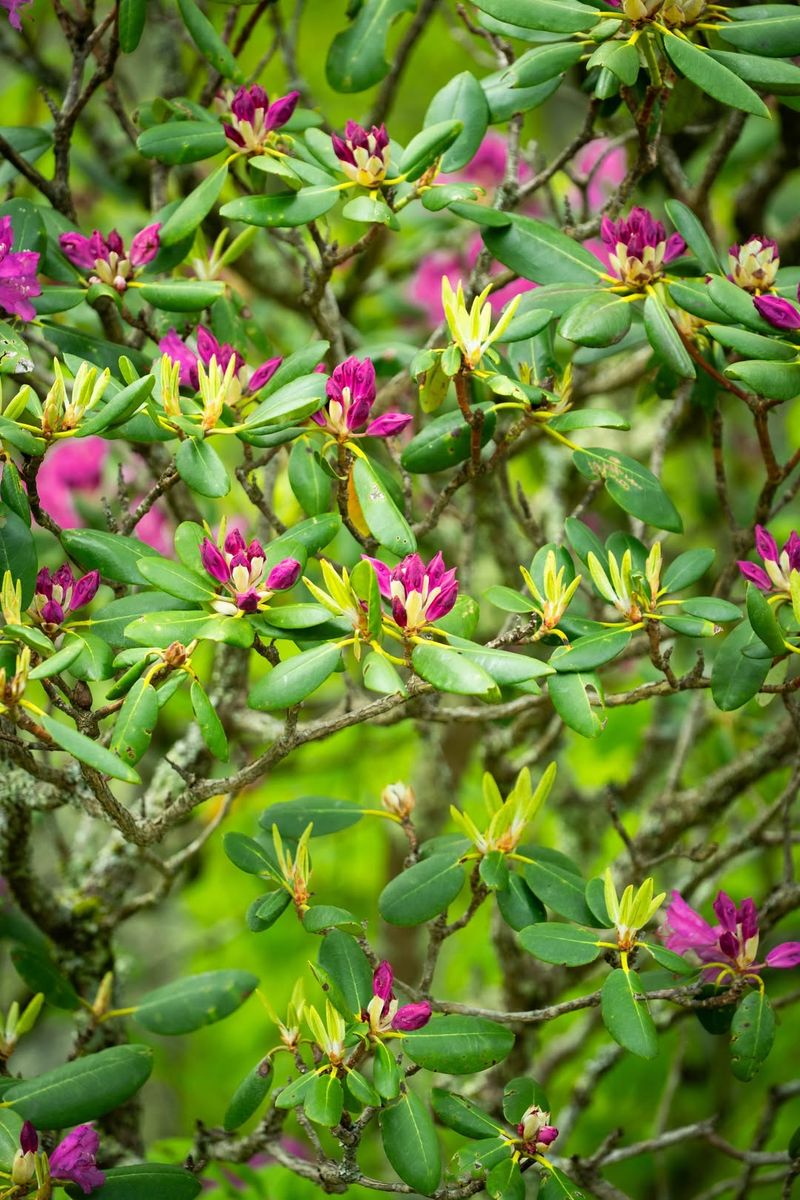
You walk past your azaleas in mid-January and notice a few stray branches poking out. The urge to clean them up feels natural, especially when the weather is mild and you have free time on a Saturday morning.
But those seemingly messy stems are quietly preparing flower buds that began forming in late summer and fall, and cutting them now removes the very blooms you have been waiting to see.
Azaleas, camellias, and loropetalum set their buds months before they actually open. When you prune in January, you are removing not just leaves but also those hidden flower clusters that would have opened in March and April.
Many gardeners only realize the mistake weeks later when neighboring yards burst into color while theirs stay disappointingly green.
In North Florida, where cold snaps last longer, these shrubs hold their buds tightly through winter. Central Florida gardeners often see buds swelling by late January, making cuts even riskier.
In warmer parts of Central and South Florida, azaleas may bloom earlier, so pruning timing shifts slightly but the principle stays the same. Wait until after blooms fade completely, usually in early to mid-spring, before shaping these plants.
Your patience rewards you with full, vibrant displays instead of bare branches where flowers should have been.
2. Pruning During Cold Snaps
January mornings can surprise you in Florida. One week feels like spring, and the next brings frost warnings across North and Central Florida counties.
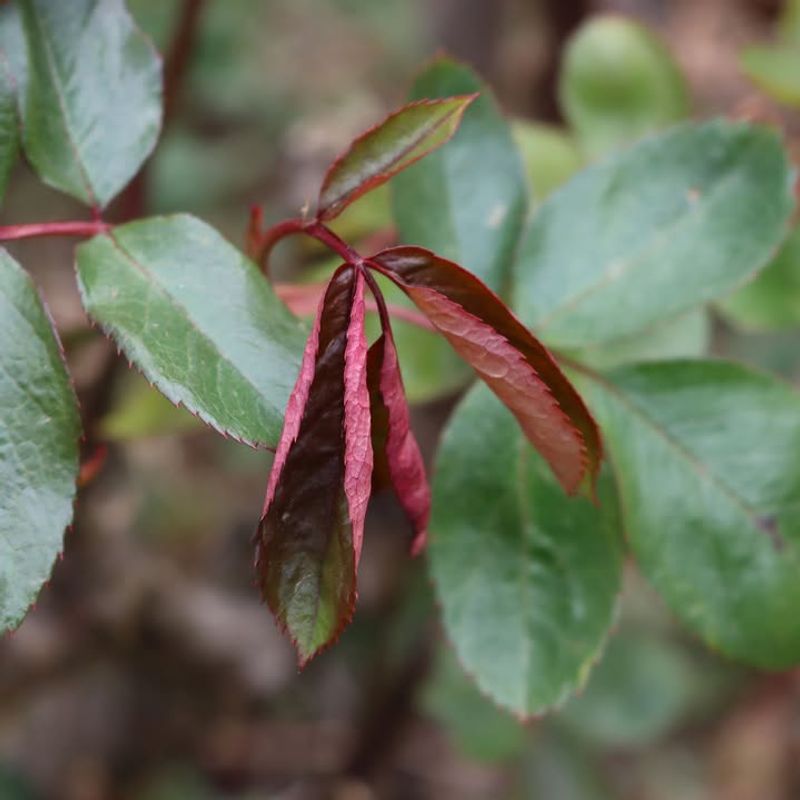
Gardeners often start pruning projects during those warm stretches, only to have temperatures drop unexpectedly overnight. Fresh cuts expose tender plant tissue, and when freezing air hits those exposed areas, damage can extend deeper into the plant than it otherwise would.
Cold-sensitive plants like hibiscus, crotons, and citrus already struggle when temperatures dip below freezing. Adding pruning stress during or right before a cold snap weakens their defenses even more.
The tissue around cuts can turn brown or black, and dieback often extends several inches past where you originally trimmed. Recovery takes much longer, and some branches may never fully bounce back.
Your Florida Garden Changes Every Week. Your Plan Should Too.
Gardening in Florida changes quickly throughout the season. Every Friday you’ll receive a simple weekly plan showing exactly what to plant, prune, fertilize, harvest, and protect so you never miss the right timing.
North Florida gardeners know frost can arrive anytime through February, so waiting until late winter makes more sense. Central Florida sees fewer freezes, but they still happen, and timing matters.
South Florida rarely faces hard frost, giving gardeners more flexibility, though occasional cold fronts still warrant caution. Check your local forecast before starting any major pruning work.
If cold weather appears likely within the next week, delay your cuts until warmer, stable conditions return and plants can heal without added stress.
3. Removing Too Much Growth At Once
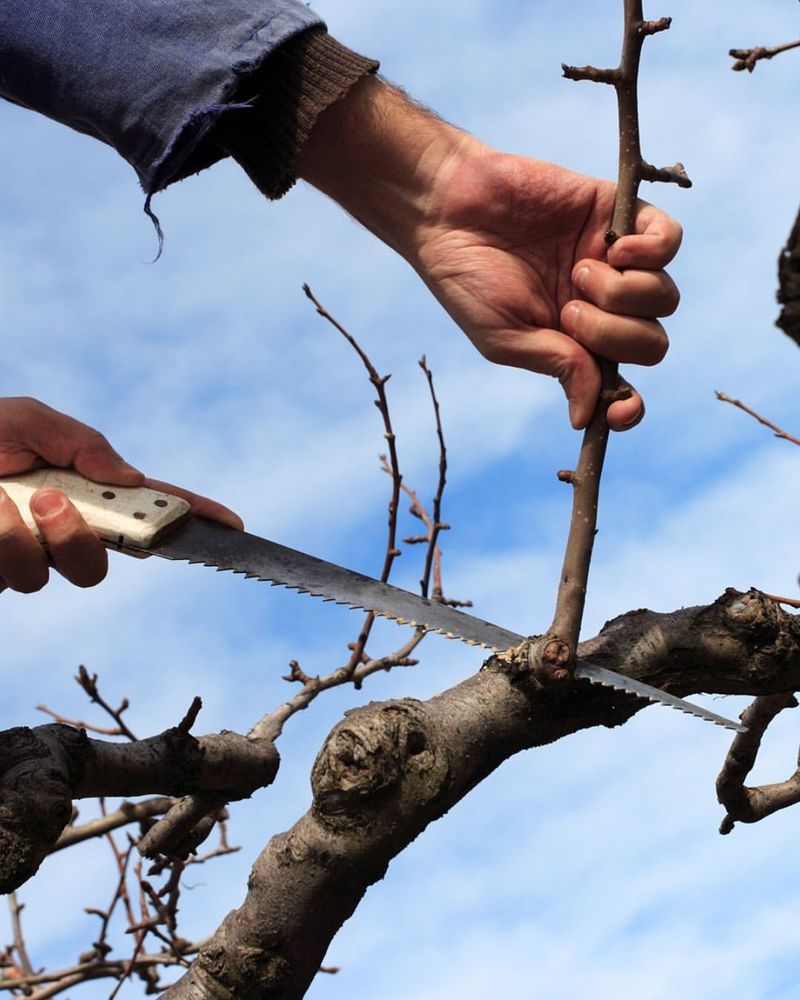
Your overgrown shrubs have been bothering you for months, and January finally gives you time to tackle them. It feels satisfying to cut away armloads of branches and see clean lines emerge.
Removing more than one-third of a plant at once puts significant stress on the plant and can slow recovery, forcing it to redirect energy toward emergency shoot regrowth rather than normal root development and flowering.
Plants rely on their leaves to create food through photosynthesis. When you strip away too much greenery in one session, the plant struggles to generate enough energy to support what remains.
Growth slows noticeably, and instead of bouncing back quickly in spring, the shrub sits quietly for weeks or even months, looking sparse and stressed. Some plants develop weak, spindly shoots as they try to replace what was lost too fast.
Gardeners across Florida see this mistake play out similarly, though recovery speed varies by region. North Florida plants take longer to regrow because cooler temperatures slow metabolism.
Central Florida shrubs recover moderately, while South Florida plants rebound faster thanks to warmth and longer growing seasons. Regardless of location, gradual pruning works better.
Spread heavy trimming across two or three sessions spaced several weeks apart, allowing plants to adjust between cuts and maintain enough foliage to stay healthy and strong.
4. Shearing Shrubs Into Shapes
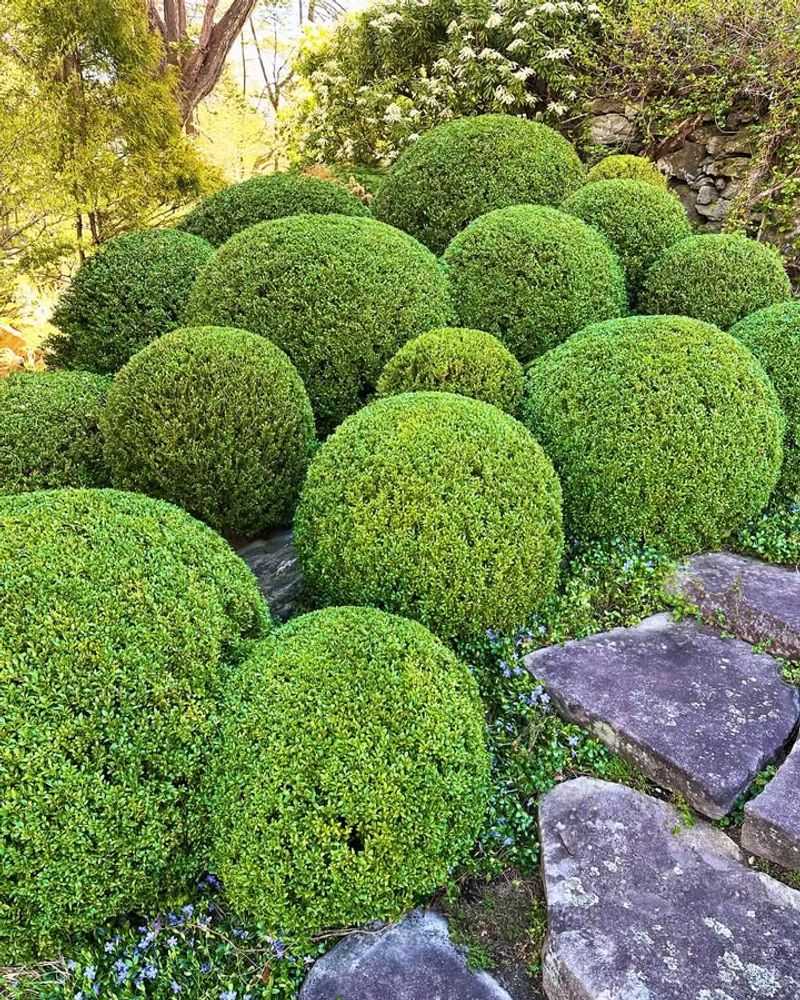
Hedge trimmers make quick work of overgrown shrubs, and the neat, uniform look they create seems professional at first glance. Repeated heavy shearing into tight balls or boxes forces most new growth to the outer shell, leaving the inside hollow, woody, and unable to produce leaves or flowers.
Over time, these shrubs become more difficult to manage and less healthy overall.
When you repeatedly shear the same spots, you encourage dense twig growth only at the surface. Sunlight cannot penetrate the interior, so inner branches weaken and eventually stop growing altogether.
If you ever need to reduce the shrub’s size significantly later, you are left with bare, brown wood that may never fill back in. Flowering shrubs suffer even more because blooms form on branch tips, and constant shearing removes those tips before flowers can develop.
Florida gardeners often over-prune crape myrtles and heavily shear gardenias and ixoras without realizing the long-term consequences. North Florida’s slower growth means damage accumulates more noticeably.
Central Florida shrubs show similar problems, while South Florida plants grow fast enough to hide issues temporarily but still suffer internally. Selective hand pruning works better.
Cut individual branches back to a side shoot or main stem, maintaining the plant’s natural shape while allowing light and air to reach the center and keeping the entire shrub vigorous and capable of blooming well.
5. Ignoring Natural Growth Habits
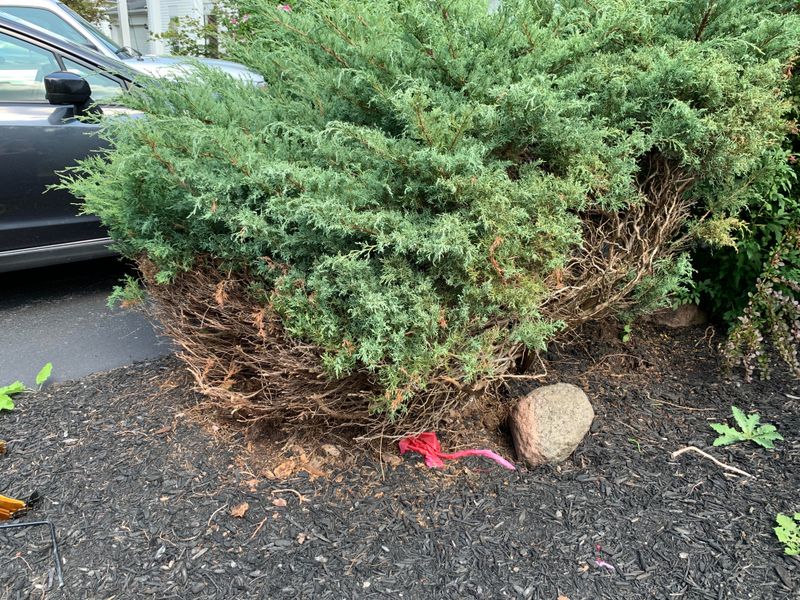
Every plant grows differently. Some spread wide and low, others reach tall and narrow, and many have graceful arching branches that define their character.
Trying to force a naturally sprawling plant into a compact form, or keeping a tall shrub short, creates constant maintenance headaches and weakens the plant’s health over time because you are fighting its genetics instead of working with them.
When you repeatedly cut back a plant that wants to grow tall, it responds by sending up vigorous shoots that grow even faster and taller than before. This reaction, called suckering, happens because the plant tries to restore its natural size.
You end up pruning more often, and the plant never looks quite right. Similarly, forcing a wide-spreading shrub into a narrow space leads to crowded, tangled growth that blocks airflow and invites pests and disease.
Florida gardeners often plant the wrong shrub in the wrong spot, then spend years trying to correct the mismatch through pruning. North Florida landscapes see this with cold-hardy shrubs that grow larger than expected.
Central Florida gardens face similar challenges, and South Florida’s extended growing season makes overgrowth happen even faster. Instead of constant trimming, choose plants that naturally fit the space you have available.
If a shrub already outgrows its spot, consider moving it or replacing it with something better suited, saving yourself years of frustration and extra work.
6. Using Dull Or Dirty Tools
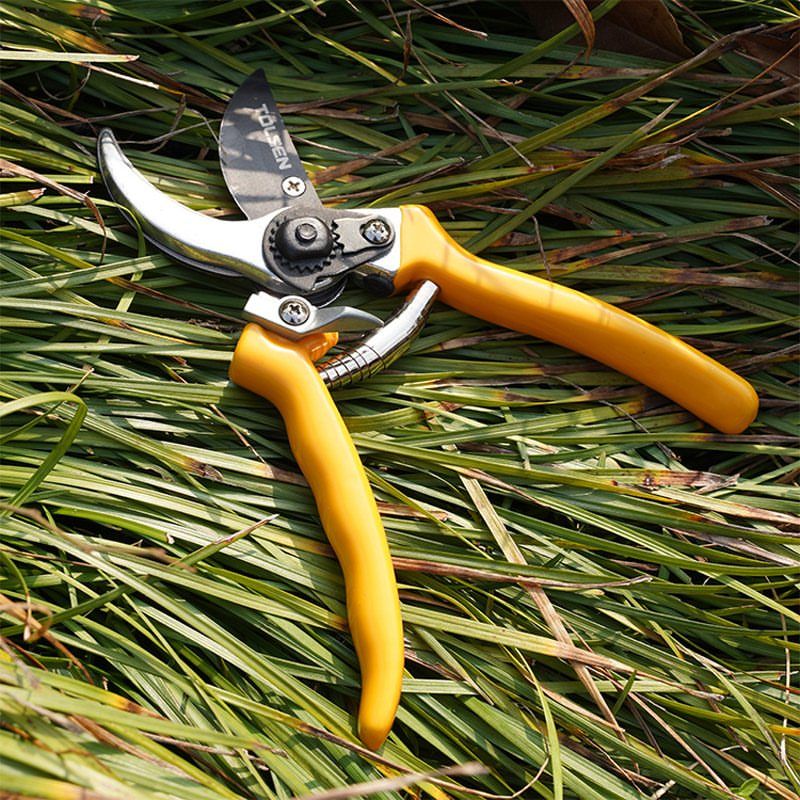
Grabbing your pruning shears from the shed and starting to cut seems straightforward enough. But if those blades are dull, rusty, or covered in dried sap from last year, every cut you make damages plant tissue more than necessary and potentially spreads disease from one plant to another.
Clean, sharp tools create smooth cuts that heal quickly, while dull blades crush and tear, leaving ragged wounds that invite infection and slow recovery.
Dull blades require more pressure to cut through branches, which often causes you to twist or bend stems before they finally separate. This extra trauma damages vascular tissue inside the branch, making it harder for water and nutrients to flow properly.
Dirty tools carry fungal spores, bacteria, and viruses that transfer directly into fresh cuts, especially problematic when moving between different plants or working with disease-prone species like roses or citrus.
Florida’s warm, humid climate makes disease spread even faster than in drier regions. North Florida gardeners working in cooler, damper winters face fungal risks, while Central and South Florida’s warmth keeps pathogens active year-round.
Before each pruning session, sharpen your blades and wipe them down with rubbing alcohol or a properly diluted bleach solution (about 1 part bleach to 9 parts water). Between plants, especially if you suspect any disease, clean tools again.
This simple habit protects your entire garden and ensures every cut heals cleanly and quickly.
7. Pruning Without Checking Plant Type
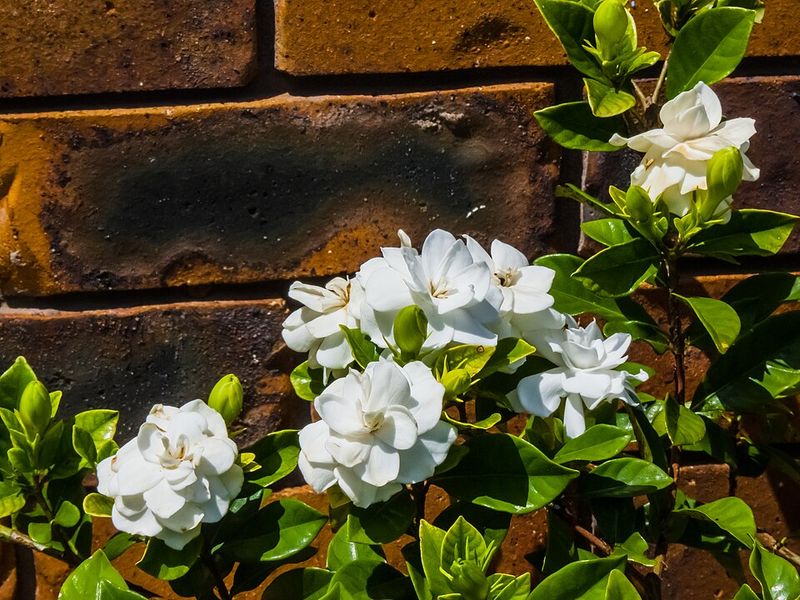
Not all plants follow the same pruning calendar. Some bloom on old wood formed last year, others flower on new growth produced this season, and many have specific timing needs tied to their growth cycle.
Cutting without knowing which category your plant falls into often removes flower buds or disrupts the plant’s natural rhythm, leading to disappointing results months later when blooms fail to appear as expected.
Hydrangeas are a classic example. Some varieties bloom on old wood and should only be pruned right after flowering, while others bloom on new wood and tolerate early spring pruning.
If you guess wrong, you lose an entire season of flowers. The same principle applies to many Florida favorites like gardenias, which bloom on old wood, and crape myrtles, which bloom on new growth and tolerate light winter pruning when done correctly.
North Florida gardeners often work with a mix of cold-hardy and tropical plants, each with different needs. Central Florida landscapes blend temperate and subtropical species, adding complexity.
South Florida gardens lean heavily on tropical plants that grow and bloom year-round, changing pruning timing significantly. Before you make the first cut, research your specific plant or check with University of Florida IFAS Extension resources.
Knowing whether your shrub blooms on old or new wood, and understanding its natural growth cycle, helps you prune at the right time and preserve the flowers you worked so hard to grow.
8. Forgetting About Regional Timing Differences
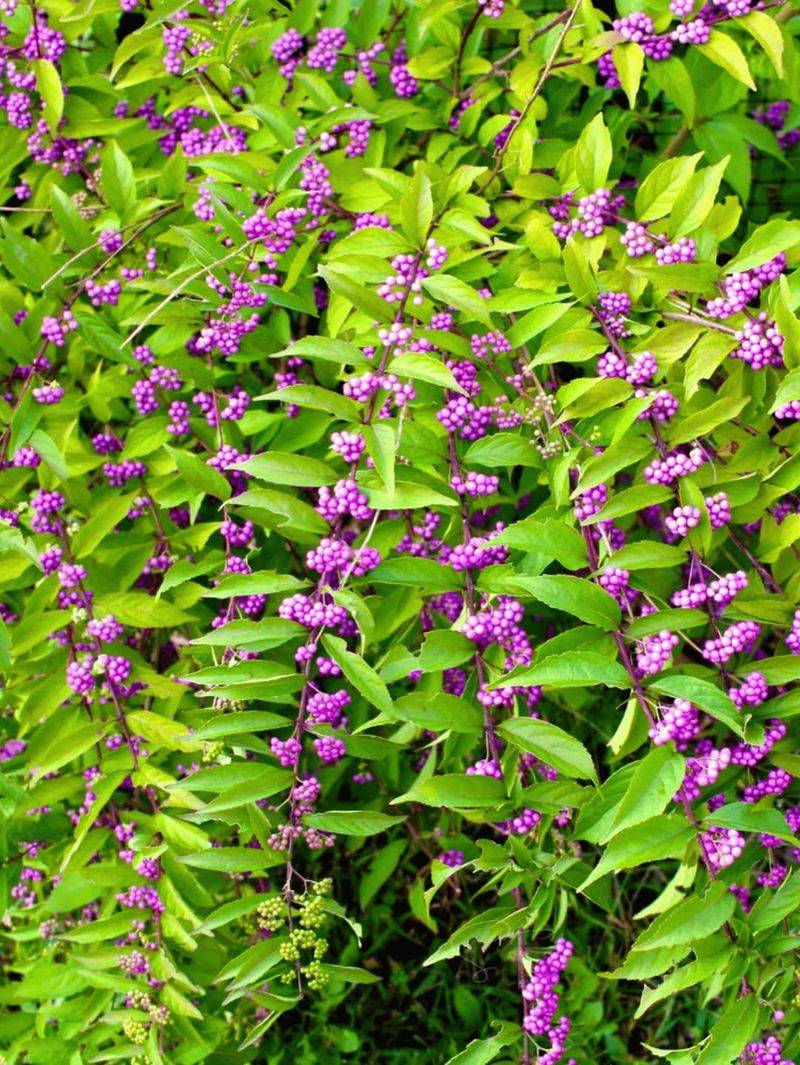
Florida stretches across multiple climate zones, and what works in Miami does not always apply in Tallahassee. January pruning advice from national gardening sources often assumes a typical temperate winter that does not match Florida’s varied conditions.
North Florida experiences regular winter frost and occasional freezes, Central Florida sees moderate cooldowns, and South Florida stays warm enough that many plants never stop growing, making timing recommendations highly regional.
In North Florida, pruning frost-sensitive plants too early in January risks cold damage before spring arrives. Waiting until late February or early March gives more safety.
Central Florida gardeners have a slightly wider window but still need to watch for late-season cold fronts. South Florida gardeners can prune many plants earlier because freezing temperatures are rare, but they also need to consider year-round growth cycles that differ from northern patterns.
Ignoring these regional differences leads to mistakes that show up later as stunted growth, missing blooms, or cold damage. A plant that handles January pruning perfectly in Fort Myers might suffer in Jacksonville if cut at the same time.
Pay attention to your specific hardiness zone and local Extension office recommendations rather than generic national advice.
Understanding how your local winter weather affects plant recovery helps you time pruning correctly and avoid regrets when spring arrives and your garden does not perform as expected.
9. Skipping Post-Pruning Care
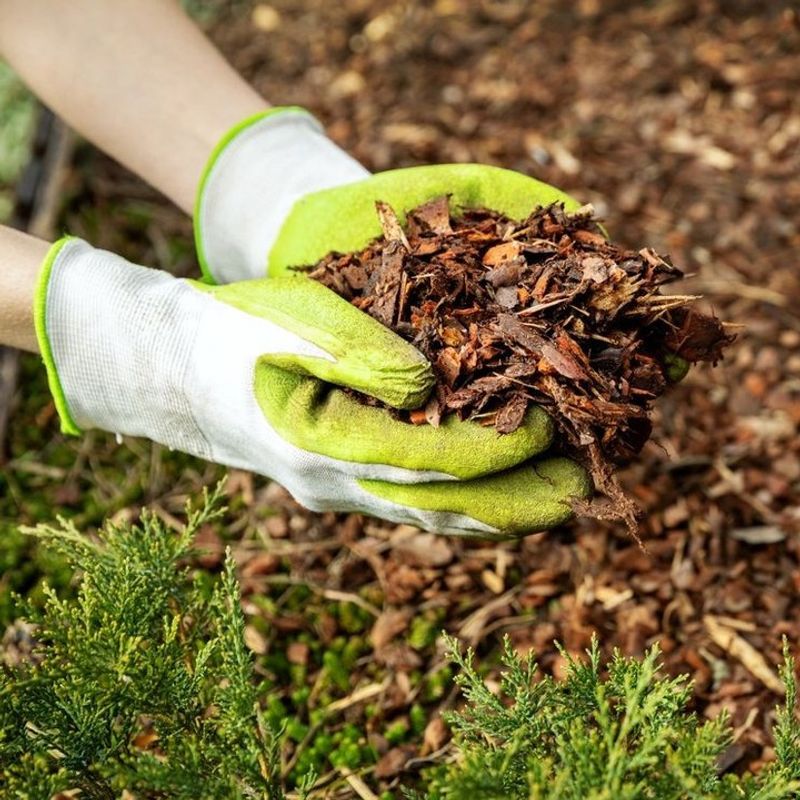
Finishing your pruning work feels like the end of the project, and it is tempting to put tools away and move on to the next task. But plants need support after major trimming to recover smoothly and grow back strong.
Skipping simple follow-up care like watering, mulching, and monitoring for stress signs can slow recovery significantly and leave plants vulnerable to pests, disease, and environmental stress during the critical weeks following pruning.
Pruning reduces a plant’s leaf surface, which means it pulls less water from the soil. Many gardeners assume this means less watering is needed, but consistent moisture without overwatering is important for healing and new growth.
Roots continue functioning even in cooler weather, and plants still need consistent moisture to heal wounds and push out new growth. Dry soil during recovery slows regrowth and weakens the plant overall.
Adding a fresh layer of mulch around the base helps retain moisture, moderate soil temperature, and protect roots while the plant redirects energy toward healing.
Florida’s variable January weather makes post-pruning care even more important. North Florida’s cooler, sometimes wet conditions require less frequent watering but vigilant monitoring for cold damage.
Central Florida gardeners balance moderate temperatures with occasional dry spells. South Florida’s warmth and frequent sunshine increase water needs and speed up recovery.
After pruning, check soil moisture regularly, apply mulch if needed, and watch for signs of stress like wilting or discolored leaves. This simple attention helps plants bounce back quickly and rewards you with healthy, vigorous growth when spring arrives.