Florida Gardeners Are Using This Fertilizer To Save Their Leafy Greens
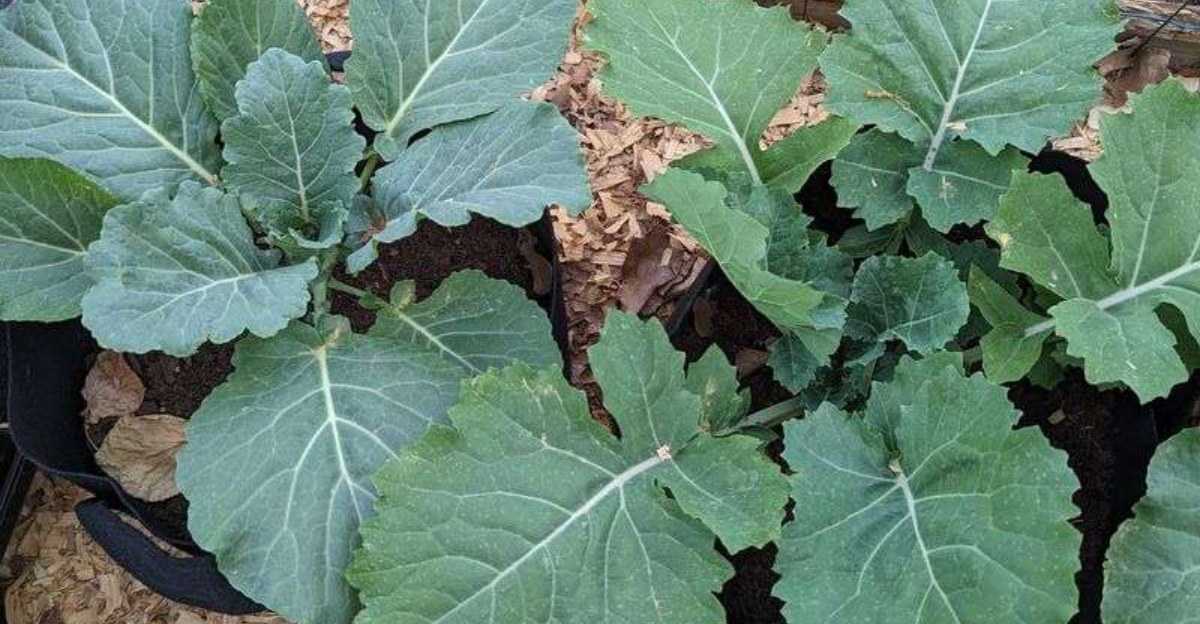
Brown leaf edges, wilted lettuce, and stunted kale frustrate thousands of Florida gardeners every season. Many people assume pests or disease are to blame, but the real problem is often hiding in the soil.
Walk through any neighborhood garden in fall and winter and you will see a clear pattern. Some beds produce thick, vibrant greens that stay crisp and healthy, while others struggle even with regular watering and care.
The difference is not luck. It often comes down to one overlooked nutrient that plays a major role in leaf strength and stress tolerance.
Growers across Florida are paying closer attention to calcium and using targeted fertilization to improve plant structure, reduce leaf damage, and keep greens producing longer through heat swings and humidity.
If your lettuce, kale, or bok choy never seem to reach their full potential, this simple soil adjustment may be the missing piece.
Why Leafy Greens Struggle In Florida Gardens
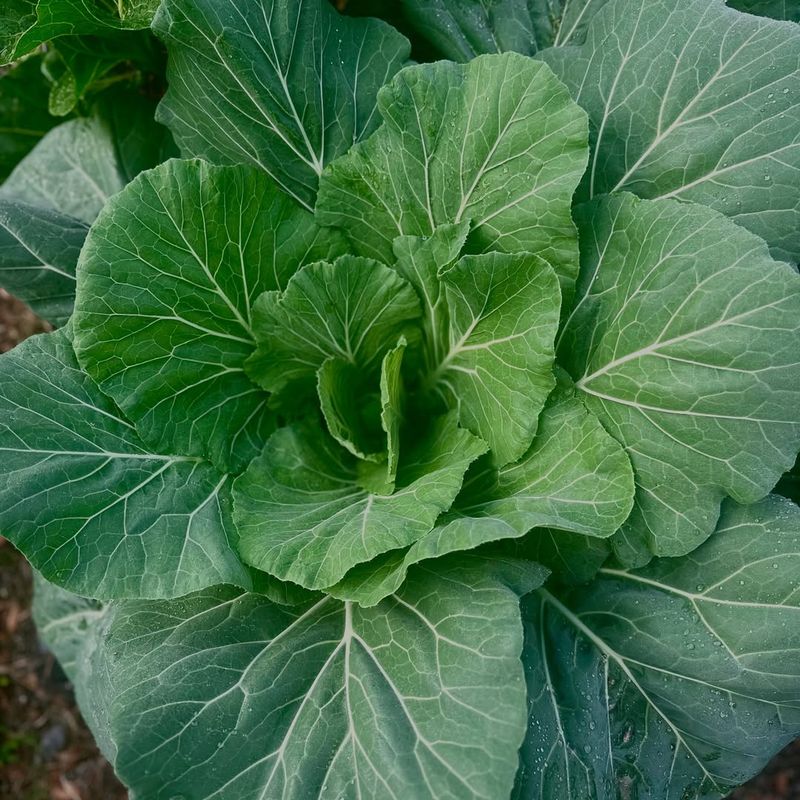
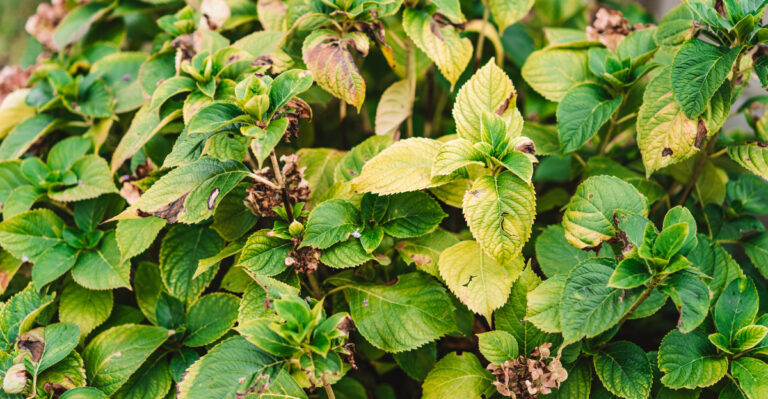
You plant your lettuce, bok choy, and collards with high hopes, but within weeks you notice something frustrating. Leaf edges turn brown and papery, growth slows down despite regular watering, and plants that should be thriving look stressed instead.
This scenario plays out in countless Florida gardens, especially when temperatures swing between cool nights and warm afternoons.
Our sandy soils are part of the challenge. They drain quickly, which sounds good until you realize essential nutrients wash away just as fast as the water.
Calcium, which moves through soil with water, disappears before plant roots can absorb what they need for healthy leaf development.
Florida humidity adds another layer of complexity. When air stays moist, plants transpire less water through their leaves.
Since calcium travels upward through the plant with water movement, reduced transpiration means less calcium reaches the rapidly growing leaf tips where it matters most.
Leafy greens grow fast in our mild winters, which means they need steady nutrient delivery to support all that new growth. When calcium supply cannot keep pace with leaf expansion, cell walls form improperly and tissue becomes weak.
This sets the stage for physiological disorders that look like disease but actually stem from nutritional imbalance.
What Calcium Does Inside Plant Leaves
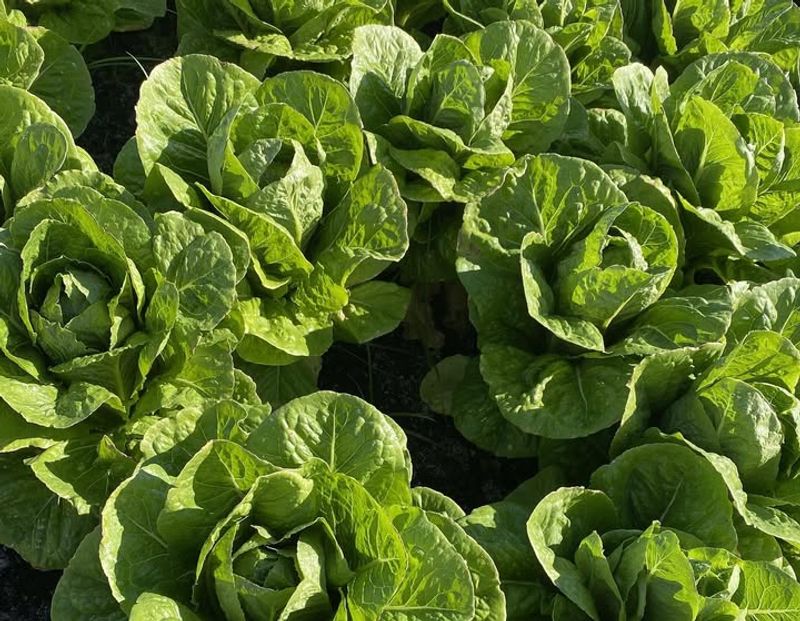
Imagine building a house with weak mortar between the bricks. That house would not stand up to storms or stress very well.
Calcium works like the mortar inside plant cells, cementing cell walls together and creating the structural strength that keeps leaves firm and healthy looking.
Every time a lettuce leaf unfurls or a kale plant pushes out new growth, calcium must be present in the right amounts to form strong cell walls. Without enough calcium at the growing points, cells develop thin, fragile walls that collapse easily.
The result shows up as those telltale brown edges and distorted leaf shapes.
Calcium also helps regulate how plant cells respond to stress. When temperatures climb or plants face environmental pressure, calcium-rich tissue maintains stronger structure and better stress tolerance.
The nutrient strengthens cell walls and improves tissue integrity, which helps reduce physical damage that can make plants more vulnerable to infection.
Your Florida Garden Changes Every Week. Your Plan Should Too.
Gardening in Florida changes quickly throughout the season. Every Friday you’ll receive a simple weekly plan showing exactly what to plant, prune, fertilize, harvest, and protect so you never miss the right timing.
In Florida gardens where leafy greens face constant environmental pressure, this cellular strength makes a visible difference.
Plants with adequate calcium maintain better leaf texture through temperature swings and experience less tissue breakdown that can make plants more vulnerable to fungal and bacterial issues.
You are essentially giving your plants better building blocks for resilient growth.
Why Calcium Nitrate Is Being Used
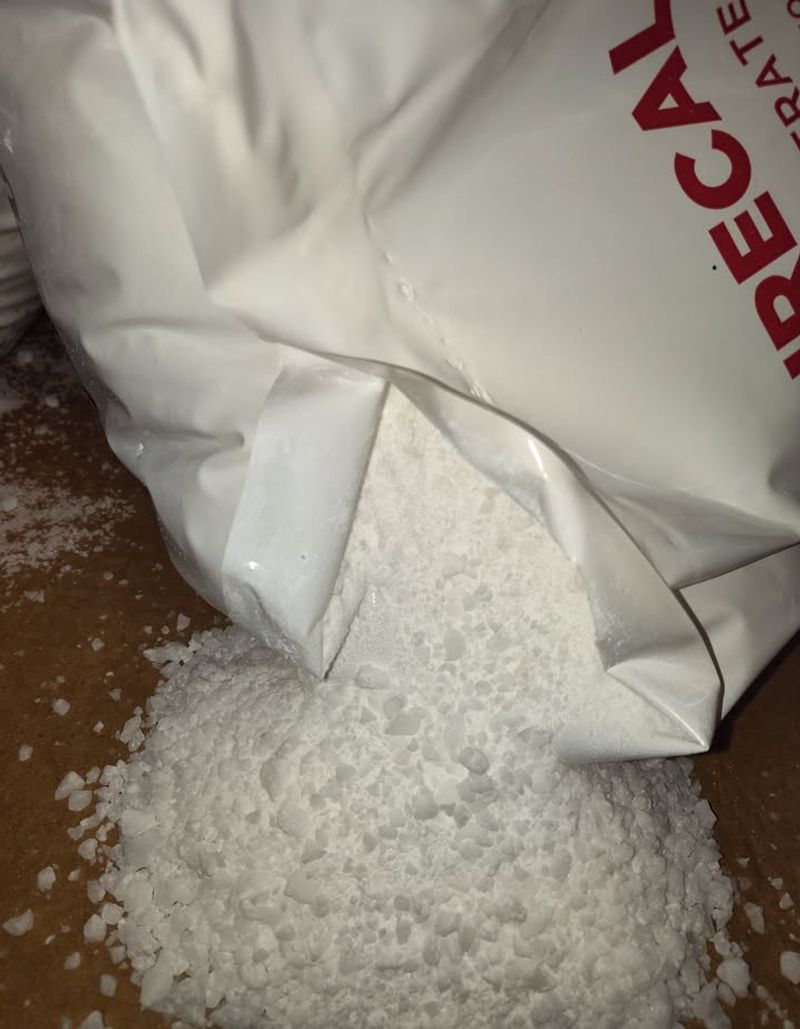
Garden centers stock many calcium products, so why are Florida vegetable growers specifically reaching for calcium nitrate? The answer lies in how quickly it works and what else it delivers.
Unlike limestone that takes months to break down, calcium nitrate dissolves readily in water and becomes available to plant roots almost immediately.
The nitrate form of nitrogen paired with calcium offers a bonus for leafy greens. These crops need nitrogen for lush leaf growth, and calcium nitrate provides both nutrients in a form plants absorb efficiently.
You are feeding two critical needs with one application, which simplifies your fertilizer routine during busy planting seasons.
Timing matters tremendously in Florida gardens where growing windows can be short. North Florida gardeners planting fall lettuce in September need fast nutrient delivery before cold weather arrives.
Central Florida growers squeezing in spring crops before heat hits cannot wait for slow-release products to activate. South Florida gardeners managing year-round beds need responsive nutrition that keeps pace with continuous harvests.
Calcium nitrate also works well in our slightly acidic to neutral soils without dramatically shifting pH levels. This stability means you can apply it without worrying about creating new imbalances.
Many growers appreciate this predictability when managing multiple vegetable crops with different nutritional needs growing side by side.
How Calcium Helps Reduce Leaf Disorders
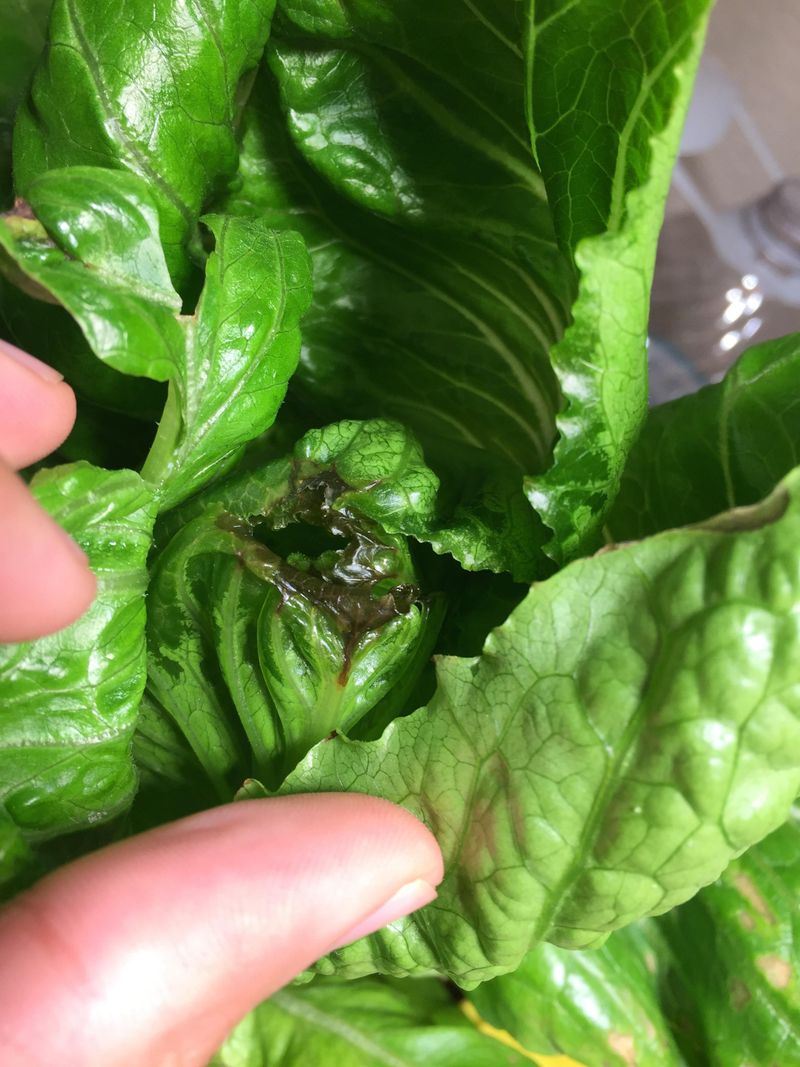
You have probably seen tip burn on your lettuce or bok choy and wondered if disease caused those brown, crispy edges. More often than not, this frustrating condition stems from calcium deficiency rather than pathogens.
Rapidly expanding leaf tips need constant calcium delivery, and when supply falls short, cells at the margins collapse and turn brown.
Providing calcium through regular applications helps prevent this breakdown before it starts. Stronger cell walls mean leaf tissue can expand properly without tearing or collapsing.
The difference becomes obvious when you compare treated beds to untreated ones during the same growing period.
Blossom end rot affects fruiting crops like tomatoes and peppers, but similar calcium-related issues show up in leafy greens as distorted growth and tissue damage. These physiological problems weaken plants and create damaged tissue where disease organisms can more easily establish.
By correcting calcium shortages, you reduce this type of stress-related vulnerability.
Florida humidity can slow calcium movement inside plants, making supplemental feeding even more important. When leaves stay damp overnight and transpiration slows down, calcium transport stalls.
Regular soil applications help maintain calcium availability in the root zone even when environmental conditions limit internal movement.
This proactive approach reduces stress-related tissue damage that can increase vulnerability to secondary problems throughout our variable growing seasons.
When To Apply Calcium Nitrate In Florida
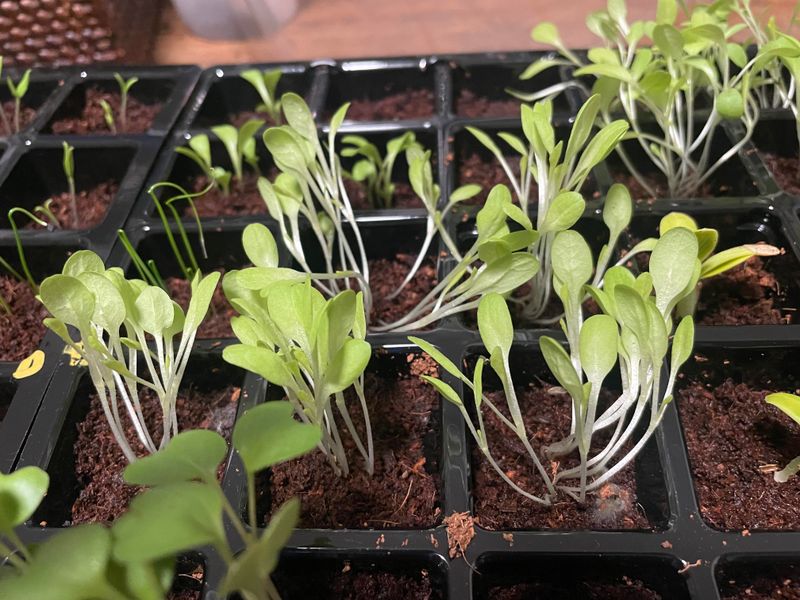
Timing your calcium applications around Florida growing seasons makes all the difference in results. North Florida gardeners should start applying calcium nitrate when transplanting fall greens in September and October, then continue every two to three weeks through the cool season.
This matches the period when lettuce, kale, and collards put on their best growth before spring heat arrives.
Central Florida growers have more flexibility with extended mild periods. Begin applications in October for fall plantings and resume in February for spring crops.
The shoulder seasons when temperatures hover in the comfortable range give leafy greens their best performance, and consistent calcium support during these windows maximizes quality.
South Florida presents unique opportunities and challenges. You can grow leafy greens nearly year-round if you manage heat stress carefully.
Apply calcium nitrate during the cooler months from November through March for best results, but lighter applications during summer can support heat-tolerant varieties if you provide afternoon shade and consistent moisture.
Always apply calcium nitrate to moist soil and water it in thoroughly. This helps move the nutrients into the root zone where plants can access them.
Avoid applying during the hottest part of the day or when extreme heat stresses plants. Early morning applications work well, giving fertilizer time to dissolve and move into soil before temperatures peak.
Following these timing guidelines helps you work with Florida weather patterns rather than against them.
How Much To Use Without Overfeeding
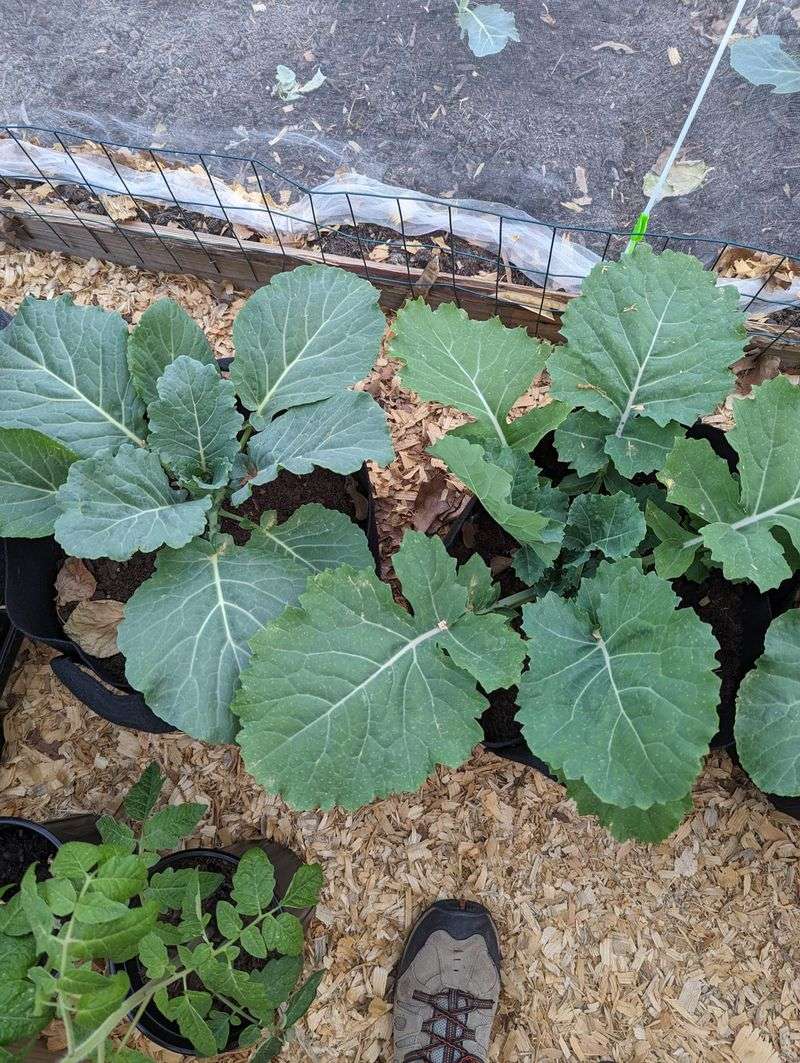
More fertilizer does not equal better results, and calcium nitrate requires the same careful measuring as any other garden input. For established leafy green beds, many gardeners use diluted solutions such as one tablespoon per gallon of water, but rates vary by product and concentration.
This diluted approach delivers nutrients without overwhelming young roots or creating salt buildup in our sandy soils.
University of Florida IFAS Extension recommends following product label directions specific to your brand and formulation. Concentrations vary between products, so reading instructions carefully prevents mistakes.
When in doubt, start with half the recommended rate and observe how your plants respond before increasing amounts.
Overfeeding creates problems just as serious as deficiency. Excess nitrogen from too much calcium nitrate pushes leafy greens into rapid, weak growth with thin leaves that attract pests.
Salt accumulation from overapplication can actually block calcium uptake, creating the opposite effect you want. This is particularly important in container gardens where salts concentrate more quickly than in ground beds.
A good rule for Florida vegetable gardens is to apply smaller amounts more frequently rather than heavy doses all at once. Every two to three weeks during active growth provides steady nutrition without the feast-or-famine cycle that stresses plants.
Keep notes on application rates and plant responses so you can adjust your approach based on what works best in your specific garden conditions.
How Heat And Watering Affect Calcium Uptake
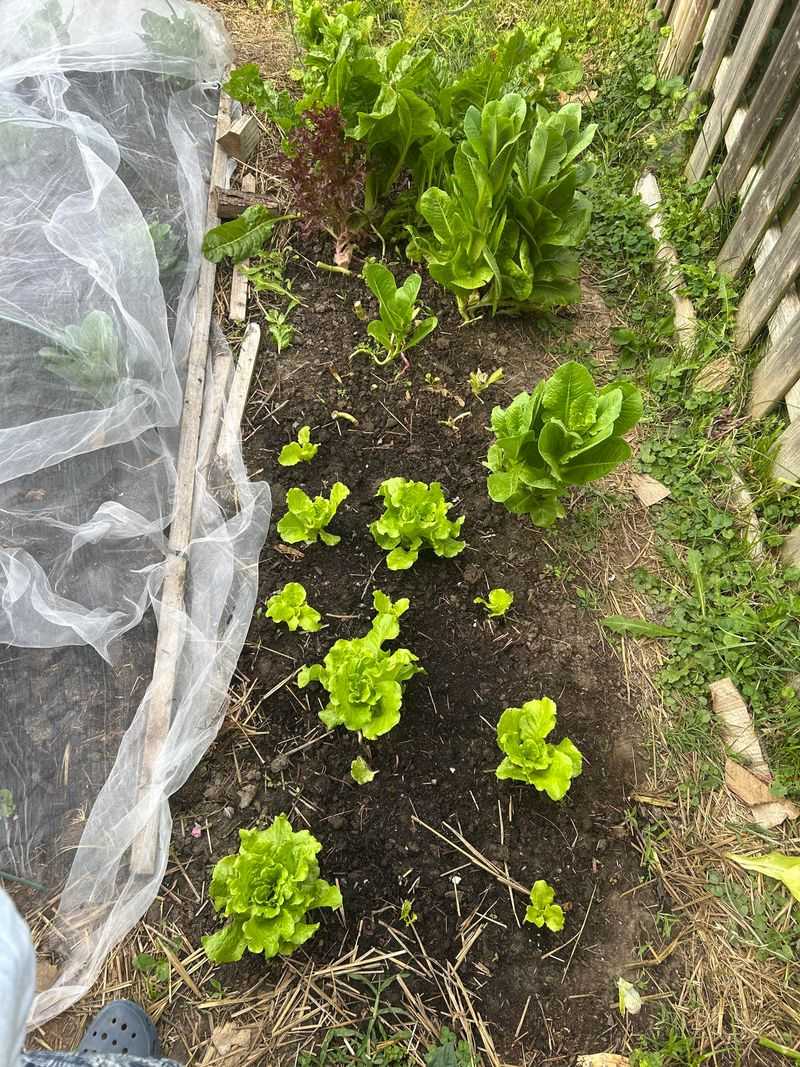
Even with calcium nitrate in your soil, plants cannot use it effectively without proper watering practices. Calcium moves into roots dissolved in water and travels upward as plants transpire moisture through their leaves.
When soil dries out between waterings, this transport system shuts down and calcium sits unavailable even though it surrounds the roots.
Consistent soil moisture becomes especially critical during warm spells. When afternoon temperatures climb into the eighties and above, leafy greens can experience higher water demand and need steady moisture to support calcium movement into expanding leaves.
Letting beds dry out completely interrupts this flow right when plants need it most, and tip burn or other deficiency symptoms can appear within days.
Florida gardeners face a balancing act between keeping soil moist enough for nutrient uptake and avoiding the soggy conditions that encourage root rot.
Well-draining beds amended with compost help maintain that sweet spot where water moves through soil regularly but does not sit stagnant.
Mulching around plants reduces evaporation and helps moderate soil moisture swings.
During heat waves, calcium transport can slow down even with adequate soil moisture because plants close their leaf pores to conserve water. This natural stress response limits transpiration and reduces calcium movement to leaf tips.
Providing afternoon shade during extreme heat helps plants maintain normal transpiration and better calcium uptake. Understanding these connections helps you adjust care practices when weather patterns shift unexpectedly throughout our variable growing seasons.
Always follow the specific label directions on your fertilizer product and consider soil testing to confirm calcium needs before applying.