Florida Gardeners: Grow Way More Food In Less Space With These 11 Vegetables
Florida gardeners with small yards, patios, and raised beds are pulling in baskets of fresh vegetables every week and many are doing it from spaces smaller than a parking spot. Big harvests do not require big land.
They require the right crops. Florida’s long growing season, warm temperatures, and strong sunlight create perfect conditions for vegetables that grow fast, stay compact, and produce nonstop when chosen wisely.
Some plants deliver pounds of food from a single container. Others climb upward instead of spreading outward, turning fences and railings into vertical food gardens.
If your goal is to grow more food without expanding your garden, these vegetables change everything.
Gardeners across North, Central, and South Florida rely on these high-producing plants to stretch space, reduce grocery trips, and enjoy fresh harvests month after month.
1. Cherry Tomatoes
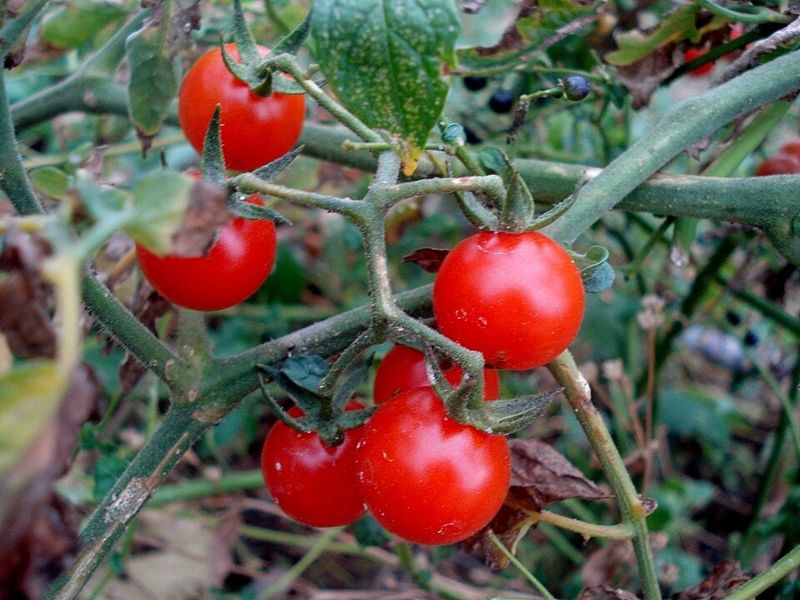
One morning you walk outside and find a cluster of bright red orbs hanging from a single branch, then another cluster ripening beside it. That’s the beauty of cherry tomatoes in Florida gardens.
A single plant in a five-gallon container or corner bed produces handfuls of fruit every few days once it starts producing.
Florida’s long warm season means cherry tomatoes planted in spring or fall keep delivering for months. North Florida gardeners enjoy strong spring and fall crops, while Central Florida can often harvest through late spring before summer heat and humidity slow production.
South Florida growers have the advantage of winter production when tomatoes thrive in cooler, drier months.
These productive plants fit well in small spaces when grown vertically with cages or stakes. Staking or caging keeps them vertical and saves precious ground space.
Varieties like Sweet 100 and Sungold excel in Florida heat and humidity, showing better disease tolerance than many larger tomato varieties.
You’ll fill bowls faster than you expect. One healthy plant yields several pounds of tomatoes across its season, turning a small garden corner into a steady salad supply that tastes infinitely better than anything from the store.
2. Bush Beans
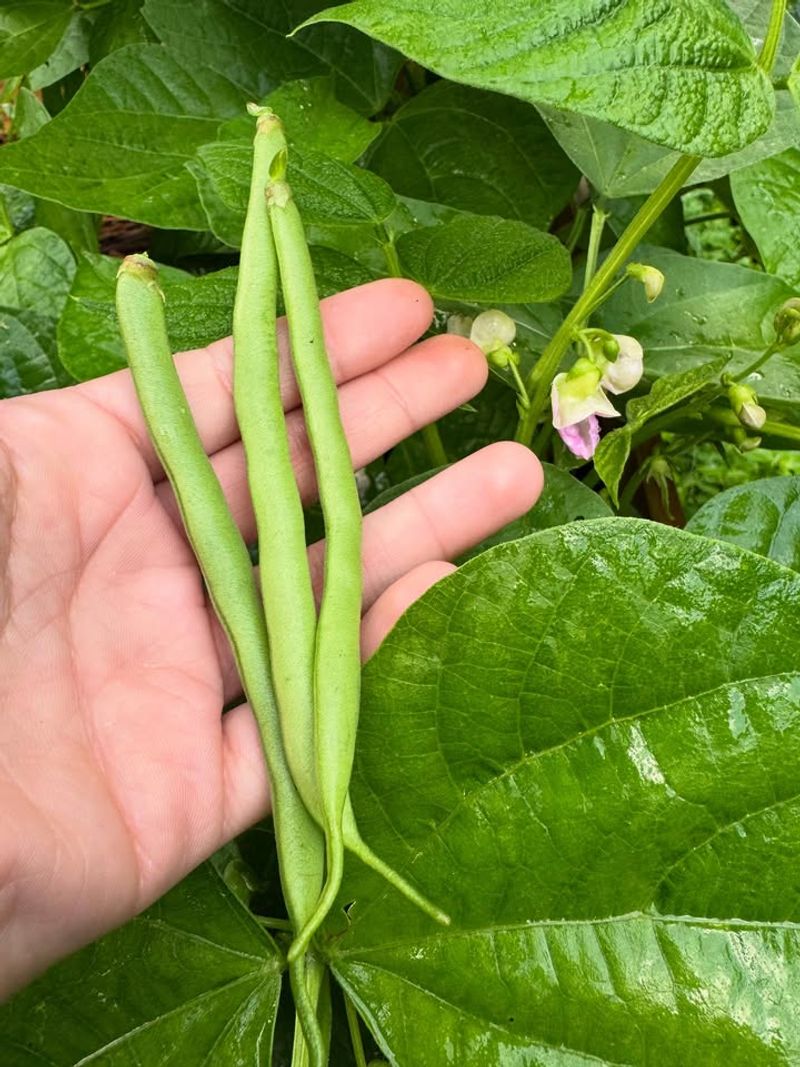
Within sixty days of planting seeds, you’re picking handfuls of crisp green beans from plants that barely reach your knee. Bush beans are speed champions in Florida gardens, maturing fast and producing heavily without climbing or sprawling.
Their compact growth habit means you can tuck rows between other crops or fill a raised bed corner.
Timing matters across Florida. North Florida gardeners plant in spring and again in late summer for fall harvests.
Central Florida enjoys similar spring and fall planting windows during mild seasons. South Florida growers hit peak production in fall through spring when temperatures stay moderate.
Each plant produces for about two weeks once it starts bearing, but staggered plantings every two weeks create a continuous harvest. A four-foot row delivers enough beans for fresh eating and freezing.
Varieties like Contender and Provider handle Florida heat well and resist common bean diseases.
The plants don’t need trellising, which saves vertical space for vining crops. You simply plant, water, and harvest.
Your Florida Garden Changes Every Week. Your Plan Should Too.
Gardening in Florida changes quickly throughout the season. Every Friday you’ll receive a simple weekly plan showing exactly what to plant, prune, fertilize, harvest, and protect so you never miss the right timing.
Their quick turnaround means you can grow multiple crops in the same space during a single season, maximizing productivity from every square foot.
3. Malabar Spinach
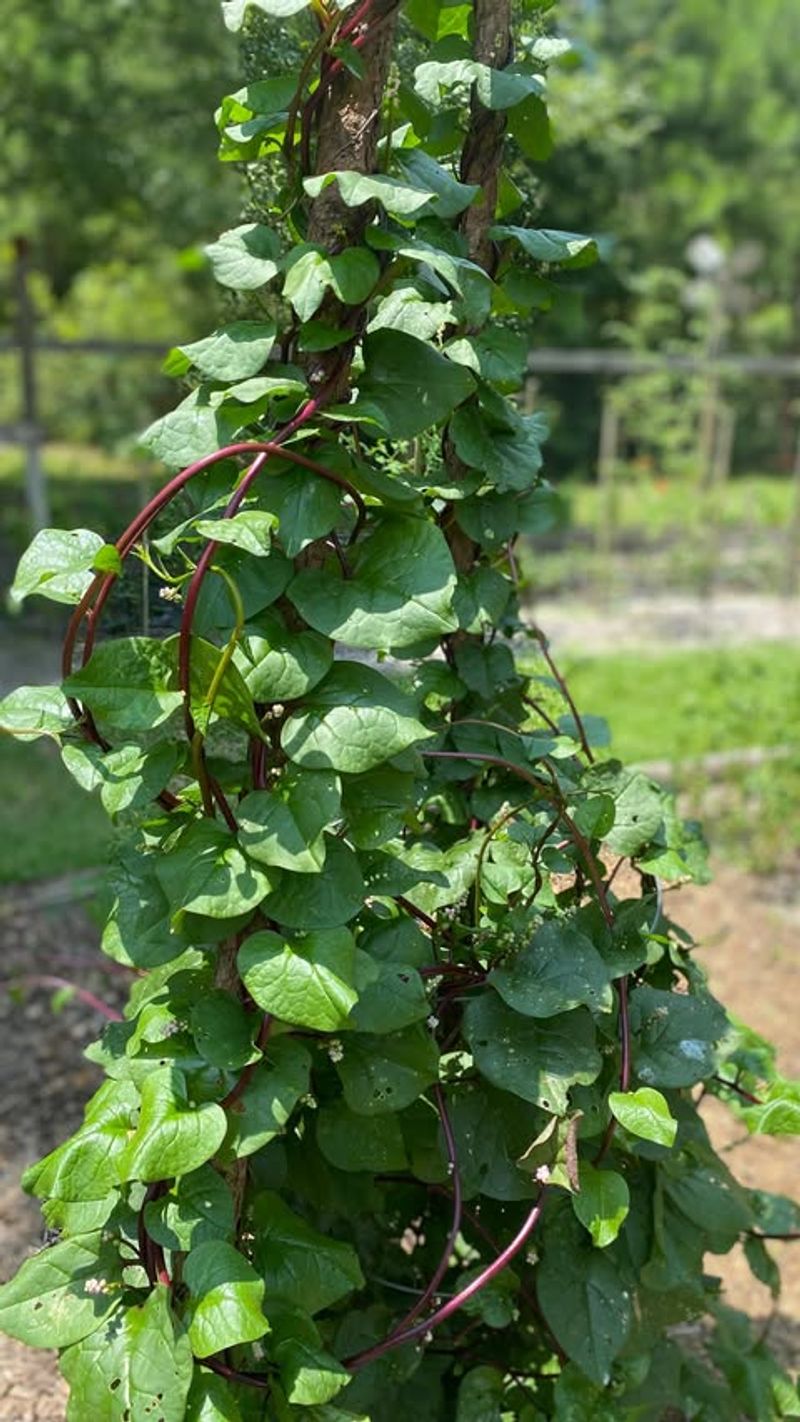
Thick, glossy leaves climb a trellis or fence line, turning vertical space into a productive green wall. Malabar spinach thrives in Florida’s summer heat when regular spinach bolts and quits.
This tropical vine loves humidity and keeps producing edible leaves from spring through fall, even during the hottest months.
Training it upward saves ground space while providing shade for heat-sensitive crops growing below. A single vine along a four-foot trellis yields constant harvests.
You simply pinch off leaves and tender stem tips as needed, and the plant keeps growing. The more you harvest, the bushier it becomes.
Florida’s extended warm season allows Malabar spinach to produce for six months or longer in Central and South Florida when regularly harvested. North Florida gardeners enjoy solid production from late spring through early fall.
The leaves have a slightly mucilaginous texture when cooked, similar to okra, and work beautifully in stir-fries, soups, and smoothies.
Varieties with green or red stems add visual interest to small garden spaces. One plant produces more greens than most families can eat fresh, making it ideal for gardeners who want serious leafy vegetable production without dedicating much ground space to greens.
4. Swiss Chard
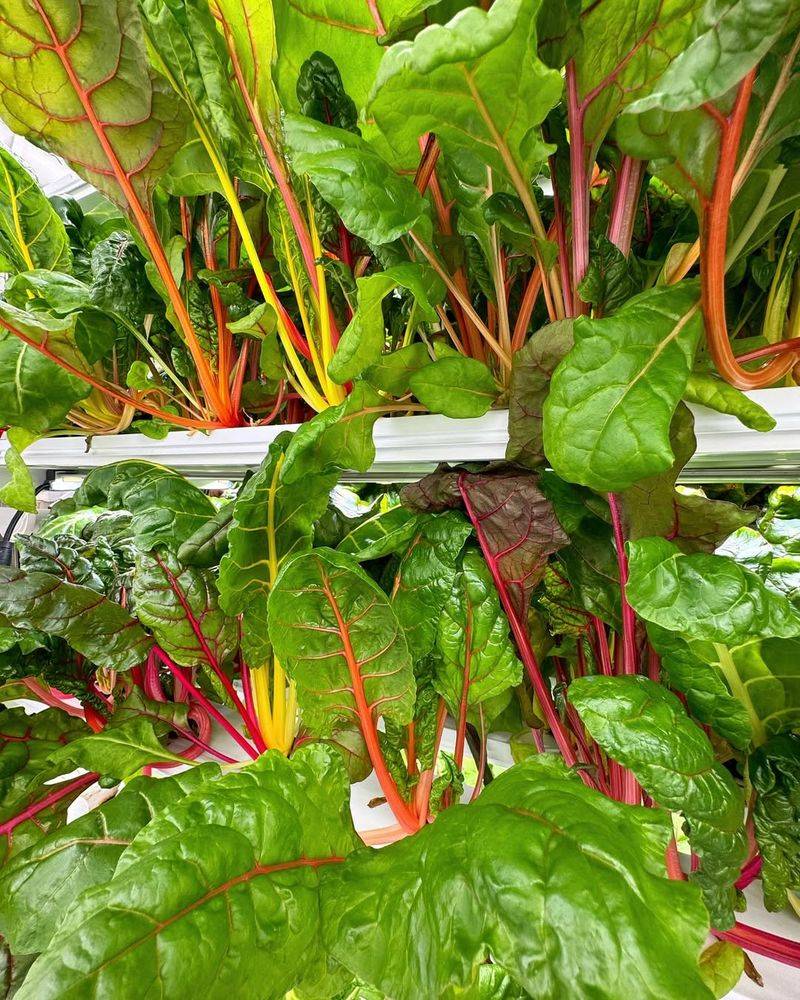
Bright stems in rainbow colors rise from a compact rosette of crinkled leaves, looking as ornamental as any flower but tasting delicious in the kitchen. Swiss chard tolerates Florida’s heat better than most leafy greens, especially during spring and fall seasons.
A few plants supply steady greens for months.
Spacing plants about ten to twelve inches apart creates a productive block in raised beds or containers. Each plant occupies about one square foot yet delivers continuous harvests.
North Florida gardeners grow chard spring through fall, while Central Florida can often keep it going through mild winters. South Florida enjoys chard as a cool-season crop from October through March.
The colorful stems make chard a dual-purpose plant, adding beauty while producing food. Varieties like Bright Lights mix red, yellow, orange, and white stems in one packet.
You harvest by cutting outer leaves at the base, leaving the center to keep growing.
One plant produces dozens of leaves across its lifespan. The leaves work raw in salads when young or cooked like spinach when mature.
Stems can be sautéed separately, giving you two vegetables from one plant and making chard incredibly space-efficient for small Florida gardens.
5. Sweet Peppers
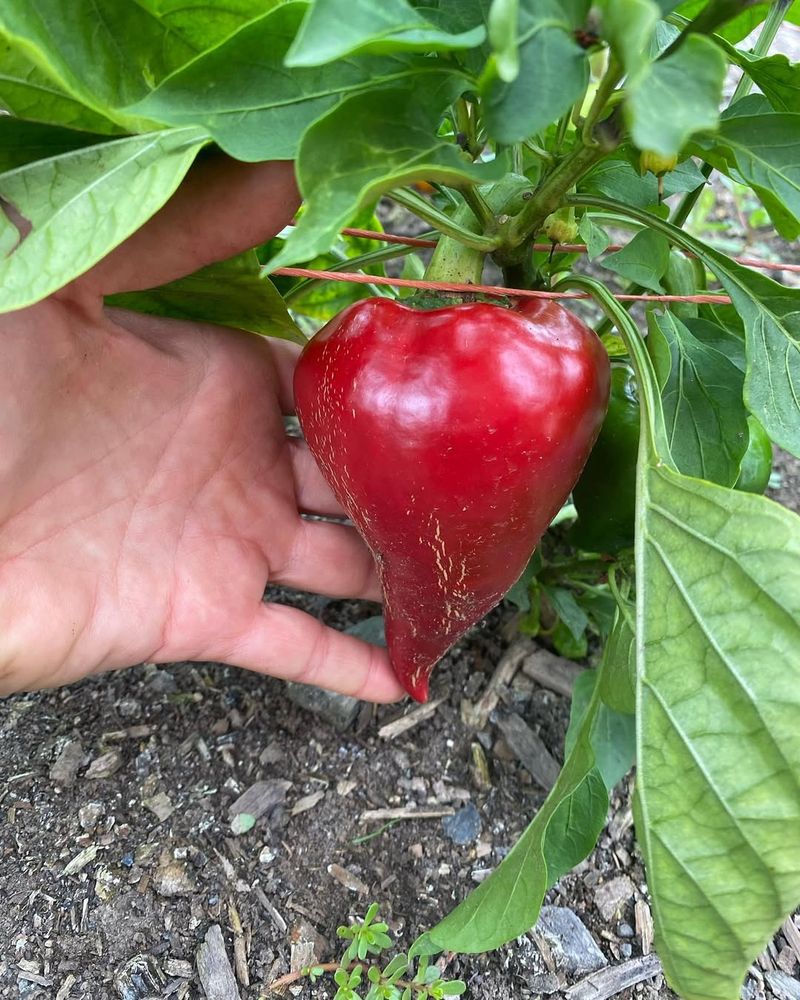
A single pepper plant loaded with glossy fruits in various stages of ripening becomes a compact food factory in your Florida garden. Sweet peppers produce heavily in relatively small spaces, and each plant keeps setting new fruits for months when conditions stay favorable.
Their upright growth habit fits perfectly in containers, raised beds, or tight garden corners.
Florida’s climate allows extended pepper harvests. North Florida gardeners plant after spring frost danger passes and harvest through fall.
Central Florida enjoys even longer seasons, often producing spring through late fall. South Florida growers can extend pepper production across much of the year, with peak harvests in fall, winter, and spring.
Each plant yields eight to twenty peppers depending on variety and care. Compact varieties like Lunchbox and Islander perform especially well in small spaces.
You can harvest peppers green or wait for them to ripen to red, yellow, or orange, getting different flavors from the same plant.
Peppers appreciate consistent moisture and afternoon shade during peak summer heat. Mulching helps conserve water and keeps roots cool.
The plants don’t sprawl or vine, so they respect garden boundaries while producing impressive amounts of food from a footprint smaller than a dinner plate.
6. Zucchini (Bush Varieties)
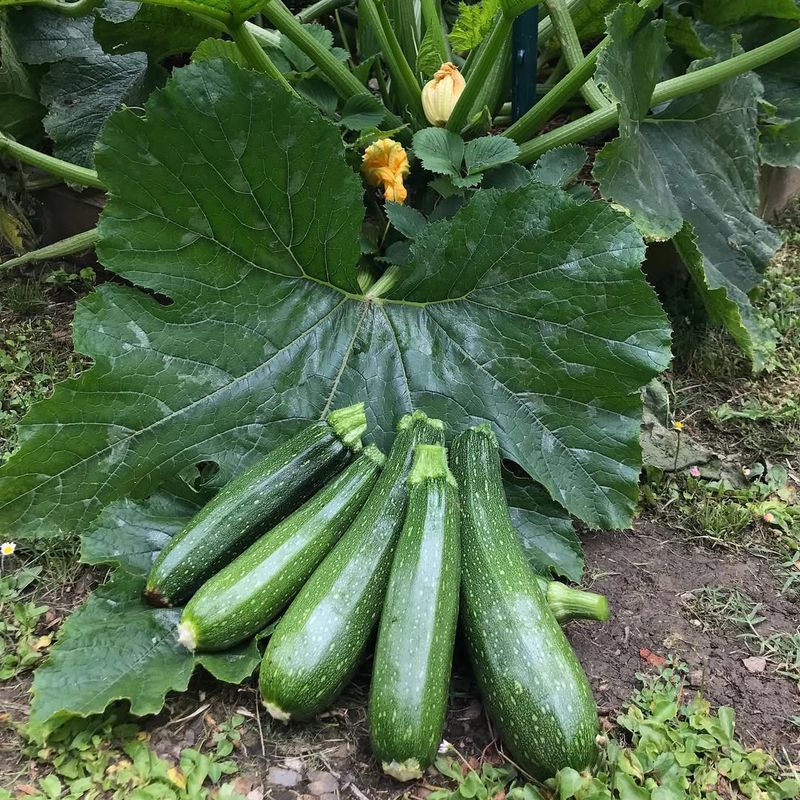
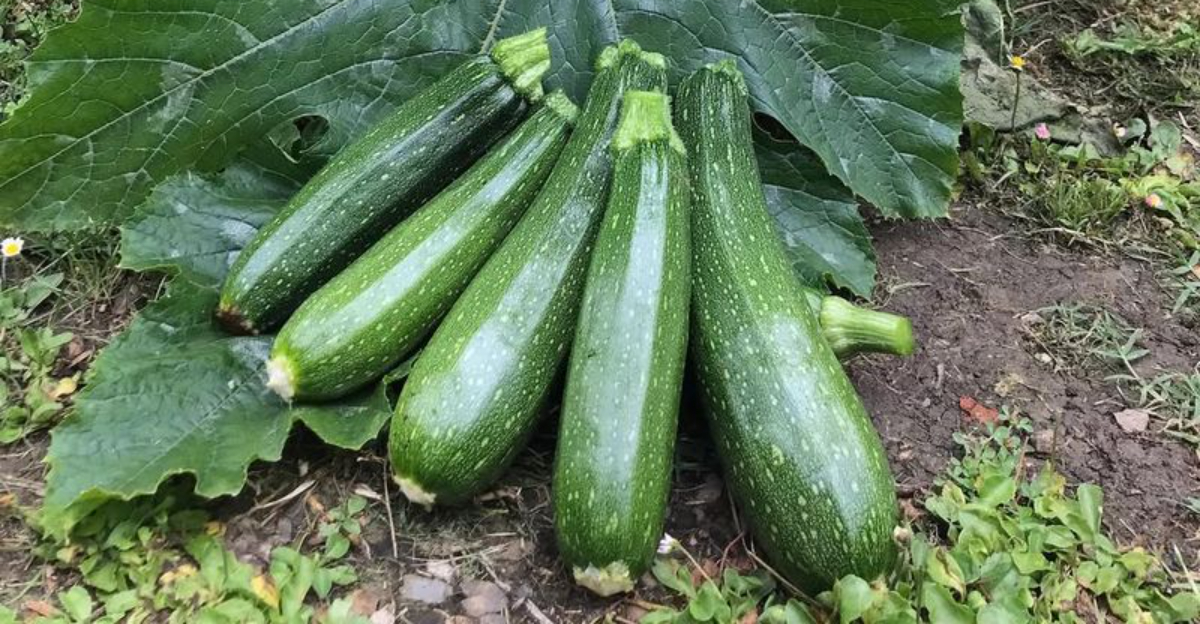
That first zucchini appears seemingly overnight, then another, then three more by week’s end. Bush varieties deliver prolific harvests without the sprawling vines that eat up garden real estate.
A single plant occupies about three square feet yet produces enough squash to share with neighbors during peak season.
Florida growers need to time zucchini carefully around heat and pests. North Florida gardeners succeed with spring and fall plantings.
Central Florida focuses on fall through spring production to reduce squash vine borer and heat stress issues. South Florida enjoys winter growing when temperatures stay moderate and pest pressure drops.
Varieties like Dunja and Raven perform well in Florida conditions, showing good disease resistance. The plants produce male flowers first, then female flowers with tiny fruits at their base.
Once pollination starts, production ramps up quickly. You’ll harvest squash every two to three days to keep plants producing.
Each plant yields ten to twenty squash over several weeks. The compact bush growth means you can plant multiple varieties in a small raised bed for continuous harvests.
Picking fruits while they’re six to eight inches long encourages more production and delivers the best flavor and texture for your kitchen.
7. Cucumbers (Trellised Types)
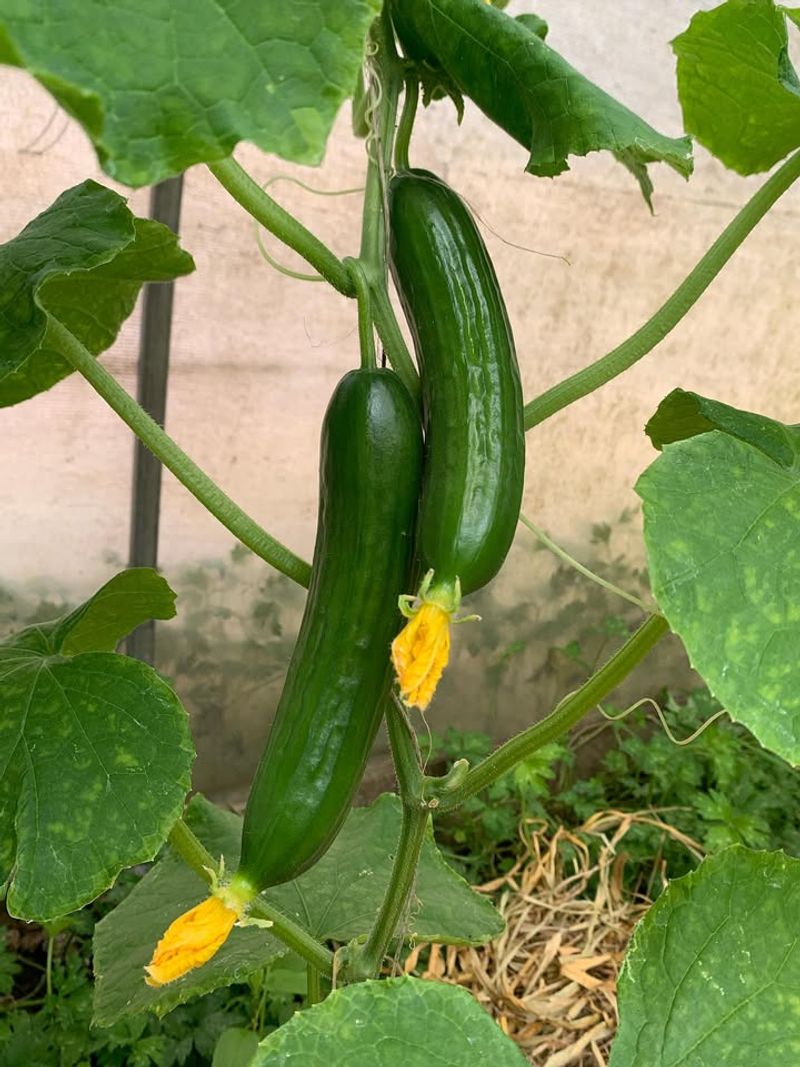
Vines climb upward instead of outward, and suddenly your vertical fence or trellis becomes a cucumber factory. Trellising transforms cucumbers from space-hogging sprawlers into efficient vertical producers.
A trellis four feet tall and six feet wide supports several plants that would otherwise consume ten to fifteen square feet of ground space.
Growing cucumbers vertically also improves air circulation, reducing disease pressure in Florida’s humid climate. The fruits hang straight and clean, making harvest easier and reducing pest damage.
North Florida gardeners plant cucumbers in spring and late summer. Central Florida focuses on spring and fall crops.
South Florida produces best from fall through early spring.
Varieties like Straight Eight and Marketmore thrive when trellised. You can also grow pickling types vertically, harvesting baby cucumbers for pickles or letting them grow to slicing size.
Each plant produces ten to fifteen cucumbers over its productive period, which typically lasts four to six weeks in Florida.
Training vines onto support as they grow keeps them organized and maximizes space. The shade from cucumber leaves can protect heat-sensitive crops below.
Consistent watering and frequent harvests keep plants producing longer, turning a small vertical space into a surprisingly productive cucumber patch.
8. Eggplant
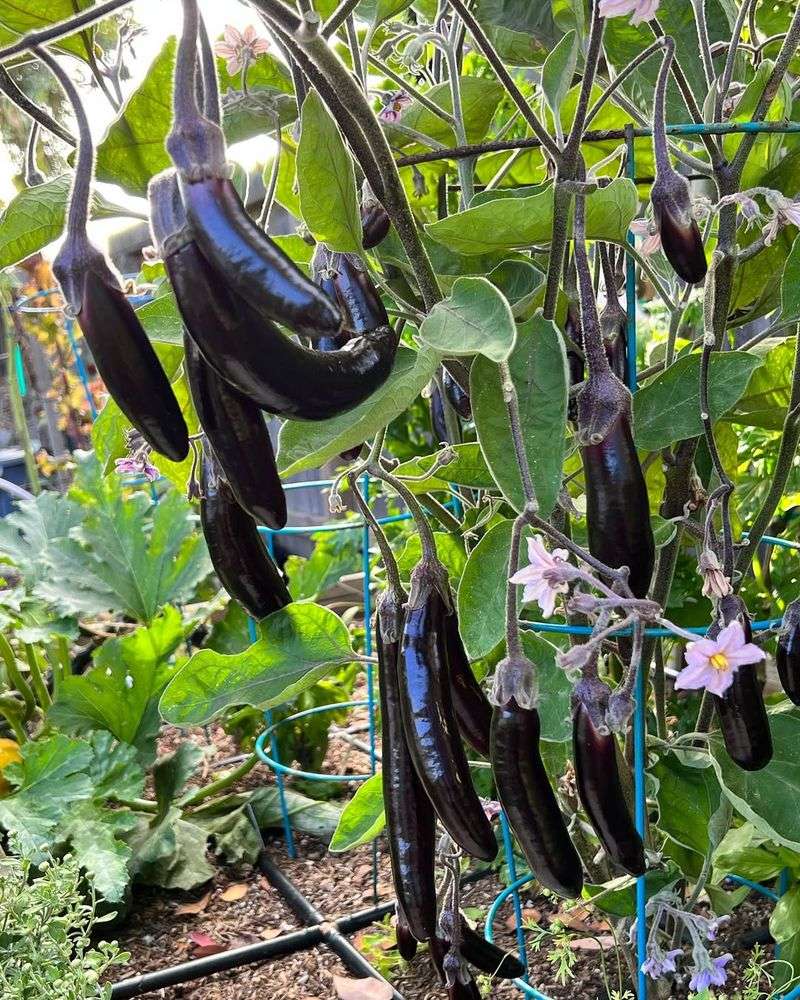
Glossy purple fruits dangle from sturdy plants that keep producing for months in Florida’s warmth. Eggplant loves heat and thrives where other vegetables struggle during summer.
A single plant in a five to seven-gallon container or garden bed yields ten to fifteen fruits over an extended season, making it remarkably space-efficient.
The plants grow upright and bushy, typically reaching two to three feet tall and wide. This compact habit fits well in small gardens.
North Florida gardeners enjoy eggplant from late spring through fall. Central Florida extends the season even longer.
South Florida can grow eggplant nearly year-round with peak production in spring and fall.
Varieties like Ichiban and Black Beauty perform consistently in Florida. The plants handle heat and humidity well once established.
You’ll see purple flowers first, then small fruits that swell quickly. Harvesting when fruits reach six to eight inches encourages continued production.
Eggplant appreciates consistent moisture and benefits from afternoon shade during peak summer. Mulching helps retain soil moisture and keeps roots cool.
The plants tolerate heat well and remain productive when properly managed for common pests. Each harvest brings beautiful, versatile fruits that transform simple garden corners into productive food sources.
9. Green Onions
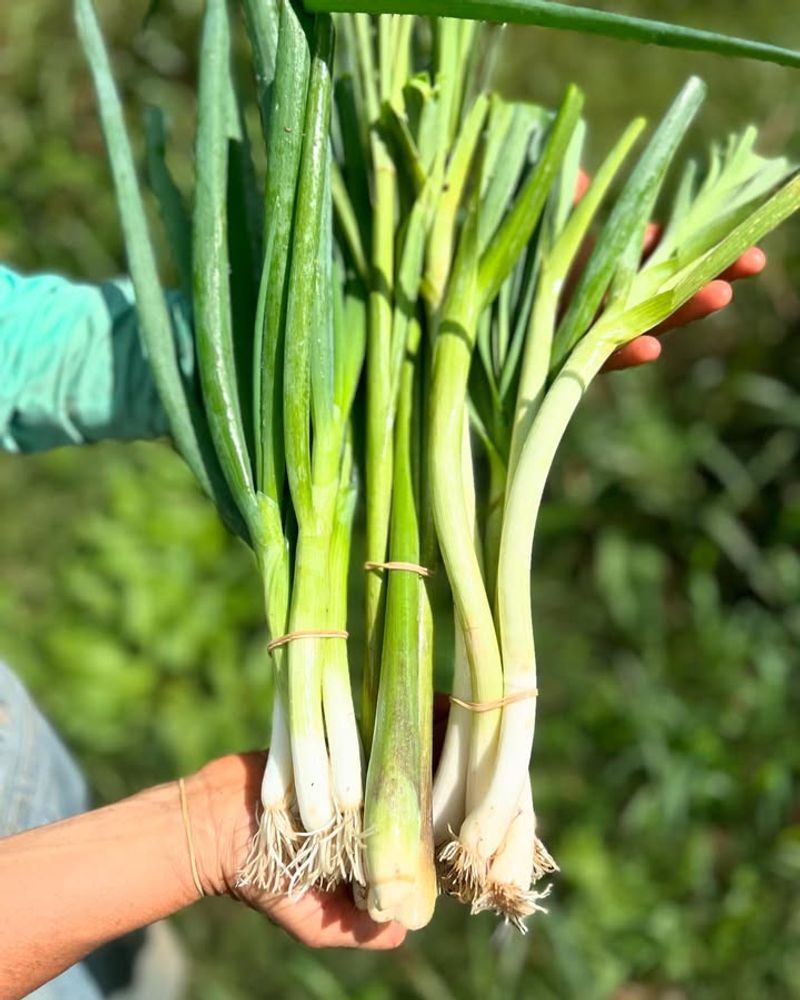
Slender green shoots emerge from tight clusters, ready to harvest in just a few weeks. Green onions grow fast and occupy minimal space, making them perfect for tucking into garden edges, container corners, or gaps between larger plants.
You can harvest entire plants or just trim tops and let them regrow.
A square foot of space holds sixteen to twenty-five green onion plants depending on spacing. That small area provides continuous harvests for months when you practice cut-and-come-again harvesting.
Florida’s climate allows extended green onion production across much of the year. North Florida gardeners grow them spring through fall with winter harvests in mild years.
Central and South Florida enjoy them as cool-season crops with best production fall through spring.
Varieties like Evergreen Hardy and Tokyo Long White adapt well to Florida conditions. You can start from seeds or sets, though sets establish faster.
The plants tolerate partial shade, making them useful for filling spaces under taller crops.
Each plant produces multiple harvests when you cut leaves an inch above the soil line and let them regrow. This repeated harvesting from the same space maximizes productivity.
Green onions also companion plant well with tomatoes, peppers, and lettuce, helping you layer crops efficiently in small gardens while adding fresh flavor to every meal.
10. Kale
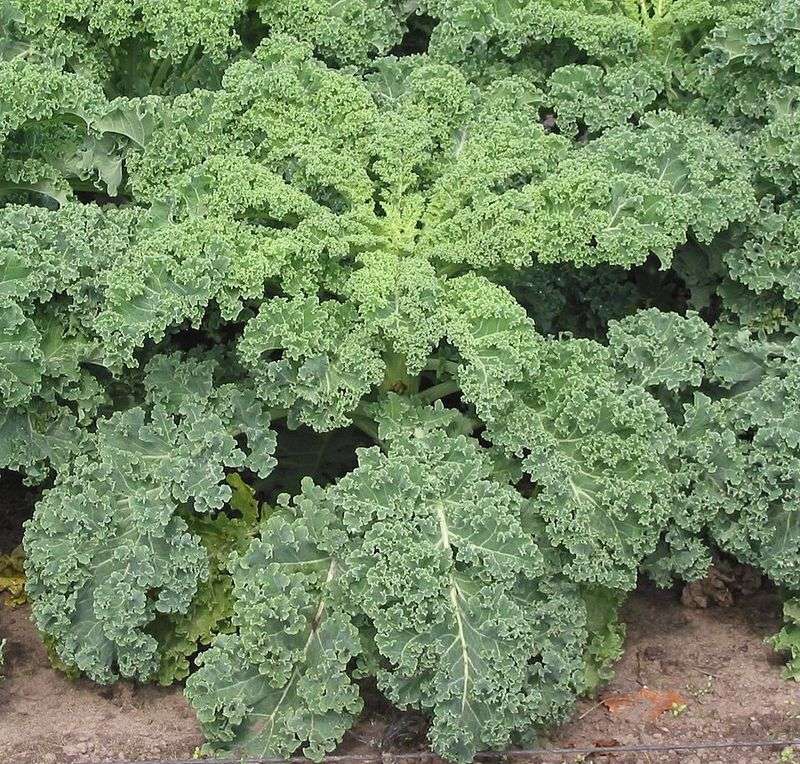
Ruffled leaves spiral upward from a central stem, creating a productive column of greens in a surprisingly small footprint. Kale tolerates Florida’s cooler months beautifully and produces heavily when many other vegetables slow down.
A few plants supply fresh greens for salads, smoothies, and cooking throughout the mild season.
Each plant occupies about one to two square feet when properly spaced yet delivers continuous harvests. You pick outer leaves as needed, and the center keeps producing new growth.
North Florida gardeners enjoy kale from fall through spring. Central Florida grows it primarily October through March.
South Florida has excellent kale production during winter months when temperatures moderate.
Varieties like Lacinato and Winterbor perform well in Florida. The plants handle light frosts, which actually improve flavor by converting starches to sugars.
Young leaves work raw in salads while mature leaves are perfect for cooking. One plant produces dozens of leaves across its growing season.
Kale appreciates consistent moisture and benefits from afternoon shade as spring temperatures rise. The upright growth habit makes it easy to tuck into tight spaces or containers.
Its nutritional density and space efficiency make kale ideal for small Florida gardens where every square foot counts and fresh, healthy greens are always welcome.
11. Radishes
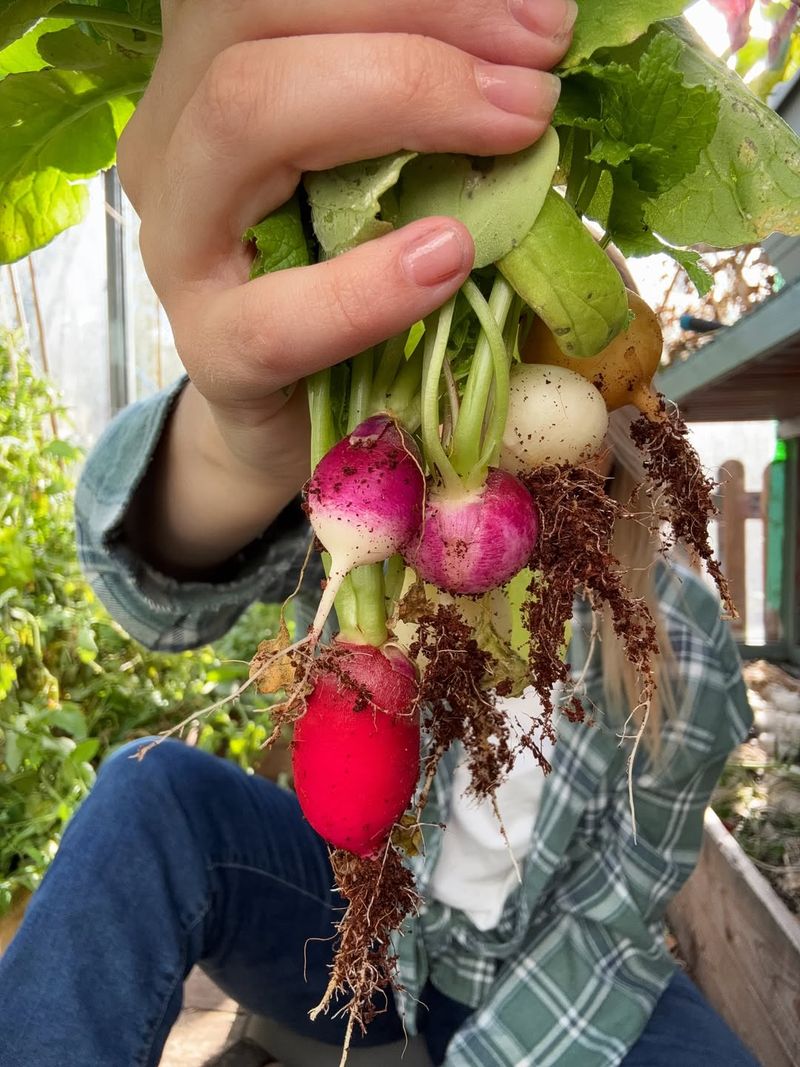
Three to four weeks after planting seeds, you’re pulling crisp, peppery roots from the soil. Radishes are the ultimate quick-harvest crop for Florida gardeners working with limited space.
They mature so fast you can plant them between slower-growing crops, harvesting radishes before neighboring plants need the room.
A square foot of garden space produces sixteen radishes when properly spaced. That small area turns over every three to four weeks, allowing multiple successions in the same spot.
Florida radish season focuses on cooler months. North Florida gardeners plant fall through early spring.
Central Florida enjoys radishes October through March. South Florida has excellent production during winter.
Varieties like Cherry Belle and French Breakfast adapt well to Florida conditions. The plants need consistent moisture for best quality, but their shallow roots make them perfect for containers or raised beds.
You can harvest entire plants or succession plant every two weeks for continuous supplies.
Radish greens are also edible, giving you bonus harvests from the same plants. The fast maturity and small size make radishes ideal for teaching kids about gardening or filling awkward garden corners.
Their speed and space efficiency mean you can grow impressive amounts of food in tiny spaces while waiting for longer-season crops to mature.