How To Fill Your Florida Garden With Useful Plants That Actually Do Something
Most Florida yards sit there doing nothing except soaking up water and needing constant maintenance. Yours does not have to be that way.
With the right plants, your garden can grow food, cool your home, block noise, improve soil, attract wildlife, and even reduce mosquitoes, all at the same time.
Imagine stepping outside to pick fresh fruit, sitting under natural shade that lowers summer heat, and watching butterflies and birds move through your yard every day.
These benefits are not reserved for farmers or expert gardeners. Florida’s climate makes it possible for regular homeowners to create landscapes that work harder with less effort.
A few smart plant choices can turn wasted lawn space into something productive, beautiful, and useful year-round. This guide shows how to build a yard that earns its space instead of just taking it up.
1. Plants That Feed You
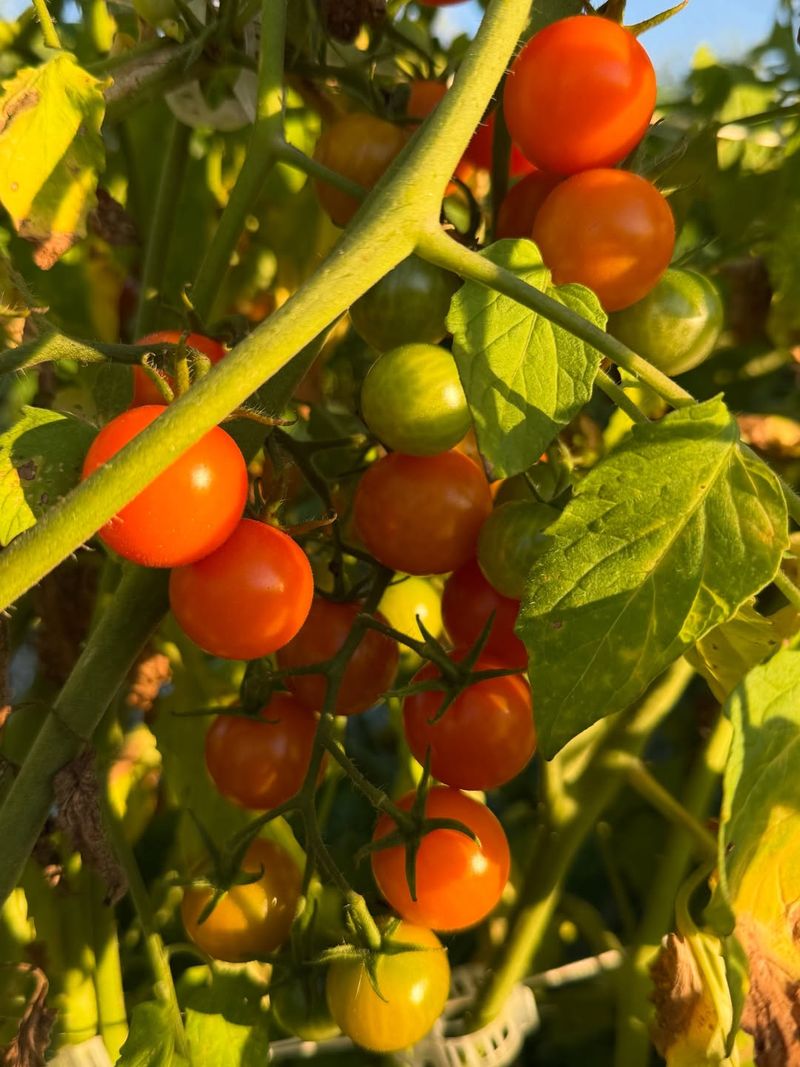
Walking out your back door to pick breakfast feels different than driving to the grocery store. When your landscape includes edible plants, you harvest fresh food steps from your kitchen while your yard stays beautiful and productive.
Florida’s long growing season means something ripens almost every month if you plan it right.
In North Florida, fig trees handle occasional freezes and can produce two crops annually, while blueberries thrive in acidic soil and need minimal care once established.
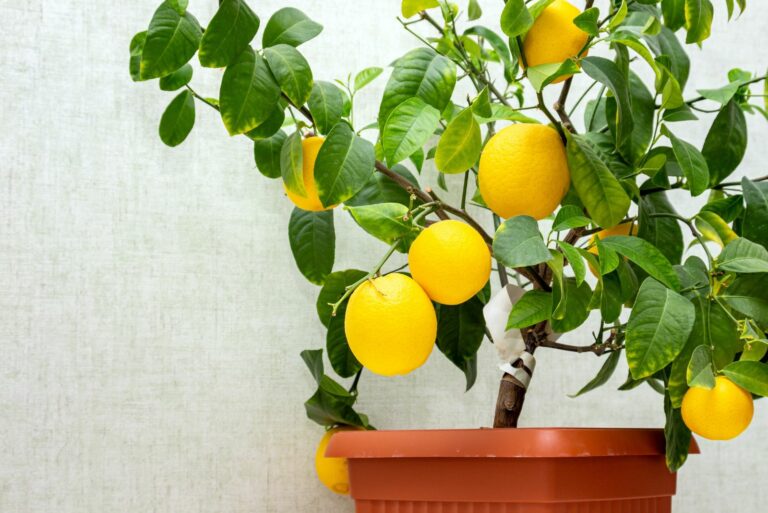
Central Florida gardeners enjoy year-round harvests from Everglades tomatoes, Seminole pumpkins, and citrus varieties that handle both heat and occasional cold snaps.
South Florida opens up tropical possibilities like mangoes, avocados, and papayas that fruit reliably in frost-free zones.
Herbs like rosemary, basil, and oregano grow vigorously in Florida’s warmth, providing fresh flavor while attracting beneficial insects. Moringa trees grow fast, become drought tolerant once established, and offer edible leaves packed with nutrients.
Katuk shrubs produce tender shoots you can harvest repeatedly without harming the plant.
You’ll notice how much better homegrown food tastes compared to store-bought produce. Your grocery bills drop while your meals improve.
Fruit trees also provide shade, flowers attract pollinators, and fallen leaves feed your soil. Every harvest reminds you why functional gardening beats purely ornamental landscapes.
Your yard feeds you instead of just sitting there looking nice.
2. Plants That Repel Common Florida Pests
Nobody enjoys mosquitoes ruining evening patio time or aphids covering your favorite plants. Instead of constantly spraying chemicals, strategic plant choices can help reduce pest pressure when combined with good garden practices.
Certain herbs and flowers emit scents that confuse or repel insects while adding beauty and function to your landscape.
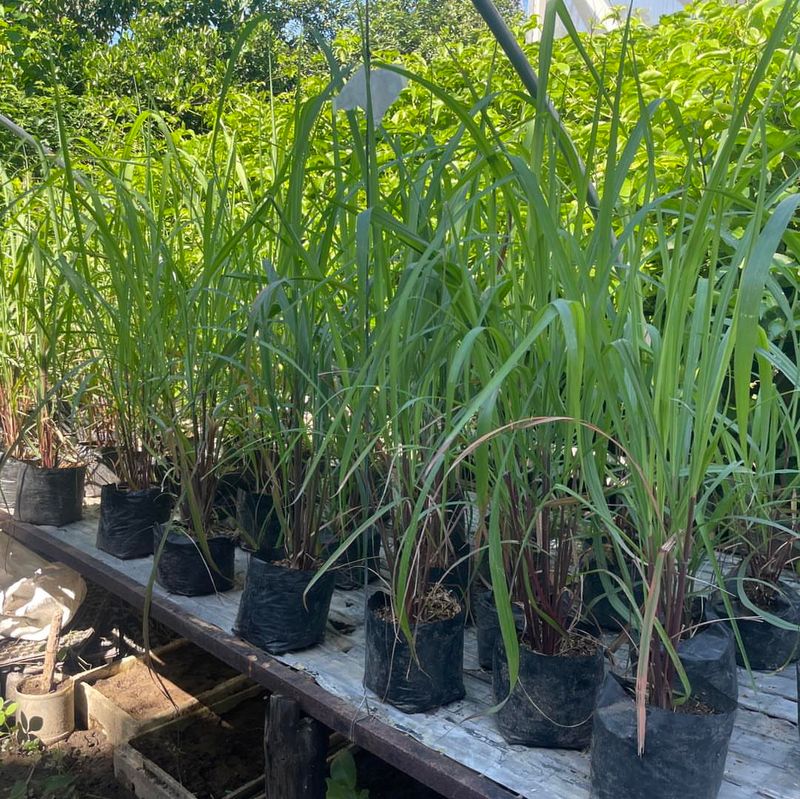
Citronella grass grows tall and releases its familiar scent when leaves are brushed or crushed, which may help deter mosquitoes at close range. Plant it near seating areas where you spend summer evenings.
Marigolds contain compounds that deter whiteflies, aphids, and nematodes, making them excellent companions around vegetable gardens.
Lavender’s strong fragrance may help deter some insects at close range while attracting butterflies and bees, though it performs best in drier, well-drained Florida locations.
Your Florida Garden Changes Every Week. Your Plan Should Too.
Gardening in Florida changes quickly throughout the season. Every Friday you’ll receive a simple weekly plan showing exactly what to plant, prune, fertilize, harvest, and protect so you never miss the right timing.
Lemongrass thrives in Florida heat and produces citronella oil naturally, helping discourage mosquitoes and insects near patios and walkways. Society garlic blooms nearly year-round with pretty purple flowers that repel mosquitoes and mole crickets.
Pennyroyal mint spreads quickly in moist areas and has traditionally been used to discourage fleas and ants, but it should be planted carefully because it spreads aggressively and can be toxic to pets if ingested.
You’ll spend less time swatting bugs and more time enjoying your outdoor spaces. These plants don’t eliminate every pest, but they can help reduce pest activity without introducing toxins into your yard.
Your family and pets benefit from fewer chemicals while beneficial insects still visit freely. Functional pest management through plant selection makes outdoor living more pleasant naturally.
3. Plants That Improve Soil Health
Florida sand doesn’t hold nutrients well, and constant rain leaches away what little organic matter exists. Building better soil takes time, but choosing plants that actively improve earth quality speeds the process dramatically.
Legumes, deep-rooted perennials, and nitrogen-fixing species transform poor soil into rich growing medium.
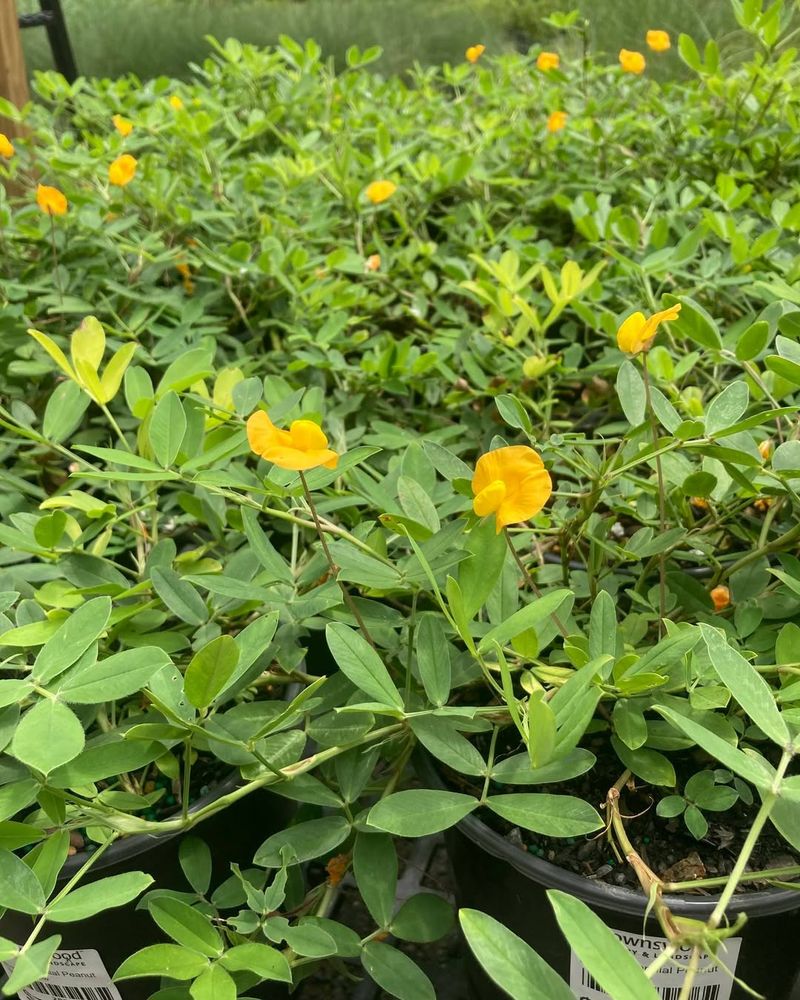
Perennial peanut spreads as groundcover while fixing nitrogen from the air into soil through root nodules. It requires no mowing, tolerates drought, and feeds the earth beneath it continuously.
Sunn hemp grows quickly as a cover crop, then gets chopped and tilled back into beds, adding massive amounts of organic matter and nitrogen. Pigeon pea shrubs produce edible beans while their deep roots break up compacted layers and pull nutrients from depth.
Comfrey’s long taproot pulls nutrients into its leaves, which you can harvest and use as mulch or compost to return organic matter to the soil. Bahiagrass develops extensive root systems that prevent erosion and build soil structure over time.
Clover interplanted with lawn grass feeds beneficial microbes and reduces fertilizer needs significantly.
Over months and years, you’ll notice plants growing more vigorously without extra fertilizer. Your soil becomes darker, richer, and easier to work.
Earthworm populations increase as organic matter accumulates. These soil-building plants do the heavy lifting while you enjoy healthier landscapes that need less intervention.
Good soil creates self-sustaining gardens that thrive naturally.
4. Plants That Cool Your Yard Naturally
Summer heat in Florida makes outdoor spaces unbearable without shade, and air conditioning bills climb when sun beats directly on your house.
Strategically placed trees and large shrubs create microclimates that can lower surrounding air temperatures by several degrees while dramatically reducing surface heat.
Cooling your property naturally makes outdoor living possible year-round while cutting energy costs.
Live oaks spread wide canopies that filter harsh sunlight while allowing breezes through. Plant them on your home’s west side to block afternoon sun that heats walls and windows.
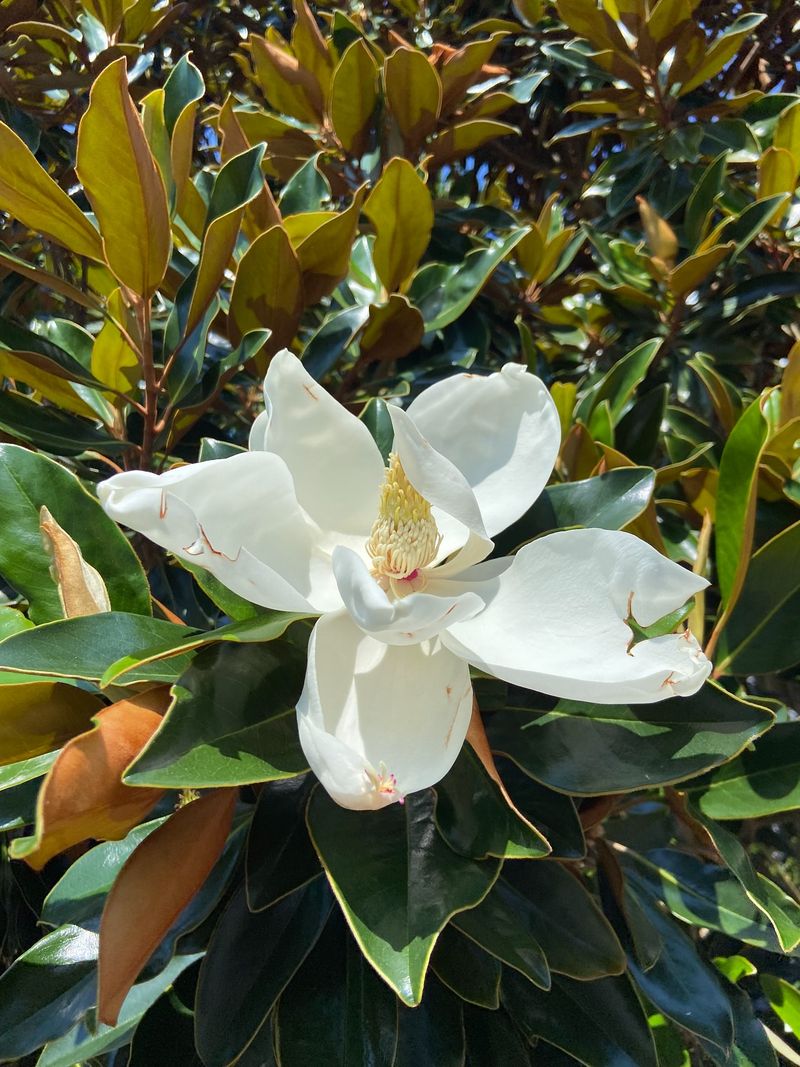
Southern magnolias grow dense evergreen foliage that provides year-round shade and privacy. Bald cypress trees thrive in wet areas, offering cooling shade while handling flooding that would stress other species.
Bamboo varieties grow tall quickly, creating living screens that block sun and wind while providing shade and localized cooling through transpiration. Simpson stopper shrubs form dense hedges that shade ground-level plantings and reduce reflected heat from pavement.
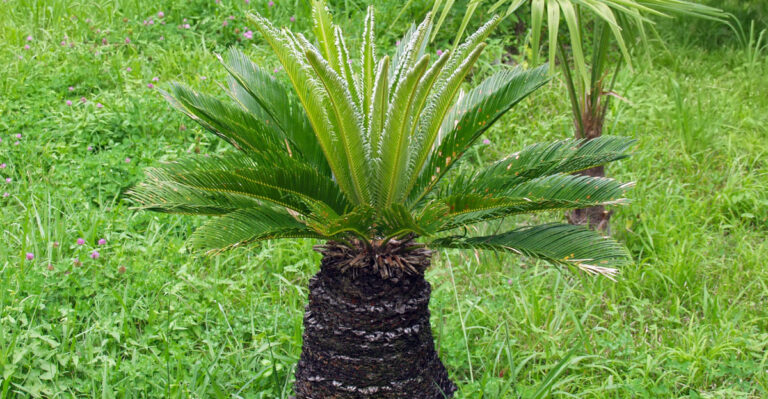
Coontie palms stay low but spread wide, covering soil that would otherwise radiate heat back into your yard.
You’ll feel the temperature difference immediately when stepping under mature shade trees. Your lawn needs less water because evaporation slows.
Outdoor furniture stays usable instead of too hot to touch. Energy bills drop as your home stays cooler naturally.
Shade plants transform brutal summer heat into comfortable outdoor spaces while adding beauty and increasing property value substantially.
5. Plants That Support Pollinators And Wildlife
Butterflies visiting flowers and birds singing from branches make your garden feel alive. When you choose native plants that provide nectar, pollen, berries, and shelter, your yard becomes habitat instead of empty space.
Supporting local wildlife doesn’t require extra work, just smarter plant selection that benefits everyone.
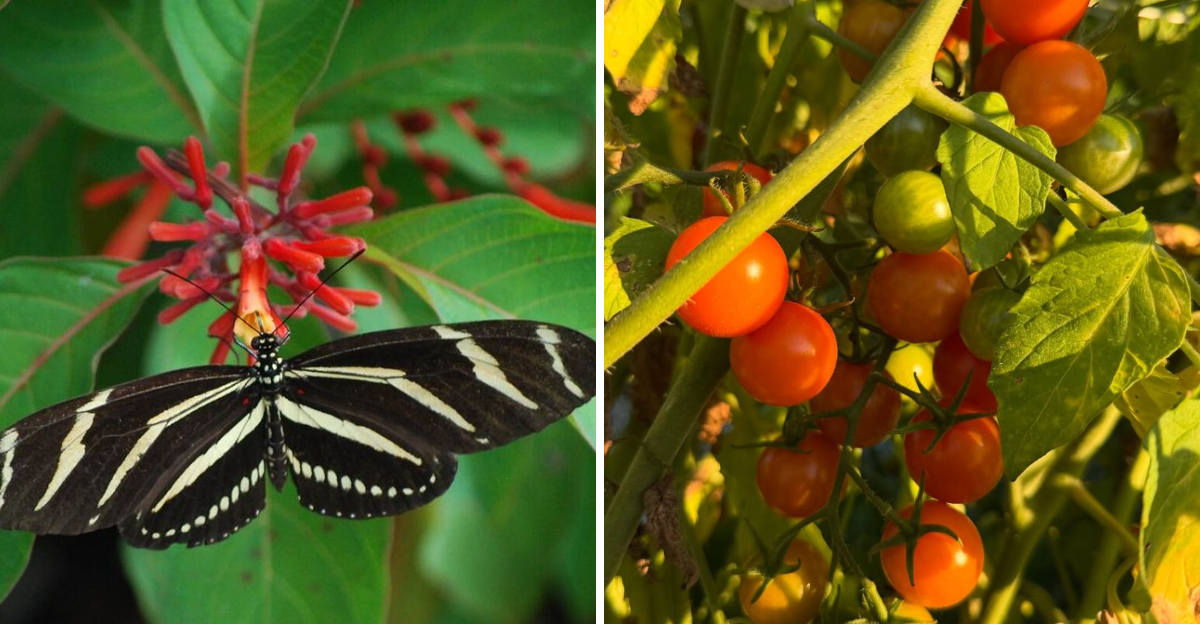
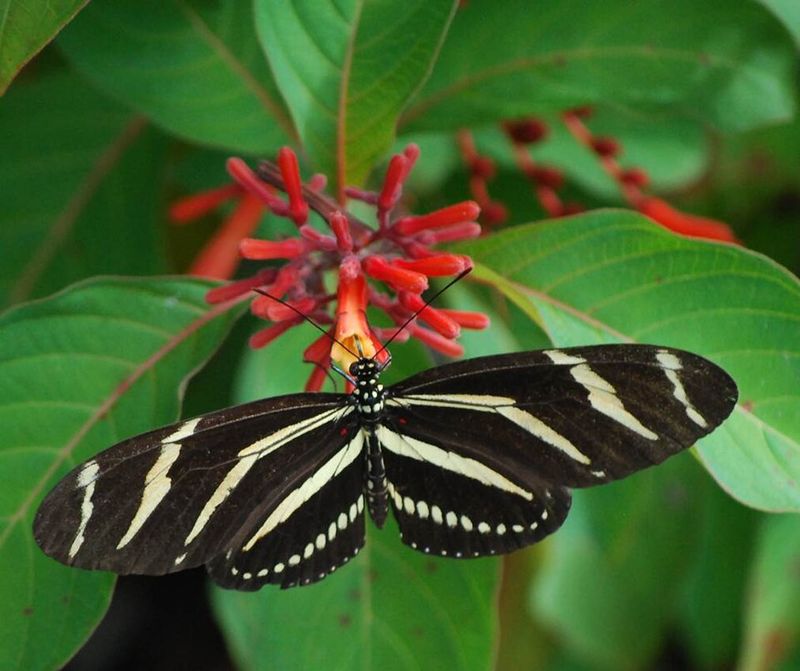
Firebush produces tubular orange flowers that hummingbirds and butterflies visit constantly throughout warm months. Its berries feed migrating birds in fall.
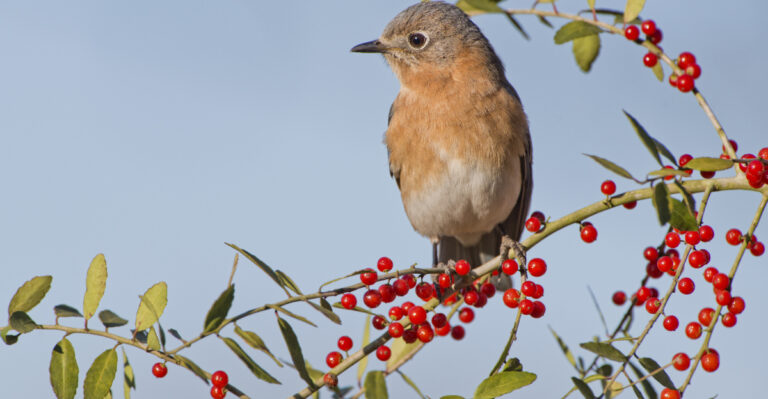
Coontie palms host atala butterfly larvae, supporting a species that depends entirely on this native cycad. Beautyberry shrubs offer purple berries that over forty bird species eat enthusiastically.
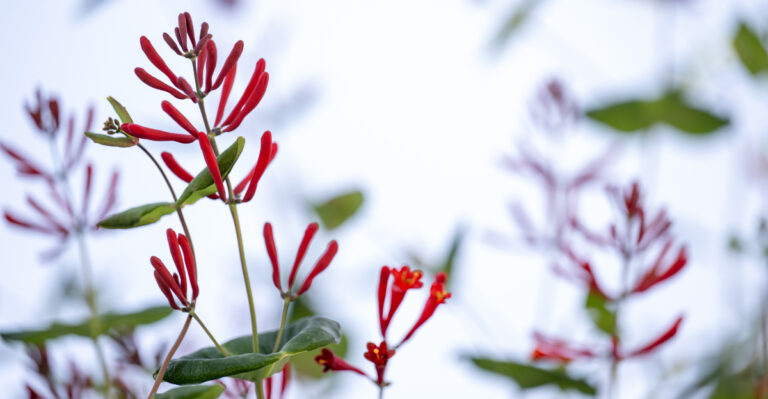
Milkweed varieties provide essential food for monarch butterfly caterpillars while their flowers attract numerous pollinators. Coral honeysuckle vines bloom nearly year-round with red tubular flowers hummingbirds prefer.
Muhly grass produces airy pink plumes in fall that finches and sparrows harvest for seeds.
You’ll notice increased bird activity and more butterflies than neighbors see in their yards. Watching wildlife interact with your landscape adds daily entertainment and connection to natural cycles.
Your garden supports biodiversity while requiring less maintenance than high-input ornamental landscapes. Native plants adapted to Florida conditions thrive without constant attention.
Creating habitat through plant choice means your yard contributes positively to local ecosystems while looking beautiful and staying productive naturally.
6. Plants That Provide Privacy And Wind Protection
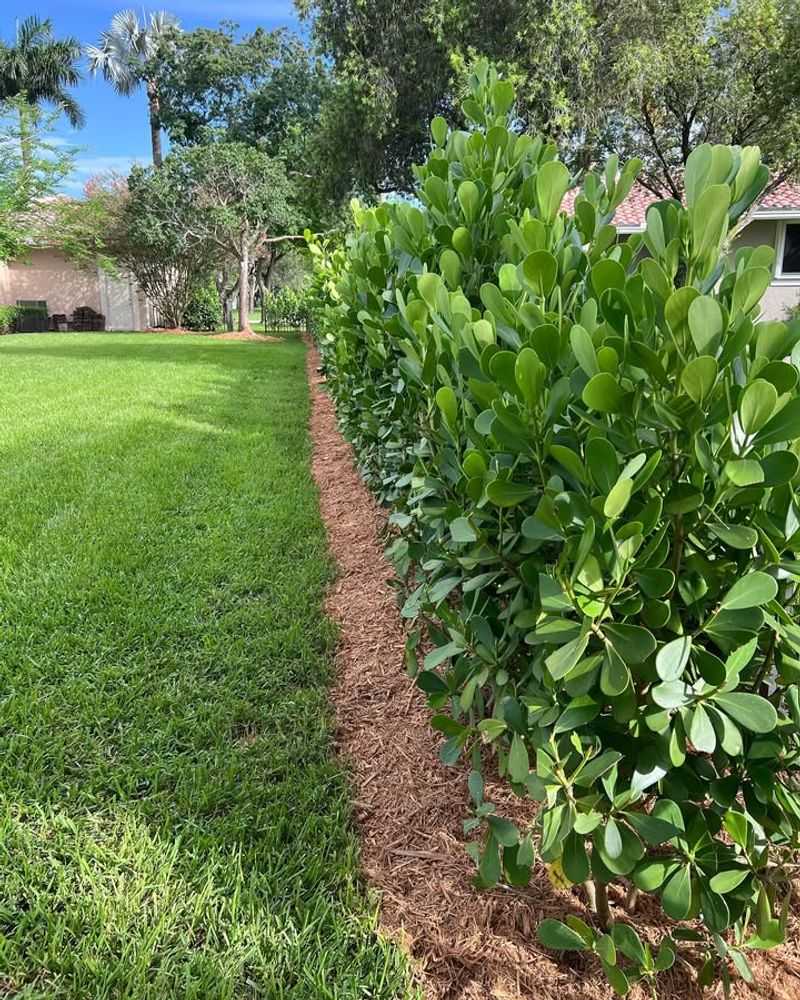
Living close to neighbors or near busy roads means constant noise and lack of privacy. Solid fences work but look harsh and block breezes you need for comfort.
Living barriers from fast-growing hedges and strategic tree placement create natural screens that filter wind, reduce noise, and establish boundaries while improving your landscape’s appearance.
Clusia hedges grow dense and evergreen, forming solid walls that block views completely while tolerating salt spray in coastal areas.
Clumping bamboo varieties shoot up quickly, creating tall screens that sway gracefully in wind while absorbing sound without the invasive spreading problems of running bamboo.
Podocarpus shrubs form tight hedges that stay green year-round and handle regular trimming without stress.
Wax myrtle trees grow fast into multi-trunked screens that provide habitat for birds while blocking wind and noise. Walter’s viburnum produces fragrant white flowers before forming dense evergreen barriers.
Loblolly bay trees grow tall and narrow, perfect for tight spaces where you need vertical screening without spreading width.
You’ll enjoy outdoor spaces more when visual privacy and wind protection make them feel secluded and comfortable. Street noise fades behind living barriers that also filter dust and pollution.
Your property feels larger when boundaries disappear behind greenery. These functional plants create outdoor rooms instead of exposed yards.
Privacy screening through strategic planting transforms your landscape into a private retreat while supporting wildlife and improving air quality naturally.
7. Plants That Handle Florida Weather Extremes
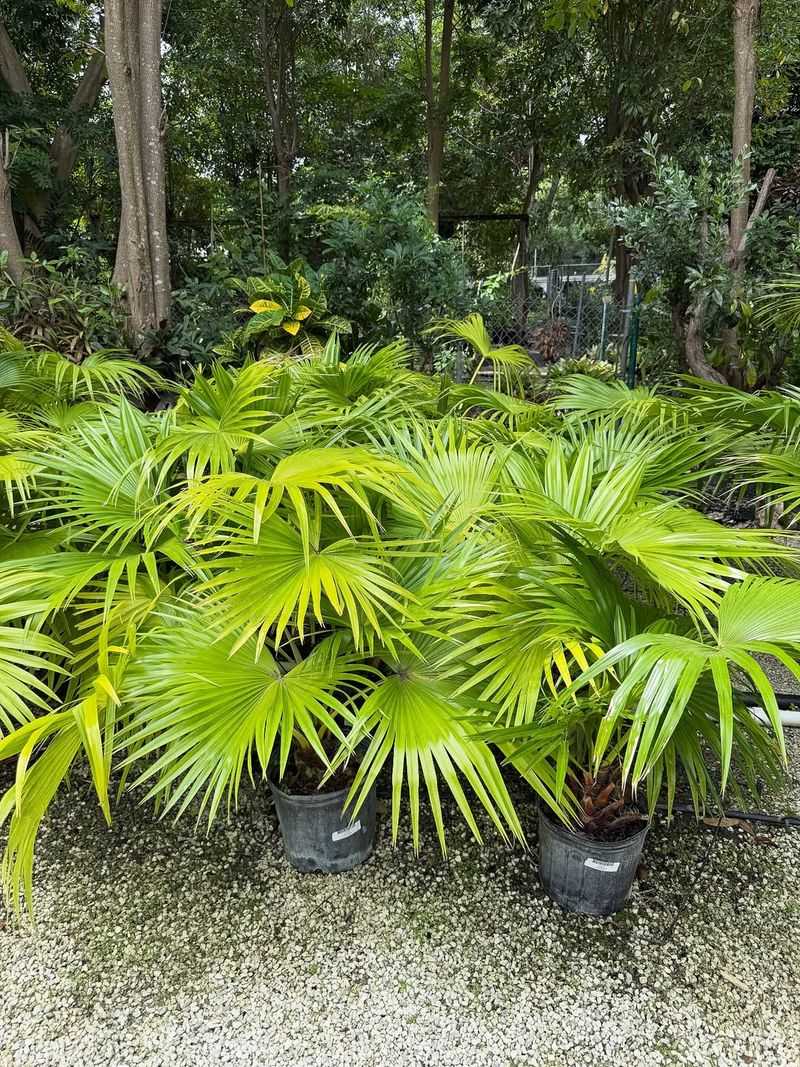
Florida weather swings from drought to flooding, scorching heat to occasional freezes depending on your region. Plants that survive these extremes without constant intervention save you time, money, and frustration.
Choosing tough species adapted to variable conditions means your landscape persists through whatever weather arrives.
Coontie palms tolerate drought, flooding, salt spray, and full sun or deep shade equally well. They survived Florida for millions of years and handle modern landscapes effortlessly.
Muhly grass thrives in both wet and dry conditions, producing spectacular fall color regardless of rainfall. Sabal palms withstand hurricanes, freezes, and drought while growing slowly into iconic Florida landscape specimens.
Simpson stopper shrubs handle salt, drought, and occasional flooding without dropping leaves or slowing growth. Gaillardia wildflowers bloom through summer heat and winter cold, reseeding naturally and spreading color with very little maintenance.
Fakahatchee grass tolerates standing water and short dry periods, making it useful for areas with fluctuating moisture.
You’ll spend less time replacing plants that couldn’t handle Florida’s climate challenges. Your landscape looks good year-round instead of struggling through difficult seasons.
These resilient species establish quickly then persist for decades with minimal care. Weather-tough plants mean you garden with nature instead of fighting it constantly.
Choosing adapted species transforms gardening from constant work into occasional maintenance while creating landscapes that improve over time naturally.
8. Plants That Reduce Maintenance Work
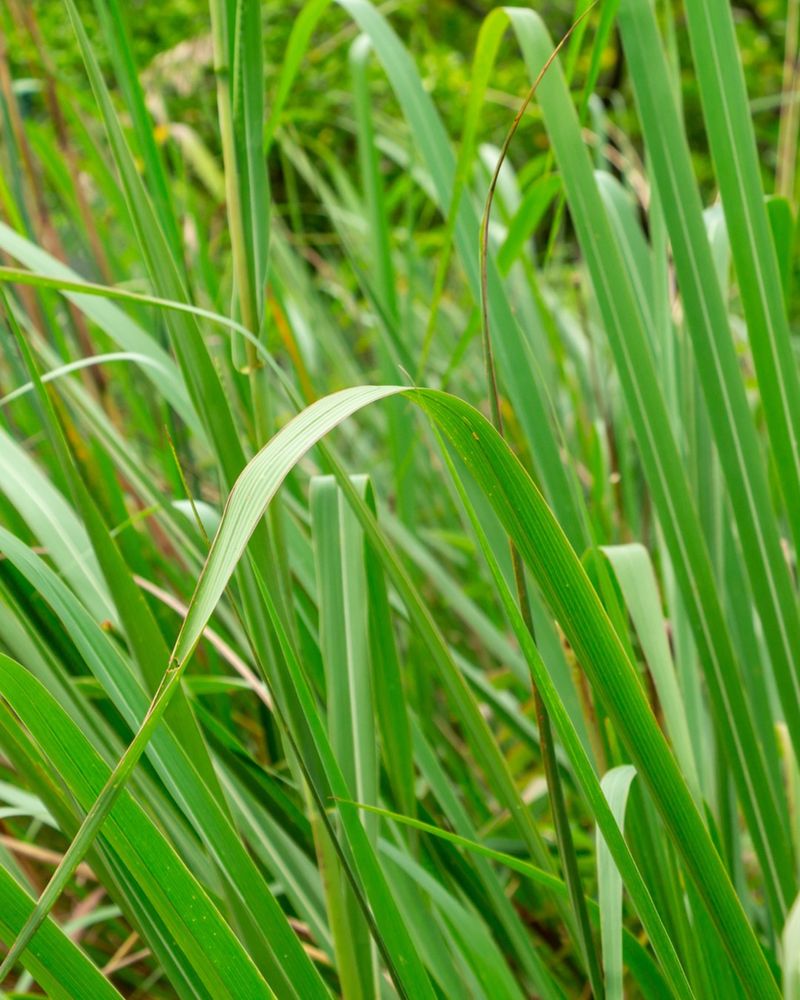
Mowing, trimming, fertilizing, and spraying take hours every week when you fill your yard with high-maintenance species. Low-maintenance plants adapted to Florida conditions grow steadily without constant intervention, freeing your weekends for enjoying your landscape instead of working in it.
Choosing self-sufficient species dramatically reduces gardening chores.
Perennial peanut groundcover eliminates mowing completely while staying green and dense year-round. It rarely needs fertilizer and requires minimal water once established, and spreads naturally to fill bare spots.
Coontie palms rarely need pruning, fertilizing, or pest control while providing evergreen structure. Fakahatchee grass stays attractive without trimming and handles neglect better than most lawn grasses.
Beach sunflower spreads along edges and slopes, preventing erosion while producing cheerful yellow blooms continuously. It rarely needs deadheading or dividing.
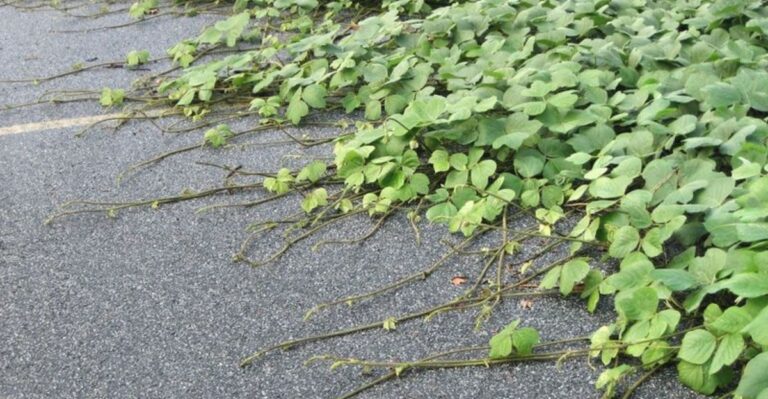
Railroad vine covers sandy areas quickly, stabilizing soil and requiring very little care after establishment. Sunshine mimosa stays low, blooms profusely, and tolerates foot traffic without damage.
You’ll reclaim weekends previously spent maintaining demanding landscapes. Your yard looks good without constant attention because plants suited to Florida conditions thrive naturally.
Water bills drop as drought-tolerant species establish deep roots. Fertilizer and pesticide expenses disappear when native plants resist pests and feed themselves.
Low-maintenance gardening means more time enjoying outdoor spaces and less time working to keep them presentable. Your landscape becomes self-sustaining instead of constantly demanding attention.