10 Best Companion Plants For Dill In Florida Gardens
Florida gardeners know dill grows fast, smells amazing, and attracts pollinators, but most people never realize how powerful this herb can be when planted with the right neighbors.
The plants growing beside your dill can influence everything from pest pressure to harvest length and overall garden health.
With Florida’s intense sun, sandy soil, and long growing seasons, smart companion planting can make the difference between struggling beds and thriving ones. Some vegetables benefit from dill’s light shade, others gain protection from beneficial insects, and several crops grow stronger simply by sharing the same space.
When these combinations work together, gardens become easier to manage and more productive without extra sprays or fertilizers.
If you want healthier plants, better harvests, and a garden that works with nature instead of against it, these dill companion pairings are worth planting this season.
1. Lettuce
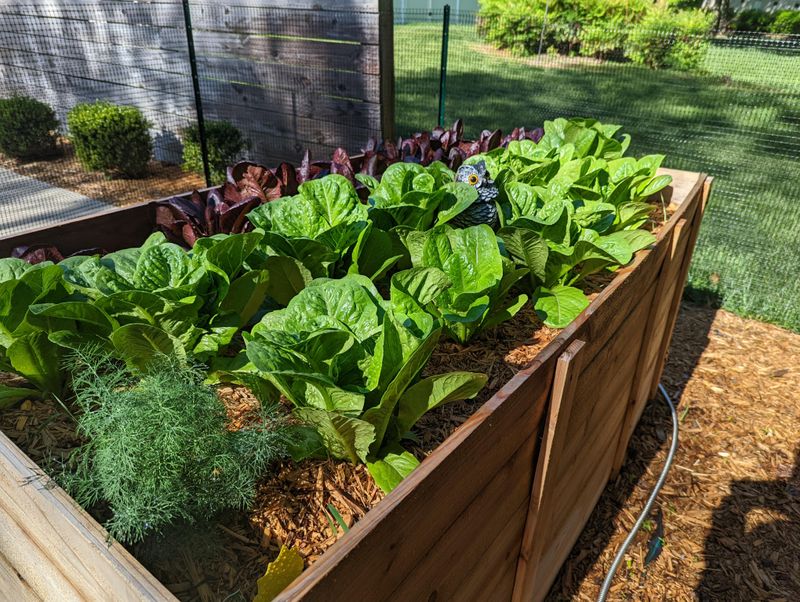
Cool-season greens thrive when you plant them near dill in fall and winter beds across Florida. Lettuce appreciates the light shade dill provides as temperatures climb in late spring, especially in Central and South Florida where even February sun can stress tender leaves.
The feathery canopy lightly filters harsh rays without blocking airflow, helping reduce heat stress and keep lettuce productive longer.
Dill roots stay shallow and lettuce grows fast, so they never compete for nutrients or water in your garden beds.
You can tuck lettuce seedlings around established dill plants in October through January, timing your plantings to match North Florida’s cooler windows or South Florida’s extended winter production.
Aphids sometimes target lettuce, but dill flowers attract ladybugs and lacewings that patrol both crops.
Harvest lettuce leaves as soon as they reach full size, and your dill will continue to sway above the bed, offering fresh fronds for salads and pickling. This pairing feels natural in mixed vegetable gardens, where you want every square foot to produce without extra effort or pest pressure building up.
2. Cucumbers
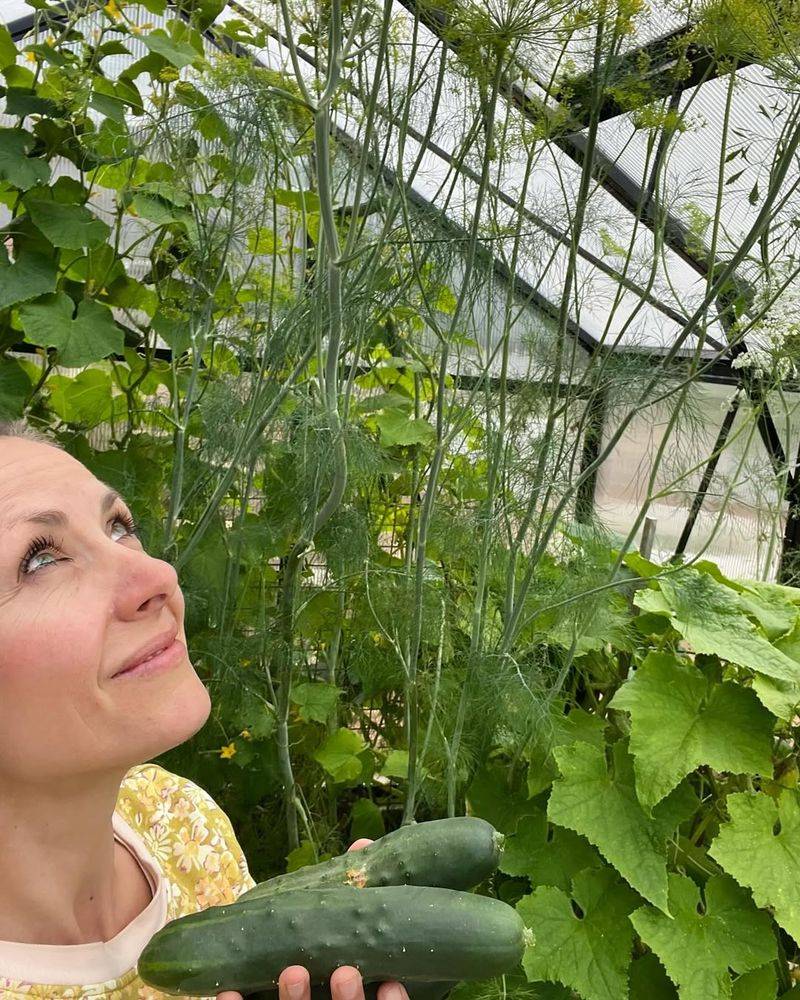
Vining cucumbers sprawl through Florida gardens from spring through fall, and dill planted nearby attracts pollinators that boost fruit set on every flowering vine. Cucumber beetles can damage young plants and spread bacterial wilt, but dill flowers bring hoverflies and parasitic wasps that can help reduce beetle pressure naturally.
You notice fewer chewed leaves and healthier vines when dill stands tall at the edge of your cucumber rows.
Plant dill seeds or transplants about two feet from cucumber hills in March or August, giving both crops room to spread without tangling. In North Florida, spring cucumbers benefit from dill planted at the same time, while Central Florida gardeners can stagger plantings to keep flowers blooming through summer heat.
South Florida growers enjoy winter cucumber production with dill sown in October, creating a fragrant, productive bed that feels effortless to maintain.
Both plants prefer consistent moisture and full sun, so your watering routine stays simple. Harvest cucumbers daily to encourage more fruit, and snip dill fronds as needed for fresh flavor that complements every pickle jar you fill this season.
Your Florida Garden Changes Every Week. Your Plan Should Too.
Gardening in Florida changes quickly throughout the season. Every Friday you’ll receive a simple weekly plan showing exactly what to plant, prune, fertilize, harvest, and protect so you never miss the right timing.
3. Onions
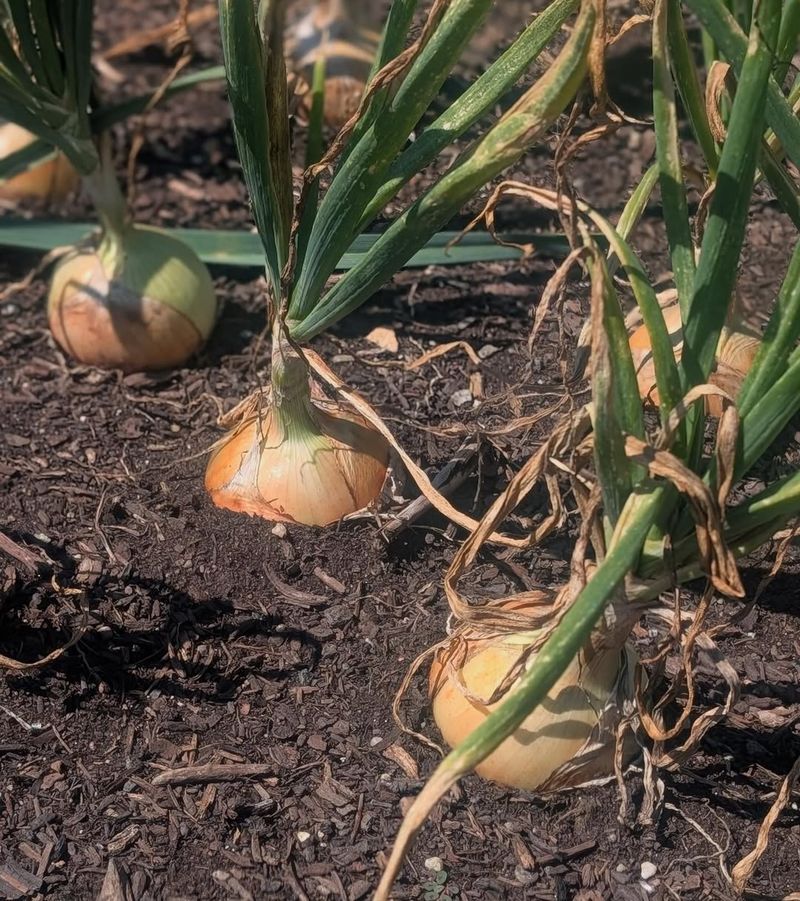
Rows of onions push through Florida soil in fall and winter, and dill planted between sets or seedlings creates a layered garden that confuses pests and improves overall bed health.
Onion flies and thrips sometimes target young alliums, but dill’s strong scent may help confuse some insect pests and attract beneficial predators, which can reduce damage without sprays.
You see cleaner foliage and fuller bulbs when dill grows nearby.
Plant onion sets in October or November across Florida, then tuck dill seeds along the edges of your rows or in gaps between plants.
North Florida gardeners appreciate the spring harvest timing, while Central and South Florida growers enjoy pulling bulbs in March and April before heat arrives.
Dill matures faster than onions, so you can harvest fronds for cooking while your bulbs continue to swell underground.
Both crops tolerate sandy soil and prefer moderate fertility, making them easy to manage together without complicated feeding schedules. When you pull onions in late spring, dill flowers attract beneficial insects that move to other garden beds, extending the pest control benefits across your entire vegetable space.
4. Cabbage Family Crops (Broccoli, Kale, Collards)
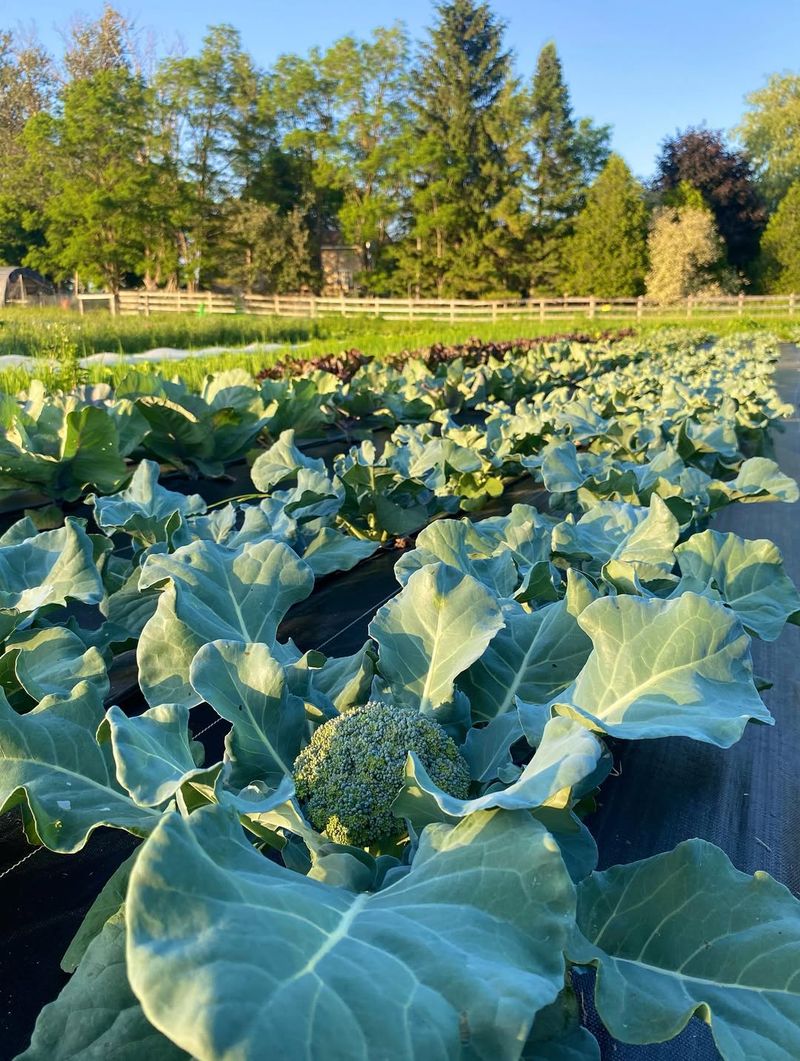
Brassicas like broccoli, kale, and collards anchor Florida fall and winter gardens, and dill planted among these sturdy crops brings pest-fighting power that protects leaves and heads from common damage.
Cabbage worms and loopers chew through brassica foliage, but dill flowers attract parasitic wasps that lay eggs inside these caterpillars, helping reduce damage before it spreads.
You notice cleaner leaves and healthier plants when dill sways nearby.
Plant brassica transplants in September or October, then sow dill seeds around the base of each plant or in rows between beds. North Florida gardeners enjoy robust broccoli and kale production through winter, while Central Florida growers harvest collards and cabbage into March.
South Florida gardens support extended brassica seasons with dill planted in November, creating a fragrant, productive space that feels balanced and easy to maintain.
Dill roots stay shallow and brassicas grow deep, so they never compete for water or nutrients in your beds. Harvest side shoots from broccoli and outer leaves from kale and collards, and your dill will continue to bloom, attracting beneficial insects that patrol your entire garden space throughout the cooler months.
5. Tomatoes
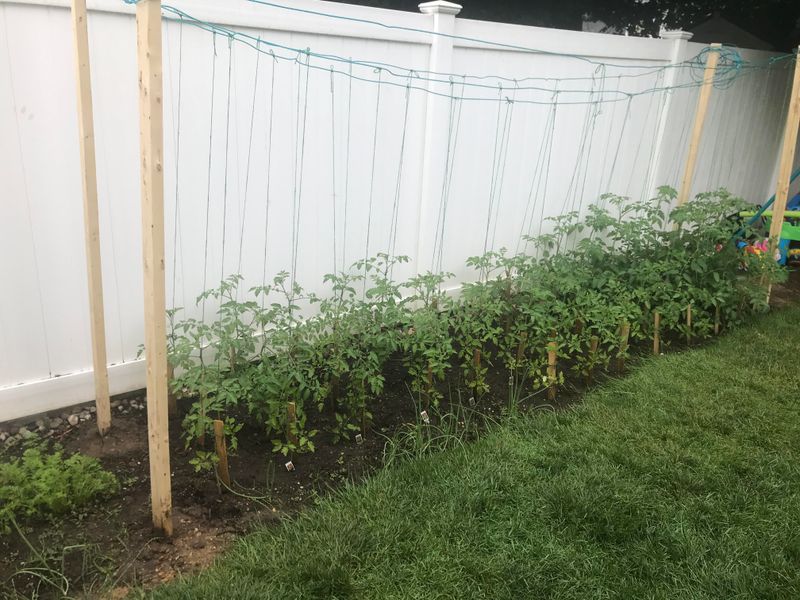
Tomato plants dominate Florida spring and fall gardens, and dill planted nearby attracts beneficial insects that help reduce hornworm and other pest pressure without harsh chemicals.
Hornworms can strip tomato foliage overnight, but dill flowers bring braconid wasps that parasitize these caterpillars, reducing damage and protecting your harvest.
You see fewer chewed leaves and healthier fruit set when dill grows at the edge of your tomato rows.
Plant tomato transplants in February or August, then tuck dill seeds about eighteen inches away or along bed edges to avoid crowding and root competition. North Florida gardeners enjoy robust spring and fall tomato crops with dill flowering through both seasons, while Central Florida growers time plantings to avoid summer heat.
South Florida gardens support winter tomato production with dill sown in October, creating a productive bed that feels effortless to manage.
Both crops prefer full sun and consistent moisture, so your watering routine stays simple. Harvest tomatoes as they ripen, and snip dill fronds for fresh flavor that complements every salad and sauce you prepare.
When dill flowers fade, let seeds drop to reseed naturally, extending the pest control benefits into your next planting season.
6. Peppers
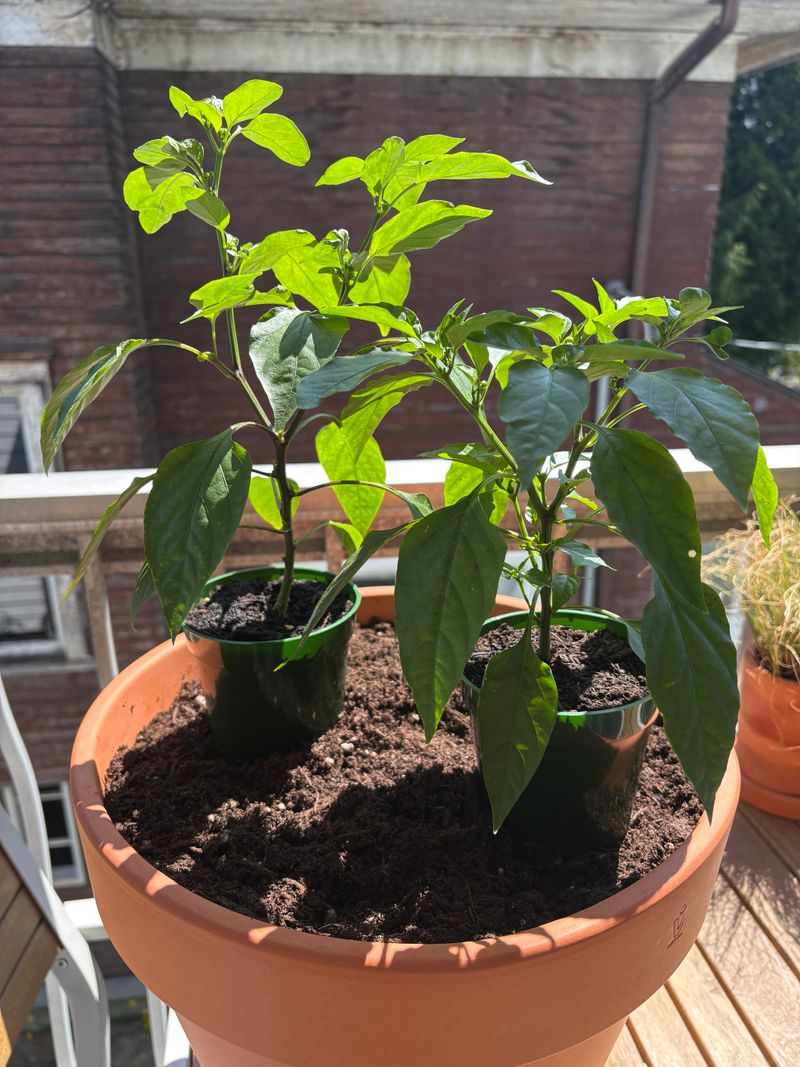
Pepper plants thrive in Florida heat, and dill planted nearby attracts pollinators and beneficial insects that improve fruit set and reduce pest pressure throughout the growing season.
Aphids sometimes target pepper foliage, but dill flowers bring ladybugs and lacewings that patrol both crops, helping keep populations in check without sprays.
You notice cleaner leaves and heavier fruit loads when dill sways at the edge of your pepper beds.
Plant pepper transplants in March or August, then sow dill seeds about two feet away to allow room for both plants to spread. North Florida gardeners enjoy spring and fall pepper harvests with dill flowering through warm months, while Central Florida growers extend production into early summer.
South Florida gardens support year-round pepper production with dill planted in fall and winter, creating a fragrant, productive space that feels balanced and easy to maintain.
Both crops tolerate sandy soil and prefer moderate fertility, making them simple to manage together without complicated feeding schedules.
Harvest peppers as they reach full size or color, and snip dill fronds for fresh flavor that complements every meal you prepare from your garden this season.
7. Asparagus
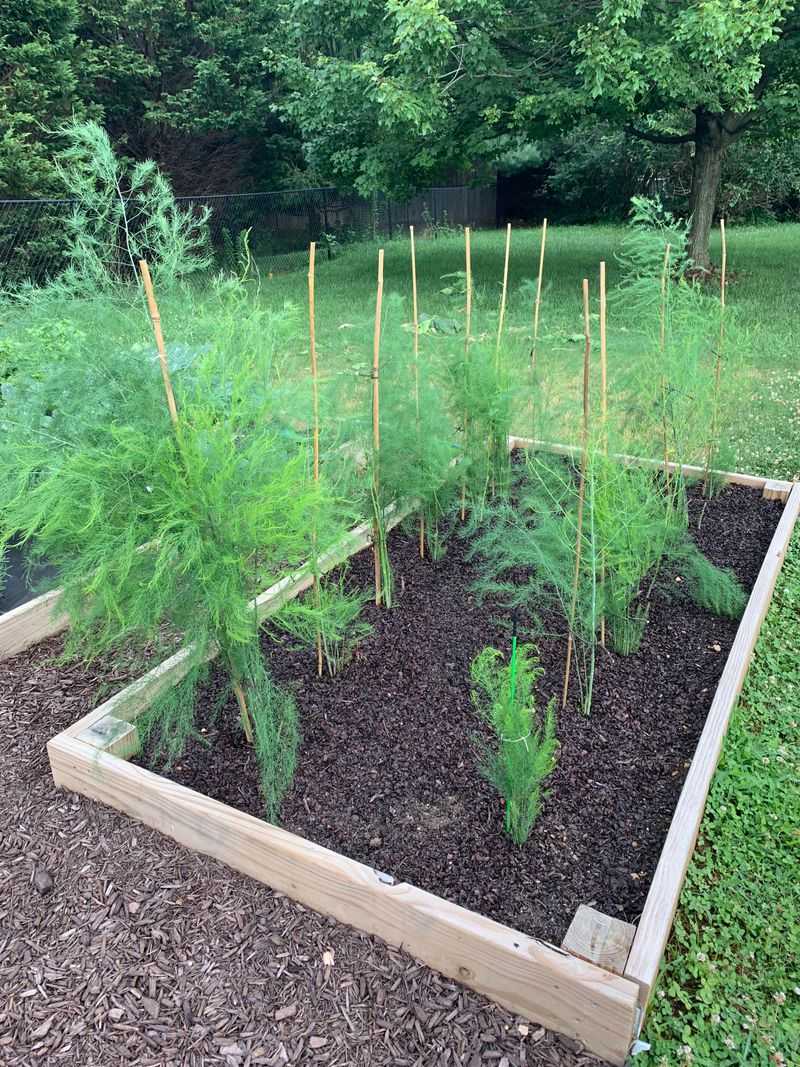
Asparagus crowns establish slowly in Florida gardens, and dill planted among emerging spears attracts beneficial insects that protect young growth from beetles and other pests.
Dill flowers attract ladybugs and parasitic wasps that support beneficial insect populations around perennial beds, helping create a healthier garden ecosystem.
You notice cleaner spears and healthier ferns when dill grows nearby.
Plant asparagus crowns in late winter or early spring, then sow dill seeds around the bed edges once spears begin to emerge. Asparagus production is most reliable in North Florida, while Central and South Florida growers may have limited success due to heat and humidity.
South Florida gardens face challenges with asparagus, but dill planted in winter still supports beneficial insect populations that help other crops nearby.
Both plants prefer well-drained soil and moderate fertility, so your bed preparation and feeding routines stay simple. Harvest asparagus spears when they reach six to eight inches tall, and let dill grow tall to flower and attract pollinators that visit your entire garden space.
When dill reseeds naturally, you create a self-sustaining ecosystem that feels effortless to maintain season after season.
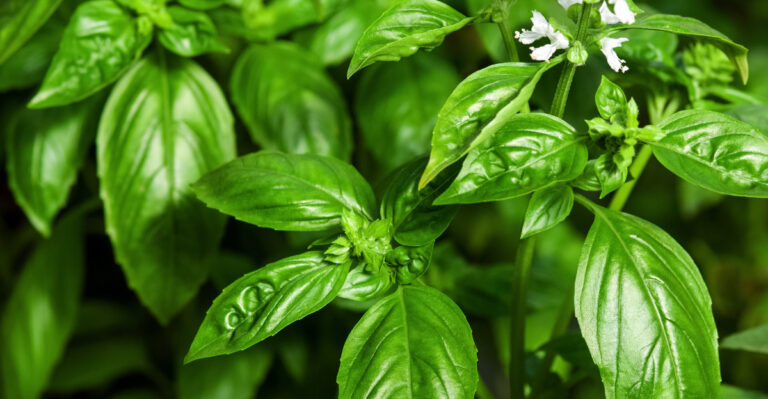
8. Basil
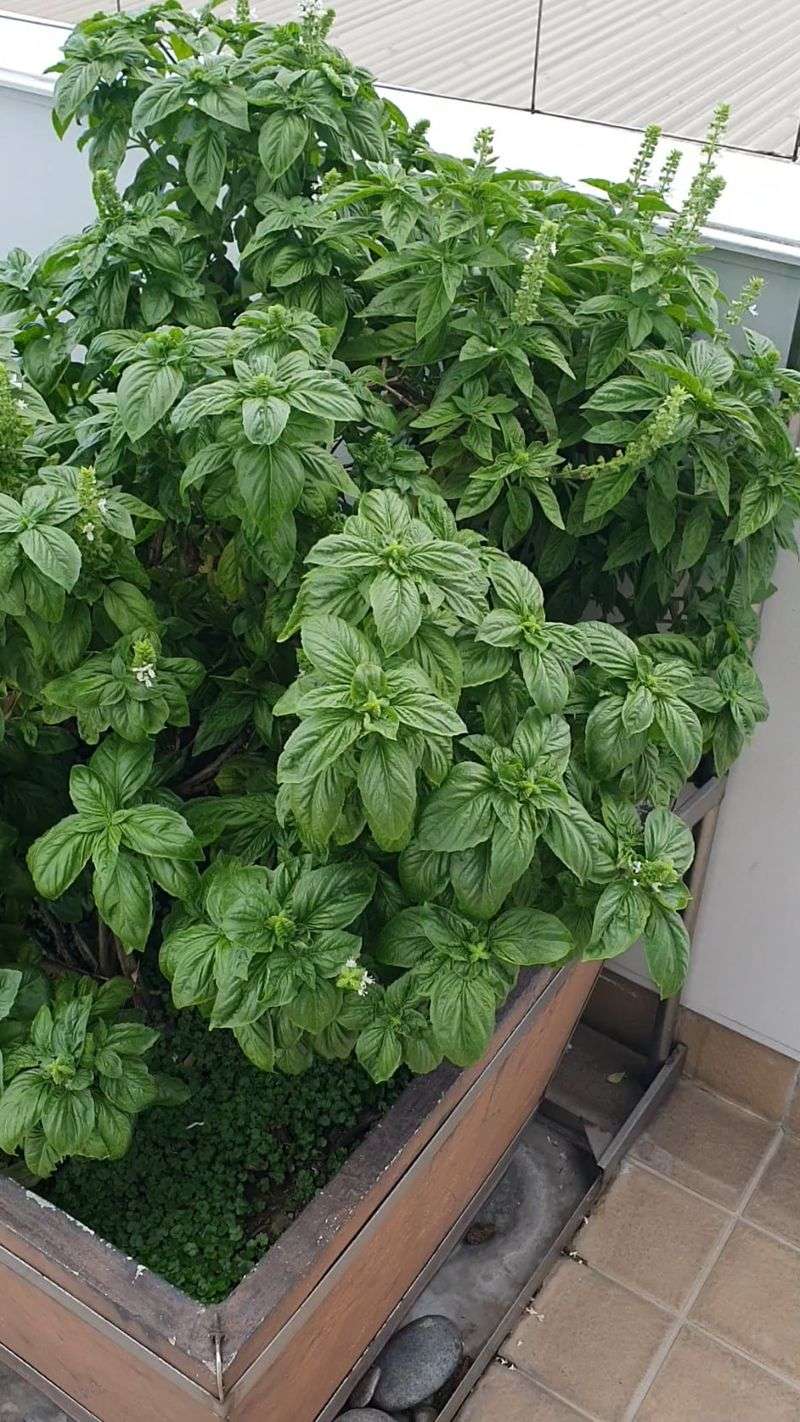
Basil plants thrive in Florida heat, and dill planted nearby creates a fragrant herb garden that attracts pollinators and beneficial insects while offering fresh flavor for your kitchen.
Both herbs prefer full sun and warm temperatures, making them natural companions in spring and summer beds across all Florida regions.
Basil and dill grow well side by side, creating a layered canopy that feels lush and productive.
Plant basil transplants in March or April, then sow dill seeds nearby to allow both herbs to mature together. North Florida gardeners enjoy robust basil and dill production through summer, while Central Florida growers extend harvests into fall.
South Florida gardens support year-round herb production with successive plantings, creating a fragrant space that feels effortless to maintain.
Both crops attract different pollinators, so your garden benefits from a wider range of beneficial insects that visit flowers and patrol for pests. Harvest basil leaves regularly to encourage bushier growth, and snip dill fronds as needed for fresh flavor that complements every meal.
When dill flowers fade, let seeds drop to reseed naturally, extending the fragrance and pest control benefits into your next planting season.
9. Marigolds
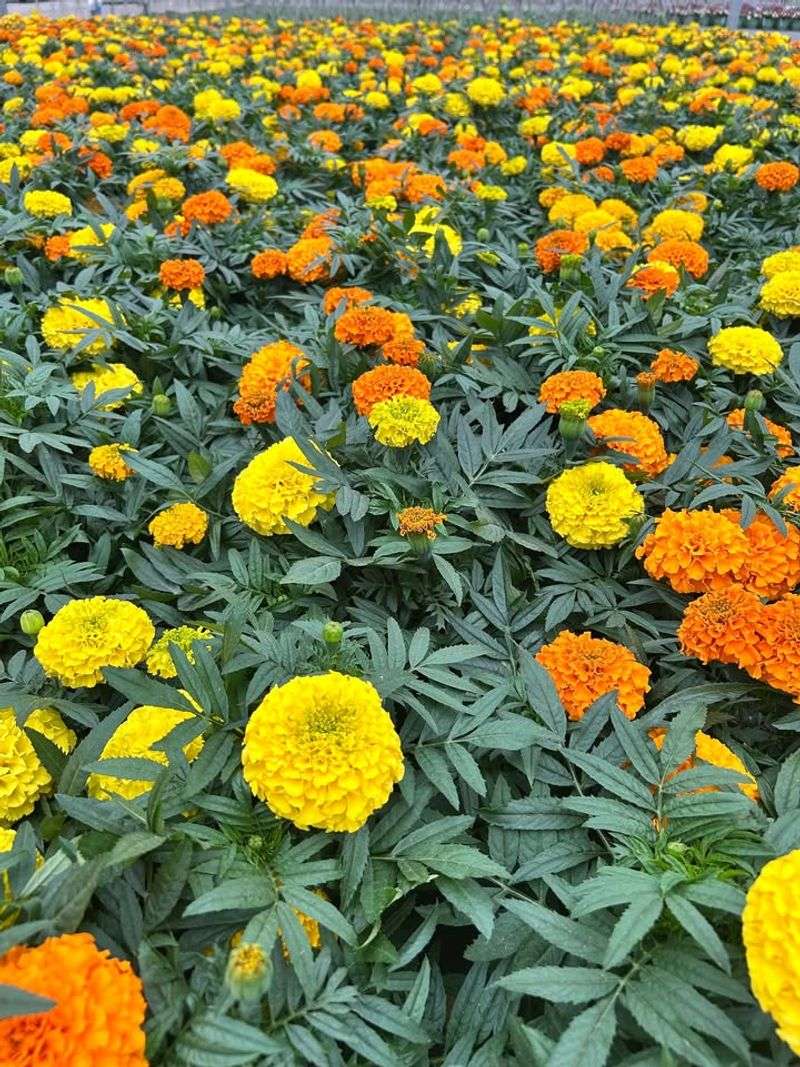
Marigold flowers brighten Florida vegetable gardens, and planting them near dill creates a pest-fighting partnership that helps reduce nematode and aphid pressure in surrounding crops.
French marigolds (Tagetes patula) release compounds from their roots that help suppress root-knot nematodes in sandy Florida soils, reducing damage to dill and nearby vegetables without chemicals.
You notice healthier root systems and stronger growth when marigolds bloom at the edges of your dill beds.
Plant marigold transplants or seeds in early spring or fall, spacing them about twelve inches from dill plants to allow room for both to spread. North Florida gardeners enjoy marigold blooms through spring and fall, while Central Florida growers extend flowering into winter.
South Florida gardens support year-round marigold production, creating a colorful, fragrant space that feels balanced and easy to maintain.
Both plants tolerate heat and sandy soil, making them simple to manage together without complicated watering or feeding schedules. Marigold flowers attract hoverflies and other beneficial insects that patrol dill foliage for aphids and other pests.
Deadhead marigolds regularly to encourage more blooms, and let dill flower to attract even more pollinators that visit your entire garden space throughout the growing season.
10. Nasturtiums
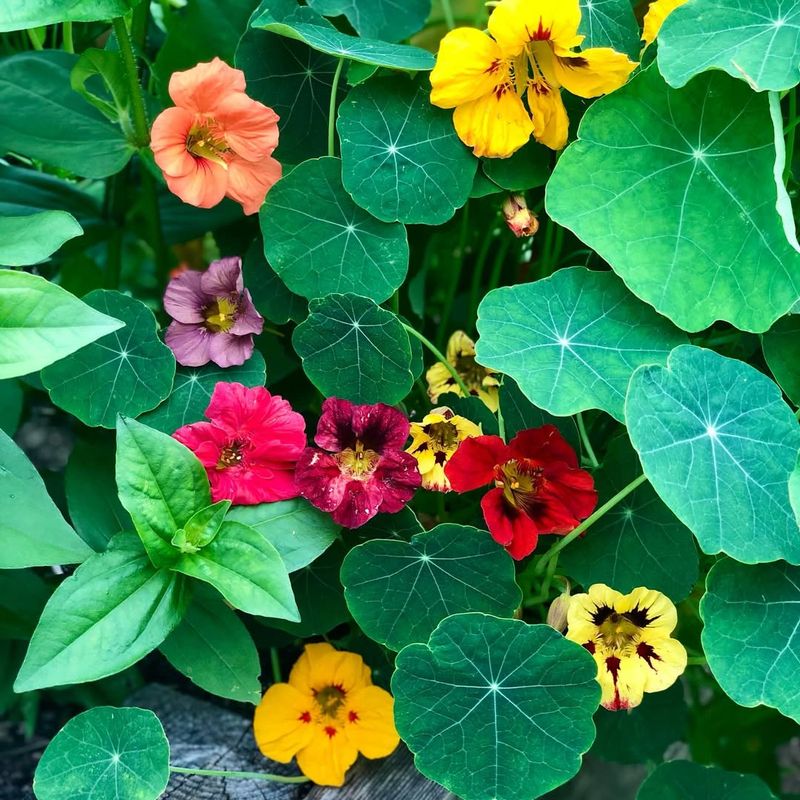
Nasturtium vines cascade through Florida gardens, and planting them near dill creates a trap crop that lures aphids away from valuable vegetables while attracting beneficial insects to your beds. Aphids prefer nasturtium foliage over most other plants, so they gather on these fast-growing vines instead of attacking dill or nearby crops.
Remove heavily infested nasturtium vines as needed to prevent aphid populations from spreading.
Plant nasturtium seeds in fall or early spring, spacing them about two feet from dill to allow room for vines to spread. North Florida gardeners enjoy nasturtium blooms through cooler months, while Central Florida growers extend flowering into late spring.
South Florida gardens support winter nasturtium production, creating a colorful, productive space that feels effortless to maintain.
Both plants tolerate sandy soil and prefer moderate fertility, making them simple to manage together without complicated feeding schedules. Nasturtium flowers attract pollinators that visit dill blooms, improving seed set and extending your herb harvest.
Harvest nasturtium leaves and flowers for peppery salads, and let aphid-covered vines stay in place to keep pests concentrated away from your most valuable crops throughout the growing season.
Companion planting supports healthier gardens but works best alongside proper spacing, watering, crop rotation, and regular garden monitoring.